


Blog
Nipple drinkers anchor healthier poultry houses through controlled access, measurable flow, and cleaner delivery, with 1.5 m service spacing.
Poultry nipple drinkers support water management with 0.2–0.8 bar regulation, helping align equipment performance with flock requirements.
Automatic nipple drinker systems connect filtration, dosing, flushing, and metering into coordinated infrastructure, using 5–10 μm filtration for practical farm control.
Seven engineering steps address allocation, sanitation, pressure, leakage, maintenance, inspection, and commercial system selection across 120 m poultry houses using specifications.
- Professional equipment planning strengthens operational consistency, with 2 independent zones and 24-hour reserve capacity supporting resilient poultry production.
Get professional poultry farm construction guidance, equipment selection solutions, and the latest price lists, whatsApp to +8618830120193, click to learn more:
Build A Water Access Plan
A reliable nipple drinker system begins with correct allocation.
Aviagen recommends monitoring nipple performance throughout the flock cycle because inadequate supply can restrict intake, while excessive delivery can contribute to litter problems.
A properly engineered poultry nipple drinker layout can use 12–15 birds per drinking point during suitable production stages, while installation planning should account for approximately 30–40 cm bird-access zones.
Data is for reference only.Swipe horizontally to view full table.
These figures should be matched with specific nipple manufacturer specifications and flock conditions rather than treated as universal settings.
Match Nipple Capacity To Bird Numbers
The objective is not simply to install more nipples.
A poultry nipple drinker system distributes drinking opportunities according to bird size, climate, nipple design, and actual operating conditions.
For commercial projects, equipment design can be customized around house width, flock density, and drinking-line layout, with approximately 1.2–1.5 m installation height supporting practical bird access.
Data is for reference only.Swipe horizontally to view full table.
A professional poultry nipple drinker project should therefore be calculated according to flock characteristics instead of applying one universal installation
configuration.
Control Pressure And Line Uniformity
Pressure management determines how consistently each nipple responds along the house.
A commercial poultry nipple drinker system therefore needs appropriate regulators, end-line monitoring, and automatic flushing rather than relying only on inlet pressure.
A balanced installation can maintain approximately 0.2–0.8 bar operating pressure and position monitoring points at roughly 25–40 m intervals for sectional assessment.
Data is for reference only.Swipe horizontally to view full table.
Aviagen specifically identifies air locks, blockages, line leveling, and regulator adjustment as important factors when nipple flow does not meet required conditions.
Reduce Water Waste Before Wet Litter
Nipple drinkers are valuable because water is released primarily when a bird activates the nipple rather than leaving an open reservoir exposed to bedding, manure, and dust.
A poultry nipple drinker can therefore support cleaner drinking management while reducing uncontrolled water exposure.
For practical operation, residual droplets can be captured through drip components sized around 8–15 ml, while routine checks can identify leakage developing
within approximately 60 seconds.
Data is for reference only.Swipe horizontally to view full table.
Water wastage should be treated as an equipment-performance issue.
Aviagen notes that excessive nipple flow can increase leakage and contribute to wet litter, while insufficient delivery can restrict water availability.
Engineer The System For Easy Cleaning
A good automatic nipple drinker system should make sanitation easier—not create another labor-intensive task.
Nipple drinking lines can be configured with end-line flushing, removable service components, and accessible regulators.
For example, a flushing program can be designed around a 2–4 m/s line-cleaning velocity, while service points can be positioned approximately 0.8–1.2 m above the house floor.
This approach transforms routine sanitation from a reactive maintenance activity into a repeatable equipment-management procedure.
Data is for reference only.Swipe horizontally to view full table.
Aviagen recommends water meters for daily consumption monitoring and notes that multiple meters can be useful for within-house zoning.
Technical Inspection Schedule
Consistent maintenance protects equipment performance and flock access.
The following schedule provides a practical framework for commercial houses.
A documented automatic nipple drinker inspection routine helps farm personnel identify developing mechanical problems before affected conditions extend beyond a single section.
Data is for reference only.Swipe horizontally to view full table.
Why Choose A Professional Poultry Equipment Supplier?
Three things should define the supplier you choose
1 — Engineering: The poultry nipple drinker system should be calculated around house dimensions, flock size, and water demand rather than sold as an isolated product.
2 — Manufacturing: Critical components need stable material quality and repeatable machining, with production covering nipple assemblies, water lines, regulators, and integrated drinking systems.
3 — Service: Installation guidance matters as much as hardware, with project support covering layout assistance, commissioning instructions, and maintenance recommendations.
For example, an engineering team can develop drinking-line layouts for houses exceeding 120 m in length while allowing at least 2 independent water zones where project conditions require closer monitoring.
Investment Comparison: Equipment Cost Vs. Operating Control
A nipple drinker system should ultimately be evaluated through contribution to farm efficiency, sanitation, and flock management rather than purchase price alone.
Data is for reference only.Swipe horizontally to view full table.
The commercial value of nipple drinkers is therefore broader than water delivery.
A well-designed poultry nipple drinker system provides a cleaner drinking environment, measurable water management, and a more controllable poultry house.
During heat stress, birds can consume 2–4 times normal water intake, making dependable drinking infrastructure especially important.
European union standard reference only.
Frequently Asked Questions
Q1: What makes nipple drinkers useful for poultry health?
Nipple drinkers provide controlled water access while reducing exposed water surfaces, and properly configured systems can support consistent drinking behavior across approximately 120 m house lengths.
Q2: How should poultry nipple drinker flow be managed?
Flow should follow flock age, bird size, nipple specifications, and line pressure, with scheduled measurement helping maintain equipment performance throughout approximately 7 production stages.
Q3: Why use an automatic nipple drinker system instead of basic waterers?
Automatic nipple drinker systems can integrate filtration, dosing, flushing, and metering, while programmable flushing may operate across 1–24 cycles per day according to project requirements.
Taiyu (HK) Group - One Of China Largest Nipple Drinkers Manufacturer
Nipple drinkers provide controlled poultry water delivery through precision valves, regulated lines, and configurable layouts supporting flow ranges from 20–100 ml/min.
Global factory-direct supply integrates poultry equipment manufacturing, quality control, component production, and export coordination for commercial farm projects.
Turn-key engineering covers system design, drinking-line planning, installation guidance, commissioning, and technical configuration for complete poultry-house infrastructure.
Project packages can coordinate poultry equipment with filtration, dosing, flushing, pressure regulation, metering, and independent water zones for scalable installations.
International project support combines manufacturing capacity with engineering documentation, replacement components, and specification-based after-sales service for poultry producers worldwide.
Contact Us To Received Your Customized Poultry Farm Plan
Headquarters And Branchs

Hong Kong Headquarter Management Team
Hong Kong Headquarter Taiyu Industrial Group CO., LTD
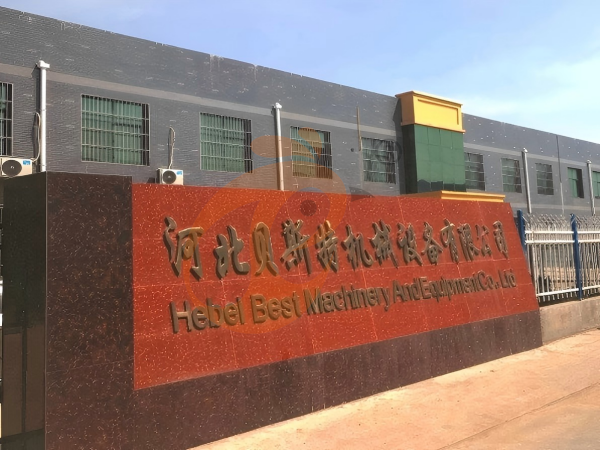
China Hebei Best Machinery And Equipment CO., LTD
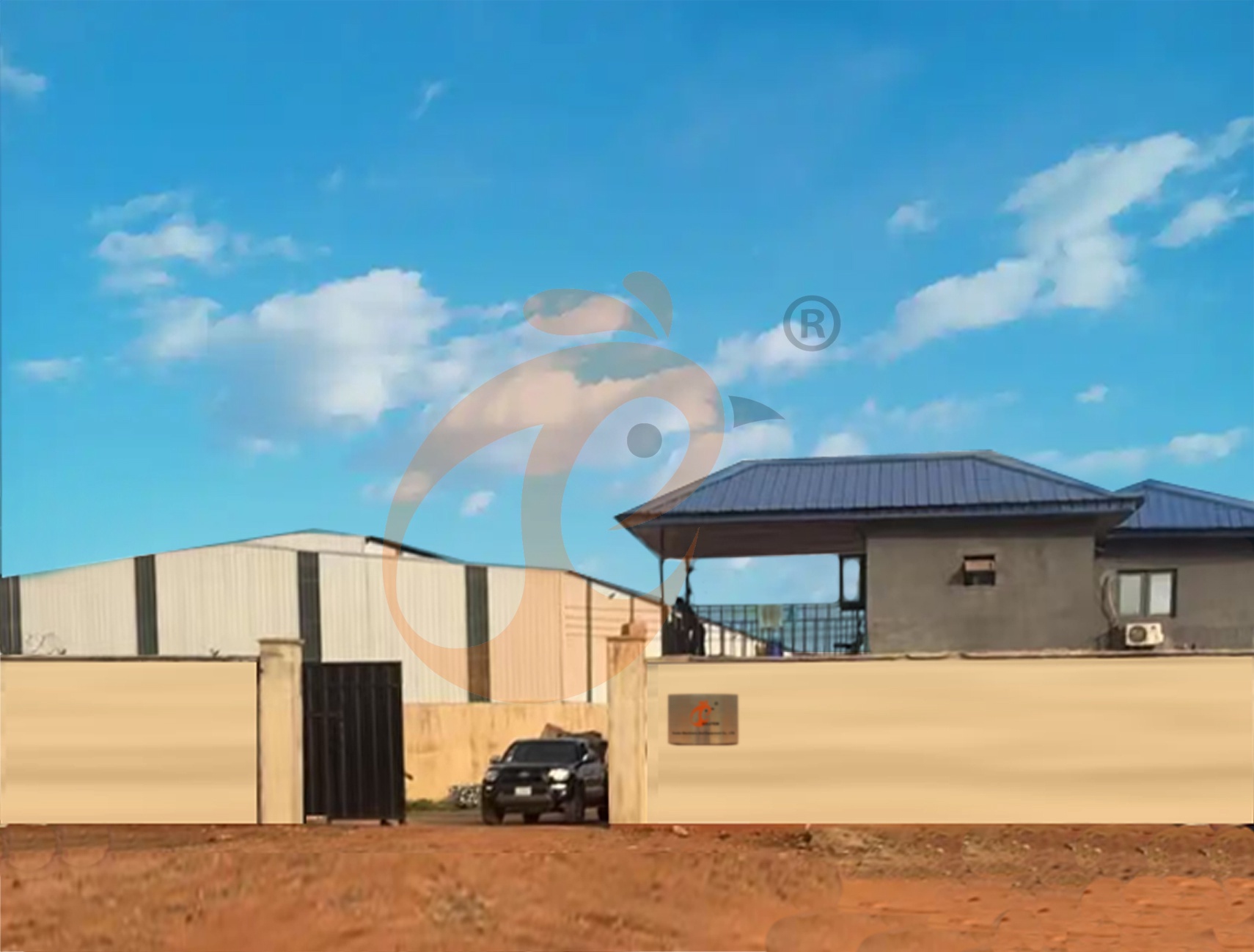
Nigeria Vanke Machinery And Equipment CO., LTD
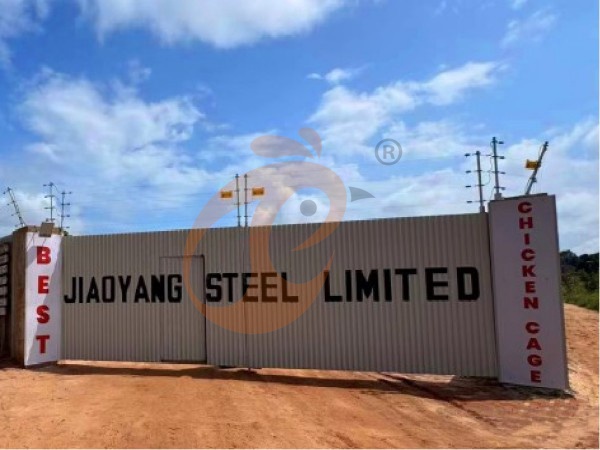
Tanzania Best Machinery And Equipment CO., LTD
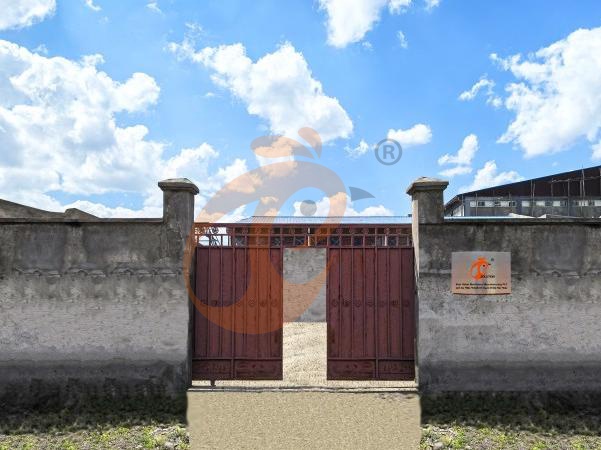
Ethiopia Best Hebei Machinery Manufacturing PLC




Reception /24 WhatsApp NO. : +8618830120193
FAQ
What Water Quality Requirements Are Necessary For Nipple Drinkers In Poultry Chicken Cage Systems?
Water hardness is maintained within 100–150 mg/L CaCO₃ equivalent for valve protection.
Microbial load is controlled under 100 CFU/mL for safe poultry consumption standards.
What Is The Recommended Stocking Ratio For Nipple Drinkers In Poultry Chicken Cage Systems?
Drinker spacing is typically set at 25–30 cm to reduce competition stress.
Water demand allocation is calculated at 180–220 ml per bird daily in intensive production.
How Is Water Flow Regulated In Nipple Drinkers For Poultry Chicken Cage Farming Systems?
Pressure stability is maintained within 0.18–0.22 MPa across drinking lines.
Drop formation interval is adjusted at 1–2 seconds per activation for efficient intake.
Message
Products recommended
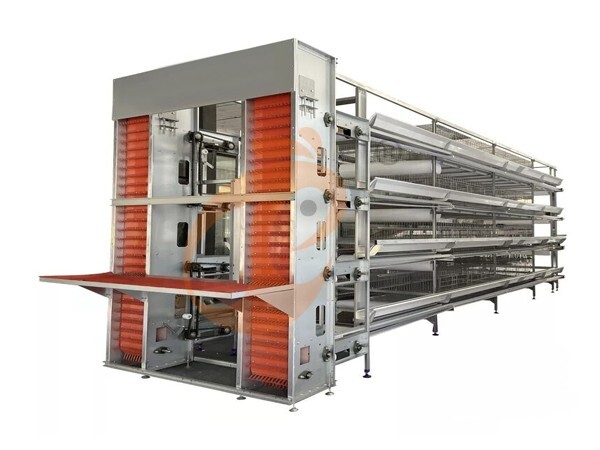
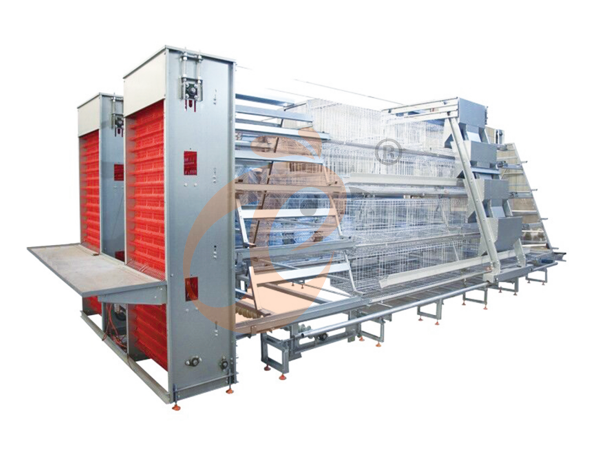
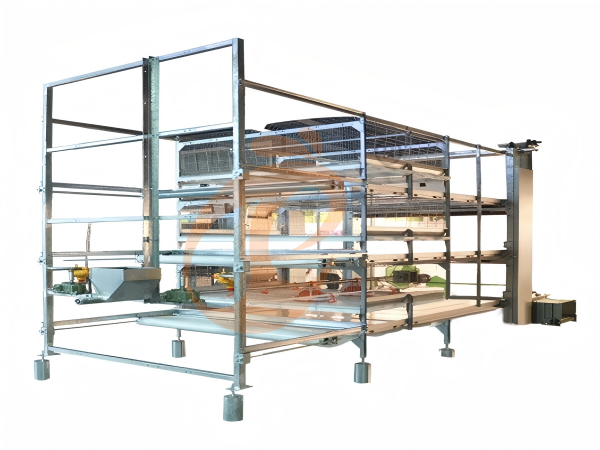
 >30,000 Pullets Automatic H Type Battery Cage1. More than 30,000 pullets a house, choose it.
2. It is designed to rearing older than 1 day old pullets to 12 to 16 weeks old chicken starting laying eggs.
3. Its lifespan is more than 25 years.
4. Its structure are Vcloud artificial intelligent fusion, electric control cabinet, automatic equipment of drinking, feeding, manure clean, manual harvesting.
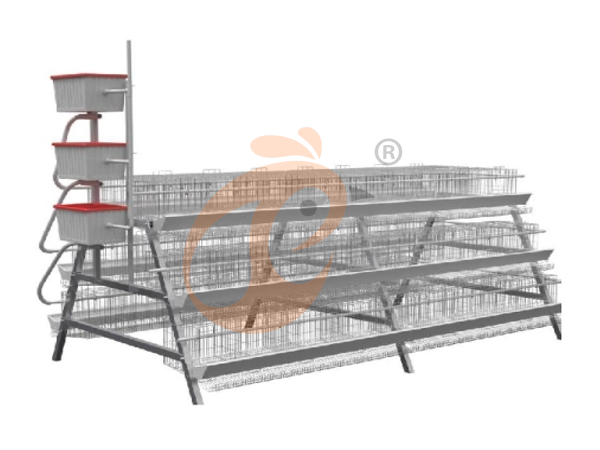
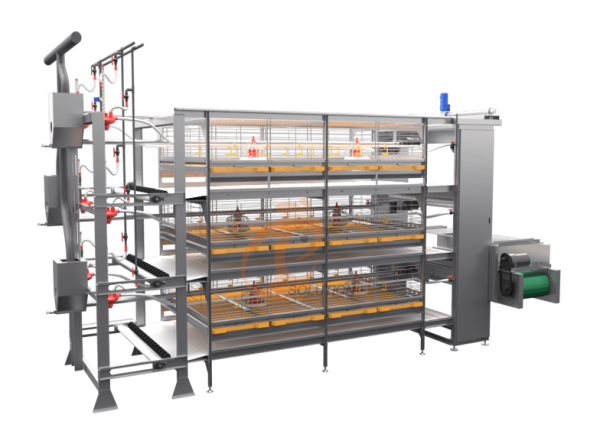
5. Our 24 hour online reception What’sApp NO. is +8618830120193 <30,000 Pullets Automatic A Type Battery Cage1. 10,000 to 30,000 pullets a house, choose it.
2. It is designed to rearing older than 1 day old pullets to 12 to 16 weeks old chicken starting laying eggs.
3. Its lifespan is more than 25 years.
4. Its structure are Vcloud artificial intelligent fusion, electric control cabinet, automatic equipment of drinking, feeding, manure clean, manual harvesting.
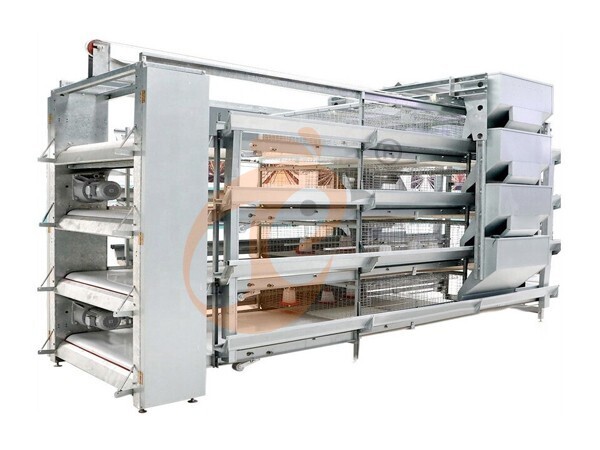
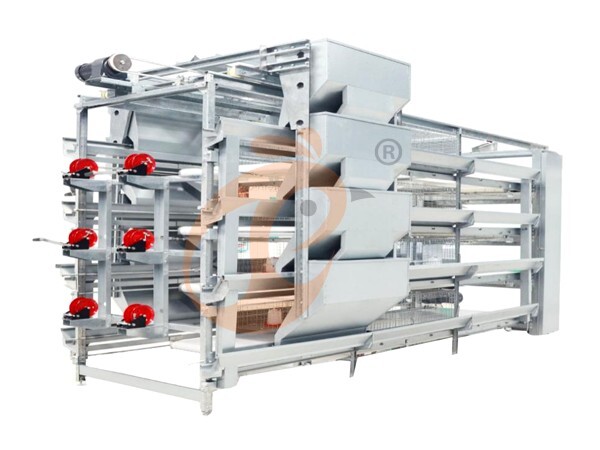
5. Our 24 hour online reception What’sApp NO. is +86 18830120193. >30,000 Broilers Semi-Automatic Harvest H Type Battery Cage1. More than 30,000 broilers a house, choose it.
2. It is designed to rearing 1 to 45 day old adult broiler ready for market.
3. Its lifespan is more than 20 years.
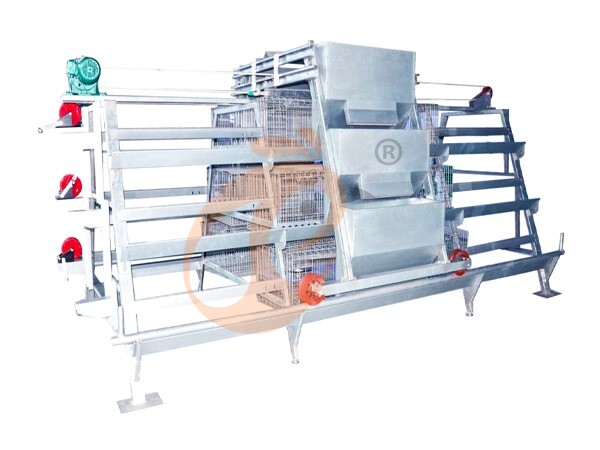
4. Our 24 hour online reception What’sApp NO. is +8618830120193, +234 8111199996. >30,000 Broilers Manual Harvest H Type Battery Cage1. More than 30,000 broilers a house, choose it.
2. It is designed to rearing 1 to 45 day old adult broiler ready for market.
3. Its lifespan is more than 20 years.
4. Its structure are Vcloud artificial intelligent fusion, electric control cabinet, automatic equipment of drinking, feeding and manure clean, manual harvesting.
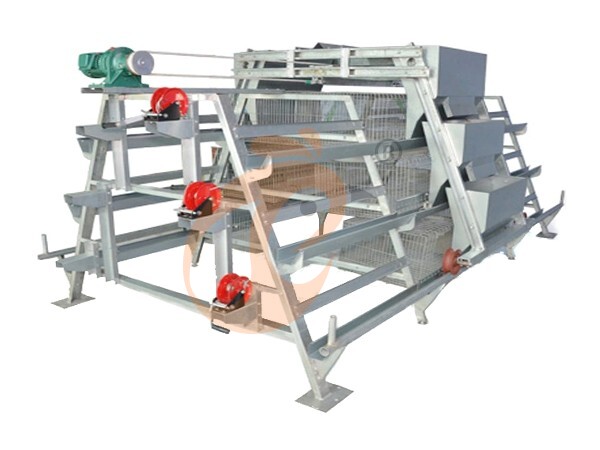
5. Our 24 hour online reception What’sApp NO. is +8618830120193, +234 8111199996. <30,000 Broilers Manual Harvest A Type Battery Cage1. Less 30,000 broilers a house, choose it.
2. It is designed to rearing 1 to 45 day old adult broiler ready for market.
3. Its lifespan is more than 20 years.
4. Its structure are Vcloud artificial intelligent fusion, electric control cabinet, automatic equipment of drinking, feeding and manure clean, manual harvesting.
5. Our 24 hour online reception What’sApp NO. is +8618830120193, +234 8111199996. HK Headquarter Offers EU-standard Poultry Farm Solutions, Manufacture Poultry Farm Equipment1. Continuous communication with the EU and the US
2. China, Nigeria, Ethiopia, Tanzania branch companies and factories
3. The products’ quality is customized for local poultry farms
4. Poultry cage and poultry farm equipment stock for sale
5. 24 online reception Whatsapp NO. : +8618830120193,contact us to get full information China Branch Offer Poultry Farm Business Plan, Manufacture Poultry Farm Equipment1. Address: Flat/RM 2416, 24/F, Runxing Building, Youyi Nan Street, Shijiazhuang City, Hebei Province, China
2. Poultry cage and poultry farm equipment factory and stock for sale
3. Customized for local poultry farms
4. Quality and design are based on Euro
5. 24 online reception Whatsapp NO. : +8618830120193 Nigeria Branch Offer Poultry Farm Business Plan, Manufacture Poultry Farm Equipment1. Address: After Sinoma Office, 200 Meters Near Danco Filling Station, Lagos/Ibadan Expressway, Lagos State, Nigeria
2. Poultry cage and poultry farm equipment factory and stock for sale
3. Customized for Nigerian poultry farms
4. Quality and design are based on Euro
5. 24 online reception Whatsapp NO. : +8618830120193 Ethiopia Branch Offer Poultry Farm Business Plan, Manufacture Poultry Farm Equipment1. Address: Gelan Gura, Akaki-kaliti Sub City, Addis Ababa, Ethiopia
2. Poultry cage and poultry farm equipment stock for sale
3. Customized for Ethiopian poultry farms
4. Quality and design are based on Euro
5. 24 online reception Whatsapp NO. : +8618830120193, contact us to get price list Tanzania Branch Offer Poultry Farm Business Plan, Manufacture Poultry Farm Equipment1. Address: No.8, Sova Road, Msufini, Mlandizi, Kibaha, Pwani, Tanzania
2. Poultry cage and poultry farm equipment factory and stock for sale
3. Customized for Tanzanian poultry farms
4. Quality and design are based on Euro
5. 24 online reception Whatsapp NO. : +8618830120193

Contact