


Blog
- Hot-dip galvanized broiler chicken cages combine zinc protection with structural reliability, while galvanized poultry cage equipment supports demanding commercial production environments with approximately 365 operating days annually and continuous flock turnover.
Broiler cage system design influences maintenance, hygiene, handling efficiency, and replacement planning across long production cycles, with automated houses commonly integrating 8–12 cage tiers or equipment modules.
Zinc coating protects exposed steel through barrier and sacrificial mechanisms, supporting galvanized broiler cage systems exposed to moisture, manure, and washing while maintaining controlled equipment interfaces at roughly 2–3 mm clearance.
Painted steel can perform effectively when preparation, film thickness, curing, inspection, and touch-up procedures remain controlled, particularly where service teams can allocate approximately 30 minutes per inspection zone.
- Proper equipment selection connects coating technology with cage geometry, ventilation, cleaning schedules, and long-term commercial operating costs, making hot-dip galvanized broiler chicken cages a specification decision rather than a cosmetic preference.
Get professional poultry farm construction guidance, equipment selection solutions, and the latest price lists, whatsApp to +8618830120193, click to learn more:
Construction Comparison
Data is for reference only.Swipe horizontally to view full table.
ASTM A123/A123M covers hot-dip zinc coatings for fabricated iron and steel products, providing a recognized specification framework for hot-dip galvanized broiler chicken cages.
A galvanized broiler cage system can additionally be evaluated against 6–8 hours of manure exposure per cleaning cycle and 80–120 bar pressure-washing
requirements.
What Actually Happens At The Steel Surface?
Barrier Principle: Painted broiler chicken cages depend on an intact polymer film, while hot-dip galvanized broiler chicken cages use a bonded zinc layer with additional sacrificial protection.
A galvanized poultry cage system can continue benefiting from zinc protection around minor exposed areas, with corrosion behavior influenced by approximately 1–3 mm scratch dimensions and surrounding coating continuity.
Operational Difference: A broiler chicken cage system experiences repeated contact from doors, feeders, dividers, tools, and cleaning equipment, making surface behavior commercially important.
Hot-dip galvanized broiler chicken cages can encounter house temperatures around 35–40°C together with approximately 10–20 daily humidity fluctuations during intensive ventilation changes.
Engineering Result: Hot-dip galvanized broiler chicken cages receive coating through immersion, whereas painted cage equipment depends more strongly on application quality and film continuity.
Galvanized poultry cage equipment can also benefit from approximately 2–5 mm edge radii on fabricated members where mechanical design permits.
Coating Thickness
Data is for reference only.Swipe horizontally to view full table.
Hot-dip galvanized broiler chicken cages should be purchased with measurable coating documentation rather than relying on visual appearance.
A broiler cage system can retain stronger quality traceability when inspection records identify approximately 3–5 production identifiers for each equipment batch.
The Farm Stress Test: Five Failure Points
01 — Feed Dust: Hot-dip galvanized broiler chicken cages encounter abrasive deposits from feed particles, bedding residues, and routine mechanical cleaning.
A galvanized poultry cage system operating with approximately 0.5–1.0 kg of airborne dust per 1,000 m³ of house air can experience additional surface contamination.
02 — Manure Contact: Broiler chicken cage equipment remains exposed to moisture-bearing manure deposits that can sustain electrochemical corrosion conditions.
Hot-dip galvanized broiler chicken cages may encounter manure deposits containing approximately 0.2–0.5% dissolved salts, depending on feed and water management.
03 — Mechanical Impact: Doors, dividers, feeders, and maintenance tools can repeatedly contact broiler chicken cages during daily operation.
A galvanized poultry cage system with approximately 100–300 door-opening cycles per production day can experience concentrated contact around access hardware.
04 — Washing: Hot-dip galvanized broiler chicken cages can tolerate repeated cleaning exposure when compatible detergents and procedures are selected.
Broiler cage equipment may receive approximately 15–30 minutes of spray exposure during a dedicated washing pass.
05 — Weld Geometry: Galvanized poultry cages require attention to weld transitions, corners, brackets, and fabricated joints during quality inspection.
Hot-dip galvanized broiler chicken cages can benefit from weld continuity checks covering approximately 20–30 inspection points per representative frame.
Corrosion Exposure Data
Data is for reference only.Swipe horizontally to view full table.
These exposure values help buyers evaluate hot-dip galvanized broiler chicken cages against actual agricultural operating conditions.
A galvanized broiler cage system installed in houses operating around 28–32°C can require corrosion planning based on approximately 1–2 condensation events per day.
Painted Steel's Hidden Maintenance Equation
Cost Formula: Painted broiler chicken cages may require surface preparation, primer compatibility, repainting labor, and curing time after mechanical damage.
A maintenance operation involving 2 technicians for 3 hours consumes 6 labor-hours, while a typical service team may inspect approximately 80–120 cage positions per shift.
Service Reality: Broiler chicken cage equipment experiences repeated operator contact around doors, passages, feeding sections, and inspection points.
Four annual cleaning operations can create multiple handling events, with individual access doors potentially receiving approximately 500–1,000 manual movements during a production cycle.
Commercial Implication: Hot-dip galvanized broiler chicken cages reduce dependence on organic-film continuity, although damaged areas still require appropriate inspection and repair.
A localized repair measuring approximately 100 × 150 mm can require isolation and preparation before equipment returns to production.
Maintenance Economics
Data is for reference only.Swipe horizontally to view full table.
Planning values for equipment budgeting, not guaranteed field performance.
A broiler chicken cage system should be evaluated using total labor consumption rather than coating purchase price alone.
For galvanized poultry cage equipment, maintenance planning can include approximately 20–40 inspection photographs per representative production section for
traceable condition records.
Why Galvanizing Fits Cage Manufacturing
Process Logic: Hot-dip galvanized broiler chicken cages receive zinc through immersion of fabricated steel into molten zinc, creating bonded zinc-iron layers.
A galvanized broiler cage system can use immersion equipment operating near 450°C, requiring controlled fabrication and handling procedures.
Design Requirement: Broiler chicken cage equipment benefits from fabrication details that allow drainage and ventilation during the galvanizing process.
Vent openings around 8–15 mm may be incorporated where engineering drawings and applicable safety requirements permit.
Equipment Advantage: Galvanized poultry cages can combine corrosion protection with fabricated frames, welded brackets, doors, supports, and other cage components.
A commercial production line handling approximately 500–1,000 cage components per shift can benefit from standardized loading and inspection procedures.
Mechanical Durability
Data is for reference only.Swipe horizontally to view full table.
Hot-dip galvanized broiler chicken cages should combine coating durability with controlled structural loading and accurate fabrication.
A galvanized poultry cage system can be engineered for approximately 150–250 kg distributed loading per selected service section, subject to the final cage design calculation.
Procurement Checklist
Data is for reference only.Swipe horizontally to view full table.
Hot-dip galvanized broiler chicken cages should be specified through coating standards, steel identification, dimensional drawings, and inspection procedures.
A broiler cage equipment procurement package can contain approximately 6–10 controlled engineering drawings for frame, door, feeding, support, and installation interfaces.
Which Cage Lasts Longer?
Data is for reference only.Swipe horizontally to view full table.
Verdict: Hot-dip galvanized broiler chicken cages are generally the stronger engineering choice when long-term corrosion resistance and reduced coating maintenance are priorities.
A galvanized poultry cage system planned for 10–15 years of operation should consider total ownership cost, maintenance access, washing frequency, and replacement logistics.
Frequently Asked Questions
Q1: Do hot-dip galvanized broiler chicken cages last longer than painted cages?
Generally, hot-dip galvanized broiler chicken cages provide stronger long-term corrosion protection because zinc offers both barrier and sacrificial mechanisms.
A galvanized broiler cage system designed around a 10–15 year project horizon can therefore reduce dependence on repeated coating restoration.
Q2: Is painted steel unsuitable for broiler chicken cages?
No, painted broiler chicken cages can perform effectively when surface preparation, coating compatibility, inspection, and repair procedures remain controlled.
A broiler cage equipment maintenance program allowing inspection every 3–6 months can help identify coating damage before substantial steel corrosion develops.
Q3: What should buyers specify when ordering galvanized poultry cages?
Buyers should define steel grade, galvanizing standard, coating inspection, cage dimensions, weld requirements, and traceability documentation.
A procurement package containing approximately 6–8 core technical documents can provide stronger quality control than a purchase order stating only ''galvanized cage.''
Taiyu (HK) Group - One Of China Toppest Broiler Chicken Cages Manufacturer
Hot-Dip Galvanized Broiler Chicken Cages: engineered poultry cage equipment with zinc-protected fabricated steel, configurable structures, and approximately 10–15 years planned project service objectives
Global Factory Direct Sales: Taiyu (HK) Group supplies poultry equipment through direct manufacturing coordination, technical documentation, production inspection, and international shipment planning for customers across multiple markets
Poultry Equipment: integrated cage systems, feeding equipment, manure handling equipment, drinking systems, ventilation equipment, and related poultry-house machinery support coordinated equipment procurement
Turn-Key Engineering: project execution can integrate layout planning, equipment configuration, manufacturing, installation guidance, commissioning coordination, and technical documentation for complete poultry-house development
Engineering Support: customized broiler chicken cages can be aligned with house dimensions, flock capacity, climate conditions, automation requirements, corrosion specifications, and customer project standards
Contact Us To Received Your Customized Poultry Farm Plan
Headquarters And Branchs

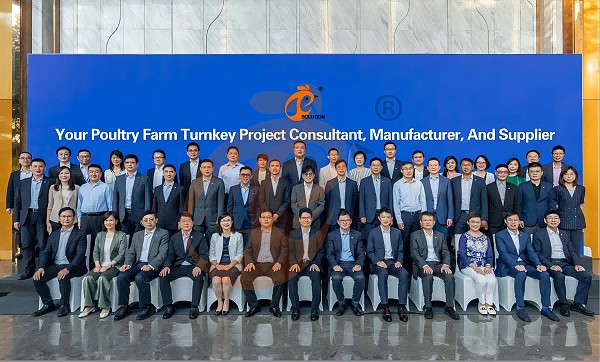
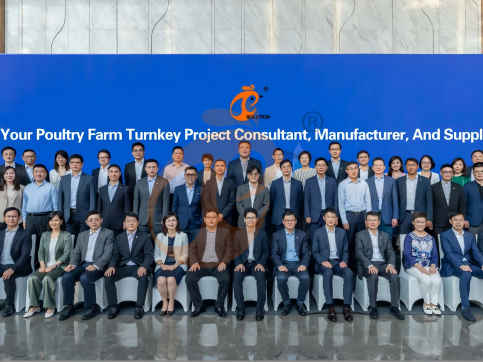
Hong Kong Headquarter Management Team
Hong Kong Headquarter Taiyu Industrial Group CO., LTD
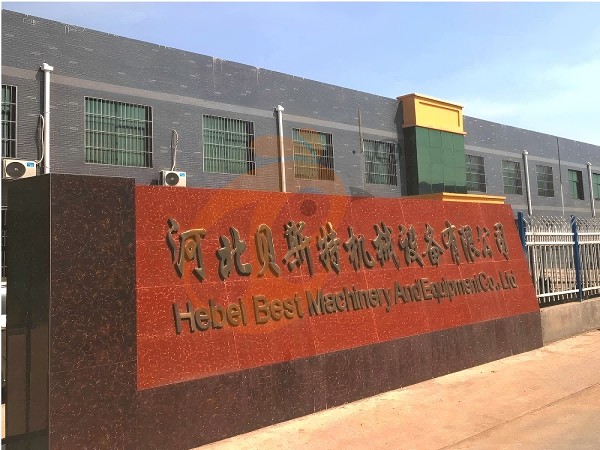
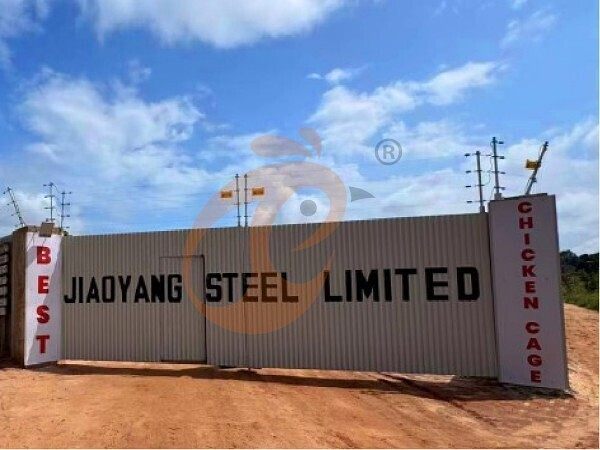
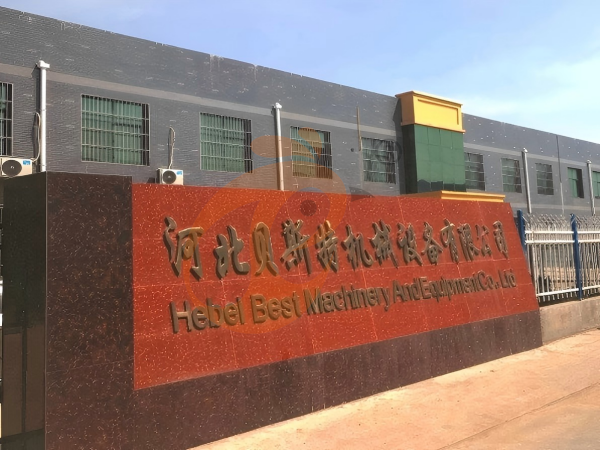
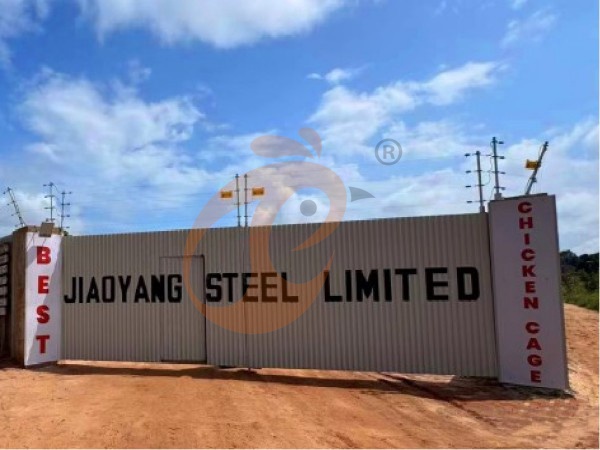
China Hebei Best Machinery And Equipment CO., LTD
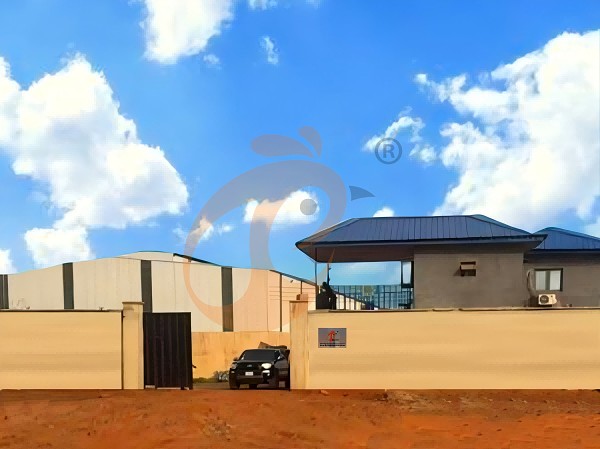
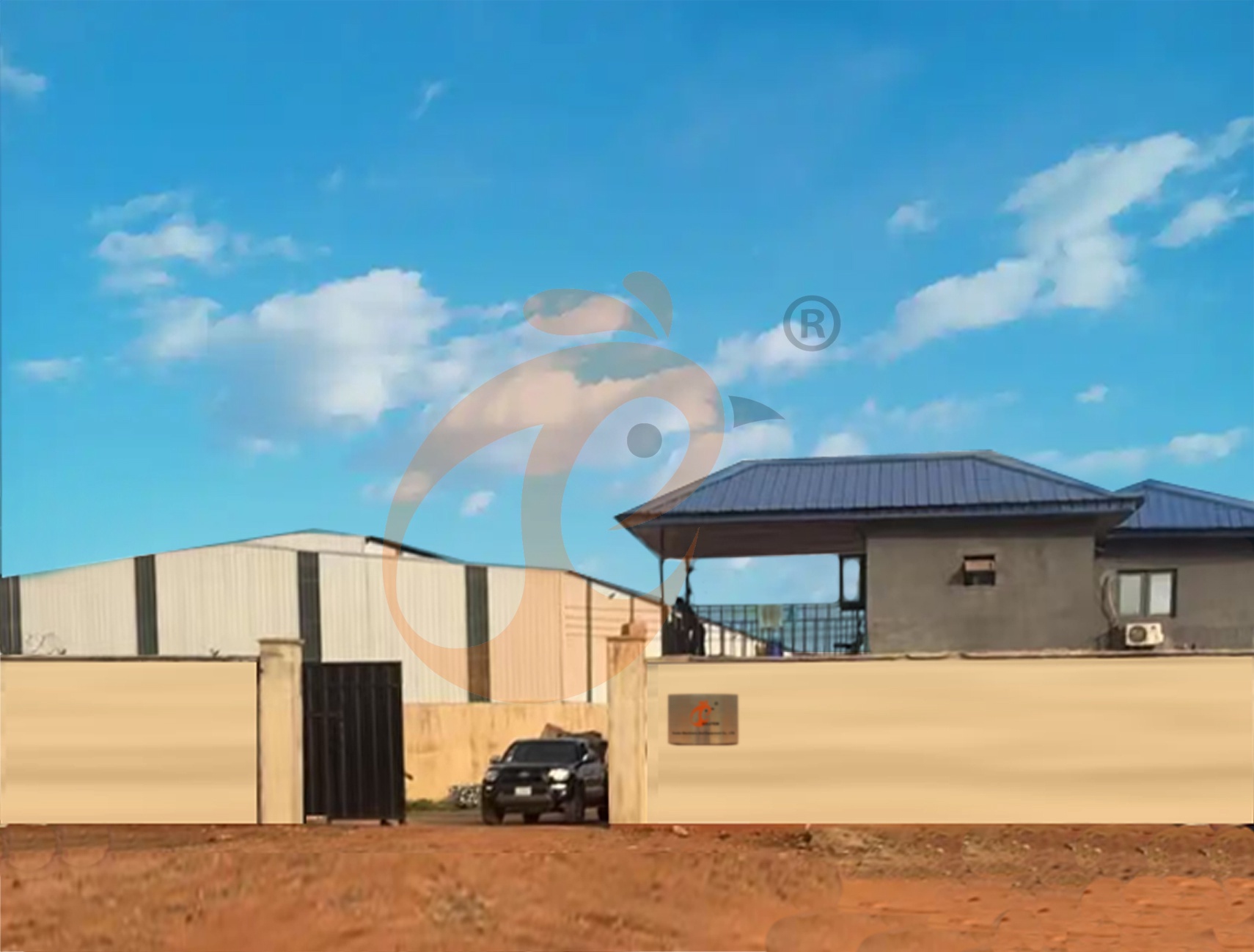
Nigeria Vanke Machinery And Equipment CO., LTD
Tanzania Best Machinery And Equipment CO., LTD
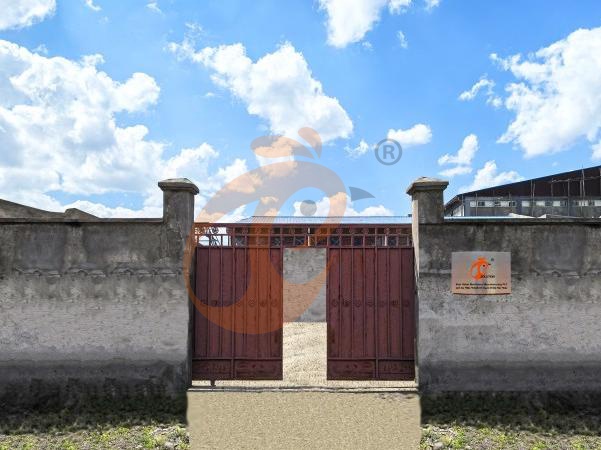
Ethiopia Best Hebei Machinery Manufacturing PLC
Reception /24 WhatsApp NO. : +8618830120193
FAQ
What Cage Structure Options Are Available For Broiler Chicken Cage Systems?
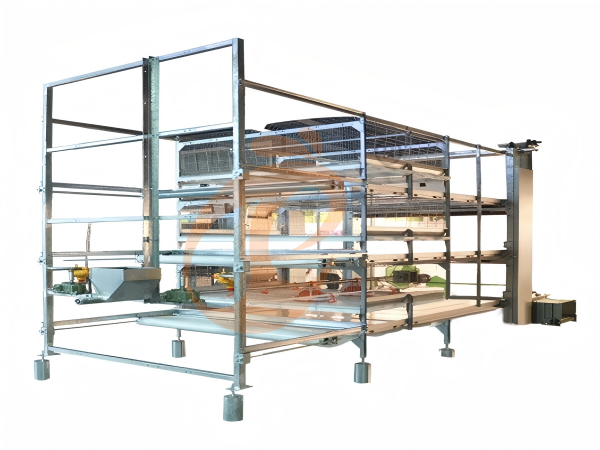
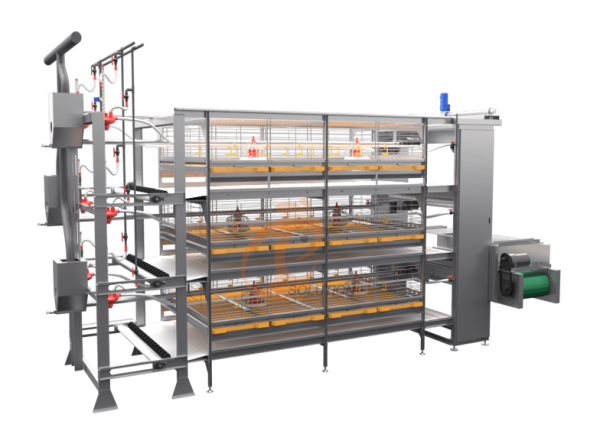
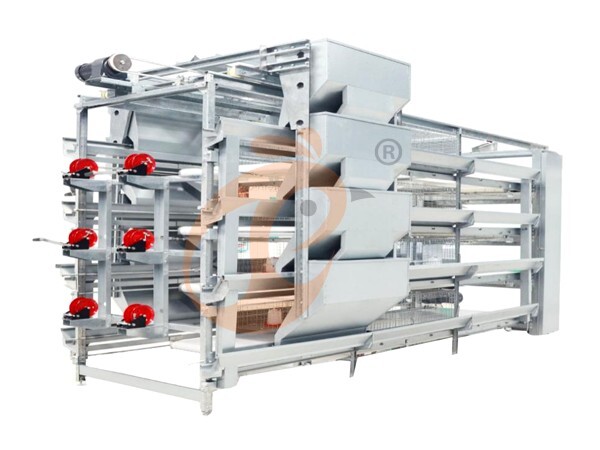
H-type cage systems are configured in 3–12 tiers accommodating 360–1440 birds per set for intensive farming operations.
Structural height ranges from 1.75–10.11 meters maximizing vertical space utilization and housing efficiency.
How Does Stocking Density Affect Broiler Chicken Cage Performance?
H-type systems maintain 500 cm² allocation per bird optimizing housing density and production output.
Bird distribution is balanced at 8 birds per compartment in partitioned cage configurations reducing competition.
Which Cage Dimensions Are Commonly Used In Broiler Chicken Cage Systems?
H-type cage modules measure 3.3 × 1.82 meters providing larger continuous housing sections.
Internal compartment height varies from 40–55 cm ensuring adequate bird activity and ventilation circulation.
- poultry farm
- chicken cage
- broiler cage
- poultry cage
- cage
- galvanized cage
- poultry farm construction
- poultry cage system
- poultry cage equipment
- broiler cage system
- chicken cage system
- broiler cage system design
- chicken cage equipment
- broiler cage equipment
- poultry equipment
- chicken cages
- poultry cages
- broiler chicken cage
- chickencage
- bestchickencage
- broiler chicken cages
- cage system
- cage systems
- broiler chicken cage system
- h cage
- Nigeria
- broiler house design
- cage design
- galvanized poultry cage
- galvanized broiler cage
- poultry farm plan
- Ethiopia
Message
Products recommended
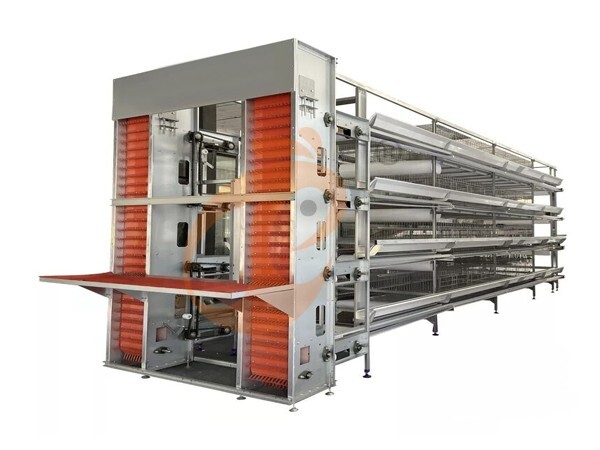
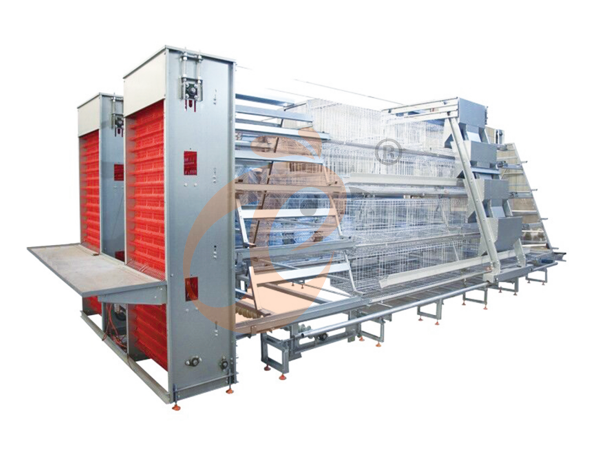
 >30,000 Pullets Automatic H Type Battery Cage1. More than 30,000 pullets a house, choose it.
2. It is designed to rearing older than 1 day old pullets to 12 to 16 weeks old chicken starting laying eggs.
3. Its lifespan is more than 25 years.
4. Its structure are Vcloud artificial intelligent fusion, electric control cabinet, automatic equipment of drinking, feeding, manure clean, manual harvesting.
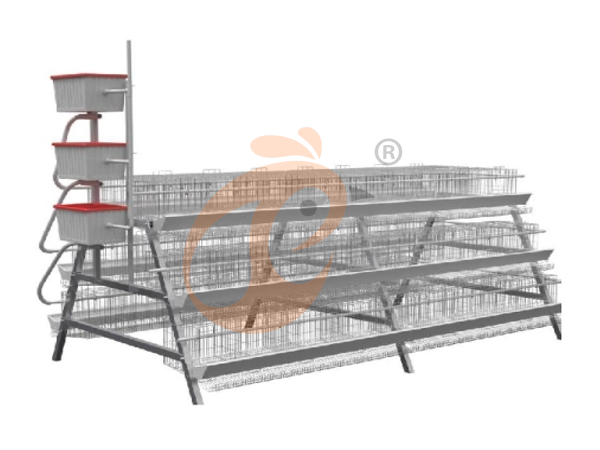
5. Our 24 hour online reception What’sApp NO. is +8618830120193 <30,000 Pullets Automatic A Type Battery Cage1. 10,000 to 30,000 pullets a house, choose it.
2. It is designed to rearing older than 1 day old pullets to 12 to 16 weeks old chicken starting laying eggs.
3. Its lifespan is more than 25 years.
4. Its structure are Vcloud artificial intelligent fusion, electric control cabinet, automatic equipment of drinking, feeding, manure clean, manual harvesting.
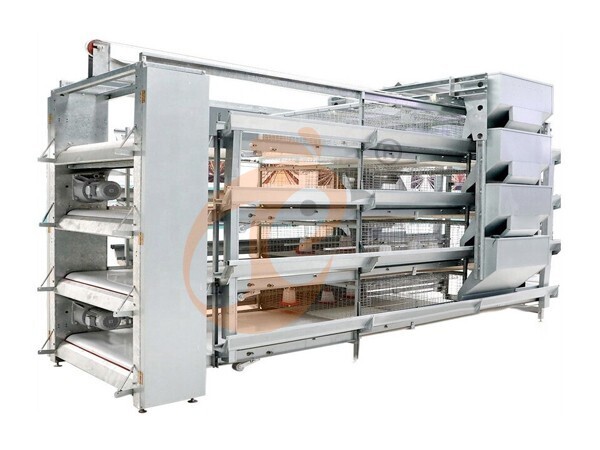
5. Our 24 hour online reception What’sApp NO. is +86 18830120193. >30,000 Broilers Semi-Automatic Harvest H Type Battery Cage1. More than 30,000 broilers a house, choose it.
2. It is designed to rearing 1 to 45 day old adult broiler ready for market.
3. Its lifespan is more than 20 years.
4. Our 24 hour online reception What’sApp NO. is +8618830120193, +234 8111199996. >30,000 Broilers Manual Harvest H Type Battery Cage1. More than 30,000 broilers a house, choose it.
2. It is designed to rearing 1 to 45 day old adult broiler ready for market.
3. Its lifespan is more than 20 years.
4. Its structure are Vcloud artificial intelligent fusion, electric control cabinet, automatic equipment of drinking, feeding and manure clean, manual harvesting.
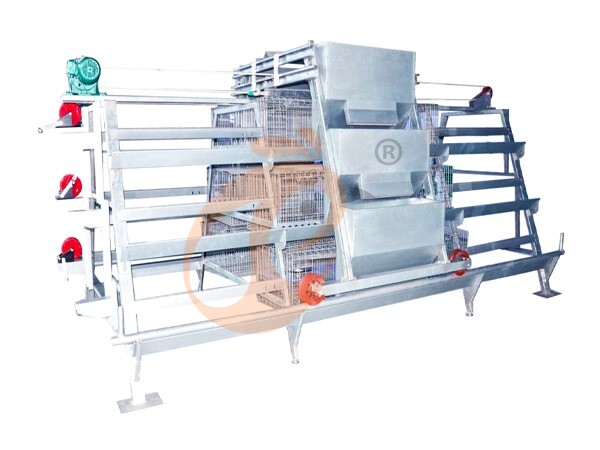
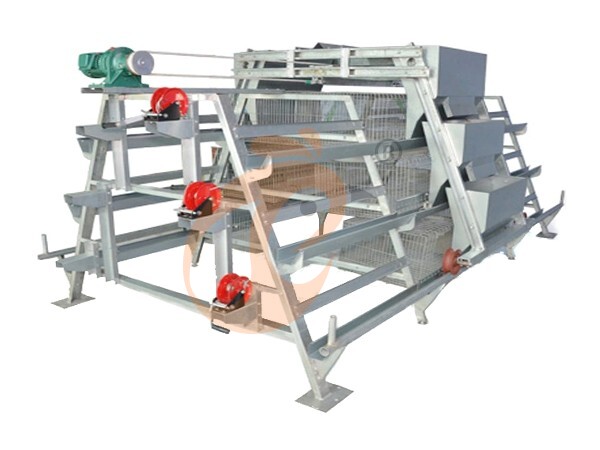
5. Our 24 hour online reception What’sApp NO. is +8618830120193, +234 8111199996. <30,000 Broilers Manual Harvest A Type Battery Cage1. Less 30,000 broilers a house, choose it.
2. It is designed to rearing 1 to 45 day old adult broiler ready for market.
3. Its lifespan is more than 20 years.
4. Its structure are Vcloud artificial intelligent fusion, electric control cabinet, automatic equipment of drinking, feeding and manure clean, manual harvesting.
5. Our 24 hour online reception What’sApp NO. is +8618830120193, +234 8111199996. HK Headquarter Offers EU-standard Poultry Farm Solutions, Manufacture Poultry Farm Equipment1. Continuous communication with the EU and the US
2. China, Nigeria, Ethiopia, Tanzania branch companies and factories
3. The products’ quality is customized for local poultry farms
4. Poultry cage and poultry farm equipment stock for sale
5. 24 online reception Whatsapp NO. : +8618830120193,contact us to get full information China Branch Offer Poultry Farm Business Plan, Manufacture Poultry Farm Equipment1. Address: Flat/RM 2416, 24/F, Runxing Building, Youyi Nan Street, Shijiazhuang City, Hebei Province, China
2. Poultry cage and poultry farm equipment factory and stock for sale
3. Customized for local poultry farms
4. Quality and design are based on Euro
5. 24 online reception Whatsapp NO. : +8618830120193 Nigeria Branch Offer Poultry Farm Business Plan, Manufacture Poultry Farm Equipment1. Address: After Sinoma Office, 200 Meters Near Danco Filling Station, Lagos/Ibadan Expressway, Lagos State, Nigeria
2. Poultry cage and poultry farm equipment factory and stock for sale
3. Customized for Nigerian poultry farms
4. Quality and design are based on Euro
5. 24 online reception Whatsapp NO. : +8618830120193 Ethiopia Branch Offer Poultry Farm Business Plan, Manufacture Poultry Farm Equipment1. Address: Gelan Gura, Akaki-kaliti Sub City, Addis Ababa, Ethiopia
2. Poultry cage and poultry farm equipment stock for sale
3. Customized for Ethiopian poultry farms
4. Quality and design are based on Euro
5. 24 online reception Whatsapp NO. : +8618830120193, contact us to get price list Tanzania Branch Offer Poultry Farm Business Plan, Manufacture Poultry Farm Equipment1. Address: No.8, Sova Road, Msufini, Mlandizi, Kibaha, Pwani, Tanzania
2. Poultry cage and poultry farm equipment factory and stock for sale
3. Customized for Tanzanian poultry farms
4. Quality and design are based on Euro
5. 24 online reception Whatsapp NO. : +8618830120193



Contact