


Blog
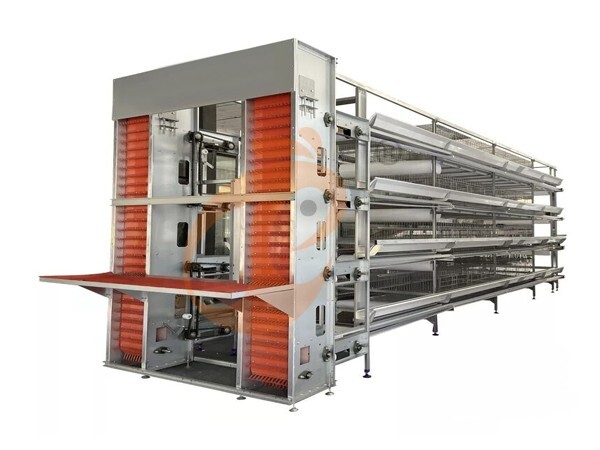
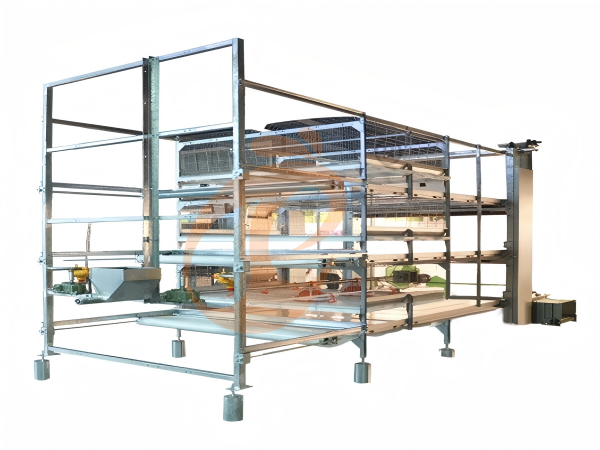
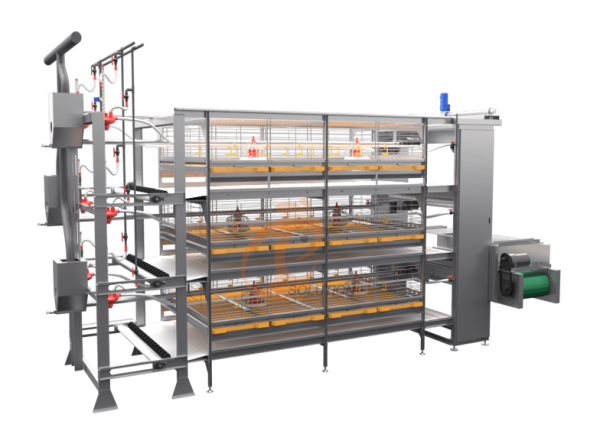
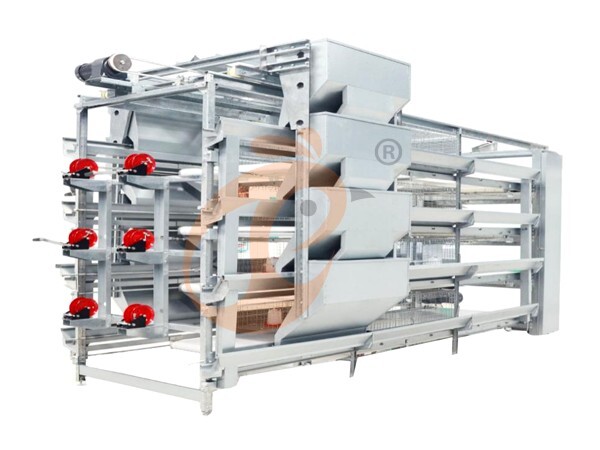
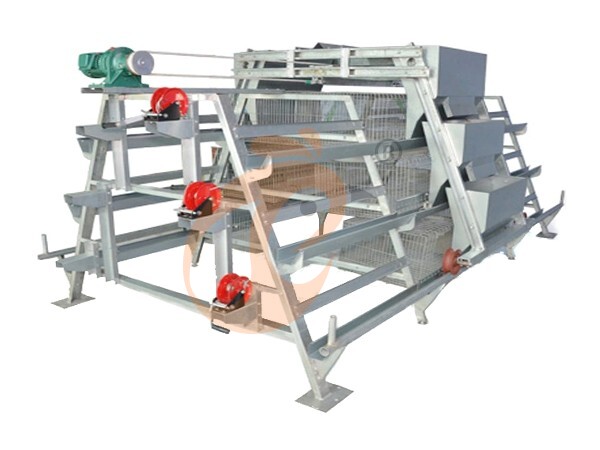
- Multi-tier battery cage converts unused vertical building volume into productive layer capacity, with automated equipment coordinating feeding, drinking, egg collection, manure removal, and climate control through integrated production workflows.
Single-tier battery cage layouts simplify access, while multi-tier layer cage systems support commercial expansion where building footprint remains fixed and vertical clearance reaches approximately 6 meters.
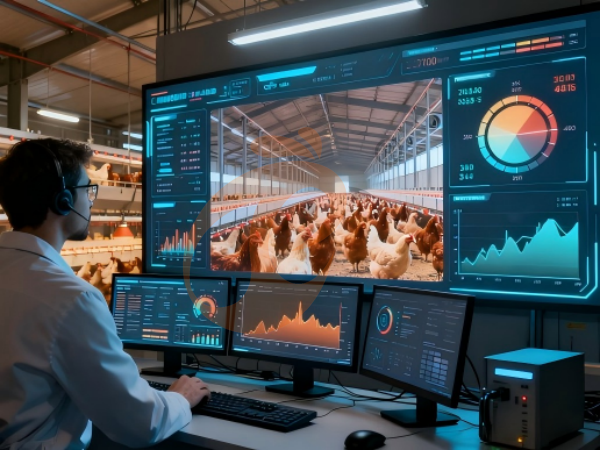
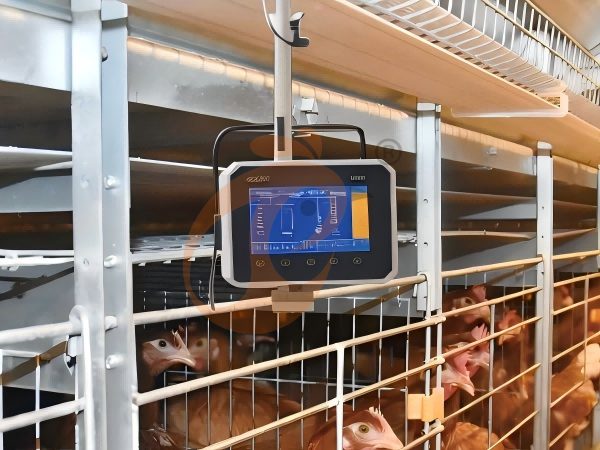
Automatic layer cage systems connect mechanical handling with centralized controls, helping farms coordinate feed delivery, egg transfer, manure discharge, ventilation, and daily operating schedules.
Equipment selection also depends on house geometry, labor organization, maintenance access, and flock targets, with commercial installations commonly using three to eight cage levels.
- Complete poultry equipment packages therefore create stronger commercial value when cage structures and automation are engineered together, supporting consistent production management and scalable farm development.
Get professional poultry farm construction guidance, equipment selection solutions, and the latest price lists, whatsApp to +8618830120193, click to learn more:
Output Starts With Equipment Architecture
A layer farm does not improve output simply by adding more birds.
The battery cage system must keep feeding, drinking, egg collection, manure removal, and environmental control moving in sequence.
For example, a properly engineered house can maintain an air inlet velocity of approximately 2.0–3.0 m/s, while the automatic layer cage system can coordinate several equipment motors through one operating logic.
This is where the difference between single-tier and multi-tier systems becomes commercial rather than structural.
Single-tier battery cage equipment simplifies access, while multi-tier layer cage equipment converts unused vertical building volume into additional production space.
For equipment suppliers, the objective is to design the battery cage together with the complete automation package.
Capacity — Compare The Geometry
Data is for reference only.Swipe horizontally to view full table.
The engineering advantage of multi-tier construction is visible when the building footprint is fixed.
Instead of extending the house length indefinitely, the battery cage structure uses vertical installation zones.
A typical commercial project can also reserve approximately 450 mm of clearance around mechanical service points, giving technicians room to inspect drives and transmission assemblies.
The Equipment Chain — Follow The Production Route
FEED → WATER → LAYING → COLLECTION → MANURE → CONTROL
This is the more useful way to evaluate a battery cage.
The cage itself only provides the housing structure.
The output comes from how efficiently the connected equipment moves resources and products.
A feed motor operating around 1.1 kW can serve as one drive point in an automatic layer cage arrangement, while a dedicated controller can sequence feeding
cycles according to the farm's management program.
For a poultry-equipment manufacturer, the customer is purchasing a production system rather than a steel cage.
Feeding System — Measure Distribution, Not Just Troughs
Data is for reference only.Swipe horizontally to view full table.
The feeding system should deliver consistent quantities across the entire cage line rather than simply move feed quickly.
A practical installation may use four feeding cycles per day, allowing the automatic layer cage system to divide the daily ration into scheduled distributions
instead of relying on continuous manual operation.
For large installations, automatic feeding also reduces repeated worker movement between rows.
This becomes especially valuable when the multi-tier layer cage includes several levels and feed lines must operate simultaneously.
Egg Collection — Think In Bottlenecks
The Production Test
Ask three questions
Where does the egg leave the cage?
How many transfers occur before packing?
Where can an egg queue develop?
A multi-tier battery cage normally routes eggs from individual levels toward a centralized collection line.
The objective is to eliminate unnecessary manual transfers.
An egg conveyor running at approximately 18 m/min can continuously transport eggs toward the collection point without requiring workers to enter every cage row.
The equipment design should also account for the transition between horizontal and vertical movement.
A properly synchronized transfer mechanism prevents one conveyor from operating substantially faster than the next.
Egg Conveyor Engineering
Data is for reference only.Swipe horizontally to view full table.
Egg handling is one of the strongest arguments for an integrated poultry equipment system.
If the collection route is designed during the battery cage layout stage, the supplier can position conveyors, elevators, and collection tables around the actual house geometry.
A transfer roller rotating at approximately 65 rpm can be selected according to the conveyor drive ratio and required handling speed.
This approach also gives equipment manufacturers an opportunity to provide a complete project rather than competing only on cage-frame pricing.
Manure Removal — The Daily Operating Test
Single-tier question:
Can manure be removed from the row without disrupting feeding and inspection?
Multi-tier question:
Can manure from every vertical level reach the removal point without manual collection?
Multi-tier equipment normally places manure-handling components beneath the relevant cage levels.
A belt system may operate on a programmed schedule, while scrapers or discharge conveyors transfer the material outside the poultry house.
A typical belt drive can use a 0.75 kW motor, depending on line length and loading conditions.
This changes labor organization.
Workers can concentrate on inspection, equipment maintenance, and flock management rather than repeatedly transporting manure through the house.
Manure Equipment Parameters
Data is for reference only.Swipe horizontally to view full table.
The manure system should be treated as part of the battery cage package rather than an optional attachment.
For example, a 12° discharge chute inclination can be incorporated into the external transfer design to maintain material movement while keeping the equipment
footprint compact.
When manure removal is automated, the farm can schedule the operation around other house activities, reducing interference between mechanical processes.
Drinking System — Precision At Every Level
Equipment Checklist
Nipple location
- Pressure regulation
- Water filtration
- End flushing
- Pipe support
- Level isolation
A commercial nipple drinking line may operate with water pressure around 0.2 MPa, depending on nipple specification and bird age.
In a multi-tier battery cage house, separate regulation zones make it easier to compensate for pressure differences created by vertical elevation.
Water equipment therefore becomes another reason to integrate the cage and house systems during project design.
The supplier can calculate pipe routing, regulators, filters, and flushing points before installation rather than modifying the system afterward.
Environmental Control — Cage Selection Meets Climate Design
Data is for reference only.Swipe horizontally to view full table.
The higher the cage structure becomes, the more carefully air distribution must be engineered.
A temperature difference of approximately 2°C between monitoring zones can justify additional sensor placement and airflow adjustment.
This is why a cage quotation should not be isolated from ventilation design.
The cage supplier should understand house length, width, bird population, fan arrangement, cooling system, and controller requirements before finalizing the
equipment configuration.
Investment Decision — Use A Project Matrix
Data is for reference only.Swipe horizontally to view full table.
The financial decision should be based on the complete equipment package rather than the cage price alone.
A system with an equipment installation period of approximately 10–20 days may provide a different project return from a cheaper cage that requires extensive
manual handling after commissioning.
For farms planning expansion, equipment compatibility should also be considered.
The same controller architecture can potentially support additional rows when the electrical cabinet has approximately 20% spare circuit capacity.
Final Verdict — Which System Improves Output?
Data is for reference only.Swipe horizontally to view full table.
Frequently Asked Questions
Q1: Can multi-tier battery cage systems improve layer farm output?
Yes, when vertical cage installation is combined with automated feeding, egg collection, manure removal, and environmental control.
Q2: Which battery cage system requires more integrated engineering?
Multi-tier battery cage systems require coordinated vertical transfer, service access, electrical routing, and environmental control.
Q3: Should cage equipment be purchased separately from automation?
Complete system engineering is generally preferable because feeding, drinking, collection, manure, and controls must operate as one production workflow.
Taiyu (HK) Group - One Of China Toppest Multi-Tier Battery Cage Manufacturer
Multi-tier battery cage equipment combines galvanized cage structures with automated production modules, supporting commercial layer houses with coordinated mechanical handling and centralized control architecture.
Global factory-direct poultry equipment supply covers battery cages, automatic feeding systems, nipple drinking lines, egg collection equipment, manure removal systems, ventilation equipment, and electrical control integration.
Turn-key poultry equipment engineering follows project dimensions, flock targets, building structure, utility conditions, equipment routing, commissioning requirements, and installation sequencing.
International project delivery provides equipment manufacturing, technical documentation, loading coordination, installation guidance, commissioning support, and system configuration for commercial layer farms.
Integrated poultry equipment solutions connect cage hardware with feeding, drinking, egg collection, manure handling, environmental control, and automation to establish a complete production line.
Contact Us To Received Your Customized Poultry Farm Plan
Headquarters And Branchs

Hong Kong Headquarter Management Team
Hong Kong Headquarter Taiyu Industrial Group CO., LTD
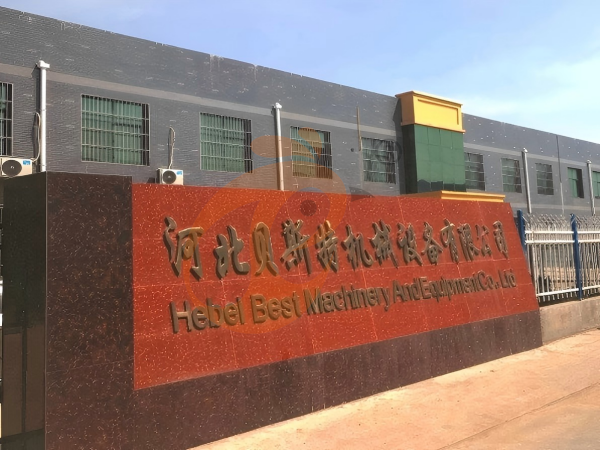
China Hebei Best Machinery And Equipment CO., LTD
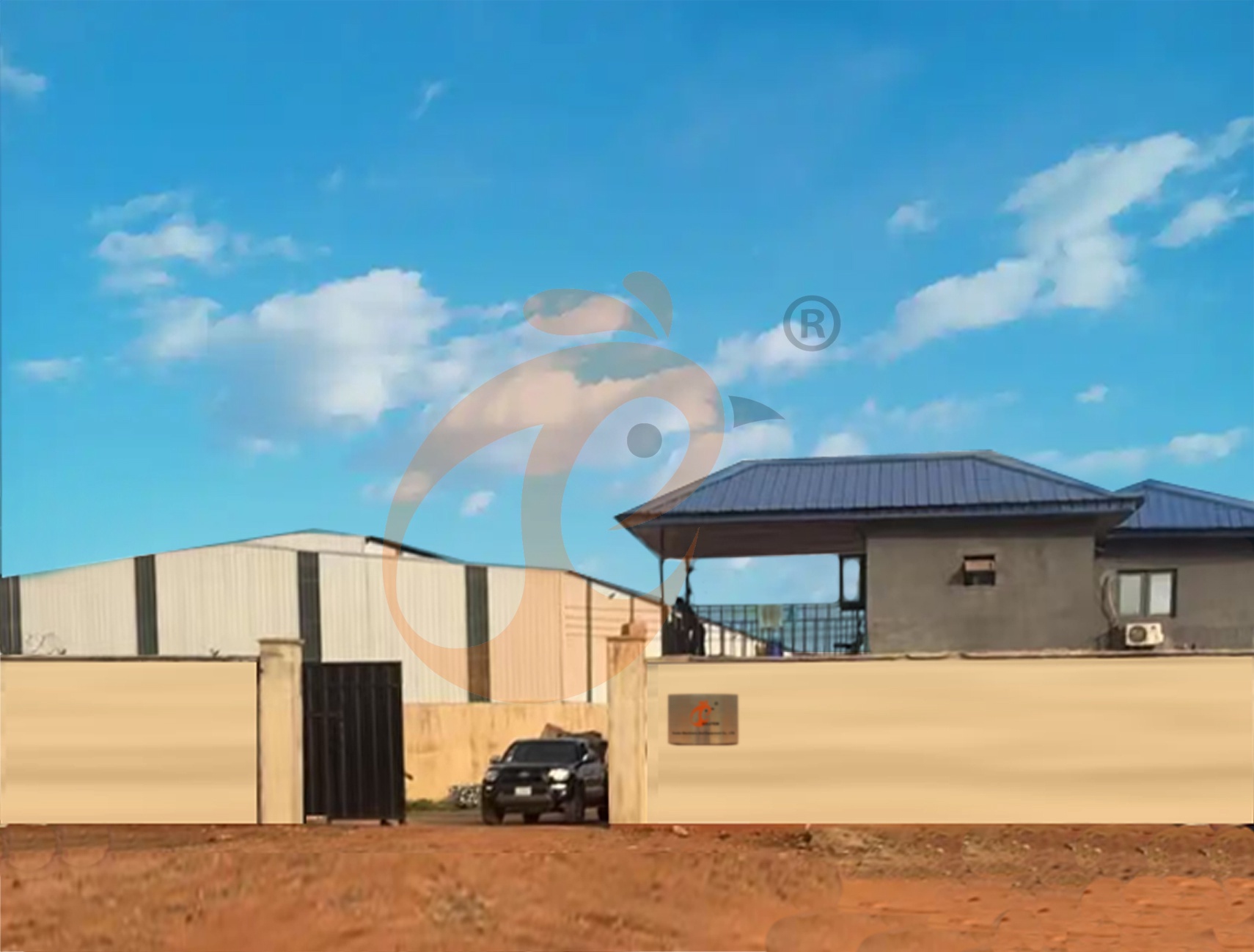
Nigeria Vanke Machinery And Equipment CO., LTD
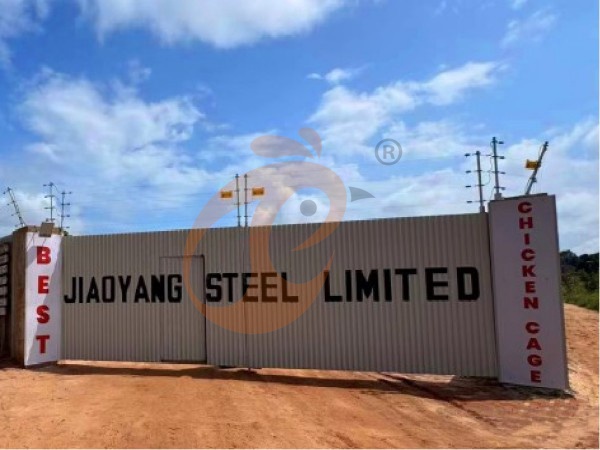
Tanzania Best Machinery And Equipment CO., LTD
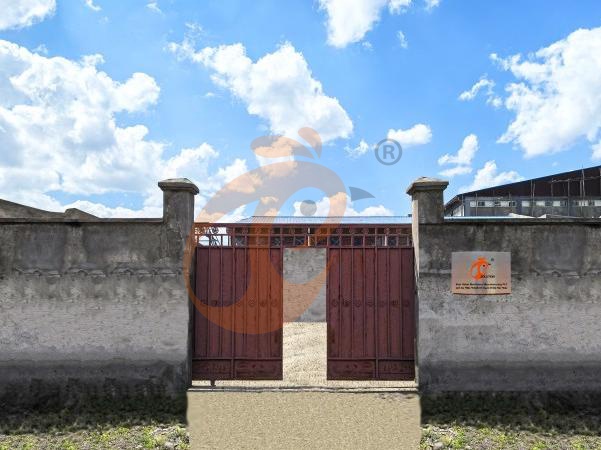
Ethiopia Best Hebei Machinery Manufacturing PLC




Reception /24 WhatsApp NO. : +8618830120193
FAQ
What Are The Top Recommendations For Egg Quality Management In Battery Cage Systems?
Keep conveyor belts clean to avoid breakage and contamination.
Egg production: 90–98%, breakage rate: 2–3%.
How To Optimize Lighting And Ventilation For Maximum Egg Production In Poultry Cages?
Combine roof exhaust and side-wall intake for ventilation, temperature 18–25℃, humidity 50–70%.
Egg production can reach 90–98%, breakage rate <3%.
How To Implement Advanced Manure Removal Systems In Layer Cage Farms?
Reduces manual labor by 50–70%, maintains house hygiene, and lowers disease risk.
- battery cage
- battery cage system
- poultry farm
- layer cage
- automatic layer cage
- poultry house
- cage
- galvanized cage
- poultry farm construction
- battery cage manufacturer
- battery cage equipment
- layer cage system
- battery cage layout
- battery cage house
- automatic feeding system
- poultry equipment
- manure removal system
- egg collection equipment
- hen cage
- battery cages
- automatic layer cage system
- chickencage
- bestchickencage
- cage system
- cage systems
- Nigeria
- layer farm
- layer cage equipment
- cage manufacturer
- cage supplier
- automatic egg collection
- poultry farm plan
- Ethiopia
Message
Products recommended
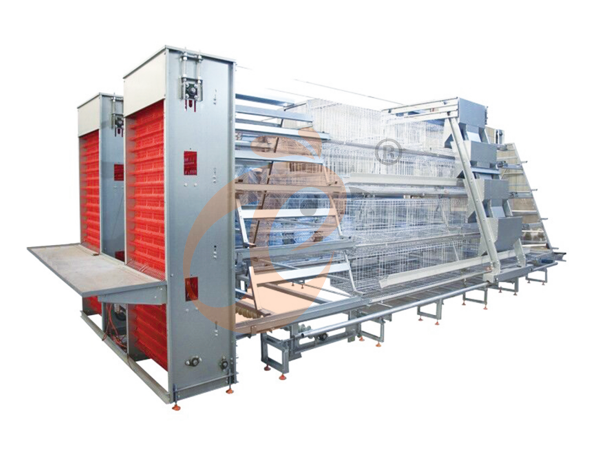
 >30,000 Pullets Automatic H Type Battery Cage1. More than 30,000 pullets a house, choose it.
2. It is designed to rearing older than 1 day old pullets to 12 to 16 weeks old chicken starting laying eggs.
3. Its lifespan is more than 25 years.
4. Its structure are Vcloud artificial intelligent fusion, electric control cabinet, automatic equipment of drinking, feeding, manure clean, manual harvesting.
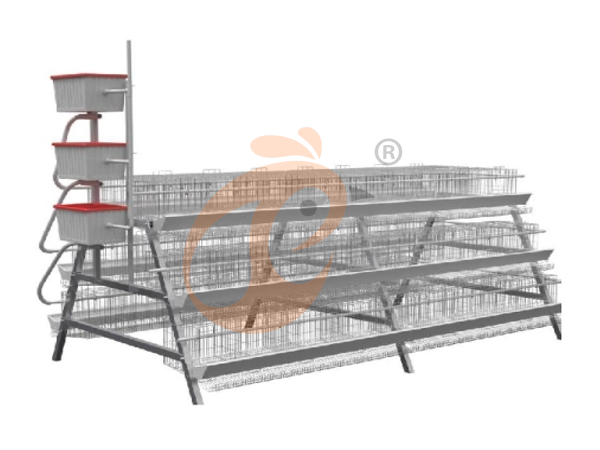
5. Our 24 hour online reception What’sApp NO. is +8618830120193 <30,000 Pullets Automatic A Type Battery Cage1. 10,000 to 30,000 pullets a house, choose it.
2. It is designed to rearing older than 1 day old pullets to 12 to 16 weeks old chicken starting laying eggs.
3. Its lifespan is more than 25 years.
4. Its structure are Vcloud artificial intelligent fusion, electric control cabinet, automatic equipment of drinking, feeding, manure clean, manual harvesting.
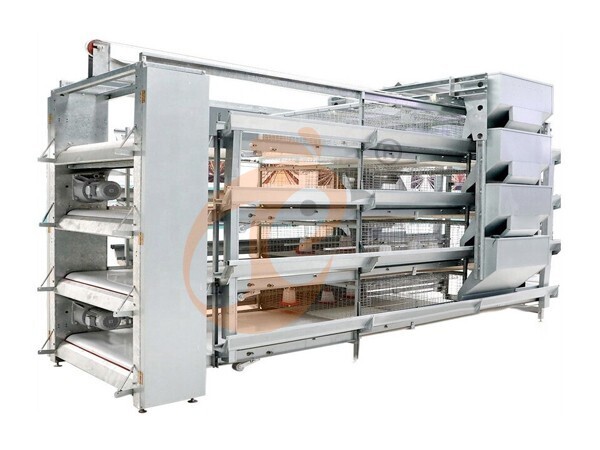
5. Our 24 hour online reception What’sApp NO. is +86 18830120193. >30,000 Broilers Semi-Automatic Harvest H Type Battery Cage1. More than 30,000 broilers a house, choose it.
2. It is designed to rearing 1 to 45 day old adult broiler ready for market.
3. Its lifespan is more than 20 years.
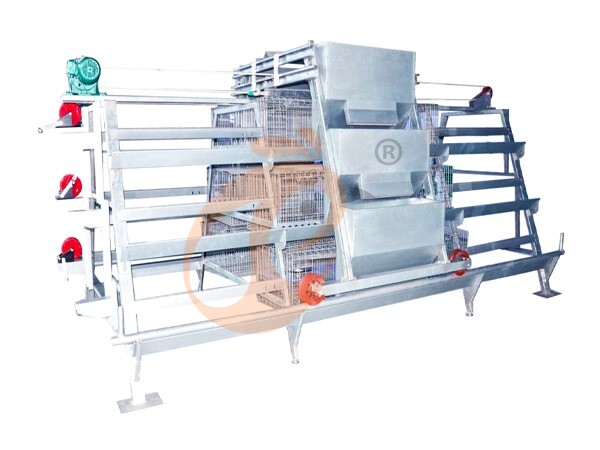
4. Our 24 hour online reception What’sApp NO. is +8618830120193, +234 8111199996. >30,000 Broilers Manual Harvest H Type Battery Cage1. More than 30,000 broilers a house, choose it.
2. It is designed to rearing 1 to 45 day old adult broiler ready for market.
3. Its lifespan is more than 20 years.
4. Its structure are Vcloud artificial intelligent fusion, electric control cabinet, automatic equipment of drinking, feeding and manure clean, manual harvesting.
5. Our 24 hour online reception What’sApp NO. is +8618830120193, +234 8111199996. <30,000 Broilers Manual Harvest A Type Battery Cage1. Less 30,000 broilers a house, choose it.
2. It is designed to rearing 1 to 45 day old adult broiler ready for market.
3. Its lifespan is more than 20 years.
4. Its structure are Vcloud artificial intelligent fusion, electric control cabinet, automatic equipment of drinking, feeding and manure clean, manual harvesting.
5. Our 24 hour online reception What’sApp NO. is +8618830120193, +234 8111199996. HK Headquarter Offers EU-standard Poultry Farm Solutions, Manufacture Poultry Farm Equipment1. Continuous communication with the EU and the US
2. China, Nigeria, Ethiopia, Tanzania branch companies and factories
3. The products’ quality is customized for local poultry farms
4. Poultry cage and poultry farm equipment stock for sale
5. 24 online reception Whatsapp NO. : +8618830120193,contact us to get full information China Branch Offer Poultry Farm Business Plan, Manufacture Poultry Farm Equipment1. Address: Flat/RM 2416, 24/F, Runxing Building, Youyi Nan Street, Shijiazhuang City, Hebei Province, China
2. Poultry cage and poultry farm equipment factory and stock for sale
3. Customized for local poultry farms
4. Quality and design are based on Euro
5. 24 online reception Whatsapp NO. : +8618830120193 Nigeria Branch Offer Poultry Farm Business Plan, Manufacture Poultry Farm Equipment1. Address: After Sinoma Office, 200 Meters Near Danco Filling Station, Lagos/Ibadan Expressway, Lagos State, Nigeria
2. Poultry cage and poultry farm equipment factory and stock for sale
3. Customized for Nigerian poultry farms
4. Quality and design are based on Euro
5. 24 online reception Whatsapp NO. : +8618830120193 Ethiopia Branch Offer Poultry Farm Business Plan, Manufacture Poultry Farm Equipment1. Address: Gelan Gura, Akaki-kaliti Sub City, Addis Ababa, Ethiopia
2. Poultry cage and poultry farm equipment stock for sale
3. Customized for Ethiopian poultry farms
4. Quality and design are based on Euro
5. 24 online reception Whatsapp NO. : +8618830120193, contact us to get price list Tanzania Branch Offer Poultry Farm Business Plan, Manufacture Poultry Farm Equipment1. Address: No.8, Sova Road, Msufini, Mlandizi, Kibaha, Pwani, Tanzania
2. Poultry cage and poultry farm equipment factory and stock for sale
3. Customized for Tanzanian poultry farms
4. Quality and design are based on Euro
5. 24 online reception Whatsapp NO. : +8618830120193


Contact