


Blog
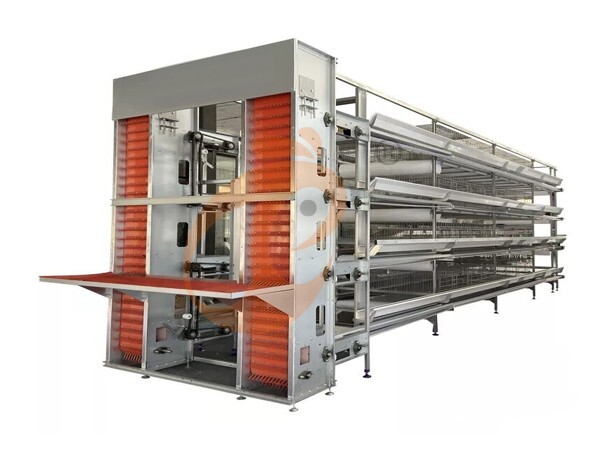
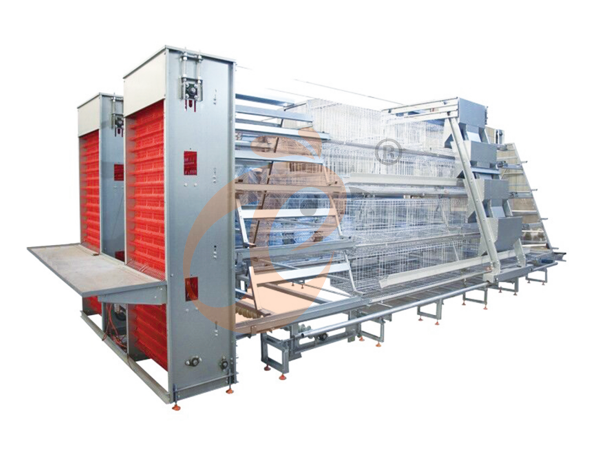
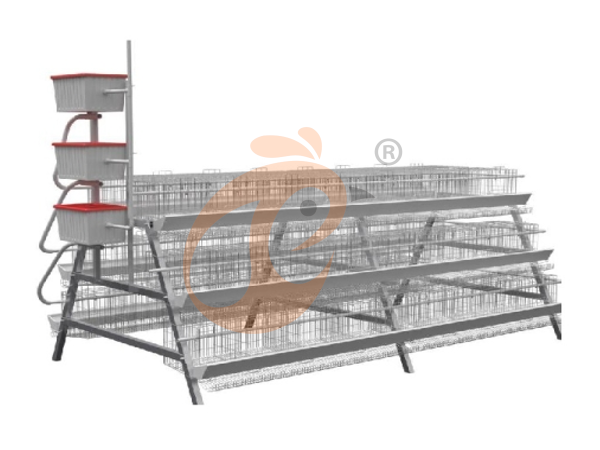
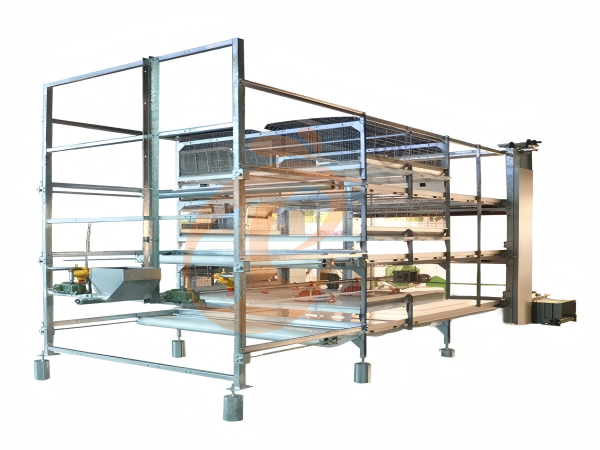
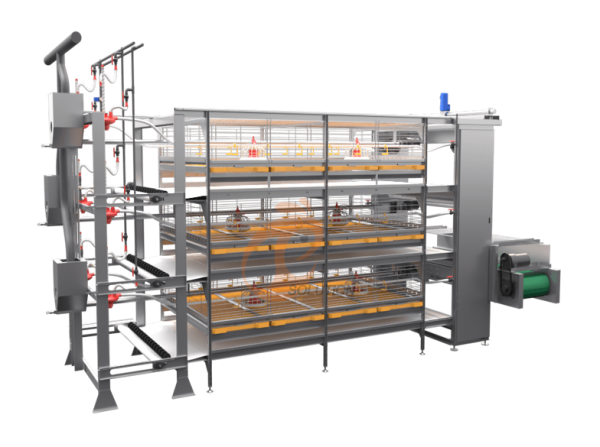
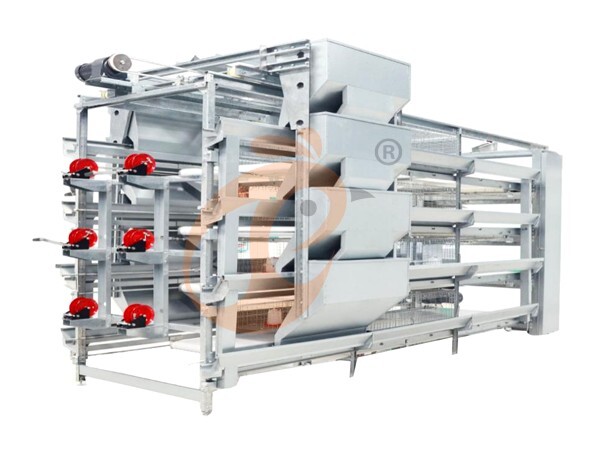
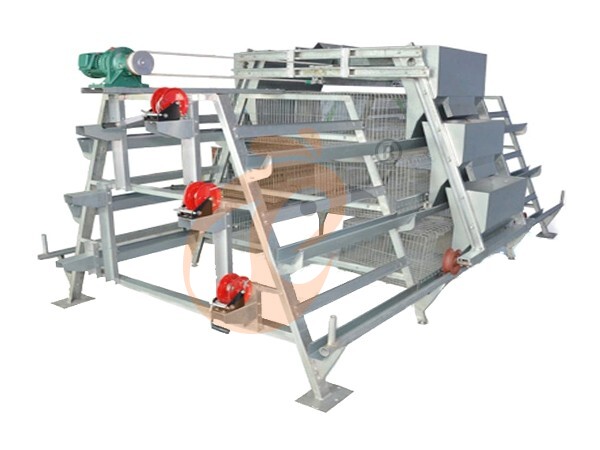
A type battery cage systems balance structural strength, equipment costs, and commercial egg production requirements across 3–5 cage tiers
Economy configurations reduce initial investment, while reinforced frames support demanding operations with documented load-bearing specifications
Wire diameter, steel thickness, and coating specifications help evaluate equipment durability across 2.0–3.5 mm wire options
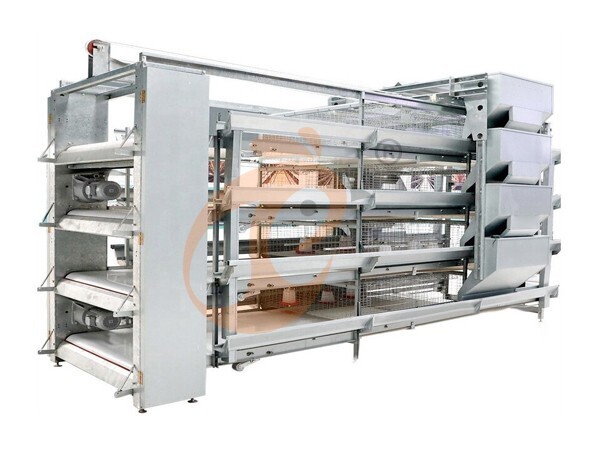
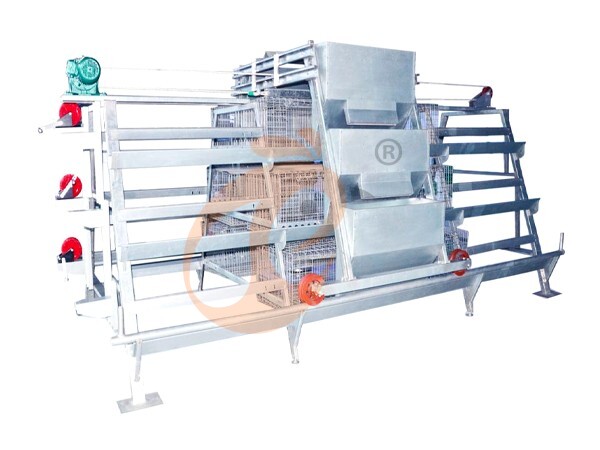
Integrated feeding, drinking, and manure systems coordinate 3 essential poultry-house operations
Compare lifecycle expenses, technical documentation, and installation requirements before purchasing equipment for 3,000 or more laying hens
Get professional poultry farm construction guidance, equipment selection solutions, and the latest price lists, whatsApp to +8618830120193, click to learn more:
Technical Specifications Comparison
Data is for reference only.Swipe horizontally to view full table.
These illustrative ranges support preliminary A type battery cage procurement, while final specifications require manufacturer drawings, verified test reports, and confirmed capacity per cage set.
Engineering Considerations: Build Quality Matters
Key Engineering Points
Welding integrity: Request weld-shear test results in newtons to assess joint consistency in A type battery cages.
Structural loading: Specify a distributed load test of 50 kilograms per square meter where applicable to the manufacturer's design.
Fastener security: Confirm bolt grade, locking method, and corrosion protection before installation.
Surface preparation: Inspect coating uniformity at welded joints, cut edges, and frame connections.
Warranty documentation: Request written coverage for manufacturing defects and replacement components.
Reinforced poultry cage systems require documented material properties, fabrication quality, and installation controls to justify additional purchasing costs, especially in 4-tier commercial installations.
Project Cost And Budget Allocation
Data is for reference only.Swipe horizontally to view full table.
These preliminary allocations support battery cage project budgeting and require adjustment against actual equipment quotations, installation labor, freight costs, and applicable taxes.
For international quotations, compare all costs in USD and identify any European union-standard reference requirements separately.
Durability And Material Performance
Data is for reference only.Swipe horizontally to view full table.
Steel grades and strength ranges are illustrative procurement criteria for A type battery cages, not certified properties of every product.
Request material certificates, coating inspection reports, and warranty terms before accepting an order.
Production Workflow And Equipment Integration
Recommended Process Structure
Feed distribution connects with automated feeding equipment to deliver consistent rations, while regulated drinking lines support reliable water access in commercial A type battery cage installations.
Feed delivery: Match feeding equipment to ration requirements and the planned feeding schedule.
Water supply: Specify nipple flow at 60–80 milliliters per minute, subject to bird age and manufacturer guidance.
Egg handling: Select conveyor speed according to collection capacity and egg-handling requirements.
Manure removal: Coordinate scraper or belt operation with cleaning schedules.
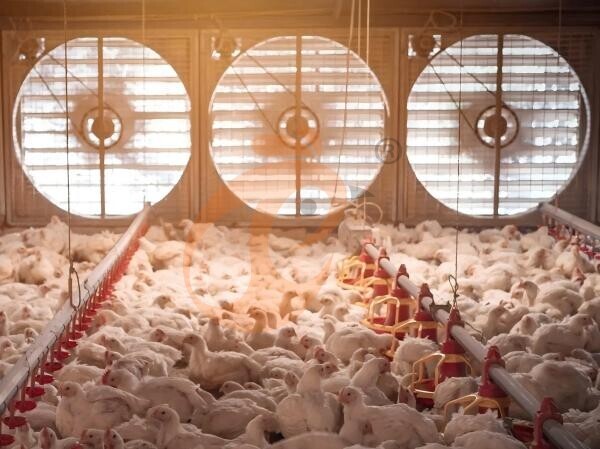
Environmental management: Integrate ventilation fans, cooling pads, and environmental controllers.
Inspection: Record equipment faults, water consumption, and maintenance activities.
Integrated poultry equipment simplifies coordination across cage systems, feeding lines, drinking equipment, and manure handling installations, with routine checks scheduled across all major equipment groups.
Maintenance And Operating Expenses
Data is for reference only.Swipe horizontally to view full table.
These planning assumptions support battery cage lifecycle budgeting but are not measured performance guarantees.
Review maintenance records annually and request spare-parts quotations covering the first 12 months of operation.
Purchasing Tips For Commercial Poultry Farms
Tip Card One: Measure The Building
Allow approximately 800–1,000 millimeters for designated maintenance passages where layout and local requirements permit, confirming worker access and cleaning clearance.
Tip Card Two: Verify Drinking Equipment
Check water pressure, filtration, and nipple specifications to support consistent drinking-system performance across each installed cage row.
Tip Card Three: Assess Automation
Request motor power ratings in kilowatts and confirm electrical supply compatibility before ordering automatic poultry feeding equipment, including 220-volt or 380-volt configurations where applicable.
Tip Card Four: Review Installation Drawings
Confirm foundation levels, equipment interfaces, discharge points, and maintenance access before manufacturing begins, allowing at least one approved layout drawing before production.
Tip Card Five: Check Compliance
Verify animal-welfare rules, building codes, electrical standards, and market requirements before finalizing battery cage specifications.
Farm Application And Equipment Selection
Data is for reference only.Swipe horizontally to view full table.
Flock targets are indicative planning examples for A type battery cage installations, subject to housing design, stocking requirements, ventilation capacity, and applicable regulations.
Confirm actual birds per set, total installed rows, and service access before approving the equipment layout.
Recommended Equipment Combinations
Package A: Economy Startup System
Designed for farms seeking controlled capital expenditure and practical poultry housing infrastructure.
Economy A type battery cages
Chain or manual feeding equipment
Filtered nipple drinking lines
Exhaust fans and suitable air inlets
Compatible manure scrapers
Basic monitoring and maintenance tools
Package B: Heavy-Duty Commercial System
Designed for commercial operations prioritizing structural robustness and coordinated equipment performance.
Reinforced A type battery cages
Automated feeding and drinking equipment
Egg collection conveyors
Mechanized manure removal
Cooling pads and exhaust ventilation
Environmental control cabinets and monitoring sensors
A preliminary ventilation design may evaluate airflow requirements of 4–6 cubic meters per hour per bird under specified conditions, subject to climate, bird weight, house dimensions, and engineering calculations.
Return On Investment Comparison
Data is for reference only.Swipe horizontally to view full table.
Investment indices are hypothetical, with the economy model set at 100, and must be replaced with actual project data.
Calculate the net present value of A type battery cage purchase, installation, maintenance, and replacement expenses to determine whether additional expenditure generates sufficient savings.
Include equipment depreciation, spare-parts availability, and the expected service period in the calculation.
Final Recommendation: Which Cage Is Worth Buying?
Data is for reference only.Swipe horizontally to view full table.
Economy A type battery cages suit projects prioritizing initial affordability, while heavy-duty configurations merit consideration when documented structural improvements justify the additional investment.
Request quotations for 3-tier and 4-tier configurations to compare installed capacity, building compatibility, and total equipment expenditure.
Frequently Asked Questions
Q1: Which A type battery cage is more cost-effective?
Economy models reduce initial expenditure, while heavy-duty models may improve lifecycle value when additional durability offsets their purchase premium over a 5–10-year evaluation period.
Q2: What specifications should buyers check before ordering?
Verify wire diameter, frame thickness, coating documentation, cage dimensions, and structural test reports against the manufacturer's approved drawings, including the selected 3–5-tier configuration.
Q3: Can A type battery cages integrate with automatic equipment?
Compatible systems can integrate feeding, drinking, egg collection, and manure removal equipment, with interfaces confirmed before installation and electrical requirements checked against the available 220-volt or 380-volt supply.
Taiyu (HK) Group - One Of China's Largest A Type Battery Cage Manufacturers
A type battery cage systems feature configurable cage dimensions, structural specifications, and integrated poultry equipment interfaces for commercial projects with 3–5-tier options.
Global factory-direct supply supports project procurement, equipment customization, and coordinated manufacturing documentation for international orders.
Poultry equipment portfolios include feeding systems, drinking lines, egg conveyors, manure removal equipment, and ventilation components for integrated farm installations.
Turn-key engineering services coordinate layout planning, equipment selection, installation guidance, and commissioning requirements for projects ranging from 3,000 to 30,000 layers.
Technical quotations define materials, dimensions, equipment configurations, and project-specific delivery requirements, with costs quoted in USD where applicable.
Contact Us To Received Your Customized Poultry Farm Plan
Headquarters And Branchs

Hong Kong Headquarter Management Team
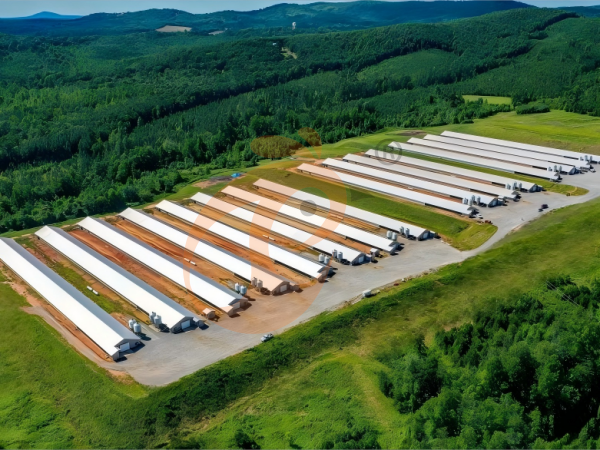
Hong Kong Headquarter Taiyu Industrial Group CO., LTD
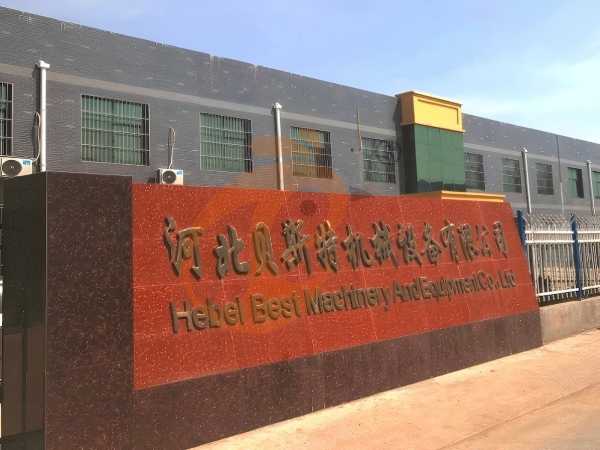
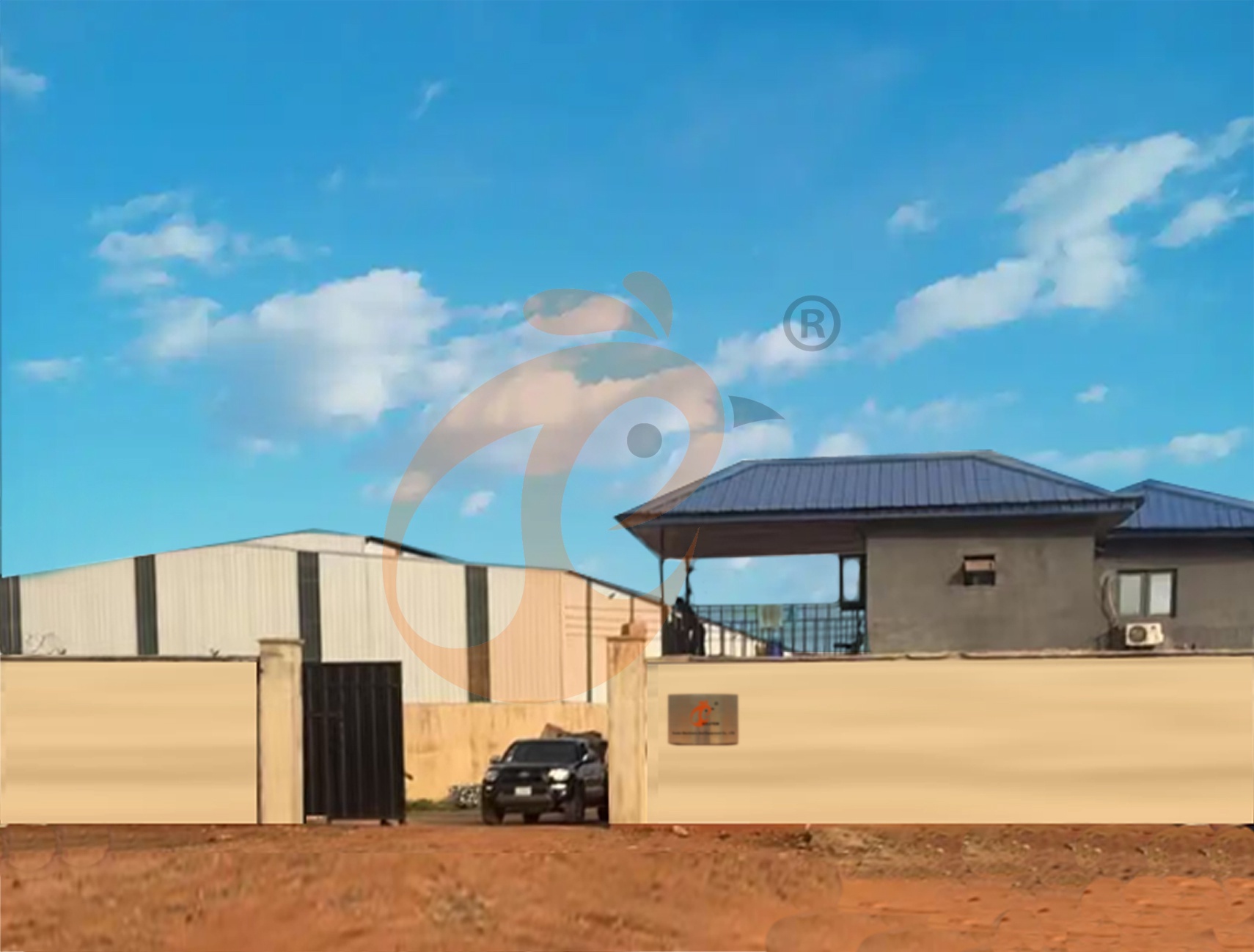
China Hebei Best Machinery And Equipment CO., LTD
Nigeria Vanke Machinery And Equipment CO., LTD
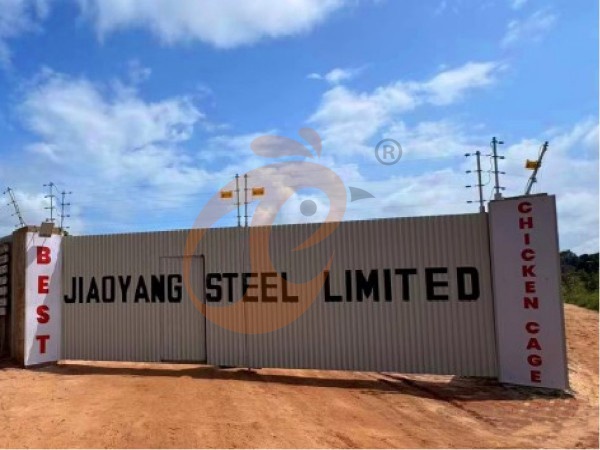
Tanzania Best Machinery And Equipment CO., LTD
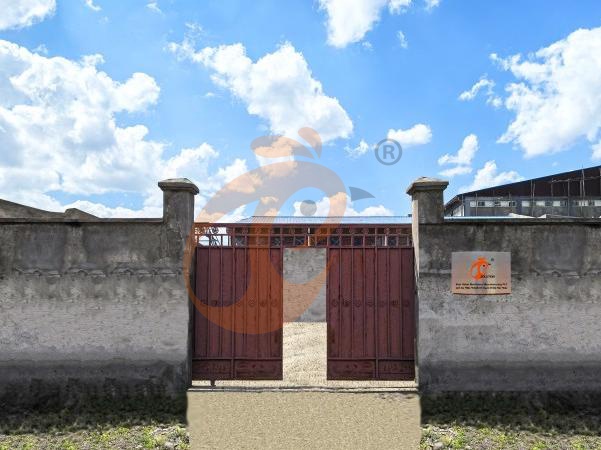
Ethiopia Best Hebei Machinery Manufacturing PLC




Reception /24 WhatsApp NO. : +8618830120193
FAQ
How To Reduce Pecking And Aggression In A-Type Chicken Cage Layers?
Even lighting and good ventilation
Provide supplemental feed and water
Mortality rate: 2–3%
Egg production rate: 90–96%
What Are The Recommended Aisle Widths In A-Type Chicken Cage Houses?
Facilitates manual operation and equipment access
Farm capacity per house: 10,000–50,000 birds
Egg production rate: 90–96%
How To Ensure Proper Airflow In A-Type Layer Cage Farm?
Roof vents and air ducts designed properly
Reduce heat stress and humidity
Egg production rate: 90–96%
FCR: 1.9–2.2
- battery cage
- battery cage system
- poultry farm
- poultry farms
- poultry cage
- cage
- poultry farm construction
- battery cage manufacturer
- battery cage specifications
- battery cage installation
- poultry cage system
- battery cage project
- poultry feeding equipment
- automatic poultry feeding equipment
- poultry equipment
- manure scraper
- manure removal equipment
- battery cages
- a type battery cage
- chickencage
- bestchickencage
- cage system
- cage systems
- h cage
- Nigeria
- commercial poultry farms
- poultry cage systems
- cage manufacturer
- egg collection conveyor
- poultry farm plan
- poultry feed
- Ethiopia
Message
Products recommended
 >30,000 Pullets Automatic H Type Battery Cage1. More than 30,000 pullets a house, choose it.
2. It is designed to rearing older than 1 day old pullets to 12 to 16 weeks old chicken starting laying eggs.
3. Its lifespan is more than 25 years.
4. Its structure are Vcloud artificial intelligent fusion, electric control cabinet, automatic equipment of drinking, feeding, manure clean, manual harvesting.
5. Our 24 hour online reception What’sApp NO. is +8618830120193 <30,000 Pullets Automatic A Type Battery Cage1. 10,000 to 30,000 pullets a house, choose it.
2. It is designed to rearing older than 1 day old pullets to 12 to 16 weeks old chicken starting laying eggs.
3. Its lifespan is more than 25 years.
4. Its structure are Vcloud artificial intelligent fusion, electric control cabinet, automatic equipment of drinking, feeding, manure clean, manual harvesting.
5. Our 24 hour online reception What’sApp NO. is +86 18830120193. >30,000 Broilers Semi-Automatic Harvest H Type Battery Cage1. More than 30,000 broilers a house, choose it.
2. It is designed to rearing 1 to 45 day old adult broiler ready for market.
3. Its lifespan is more than 20 years.
4. Our 24 hour online reception What’sApp NO. is +8618830120193, +234 8111199996. >30,000 Broilers Manual Harvest H Type Battery Cage1. More than 30,000 broilers a house, choose it.
2. It is designed to rearing 1 to 45 day old adult broiler ready for market.
3. Its lifespan is more than 20 years.
4. Its structure are Vcloud artificial intelligent fusion, electric control cabinet, automatic equipment of drinking, feeding and manure clean, manual harvesting.
5. Our 24 hour online reception What’sApp NO. is +8618830120193, +234 8111199996. <30,000 Broilers Manual Harvest A Type Battery Cage1. Less 30,000 broilers a house, choose it.
2. It is designed to rearing 1 to 45 day old adult broiler ready for market.
3. Its lifespan is more than 20 years.
4. Its structure are Vcloud artificial intelligent fusion, electric control cabinet, automatic equipment of drinking, feeding and manure clean, manual harvesting.
5. Our 24 hour online reception What’sApp NO. is +8618830120193, +234 8111199996. HK Headquarter Offers EU-standard Poultry Farm Solutions, Manufacture Poultry Farm Equipment1. Continuous communication with the EU and the US
2. China, Nigeria, Ethiopia, Tanzania branch companies and factories
3. The products’ quality is customized for local poultry farms
4. Poultry cage and poultry farm equipment stock for sale
5. 24 online reception Whatsapp NO. : +8618830120193,contact us to get full information China Branch Offer Poultry Farm Business Plan, Manufacture Poultry Farm Equipment1. Address: Flat/RM 2416, 24/F, Runxing Building, Youyi Nan Street, Shijiazhuang City, Hebei Province, China
2. Poultry cage and poultry farm equipment factory and stock for sale
3. Customized for local poultry farms
4. Quality and design are based on Euro
5. 24 online reception Whatsapp NO. : +8618830120193 Nigeria Branch Offer Poultry Farm Business Plan, Manufacture Poultry Farm Equipment1. Address: After Sinoma Office, 200 Meters Near Danco Filling Station, Lagos/Ibadan Expressway, Lagos State, Nigeria
2. Poultry cage and poultry farm equipment factory and stock for sale
3. Customized for Nigerian poultry farms
4. Quality and design are based on Euro
5. 24 online reception Whatsapp NO. : +8618830120193 Ethiopia Branch Offer Poultry Farm Business Plan, Manufacture Poultry Farm Equipment1. Address: Gelan Gura, Akaki-kaliti Sub City, Addis Ababa, Ethiopia
2. Poultry cage and poultry farm equipment stock for sale
3. Customized for Ethiopian poultry farms
4. Quality and design are based on Euro
5. 24 online reception Whatsapp NO. : +8618830120193, contact us to get price list Tanzania Branch Offer Poultry Farm Business Plan, Manufacture Poultry Farm Equipment1. Address: No.8, Sova Road, Msufini, Mlandizi, Kibaha, Pwani, Tanzania
2. Poultry cage and poultry farm equipment factory and stock for sale
3. Customized for Tanzanian poultry farms
4. Quality and design are based on Euro
5. 24 online reception Whatsapp NO. : +8618830120193


Contact