


Blog
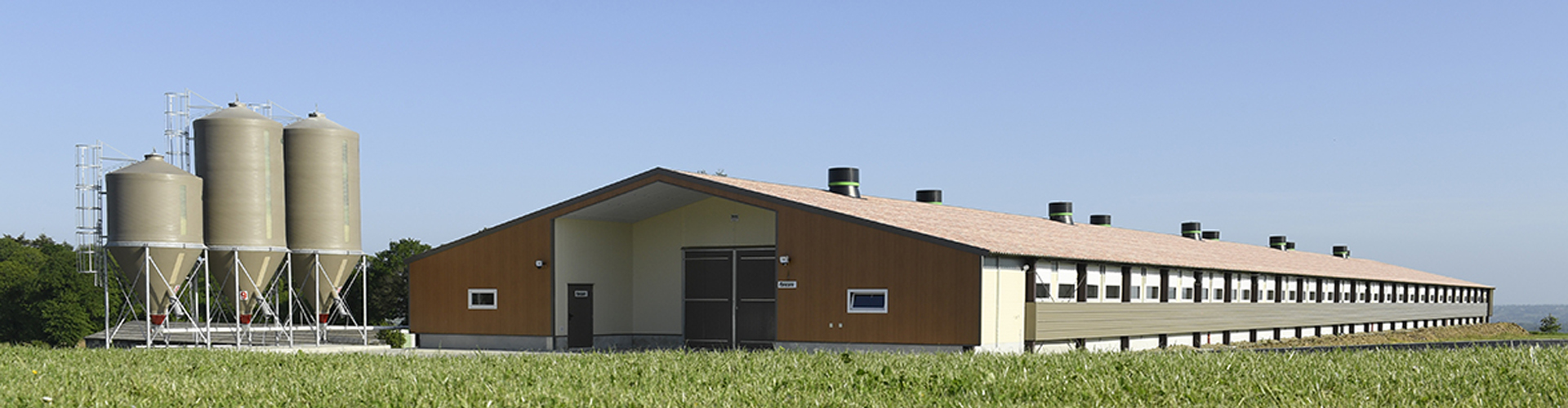
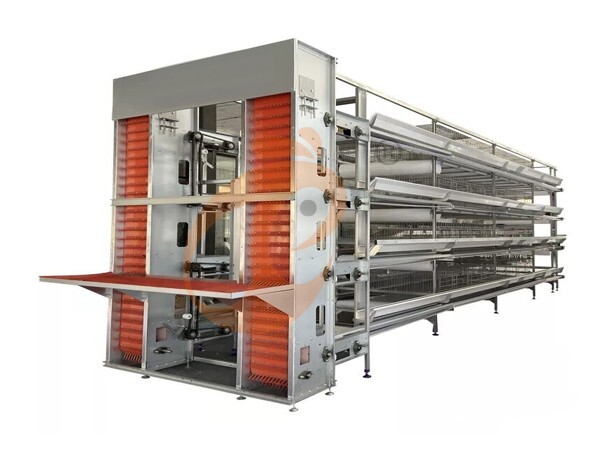
H type chicken cage systems transform commercial poultry farming, supporting scalable egg production for farms housing 50,000 hens.
Galvanized steel frames, 2.0–2.5 mm profiles, and corrosion protection enhance durability and long-term investment confidence.
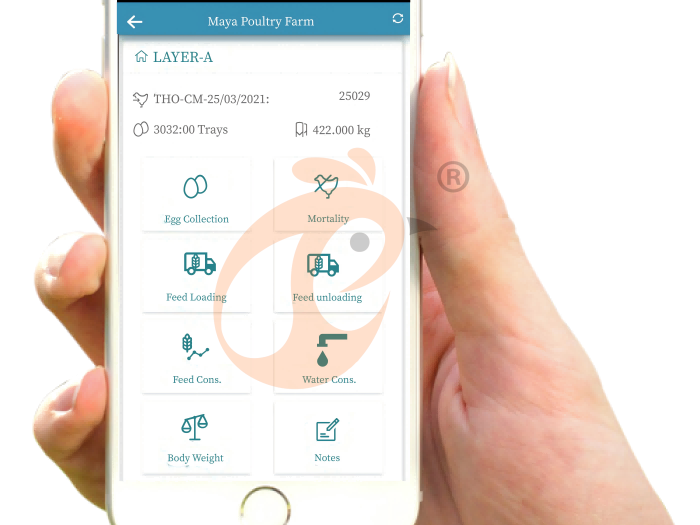
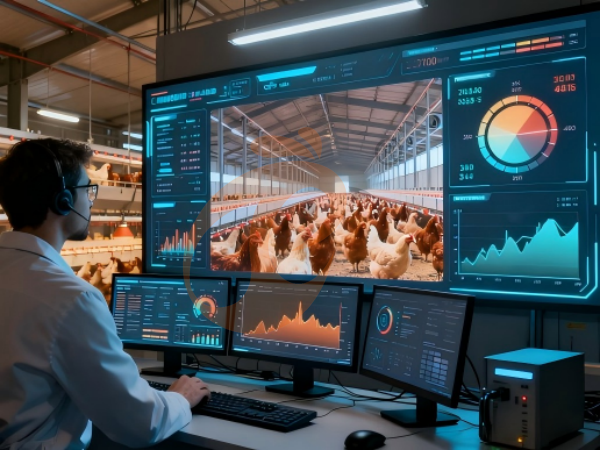
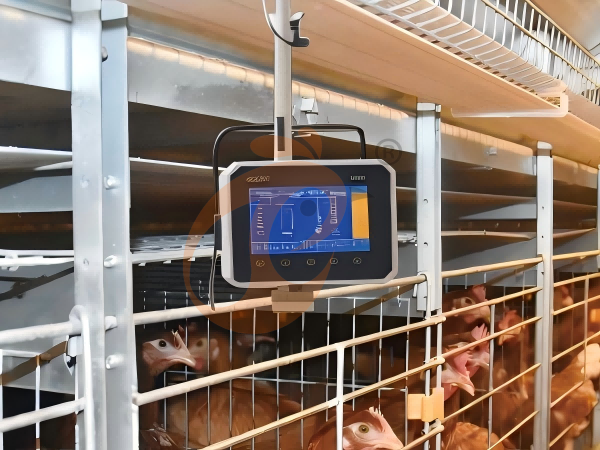
Automatic feeding, nipple drinking, manure removal, and egg collection streamline daily workflows while reducing labor demands.
Customized layouts accommodate 3–16 tiers, optimizing building space, flock allocation, ventilation, and maintenance accessibility.
Explore supplier evaluation, installation planning, technical standards, warranty coverage, and lifecycle costs to build efficient, profitable poultry operations.
Get professional poultry farm construction guidance, equipment selection solutions, and the latest price lists, whatsApp to +8618830120193, click to learn more:
What Materials And Engineering Standards Do You Use?
H type chicken cage suppliers should provide documented material specifications, manufacturing drawings, and corrosion protection details.
Data is for reference only.Swipe horizontally to view full table.
Actual specifications depend on cage design, component function, and applicable standards.
Request model-specific documentation before purchasing galvanized chicken cages or commercial poultry housing equipment.
Engineering Checklist: Inspect The Complete Cage Structure
Structural Verification
Frame Stability: Verify support positions, connection geometry, and structural loading.
Bird Access: Check cage doors, feed troughs, and drinking components.
Corrosion Protection: Inspect welded areas and galvanized surfaces.
Maintenance Access: Allow sufficient clearance for servicing equipment.
Installation Planning: Reserve approximately 5%–10% of the construction schedule for inspection and commissioning.
Professional H type chicken cage systems should include installation drawings and component specifications.
Automatic poultry cage equipment requires coordinated structural design to minimize installation conflicts.
Which Automatic Equipment Can You Supply?
Integrated H type chicken cage systems combine automatic feeding equipment, nipple drinking systems, manure removal conveyors, and egg collection machinery.
Data is for reference only.Swipe horizontally to view full table.
Specifications vary by equipment model and installation conditions.
Ask poultry equipment manufacturers to confirm compatibility between cage assemblies, automatic egg collection systems, and manure handling machinery.
Equipment Combination Recommendation: Build A Coordinated Poultry System
Recommended Equipment Package
H type chicken cages with galvanized steel frames.
Automatic feeding equipment designed around flock requirements.
Nipple drinking lines with filtration and pressure regulation.
Manure belts connected to external discharge conveyors.
Egg belts linked to centralized collection machinery.
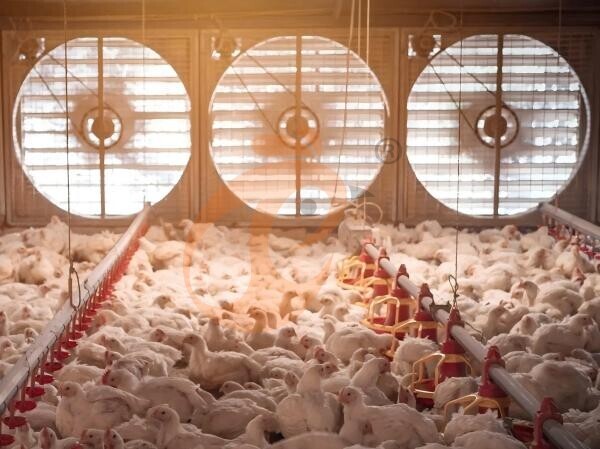
Ventilation fans and environmental controllers selected for local climate conditions.
For farms operating 16 hours daily, equipment selection should account for production demand, cleaning intervals, and maintenance schedules.
Our H type chicken cage solutions support coordinated poultry equipment configurations based on building dimensions and automation requirements.
Can You Customize The System To My Poultry House?
Customized H type chicken cage layouts should account for building dimensions, bird allocation, ventilation, and maintenance access.
Data is for reference only.Swipe horizontally to view full table.
These dimensions represent illustrative design references rather than universal requirements.
Commercial chicken cage systems require site-specific engineering and compliance with applicable animal welfare regulations.
Project Workflow: From Initial Inquiry To Commissioning
Step 1 — Farm Assessment
Collect building drawings, production objectives, utility information, and site conditions.
Step 2 — Equipment Design
Prepare cage arrangements, automation schedules, and component specifications.
Step 3 — Commercial Confirmation
Approve the bill of materials, delivery conditions, warranty, and installation scope.
Step 4 — Manufacturing Inspection
Verify component dimensions, assembly quality, and order completeness.
Step 5 — Installation And Testing
Check mechanical alignment, electrical protection, conveyor operation, and water distribution.
Step 6 — Operator Handover
Provide operating instructions, maintenance documentation, and staff training.
For H type chicken cage projects, allow a provisional 2–4 weeks for engineering coordination and drawing approval, subject to project complexity.
What Warranty And After-Sales Support Do You Provide?
Reliable H type chicken cage suppliers should define warranty coverage, spare-part availability, and technical support responsibilities.
Data is for reference only.Swipe horizontally to view full table.
These figures are proposed procurement benchmarks, not guaranteed service commitments.
Automatic poultry equipment should include clear maintenance instructions and defined procedures for reporting operational faults.
Supplier Comparison Matrix: Compare Technical Performance
Use consistent technical requirements when comparing H type chicken cage suppliers and poultry automation manufacturers.
Data is for reference only.Swipe horizontally to view full table.
Confirm all technical parameters against approved drawings, manufacturer documentation, and site electrical requirements.
What Is The Total Cost Of Ownership?
The total cost of H type chicken cage equipment includes purchase, installation, energy, maintenance, and replacement components.
Data is for reference only.Swipe horizontally to view full table.
For example, a 1 kW motor operating for 8 hours at full rated load consumes 8 kWh daily.
Actual electricity consumption depends on operating load, efficiency, and usage patterns.
European union standard reference only: applicable European product, electrical safety, and animal welfare requirements must be verified for the destination market.
Technical Procurement Checklist: Confirm Before Ordering
Complete the technical review before approving H type chicken cage manufacturing and shipment.
Data is for reference only.Swipe horizontally to view full table.
Reference values must be checked against the selected equipment model and approved project specifications.
Frequently Asked Questions
Q1: What is an H type chicken cage system?
An H type chicken cage system uses vertically arranged cage tiers and can integrate automated feeding, drinking, manure removal, and egg collection.
Q2: Which equipment should be purchased together?
Coordinate chicken cages with feeding lines, drinking systems, manure conveyors, and egg collection machinery to reduce installation conflicts.
Q3: How can buyers compare supplier quotations?
Compare material specifications, equipment capacity, installation scope, warranty terms, and operating costs using identical project requirements.
Taiyu (HK) Group - One Of China's Toppest H Type Chicken Cage Manufacturer
H type chicken cage systems integrate modular housing structures with automated poultry equipment, with configurations engineered for commercial projects housing 50,000 hens or more.
Global factory-direct supply supports equipment procurement, manufacturing coordination, and project-specific technical documentation.
Comprehensive poultry equipment solutions include feeding, drinking, manure removal, egg collection, and environmental control systems.
Turn-key engineering services coordinate layout design, equipment manufacturing, installation guidance, commissioning, and operator training.
Technical sales support provides customized equipment schedules, engineering drawings, and quotations based on building dimensions and production requirements.
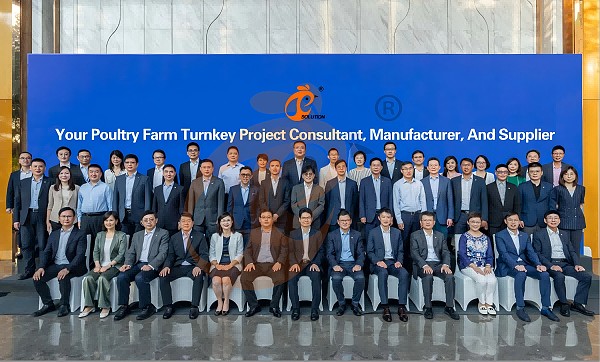
Contact Us To Received Your Customized Poultry Farm Plan
Headquarters And Branchs

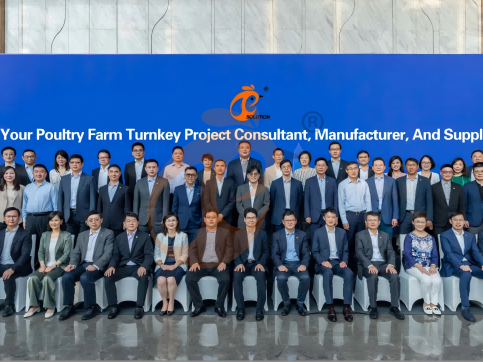
Hong Kong Headquarter Management Team
Hong Kong Headquarter Taiyu Industrial Group CO., LTD
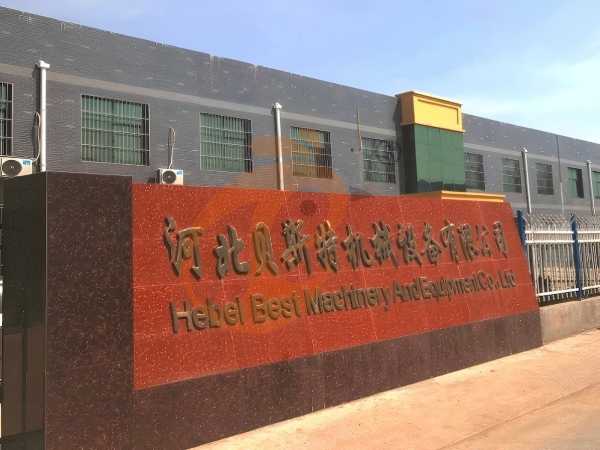
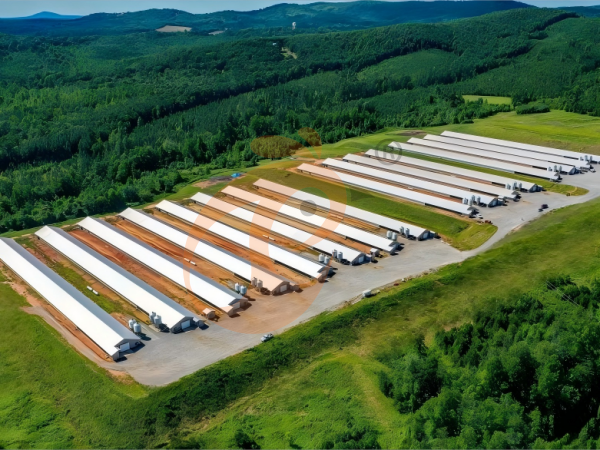
China Hebei Best Machinery And Equipment CO., LTD
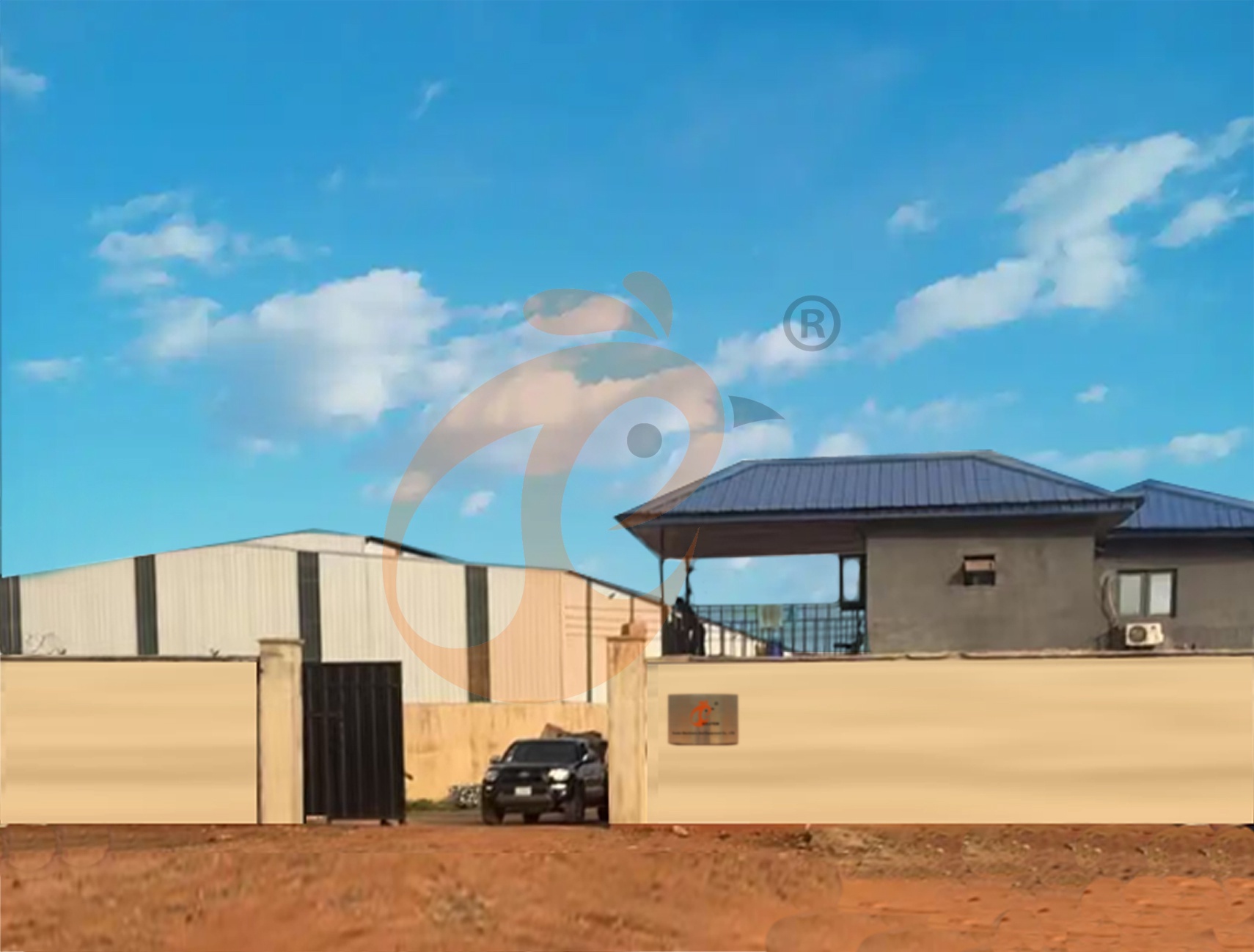
Nigeria Vanke Machinery And Equipment CO., LTD
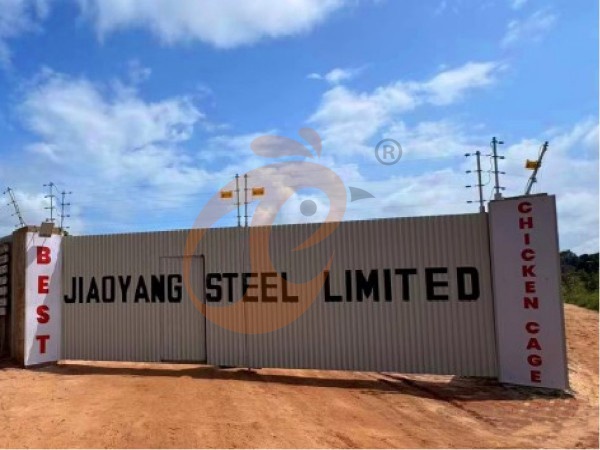
Tanzania Best Machinery And Equipment CO., LTD
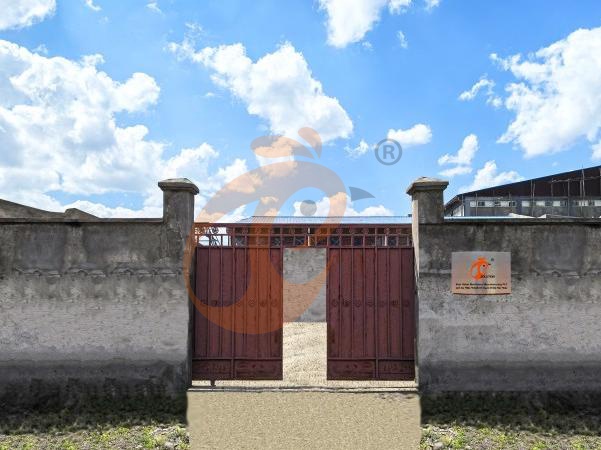
Ethiopia Best Hebei Machinery Manufacturing PLC




Reception /24 WhatsApp NO. : +8618830120193
FAQ
What Are The Recommended Cage Heights For H-Type Poultry Cage?
Multi-tier layout: 5–7 levels
Ensure comfort for feeding and movement
Egg production rate: 90-98%
FCR: 1.9–2.1
How To Reduce Energy Consumption In H-Type Layer Cage Farm?
Optimize ventilation and lighting layout
Reduce HVAC energy consumption by 10–15%
Egg production rate: 90-98%
FCR: 1.9–2.1
What Is The Maximum Capacity Of H-Type Layer Cage In A Single House?
Birds per tier: 90–120
Farm capacity per house: 30,000 - 100,000+0 birds
Floor space saved: 3–4 times
Labor savings: 70-90%
- poultry farm
- chicken cage
- poultry house
- poultry cage
- cage
- poultry farm construction
- poultry cage equipment
- chicken cage layout
- chicken cage manufacturer
- chicken cage system
- chicken cage supplier
- automatic poultry cage
- chicken cage equipment
- automatic feeding system
- poultry equipment
- manure removal equipment
- egg collection system
- automatic egg collection system
- chicken cages
- h type chicken cage
- chickencage
- bestchickencage
- cage system
- galvanized chicken cage
- h type
- cage systems
- chicken cage suppliers
- Nigeria
- automated poultry equipment
- poultry equipment manufacturer
- poultry housing equipment
- cage design
- cage manufacturer
- cage supplier
- manure removal conveyor
- automatic egg collection
- egg collection machine
- egg collection conveyor
- chicken cage solution
- poultry farm plan
- Ethiopia
Message
Products recommended
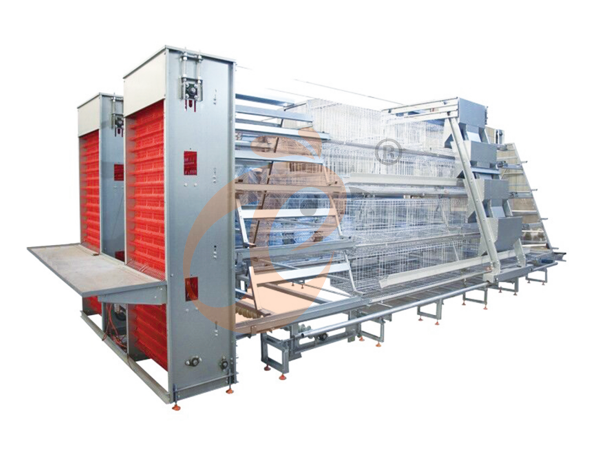
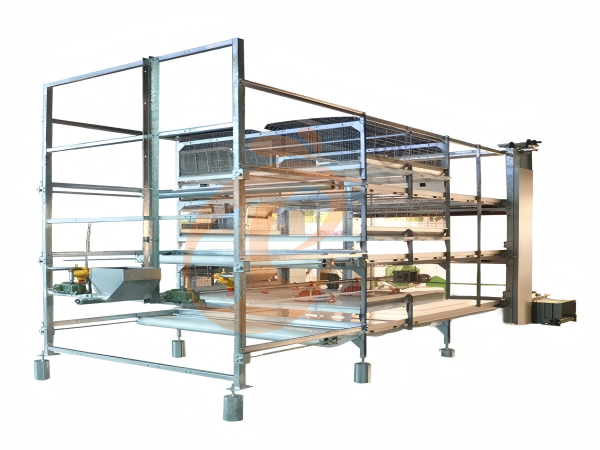
 >30,000 Pullets Automatic H Type Battery Cage1. More than 30,000 pullets a house, choose it.
2. It is designed to rearing older than 1 day old pullets to 12 to 16 weeks old chicken starting laying eggs.
3. Its lifespan is more than 25 years.
4. Its structure are Vcloud artificial intelligent fusion, electric control cabinet, automatic equipment of drinking, feeding, manure clean, manual harvesting.
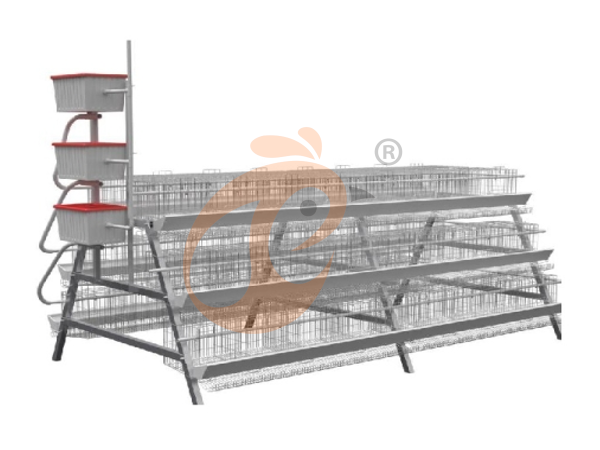
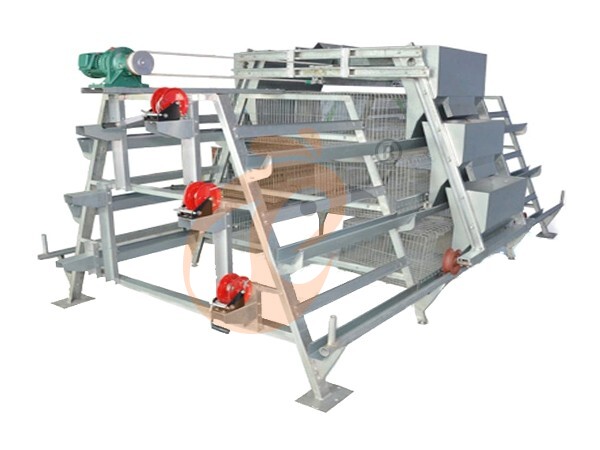
5. Our 24 hour online reception What’sApp NO. is +8618830120193 <30,000 Pullets Automatic A Type Battery Cage1. 10,000 to 30,000 pullets a house, choose it.
2. It is designed to rearing older than 1 day old pullets to 12 to 16 weeks old chicken starting laying eggs.
3. Its lifespan is more than 25 years.
4. Its structure are Vcloud artificial intelligent fusion, electric control cabinet, automatic equipment of drinking, feeding, manure clean, manual harvesting.
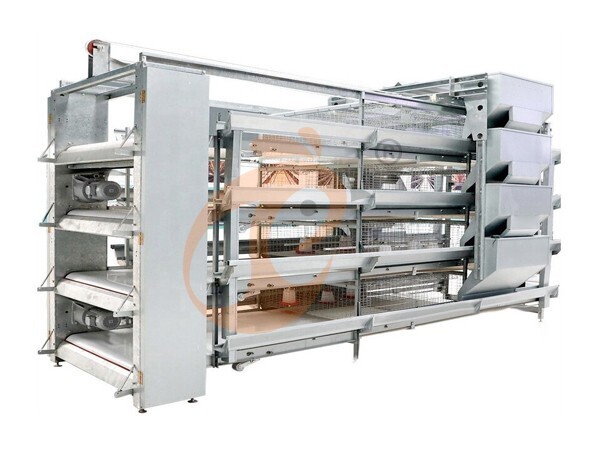
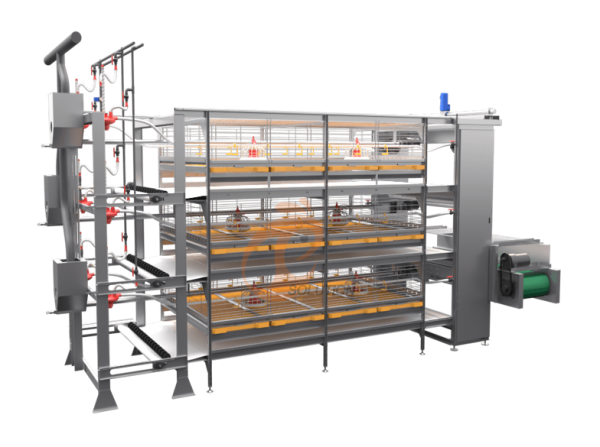
5. Our 24 hour online reception What’sApp NO. is +86 18830120193. >30,000 Broilers Semi-Automatic Harvest H Type Battery Cage1. More than 30,000 broilers a house, choose it.
2. It is designed to rearing 1 to 45 day old adult broiler ready for market.
3. Its lifespan is more than 20 years.
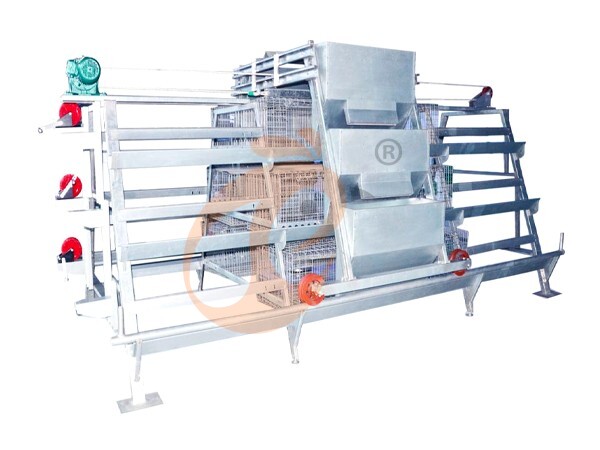
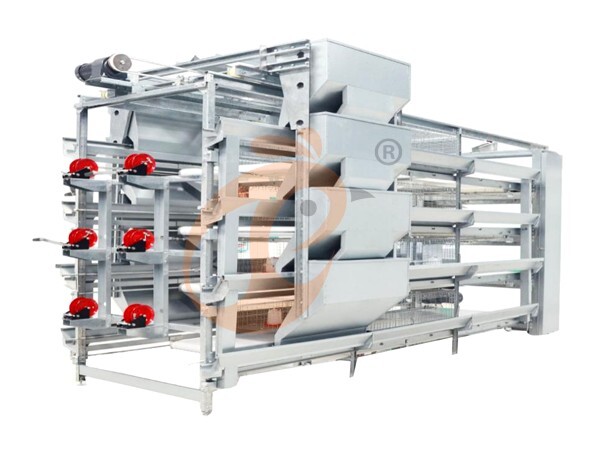
4. Our 24 hour online reception What’sApp NO. is +8618830120193, +234 8111199996. >30,000 Broilers Manual Harvest H Type Battery Cage1. More than 30,000 broilers a house, choose it.
2. It is designed to rearing 1 to 45 day old adult broiler ready for market.
3. Its lifespan is more than 20 years.
4. Its structure are Vcloud artificial intelligent fusion, electric control cabinet, automatic equipment of drinking, feeding and manure clean, manual harvesting.
5. Our 24 hour online reception What’sApp NO. is +8618830120193, +234 8111199996. <30,000 Broilers Manual Harvest A Type Battery Cage1. Less 30,000 broilers a house, choose it.
2. It is designed to rearing 1 to 45 day old adult broiler ready for market.
3. Its lifespan is more than 20 years.
4. Its structure are Vcloud artificial intelligent fusion, electric control cabinet, automatic equipment of drinking, feeding and manure clean, manual harvesting.
5. Our 24 hour online reception What’sApp NO. is +8618830120193, +234 8111199996. HK Headquarter Offers EU-standard Poultry Farm Solutions, Manufacture Poultry Farm Equipment1. Continuous communication with the EU and the US
2. China, Nigeria, Ethiopia, Tanzania branch companies and factories
3. The products’ quality is customized for local poultry farms
4. Poultry cage and poultry farm equipment stock for sale
5. 24 online reception Whatsapp NO. : +8618830120193,contact us to get full information China Branch Offer Poultry Farm Business Plan, Manufacture Poultry Farm Equipment1. Address: Flat/RM 2416, 24/F, Runxing Building, Youyi Nan Street, Shijiazhuang City, Hebei Province, China
2. Poultry cage and poultry farm equipment factory and stock for sale
3. Customized for local poultry farms
4. Quality and design are based on Euro
5. 24 online reception Whatsapp NO. : +8618830120193 Nigeria Branch Offer Poultry Farm Business Plan, Manufacture Poultry Farm Equipment1. Address: After Sinoma Office, 200 Meters Near Danco Filling Station, Lagos/Ibadan Expressway, Lagos State, Nigeria
2. Poultry cage and poultry farm equipment factory and stock for sale
3. Customized for Nigerian poultry farms
4. Quality and design are based on Euro
5. 24 online reception Whatsapp NO. : +8618830120193 Ethiopia Branch Offer Poultry Farm Business Plan, Manufacture Poultry Farm Equipment1. Address: Gelan Gura, Akaki-kaliti Sub City, Addis Ababa, Ethiopia
2. Poultry cage and poultry farm equipment stock for sale
3. Customized for Ethiopian poultry farms
4. Quality and design are based on Euro
5. 24 online reception Whatsapp NO. : +8618830120193, contact us to get price list Tanzania Branch Offer Poultry Farm Business Plan, Manufacture Poultry Farm Equipment1. Address: No.8, Sova Road, Msufini, Mlandizi, Kibaha, Pwani, Tanzania
2. Poultry cage and poultry farm equipment factory and stock for sale
3. Customized for Tanzanian poultry farms
4. Quality and design are based on Euro
5. 24 online reception Whatsapp NO. : +8618830120193


Contact