


Blog
Pellet machine selection starts with matching daily poultry feed demand to practical production capacity, with planning examples ranging from 0.6ton - 100ton across different farm sizes
Feed pellet machines, poultry feed grinders, and feed mixers coordinate grinding, mixing, and pelletizing, while production schedules account for 4–8 operating hours daily
Ring die pellet machines support common poultry feed diameters of 2–4 mm, depending on bird age, feed formulation, and feeding requirements
Integrated poultry feed production lines combine grinding, mixing, pelletizing, and cooling, with equipment configurations selected according to throughput requirements of 1–15 t/h
Motor power, energy consumption, spare parts, and installation support determine long-term equipment value, with commissioning tests verifying output against the agreed production target
Get professional poultry farm construction guidance, equipment selection solutions, and the latest price lists, whatsApp to +8618830120193, click to learn more:
Why Farm Size Matters When Selecting A Pellet Machine
Choosing the right pellet machine helps poultry farms manage feed costs, maintain production schedules, and improve feed consistency.
For example, a farm consuming 500 kg of feed daily needs a different production configuration from an operation consuming 5,000 kg daily.
An undersized machine can create processing bottlenecks, while unnecessary capacity increases equipment investment and operating expenses.
A professional poultry equipment supplier can coordinate grinding, mixing, pelletizing, cooling, screening, and conveying around required project scales spanning 0.6 ton - 100 ton daily processing needs.
Matching the complete equipment system helps improve material flow and avoid production bottlenecks.
Tip 1: Calculate Daily Feed Demand Before Buying
Estimate feed consumption using flock records and the feeding program.
For preliminary planning, a flock of 5,000 birds consuming an assumed 100 g per bird daily requires approximately 500 kg of feed per day.
The following planning examples connect flock size with equipment capacity requirements.
Data is for reference only.Swipe horizontally to view full table.
Planning assumptions: illustrative feed consumption is 100 g per bird daily.
Production rates assume 4–8 operating hours, depending on the example.
Actual requirements vary with species, age, feed formulation, and operating schedules.
Tip 2: Match Machine Capacity To Production Targets
Engineering Points
Rated output: Compare the pellet machine's measured production rate with the required hourly output, such as 200 kg/h for a 1,000 kg daily target processed over 5 hours
Production continuity: Coordinate the hammer mill, mixer, and pelletizer so upstream equipment supplies material at the required processing rate
Power configuration: Verify motor nameplates, electrical protection, and compatibility with the site's voltage and frequency before installation
Expansion planning: Evaluate expected feed demand over the next 2–3 years before choosing a machine configuration
Data is for reference only.Swipe horizontally to view full table.
Representative manufacturer-listed specifications.
Actual output depends on formulation, preparation, conditioning, and machine configuration.
Confirm the selected model's technical datasheet and guaranteed output before ordering a poultry feed pellet machine.
Tip 3: Select The Right Pellet Diameter And Machine Type
Different poultry growth stages require suitable feed forms.
A pellet machine with interchangeable die specifications can support different production requirements, subject to the manufacturer's design and operating limits.
Data is for reference only.Swipe horizontally to view full table.
These dimensions are starting points rather than universal nutritional specifications.
Confirm the final feed form with your poultry nutritionist and equipment supplier before purchasing a ring die pellet machine.
Tip 4: Use This Quick Selection Checklist
Practical Tip Card
Feed Ingredients: Record the percentage of corn, soybean meal, bran, and premixes in each formulation.
Feed Specifications: Define the required pellet diameter, target moisture, and finished-feed form before choosing the die.
Electrical Conditions: Confirm voltage, frequency, phase configuration, and total installed motor power.
Workshop Layout: Allow adequate space for equipment footprints, maintenance access, and material transfer.
Investment Plan: Compare the purchase price, installation costs, electricity consumption in kWh/t, and replacement-part expenses.
Service Requirements: Confirm commissioning support, spare-part availability, and operator training before finalizing the order.
A professional poultry equipment supplier should use these technical details to recommend a suitable poultry feed pellet machine configuration.
For example, specifying a 3 mm pellet diameter and a daily requirement of 1,000 kg gives the supplier a clearer basis for equipment selection than flock size alone.
Tip 5: Evaluate The Complete Production Process
Process Structure
Raw Material Receiving → Cleaning → Grinding → Batching And Mixing → Conditioning And Pelletizing → Cooling → Screening → Finished Feed Storage
Grinding determines the particle-size distribution entering the mixer, while conditioning temperature and moisture affect pellet formation.
Cooling and screening help prepare finished pellets for storage and distribution.
For a line designed to produce 1 t/h (or custom lines scaled within 0.6 ton - 100 ton project parameters), the auxiliary equipment must be selected to support that throughput without creating a bottleneck.
Data is for reference only.Swipe horizontally to view full table.
Motor ranges are indicative planning references rather than a guaranteed package specification.
Final power requirements depend on throughput, equipment dimensions, and manufacturer design.
An integrated poultry feed production line should coordinate each machine with the pellet machine's verified capacity and actual material flow.
Tip 6: Compare Energy Consumption And Maintenance
Purchase price alone does not determine long-term profitability.
Evaluate electricity demand, wear-part replacement, maintenance access, and after-sales service before purchasing a poultry feed pellet machine.
Data is for reference only.Swipe horizontally to view full table.
Process values are indicative starting points and must be validated against manufacturer recommendations and feed formulation.
Electrical specifications must be adapted to the installation location.
Compare energy consumption per tonne using the same feed formulation and testing conditions to make operating-cost estimates more meaningful.
For equipment budgets involving currency conversions, European union standard reference only; applicable electrical and machinery requirements must be verified for the destination market.
Equipment Combination Recommendations By Farm Size
A coordinated equipment package simplifies procurement and helps maintain consistent material flow.
For example, a line targeting 3 t/h requires compatible grinding, mixing, pelletizing, cooling, and screening capacities, rather than a pellet machine selected in isolation.
Data is for reference only.Swipe horizontally to view full table.
The final configuration should reflect actual production requirements and batch-cycle duration.
Ask your supplier to specify included motors, control cabinets, conveyors, installation guidance, and spare parts.
Purchasing a coordinated system from one experienced poultry equipment manufacturer can simplify commissioning and technical support.
How To Compare Supplier Quotations Effectively
Data is for reference only.Swipe horizontally to view full table.
A detailed quotation allows you to compare equipment on consistent terms.
For example, request output test records for the intended feed formulation and a written warranty period of 12 months if that is the proposed commercial term.
Verify that all quoted accessories and auxiliary machines are included before ordering a poultry feed pellet machine.
Installation And Commissioning: Get The Setup Right
Installation Roadmap
Site Preparation: Confirm foundation dimensions, electrical supply, ventilation, and access for maintenance.
Equipment Positioning: Follow approved layout drawings and the manufacturer's specified service clearances.
Component Inspection: Verify lubrication points, fasteners, guards, and electrical wiring before energizing the equipment.
Initial Testing: Check motor rotation, vibration, and control functions during no-load operation.
Feed Trials: Record production output over a timed test and compare results with the contracted capacity.
Operator Training: Establish documented startup, shutdown, cleaning, and maintenance procedures.
Professional commissioning support helps prevent installation errors and establishes repeatable operating procedures.
Our poultry equipment team can assist with equipment matching, production-line planning, and technical coordination.
Common Purchasing Mistakes To Avoid
Data is for reference only.Swipe horizontally to view full table.
Performance targets must be validated against feed formulation, operating conditions, and supplier specifications.
Pellet temperature and fines content should be measured using an agreed testing method.
Avoiding these mistakes helps poultry farms reduce procurement risks and establish dependable feed production with a properly configured pellet machine.
Choose A Pellet Machine That Supports Your Farm's Growth
The right pellet machine should match your production requirements, feed formulation, installation conditions, and future plans.
For example, a farm targeting 1 t/h should evaluate whether the grinding, mixing, cooling, and screening stages can support the same hourly production requirement.
As a poultry equipment supplier, we provide pellet machines, feed grinders, mixers, coolers, screening equipment, and integrated feed production solutions.
Our team can help configure equipment for individual poultry farms and commercial feed facilities.
Contact us with your flock information, daily feed demand, preferred feed form, and workshop conditions.
We will help you evaluate suitable machine models, compare technical specifications, and develop an equipment quotation tailored to your poultry operation.
Frequently Asked Questions
Q1: How do i calculate the required pellet machine capacity?
Divide daily feed demand by available production hours to calculate required hourly output.
For example, producing 1,000 kg of feed in 5 hours requires an average output of 200 kg/h before allowing for downtime.
Q2: Which pellet diameter is suitable for poultry feed?
Common poultry feed applications use pellet diameters around 2–4 mm, depending on bird age, feed formulation, and feeding method.
Confirm die specifications with your nutritionist and equipment supplier.
Q3: Should i buy a pellet machine or a complete feed production line?
A standalone pellet machine may suit farms with existing grinding and mixing equipment.
An integrated line is more appropriate when coordinated grinding, mixing, pelletizing, cooling, and screening are needed to meet a target throughput of 1 t/h or more.
Taiyu (HK) Group - One Of China's Toppest Pellet Machine Manufacturer
Pellet Machine Engineering: Ring die pellet machines supporting project capacities from 0.6 ton - 100 ton satisfy diverse poultry feed production requirements
Global Factory Direct Supply: Direct equipment sourcing, technical specification coordination, and export-oriented procurement support for international buyers
Poultry Equipment Integration: Feed grinders, mixers, conveyors, coolers, screening systems, and pellet machines configured around project throughput
Turn-Key Engineering Projects: Equipment layout, production-line configuration, installation coordination, and commissioning support for poultry feed facilities
Technical After-Sales Support: Spare-parts planning, operator guidance, and equipment maintenance assistance to support long-term production reliability
Contact Us To Received Your Customized Poultry Farm Plan
Headquarters And Branchs

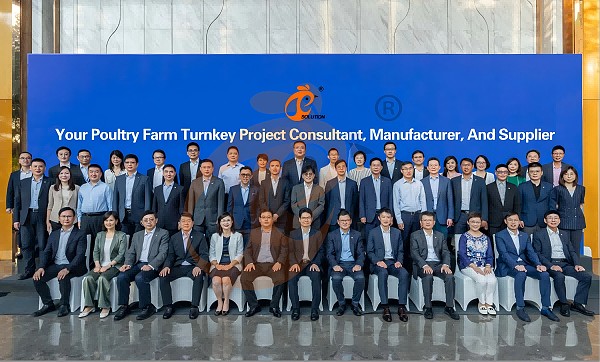
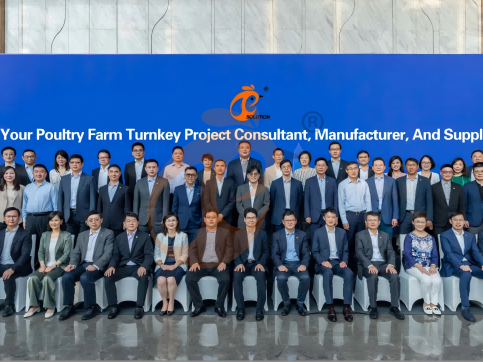
Hong Kong Headquarter Management Team
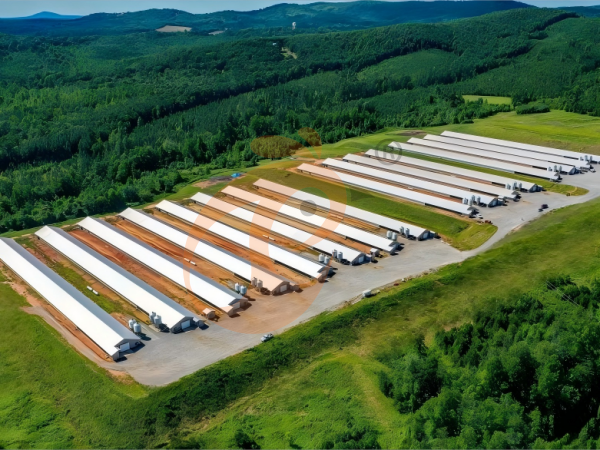
Hong Kong Headquarter Taiyu Industrial Group CO., LTD
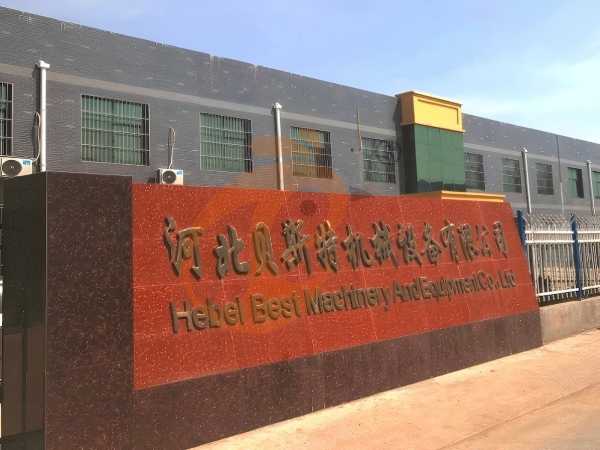
China Hebei Best Machinery And Equipment CO., LTD
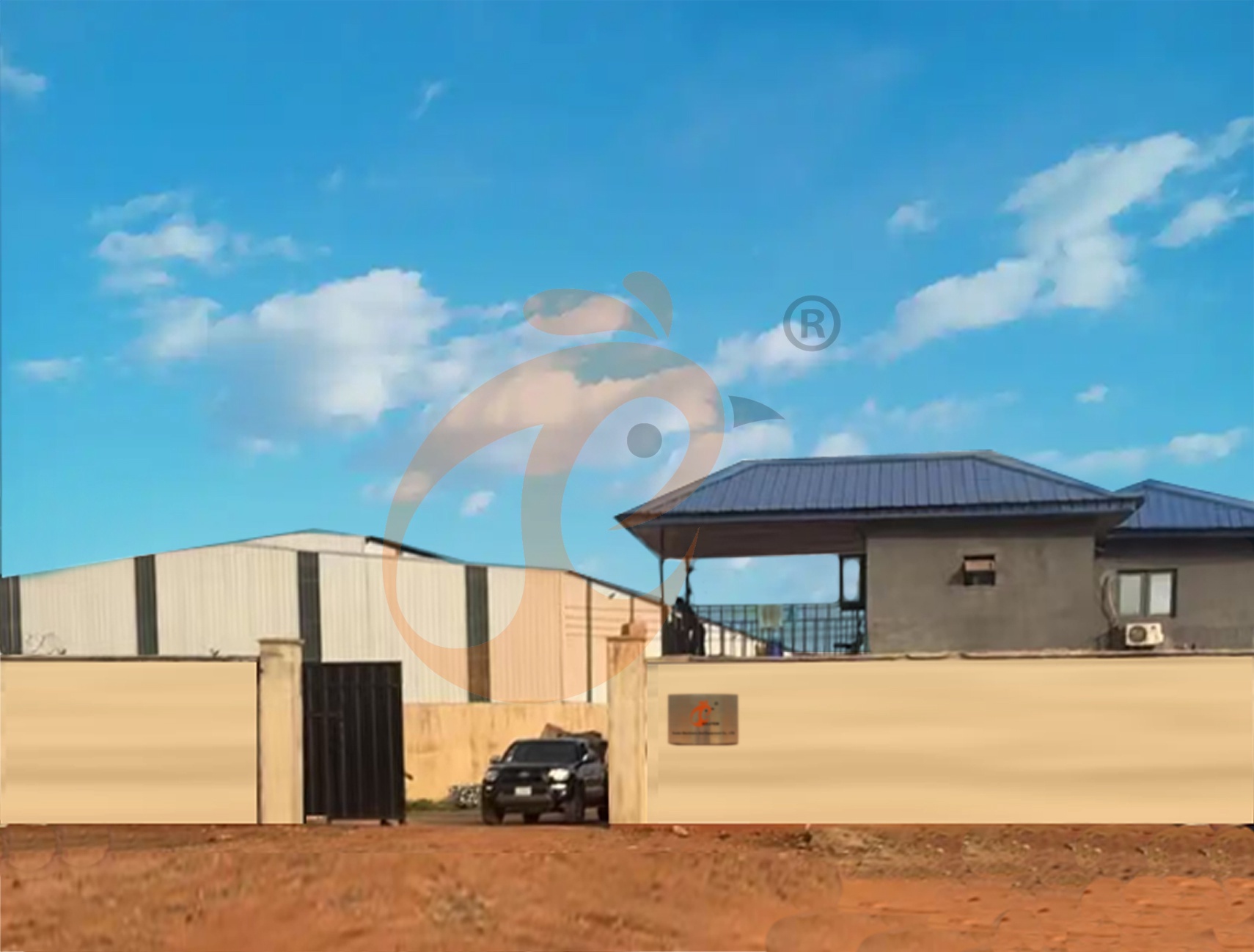
Nigeria Vanke Machinery And Equipment CO., LTD
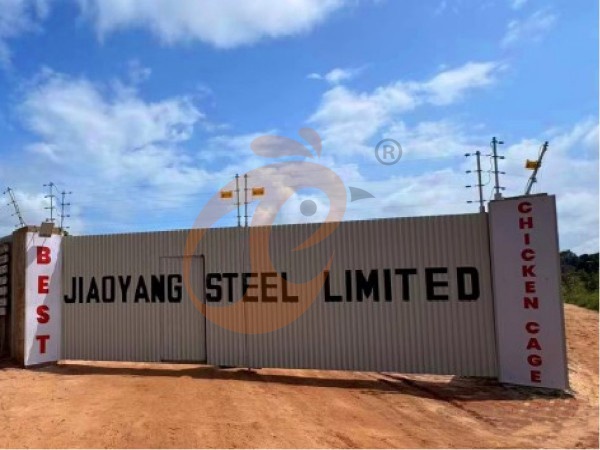
Tanzania Best Machinery And Equipment CO., LTD
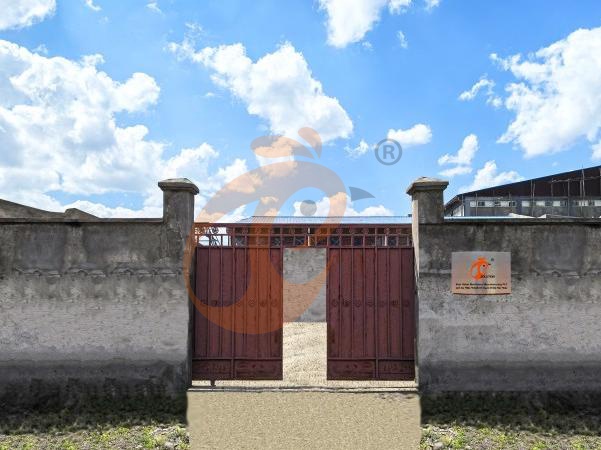
Ethiopia Best Hebei Machinery Manufacturing PLC




Reception /24 WhatsApp NO. : +8618830120193
FAQ
What Feeding System Standards Are Required For Pellet Machine In Poultry Chicken Feed Production Lines?
Feeder capacity is designed at 1.2–2.5 tons per hour depending on raw material density.
Flow consistency deviation is maintained within ±2% for uniform pellet quality output.
What Maintenance And Wear Part Replacement Standards Apply To Pellet Machine?
Bearing replacement intervals typically occur every 12–18 months under continuous operation.
Gearbox oil change frequency is maintained at 1000–1500 operating hours for system reliability.
What Safety Protection Systems Are Integrated In Pellet Machine For Poultry Chicken Feed Production?
Emergency stop response time is maintained within 0.5–1.0 seconds for operational safety.
Vibration monitoring limits are set at 4.5–6.0 mm/s to prevent mechanical failure.
- poultry farm
- poultry farms
- pellet machine
- cage
- poultry farm construction
- poultry equipment
- chickencage
- bestchickencage
- Nigeria
- poultry equipment supplier
- poultry equipment manufacturer
- pellet machine manufacturer
- poultry farm plan
- poultry feed
- poultry feed production
- poultry feed application
- Ethiopia
Message
Products recommended
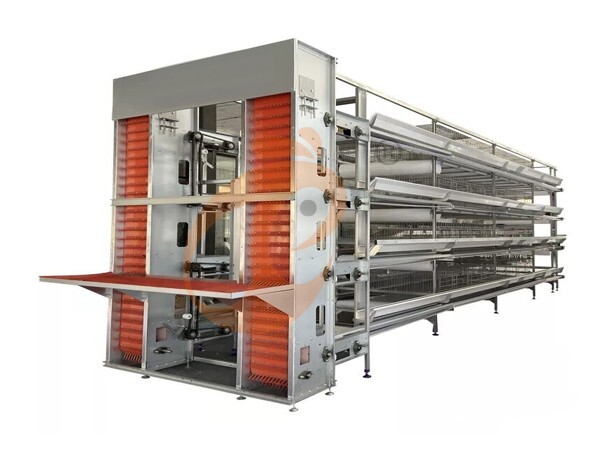
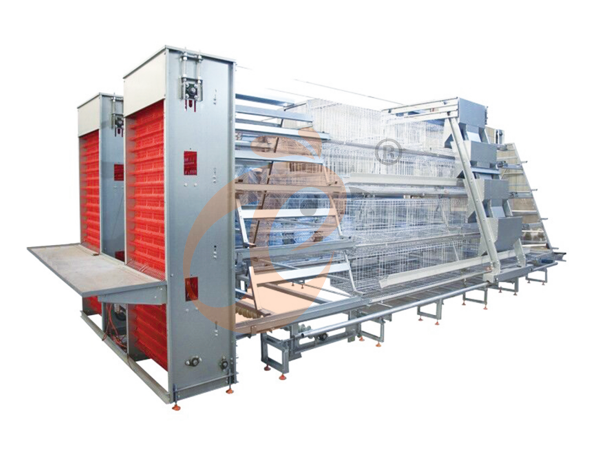
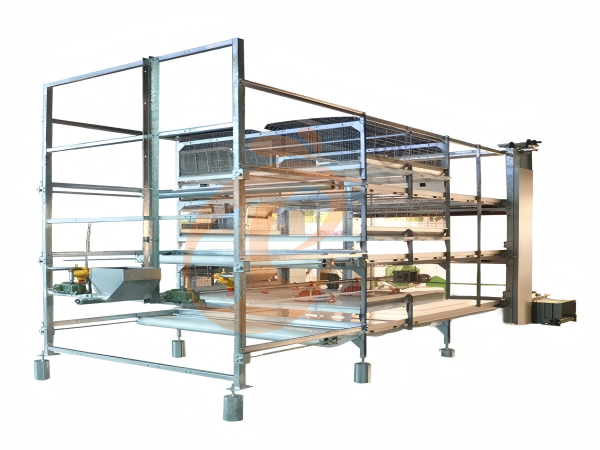
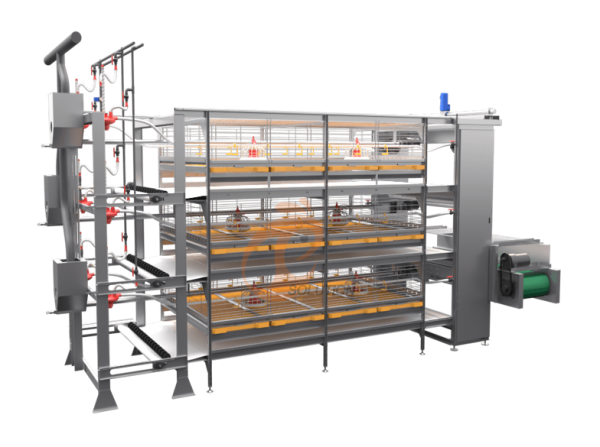
 >30,000 Pullets Automatic H Type Battery Cage1. More than 30,000 pullets a house, choose it.
2. It is designed to rearing older than 1 day old pullets to 12 to 16 weeks old chicken starting laying eggs.
3. Its lifespan is more than 25 years.
4. Its structure are Vcloud artificial intelligent fusion, electric control cabinet, automatic equipment of drinking, feeding, manure clean, manual harvesting.
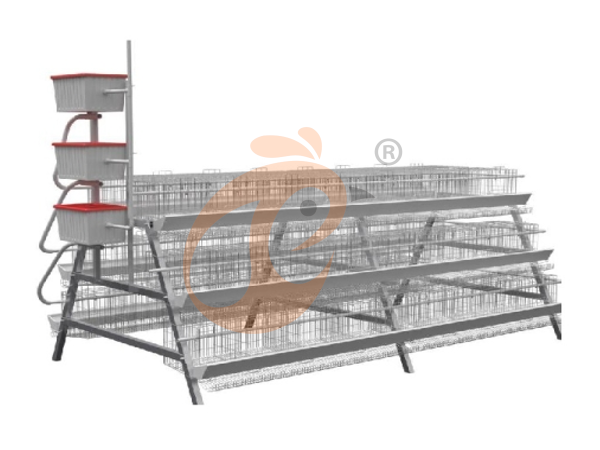
5. Our 24 hour online reception What’sApp NO. is +8618830120193 <30,000 Pullets Automatic A Type Battery Cage1. 10,000 to 30,000 pullets a house, choose it.
2. It is designed to rearing older than 1 day old pullets to 12 to 16 weeks old chicken starting laying eggs.
3. Its lifespan is more than 25 years.
4. Its structure are Vcloud artificial intelligent fusion, electric control cabinet, automatic equipment of drinking, feeding, manure clean, manual harvesting.
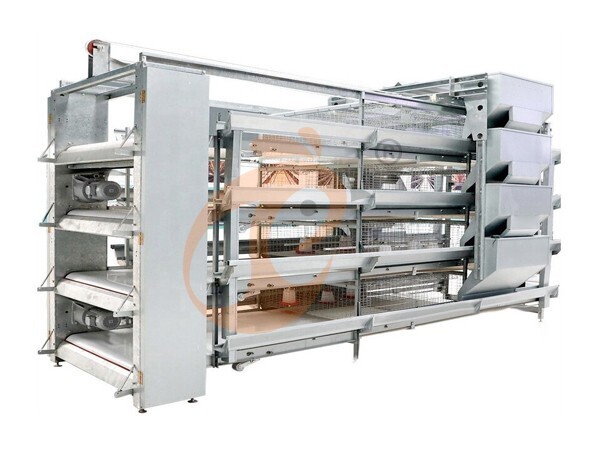
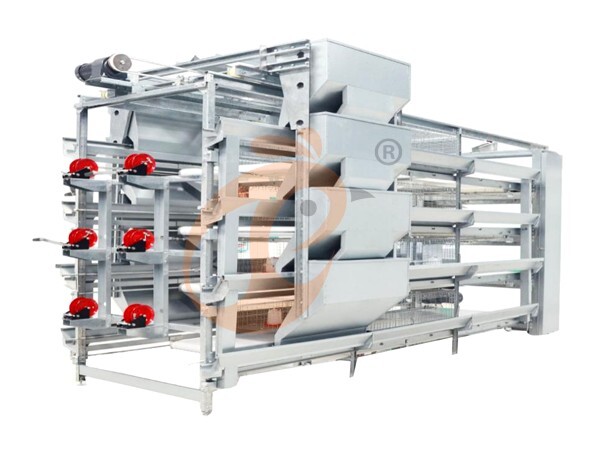
5. Our 24 hour online reception What’sApp NO. is +86 18830120193. >30,000 Broilers Semi-Automatic Harvest H Type Battery Cage1. More than 30,000 broilers a house, choose it.
2. It is designed to rearing 1 to 45 day old adult broiler ready for market.
3. Its lifespan is more than 20 years.
4. Our 24 hour online reception What’sApp NO. is +8618830120193, +234 8111199996. >30,000 Broilers Manual Harvest H Type Battery Cage1. More than 30,000 broilers a house, choose it.
2. It is designed to rearing 1 to 45 day old adult broiler ready for market.
3. Its lifespan is more than 20 years.
4. Its structure are Vcloud artificial intelligent fusion, electric control cabinet, automatic equipment of drinking, feeding and manure clean, manual harvesting.
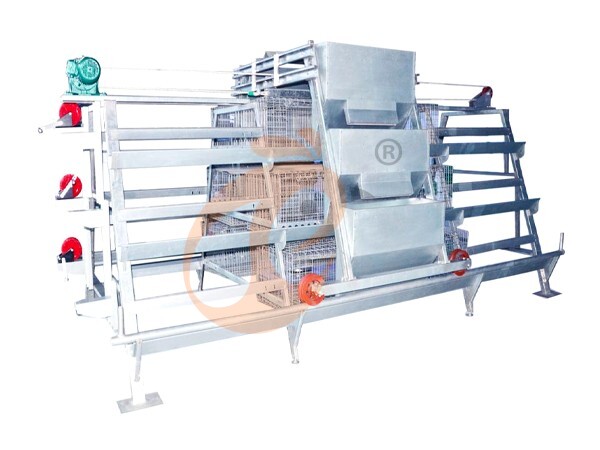
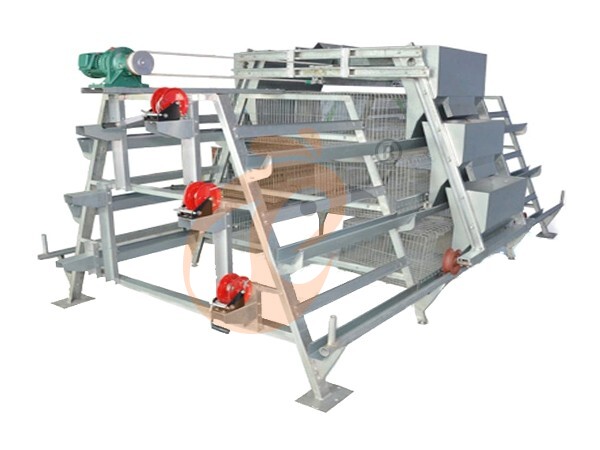
5. Our 24 hour online reception What’sApp NO. is +8618830120193, +234 8111199996. <30,000 Broilers Manual Harvest A Type Battery Cage1. Less 30,000 broilers a house, choose it.
2. It is designed to rearing 1 to 45 day old adult broiler ready for market.
3. Its lifespan is more than 20 years.
4. Its structure are Vcloud artificial intelligent fusion, electric control cabinet, automatic equipment of drinking, feeding and manure clean, manual harvesting.
5. Our 24 hour online reception What’sApp NO. is +8618830120193, +234 8111199996. HK Headquarter Offers EU-standard Poultry Farm Solutions, Manufacture Poultry Farm Equipment1. Continuous communication with the EU and the US
2. China, Nigeria, Ethiopia, Tanzania branch companies and factories
3. The products’ quality is customized for local poultry farms
4. Poultry cage and poultry farm equipment stock for sale
5. 24 online reception Whatsapp NO. : +8618830120193,contact us to get full information China Branch Offer Poultry Farm Business Plan, Manufacture Poultry Farm Equipment1. Address: Flat/RM 2416, 24/F, Runxing Building, Youyi Nan Street, Shijiazhuang City, Hebei Province, China
2. Poultry cage and poultry farm equipment factory and stock for sale
3. Customized for local poultry farms
4. Quality and design are based on Euro
5. 24 online reception Whatsapp NO. : +8618830120193 Nigeria Branch Offer Poultry Farm Business Plan, Manufacture Poultry Farm Equipment1. Address: After Sinoma Office, 200 Meters Near Danco Filling Station, Lagos/Ibadan Expressway, Lagos State, Nigeria
2. Poultry cage and poultry farm equipment factory and stock for sale
3. Customized for Nigerian poultry farms
4. Quality and design are based on Euro
5. 24 online reception Whatsapp NO. : +8618830120193 Ethiopia Branch Offer Poultry Farm Business Plan, Manufacture Poultry Farm Equipment1. Address: Gelan Gura, Akaki-kaliti Sub City, Addis Ababa, Ethiopia
2. Poultry cage and poultry farm equipment stock for sale
3. Customized for Ethiopian poultry farms
4. Quality and design are based on Euro
5. 24 online reception Whatsapp NO. : +8618830120193, contact us to get price list Tanzania Branch Offer Poultry Farm Business Plan, Manufacture Poultry Farm Equipment1. Address: No.8, Sova Road, Msufini, Mlandizi, Kibaha, Pwani, Tanzania
2. Poultry cage and poultry farm equipment factory and stock for sale
3. Customized for Tanzanian poultry farms
4. Quality and design are based on Euro
5. 24 online reception Whatsapp NO. : +8618830120193


Contact