


Blog
The battery cage system is widely adopted in commercial egg production for improving production stability and reducing operational variability across farms.
This article explains A type cage pricing structure, engineering design, and farm-level operational performance in structured poultry production environments.
It evaluates cost components, environmental control factors, and management efficiency using real production-oriented metrics for egg farms.
It also provides practical optimization tips for farms using poultry farming equipment and modern cage-based production systems.
Get professional poultry farm construction guidance, equipment selection solutions, and the latest price lists, whatsApp to +8618830120193, click to learn more:
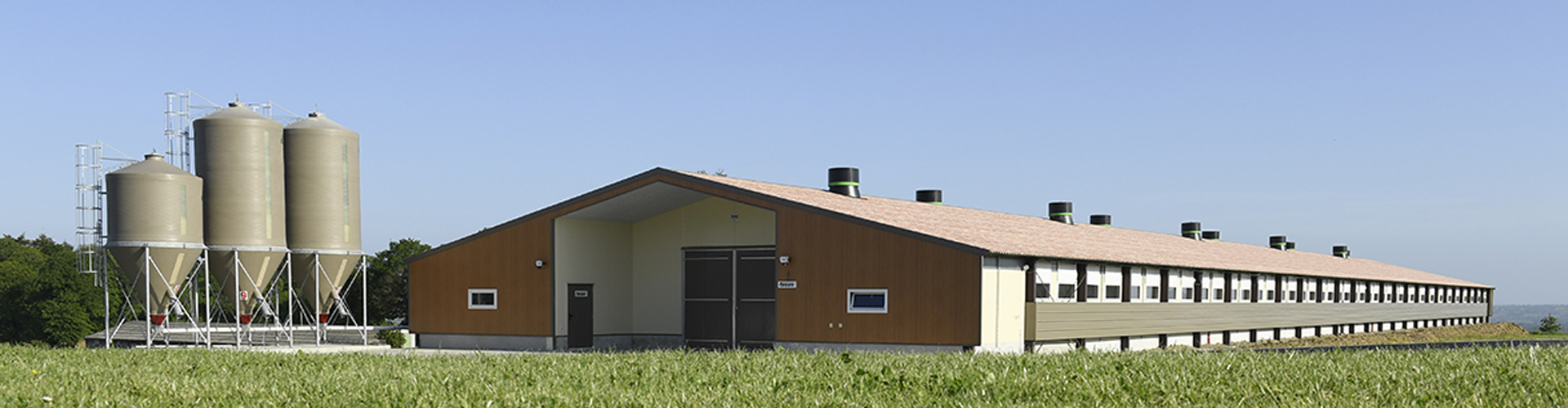
Structural Overview Of A Type Battery Cage Systems
Structural design determines long-term manure control efficiency, ventilation uniformity, and corrosion-driven maintenance cost in intensive farms.
A type cage systems are a core part of modern layer chicken cage system infrastructure used in intensive egg production farms.
Designed to improve egg collection efficiency and simplify manure handling while supporting stable flock distribution across tiers.
Engineering parameters below define load behavior, corrosion resistance threshold, and operational lifespan under continuous ammonia exposure.
Data is for reference only.Swipe horizontally to view full table.
Deviation in coating thickness directly affects corrosion speed and service life stability under high-density production cycles.
Price Composition Of Battery Cage System
Investment structure determines break-even time per laying cycle and long-term cash flow stability in commercial egg farms.
Cost structure of battery cage system depends on automation level and farm scale.
Investment planning in egg farms must consider material strength and long-term maintenance cycles.
The breakdown below reflects capital allocation pressure points that influence return on investment sensitivity in large-scale poultry operations.
Data is for reference only.Swipe horizontally to view full table.
Feed delivery and manure removal modules dominate lifecycle operational cost rather than initial purchase structure.
Production Efficiency In Layer Chicken Cage System
Production efficiency reflects feed conversion stability and flock uniformity across cage tiers under controlled environmental systems.
The layer chicken cage system improves production stability through controlled feeding access and structured bird density management.
Performance metrics below are used for contract production planning and flock benchmarking in commercial farms.
Data is for reference only.Swipe horizontally to view full table.
Feed conversion deviation above 0.2 typically indicates ventilation imbalance or stocking density misalignment across tiers.
Environmental Control In Poultry Farming Equipment Systems
Environmental stability directly impacts mortality control, egg consistency, and ammonia-driven stress levels in enclosed farms.
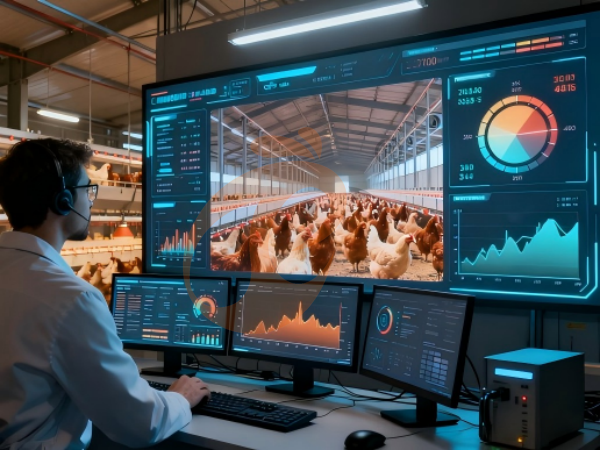
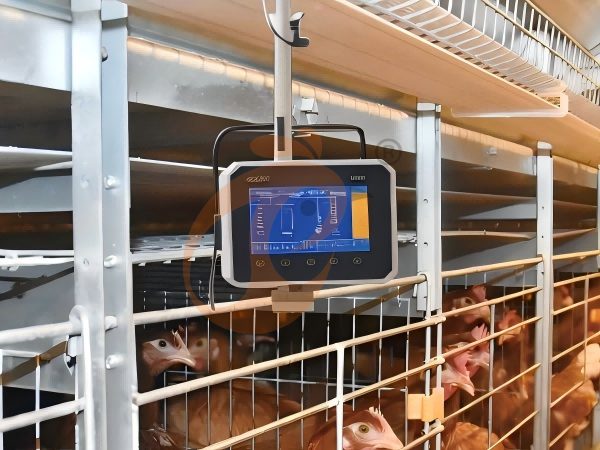
Modern poultry farming equipment integrates ventilation and climate regulation to stabilize internal barn conditions.
The following ranges define operational equilibrium for sustained laying performance.
Data is for reference only.Swipe horizontally to view full table.
Temperature deviation outside defined range directly increases feed consumption per egg output ratio.
Biosecurity Performance In Battery Cage System
Biosecurity structure defines disease transmission probability and sanitation workload intensity in intensive production cycles.
The battery cage system reduces direct contact between hens and manure accumulation zones, improving hygiene control in egg production farms.
Key indicators below reflect infection pressure control efficiency in closed housing systems.
Data is for reference only.Swipe horizontally to view full table.
Reduced manure exposure directly lowers pathogen load accumulation in high-density flock environments.
Labor Efficiency In Poultry Farming Equipment Operations
Labor structure determines scalability ceiling and operational cost per 1,000 birds in commercial farms.
Structured poultry farming equipment reduces repetitive manual handling and stabilizes workflow distribution.
Comparison below reflects labor reallocation impact in mechanized systems.
Data is for reference only.Swipe horizontally to view full table.
Labor reduction improves monitoring efficiency but increases dependency on equipment maintenance discipline.
Egg Quality Performance In Layer Chicken Cage System
Egg quality consistency is primarily influenced by handling frequency and contact reduction during collection cycles.
The layer chicken cage system stabilizes egg integrity through structured roll-out collection design.
Quality metrics below define grading efficiency and breakage control in commercial supply chains.
Data is for reference only.Swipe horizontally to view full table.
Collection frequency above 3 cycles does not significantly improve breakage reduction efficiency.
Installation Planning For Battery Cage System
Structural planning determines airflow balance, load stability, and long-term mechanical stress distribution.
The battery cage system requires precise spatial calibration before deployment in poultry housing units.
Installation thresholds below define safe operational envelope for commercial farms.
Data is for reference only.Swipe horizontally to view full table.
Improper spacing increases airflow dead zones, leading to uneven temperature distribution.
Maintenance Cycles In Poultry Farming Equipment Systems
Maintenance scheduling defines system lifespan stability and failure probability under continuous operation.
Modern poultry farming equipment requires structured inspection cycles to prevent cascading system failure.
Maintenance structure below reflects critical wear points in production systems.
Data is for reference only.Swipe horizontally to view full table.
Delayed inspection of water systems is a primary driver of hidden mortality increase.
Economic Value Of Battery Cage System In Egg Farms
Economic performance in commercial egg farms is mainly driven by feed conversion stability, labor cost efficiency, and mortality-related output loss rather than initial equipment cost.
The battery cage system improves revenue predictability by maintaining consistent feeding access and reducing production fluctuation across laying cycles.
In large-scale farms, feed cost typically represents about 65% of total operating expense, so even small improvements in feed utilization can significantly affect annual profitability.
Labor workload per 1,000 birds is also reduced by roughly 30%–40% due to mechanized feeding and manure handling.
This stability supports more reliable contract-based revenue planning and reduces hidden production loss risk.
Frequently Asked Questions
Q1: What is the main advantage of battery cage system in egg farms?
A1: It stabilizes production output by controlling feeding access and reducing environmental variability across cage tiers.
Q2: How does layer chicken cage system improve egg output?
A2: It improves output consistency by reducing stress factors and maintaining uniform feed distribution.
Q3: Is poultry farming equipment suitable for large scale farms?
A3: Yes, it supports scalable deployment with consistent operational structure across large commercial units.
FAQ
Stable ventilation control reduces feed inefficiency caused by heat stress variation.
Maintenance discipline directly determines system lifespan and failure probability.
Cage-level monitoring improves production accuracy compared to flock-level estimation.
Biosecurity separation reduces pathogen accumulation in high-density environments.
Operational discipline remains the dominant factor in long-term production stability.
HB Best - One Of China Largest Poultry Cage System Manufacturer
HB BEST provides global factory direct supply for battery cage system and poultry farming equipment integration projects
The company specializes in turnkey engineering solutions for modern poultry cage system construction and farm planning
Strong manufacturing capacity supports large scale poultry cage production with stable international export capability
Technical teams deliver full turn-key engineering from design to installation for poultry farming equipment systems
HB BEST focuses on long term service support and standardized poultry cage system development for global farms
Contact Us To Received Your Customized Poultry Farm Plan
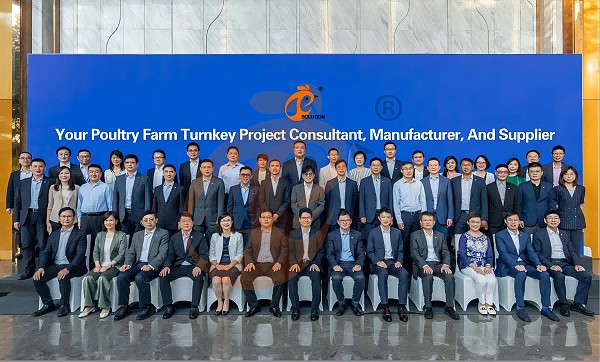
Headquarters And Branchs

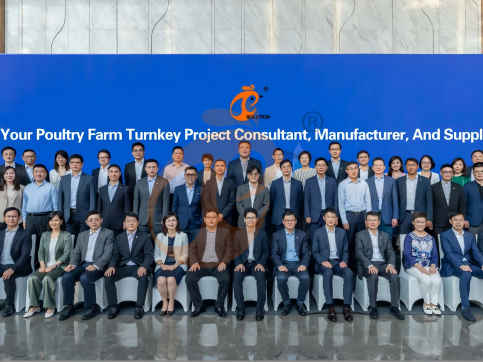
Hong Kong Headquarter Management Team
Hong Kong Headquarter Taiyu Industrial Group CO., LTD
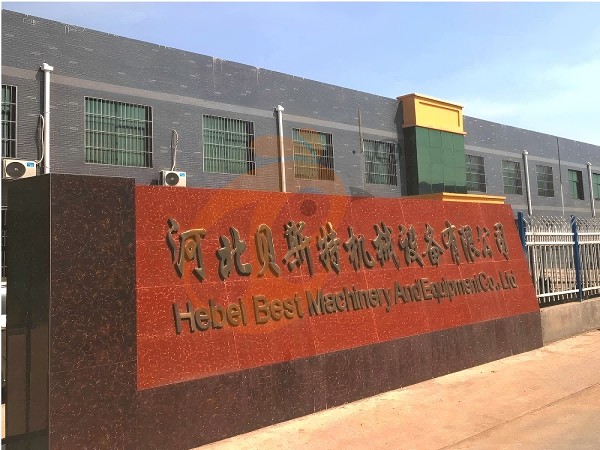
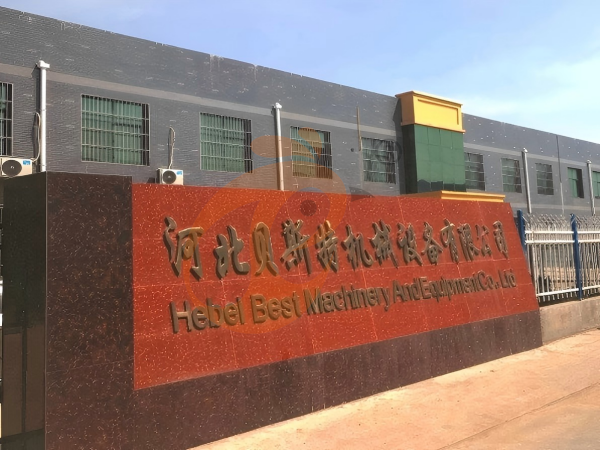
China Hebei Best Machinery And Equipment CO., LTD
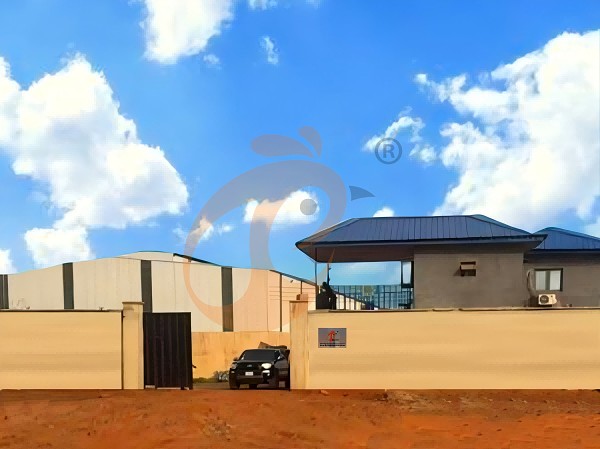
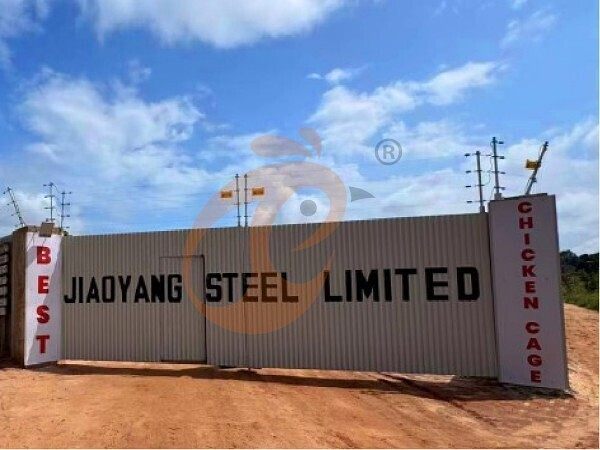
Nigeria Vanke Machinery And Equipment CO., LTD
Tanzania Best Machinery And Equipment CO., LTD
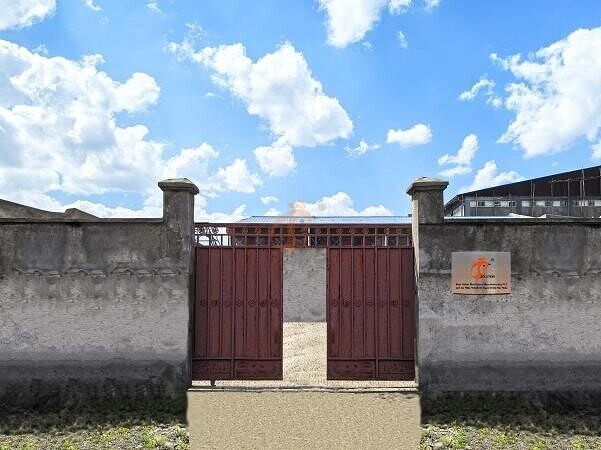
Ethiopia Best Hebei Machinery Manufacturing PLC
Reception /24 WhatsApp NO. : +8618830120193
FAQ
What Are The Most Efficient Feeding Systems For A-Type Layer Cage Farms?
Even feed distribution reduces waste
One worker manages 5,000–10,000 birds
FCR reduced to 1.9–2.2
Egg production rate: 90–96%
How To Select The Best Supplier For A-Type Chicken Cage Systems?
Ensure material quality and anti-corrosion performance
Equipment lifespan: more than 25 years
Egg production rate: 90–96%
Labor savings: 50–70%
How To Integrate Water And Feed Automation In A-Type Layer Cage System?
Automatically control flow and timing
Egg production rate: 90–96%
FCR: 1.9–2.2
Mortality rate: 2–3%
- battery cage
- battery cage system
- poultry farm
- chicken cage
- poultry cage
- cage
- poultry farm construction
- poultry cage system
- poultry farming equipment
- chicken cage system
- poultry cage system manufacturer
- modern poultry cage system
- modern poultry cage
- poultry cage production
- a type battery cage
- chickencage
- bestchickencage
- cage system
- advantage of battery cage system
- advantage of battery cage
- cage systems
- layer chicken cage
- Nigeria
- commercial egg farm
- egg production farm
- layer chicken cage system
- poultry farming
- modern poultry farm
- modern poultry farming
- poultry farm plan
- Ethiopia
Message
Products recommended
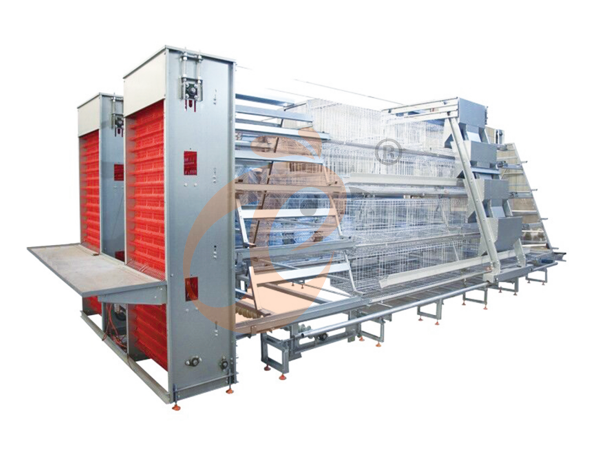
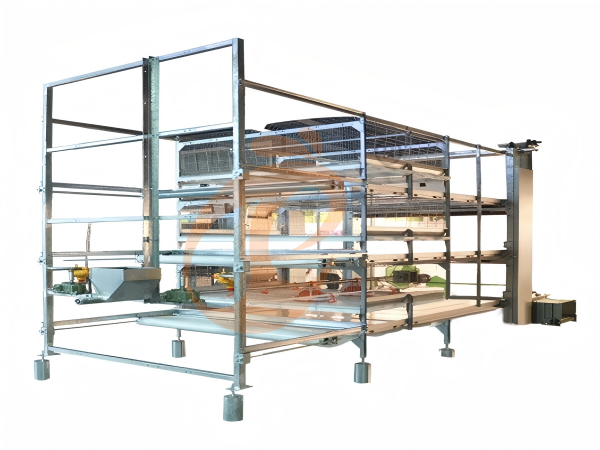
 >30,000 Pullets Automatic H Type Battery Cage1. More than 30,000 pullets a house, choose it.
2. It is designed to rearing older than 1 day old pullets to 12 to 16 weeks old chicken starting laying eggs.
3. Its lifespan is more than 25 years.
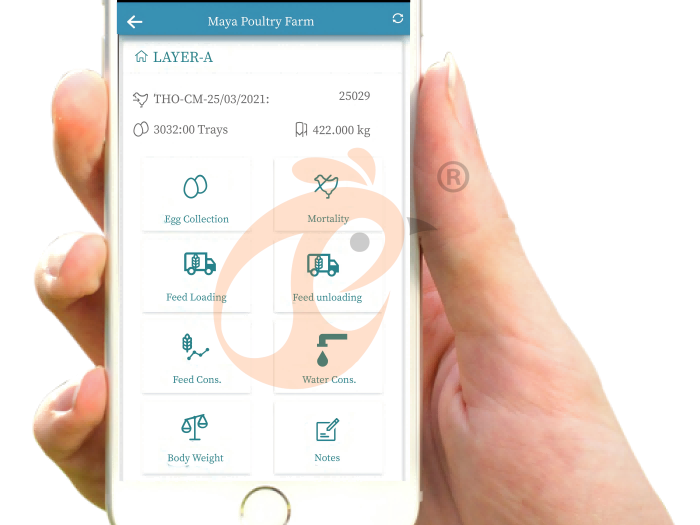
4. Its structure are Vcloud artificial intelligent fusion, electric control cabinet, automatic equipment of drinking, feeding, manure clean, manual harvesting.
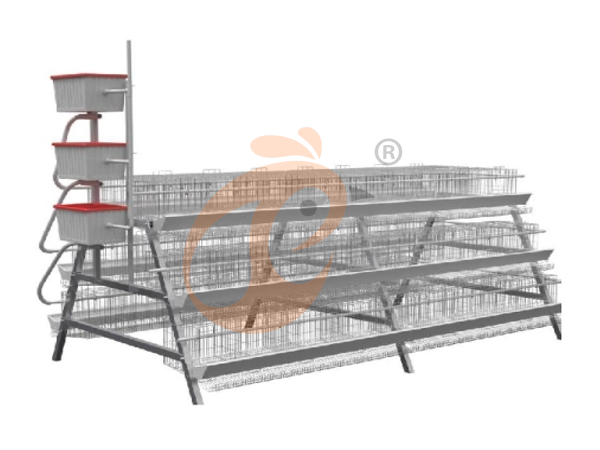
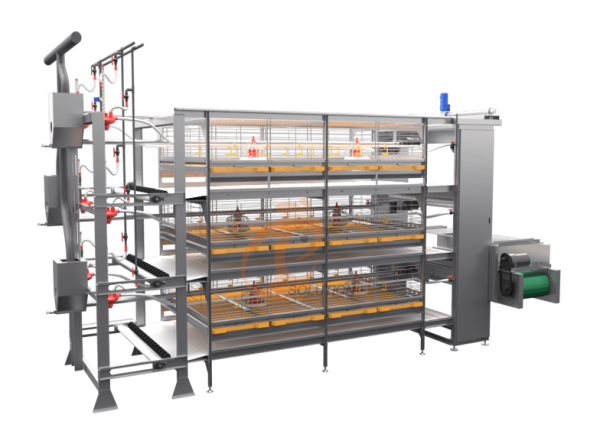
5. Our 24 hour online reception What’sApp NO. is +8618830120193 <30,000 Pullets Automatic A Type Battery Cage1. 10,000 to 30,000 pullets a house, choose it.
2. It is designed to rearing older than 1 day old pullets to 12 to 16 weeks old chicken starting laying eggs.
3. Its lifespan is more than 25 years.
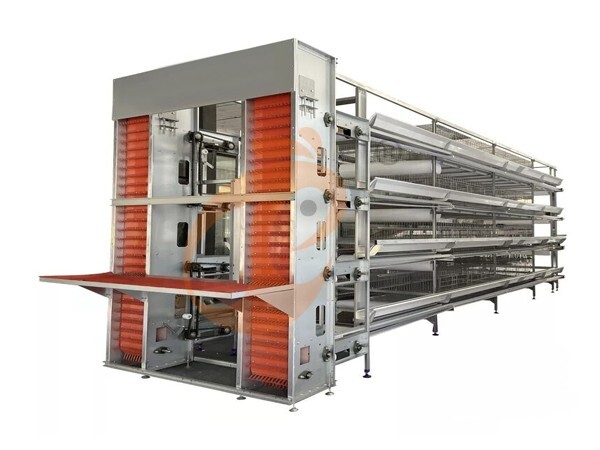
4. Its structure are Vcloud artificial intelligent fusion, electric control cabinet, automatic equipment of drinking, feeding, manure clean, manual harvesting.
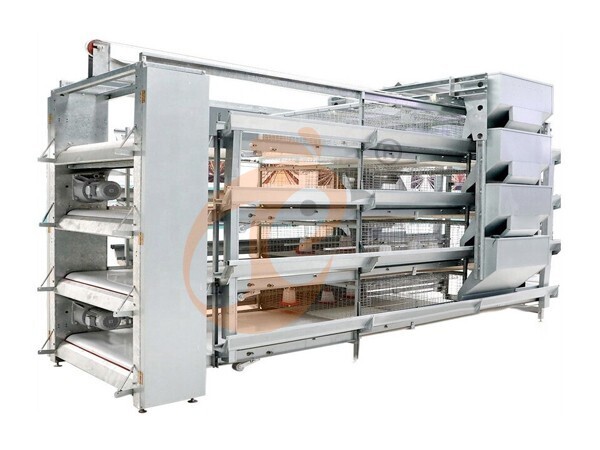
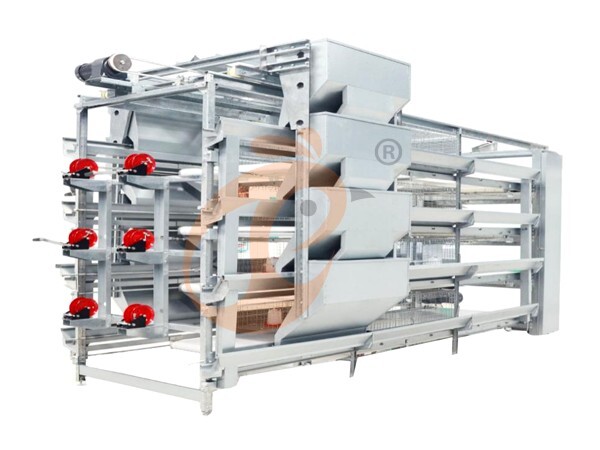
5. Our 24 hour online reception What’sApp NO. is +86 18830120193. >30,000 Broilers Semi-Automatic Harvest H Type Battery Cage1. More than 30,000 broilers a house, choose it.
2. It is designed to rearing 1 to 45 day old adult broiler ready for market.
3. Its lifespan is more than 20 years.
4. Our 24 hour online reception What’sApp NO. is +8618830120193, +234 8111199996. >30,000 Broilers Manual Harvest H Type Battery Cage1. More than 30,000 broilers a house, choose it.
2. It is designed to rearing 1 to 45 day old adult broiler ready for market.
3. Its lifespan is more than 20 years.
4. Its structure are Vcloud artificial intelligent fusion, electric control cabinet, automatic equipment of drinking, feeding and manure clean, manual harvesting.
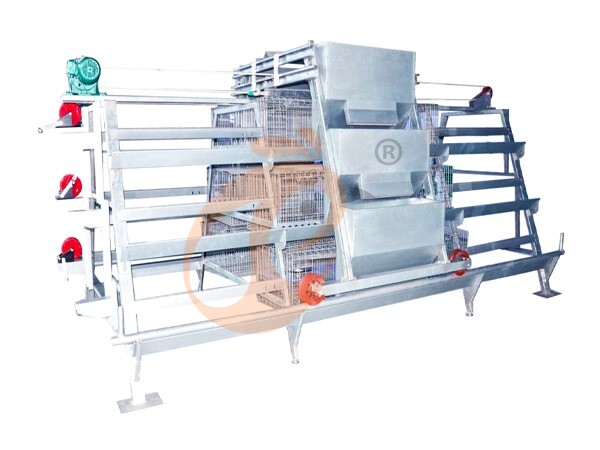
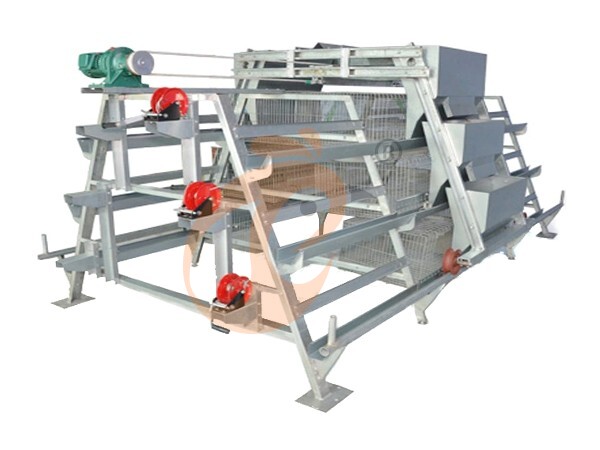
5. Our 24 hour online reception What’sApp NO. is +8618830120193, +234 8111199996. <30,000 Broilers Manual Harvest A Type Battery Cage1. Less 30,000 broilers a house, choose it.
2. It is designed to rearing 1 to 45 day old adult broiler ready for market.
3. Its lifespan is more than 20 years.
4. Its structure are Vcloud artificial intelligent fusion, electric control cabinet, automatic equipment of drinking, feeding and manure clean, manual harvesting.
5. Our 24 hour online reception What’sApp NO. is +8618830120193, +234 8111199996. HK Headquarter Offers EU-standard Poultry Farm Solutions, Manufacture Poultry Farm Equipment1. Continuous communication with the EU and the US
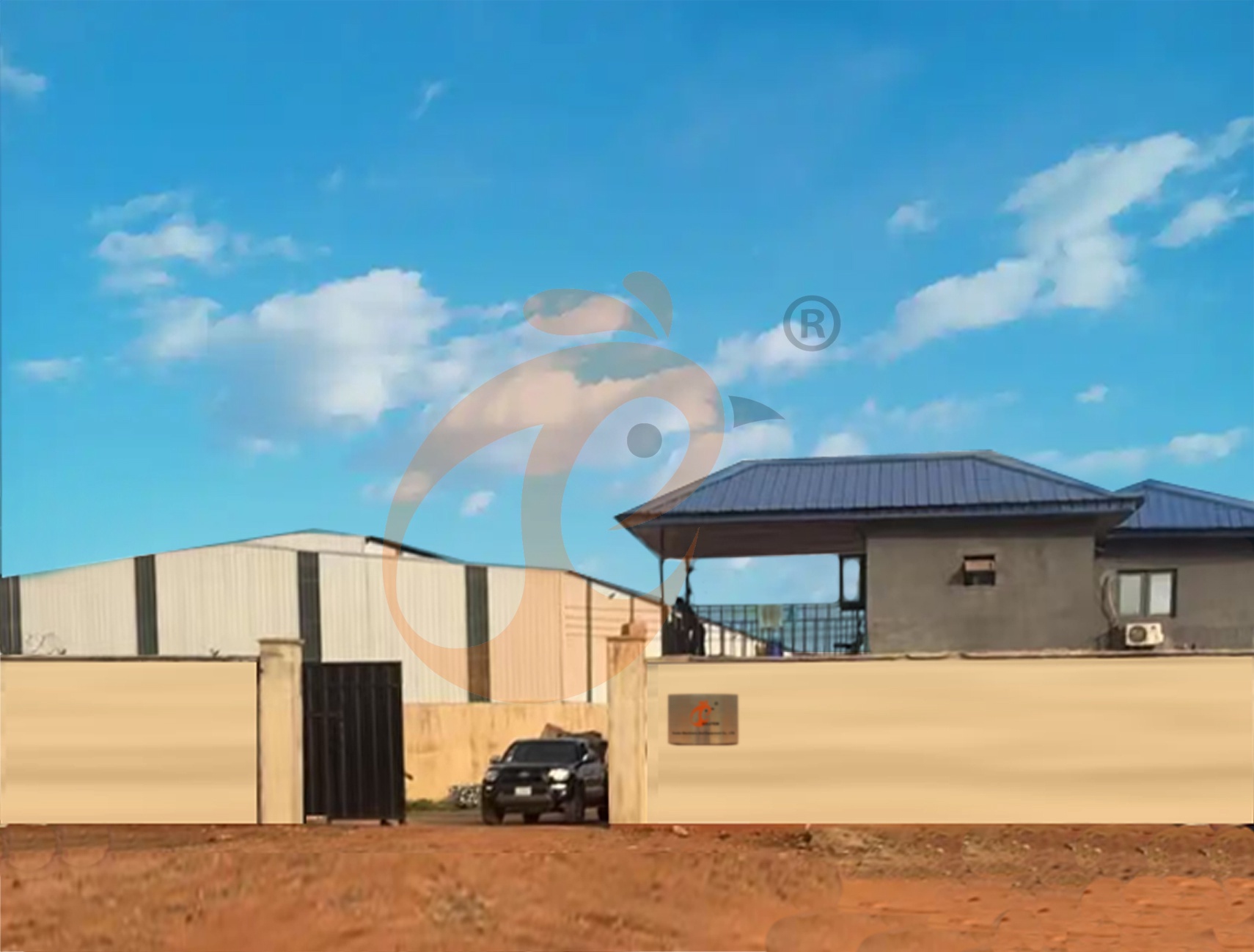
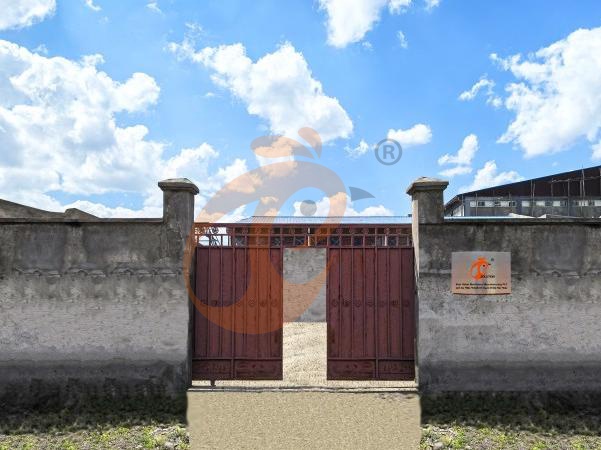
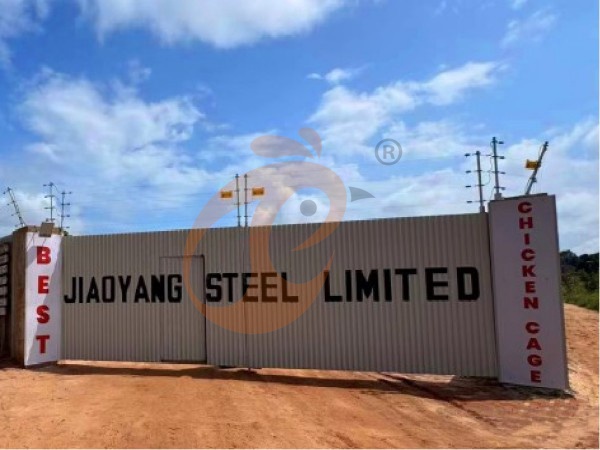
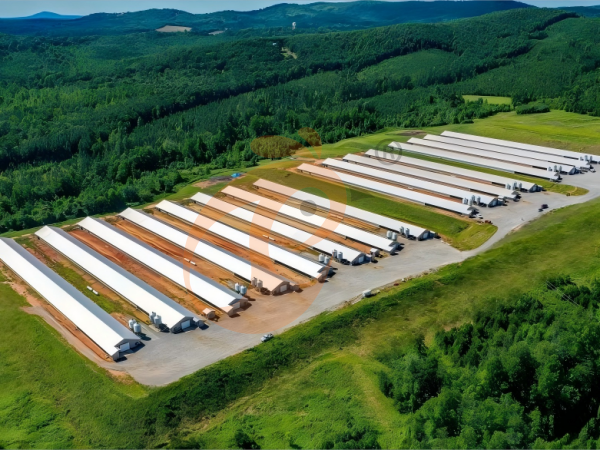
2. China, Nigeria, Ethiopia, Tanzania branch companies and factories
3. The products’ quality is customized for local poultry farms
4. Poultry cage and poultry farm equipment stock for sale
5. 24 online reception Whatsapp NO. : +8618830120193,contact us to get full information China Branch Offer Poultry Farm Business Plan, Manufacture Poultry Farm Equipment1. Address: Flat/RM 2416, 24/F, Runxing Building, Youyi Nan Street, Shijiazhuang City, Hebei Province, China
2. Poultry cage and poultry farm equipment factory and stock for sale
3. Customized for local poultry farms
4. Quality and design are based on Euro
5. 24 online reception Whatsapp NO. : +8618830120193 Nigeria Branch Offer Poultry Farm Business Plan, Manufacture Poultry Farm Equipment1. Address: After Sinoma Office, 200 Meters Near Danco Filling Station, Lagos/Ibadan Expressway, Lagos State, Nigeria
2. Poultry cage and poultry farm equipment factory and stock for sale
3. Customized for Nigerian poultry farms
4. Quality and design are based on Euro
5. 24 online reception Whatsapp NO. : +8618830120193 Ethiopia Branch Offer Poultry Farm Business Plan, Manufacture Poultry Farm Equipment1. Address: WR93+FQ2, Addis Ababa, Ethiopia
2. Poultry cage and poultry farm equipment stock for sale
3. Customized for Ethiopian poultry farms
4. Quality and design are based on Euro
5. 24 online reception Whatsapp NO. : +8618830120193, contact us to get price list Tanzania Branch Offer Poultry Farm Business Plan, Manufacture Poultry Farm Equipment1. Address: No.8, Sova Road, Msufini, Mlandizi, Kibaha, Pwani, Tanzania
2. Poultry cage and poultry farm equipment factory and stock for sale
3. Customized for Tanzanian poultry farms
4. Quality and design are based on Euro
5. 24 online reception Whatsapp NO. : +8618830120193


Contact
By clicking 'Allow All', you agree to the storage of cookies on your device to enhance site navigation, analyze site usage and assist with our marketing efforts.