


Blog
Ethiopian poultry industry is rapidly adopting H type chicken cage systems and automated feeding systems to increase productivity and profitability.
Investors face choices between fully automatic and semi-automatic systems, affecting labor requirements, energy consumption, and return on investment.
Compares structural frameworks, feeding precision, manure management, and climate control in Ethiopia's diverse farming regions.
Economic analysis includes setup cost per bird in Ethiopian Birr, operational efficiency, egg quality, and break-even periods.
Practical solutions for investors are highlighted with scalable systems suitable for both large and small farms.
Get professional poultry farm construction guidance, equipment selection solutions, and the latest price lists, whatsApp to +8618830120193, click to learn more:

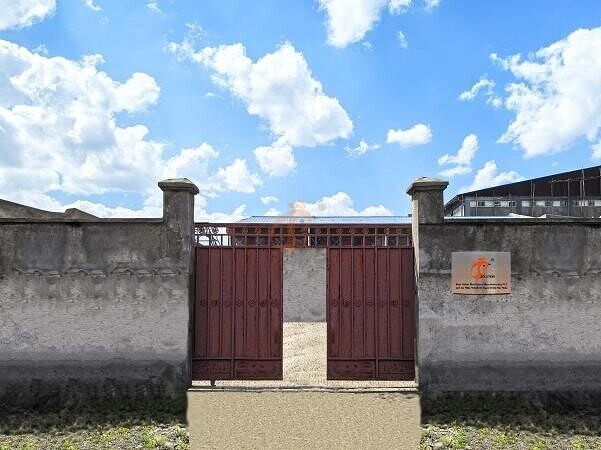
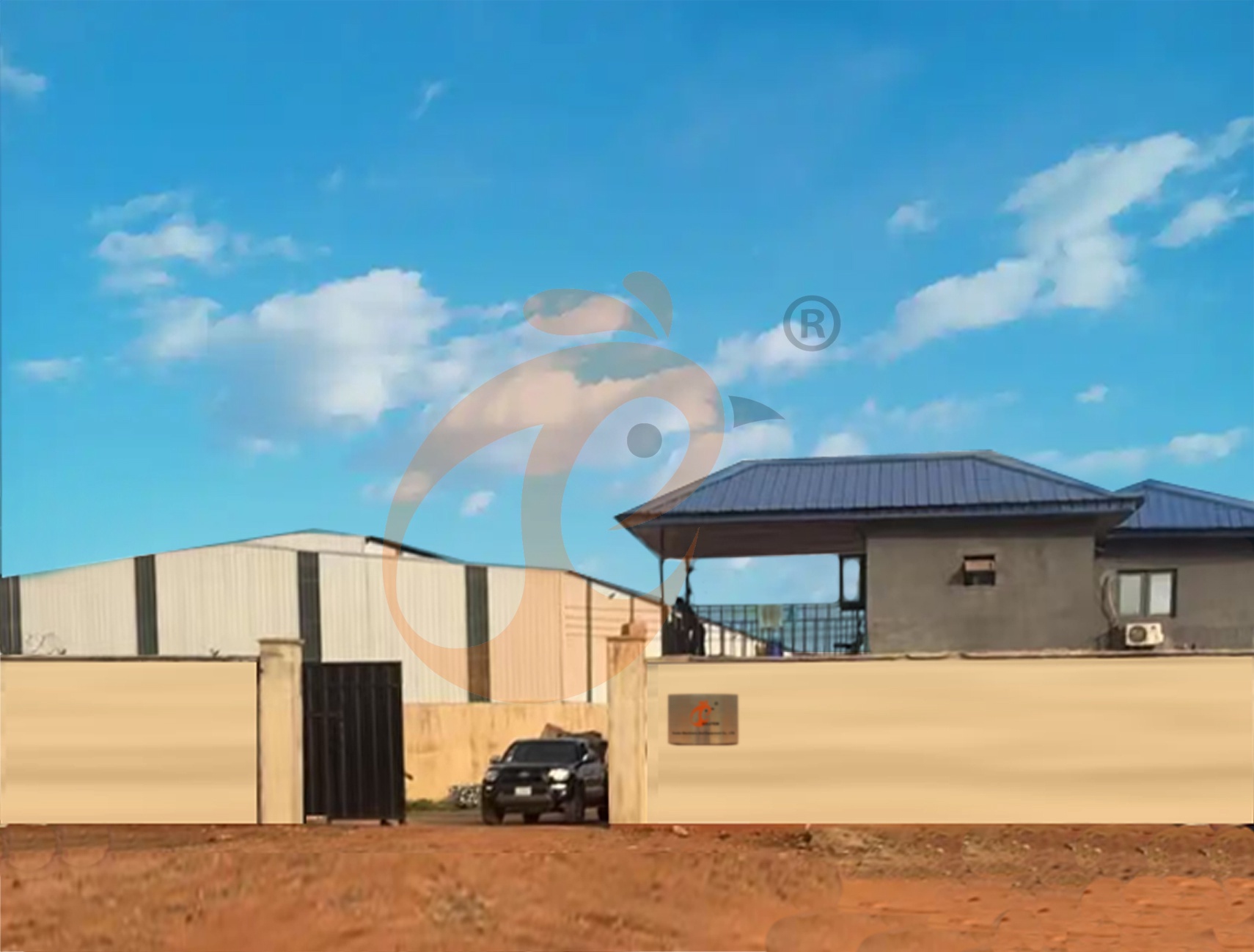
Ethiopia Branch Office And Factory Of Poultry Farm Equipment
Ethiopian Poultry Industry Transition And Investment Considerations
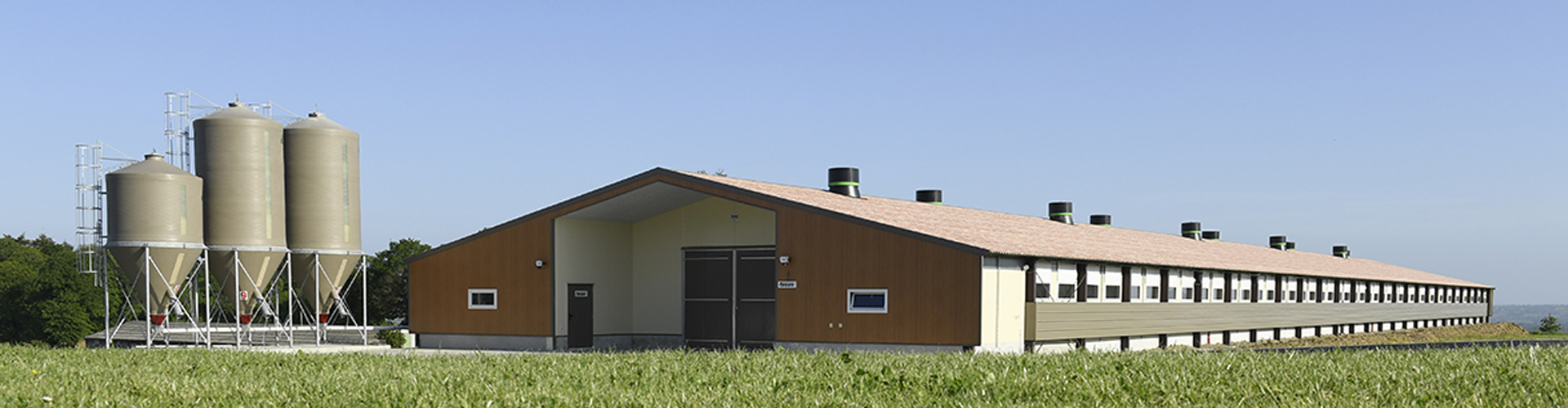
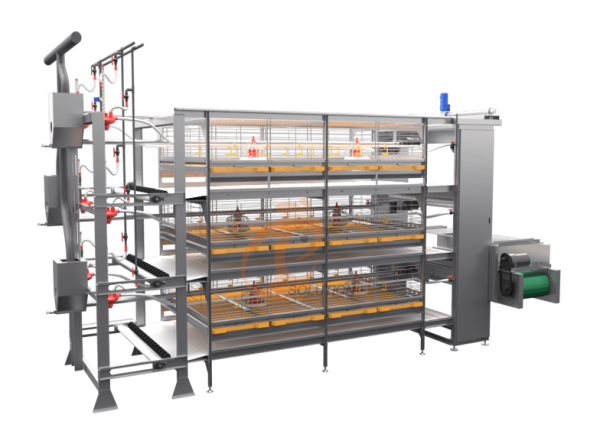
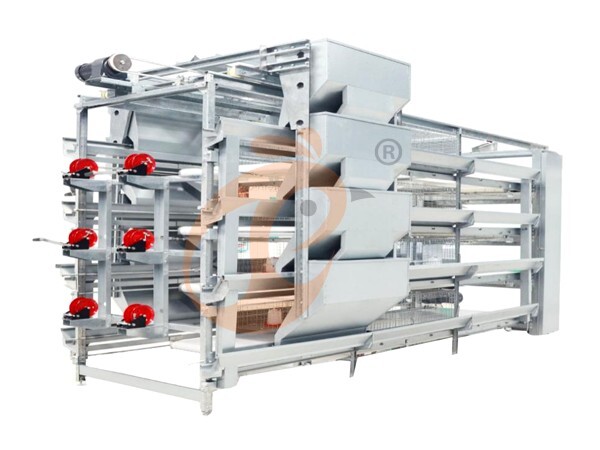
The Ethiopian poultry industry is undergoing a massive structural shift as commercial farming moves away from traditional floor systems toward intensive H-type chicken cages.
In regions like Bishoftu, Debre Zeit, and the outskirts of Addis Ababa, investors face a critical technical decision between fully automatic and semi-automatic configurations.
This choice determines the long-term operational costs, labor requirements, and biological safety of the farm.
Structural Comparison Of H-Type Frameworks
Hot-dip galvanized steel is the standard for both automatic and semi-automatic systems to prevent corrosion over a 25-year lifespan.
Data is for reference only. Swipe horizontally to view full table.
Addressing The Ethiopian Labor Market
Ethiopian poultry farms often struggle with the consistency of manual labor in large-scale operations.
Semi-automatic systems rely on human intervention for egg collection and manure removal, which introduces biological risks.
Automatic systems eliminate these touchpoints, ensuring that the ''All-In, All-Out'' bio-security protocol is strictly maintained.
Data is for reference only. Swipe horizontally to view full table.
Precision Feeding And Feed Conversion Ratio (FCR)
Feed accounts for over 70% of production costs in Ethiopia, largely due to the fluctuating price of maize and soy.
Inconsistent manual feeding in semi-automatic systems leads to feed wastage and uneven bird growth.
Automatic trolley feeders deliver a precise volume of 110 g−120 g per bird daily, ensuring uniform nutrition across all tiers.
Data is for reference only. Swipe horizontally to view full table.
Overcoming Power Instability In Addis Ababa And Oromia
A major pain point for Ethiopian farmers is the occasional instability of the electrical grid.
While automatic systems provide massive efficiency, they require a reliable backup power solution.
Semi-automatic systems offer a ''fail-safe'' for small-scale investors who may not yet have invested in high-capacity industrial generators.
Data is for reference only. Swipe horizontally to view full table.
Manure Management And Environmental Impact
In densely populated farming hubs like Modjo, manure management is critical for community relations and disease control.
Semi-automatic systems often utilize scraper systems or manual removal, which can lead to high ammonia (NH₃) concentrations.
Automatic H-type cages use PP (polypropylene) belts under every tier to remove waste instantly, keeping the air fresh and the birds healthy.
Data is for reference only. Swipe horizontally to view full table.
Egg Collection Logistics And Quality Control
The Ethiopian market is increasingly demanding high-quality, clean eggs for the hotel and retail sectors.
Manual egg collection in semi-automatic cages increases the risk of hairline fractures and contamination from dust or droppings.
Automatic longitudinal and cross-collection belts transport eggs directly to a central packing station without human contact.
Data is for reference only. Swipe horizontally to view full table.
Temperature Regulation In The Ethiopian Climate
Ethiopia's climate varies from the cool highlands to the warmer lowlands, requiring adaptable ventilation.
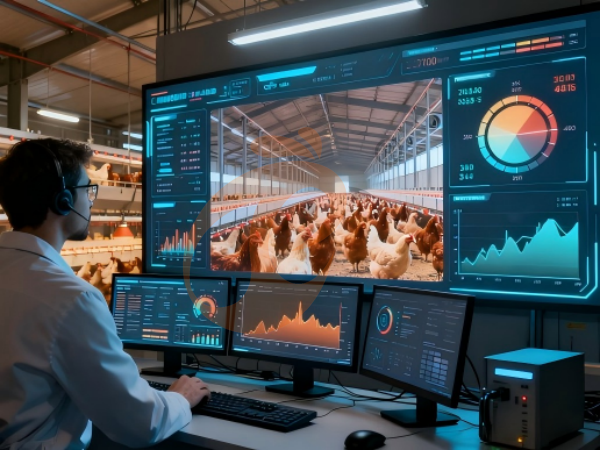
Automatic H-type systems are usually integrated with climate controllers that manage cooling pads and exhaust fans.
Semi-automatic houses often rely on natural ventilation, which makes it difficult to maintain a constant 24°C during heat spikes.
Data is for reference only. Swipe horizontally to view full table.
Economic Analysis Return On Investment And Capital Expenditure (CAPEX)
For a startup in Ethiopia, the initial cost is often the deciding factor, but the return on investment tells a different story.
Automatic systems have a higher CAPEX but significantly lower OPEX (Operational Expenditure) due to feed savings and bird health.
Semi-automatic systems are accessible for those with 5,000 - 10,000 birds, but they become inefficient as the flock size scales.
Data is for reference only. Swipe horizontally to view full table.
Strategic Solutions For The Ethiopian Investor
Investors should base decisions on a 5-year growth plan.
Automatic H-type chicken cages provide bio-security and feed efficiency for Addis Ababa commercial markets.
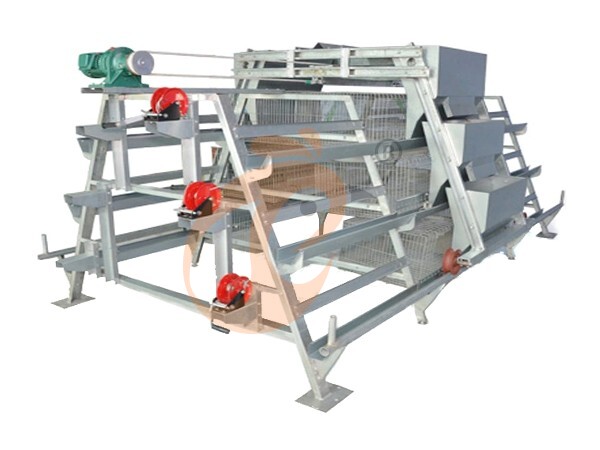
Semi-automatic systems suit smaller farms, with a plan to upgrade as labor costs rise.
Technical consultations for customized layouts in Ethiopian topography are available.
Complete solutions include feed mills, egg grading systems, and climate-controlled housing.
Frequently Asked Questions
Q1: Are H-type chicken cages suitable for Ethiopian smallholder farms?
A1: Semi-automatic H-type cages are viable for small farms, minimizing upfront CAPEX while maintaining hygiene standards.
Q2: How can automatic systems handle Addis Ababa's power instability?
A2: Installing industrial-grade backup generators and voltage stabilizers ensures uninterrupted automatic operation.
Q3: Does manure management meet Ethiopian environmental regulations?
A3: Automatic PP belt systems reduce NH₃ concentration below 10 ppm, complying with local environmental standards.
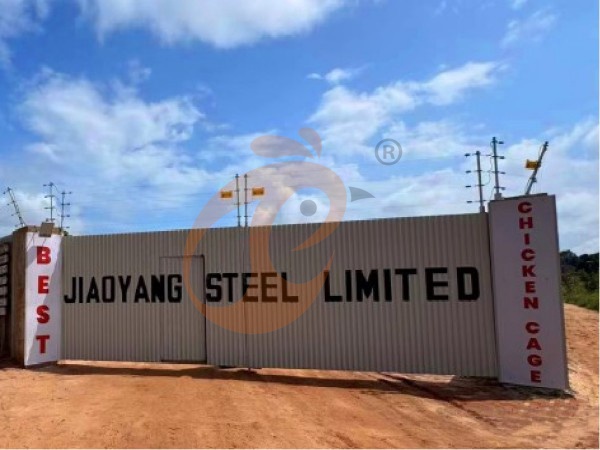
Ethiopia Best Hebei Machinery Manufacturing Plc - One Of Ethiopia Largest Chicken Cage Manufacturer
HB BEST provides global factory direct sales for high-quality poultry farm equipment.
The company specializes in poultry cage design, automated feeding systems, and turn-key farm projects.
Engineering teams offer technical support and onsite installation for scalable Ethiopian farms.
Turn-key solutions include feed mills, egg grading stations, and climate-controlled housing.
HB BEST ensures compliance with international standards and local Ethiopian conditions.
Contact Us To Received Your Customized Poultry Farm Plan
Headquarters And Branchs

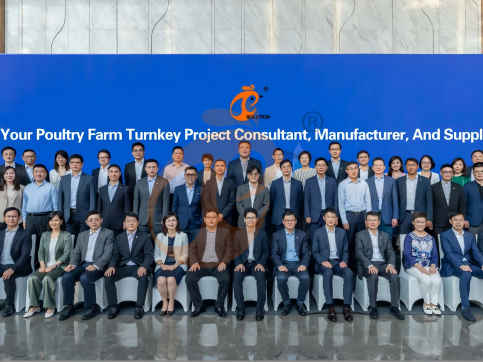
Hong Kong Headquarter Management Team
Hong Kong Headquarter Taiyu Industrial Group CO., LTD
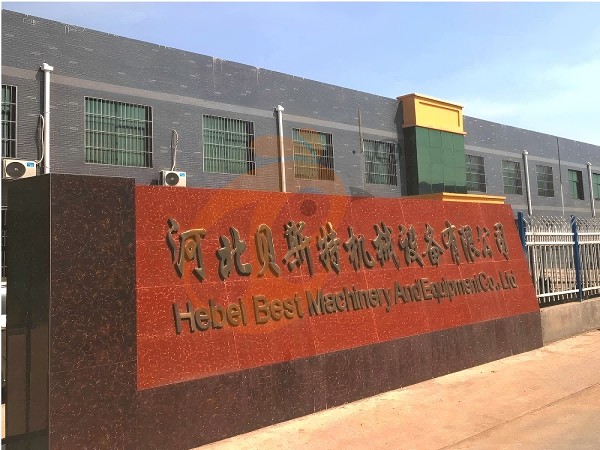
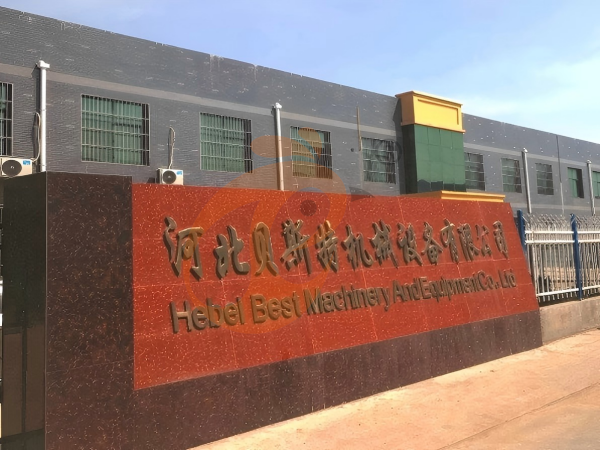
China Hebei Best Machinery And Equipment CO., LTD
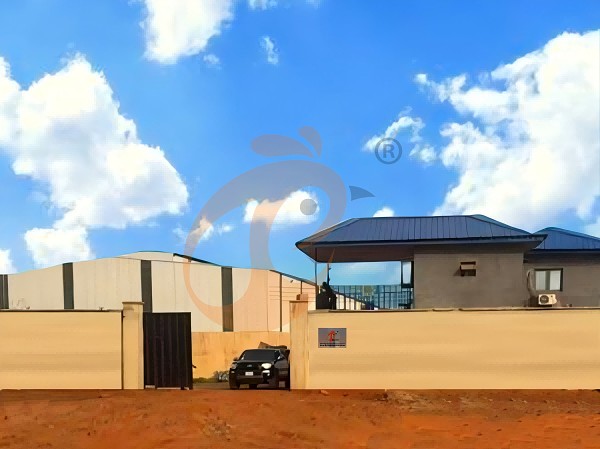
Nigeria Vanke Machinery And Equipment CO., LTD
Tanzania Best Machinery And Equipment CO., LTD
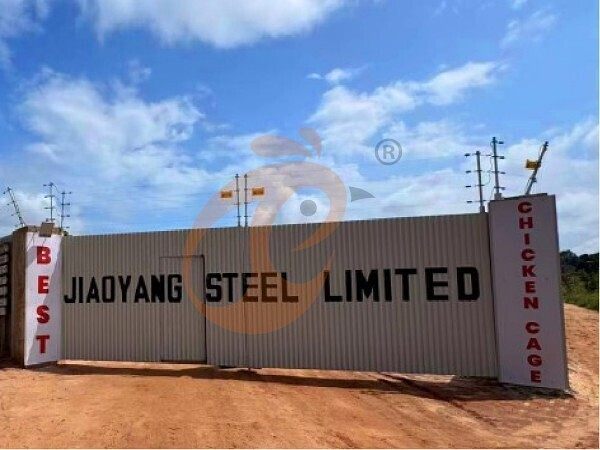
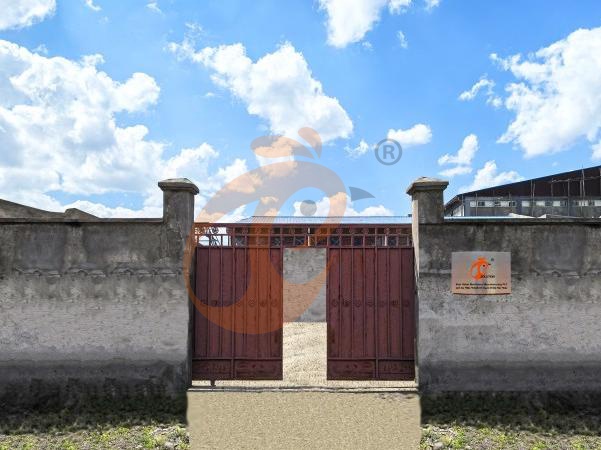
Ethiopia Best Hebei Machinery Manufacturing PLC
Reception /24 WhatsApp NO. : +8618830120193
FAQ
How To Maximize Egg Collection Efficiency Using Automated Layer Cage Systems?
Each belt can transport 4,000–6,000 eggs/hour, reducing manual handling.
Inspect belts regularly, breakage rate 2–3%.
What Are The Top Professional Strategies For Controlling Stress In Poultry Cage Farms?
Ensure good ventilation, temperature 18–25℃, lighting 16h/day.
Automatic feeding and drinking systems ensure birds access feed and water, reducing stress-induced egg drop.
What Are The Advanced Techniques For Reducing Feed Waste In Battery Cage Farms?
Zoned feeding reduces competition and waste, cutting feed loss by 5–10%.
Combined with temperature/humidity control, FCR 1.9–2.1, egg production 90–98%.
- poultry farm
- chicken cage
- poultry farms
- poultry cage
- cage
- poultry farm equipment
- poultry farm construction
- poultry cage design
- chicken cage manufacturer
- chicken cage system
- chicken cages
- h type chicken cage
- chickencage
- bestchickencage
- cage system
- h type
- cage systems
- automatic cage
- Nigeria
- cage design
- cage manufacturer
- poultry farm plan
- Ethiopia
Message
Products recommended
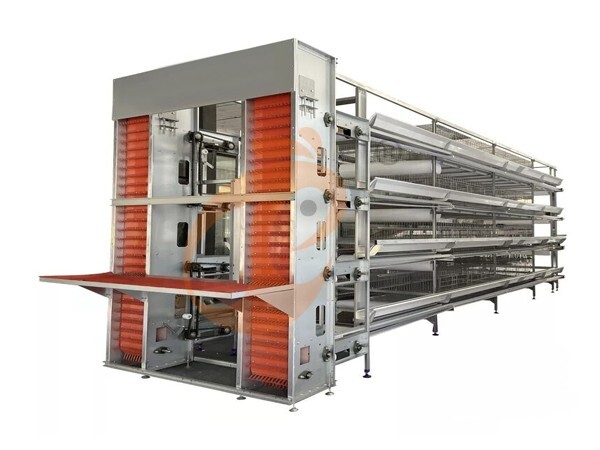
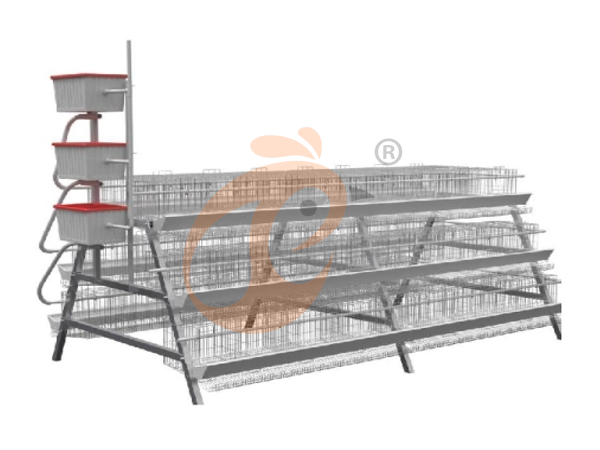
 >30,000 Pullets Automatic H Type Battery Cage1. More than 30,000 pullets a house, choose it.
2. It is designed to rearing older than 1 day old pullets to 12 to 16 weeks old chicken starting laying eggs.
3. Its lifespan is more than 25 years.
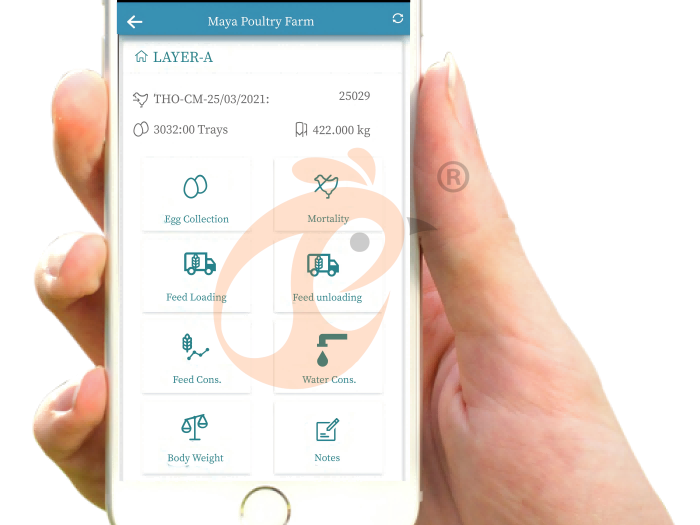
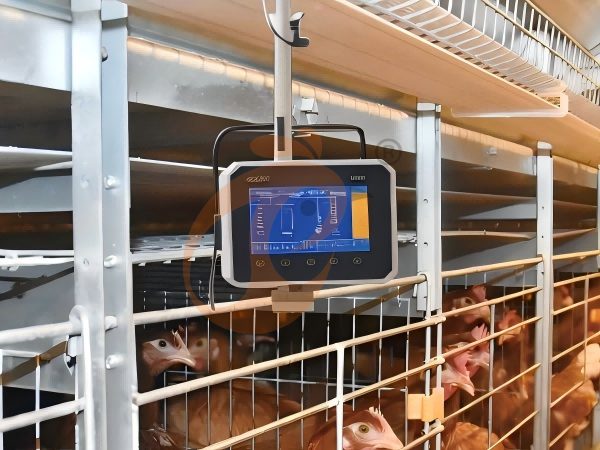
4. Its structure are Vcloud artificial intelligent fusion, electric control cabinet, automatic equipment of drinking, feeding, manure clean, manual harvesting.
5. Our 24 hour online reception What’sApp NO. is +8618830120193 <30,000 Pullets Automatic A Type Battery Cage1. 10,000 to 30,000 pullets a house, choose it.
2. It is designed to rearing older than 1 day old pullets to 12 to 16 weeks old chicken starting laying eggs.
3. Its lifespan is more than 25 years.
4. Its structure are Vcloud artificial intelligent fusion, electric control cabinet, automatic equipment of drinking, feeding, manure clean, manual harvesting.
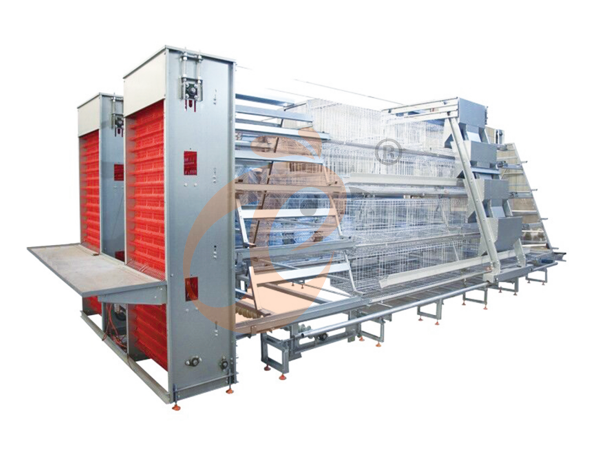
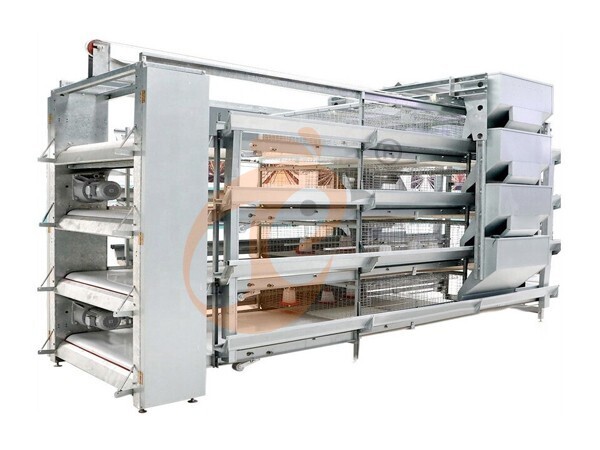
5. Our 24 hour online reception What’sApp NO. is +86 18830120193. >30,000 Broilers Semi-Automatic Harvest H Type Battery Cage1. More than 30,000 broilers a house, choose it.
2. It is designed to rearing 1 to 45 day old adult broiler ready for market.
3. Its lifespan is more than 20 years.
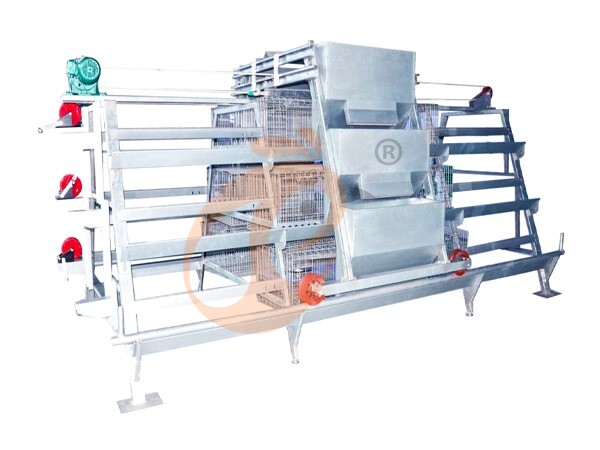
4. Our 24 hour online reception What’sApp NO. is +8618830120193, +234 8111199996. >30,000 Broilers Manual Harvest H Type Battery Cage1. More than 30,000 broilers a house, choose it.
2. It is designed to rearing 1 to 45 day old adult broiler ready for market.
3. Its lifespan is more than 20 years.
4. Its structure are Vcloud artificial intelligent fusion, electric control cabinet, automatic equipment of drinking, feeding and manure clean, manual harvesting.
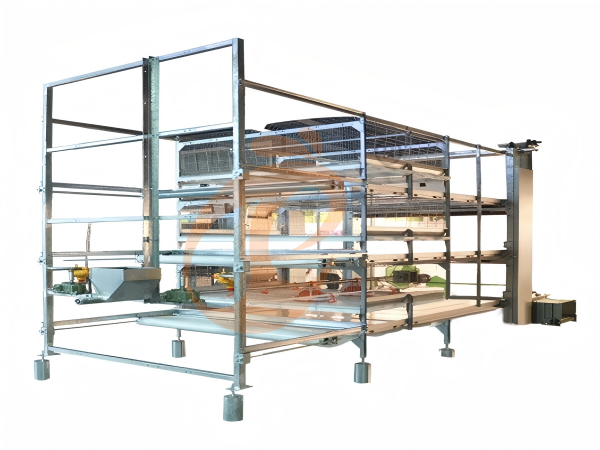
5. Our 24 hour online reception What’sApp NO. is +8618830120193, +234 8111199996. <30,000 Broilers Manual Harvest A Type Battery Cage1. Less 30,000 broilers a house, choose it.
2. It is designed to rearing 1 to 45 day old adult broiler ready for market.
3. Its lifespan is more than 20 years.
4. Its structure are Vcloud artificial intelligent fusion, electric control cabinet, automatic equipment of drinking, feeding and manure clean, manual harvesting.
5. Our 24 hour online reception What’sApp NO. is +8618830120193, +234 8111199996. HK Headquarter Offers EU-standard Poultry Farm Solutions, Manufacture Poultry Farm Equipment1. Continuous communication with the EU and the US
2. China, Nigeria, Ethiopia, Tanzania branch companies and factories
3. The products’ quality is customized for local poultry farms
4. Poultry cage and poultry farm equipment stock for sale
5. 24 online reception Whatsapp NO. : +8618830120193,contact us to get full information China Branch Offer Poultry Farm Business Plan, Manufacture Poultry Farm Equipment1. Address: Flat/RM 2416, 24/F, Runxing Building, Youyi Nan Street, Shijiazhuang City, Hebei Province, China
2. Poultry cage and poultry farm equipment factory and stock for sale
3. Customized for local poultry farms
4. Quality and design are based on Euro
5. 24 online reception Whatsapp NO. : +8618830120193 Nigeria Branch Offer Poultry Farm Business Plan, Manufacture Poultry Farm Equipment1. Address: After Sinoma Office, 200 Meters Near Danco Filling Station, Lagos/Ibadan Expressway, Lagos State, Nigeria
2. Poultry cage and poultry farm equipment factory and stock for sale
3. Customized for Nigerian poultry farms
4. Quality and design are based on Euro
5. 24 online reception Whatsapp NO. : +8618830120193 Ethiopia Branch Offer Poultry Farm Business Plan, Manufacture Poultry Farm Equipment1. Address: WR93+FQ2, Addis Ababa, Ethiopia
2. Poultry cage and poultry farm equipment stock for sale
3. Customized for Ethiopian poultry farms
4. Quality and design are based on Euro
5. 24 online reception Whatsapp NO. : +8618830120193, contact us to get price list Tanzania Branch Offer Poultry Farm Business Plan, Manufacture Poultry Farm Equipment1. Address: No.8, Sova Road, Msufini, Mlandizi, Kibaha, Pwani, Tanzania
2. Poultry cage and poultry farm equipment factory and stock for sale
3. Customized for Tanzanian poultry farms
4. Quality and design are based on Euro
5. 24 online reception Whatsapp NO. : +8618830120193


Contact
By clicking 'Allow All', you agree to the storage of cookies on your device to enhance site navigation, analyze site usage and assist with our marketing efforts.