


Blog
Ethiopia poultry investment influences farmer decisions when comparing per-bird cost with overall capital requirements.
Explains how Ethiopian infrastructure, feed supply, climate, and land access affect chicken cage projects.
Practical tables and Ethiopia-focused strategies guide investors to build sustainable poultry farm project operations.
Get professional poultry farm construction guidance, equipment selection solutions, and the latest price lists, whatsApp to +8618830120193, click to learn more:

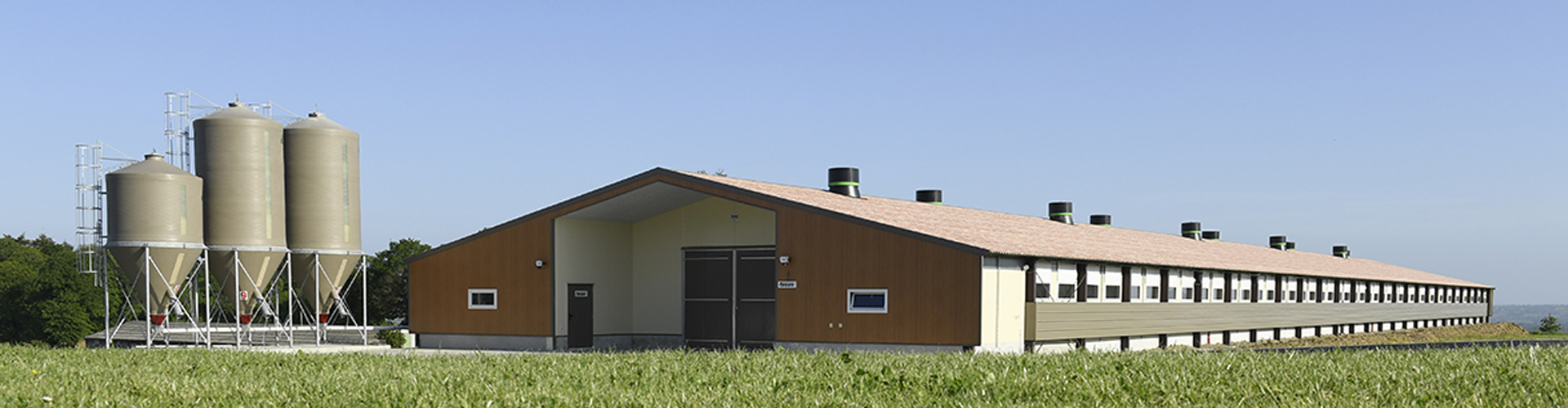
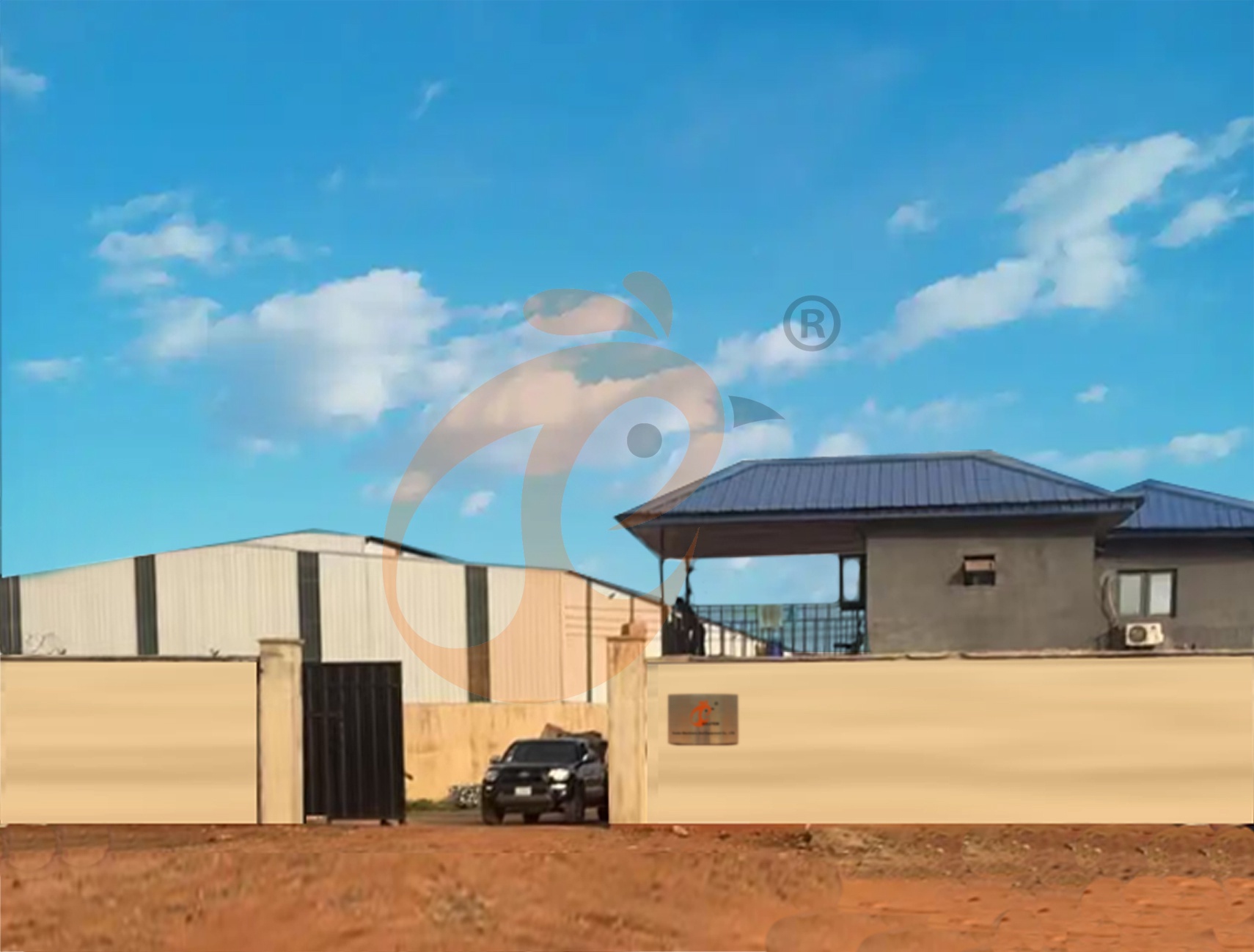
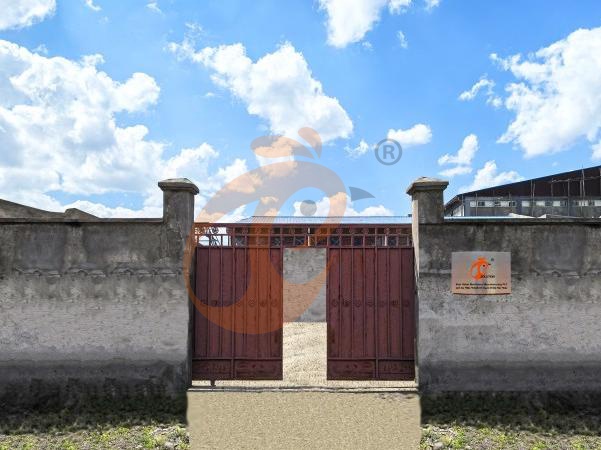
Ethiopia Branch Office And Factory Of Poultry Farm Equipment
Market Reality: Why Cost Per Bird Must Include Local Conditions
Ethiopia's livestock sector is expanding rapidly, and many new investors evaluate poultry using cost per bird before considering actual field conditions.
In regions such as Bishoftu, Debre Zeit, Adama, and Hawassa, steel price movements, transport distance, and labour variability directly influence chicken cage system pricing.
The Ethiopia poultry investment environment requires combining per-bird metrics with total project planning to avoid underestimating long-term operational expenses.
(European union standard reference only)
Data is for reference only. Swipe horizontally to view full table.
Total Project Cost Reflects Ethiopia's Infrastructure Challenges
A farm that evaluates only cage cost often overlooks land preparation, water reliability, and electricity stability.
In Oromia and SNNPR, farmers frequently invest in backup generators, water tanks, and improved drainage to reduce operational risks.
Total project cost therefore reflects Ethiopia’s climate, grid fluctuations, and distance from supply hubs.
(European union standard reference only)
Data is for reference only. Swipe horizontally to view full table.
Infrastructure Load Comparison And Its Effect On Bird Performance
Poor infrastructure increases mortality and reduces productivity, weakening investment performance.
Chicken cage systems rely on water-line stability, ventilation, and waste removal efficiency, all of which differ significantly across Ethiopian regions.
Per-bird cost alone cannot describe these operational risks.
Data is for reference only. Swipe horizontally to view full table.
Feed Volatility And Implications For Ethiopia Poultry Investment
Feed accounts for the majority of a poultry farm project’s recurring expenditure.
Imported vitamin premix and soybean meal increase price sensitivity, especially when forex delays occur.
Cage systems improve feed conversion by reducing bird movement and energy loss.
(European union standard reference only)
Data is for reference only. Swipe horizontally to view full table.
Labour Productivity Differences Across Ethiopian Regions
Labour cost per month is relatively stable nationwide, but skill gaps are significant.
Addis, Adama, and Hawassa have more experienced poultry workers, whereas rural towns depend on short-term labourers.
Cage systems reduce daily workload and improve consistency.
Data is for reference only. Swipe horizontally to view full table.
Land Utilization Efficiency Under Ethiopia's Land-Lease Policy
Regional governments allocate land through lease agreements, often requiring minimum development.
Chicken cage systems allow higher stocking density, enabling small plots to reach economic viability.
Provides a major advantage for peri-urban regions where space is limited.
Data is for reference only. Swipe horizontally to view full table.
Durability And Supply Chain Reliability In Ethiopia
Ethiopian farmers face long waiting periods for imported parts due to forex shortages.
Locally fabricated structures are faster to obtain but differ in anti-corrosion treatment.
Durability should be evaluated over the whole life cycle, not just initial price.
Data is for reference only. Swipe horizontally to view full table.
Translating Per-Bird Cost Into Real Project Budget
To avoid underbudgeting, investors should convert cage-per-bird cost into a complete investment scenario.
Construction, water storage, backup power, and biosecurity represent major portions of the total cost.
(European union standard reference only)
Data is for reference only. Swipe horizontally to view full table.
Strategic Cost Planning For Ethiopian Poultry Investors
Ethiopian poultry investors increasingly prioritize long-term resilience rather than short-term unit pricing.
A sustainable chicken cage project must align cost structure with Ethiopia’s feed volatility, infrastructure gaps, and land-use restrictions.
To support effective planning, farmers should adopt a phased investment model focusing on:
Optimizing stocking density to maximize Ethiopian Birr output per square meter.
Securing reliable water and electricity access, reducing unexpected operational losses.
Allocating budget to durable galvanized materials, extending lifespan beyond 10–12 years.
By integrating these principles, Ethiopian farms improve profitability stability and reduce project risk across multiple production cycles.
Frequently Asked Questions
Q1: Is a chicken cage system suitable for Ethiopian climate conditions?
Yes.In hot Rift Valley areas, cages improve airflow and reduce heat accumulation.
In highland climates, cages allow controlled stocking density and easier heating management.
Selecting galvanized materials prevents corrosion in humid regions.
Q2: How should Ethiopian farmers compare cost per bird with total project cost?
Cost per bird is useful for early budgeting.
Total project cost is essential when considering construction, electricity backup, water storage, and maintenance—factors that strongly influence Ethiopian farm operations.
Farmers should integrate both to avoid underestimating infrastructure investment.
Q3: Are imported chicken cages practical for Ethiopia considering forex and transport?
Imported systems offer superior durability, but Ethiopia's forex limitations cause delays.
Farmers can reduce downtime by choosing suppliers with local warehouses or long-term parts stock agreements.
Planning transport routes early minimizes additional Ethiopian Birr costs.
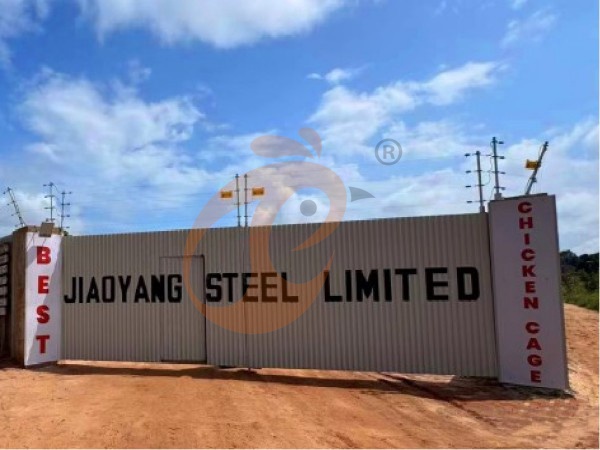
Ethiopia Best Hebei Machinery Manufacturing Plc - One Of Ethiopia Most Famous Chicken Cage Manufacturer
The company delivers global factory direct sales with comprehensive poultry farm equipment solutions designed for Ethiopian production environments.
It supplies durable poultry cage systems engineered for efficient stocking density, stable climate control, and long service life.
Turn-key engineering services support construction, installation, and farm upgrading with professional technical teams.
Proven experience ensures project stability through optimized layout planning and local-condition-focused engineering designs.
The company provides strong after-sales service and continuous support for long-term farm expansion in Ethiopia.
Contact Us To Received Your Customized Poultry Farm Plan
Headquarters And Branchs

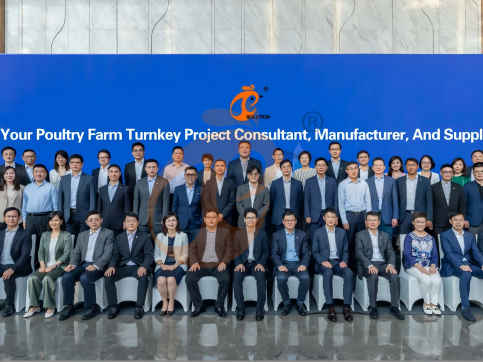
Hong Kong Headquarter Management Team
Hong Kong Headquarter Taiyu Industrial Group CO., LTD
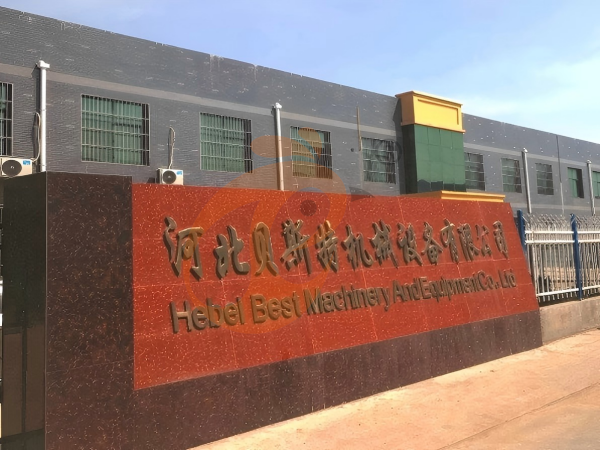
China Hebei Best Machinery And Equipment CO., LTD
Nigeria Vanke Machinery And Equipment CO., LTD
Tanzania Best Machinery And Equipment CO., LTD
Ethiopia Best Hebei Machinery Manufacturing PLC




Reception /24 WhatsApp NO. : +8618830120193
FAQ
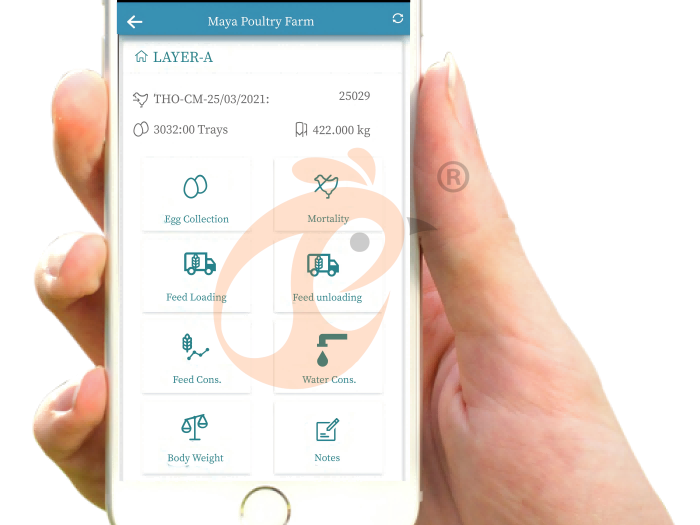
How To Maximize Egg Collection Efficiency Using Automated Layer Cage Systems?
Each belt can transport 4,000–6,000 eggs/hour, reducing manual handling.
Inspect belts regularly, breakage rate 2–3%.
What Are The Top Professional Strategies For Controlling Stress In Poultry Cage Farms?
Ensure good ventilation, temperature 18–25℃, lighting 16h/day.
Automatic feeding and drinking systems ensure birds access feed and water, reducing stress-induced egg drop.
What Are The Advanced Techniques For Reducing Feed Waste In Battery Cage Farms?
Zoned feeding reduces competition and waste, cutting feed loss by 5–10%.
Combined with temperature/humidity control, FCR 1.9–2.1, egg production 90–98%.
- poultry farm
- chicken cage
- poultry cage
- cage
- poultry farm equipment
- poultry farm construction
- poultry cage system
- chicken cage manufacturer
- chicken cage system
- poultry farm project
- chicken cages
- a chicken cage
- chickencage
- bestchickencage
- cage system
- cage systems
- Nigeria
- poultry cage systems
- cage manufacturer
- poultry farm plan
- Ethiopia
Message
Products recommended
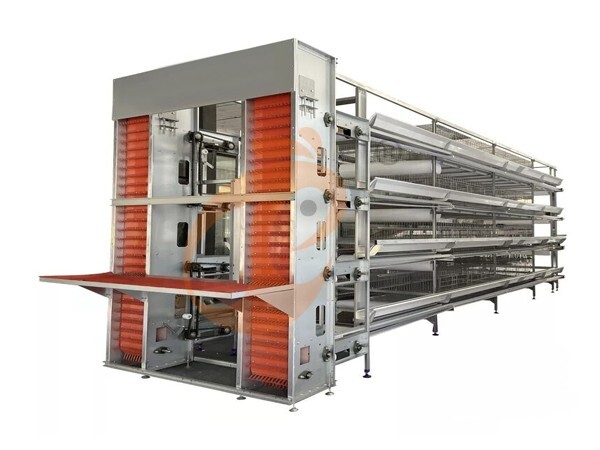
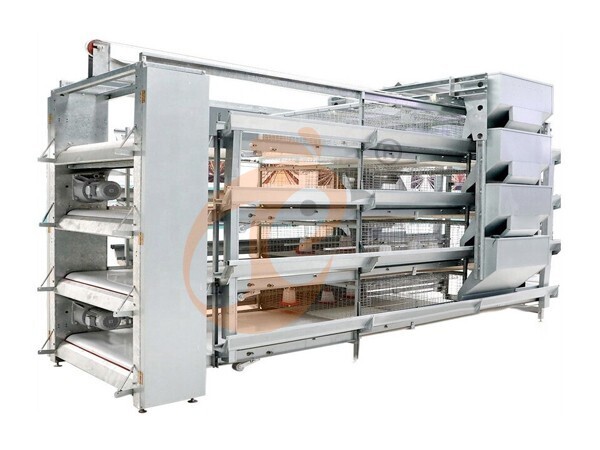
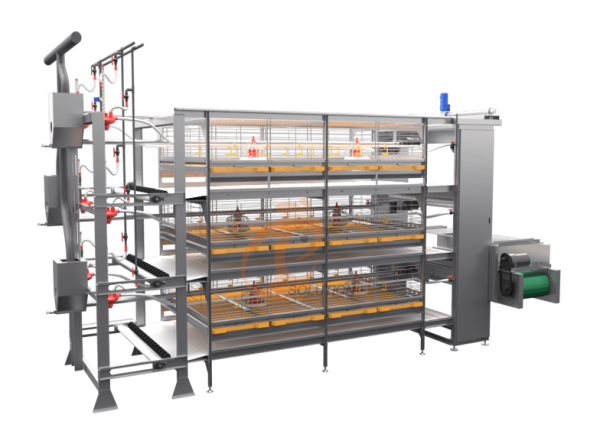
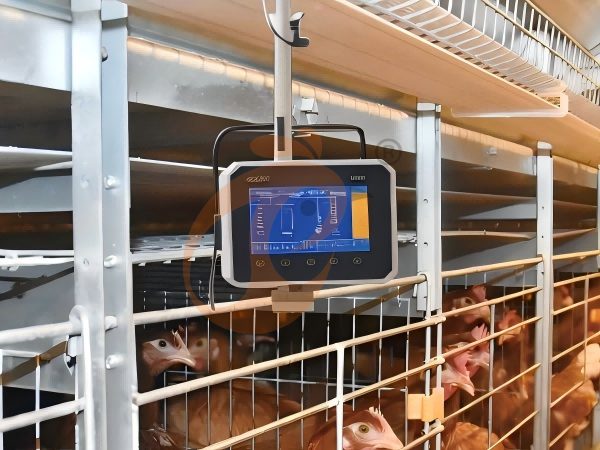
 >30,000 Pullets Automatic H Type Battery Cage1. More than 30,000 pullets a house, choose it.
2. It is designed to rearing older than 1 day old pullets to 12 to 16 weeks old chicken starting laying eggs.
3. Its lifespan is more than 25 years.
4. Its structure are Vcloud artificial intelligent fusion, electric control cabinet, automatic equipment of drinking, feeding, manure clean, manual harvesting.
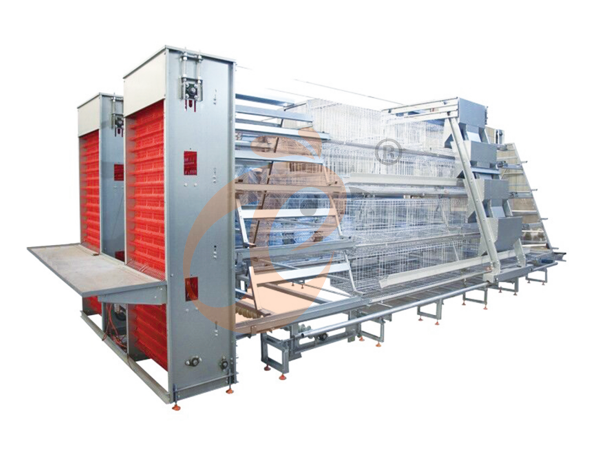
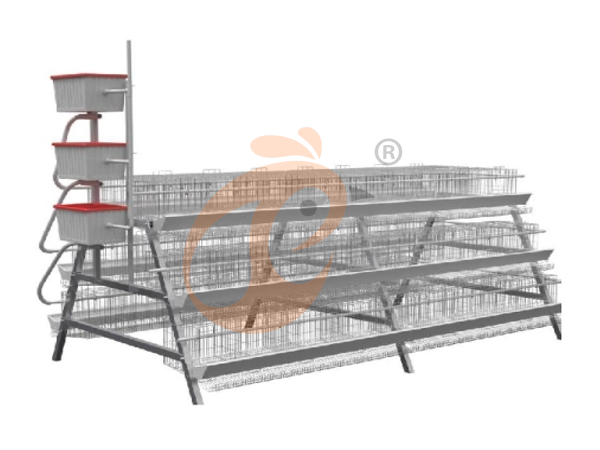
5. Our 24 hour online reception What’sApp NO. is +8618830120193 <30,000 Pullets Automatic A Type Battery Cage1. 10,000 to 30,000 pullets a house, choose it.
2. It is designed to rearing older than 1 day old pullets to 12 to 16 weeks old chicken starting laying eggs.
3. Its lifespan is more than 25 years.
4. Its structure are Vcloud artificial intelligent fusion, electric control cabinet, automatic equipment of drinking, feeding, manure clean, manual harvesting.
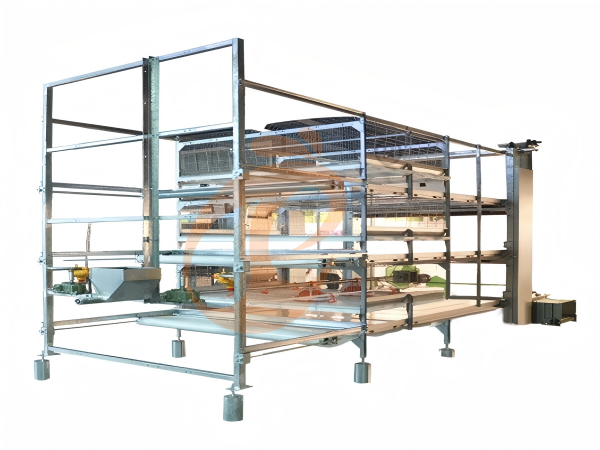
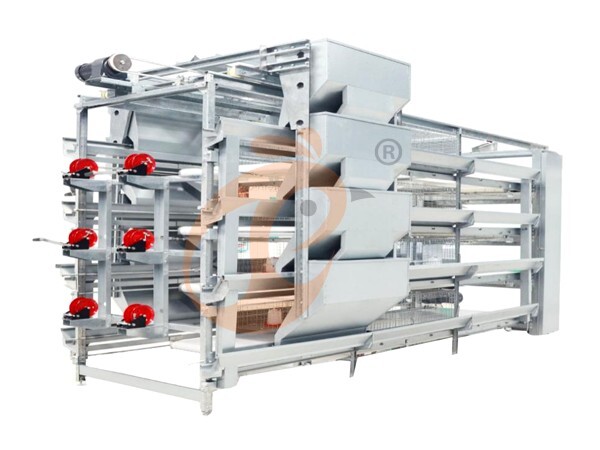
5. Our 24 hour online reception What’sApp NO. is +86 18830120193. >30,000 Broilers Semi-Automatic Harvest H Type Battery Cage1. More than 30,000 broilers a house, choose it.
2. It is designed to rearing 1 to 45 day old adult broiler ready for market.
3. Its lifespan is more than 20 years.
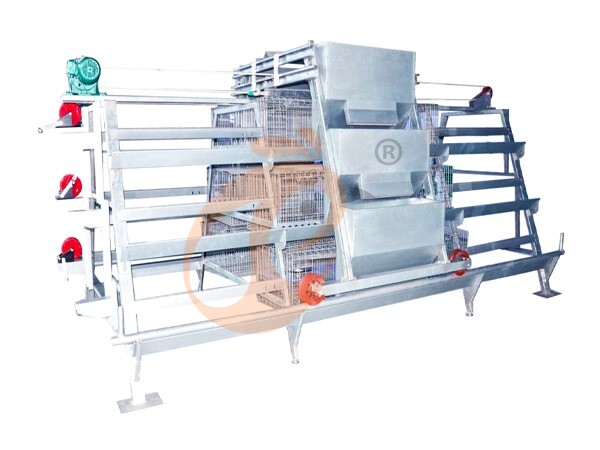
4. Our 24 hour online reception What’sApp NO. is +8618830120193, +234 8111199996. >30,000 Broilers Manual Harvest H Type Battery Cage1. More than 30,000 broilers a house, choose it.
2. It is designed to rearing 1 to 45 day old adult broiler ready for market.
3. Its lifespan is more than 20 years.
4. Its structure are Vcloud artificial intelligent fusion, electric control cabinet, automatic equipment of drinking, feeding and manure clean, manual harvesting.
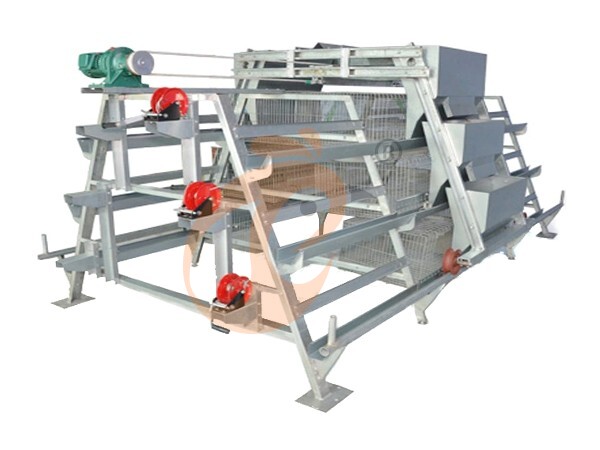
5. Our 24 hour online reception What’sApp NO. is +8618830120193, +234 8111199996. <30,000 Broilers Manual Harvest A Type Battery Cage1. Less 30,000 broilers a house, choose it.
2. It is designed to rearing 1 to 45 day old adult broiler ready for market.
3. Its lifespan is more than 20 years.
4. Its structure are Vcloud artificial intelligent fusion, electric control cabinet, automatic equipment of drinking, feeding and manure clean, manual harvesting.
5. Our 24 hour online reception What’sApp NO. is +8618830120193, +234 8111199996. HK Headquarter Offers EU-standard Poultry Farm Solutions, Manufacture Poultry Farm Equipment1. Continuous communication with the EU and the US
2. China, Nigeria, Ethiopia, Tanzania branch companies and factories
3. The products’ quality is customized for local poultry farms
4. Poultry cage and poultry farm equipment stock for sale
5. 24 online reception Whatsapp NO. : +8618830120193,contact us to get full information China Branch Offer Poultry Farm Business Plan, Manufacture Poultry Farm Equipment1. Address: Flat/RM 2416, 24/F, Runxing Building, Youyi Nan Street, Shijiazhuang City, Hebei Province, China
2. Poultry cage and poultry farm equipment factory and stock for sale
3. Customized for local poultry farms
4. Quality and design are based on Euro
5. 24 online reception Whatsapp NO. : +8618830120193 Nigeria Branch Offer Poultry Farm Business Plan, Manufacture Poultry Farm Equipment1. Address: After Sinoma Office, 200 Meters Near Danco Filling Station, Lagos/Ibadan Expressway, Lagos State, Nigeria
2. Poultry cage and poultry farm equipment factory and stock for sale
3. Customized for Nigerian poultry farms
4. Quality and design are based on Euro
5. 24 online reception Whatsapp NO. : +8618830120193 Ethiopia Branch Offer Poultry Farm Business Plan, Manufacture Poultry Farm Equipment1. Address: WR93+FQ2, Addis Ababa, Ethiopia
2. Poultry cage and poultry farm equipment stock for sale
3. Customized for Ethiopian poultry farms
4. Quality and design are based on Euro
5. 24 online reception Whatsapp NO. : +8618830120193, contact us to get price list Tanzania Branch Offer Poultry Farm Business Plan, Manufacture Poultry Farm Equipment1. Address: No.8, Sova Road, Msufini, Mlandizi, Kibaha, Pwani, Tanzania
2. Poultry cage and poultry farm equipment factory and stock for sale
3. Customized for Tanzanian poultry farms
4. Quality and design are based on Euro
5. 24 online reception Whatsapp NO. : +8618830120193


Contact
By clicking 'Allow All', you agree to the storage of cookies on your device to enhance site navigation, analyze site usage and assist with our marketing efforts.