


Blog
Poultry farming equipment Ethiopia analysis highlights cost gaps and strategic sourcing decisions
Logistics constraints from Djibouti corridor significantly influence total project expenditure
Material durability differences determine long-term depreciation and replacement cycles
Labor dynamics favor semi-automation over complex imported systems
Foreign exchange limitations reshape procurement and operational sustainability strategies
Energy reliability challenges require additional infrastructure investment planning
Cage design must align with local breeds and environmental conditions
Get professional poultry farm construction guidance, equipment selection solutions, and the latest price lists, whatsApp to +8618830120193, click to learn more:

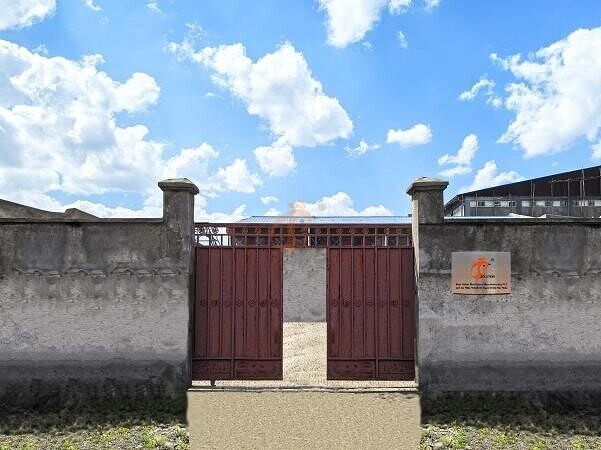
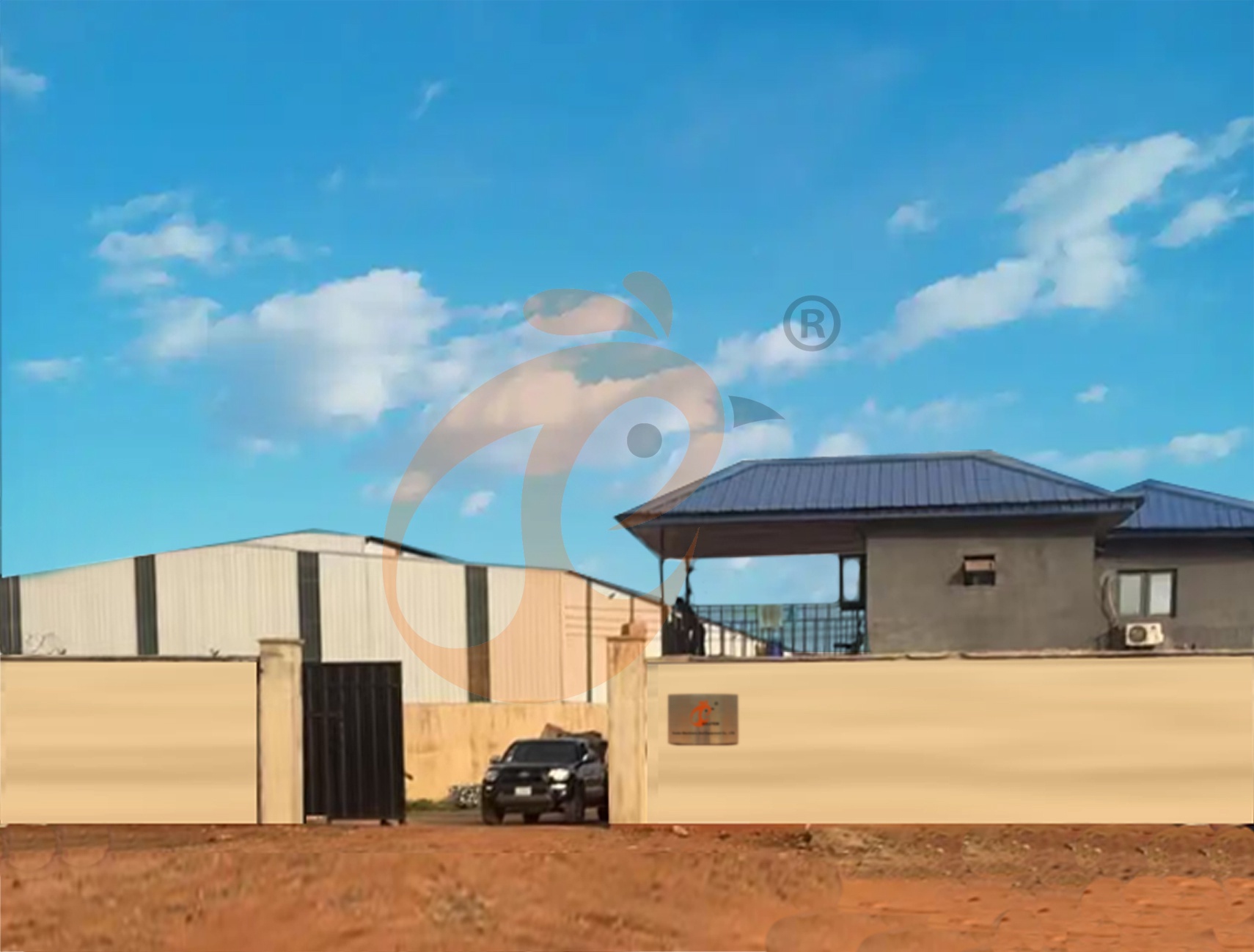
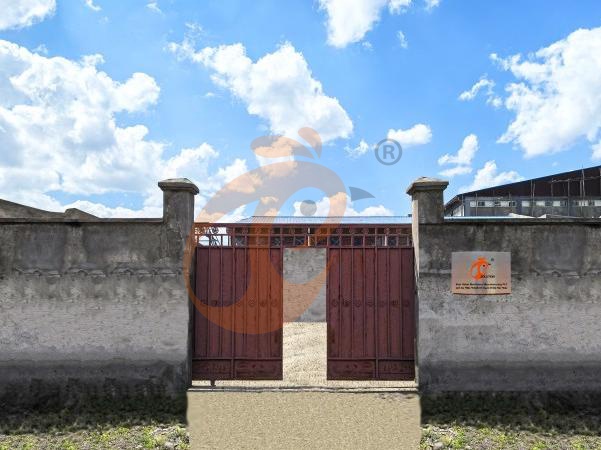
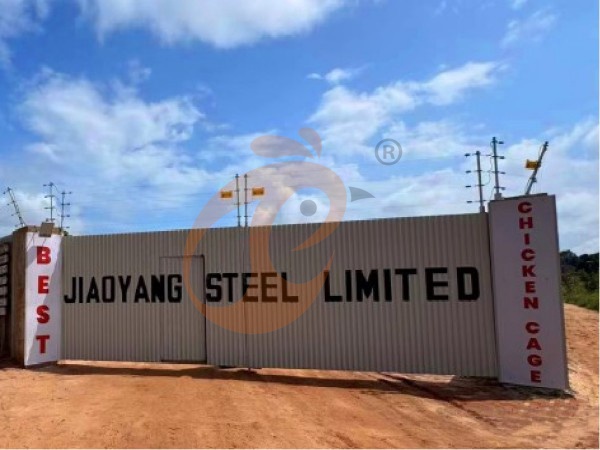
Ethiopia Branch Office And Factory Of Poultry Farm Equipment
The Logistics Gauntlet: From Shanghai To The Modjo Dry Port
The first major cost difference lies in logistics and inland freight.
Price quotes from Asian suppliers typically end at Djibouti port, but inland transport adds significant cost layers.
Farmers must manage rail or trucking expenses, port handling fees, and foreign currency payments, all of which increase financial pressure.
These logistics variables significantly affect poultry cage price Ethiopia calculations and project feasibility.
Data is for reference only.Swipe horizontally to view full table.
Material Integrity Vs. Environmental Stress: The Galvanization Factor
Material quality introduces a hidden but critical cost variable.
Many low-cost imports use electro-galvanized wire, which deteriorates quickly under Ethiopian highland conditions.
Humidity fluctuations and ammonia exposure accelerate corrosion, reducing lifespan.
Investing in hot-dip galvanized systems ensures durability and aligns with modern poultry farming equipment Ethiopia requirements.
Data is for reference only.Swipe horizontally to view full table.
Automation Vs. The Ethiopian Labor Landscape
Automation introduces operational complexity and cost disparities.
Fully automated systems depend on imported components and skilled technicians, which are limited locally.
Semi-automated systems balance labor availability and efficiency, improving ROI.
This aligns with practical poultry cage price Ethiopia optimization strategies.
Data is for reference only.Swipe horizontally to view full table.
The Forex Hurdle And After-Sales Support
Foreign exchange constraints significantly increase procurement costs.
Imported systems require hard currency, often with premiums beyond official rates.
Local sourcing reduces currency risk and improves maintenance responsiveness.
European union standard reference only.
Data is for reference only.Swipe horizontally to view full table.
Energy Stability And Climate Control Infrastructure
Energy reliability challenges add hidden infrastructure costs.
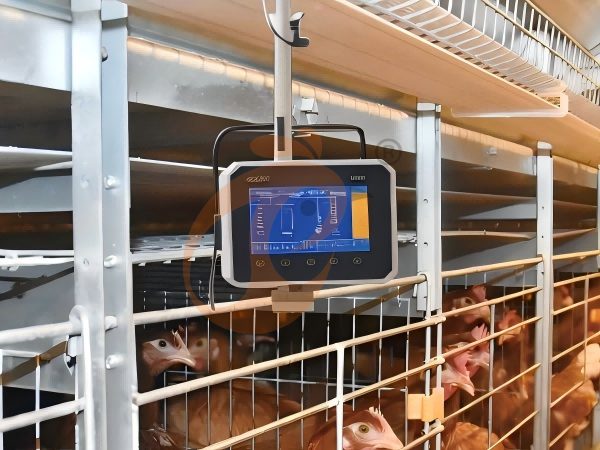
Automated systems require backup generators and voltage stabilizers.
Without proper planning, power outages can cause production losses.
Designing ventilation-friendly cages reduces dependency on power-intensive cooling systems.
Data is for reference only.Swipe horizontally to view full table.
Structural Design: Space Efficiency Vs. Avian Welfare
Cage design must align with local poultry breeds.
Overcrowding reduces productivity and increases stress-related issues.
Optimized spacing improves egg production and long-term profitability.
Data is for reference only.Swipe horizontally to view full table.
The Solution: A Hybrid Procurement Strategy
A hybrid procurement model combines imported precision components with locally fabricated structures.
It also ensures maintenance flexibility and better adaptation to Ethiopian conditions.
Data is for reference only.Swipe horizontally to view full table.
Navigating Customs And Regulatory Standards
Regulatory compliance is increasingly strict in Ethiopia.
Certification requirements impact import timelines and costs.
Non-compliant equipment risks delays and additional storage charges.
Planning for compliance avoids unexpected financial burdens.
Waste Management And Environmental Footprint
Waste management systems create additional revenue opportunities.
Dry manure collection systems allow resale as fertilizer.
Efficient designs support sustainability and align with national environmental goals.
Frequently Asked Questions
Q1: Is imported chicken cage suitable for Ethiopian climate conditions?
Imported systems can be used, but only if they are upgraded to hot-dip galvanization and adapted for humidity and ammonia exposure.
Otherwise, lifespan is significantly reduced and replacement costs increase.
Q2: Why is poultry cage price Ethiopia higher than initial import quotations?
The difference comes from inland logistics, foreign exchange premiums, customs duties, and infrastructure costs.
The quoted price rarely reflects the final landed cost in Ethiopian Birr.
Q3: Should Ethiopian farmers choose automation or semi-automation systems?
Semi-automation is generally more practical due to labor availability and limited technical maintenance support.
It provides a better balance between efficiency and operational cost.
Ethiopia Best Hebei Machinery Manufacturing Plc - One Of Ethiopia Largest Chicken Cage Manufacturer
Global factory direct supply ensures competitive pricing and stable delivery schedules across international poultry farm equipment markets
Strong expertise in poultry cage system engineering with customized solutions tailored to African environmental conditions and farming practices
Professional team provides full Turn-key project services including design planning installation and technical training support
Integrated production of poultry farm equipment guarantees consistent quality control and efficient large-scale manufacturing capability
Reliable after-sales service system ensures spare parts availability and long-term operational support for poultry farming investments
Contact Us To Received Your Customized Poultry Farm Plan
Headquarters And Branchs

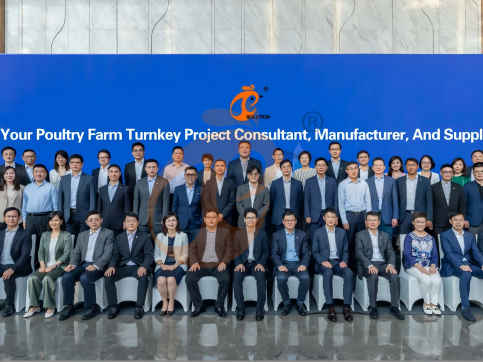
Hong Kong Headquarter Management Team
Hong Kong Headquarter Taiyu Industrial Group CO., LTD
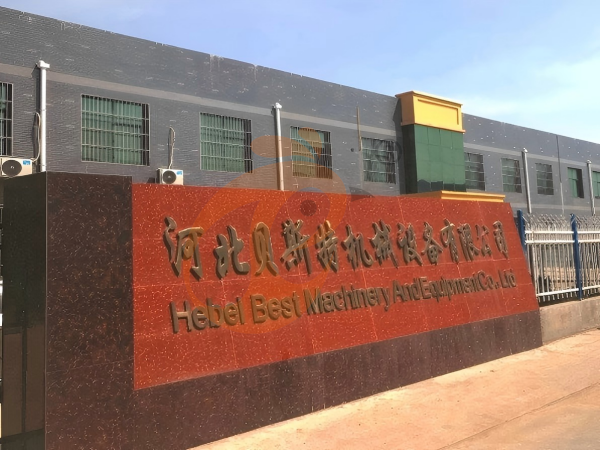
China Hebei Best Machinery And Equipment CO., LTD
Nigeria Vanke Machinery And Equipment CO., LTD
Tanzania Best Machinery And Equipment CO., LTD
Ethiopia Best Hebei Machinery Manufacturing PLC
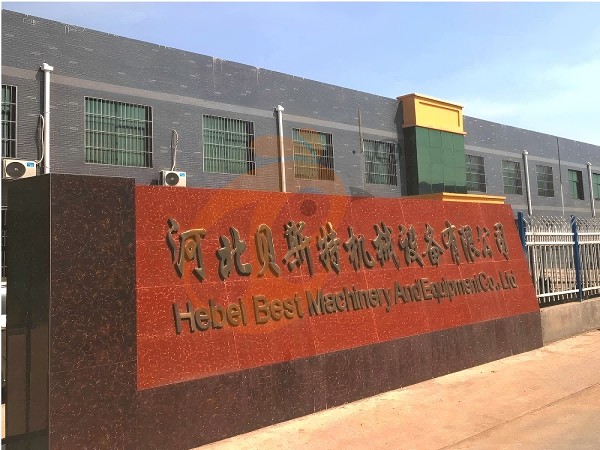
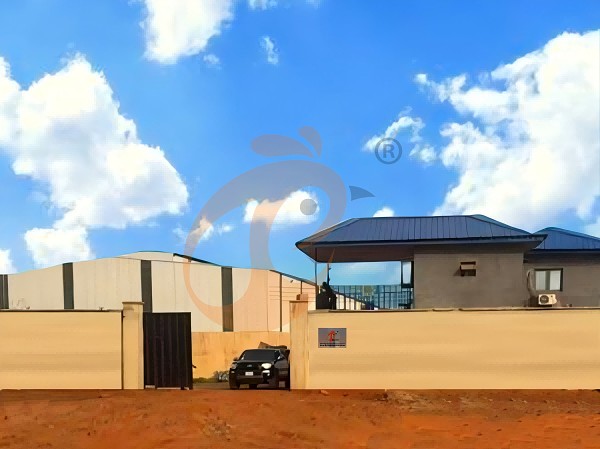
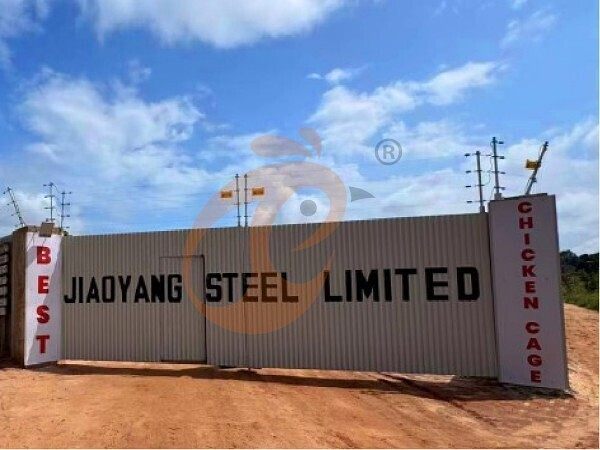
Reception /24 WhatsApp NO. : +8618830120193
FAQ
How To Optimize Light And Dark Cycles For Maximum Egg Production?
Distribute light evenly, avoiding intense light or shadows.
Combined with automatic feeding and drinking systems, egg production increases 2–3%, breakage <1%.
What Are The Professional Guidelines For Layer Cage Farm Cleaning And Biosecurity?
Disinfect cage surfaces and aisles weekly to reduce disease spread.
With health monitoring, egg production 90–98%, mortality 2–3%.
How To Choose The Right Chicken Cage Manufacturer For Long-Term ROI?
Check steel, anti-corrosion coating, and durability of egg systems.
Price $10–$18 per bird, payback 24–36 months, ROI can increase 20–25%.
- poultry farm
- chicken cage
- poultry cage
- cage
- poultry farm equipment
- poultry farm construction
- poultry cage system
- poultry cage price
- poultry farming equipment
- chicken cage manufacturer
- chicken cage system
- poultry cages
- chickencage
- bestchickencage
- cage system
- cage systems
- Nigeria
- poultry farming
- cage design
- cage manufacturer
- modern poultry farm
- modern poultry farming
- poultry farm plan
- Ethiopia
Message
Products recommended
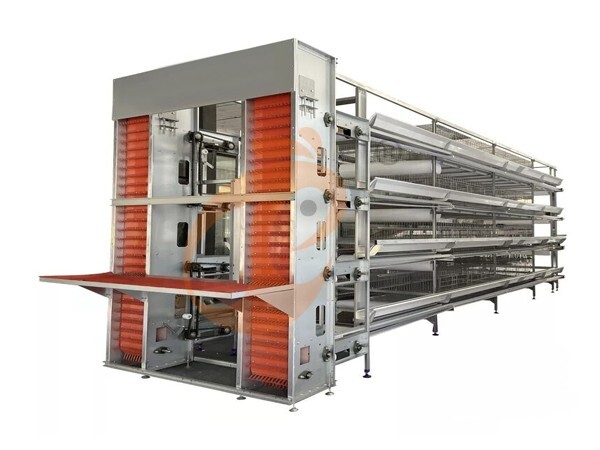
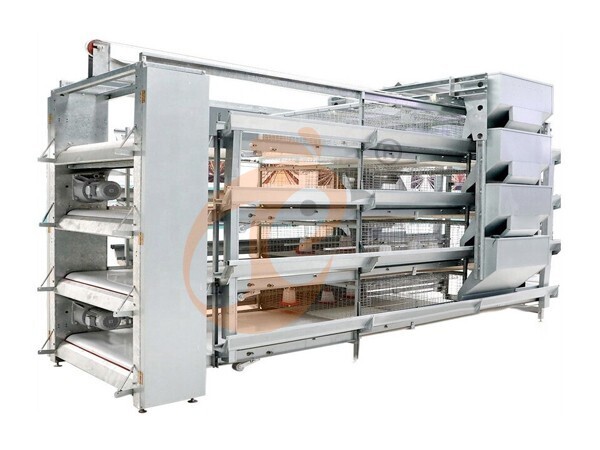
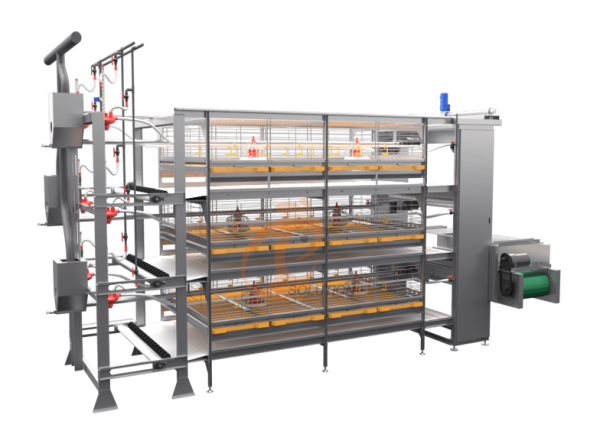
 >30,000 Pullets Automatic H Type Battery Cage1. More than 30,000 pullets a house, choose it.
2. It is designed to rearing older than 1 day old pullets to 12 to 16 weeks old chicken starting laying eggs.
3. Its lifespan is more than 25 years.
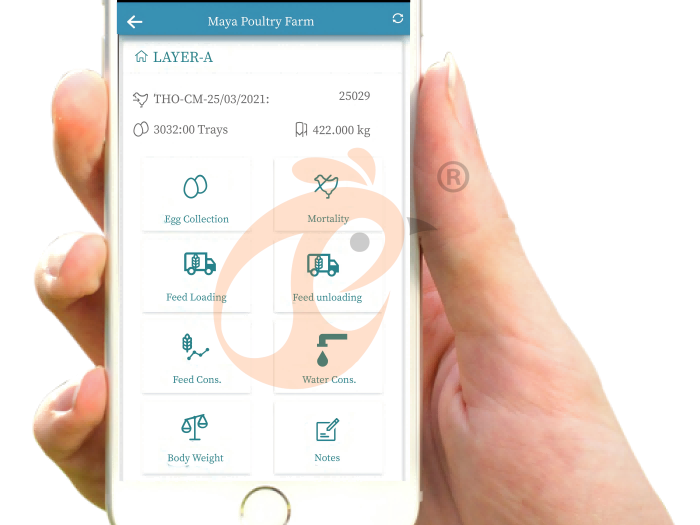
4. Its structure are Vcloud artificial intelligent fusion, electric control cabinet, automatic equipment of drinking, feeding, manure clean, manual harvesting.
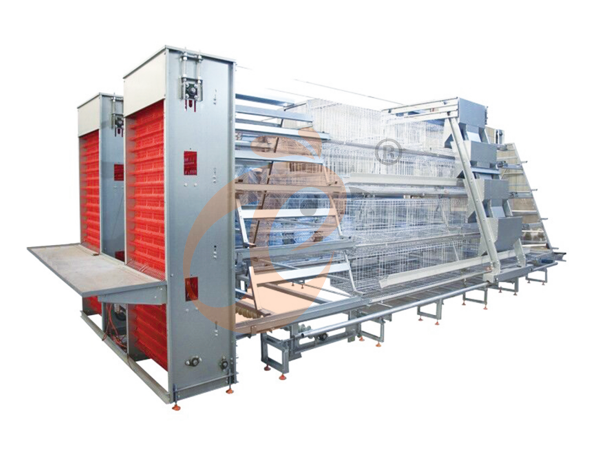
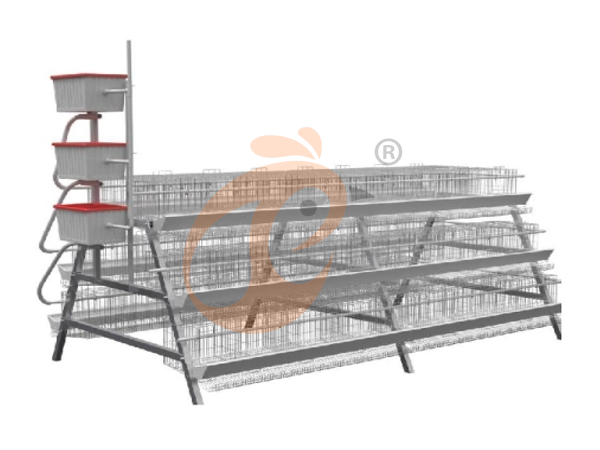
5. Our 24 hour online reception What’sApp NO. is +8618830120193 <30,000 Pullets Automatic A Type Battery Cage1. 10,000 to 30,000 pullets a house, choose it.
2. It is designed to rearing older than 1 day old pullets to 12 to 16 weeks old chicken starting laying eggs.
3. Its lifespan is more than 25 years.
4. Its structure are Vcloud artificial intelligent fusion, electric control cabinet, automatic equipment of drinking, feeding, manure clean, manual harvesting.
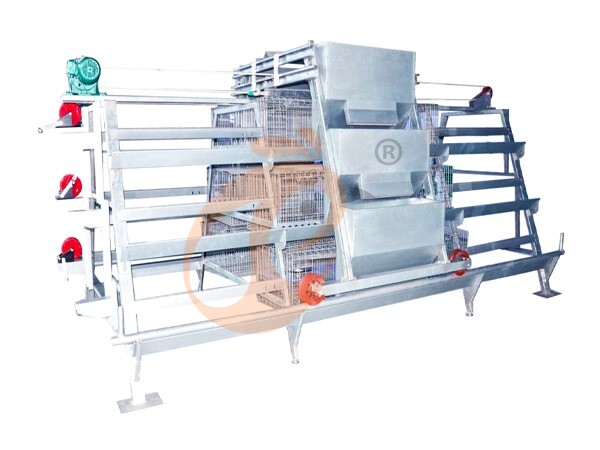
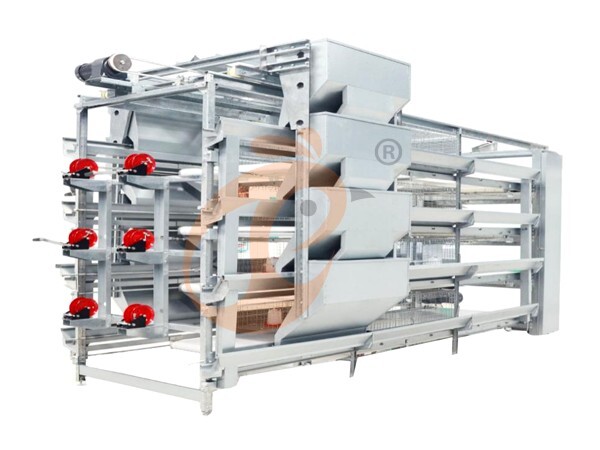
5. Our 24 hour online reception What’sApp NO. is +86 18830120193. >30,000 Broilers Semi-Automatic Harvest H Type Battery Cage1. More than 30,000 broilers a house, choose it.
2. It is designed to rearing 1 to 45 day old adult broiler ready for market.
3. Its lifespan is more than 20 years.
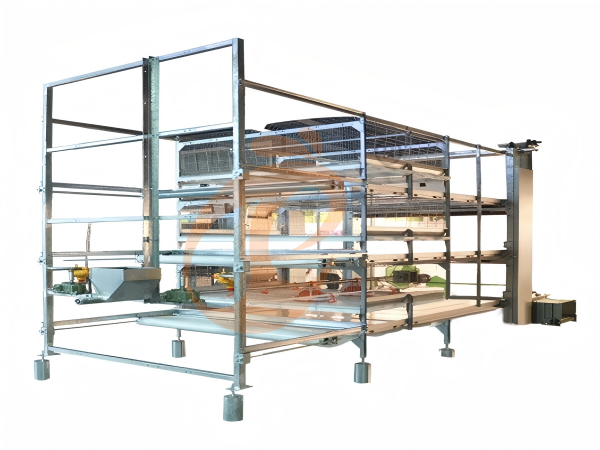
4. Our 24 hour online reception What’sApp NO. is +8618830120193, +234 8111199996. >30,000 Broilers Manual Harvest H Type Battery Cage1. More than 30,000 broilers a house, choose it.
2. It is designed to rearing 1 to 45 day old adult broiler ready for market.
3. Its lifespan is more than 20 years.
4. Its structure are Vcloud artificial intelligent fusion, electric control cabinet, automatic equipment of drinking, feeding and manure clean, manual harvesting.
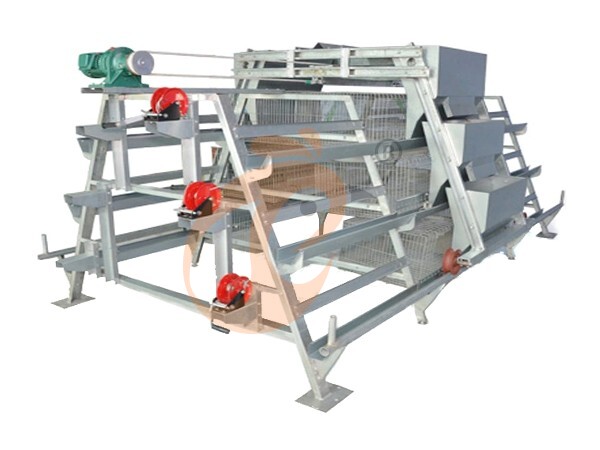
5. Our 24 hour online reception What’sApp NO. is +8618830120193, +234 8111199996. <30,000 Broilers Manual Harvest A Type Battery Cage1. Less 30,000 broilers a house, choose it.
2. It is designed to rearing 1 to 45 day old adult broiler ready for market.
3. Its lifespan is more than 20 years.
4. Its structure are Vcloud artificial intelligent fusion, electric control cabinet, automatic equipment of drinking, feeding and manure clean, manual harvesting.
5. Our 24 hour online reception What’sApp NO. is +8618830120193, +234 8111199996. HK Headquarter Offers EU-standard Poultry Farm Solutions, Manufacture Poultry Farm Equipment1. Continuous communication with the EU and the US
2. China, Nigeria, Ethiopia, Tanzania branch companies and factories
3. The products’ quality is customized for local poultry farms
4. Poultry cage and poultry farm equipment stock for sale
5. 24 online reception Whatsapp NO. : +8618830120193,contact us to get full information China Branch Offer Poultry Farm Business Plan, Manufacture Poultry Farm Equipment1. Address: Flat/RM 2416, 24/F, Runxing Building, Youyi Nan Street, Shijiazhuang City, Hebei Province, China
2. Poultry cage and poultry farm equipment factory and stock for sale
3. Customized for local poultry farms
4. Quality and design are based on Euro
5. 24 online reception Whatsapp NO. : +8618830120193 Nigeria Branch Offer Poultry Farm Business Plan, Manufacture Poultry Farm Equipment1. Address: After Sinoma Office, 200 Meters Near Danco Filling Station, Lagos/Ibadan Expressway, Lagos State, Nigeria
2. Poultry cage and poultry farm equipment factory and stock for sale
3. Customized for Nigerian poultry farms
4. Quality and design are based on Euro
5. 24 online reception Whatsapp NO. : +8618830120193 Ethiopia Branch Offer Poultry Farm Business Plan, Manufacture Poultry Farm Equipment1. Address: WR93+FQ2, Addis Ababa, Ethiopia
2. Poultry cage and poultry farm equipment stock for sale
3. Customized for Ethiopian poultry farms
4. Quality and design are based on Euro
5. 24 online reception Whatsapp NO. : +8618830120193, contact us to get price list Tanzania Branch Offer Poultry Farm Business Plan, Manufacture Poultry Farm Equipment1. Address: No.8, Sova Road, Msufini, Mlandizi, Kibaha, Pwani, Tanzania
2. Poultry cage and poultry farm equipment factory and stock for sale
3. Customized for Tanzanian poultry farms
4. Quality and design are based on Euro
5. 24 online reception Whatsapp NO. : +8618830120193


Contact
By clicking 'Allow All', you agree to the storage of cookies on your device to enhance site navigation, analyze site usage and assist with our marketing efforts.