


Blog
Investing in chicken cage systems in Ethiopia requires careful cost analysis.
Analysis includes economy poultry cage and fully automatic system performance metrics.
Focus on local Ethiopian variables such as labor, land, and biosecurity compliance.
Financial planning includes CAPEX, OPEX, and five-year return on investment estimation.
Infrastructure requirements like power supply and water filtration are evaluated.
Biosecurity and environmental parameters for large-scale poultry farms are explained.
Practical guidance for small and large investors in Ethiopia is provided.
Get professional poultry farm construction guidance, equipment selection solutions, and the latest price lists, whatsApp to +8618830120193, click to learn more:

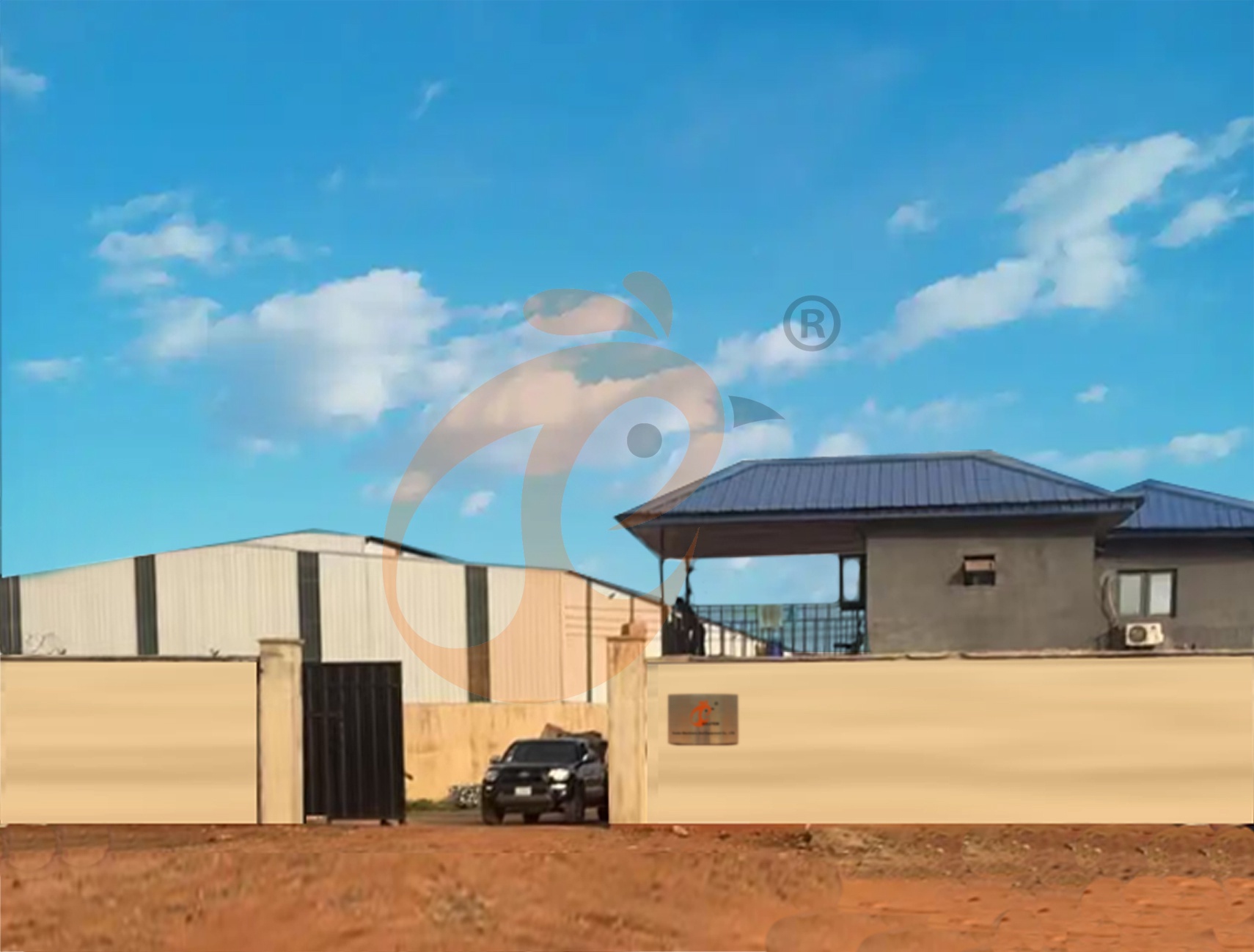
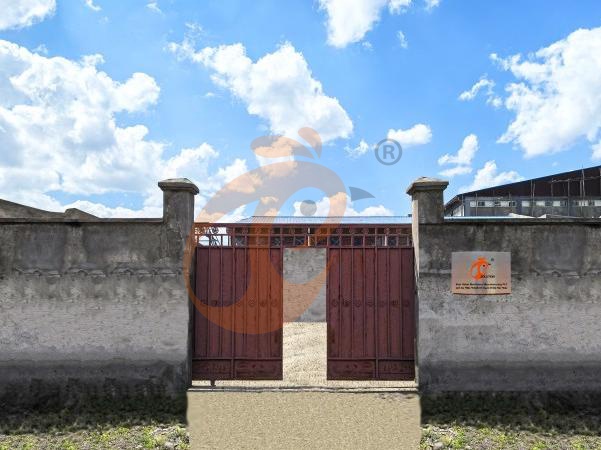
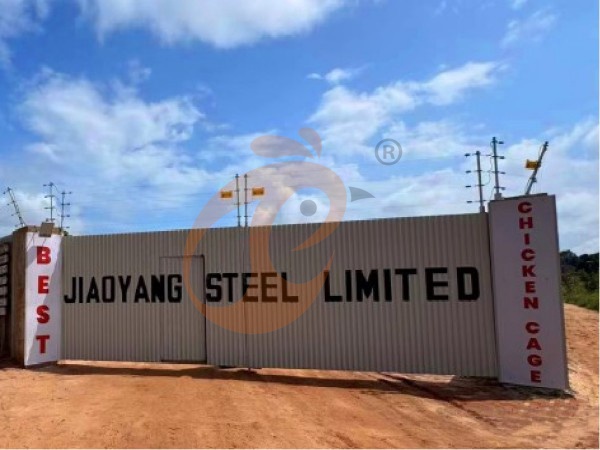
Ethiopia Branch Office And Factory Of Poultry Farm Equipment
The Ethiopian Poultry Landscape In 2026
The Ethiopian Ministry of Agriculture recently introduced the Poultry Farm Life-System Safety Directive, which mandates strict distances between farms and residential areas.
Whether you are a smallholder or a large-scale investor, efficiency of your chicken cage system determines your survival.
Data is for reference only. Swipe horizontally to view full table.
Analyzing The Economy Poultry Cage System
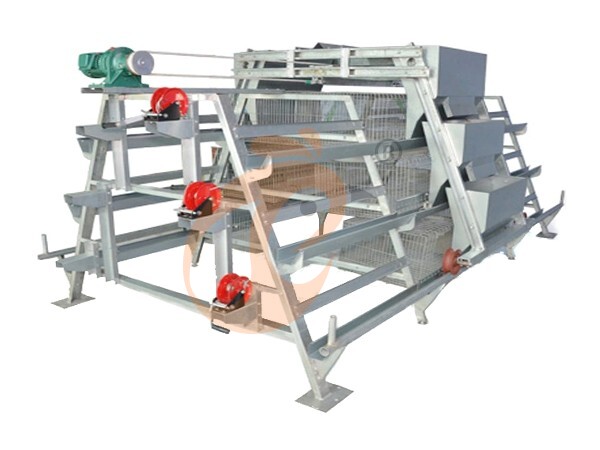
The economy A-type chicken cage remains the backbone of Ethiopia's small-scale intensive sector.
Manual labor is used for feeding and manure removal.
Labor is relatively affordable, but foreign exchange constraints limit high-tech imports.
Data is for reference only. Swipe horizontally to view full table.
Initial Capital Investment (Capex) For Economy Systems
Initial investment is often funded by the Development Bank of Ethiopia or personal savings.
Economy chicken cages are modular.
Start with 5,000 birds and add cages as cash flow improves.
Hidden costs include drinkers, shed materials, and 15% VAT (some exemptions possible).
Data is for reference only. Swipe horizontally to view full table.
The Shift To Fully Automatic Systems
Flocks exceeding 30,000 birds require automation.
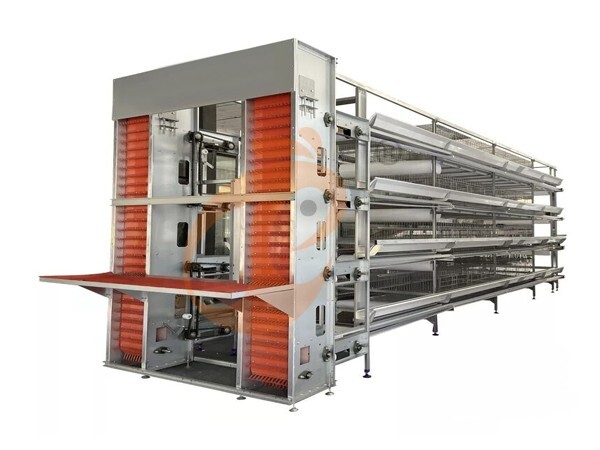
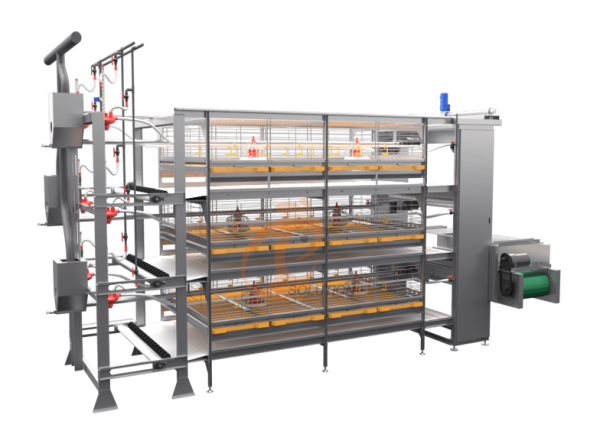
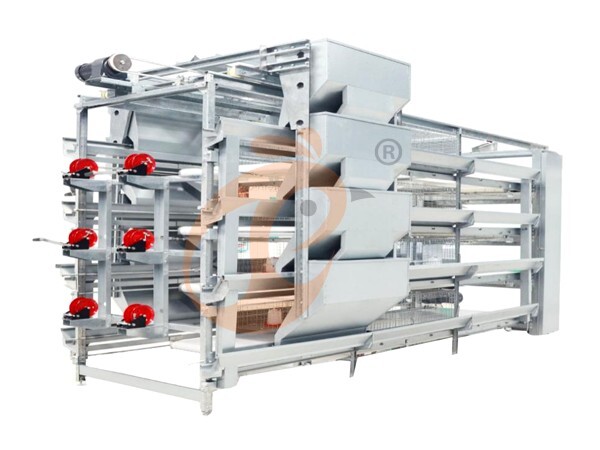
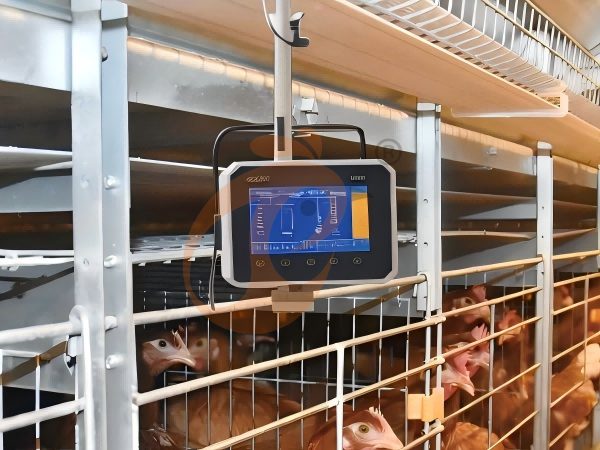
Automatic H-type systems manage feeding, drinking, manure removal, and egg collection.
Feed represents nearly 70% of production costs in Ethiopia.
Automatic feeders reduce wastage and increase operational efficiency.
Data is for reference only. Swipe horizontally to view full table.
Overcoming The Ethiopian Infrastructure Gap
Automatic systems require stable electricity and water supply.
Backup generators and water filtration prevent nipple drinker clogging.
Regions like Bishoftu need 3-phase 380V power and pressure tanks.
Solar hybrid systems provide incentives and backup power reliability.
Data is for reference only. Swipe horizontally to view full table.
Operational Expenditure (Opex) And Labor Dynamics
Automatic systems have higher upfront cost but lower OPEX per egg.
Ethiopian daily farm hand wages are low.
Management errors, overfeeding, or disease risk are expensive.
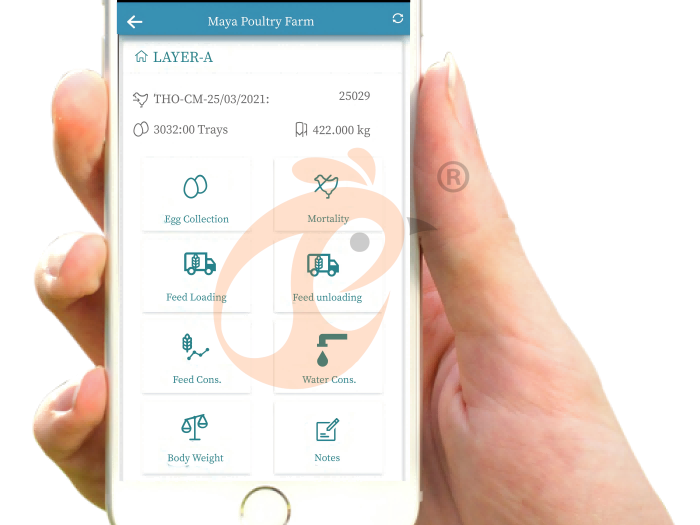
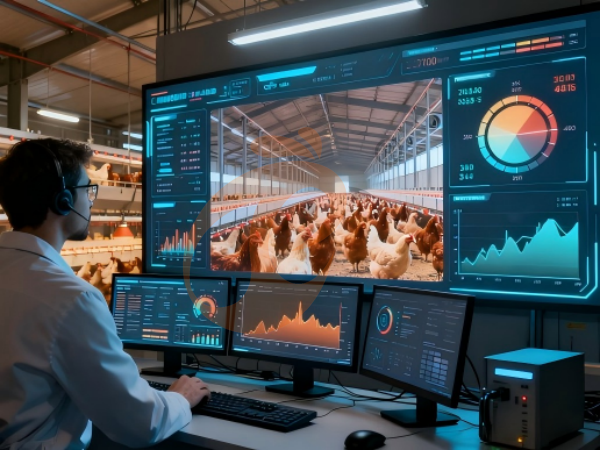
Automatic systems allow mobile monitoring of feed intake and egg production.
Data is for reference only. Swipe horizontally to view full table.
Biosecurity And The Lemat Trufat Advantage
Ethiopian 2026 biosecurity draft requires zones for sick birds and waste management.
Automatic H-type systems remove manure daily to external pits.
Ammonia levels (NH₃) are lower, reducing respiratory disease risk.
Mortality and egg cleanliness improve under automatic management.
Data is for reference only. Swipe horizontally to view full table.
Making The Decision: Which Fits Your Budget?
Total cost of ownership (TCO) over five years determines the choice.
First-time farmers with 1 to 3 million Ethiopian Birr should choose economy chicken cages.
10-million Ethiopian Birr+ investors targeting Addis Ababa wholesale or export need automatic systems.
Hybrid approaches combine manual feeding with automatic drinking systems for cost efficiency.
Financing And Procurement In Ethiopia
Capital Goods Leasing Proclamation helps lease equipment with option to buy.
Certificates of Conformity (CoC) ensure compliance with Ethiopian Standards Agency.
Import planning reduces cash outflow while meeting regulatory requirements.
Data is for reference only. Swipe horizontally to view full table.
The Future Of Ethiopian Poultry
Economy chicken cages save capital but require more labor and feed.
Automatic systems require higher investment but enable scalable, biosecure farming.
Visit installations in Dukem and Bishoftu to see performance under local conditions.
Success depends on matching technological ambition with financial reality.
Frequently Asked Questions
Q: Is an economy chicken cage suitable for small farms in Ethiopia?
A: Yes. Economy chicken cages fit farms under 5,000 birds.
They reduce initial cost.
Manual labor is manageable in Ethiopia.
Modular expansion allows gradual growth as cash flow improves.
Q: Can automatic H-type chicken cages operate reliably in Ethiopia?
A: Yes, if stable electricity and water are provided.
Backup generators or solar hybrid systems prevent interruptions.
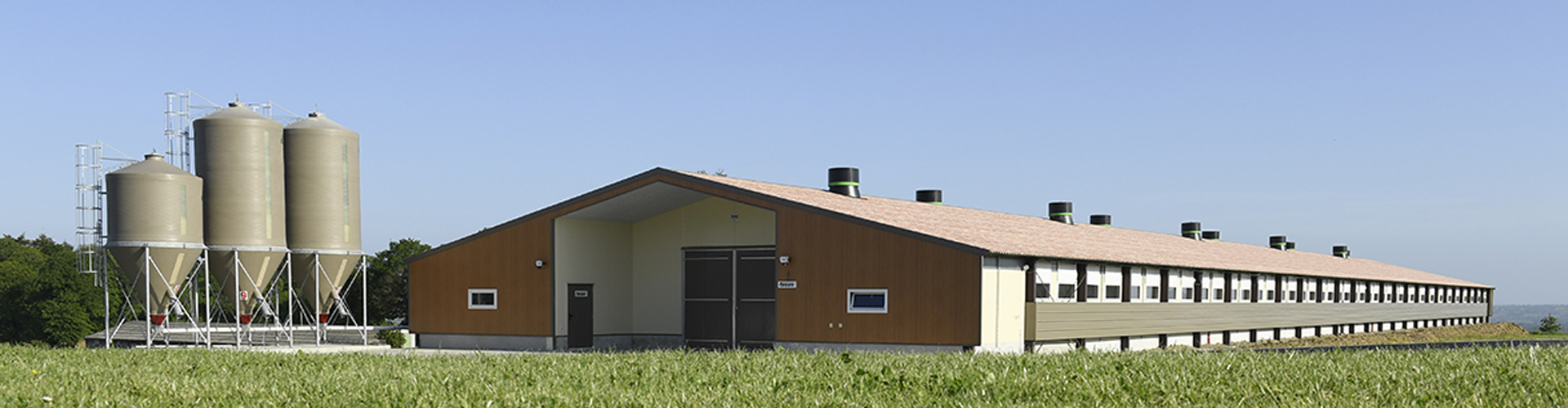
Local feed silos integrate with automation for efficiency.
Q: How to balance biosecurity and cost for Ethiopian poultry farms?
A: Implement manure belts, isolate sick birds, and monitor ammonia.
Hybrid systems reduce labor cost while maintaining hygiene.
Automatic monitoring apps support Ethiopian farm compliance.
Ethiopia Best Hebei Machinery Manufacturing Plc - One Of Ethiopia Largest Chicken Cage Supplier
HB BEST provides global factory direct sales for poultry farm equipment.
They offer complete poultry cage solutions and turnkey project services.
Turn-key engineering includes full farm installation and automated systems.
HB BEST integrates design, equipment supply, and post-installation support.
Customers benefit from reliable supply, advanced poultry farm equipment, and professional service.
Contact Us To Received Your Customized Poultry Farm Plan
Headquarters And Branchs

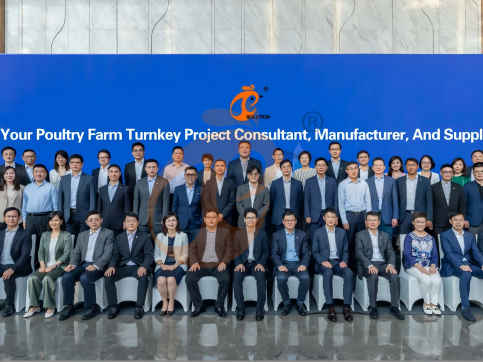
Hong Kong Headquarter Management Team
Hong Kong Headquarter Taiyu Industrial Group CO., LTD
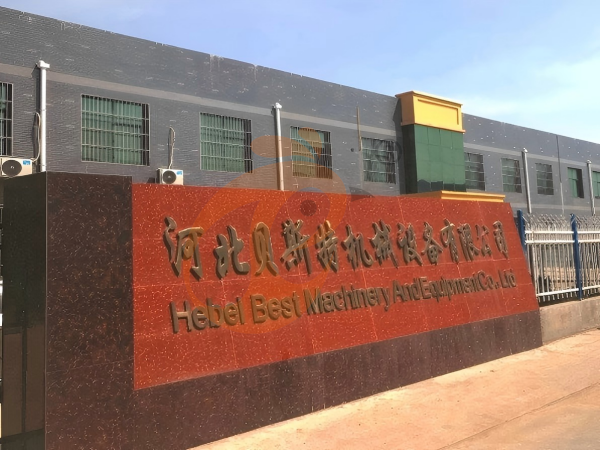
China Hebei Best Machinery And Equipment CO., LTD
Nigeria Vanke Machinery And Equipment CO., LTD
Tanzania Best Machinery And Equipment CO., LTD
Ethiopia Best Hebei Machinery Manufacturing PLC




Reception /24 WhatsApp NO. : +8618830120193
FAQ
How To Buy The Best Professional Poultry Cage Systems For ROI Optimization?
Include automatic feeding, drinking, egg collection, and manure cleaning systems.
Initial investment recovers in 24–36 months, ROI can increase 20–25%.
What Are The Advanced Techniques For Minimizing Feed Waste In Layer Cage Farms?
Implement zoned feeding to reduce competition and spillage.
Combined with lighting and temperature/humidity control, FCR can reach 1.9–2.1 while maintaining egg production at 90–98%.
How To Design A Layer Cage Farm For Optimal Airflow And Temperature?
24–48 birds per tier with balanced density to reduce stress and disease spread.
Install temperature/humidity monitoring and fan control systems to boost egg production to 90–98%.
- poultry farm
- chicken cage
- poultry farms
- poultry cage
- cage
- poultry farm equipment
- poultry farm construction
- poultry cage system
- chicken cage system
- chicken cage supplier
- poultry cage solution
- automatic drinking system
- chicken cages
- chickencage
- bestchickencage
- cage system
- cage systems
- Nigeria
- cage supplier
- poultry cage solutions
- poultry farm plan
- feed silo
- Ethiopia
Message
Products recommended
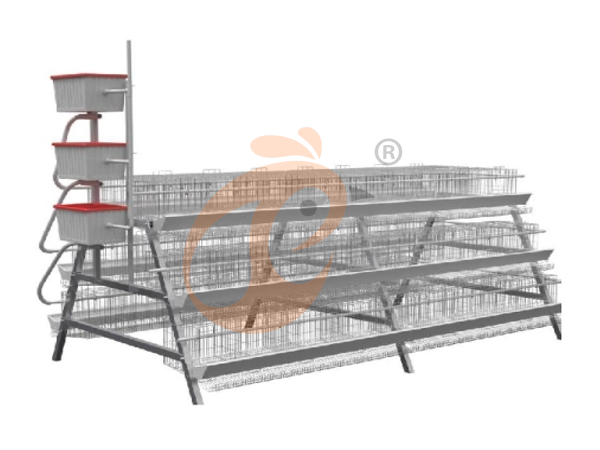
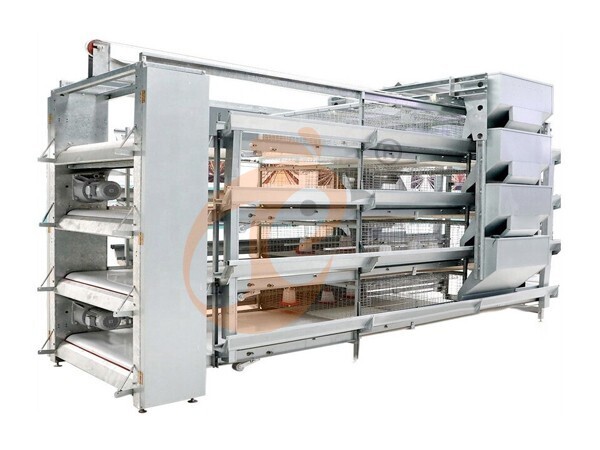
 >30,000 Pullets Automatic H Type Battery Cage1. More than 30,000 pullets a house, choose it.
2. It is designed to rearing older than 1 day old pullets to 12 to 16 weeks old chicken starting laying eggs.
3. Its lifespan is more than 25 years.
4. Its structure are Vcloud artificial intelligent fusion, electric control cabinet, automatic equipment of drinking, feeding, manure clean, manual harvesting.
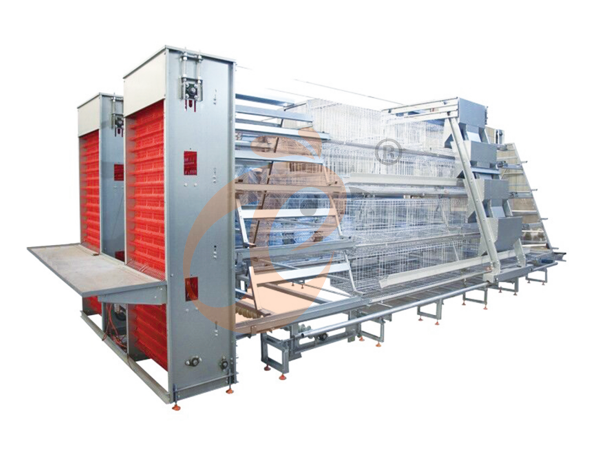
5. Our 24 hour online reception What’sApp NO. is +8618830120193 <30,000 Pullets Automatic A Type Battery Cage1. 10,000 to 30,000 pullets a house, choose it.
2. It is designed to rearing older than 1 day old pullets to 12 to 16 weeks old chicken starting laying eggs.
3. Its lifespan is more than 25 years.
4. Its structure are Vcloud artificial intelligent fusion, electric control cabinet, automatic equipment of drinking, feeding, manure clean, manual harvesting.
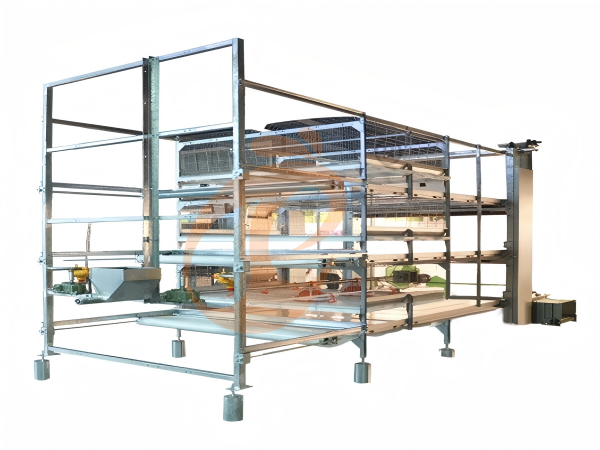
5. Our 24 hour online reception What’sApp NO. is +86 18830120193. >30,000 Broilers Semi-Automatic Harvest H Type Battery Cage1. More than 30,000 broilers a house, choose it.
2. It is designed to rearing 1 to 45 day old adult broiler ready for market.
3. Its lifespan is more than 20 years.
4. Our 24 hour online reception What’sApp NO. is +8618830120193, +234 8111199996. >30,000 Broilers Manual Harvest H Type Battery Cage1. More than 30,000 broilers a house, choose it.
2. It is designed to rearing 1 to 45 day old adult broiler ready for market.
3. Its lifespan is more than 20 years.
4. Its structure are Vcloud artificial intelligent fusion, electric control cabinet, automatic equipment of drinking, feeding and manure clean, manual harvesting.
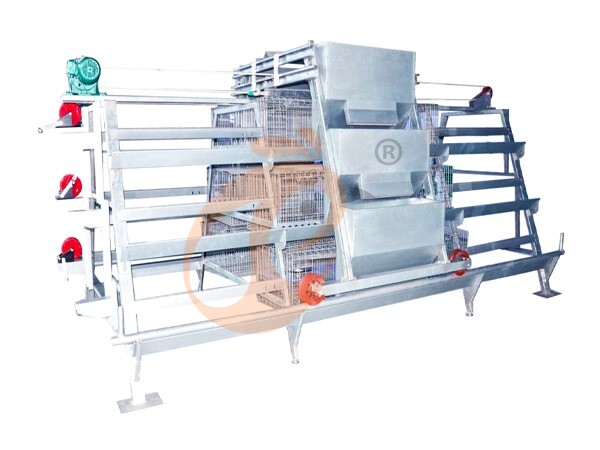
5. Our 24 hour online reception What’sApp NO. is +8618830120193, +234 8111199996. <30,000 Broilers Manual Harvest A Type Battery Cage1. Less 30,000 broilers a house, choose it.
2. It is designed to rearing 1 to 45 day old adult broiler ready for market.
3. Its lifespan is more than 20 years.
4. Its structure are Vcloud artificial intelligent fusion, electric control cabinet, automatic equipment of drinking, feeding and manure clean, manual harvesting.
5. Our 24 hour online reception What’sApp NO. is +8618830120193, +234 8111199996. HK Headquarter Offers EU-standard Poultry Farm Solutions, Manufacture Poultry Farm Equipment1. Continuous communication with the EU and the US
2. China, Nigeria, Ethiopia, Tanzania branch companies and factories
3. The products’ quality is customized for local poultry farms
4. Poultry cage and poultry farm equipment stock for sale
5. 24 online reception Whatsapp NO. : +8618830120193,contact us to get full information China Branch Offer Poultry Farm Business Plan, Manufacture Poultry Farm Equipment1. Address: Flat/RM 2416, 24/F, Runxing Building, Youyi Nan Street, Shijiazhuang City, Hebei Province, China
2. Poultry cage and poultry farm equipment factory and stock for sale
3. Customized for local poultry farms
4. Quality and design are based on Euro
5. 24 online reception Whatsapp NO. : +8618830120193 Nigeria Branch Offer Poultry Farm Business Plan, Manufacture Poultry Farm Equipment1. Address: After Sinoma Office, 200 Meters Near Danco Filling Station, Lagos/Ibadan Expressway, Lagos State, Nigeria
2. Poultry cage and poultry farm equipment factory and stock for sale
3. Customized for Nigerian poultry farms
4. Quality and design are based on Euro
5. 24 online reception Whatsapp NO. : +8618830120193 Ethiopia Branch Offer Poultry Farm Business Plan, Manufacture Poultry Farm Equipment1. Address: WR93+FQ2, Addis Ababa, Ethiopia
2. Poultry cage and poultry farm equipment stock for sale
3. Customized for Ethiopian poultry farms
4. Quality and design are based on Euro
5. 24 online reception Whatsapp NO. : +8618830120193, contact us to get price list Tanzania Branch Offer Poultry Farm Business Plan, Manufacture Poultry Farm Equipment1. Address: No.8, Sova Road, Msufini, Mlandizi, Kibaha, Pwani, Tanzania
2. Poultry cage and poultry farm equipment factory and stock for sale
3. Customized for Tanzanian poultry farms
4. Quality and design are based on Euro
5. 24 online reception Whatsapp NO. : +8618830120193


Contact
By clicking 'Allow All', you agree to the storage of cookies on your device to enhance site navigation, analyze site usage and assist with our marketing efforts.