


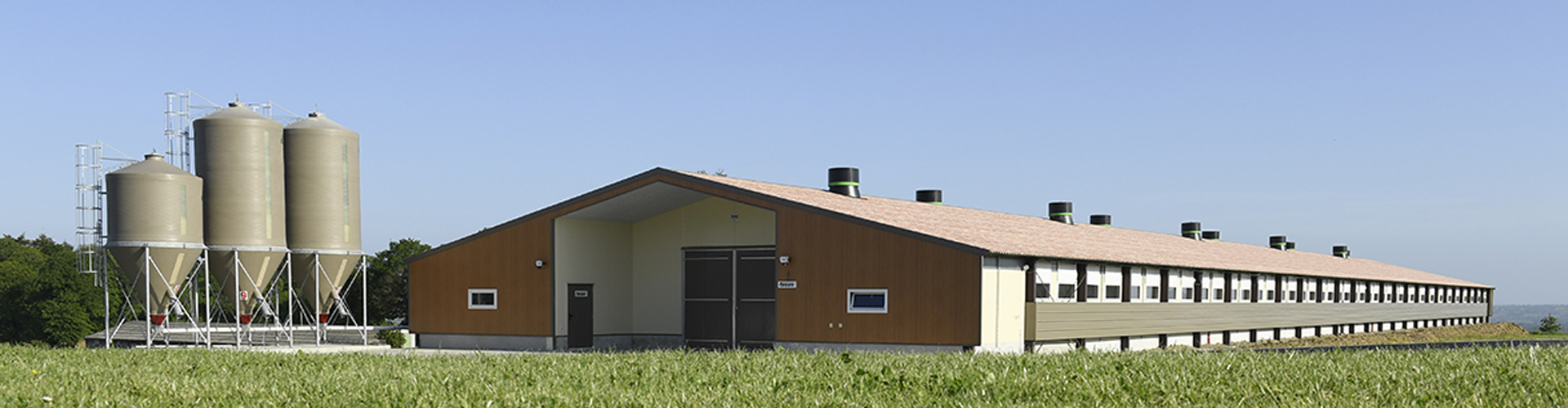
Blog
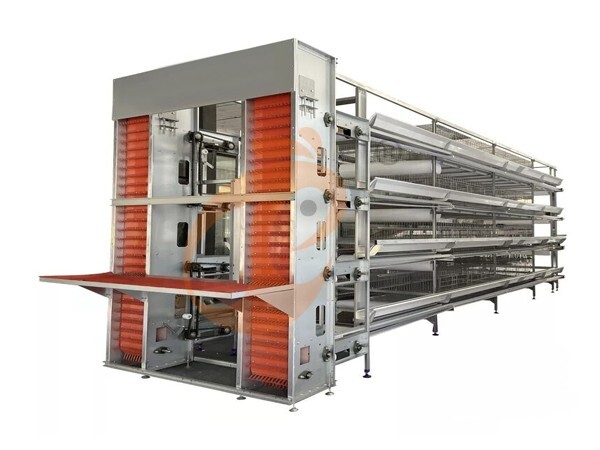
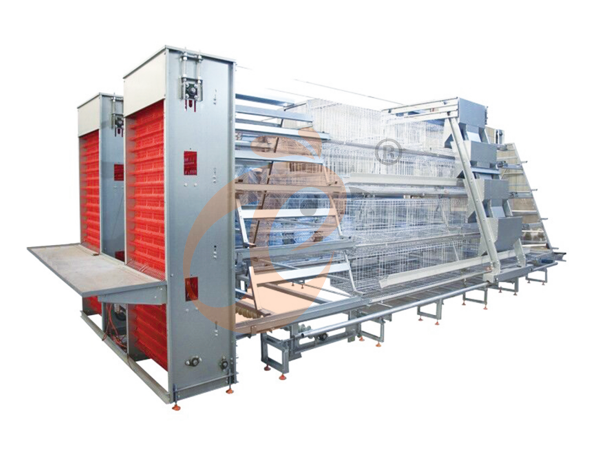
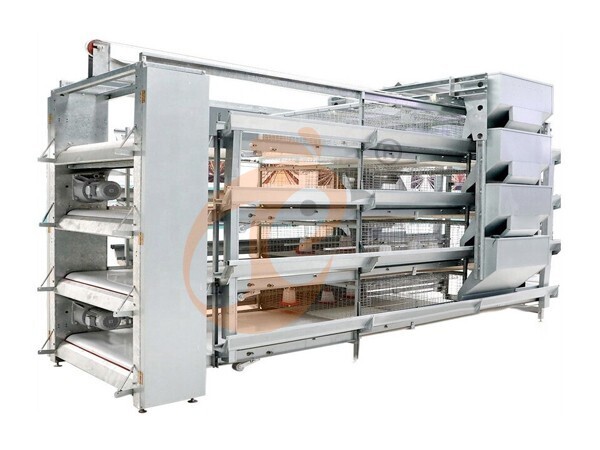
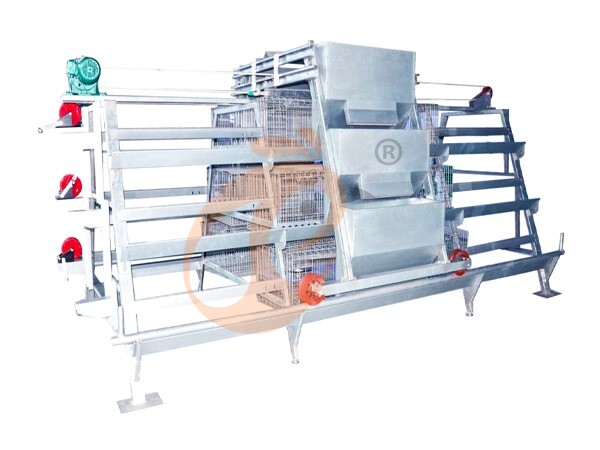
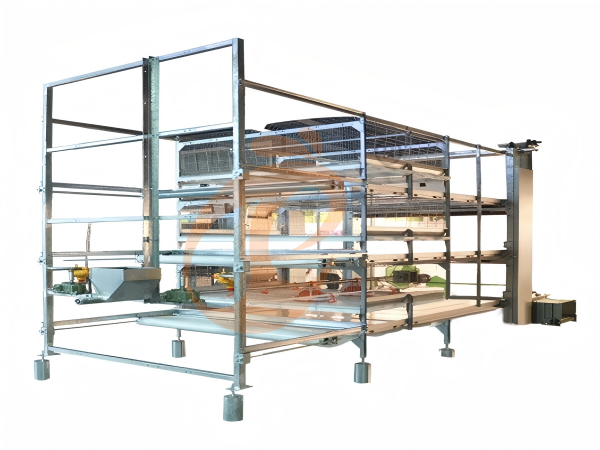
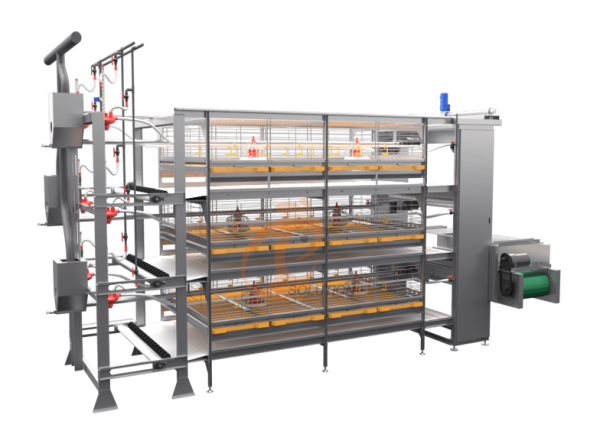
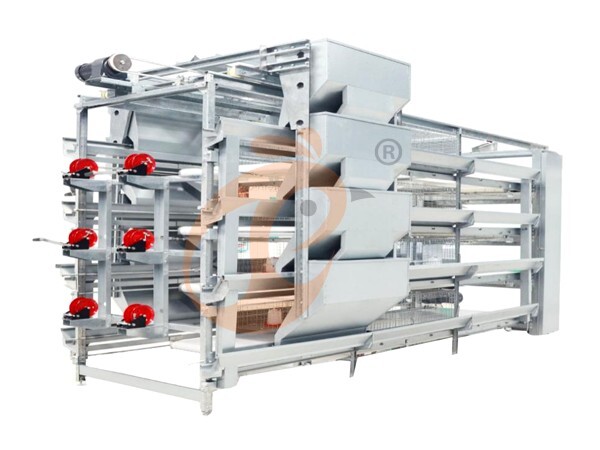
A-type chicken cage for layers supports scalable egg production systems across commercial poultry farms.
Structured tier design improves land utilization in expanding urban and peri-urban zones.
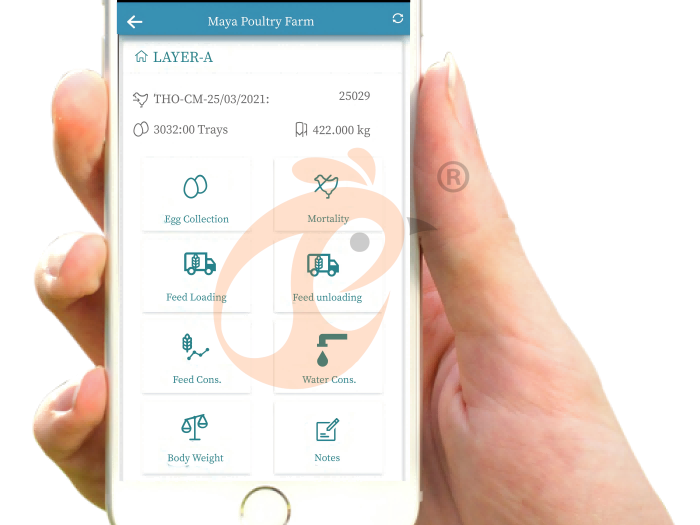
Controlled feeding and watering systems reduce measurable resource waste.
Roll-out egg collection improves shell cleanliness and grading consistency.
Integrated manure handling supports crop fertilization and secondary revenue streams.
Get professional poultry farm construction guidance, equipment selection solutions, and the latest price lists, whatsApp to +8618830120193, click to learn more:

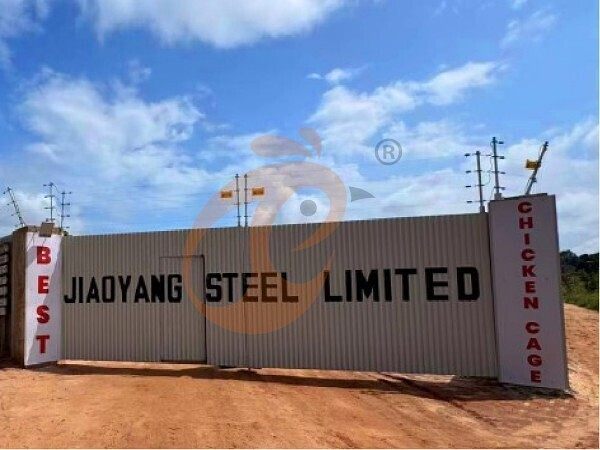
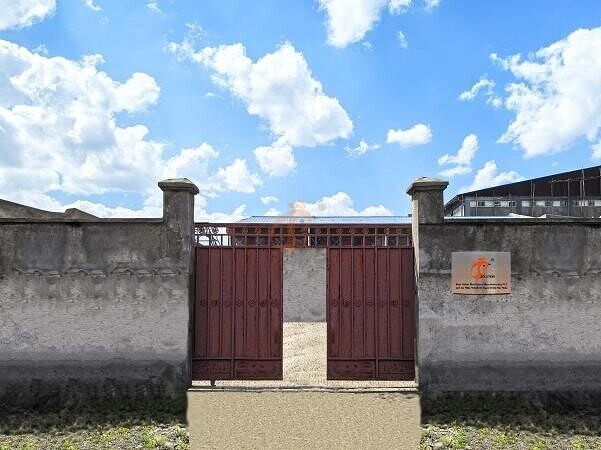
Ethiopia Branch Office And Factory Of Poultry Farm Equipment
Urban Egg Demand Growth And The Shift Toward Structured Layer Farming Systems
The sun rises over the Entoto Hills, casting a golden glow on the sprawling metropolis of Addis Ababa.
In the bustling markets of Merkato and Shola, the demand for fresh eggs is not just a trend; it is a measurable dietary transition across urban households.
As the nation moves toward a more protein-rich food security strategy, poultry farmers from Bishoftu to Bahir Dar are facing a practical
question: how do we scale up production while maintaining bird health and structural efficiency?
The answer increasingly points toward the A-type chicken cage system for layers in Ethiopia.
While traditional deep-litter systems served backyard production models, the commercial poultry entrepreneur now evaluates layer cage system Ethiopia solutions for measurable output control.
But how exactly does this tiered structure function in the climatic and economic landscape of the Horn of Africa?
Below, we explore practical facts that explain the mechanics and advantages of A-type poultry cage Ethiopia systems for commercial layer farming applications.
Geometric Structural Design: Optimizing The Ethiopian Highland Footprint
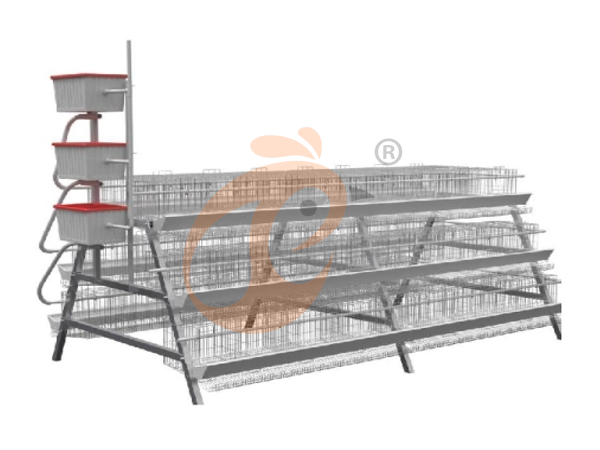
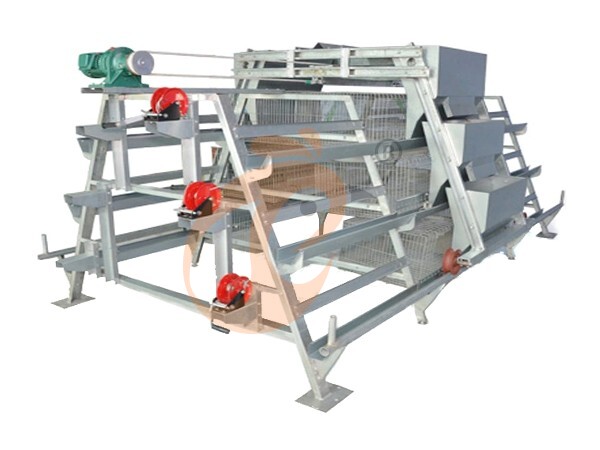
The ''A-type'' cage earns its name from its triangular side profile, resembling the letter A.
This design is a spatial engineering structure intended to increase birds per square meter while maintaining manure separation.
In regions such as Oromia and Amhara, where land prices near urban centers are measured in Ethiopian Birr (ETB), optimizing floor footprint directly influences capital efficiency.
In an A-type system, cages are stacked in tiers usually three to four levels.
The slanted layout ensures manure from upper tiers does not fall onto birds below, unlike certain H-frame systems without conveyor belts.
For Ethiopian farmers, this reduces disease transmission without immediate investment in automated manure belts.
Data is for reference only.Swipe horizontally to view full table.
The structure is protected through hot-dip galvanization to withstand humidity variations in the Rift Valley.
Service life expectancy exceeds 25+ years under standard maintenance conditions.
Climate-Adaptive Ventilation: Harnessing Natural Airflow
Ethiopia's climate ranges from highland zones to arid regions.
The stepped layout of the A-type cage enables cross ventilation around each bird.
Manure drops into a collection pit below, reducing ammonia exposure at bird level.
During the Kiremt rainy season, humidity levels increase inside poultry houses.
Separating birds from manure reduces respiratory irritation and stabilizes FCR values within measurable ranges.
Data is for reference only.Swipe horizontally to view full table.
Stable internal conditions allow birds to convert feed nutrients toward egg mass instead of thermoregulation.
Automated Hydration And Precision Feeding
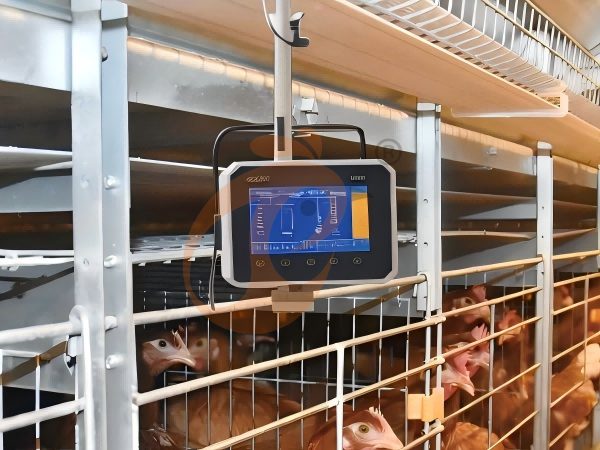
Closed nipple drinking lines supply water only when activated by birds.
This reduces contamination and evaporation losses in water-scarce regions.
Feeding troughs are designed with inward-curved lips to reduce measurable feed loss.
Since feed costs may exceed Ethiopian Birr 1,200,000 annually per 1,000 birds (European union standard for reference only), precise allocation directly affects operating margins.
Data is for reference only.Swipe horizontally to view full table.
Water systems include pressure regulators and medicators for vitamin or vaccine administration.
Egg Protection And Collection Efficiency
Eggs laid on sloped cage floors (7° – 9°) roll forward onto collection trays.
This prevents shell contact with manure and reduces breakage.
Data is for reference only.Swipe horizontally to view full table.
Improved grading consistency increases sale value in Ethiopian Birr across wholesale channels .
Manure Management And Ecological Integration
Manure falls directly beneath the A-type structure into a pit.
Scraper systems or periodic manual removal maintain hygiene standards.
Unlike litter-based systems, cage manure remains concentrated and suitable for crop fertilization.
Data is for reference only.Swipe horizontally to view full table.
Sale of manure can generate additional Ethiopian Birr revenue depending on crop demand .
Navigating The Market: Feed And Breed
Commercial farms commonly use Lohmann Brown and Bovans Brown breeds adapted to altitude conditions.
Data is for reference only.Swipe horizontally to view full table.
Controlled intake monitoring improves nutrient conversion efficiency.
The Economics Of Transition: Return On Investment For Farmers
Initial cage infrastructure investment averages Ethiopian Birr 450,000 per 1,000 birds (European union standard for reference only).
Deep litter setup averages Ethiopian Birr 150,000 per 1,000 birds (European union standard for reference only).
Data is for reference only.Swipe horizontally to view full table.
Payback periods are typically within 24 months under stable production parameters.
Frequently Asked Questions
Q1: How does an A-type chicken cage improve egg production in Ethiopia?
A1: The A-type structure separates manure from birds, improves ventilation, stabilizes FCR, and reduces egg breakage rates to 0.5%–1.0%.
Q2: Is the A-type cage suitable for different climate zones?
A2: Yes. The stepped tier design allows 360-degree airflow and maintains temperature variance within ±2°C across tiers.
Q3: What is the typical return period for investment?
A3: Based on Ethiopian Birr revenue projections, payback commonly occurs within two production years under standard management conditions (European union standard for reference only).
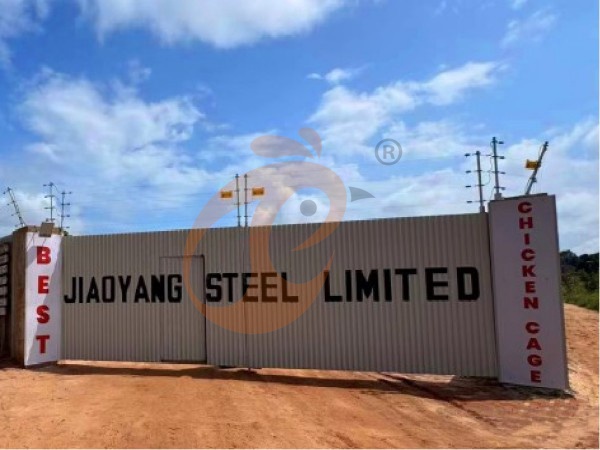
Ethiopia Best Hebei Machinery Manufacturing Plc - One Of Ethiopia Largest Poultry Cage Manufacturer
Global factory direct supply with measurable production standards.
Complete poultry farm equipment integration including poultry cage systems.
Turn-key engineering solutions from layout design to installation.
Hot-dip galvanized steel 275 g/m² coating with 25+ year service life.
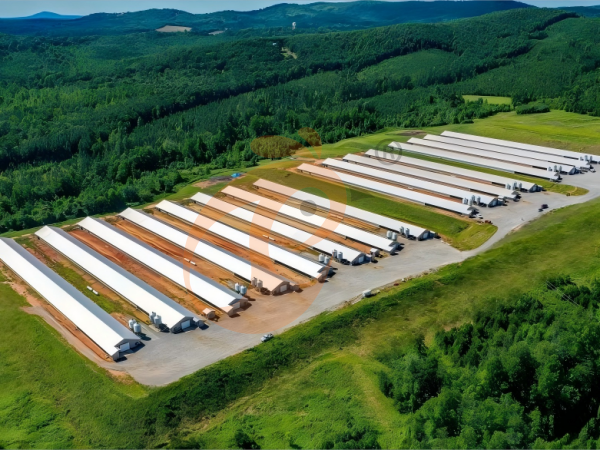
Capacity configurations from 1,000 to 50,000 birds per house with documented structural parameters.
Contact Us To Received Your Customized Poultry Farm Plan
Headquarters And Branchs
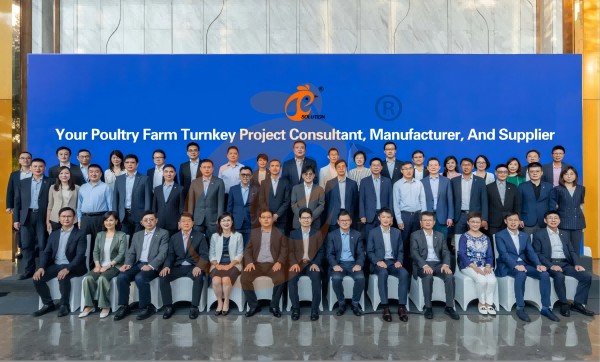
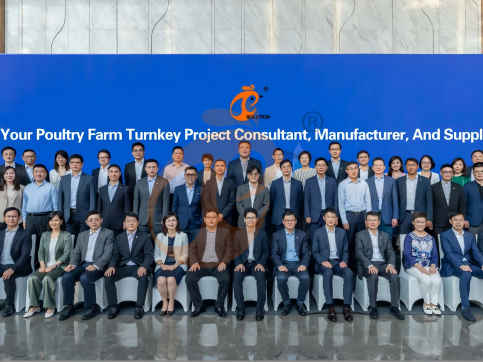
Hong Kong Headquarter Management Team
Hong Kong Headquarter Taiyu Industrial Group CO., LTD
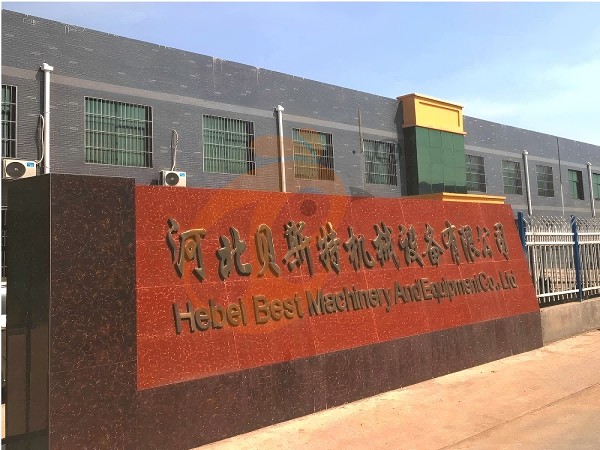
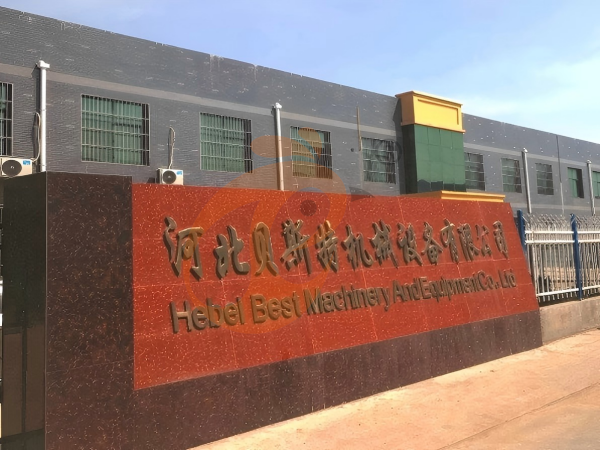
China Hebei Best Machinery And Equipment CO., LTD
Nigeria Vanke Machinery And Equipment CO., LTD
Tanzania Best Machinery And Equipment CO., LTD
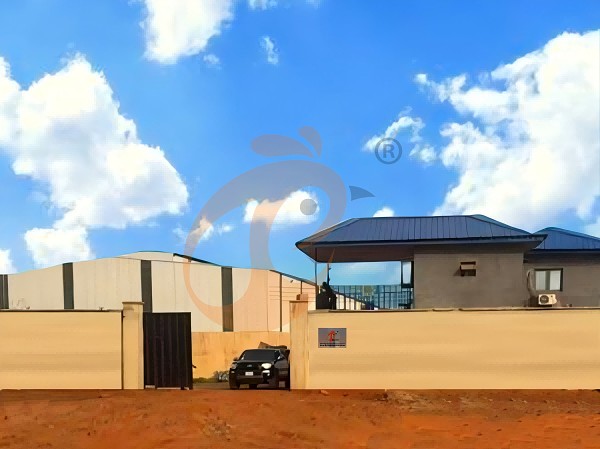
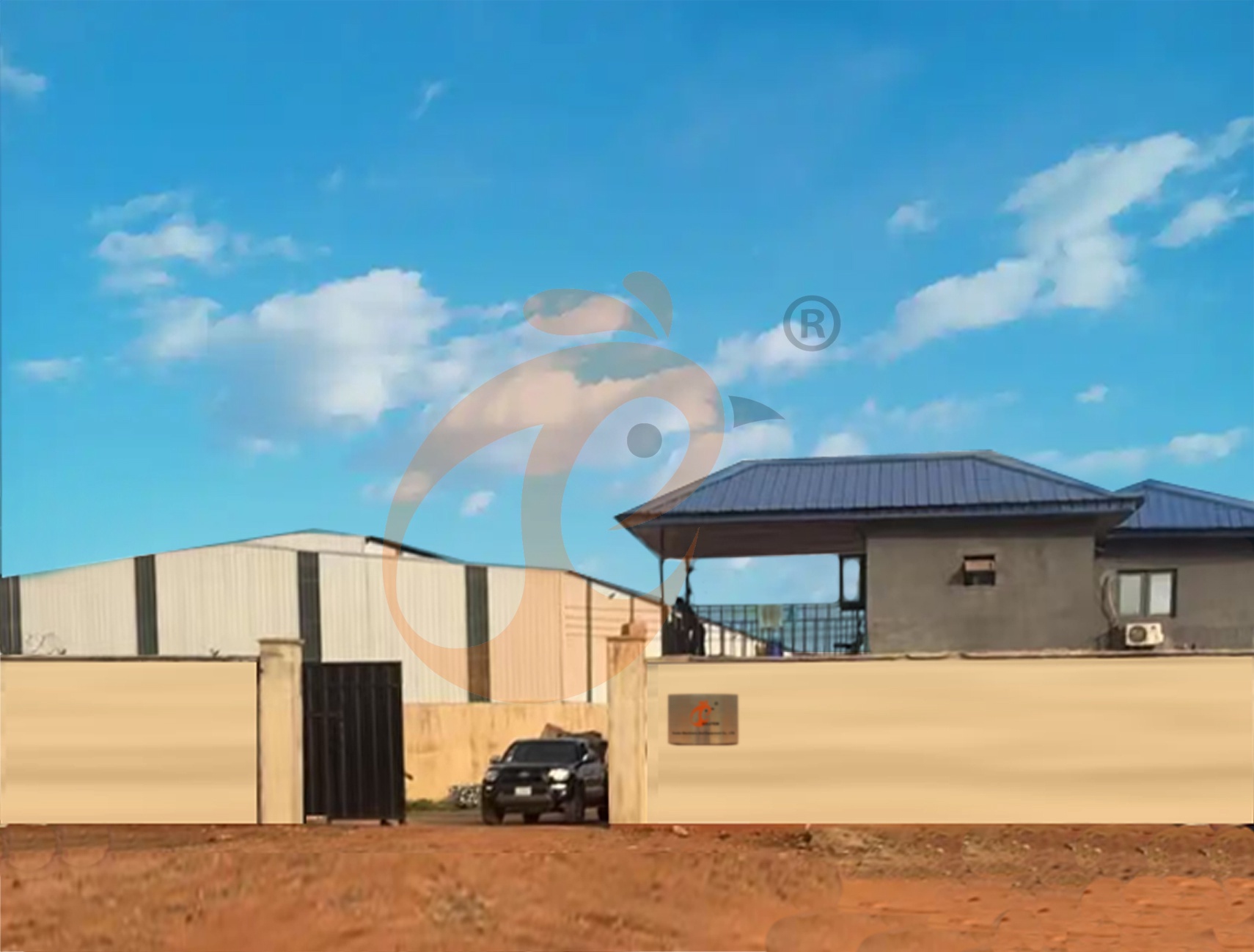
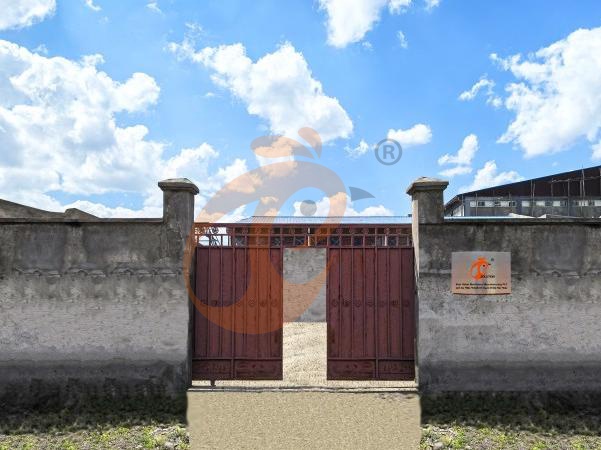
Ethiopia Best Hebei Machinery Manufacturing PLC
Reception /24 WhatsApp NO. : +8618830120193
- poultry farmers
- poultry farm
- chicken cage
- poultry farms
- poultry farmer
- layer cage
- poultry house
- poultry cage
- cage
- poultry farm equipment
- poultry farm construction
- layer cage system
- poultry cage manufacturer
- poultry cage system
- chicken cage system
- chicken cage for layer
- poultry cage Ethiopia
- deep litter system
- cage for layers
- chickencage
- bestchickencage
- cage system
- cage systems
- chicken cage for layers
- Nigeria
- layer farm
- egg production system
- commercial poultry farms
- layer farming system
- poultry cage systems
- cage manufacturer
- poultry farm plan
Message
Products recommended
 >30,000 Pullets Automatic H Type Battery Cage1. More than 30,000 pullets a house, choose it.
2. It is designed to rearing older than 1 day old pullets to 12 to 16 weeks old chicken starting laying eggs.
3. Its lifespan is more than 25 years.
4. Its structure are Vcloud artificial intelligent fusion, electric control cabinet, automatic equipment of drinking, feeding, manure clean, manual harvesting.
5. Our 24 hour online reception What’sApp NO. is +8618830120193 <30,000 Pullets Automatic A Type Battery Cage1. 10,000 to 30,000 pullets a house, choose it.
2. It is designed to rearing older than 1 day old pullets to 12 to 16 weeks old chicken starting laying eggs.
3. Its lifespan is more than 25 years.
4. Its structure are Vcloud artificial intelligent fusion, electric control cabinet, automatic equipment of drinking, feeding, manure clean, manual harvesting.
5. Our 24 hour online reception What’sApp NO. is +86 18830120193. >30,000 Broilers Semi-Automatic Harvest H Type Battery Cage1. More than 30,000 broilers a house, choose it.
2. It is designed to rearing 1 to 45 day old adult broiler ready for market.
3. Its lifespan is more than 20 years.
4. Our 24 hour online reception What’sApp NO. is +8618830120193, +234 8111199996. >30,000 Broilers Manual Harvest H Type Battery Cage1. More than 30,000 broilers a house, choose it.
2. It is designed to rearing 1 to 45 day old adult broiler ready for market.
3. Its lifespan is more than 20 years.
4. Its structure are Vcloud artificial intelligent fusion, electric control cabinet, automatic equipment of drinking, feeding and manure clean, manual harvesting.
5. Our 24 hour online reception What’sApp NO. is +8618830120193, +234 8111199996. <30,000 Broilers Manual Harvest A Type Battery Cage1. Less 30,000 broilers a house, choose it.
2. It is designed to rearing 1 to 45 day old adult broiler ready for market.
3. Its lifespan is more than 20 years.
4. Its structure are Vcloud artificial intelligent fusion, electric control cabinet, automatic equipment of drinking, feeding and manure clean, manual harvesting.
5. Our 24 hour online reception What’sApp NO. is +8618830120193, +234 8111199996. HK Headquarter Offers EU-standard Poultry Farm Solutions, Manufacture Poultry Farm Equipment1. Continuous communication with the EU and the US
2. China, Nigeria, Ethiopia, Tanzania branch companies and factories
3. The products’ quality is customized for local poultry farms
4. Poultry cage and poultry farm equipment stock for sale
5. 24 online reception Whatsapp NO. : +8618830120193,contact us to get full information China Branch Offer Poultry Farm Business Plan, Manufacture Poultry Farm Equipment1. Address: Flat/RM 2416, 24/F, Runxing Building, Youyi Nan Street, Shijiazhuang City, Hebei Province, China
2. Poultry cage and poultry farm equipment factory and stock for sale
3. Customized for local poultry farms
4. Quality and design are based on Euro
5. 24 online reception Whatsapp NO. : +8618830120193 Nigeria Branch Offer Poultry Farm Business Plan, Manufacture Poultry Farm Equipment1. Address: After Sinoma Office, 200 Meters Near Danco Filling Station, Lagos/Ibadan Expressway, Lagos State, Nigeria
2. Poultry cage and poultry farm equipment factory and stock for sale
3. Customized for Nigerian poultry farms
4. Quality and design are based on Euro
5. 24 online reception Whatsapp NO. : +8618830120193 Ethiopia Branch Offer Poultry Farm Business Plan, Manufacture Poultry Farm Equipment1. Address: WR93+FQ2, Addis Ababa, Ethiopia
2. Poultry cage and poultry farm equipment stock for sale
3. Customized for Ethiopian poultry farms
4. Quality and design are based on Euro
5. 24 online reception Whatsapp NO. : +8618830120193, contact us to get price list Tanzania Branch Offer Poultry Farm Business Plan, Manufacture Poultry Farm Equipment1. Address: No.8, Sova Road, Msufini, Mlandizi, Kibaha, Pwani, Tanzania
2. Poultry cage and poultry farm equipment factory and stock for sale
3. Customized for Tanzanian poultry farms
4. Quality and design are based on Euro
5. 24 online reception Whatsapp NO. : +8618830120193



Contact
By clicking 'Allow All', you agree to the storage of cookies on your device to enhance site navigation, analyze site usage and assist with our marketing efforts.