


Blog
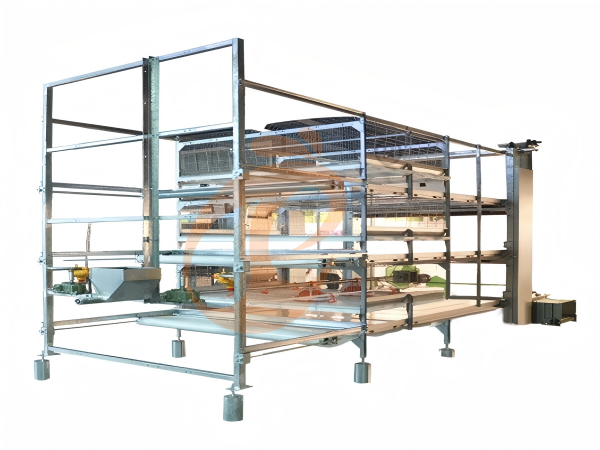
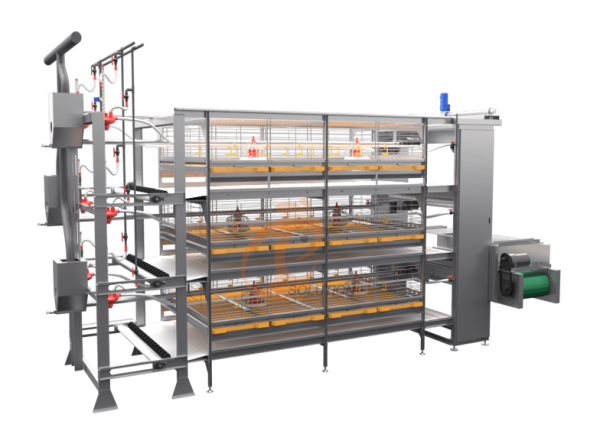
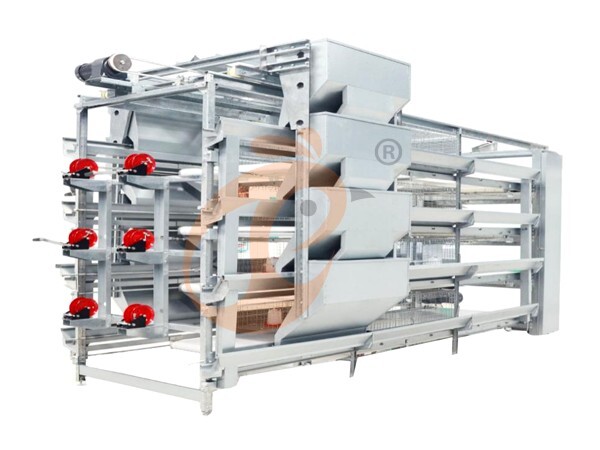
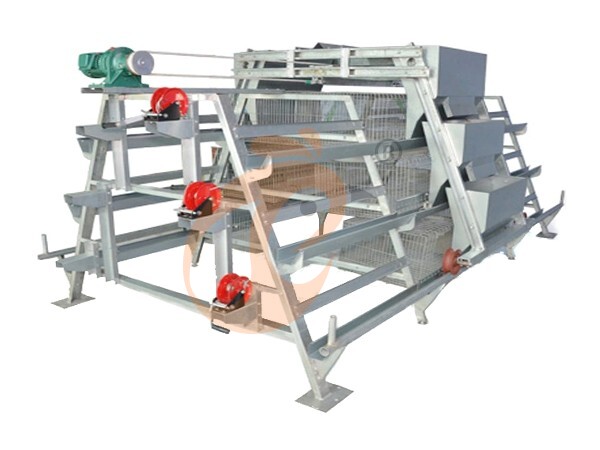
A type poultry chicken cage system supports structured layer farming modernization across Ethiopia’s expanding commercial poultry sector.
Rising urban egg consumption in Addis Ababa drives demand for efficient housing systems.
Feed cost pressure across Oromia Region and Amhara Region increases the need for precise feed management.
Land constraints in Adama and Hawassa require vertical production planning.
Investors seek scalable poultry cage solutions with measurable technical parameters.
Get professional poultry farm construction guidance, equipment selection solutions, and the latest price lists, whatsApp to +8618830120193, click to learn more:

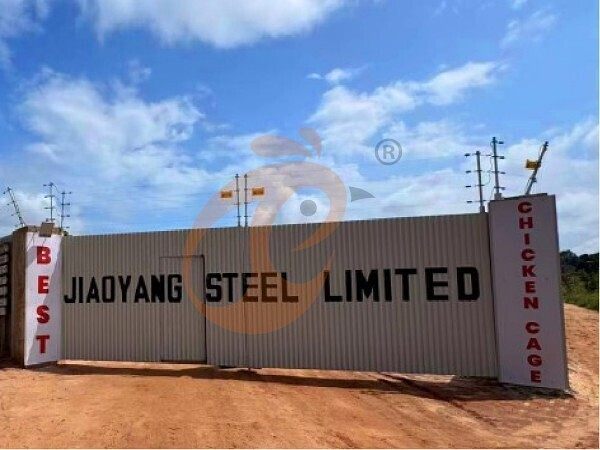
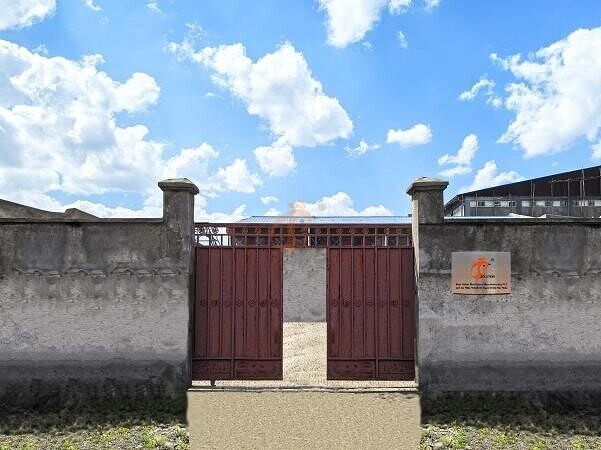
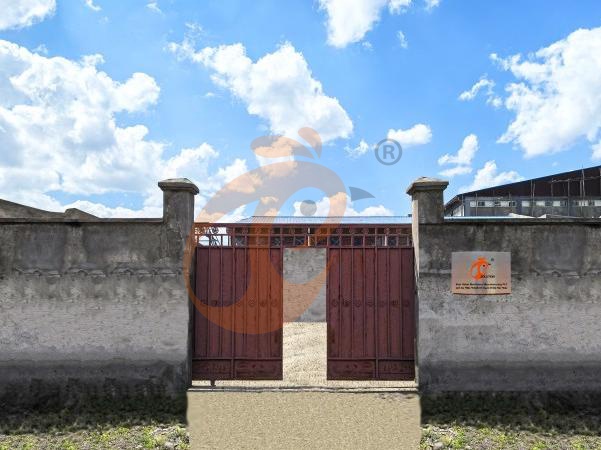
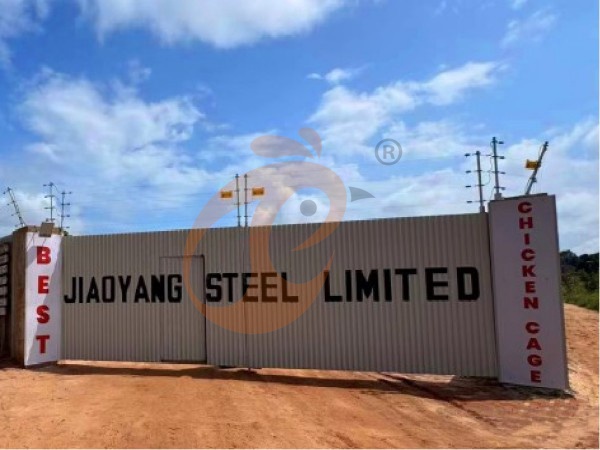
Ethiopia Branch Office And Factory Of Poultry Farm Equipment
Ethiopia Poultry Industry Modernization Background
Ethiopia’s poultry sector is entering a new stage of modernization.
From small family farms in Addis Ababa to expanding layer operations in Hawassa, Bahir Dar, and Dire Dawa, egg demand continues to rise due to population growth, urbanization, and government-led agricultural transformation programs.
However, Ethiopian poultry farmers still face structural challenges: fluctuating feed costs, limited housing space, biosecurity pressure, labor constraints, and inconsistent egg quality.
Many farms operate under semi-intensive floor systems that increase mortality, feed wastage, and disease exposure.
Against this backdrop, the A-type poultry cage system has become one of the most practical and scalable poultry farm equipment solutions for Ethiopian layer farms.
This article explains six proven benefits of A-type cage systems, supported by structured farm data and local production realities, helping Ethiopian investors and poultry managers make informed decisions.
Optimized Space Utilization For Ethiopian Land Constraints
Land cost in peri-urban zones such as Addis Ababa and Adama has increased steadily.
Many commercial poultry investors operate within compound areas between 500 m² and 2,000 m².
The A-type poultry cage structure uses vertical space efficiently while maintaining structural simplicity.
Compared to deep litter systems, it increases bird capacity per square meter without requiring complex steel frameworks.
Data is for reference only.Swipe horizontally to view full table.
For Ethiopian farms operating on leased land or urban-edge compounds, this means more production within the same footprint.
Improved Feed Efficiency In A Rising Cost Environment
Feed represents 65%–75% of total production cost in Ethiopia.
Corn and soybean meal prices fluctuate seasonally due to supply chain dependency from Oromia and Amhara.
A-type cage systems reduce feed wastage by controlling feeding trough depth and bird access angle.
Data is for reference only.Swipe horizontally to view full table.
Over a 10,000-layer farm cycle, a 5–7 g reduction per bird per day translates into measurable annual feed savings.
For example, if compound feed costs 22 Ethiopian Birr per kg (European union reference standard for comparison only), reducing 6 g per bird per day across 10,000 birds equals 60 kg daily feed savings, equivalent to 1,320 Ethiopian Birr per day (European union reference standard for comparison only).
This directly addresses one of Ethiopia's core poultry production constraints: feed cost volatility.
Better Egg Cleanliness And Market Acceptance
Urban markets in Addis Ababa and Bahir Dar increasingly require standardized egg grading and packaging.
Hotels, supermarkets, and institutional buyers expect uniform shell quality and reduced contamination.
Egg rolling design in A-type poultry cage systems ensures automatic egg collection to front trays, minimizing breakage and contamination.
Data is for reference only.Swipe horizontally to view full table.
Improved egg appearance enhances market competitiveness and contract supply opportunities.
Reduced Disease Transmission In Tropical Conditions
Ethiopia's climate ranges from highland temperate zones to warmer lowlands.
In areas such as Hawassa and Dire Dawa, temperature and humidity increase pathogen pressure.
A-type poultry cage systems separate birds from manure, reducing direct pathogen exposure.
Data is for reference only.Swipe horizontally to view full table.
Lower mortality improves overall flock productivity and capital return cycles.
Labor Efficiency For Growing Commercial Farms
Urban labor costs in Addis Ababa continue to increase annually.
Managing 10,000 layers manually requires structured workflow and supervision.
A-type poultry cage systems simplify feeding, egg collection, inspection, and manure handling.
Data is for reference only.Swipe horizontally to view full table.
Reducing four to six workers at an average salary of 4,500 Ethiopian Birr per month equals annual savings of 216,000–324,000 Ethiopian Birr (European union reference standard for comparison only).
Scalable Investment Structure For Ethiopian Expansion
Many Ethiopian poultry entrepreneurs begin with 2,000–5,000 layers and expand gradually.
A-type poultry cage systems are modular and compatible with phased capacity upgrades.
Data is for reference only.Swipe horizontally to view full table.
The equipment investment difference of 540,000 Ethiopian Birr (European union reference standard for comparison only) is typically offset within production cycles through feed savings and labor optimization.
Manure Management And Organic Fertilizer Opportunity
Ethiopia's crop-livestock integration allows poultry manure to be sold to vegetable growers in Oromia and surrounding agricultural belts.
A-type poultry cage systems enable structured manure collection with lower moisture content.
Data is for reference only.Swipe horizontally to view full table.
Drier manure improves transport efficiency and resale pricing stability.
Technical Parameters Of A Standard A-Type Poultry Cage
Data is for reference only.Swipe horizontally to view full table.
These parameters align with Ethiopian mid-scale layer operations targeting predictable production performance.
Frequently Asked Questions
Q1: Why is A-type poultry cage suitable for Ethiopian farms?
A1: A-type poultry cage systems optimize land usage, reduce feed wastage, and lower mortality rates under Ethiopia's climate conditions, making them compatible with local operational realities.
Q2: How long does it take to recover investment in an A-type poultry cage system?
A2: Based on feed savings of approximately 1,320 Ethiopian Birr per day and labor savings above 216,000 Ethiopian Birr annually (European union reference standard for comparison only), many farms observe capital recovery within structured production cycles depending
on flock size.
Q3: Can A-type poultry cage systems be expanded later?
A3: Yes, the modular structure allows additional rows or tiers to be installed within the same poultry house framework as production demand increases.
Ethiopia Best Hebei Machinery Manufacturing Plc - One Of Ethiopia Largest Poultry Cage Manufacturer
Global factory direct supply with standardized poultry farm equipment production lines exceeding 50,000 sets annually.
Specialized in poultry cage and integrated A-type poultry cage systems with zinc coating 80–120 g/m² and service life 10–15 years.
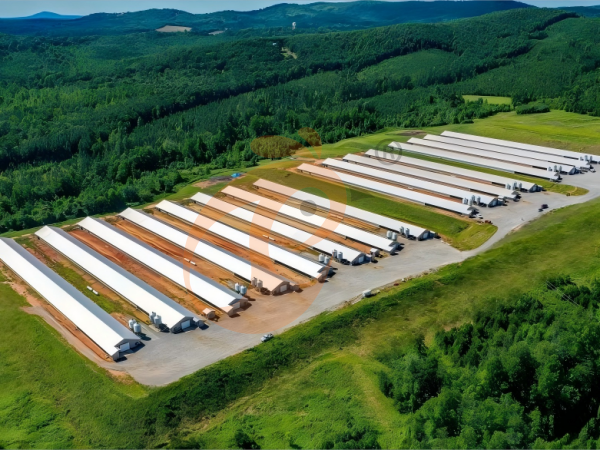
Professional Turn-key engineering including poultry house layout design, ventilation calculation, and capacity planning up to 30,000 birds per building.
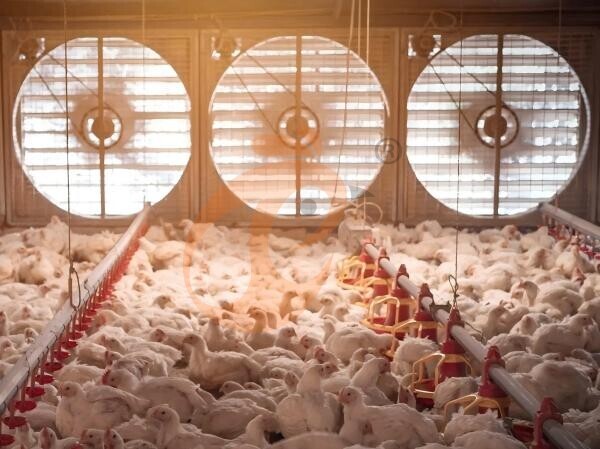
Complete poultry farm equipment configuration including feeding system, drinking system, manure removal system, and egg collection structure.
Technical installation guidance, production training support, and structured after-sales service tailored for Ethiopian poultry investors.
Contact Us To Received Your Customized Poultry Farm Plan
Headquarters And Branchs
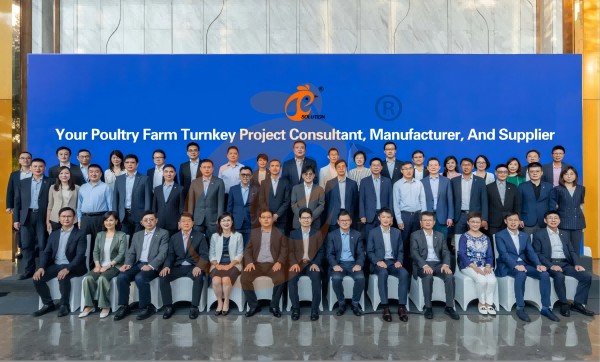
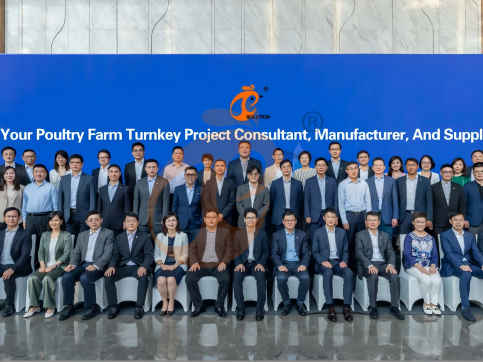
Hong Kong Headquarter Management Team
Hong Kong Headquarter Taiyu Industrial Group CO., LTD
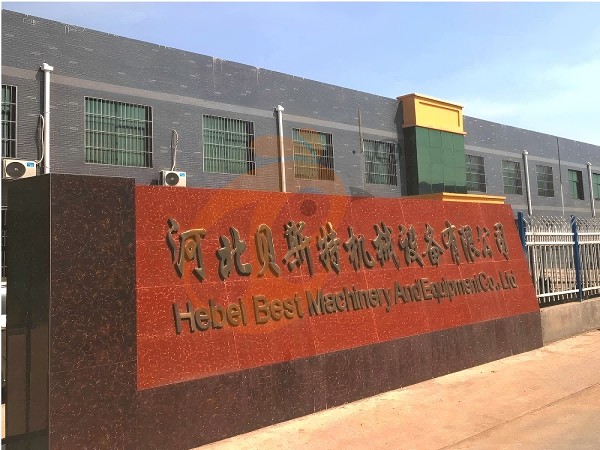
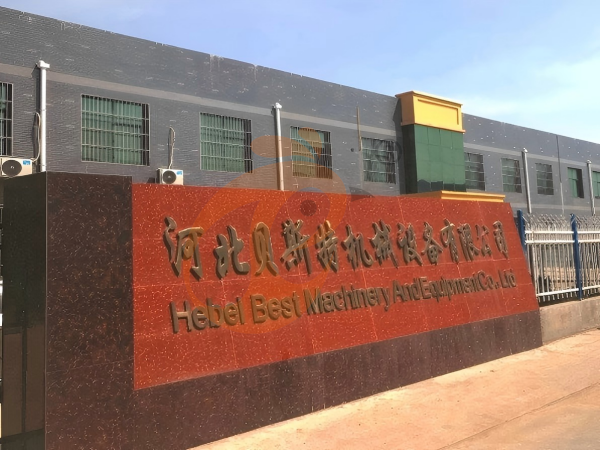
China Hebei Best Machinery And Equipment CO., LTD
Nigeria Vanke Machinery And Equipment CO., LTD
Tanzania Best Machinery And Equipment CO., LTD
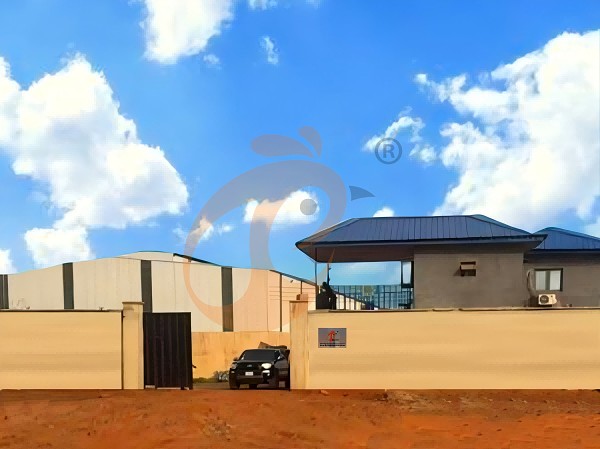
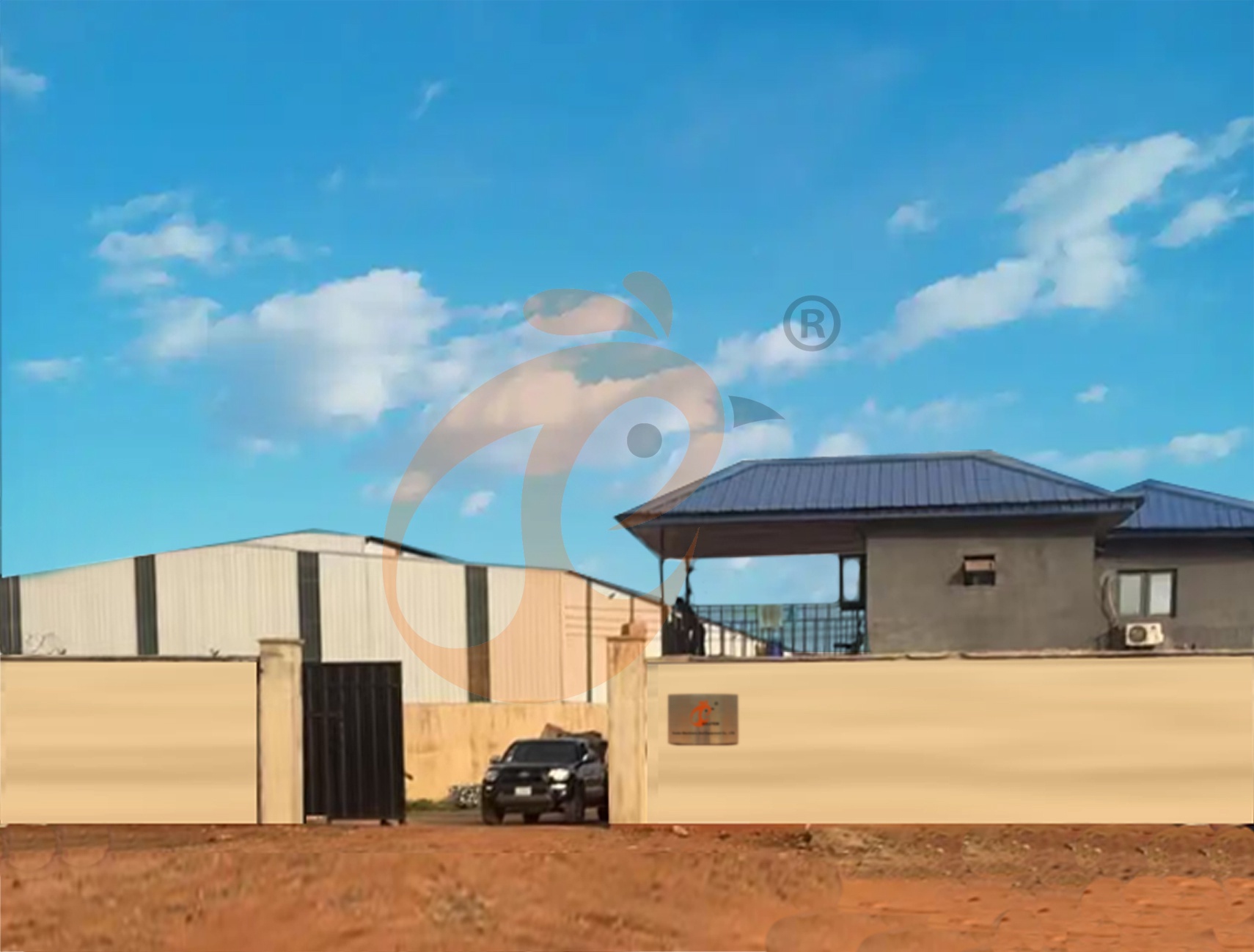
Ethiopia Best Hebei Machinery Manufacturing PLC
Reception /24 WhatsApp NO. : +8618830120193
- poultry farmers
- poultry farm
- chicken cage
- poultry farmer
- poultry house
- poultry cage
- cage
- poultry farm equipment
- poultry farm construction
- poultry cage manufacturer
- poultry cage system
- chicken cage system
- poultry house layout
- poultry cage solution
- poultry cage structure
- deep litter system
- manure removal system
- poultry chicken cage
- chickencage
- bestchickencage
- cage system
- cage systems
- Nigeria
- layer farm
- poultry cage systems
- cage manufacturer
- poultry cage solutions
- automatic egg collection
- poultry house layout design
- poultry farm plan
Message
Products recommended
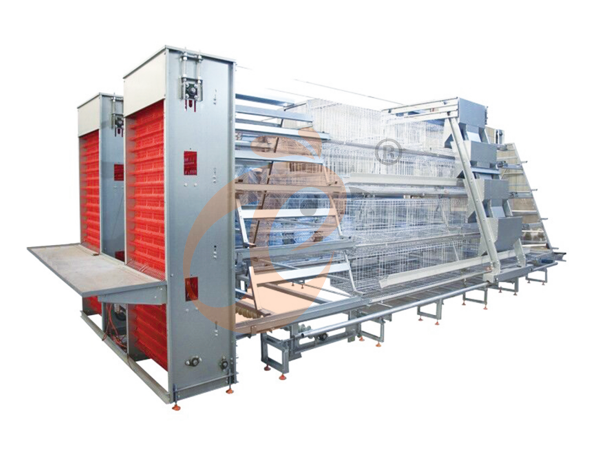
 >30,000 Pullets Automatic H Type Battery Cage1. More than 30,000 pullets a house, choose it.
2. It is designed to rearing older than 1 day old pullets to 12 to 16 weeks old chicken starting laying eggs.
3. Its lifespan is more than 25 years.
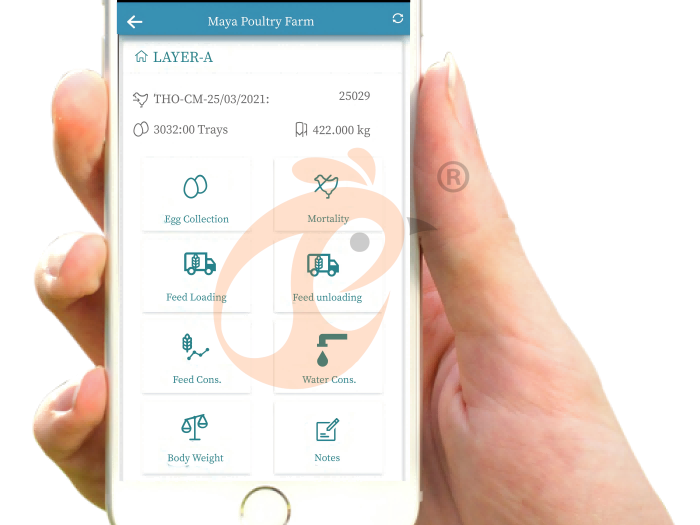
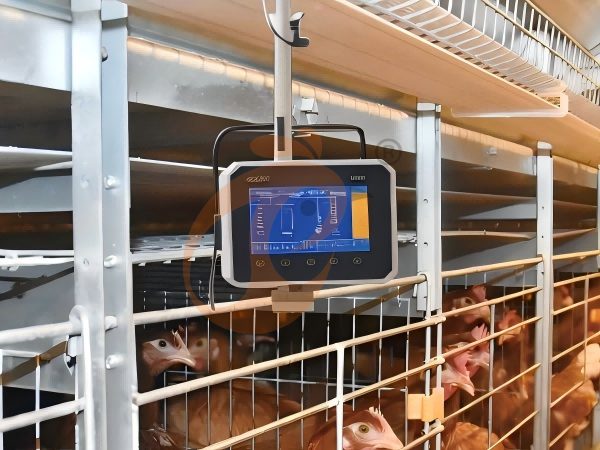
4. Its structure are Vcloud artificial intelligent fusion, electric control cabinet, automatic equipment of drinking, feeding, manure clean, manual harvesting.
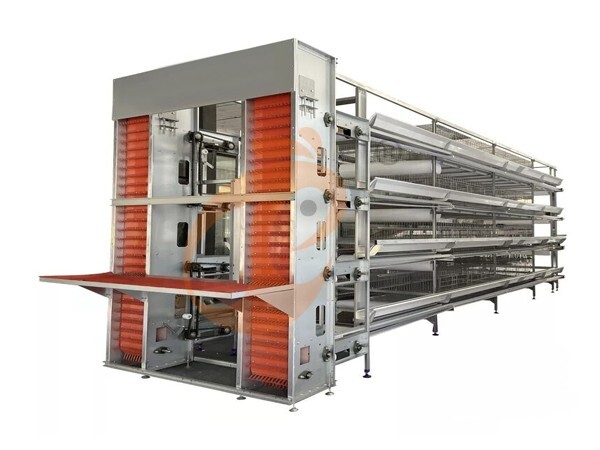
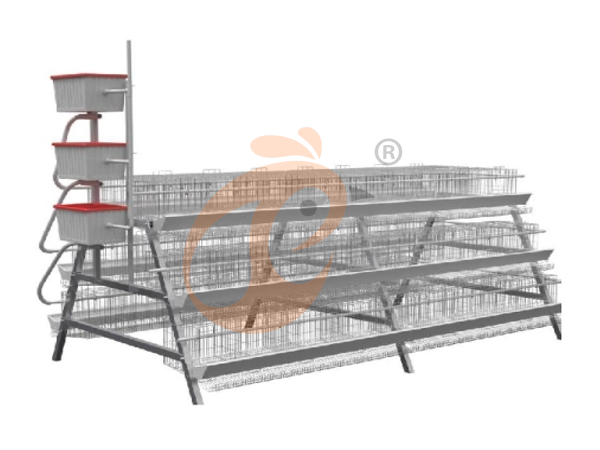
5. Our 24 hour online reception What’sApp NO. is +8618830120193 <30,000 Pullets Automatic A Type Battery Cage1. 10,000 to 30,000 pullets a house, choose it.
2. It is designed to rearing older than 1 day old pullets to 12 to 16 weeks old chicken starting laying eggs.
3. Its lifespan is more than 25 years.
4. Its structure are Vcloud artificial intelligent fusion, electric control cabinet, automatic equipment of drinking, feeding, manure clean, manual harvesting.
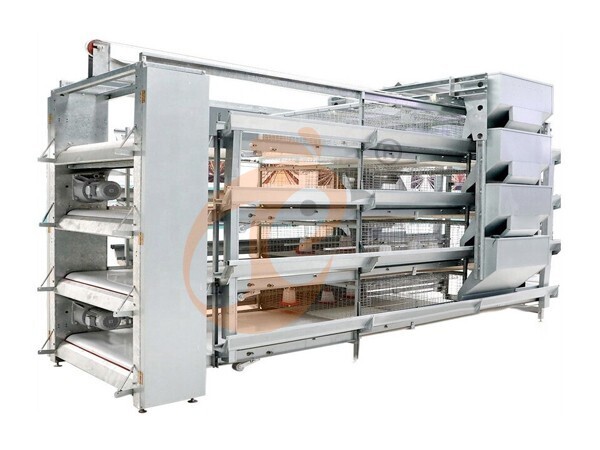
5. Our 24 hour online reception What’sApp NO. is +86 18830120193. >30,000 Broilers Semi-Automatic Harvest H Type Battery Cage1. More than 30,000 broilers a house, choose it.
2. It is designed to rearing 1 to 45 day old adult broiler ready for market.
3. Its lifespan is more than 20 years.
4. Our 24 hour online reception What’sApp NO. is +8618830120193, +234 8111199996. >30,000 Broilers Manual Harvest H Type Battery Cage1. More than 30,000 broilers a house, choose it.
2. It is designed to rearing 1 to 45 day old adult broiler ready for market.
3. Its lifespan is more than 20 years.
4. Its structure are Vcloud artificial intelligent fusion, electric control cabinet, automatic equipment of drinking, feeding and manure clean, manual harvesting.
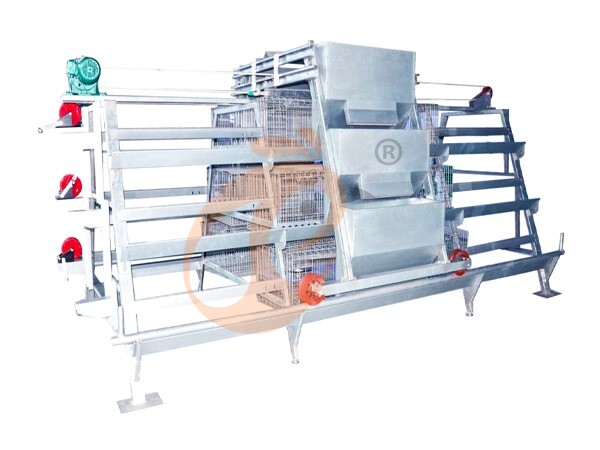
5. Our 24 hour online reception What’sApp NO. is +8618830120193, +234 8111199996. <30,000 Broilers Manual Harvest A Type Battery Cage1. Less 30,000 broilers a house, choose it.
2. It is designed to rearing 1 to 45 day old adult broiler ready for market.
3. Its lifespan is more than 20 years.
4. Its structure are Vcloud artificial intelligent fusion, electric control cabinet, automatic equipment of drinking, feeding and manure clean, manual harvesting.
5. Our 24 hour online reception What’sApp NO. is +8618830120193, +234 8111199996. HK Headquarter Offers EU-standard Poultry Farm Solutions, Manufacture Poultry Farm Equipment1. Continuous communication with the EU and the US
2. China, Nigeria, Ethiopia, Tanzania branch companies and factories
3. The products’ quality is customized for local poultry farms
4. Poultry cage and poultry farm equipment stock for sale
5. 24 online reception Whatsapp NO. : +8618830120193,contact us to get full information China Branch Offer Poultry Farm Business Plan, Manufacture Poultry Farm Equipment1. Address: Flat/RM 2416, 24/F, Runxing Building, Youyi Nan Street, Shijiazhuang City, Hebei Province, China
2. Poultry cage and poultry farm equipment factory and stock for sale
3. Customized for local poultry farms
4. Quality and design are based on Euro
5. 24 online reception Whatsapp NO. : +8618830120193 Nigeria Branch Offer Poultry Farm Business Plan, Manufacture Poultry Farm Equipment1. Address: After Sinoma Office, 200 Meters Near Danco Filling Station, Lagos/Ibadan Expressway, Lagos State, Nigeria
2. Poultry cage and poultry farm equipment factory and stock for sale
3. Customized for Nigerian poultry farms
4. Quality and design are based on Euro
5. 24 online reception Whatsapp NO. : +8618830120193 Ethiopia Branch Offer Poultry Farm Business Plan, Manufacture Poultry Farm Equipment1. Address: WR93+FQ2, Addis Ababa, Ethiopia
2. Poultry cage and poultry farm equipment stock for sale
3. Customized for Ethiopian poultry farms
4. Quality and design are based on Euro
5. 24 online reception Whatsapp NO. : +8618830120193, contact us to get price list Tanzania Branch Offer Poultry Farm Business Plan, Manufacture Poultry Farm Equipment1. Address: No.8, Sova Road, Msufini, Mlandizi, Kibaha, Pwani, Tanzania
2. Poultry cage and poultry farm equipment factory and stock for sale
3. Customized for Tanzanian poultry farms
4. Quality and design are based on Euro
5. 24 online reception Whatsapp NO. : +8618830120193



Contact
By clicking 'Allow All', you agree to the storage of cookies on your device to enhance site navigation, analyze site usage and assist with our marketing efforts.