


Blog
A-type chicken cage installation in Ethiopia helps farmers improve egg collection efficiency and reduce feed waste through organized poultry cage structures.
Proper poultry cage installation requires accurate foundations, correct cage alignment, and reliable water systems to maintain stable egg production performance.
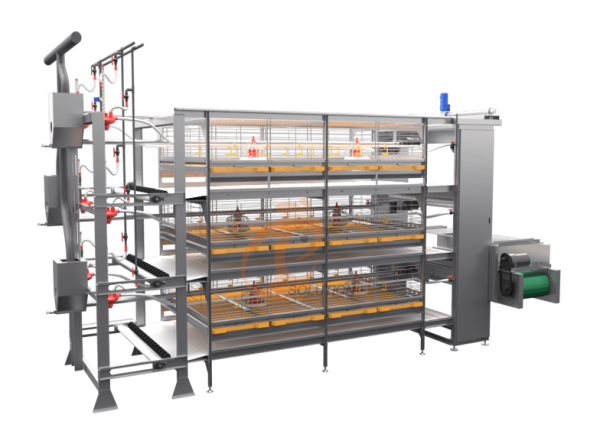
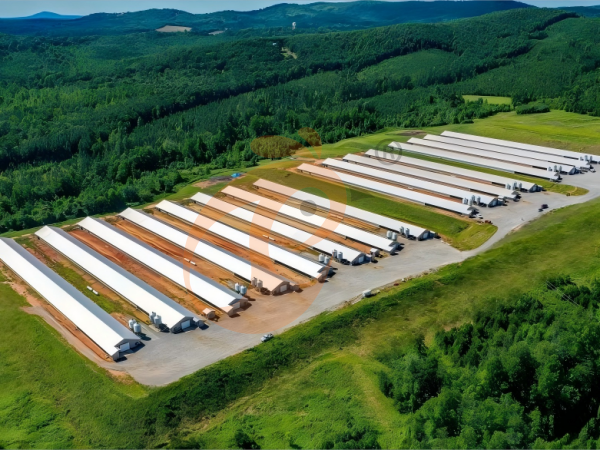
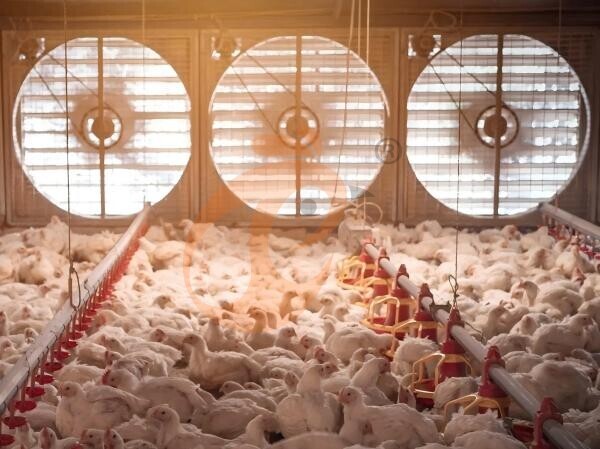
Modern poultry farm equipment allows farms to maintain organized feeding, watering, and manure management for consistent flock productivity.
Structured installation planning ensures cage durability under Ethiopian climate variations such as dry Bega season and Belg rainfall periods.
A clear installation process helps technicians assemble A-type cages safely while preventing equipment damage during farm construction.
Get professional poultry farm construction guidance, equipment selection solutions, and the latest price lists, whatsApp to +8618830120193, click to learn more:

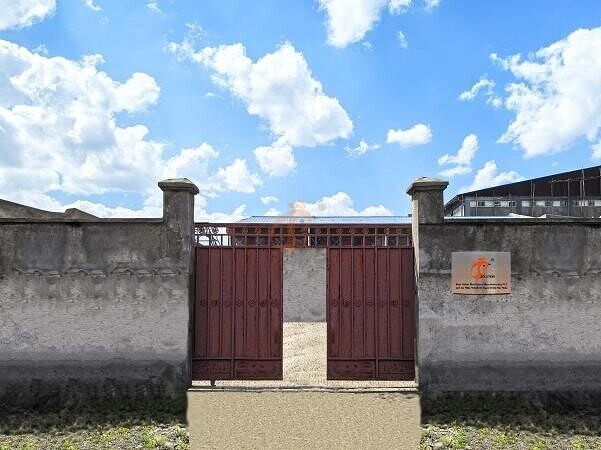
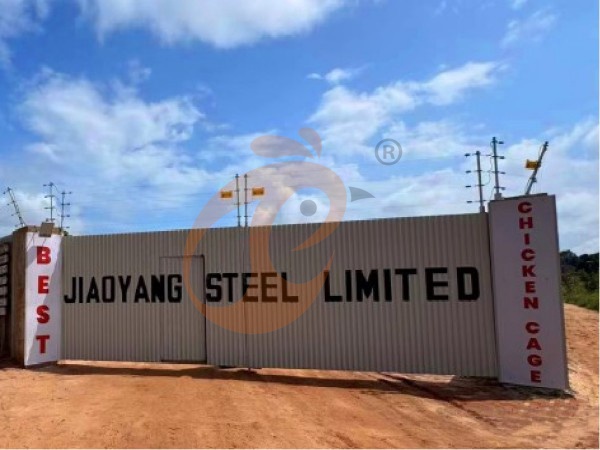
Ethiopia Branch Office And Factory Of Poultry Farm Equipment
Why A-Type Cages Are Dominating Ethiopian Poultry Farming
Before installation begins, understanding the advantages of the A-type poultry cage system is essential for farmers expanding poultry production capacity.
Data is for reference only.Swipe horizontally to view full table.
The A-type poultry cage system offers practical density advantages while maintaining operation during power fluctuations common in some regions.
This system supports farms operating with limited automation infrastructure.
The Pre-Installation Checklist
Rushing into poultry cage installation without preparing the site is one of the most common causes of structural issues.
Variations between Kolla (lowland) and Dega (highland) regions mean installation planning must consider climate, soil conditions, and farm infrastructure.
Data is for reference only. Swipe horizontally to view full table.
Arrival And ''Yesel'' Briefing
When the equipment arrives at the farm site, inspection must take place before assembly begins.
Local farm labor teams often require a short Yesel safety briefing explaining safe handling of poultry cage structures.
A-type cage components are usually transported in flat-pack form to maximize container space.
Typical components include vertical frames, support beams, mesh flooring panels, drinker pipes, and feed troughs.
Data is for reference only.Swipe horizontally to view full table.
Heavy components should never be stacked directly on mesh flooring panels during unloading.
Long transportation routes from Djibouti to inland farms can increase the risk of deformation if loading is incorrect.
Marking The “Keta” Grid Layout
Accurate floor marking is essential for installing A-type poultry cages in straight rows.
The building floor should be divided into an installation grid to maintain consistent cage alignment.
Row spacing for A-type cages typically requires 70 cm walkway clearance for movement of egg collection carts and farm workers.
Construction teams should identify the main building axis and measure cage positions from both side walls to maintain alignment.
Chalk lines can be used to mark the base frame positions before assembly begins.
Even small measurement errors can create large alignment problems across long cage rows.
Assembling The ''A'' Frame Structure
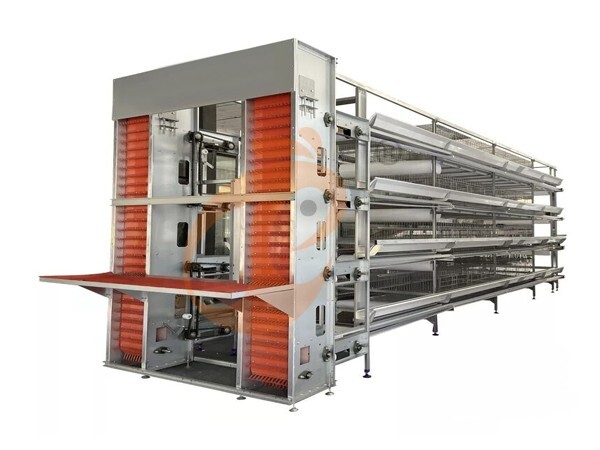
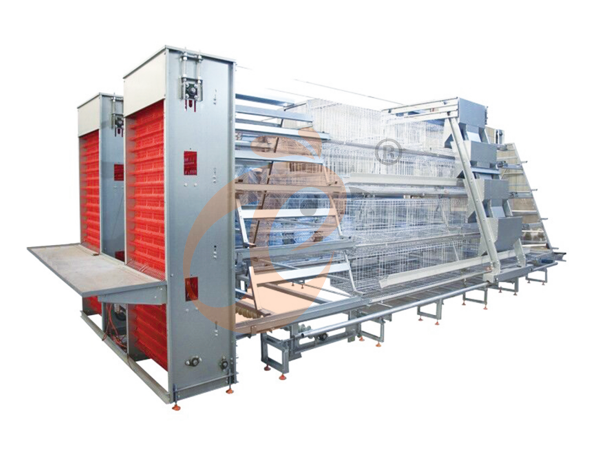
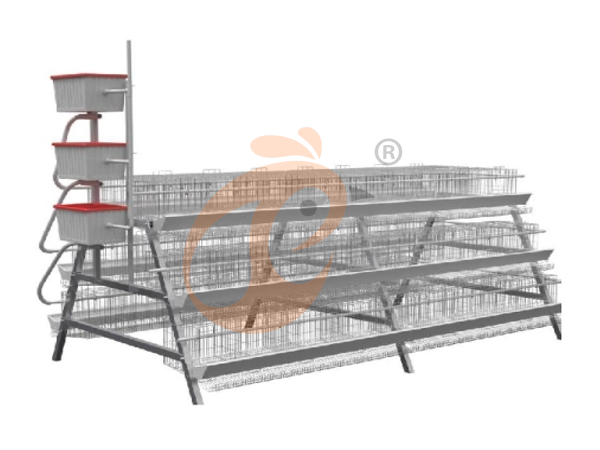
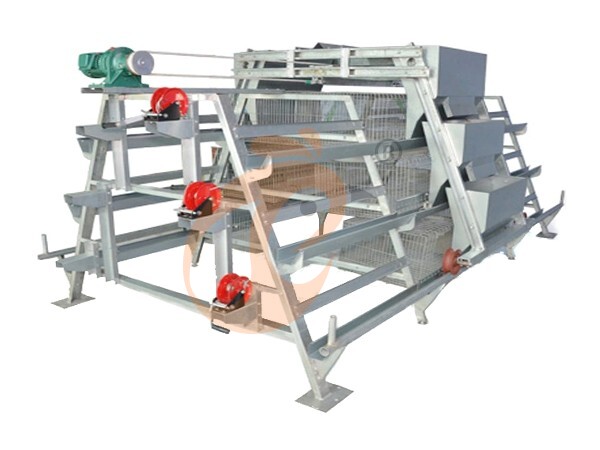
The A-type cage structure consists of triangular support frames forming the letter A.
This structure distributes weight evenly and supports multi-tier poultry cage systems.
Assembly procedure Install the first frame section at the starting point of the row.
Connect cross braces between the left and right support legs.
Raise the frame and temporarily secure bolts.
Connect longitudinal beams linking the next frame section.
Technicians must use a spirit level to verify that the structure remains vertical and horizontal during installation.
Bolts should not be fully tightened until the entire row of cages has been positioned and aligned.
Securing The Mesh And Flooring
After the frame skeleton is completed, mesh flooring panels and side walls are installed.
The egg rolling slope is an important parameter for egg collection efficiency.
The recommended slope angle for egg collection is 7°–9°.
Data is for reference only.Swipe horizontally to view full table.
Installing The ''Woha'' Water System
Water supply stability is essential for poultry production.
Most A-type poultry cages use nipple drinker systems connected with PVC pipelines.
Pressure regulators should be installed at the start of each row.
Water pressure fluctuations can cause drinker leakage if not controlled.
Each pipeline should include an end cap to allow periodic flushing of sediment from water storage tanks.
Drinkers must be installed slightly above the bird head height to maintain clean drinking behavior.
The ''Megbi'' Feed Trough Assembly
Feed cost represents a large portion of poultry production expenses.
Proper feed trough installation helps reduce feed waste.
The feed trough should be aligned in a straight line across the entire cage row.
Technicians often use a string line to verify alignment.
The inner trough lip design should prevent birds from scattering feed outside the trough during feeding activity.
Final Commissioning And ''Gudifacha'' Run-In
Before introducing pullets such as Isa Brown or Bovan Brown birds, the cage system must be tested.
Technicians should perform several test procedures.
Roll eggs along the cage slope to confirm egg collection movement.
Run water through pipelines to detect leakage points.
Test each cage door latch to ensure secure closure.
Some farms also perform a symbolic blessing or system run-in before placing birds.
Data is for reference only.Swipe horizontally to view full table.
Cost Analysis: Why Proper Installation Pays Off
Correct installation of an A-type poultry cage system prevents long-term production losses.
Data is for reference only.Swipe horizontally to view full table.
Frequently Asked Questions
Q1: How long does A-type chicken cage installation take on a farm?
A1: A standard 5,000 bird A-type cage installation normally requires 2–4 working days depending on farm preparation and labor team size.
Q2: What floor foundation is required for A-type poultry cages?
A2: Concrete flooring with C25 strength and a minimum thickness of 15 cm is recommended to maintain cage stability.
Q3: Can A-type poultry cages operate without electricity?
A3: Yes.Basic A-type cage systems can function with manual feeding and watering methods during electricity interruptions.
Ethiopia Best Hebei Machinery Manufacturing Plc - One Of Ethiopia Largest Poultry Cage Manufacturer
Global factory direct supply of poultry farm equipment including A-type poultry cage and H-type automated cage systems.
Production capacity supporting layer farms from 5,000 birds to 120,000 birds with galvanized steel poultry cage structures.
Turn-key poultry farm engineering services including poultry house layout design, equipment installation guidance, and system commissioning.
Main poultry cage wire diameter 2.5 mm with hot-dip galvanization coating thickness approximately 275 g/m² ensuring long service life.
Professional technical team providing installation training, equipment maintenance guidance, and international logistics support.
Contact Us To Received Your Customized Poultry Farm Plan
Headquarters And Branchs

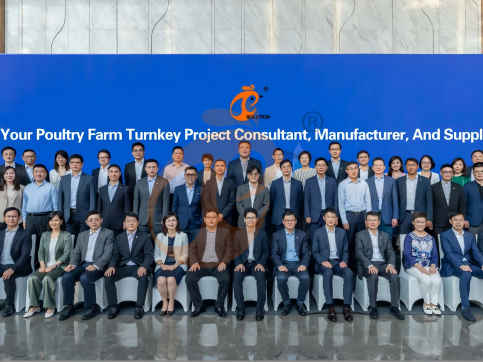
Hong Kong Headquarter Management Team
Hong Kong Headquarter Taiyu Industrial Group CO., LTD
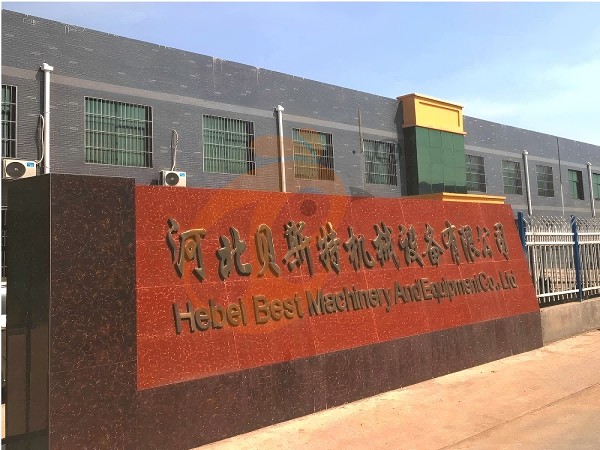
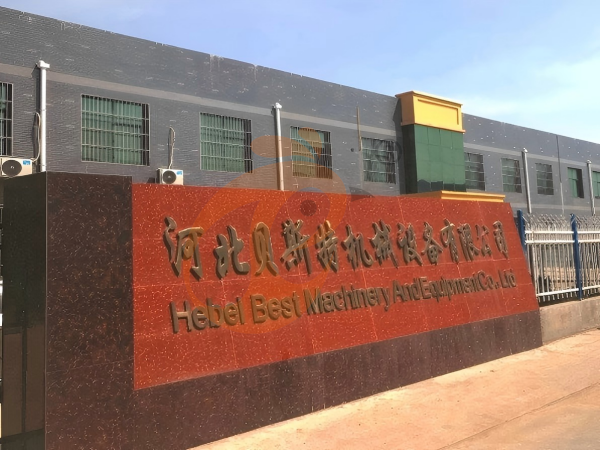
China Hebei Best Machinery And Equipment CO., LTD
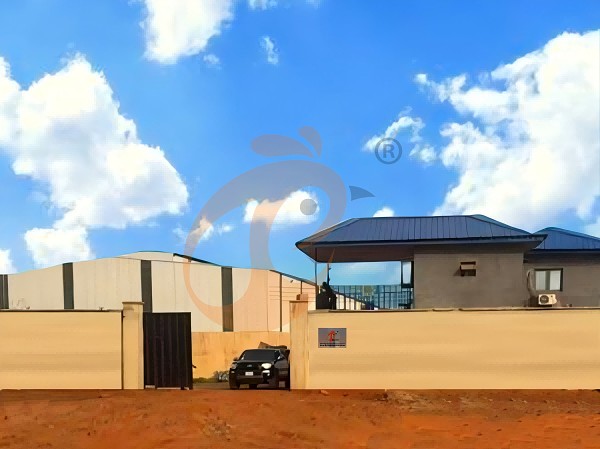
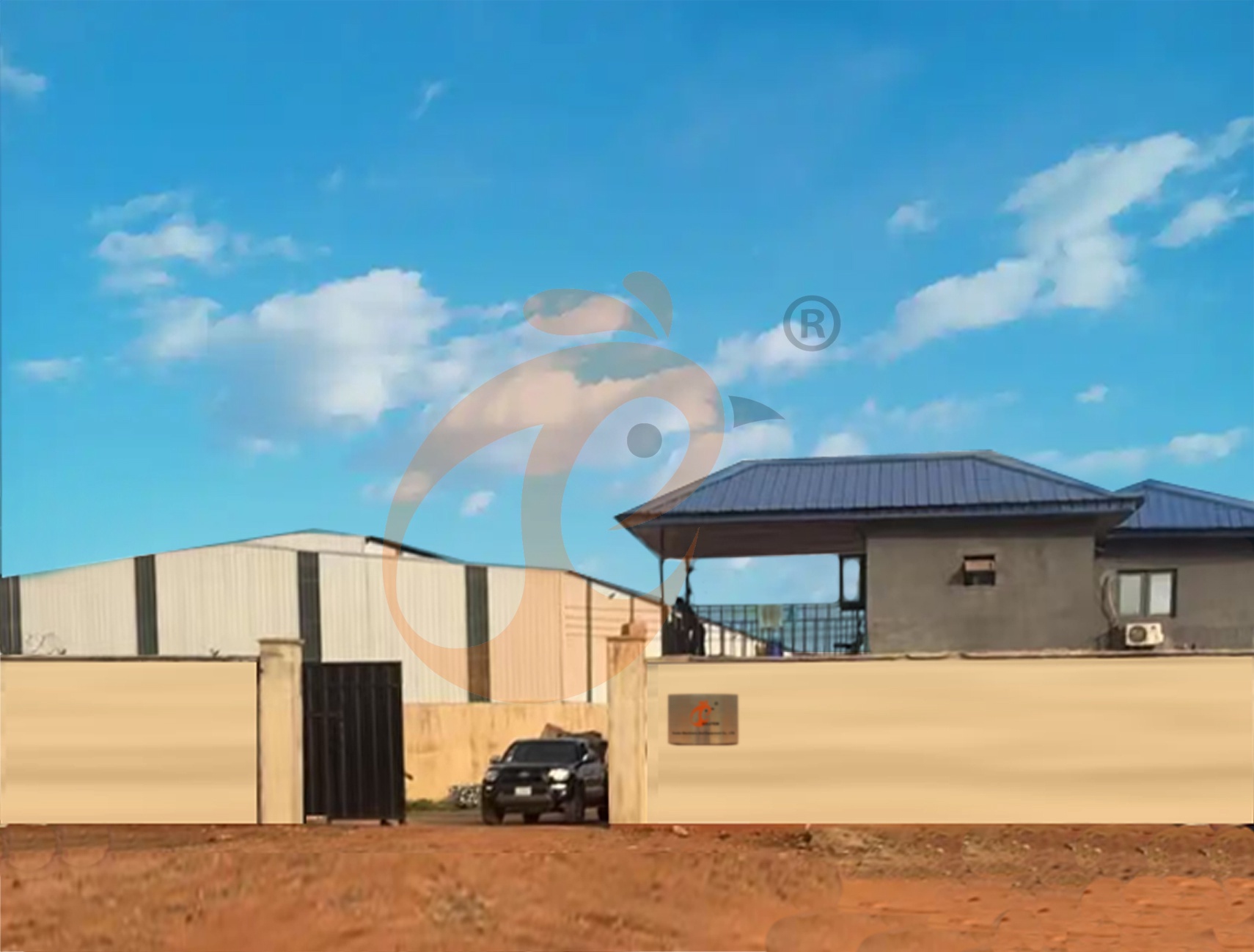
Nigeria Vanke Machinery And Equipment CO., LTD
Tanzania Best Machinery And Equipment CO., LTD
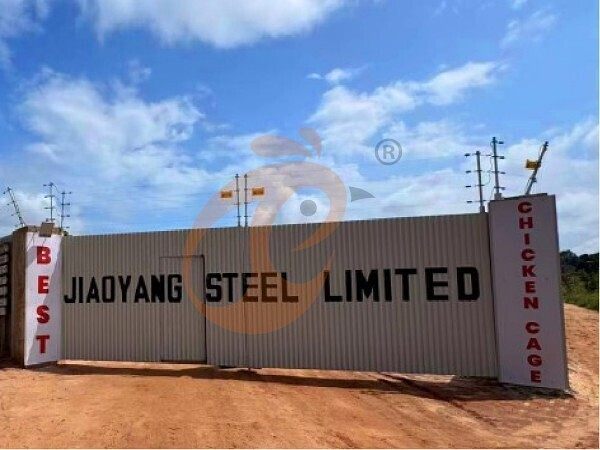
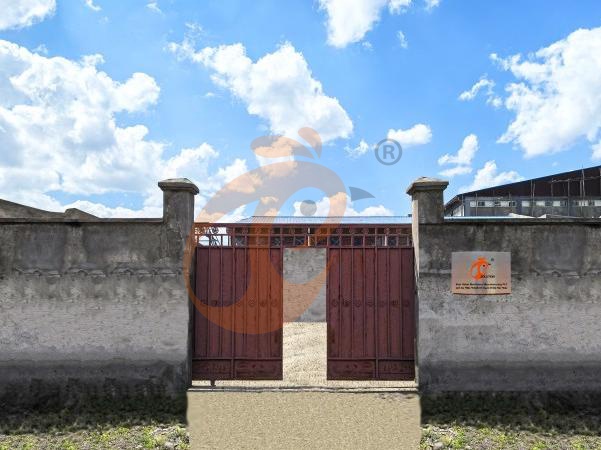
Ethiopia Best Hebei Machinery Manufacturing PLC
Reception /24 WhatsApp NO. : +8618830120193
- poultry farm
- chicken cage
- poultry house
- poultry cage
- cage
- poultry farm equipment
- poultry farm construction
- poultry cage manufacturer
- poultry cage system
- poultry cage installation
- poultry house layout
- poultry cage structure
- poultry cage wire
- manure removal system
- automatic manure removal system
- egg collection system
- automatic egg collection system
- chicken cages
- poultry cages
- chickencage
- bestchickencage
- cage system
- cage systems
- h cage
- Nigeria
- layer farm
- chicken cage installation
- poultry farming
- poultry cage systems
- cage manufacturer
- modern poultry farm
- steel poultry cage
- automatic egg collection
- poultry house layout design
- poultry farm plan
Message
Products recommended
 >30,000 Pullets Automatic H Type Battery Cage1. More than 30,000 pullets a house, choose it.
2. It is designed to rearing older than 1 day old pullets to 12 to 16 weeks old chicken starting laying eggs.
3. Its lifespan is more than 25 years.
4. Its structure are Vcloud artificial intelligent fusion, electric control cabinet, automatic equipment of drinking, feeding, manure clean, manual harvesting.
5. Our 24 hour online reception What’sApp NO. is +8618830120193 <30,000 Pullets Automatic A Type Battery Cage1. 10,000 to 30,000 pullets a house, choose it.
2. It is designed to rearing older than 1 day old pullets to 12 to 16 weeks old chicken starting laying eggs.
3. Its lifespan is more than 25 years.
4. Its structure are Vcloud artificial intelligent fusion, electric control cabinet, automatic equipment of drinking, feeding, manure clean, manual harvesting.
5. Our 24 hour online reception What’sApp NO. is +86 18830120193. >30,000 Broilers Semi-Automatic Harvest H Type Battery Cage1. More than 30,000 broilers a house, choose it.
2. It is designed to rearing 1 to 45 day old adult broiler ready for market.
3. Its lifespan is more than 20 years.
4. Our 24 hour online reception What’sApp NO. is +8618830120193, +234 8111199996. >30,000 Broilers Manual Harvest H Type Battery Cage1. More than 30,000 broilers a house, choose it.
2. It is designed to rearing 1 to 45 day old adult broiler ready for market.
3. Its lifespan is more than 20 years.
4. Its structure are Vcloud artificial intelligent fusion, electric control cabinet, automatic equipment of drinking, feeding and manure clean, manual harvesting.
5. Our 24 hour online reception What’sApp NO. is +8618830120193, +234 8111199996. <30,000 Broilers Manual Harvest A Type Battery Cage1. Less 30,000 broilers a house, choose it.
2. It is designed to rearing 1 to 45 day old adult broiler ready for market.
3. Its lifespan is more than 20 years.
4. Its structure are Vcloud artificial intelligent fusion, electric control cabinet, automatic equipment of drinking, feeding and manure clean, manual harvesting.
5. Our 24 hour online reception What’sApp NO. is +8618830120193, +234 8111199996. HK Headquarter Offers EU-standard Poultry Farm Solutions, Manufacture Poultry Farm Equipment1. Continuous communication with the EU and the US
2. China, Nigeria, Ethiopia, Tanzania branch companies and factories
3. The products’ quality is customized for local poultry farms
4. Poultry cage and poultry farm equipment stock for sale
5. 24 online reception Whatsapp NO. : +8618830120193,contact us to get full information China Branch Offer Poultry Farm Business Plan, Manufacture Poultry Farm Equipment1. Address: Flat/RM 2416, 24/F, Runxing Building, Youyi Nan Street, Shijiazhuang City, Hebei Province, China
2. Poultry cage and poultry farm equipment factory and stock for sale
3. Customized for local poultry farms
4. Quality and design are based on Euro
5. 24 online reception Whatsapp NO. : +8618830120193 Nigeria Branch Offer Poultry Farm Business Plan, Manufacture Poultry Farm Equipment1. Address: After Sinoma Office, 200 Meters Near Danco Filling Station, Lagos/Ibadan Expressway, Lagos State, Nigeria
2. Poultry cage and poultry farm equipment factory and stock for sale
3. Customized for Nigerian poultry farms
4. Quality and design are based on Euro
5. 24 online reception Whatsapp NO. : +8618830120193 Ethiopia Branch Offer Poultry Farm Business Plan, Manufacture Poultry Farm Equipment1. Address: WR93+FQ2, Addis Ababa, Ethiopia
2. Poultry cage and poultry farm equipment stock for sale
3. Customized for Ethiopian poultry farms
4. Quality and design are based on Euro
5. 24 online reception Whatsapp NO. : +8618830120193, contact us to get price list Tanzania Branch Offer Poultry Farm Business Plan, Manufacture Poultry Farm Equipment1. Address: No.8, Sova Road, Msufini, Mlandizi, Kibaha, Pwani, Tanzania
2. Poultry cage and poultry farm equipment factory and stock for sale
3. Customized for Tanzanian poultry farms
4. Quality and design are based on Euro
5. 24 online reception Whatsapp NO. : +8618830120193



Contact
By clicking 'Allow All', you agree to the storage of cookies on your device to enhance site navigation, analyze site usage and assist with our marketing efforts.