


Blog
H type chicken cage Ethiopia solutions support commercial egg farms that require high stocking density and consistent production planning.
Vertical cage structures increase bird capacity per building footprint while maintaining controlled feeding, watering, and manure removal.
Modern automation systems help reduce daily labor hours and maintain stable environmental parameters for layer productivity.
Galvanized steel structures and reinforced mesh extend equipment lifespan in poultry houses exposed to ammonia and moisture.
Investment planning should consider ventilation, logistics, and long-term egg production efficiency in commercial poultry farms.
Get professional poultry farm construction guidance, equipment selection solutions, and the latest price lists, whatsApp to +8618830120193, click to learn more:

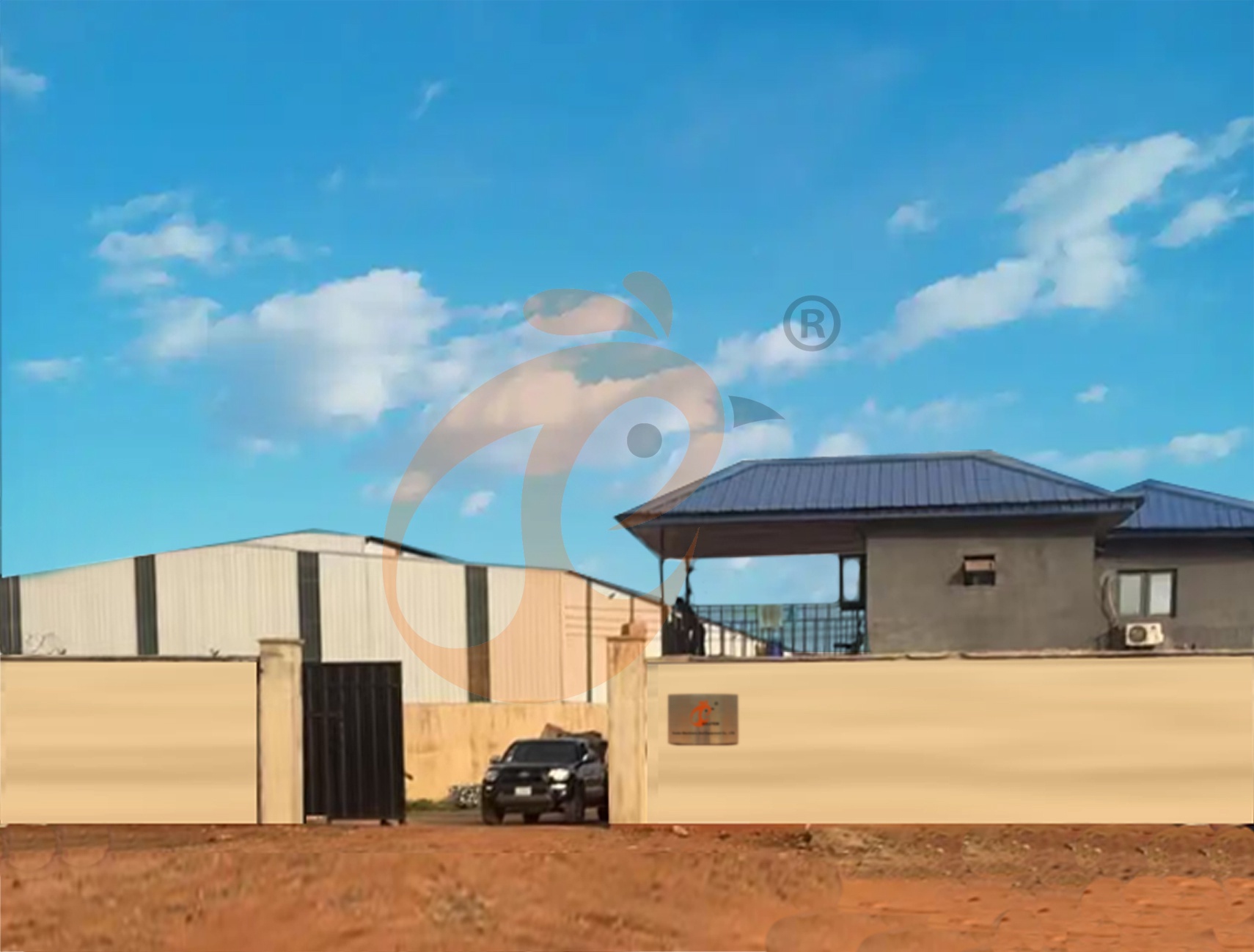
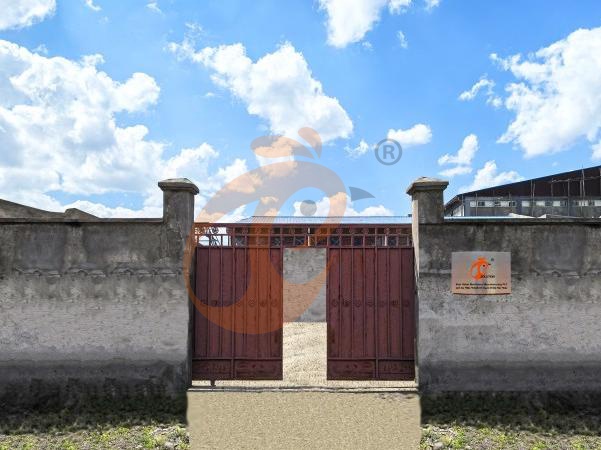
Ethiopia Branch Office And Factory Of Poultry Farm Equipment
The Ethiopian Poultry Landscape: Why H-Type?
When we talk about modernization in the Ethiopian context, we are talking about H-type chicken cages.
While A-type cages have served the market for years, the H-type system is the ''heavy-duty'' solution designed for large-scale efficiency.
This guide explores why H-type cages are the ultimate choice for the Ethiopian climate and economy, focusing on five critical buying factors and a transparent look at pricing.
The system is widely discussed under terms such as Commercial H type layer cage system in international poultry engineering standards.
Current Market Dynamics In Ethiopia
Urbanization
Cities like Adama and Hawassa are expanding, making land near markets more expensive.
Climate Variance
The temperate highlands of Addis Ababa require different ventilation strategies than the hotter lowlands of Dire Dawa.
Feed Costs
With feed taking up nearly 70–80% of production costs in Ethiopia, minimizing waste is the only way to stay profitable.
Data is for reference only.Swipe horizontally to view full table.
5 Key Buying Factors For H-Type Cages In Ethiopia
When investing in H-type cages, you aren't just buying wire and metal.
You are buying a long-term production environment.
In the Ethiopian market, these five factors determine whether the farm achieves stable egg production and operational efficiency.
These design elements are also associated with automatic layer chicken cage system solutions used in intensive poultry farming.
Land Utilization And Vertical Density
In areas like Bishoftu, which is the heart of Ethiopian poultry, land is a limited production resource.
H-type cages allow stacking structures with 4–16 tiers depending on building height and ventilation configuration.
Vertical Strategy
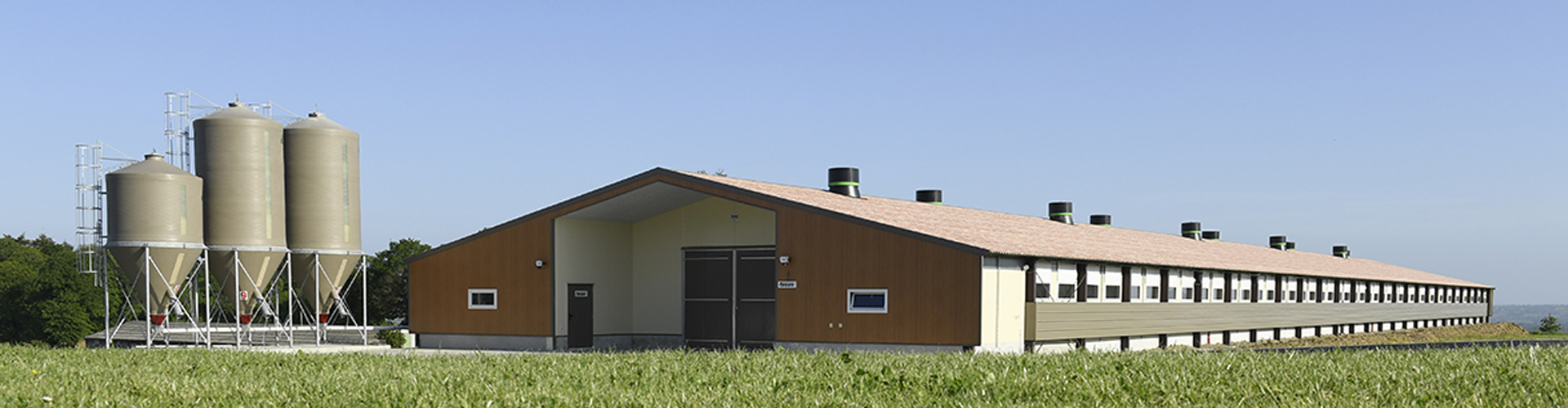
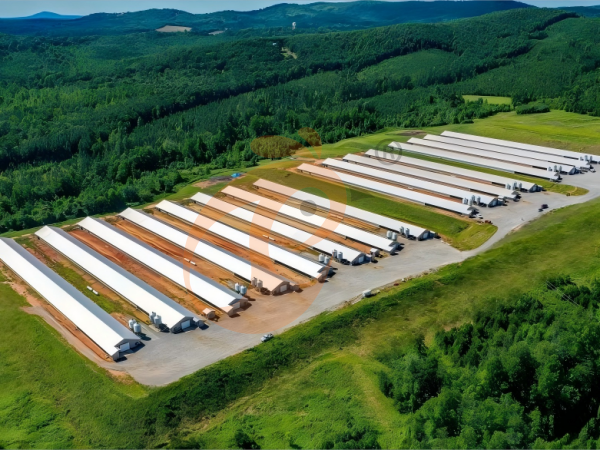
By using H-type cages, a farmer can house 30,000–100,000 birds within a single commercial poultry building depending on the tier configuration.
The structure is self-supporting, meaning it doesn't rely on building walls for stability.
This design matches the lightweight industrial poultry sheds commonly built in Ethiopian poultry farms.
Volume Efficiency
Maximizes the cubic meters of the poultry house, not just the square meters.
Reduces building cost per bird because roof and foundation expenses are distributed across a larger flock capacity.
Data is for reference only.Swipe horizontally to view full table.
Adaptation To Ethiopian Climates (Ventilation Control)
Ethiopia's ''Thirteen Months Of Sunshine'' brings seasonal temperature variation throughout the year.
H-type cages operate with higher stocking density and require structured ventilation planning.
Highland Challenges (Addis Ababa / Debre Berhan)
Night temperatures can decrease significantly.
Ventilation systems must maintain air exchange while limiting heat loss inside the poultry house.
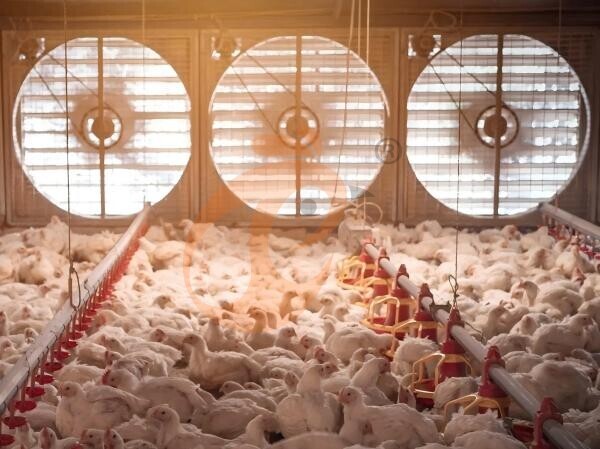
H-type systems frequently integrate tunnel ventilation and cooling pad technology to maintain approximately 22–25°C internal house temperature.
Lowland Challenges (Gambela / Afar)
Extreme daytime temperatures increase stress risk in poultry houses.
The H-type cage configuration allows airflow between cage tiers.
Longitudinal ventilation ensures fresh air circulation across every tier level in the cage structure.
Data is for reference only.Swipe horizontally to view full table.
Durability And Material Quality (Combating Corrosion)
A common complaint among poultry farmers purchasing inexpensive cage systems is that metal components corrode within three years.
Given the capital investment required for H-type cages, durability must be verified through material standards.
The Galvanization Standard
Poultry houses contain ammonia gas generated from manure decomposition.
Ammonia accelerates corrosion in untreated metal components.
Hot-dip galvanization protects steel by coating it with molten zinc.
The protective layer allows cage systems to operate for 25+ years in poultry house environments.
Wire Thickness
Thin wire mesh gradually deforms under bird weight.
This can disrupt the egg rolling angle and increase breakage risk.
Reinforced bottom mesh is therefore standard in modern H-type cage systems.
Data is for reference only.Swipe horizontally to view full table.
Feed Management And Waste Reduction
Feed prices in Ethiopia fluctuate depending on grain supply and logistics conditions.
Feed losses directly affect the production cost per egg.
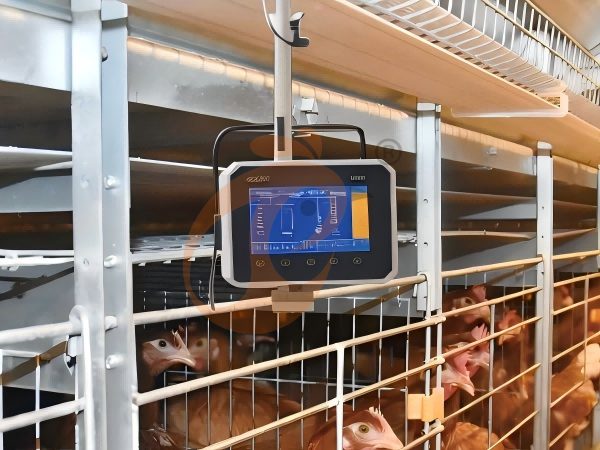
H-type cages use automated feeding trolleys to ensure equal feed distribution.
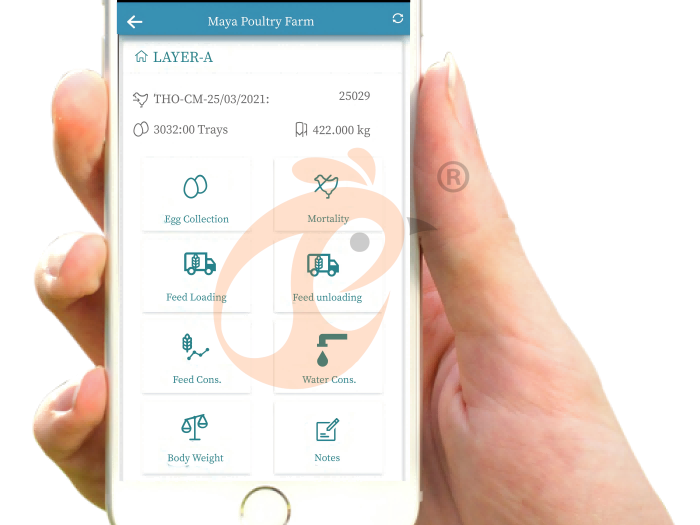
Automation systems reduce manual labor demand and can save 70–90% labor compared with manual H-type cage feeding operations.
Trolley Feeding System
The feeding hopper moves along the cage rows and releases a controlled feed quantity.
This ensures each cage receives a consistent feed amount.
It also reduces selective feeding behavior among birds.
Nipple Drinking Systems
Water delivery uses enclosed pipe systems with 360-degree nipple drinkers.
This reduces contamination from dust particles in poultry houses.
Dry manure belts also improve ammonia control inside the building.
Data is for reference only.Swipe horizontally to view full table.
Manure Removal And Biosecurity
The poultry farming corridor between Bishoftu and Modjo contains many commercial farms.
This density requires strong biosecurity management.
Manure accumulation can increase pathogen development.
The Manure Belt System
H-type cages use polypropylene manure belts installed under each tier.
The belt moves manure outside the poultry house daily.
This reduces ammonia concentration inside the poultry environment.
Bird Health Benefits
Birds remain separated from their waste.
Reduced manure contact decreases the incidence of coccidiosis and respiratory infections.
Layer hens in controlled H-type cage environments typically achieve 90–98% egg production rate during peak laying cycles.
Improved bird health supports stronger eggshell formation and stable egg production.
Price Analysis For H-Type Battery Cages In Ethiopia
Pricing for H-type cages includes mechanical structures and automated systems.
Logistics also affect final project investment.
Imported equipment typically arrives through Djibouti Port, followed by trucking to the farm site.
Exchange rates and steel costs also influence the final equipment quotation.
Industry discussions often refer to these installations as industrial poultry cage system projects.
Data is for reference only.Swipe horizontally to view full table.
Currency values follow Ethiopian Birr. European union reference standard provided for comparison only.
Return On Investment: Is The Investment Worth It For An Ethiopian Farmer?
Many poultry entrepreneurs evaluate the payback period before investing in automated equipment.
Feed efficiency and egg output determine the economic performance of layer farms.
A feed saving of 5 g per bird per day in a 30,000-bird farm results in approximately 150 kg feed reduction per day.
Data is for reference only.Swipe horizontally to view full table.
Currency values follow Ethiopian Birr.
European union reference standard provided for comparison only.
Addressing Ethiopian Pain Points: Solutions Via H-Type Cages
Problem: frequent power outages.
Solution: modern cage motors operate with low power consumption and can run on 50 kVA backup generators.
Problem: shortage of trained farm workers.
Solution: automated feeding and manure systems reduce labor demand and allow technical monitoring.
Problem: capital investment planning.
Solution: improved feed conversion ratio and egg production increase long-term profitability.
Problem: egg quality requirements in urban markets.
Solution: manure belts maintain cleaner eggshell surfaces, improving product grading consistency.
Frequently Asked Questions
Q1: What is the typical lifespan of H-type battery cages in commercial poultry farms?
A1: Hot-dip galvanized cage structures generally operate for 25+ years when installed in properly ventilated poultry houses.
Q2: How many birds can a standard H-type cage system accommodate?
A2: Commercial farms generally operate 30,000–100,000 layer hens in a single building depending on the cage tiers and house design.
Q3: How much labor can automation save compared with manual H-type cages?
A3: Automated feeding, manure removal, and drinking systems typically reduce labor requirements by 70–90% compared with manual cage management.
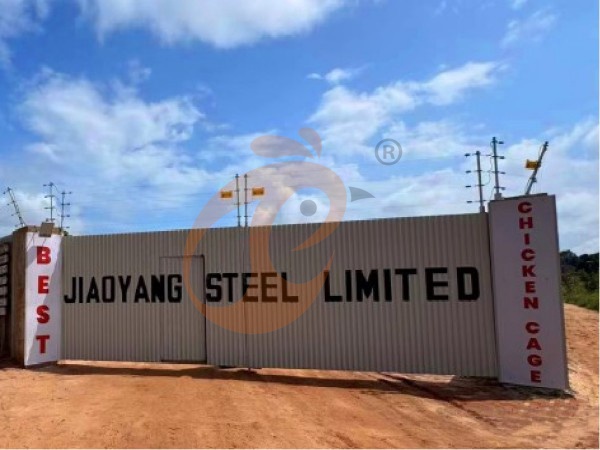
Ethiopia Best Hebei Machinery Manufacturing Plc - One Of Ethiopia Largest Poultry Cage Manufacturer
• Global factory direct supply with integrated poultry farm equipment manufacturing capacity.
• Professional production of poultry cage systems including A-type and H-type layer cages with hot-dip galvanized steel frames.
• Complete Turn-key poultry farm engineering projects including cage installation, ventilation design, and manure management systems.
• Manufacturing parameters include cage width 1200–2200 mm, cage depth 625 mm, cage height 450 mm, and 275–450 g/m² zinc coating.
• Export experience across multiple poultry markets with technical planning for farms ranging from 30,000 to 100,000 layer capacity.
Contact Us To Received Your Customized Poultry Farm Plan
Headquarters And Branchs

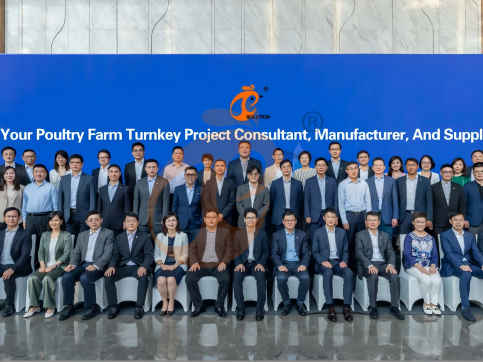
Hong Kong Headquarter Management Team
Hong Kong Headquarter Taiyu Industrial Group CO., LTD
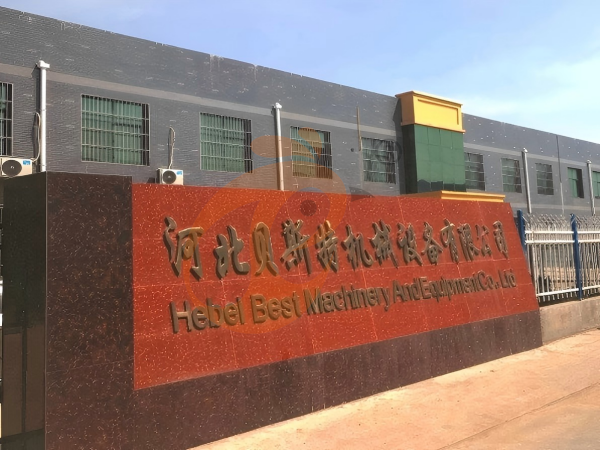
China Hebei Best Machinery And Equipment CO., LTD
Nigeria Vanke Machinery And Equipment CO., LTD
Tanzania Best Machinery And Equipment CO., LTD
Ethiopia Best Hebei Machinery Manufacturing PLC




Reception /24 WhatsApp NO. : +8618830120193
- battery cage
- poultry farmers
- poultry farm
- layer cages
- chicken cage
- poultry farms
- poultry farmer
- layer cage
- poultry house
- poultry cage
- cage
- galvanized cage
- poultry farm equipment
- poultry farm construction
- layer cage system
- poultry cage manufacturer
- poultry cage system
- chicken cage system
- battery cage Ethiopia
- battery cages
- h type layer cage
- chickencage
- bestchickencage
- cage system
- h type
- cage systems
- h cage
- h type battery cage
- layer chicken cage
- Nigeria
- layer farm
- commercial egg farm
- layer chicken cage system
- commercial poultry farms
- poultry farming
- automatic layer chicken cage
- poultry cage systems
- cage manufacturer
- poultry farm plan
Message
Products recommended
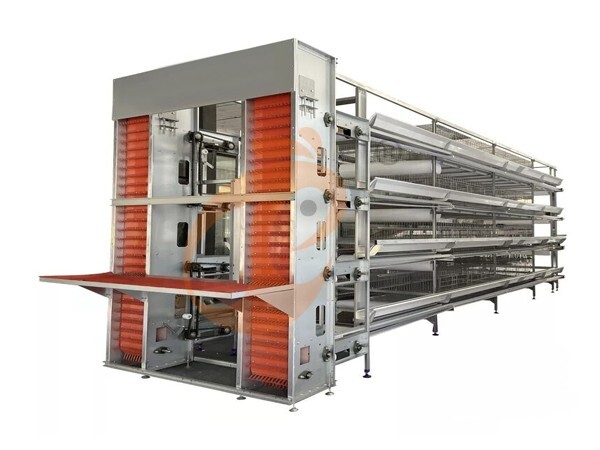
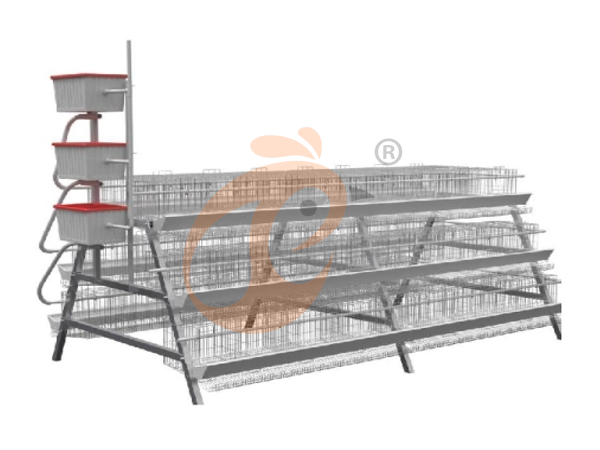
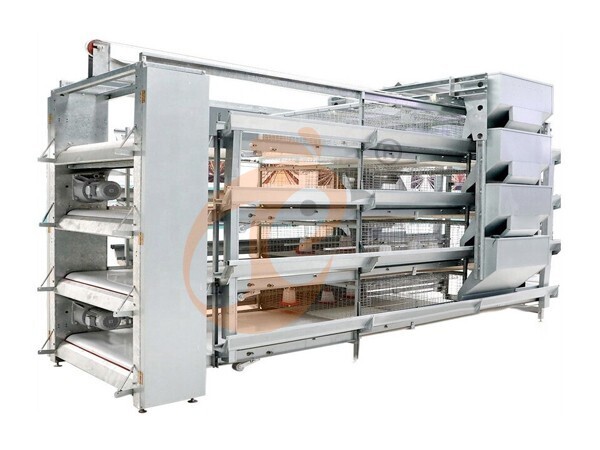
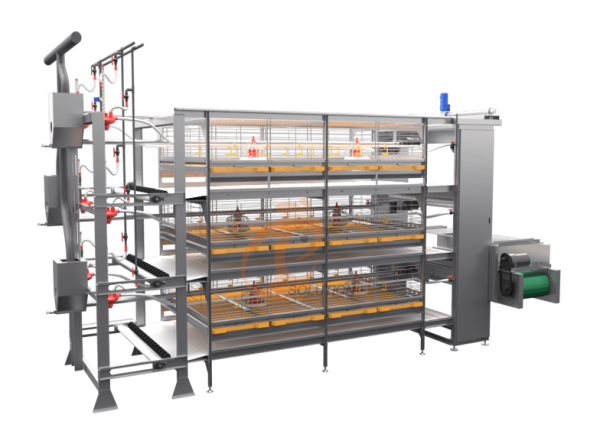
 >30,000 Pullets Automatic H Type Battery Cage1. More than 30,000 pullets a house, choose it.
2. It is designed to rearing older than 1 day old pullets to 12 to 16 weeks old chicken starting laying eggs.
3. Its lifespan is more than 25 years.
4. Its structure are Vcloud artificial intelligent fusion, electric control cabinet, automatic equipment of drinking, feeding, manure clean, manual harvesting.
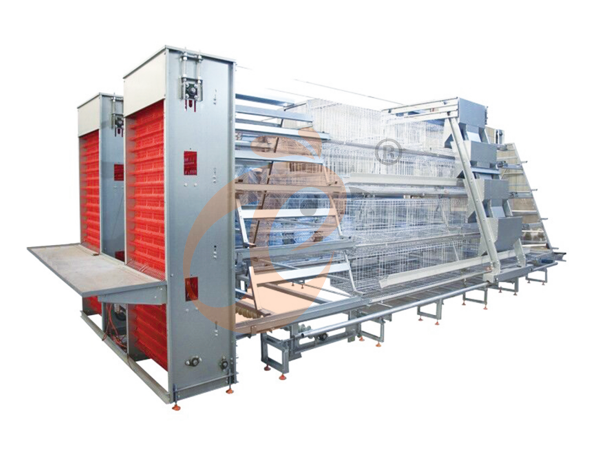
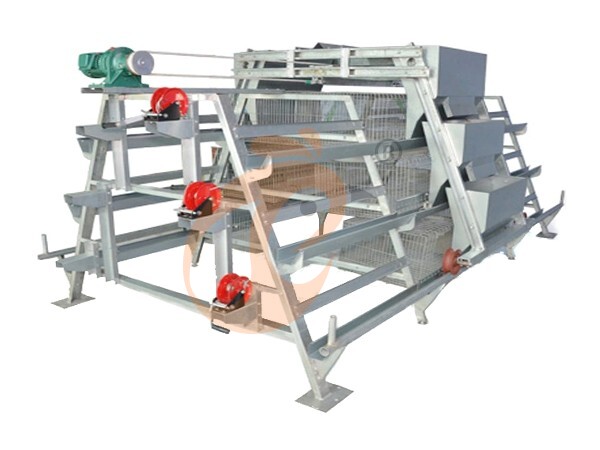
5. Our 24 hour online reception What’sApp NO. is +8618830120193 <30,000 Pullets Automatic A Type Battery Cage1. 10,000 to 30,000 pullets a house, choose it.
2. It is designed to rearing older than 1 day old pullets to 12 to 16 weeks old chicken starting laying eggs.
3. Its lifespan is more than 25 years.
4. Its structure are Vcloud artificial intelligent fusion, electric control cabinet, automatic equipment of drinking, feeding, manure clean, manual harvesting.
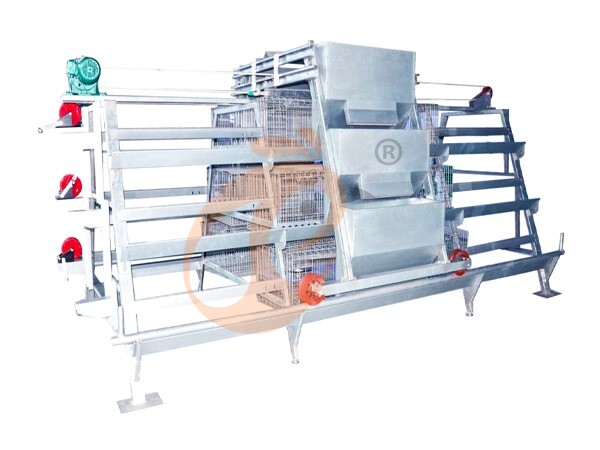
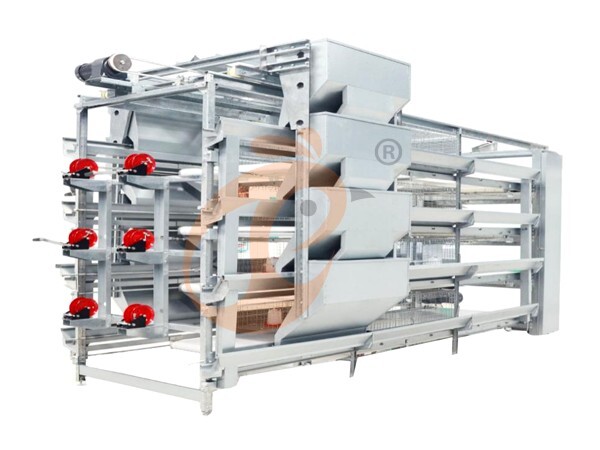
5. Our 24 hour online reception What’sApp NO. is +86 18830120193. >30,000 Broilers Semi-Automatic Harvest H Type Battery Cage1. More than 30,000 broilers a house, choose it.
2. It is designed to rearing 1 to 45 day old adult broiler ready for market.
3. Its lifespan is more than 20 years.
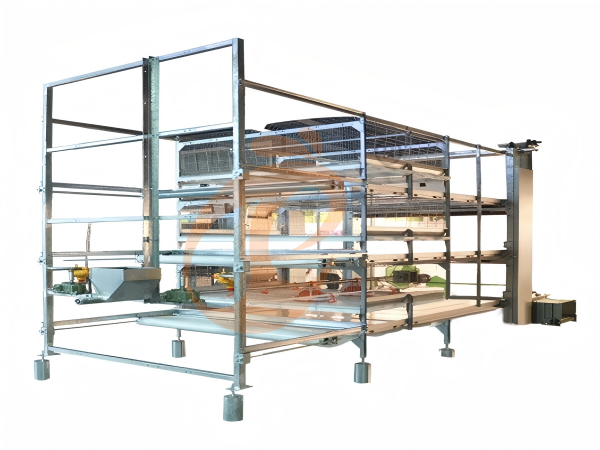
4. Our 24 hour online reception What’sApp NO. is +8618830120193, +234 8111199996. >30,000 Broilers Manual Harvest H Type Battery Cage1. More than 30,000 broilers a house, choose it.
2. It is designed to rearing 1 to 45 day old adult broiler ready for market.
3. Its lifespan is more than 20 years.
4. Its structure are Vcloud artificial intelligent fusion, electric control cabinet, automatic equipment of drinking, feeding and manure clean, manual harvesting.
5. Our 24 hour online reception What’sApp NO. is +8618830120193, +234 8111199996. <30,000 Broilers Manual Harvest A Type Battery Cage1. Less 30,000 broilers a house, choose it.
2. It is designed to rearing 1 to 45 day old adult broiler ready for market.
3. Its lifespan is more than 20 years.
4. Its structure are Vcloud artificial intelligent fusion, electric control cabinet, automatic equipment of drinking, feeding and manure clean, manual harvesting.
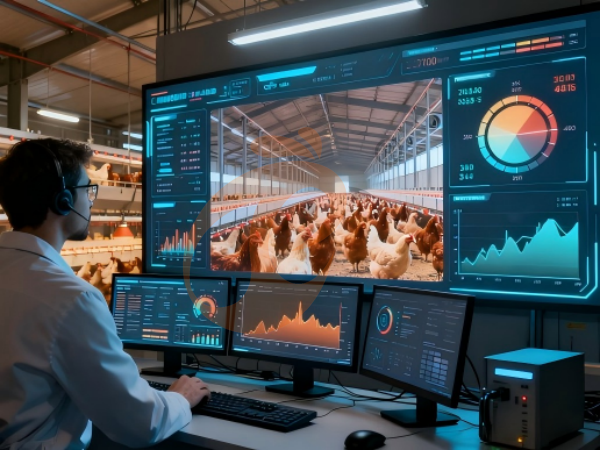
5. Our 24 hour online reception What’sApp NO. is +8618830120193, +234 8111199996. HK Headquarter Offers EU-standard Poultry Farm Solutions, Manufacture Poultry Farm Equipment1. Continuous communication with the EU and the US
2. China, Nigeria, Ethiopia, Tanzania branch companies and factories
3. The products’ quality is customized for local poultry farms
4. Poultry cage and poultry farm equipment stock for sale
5. 24 online reception Whatsapp NO. : +8618830120193,contact us to get full information China Branch Offer Poultry Farm Business Plan, Manufacture Poultry Farm Equipment1. Address: Flat/RM 2416, 24/F, Runxing Building, Youyi Nan Street, Shijiazhuang City, Hebei Province, China
2. Poultry cage and poultry farm equipment factory and stock for sale
3. Customized for local poultry farms
4. Quality and design are based on Euro
5. 24 online reception Whatsapp NO. : +8618830120193 Nigeria Branch Offer Poultry Farm Business Plan, Manufacture Poultry Farm Equipment1. Address: After Sinoma Office, 200 Meters Near Danco Filling Station, Lagos/Ibadan Expressway, Lagos State, Nigeria
2. Poultry cage and poultry farm equipment factory and stock for sale
3. Customized for Nigerian poultry farms
4. Quality and design are based on Euro
5. 24 online reception Whatsapp NO. : +8618830120193 Ethiopia Branch Offer Poultry Farm Business Plan, Manufacture Poultry Farm Equipment1. Address: WR93+FQ2, Addis Ababa, Ethiopia
2. Poultry cage and poultry farm equipment stock for sale
3. Customized for Ethiopian poultry farms
4. Quality and design are based on Euro
5. 24 online reception Whatsapp NO. : +8618830120193, contact us to get price list Tanzania Branch Offer Poultry Farm Business Plan, Manufacture Poultry Farm Equipment1. Address: No.8, Sova Road, Msufini, Mlandizi, Kibaha, Pwani, Tanzania
2. Poultry cage and poultry farm equipment factory and stock for sale
3. Customized for Tanzanian poultry farms
4. Quality and design are based on Euro
5. 24 online reception Whatsapp NO. : +8618830120193


Contact
By clicking 'Allow All', you agree to the storage of cookies on your device to enhance site navigation, analyze site usage and assist with our marketing efforts.