


Blog
Ethiopian H-type chicken cages cost analysis helps investors understand capital structure, production efficiency, and operational return in commercial poultry farms.
This article explains realistic investment parameters for a 30,000-bird poultry cage system using vertical farming technology in Ethiopia.
Production data, feed consumption ratios, and operational expenses are calculated using Ethiopian market conditions and agricultural production parameters.
The guide also evaluates egg production efficiency and poultry farming ROI Ethiopia scenarios based on seasonal egg demand and Orthodox fasting cycles.
Get professional poultry farm construction guidance, equipment selection solutions, and the latest price lists, whatsApp to +8618830120193, click to learn more:

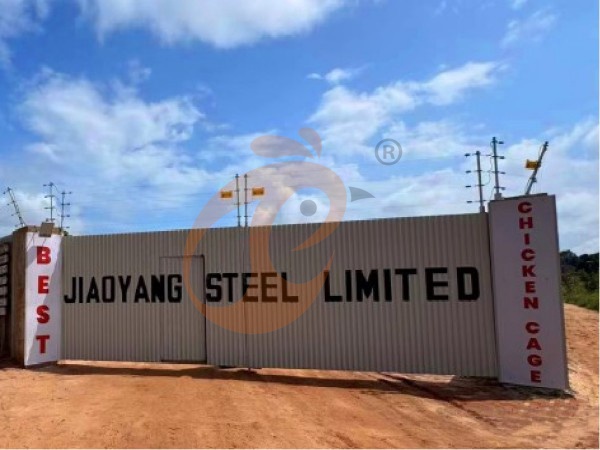
Ethiopia Branch Office And Factory Of Poultry Farm Equipment
The Evolution Of Ethiopian Poultry: Why H-Type?
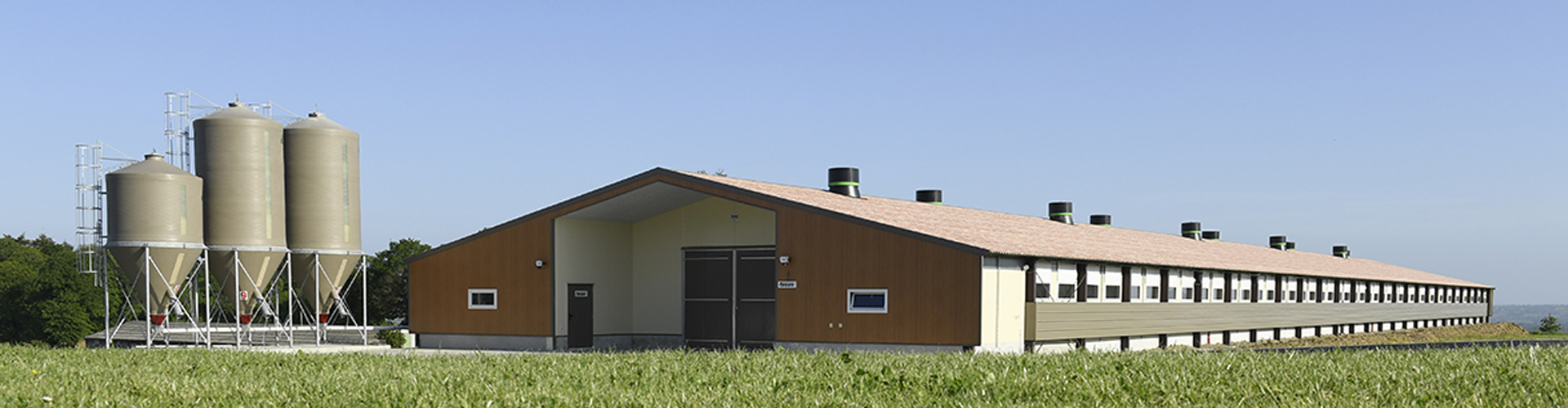
For farms located in the Ethiopian Highlands between 1,800 m and 2,500 m altitude, H-type cage systems improve ventilation structure,
manure separation, and flock health stability.
These production conditions are particularly suitable for layer breeds such as Lohmann Brown or Bovans Brown.
Data is for reference only.Swipe horizontally to view full table.
The transition from manual poultry handling to automated poultry equipment improves production accuracy and reduces management variability.
Q235A galvanized steel protects cage structures from ammonia corrosion produced by poultry manure accumulation inside enclosed poultry sheds.
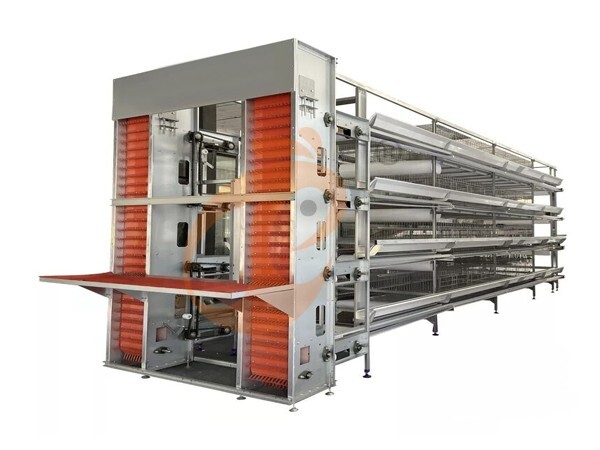
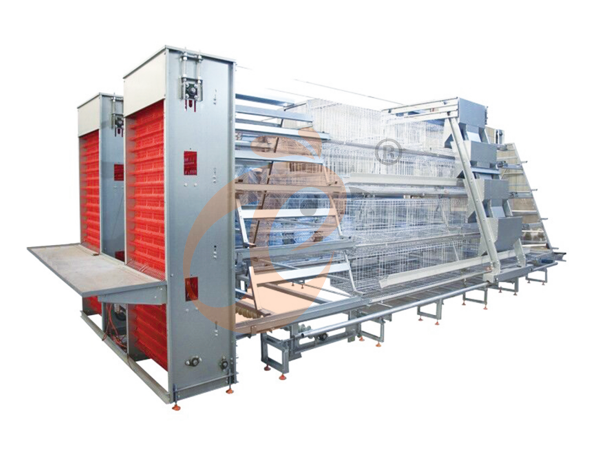
H-type poultry cage systems can be configured between 4 and 16 tiers, depending on poultry house height and ventilation design.
Investment Analysis: Capital Expenditure (CAPEX)
Starting a commercial layer farm in Ethiopia requires a clear evaluation of initial capital expenditure.
For a 30,000 to 100,000 bird poultry operation, the investment scale becomes manageable when analyzed through production capacity and per-bird equipment cost.
The Ethiopian government supports agricultural mechanization by applying customs duty exemptions to imported poultry farming equipment such as automated poultry cages and feeding systems.
These tax incentives directly reduce H-type poultry cage investment Ethiopia startup cost for industrial poultry farms.
Data is for reference only.Swipe horizontally to view full table.
The H-type cage system allows approximately 2.5 to 3 times more birds to be raised in the same poultry house area compared with deep litter floor systems.
This structural efficiency distributes land cost across a larger production capacity per square meter.
Comparative Productivity: H-Type Vs Traditional Systems
Feed cost represents approximately 70–75% of operational expenditure in Ethiopian poultry farms.
Therefore, feed conversion ratio (FCR) becomes the most important production indicator for poultry profitability.
Traditional deep litter systems result in feed loss because birds scratch and disperse feed material across the floor area.
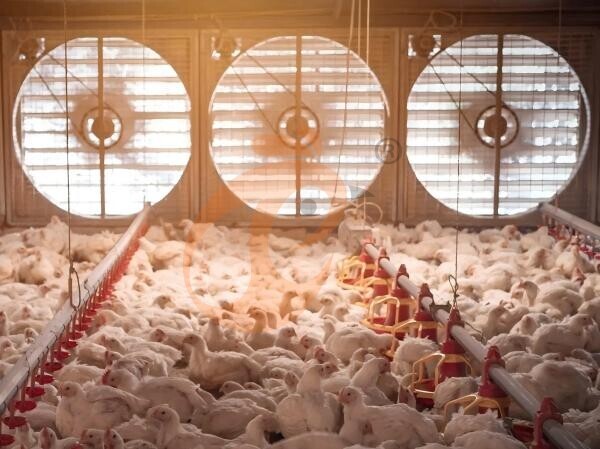
H-type cage systems reduce unnecessary bird movement and ensure feed intake is directed toward egg production efficiency.
Data is for reference only.Swipe horizontally to view full table.
A 90–98% hen-day production rate generates approximately 330 to 350 eggs per hen annually depending on flock management and feed formulation.
Deep litter systems produce approximately 270 eggs per hen annually.
In Ethiopian egg markets where egg prices range between 12 Ethiopian Birr and 22 Ethiopian Birr depending on seasonal demand, the production difference significantly impacts poultry farming return on investment Ethiopia.
Operational Reality: Monthly OPEX In Ethiopia
Operating a poultry farm in Bishoftu or Debre Zeit requires monitoring regional feed price variation, particularly maize and soybean meal supply after the Meher harvest season.
The automated feeding technology inside H-type cage systems allows consistent daily feed distribution of approximately 110 g per bird.
Data is for reference only.Swipe horizontally to view full table.
Daily manure belt removal prevents birds from contacting manure waste, reducing disease transmission such as coccidiosis inside poultry houses.
Return On Investment Projections: The Power Of Seasonality
The Ethiopian egg market follows Orthodox fasting and feast cycles.
During fasting periods such as the 55-day Great Lent (Abiy Tsom), many consumers avoid animal products including eggs.
Demand increases again during holidays such as Fasika, Enkutatash, and Genna.
Data is for reference only.Swipe horizontally to view full table.
Data is for reference only.Swipe horizontally to view full table.
Production calculations indicate a capital recovery timeline between 14 and 18 months depending on egg market conditions and feed price variation.
6 Practical Profit Tips For Ethiopian Farmers
Optimize Local Feed Formulations
Maize and soybean meal are primary poultry feed components in Ethiopia.
Feed formulation adjustments using soybean cake or Noug cake (Guizotia abyssinica) allow protein balance control during different laying stages.
Phase feeding programs reduce total feed consumption by approximately 4% annually.
Strategic Climate Management In The Highlands
Poultry farms located between 1,800 m and 2,500 m altitude experience daily temperature variation reaching 20°C.
Poultry houses designed for H-type cage systems require minimum ceiling height of 4.5 m and tunnel ventilation systems to maintain airflow across multiple cage tiers.
Monetize The Black Gold (Manure)
H-type cage manure belt systems collect poultry manure in concentrated form suitable for agricultural fertilizer markets.
Vegetable growers and horticulture farms use dried poultry manure as organic soil nutrient input.
Data is for reference only.Swipe horizontally to view full table.
Manage The Fasting Season Slump
Egg consumption decreases during fasting periods in Ethiopia.
Farms often schedule flock replacement cycles during these months to ensure hens reach peak production immediately after fasting demand returns.
Water Quality And The Rift Valley Challenge
Groundwater in regions such as Ziway and Langano may contain mineral deposits that accumulate in nipple drinker systems.
Water filtration or reverse osmosis treatment systems prevent clogging in automated poultry drinking pipelines.
Professionalize Your Labor Force
H-type cage systems require trained technicians to monitor feeding systems, manure belts, egg conveyors, and ventilation equipment.
Agricultural graduates from Ethiopian universities such as Jimma University or Haramaya University are typically recruited to manage industrial poultry operations.
Automation reduces manual labor demand by approximately 70–90% compared with manual H-type cage management systems.
Frequently Asked Questions
Q1: How much does an H-type poultry cage system cost for 30000 birds in Ethiopia?
A1: A 30,000-bird H-type cage project requires approximately 33,600,000 Ethiopian Birr including cages, steel structure poultry house, ventilation systems, egg collection equipment, and logistics.
Q2: How many eggs can 30000 laying hens produce per day?
A2: With a hen-day production rate between 90% and 98%, a 30,000 bird flock produces approximately 27,000 to 29,400 eggs per day depending on flock age and feed quality.
Q3: How long does it take to recover investment in an H-type poultry farm?
A3: Based on egg production, feed consumption, and Ethiopian egg market pricing, investment recovery typically occurs within 14 to 18 months of continuous operation.
Ethiopia Best Hebei Machinery Manufacturing Plc - One Of Ethiopia Largest Poultry Cage Manufacturer
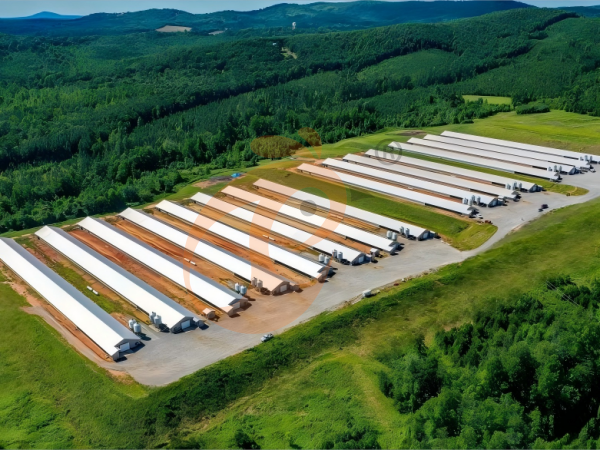
Global factory direct supply of poultry farm equipment including H-type poultry cage systems with production capacity of 30,000 to 100,000 birds per poultry house.
Manufacturing of galvanized steel poultry cage structures using 275 g/m² zinc coating, cage width 1200–2200 mm, depth 625 mm, height 450 mm, and service life 25+ years.
Delivery of integrated poultry farm equipment including feeding systems, automatic nipple drinkers, egg collection conveyors, and manure belt removal systems.
Turn-key poultry farming engineering services including poultry house design, equipment installation, farm layout planning, and production training.
Engineering parameters support 4–16 tier H-type poultry cage systems, daily feeding 110 g per bird, and egg collection system efficiency above 99%.
Contact Us To Received Your Customized Poultry Farm Plan
Headquarters And Branchs

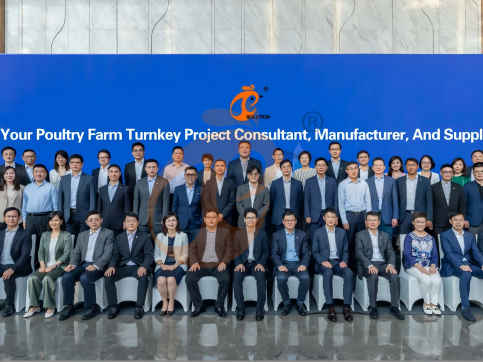
Hong Kong Headquarter Management Team
Hong Kong Headquarter Taiyu Industrial Group CO., LTD
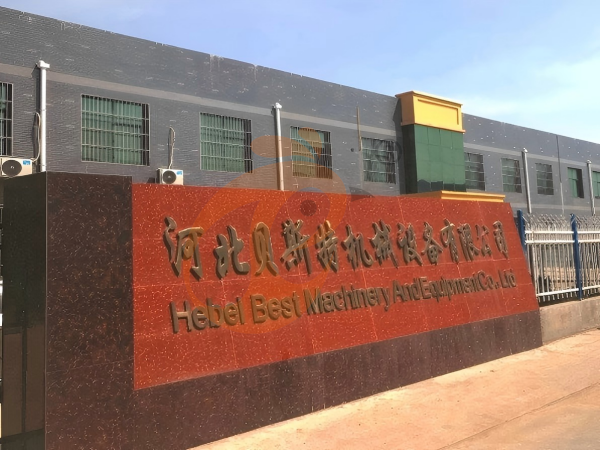
China Hebei Best Machinery And Equipment CO., LTD
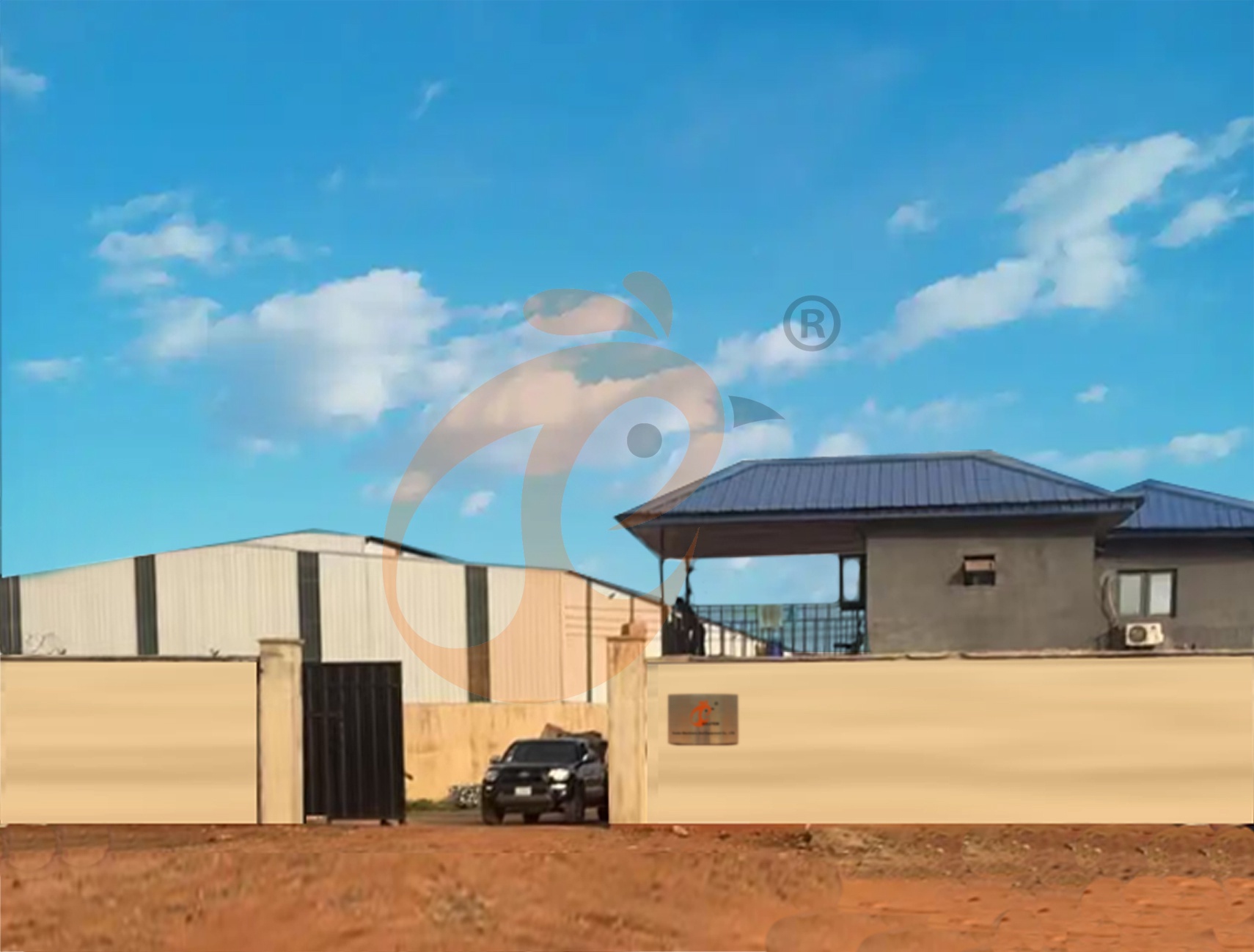
Nigeria Vanke Machinery And Equipment CO., LTD
Tanzania Best Machinery And Equipment CO., LTD
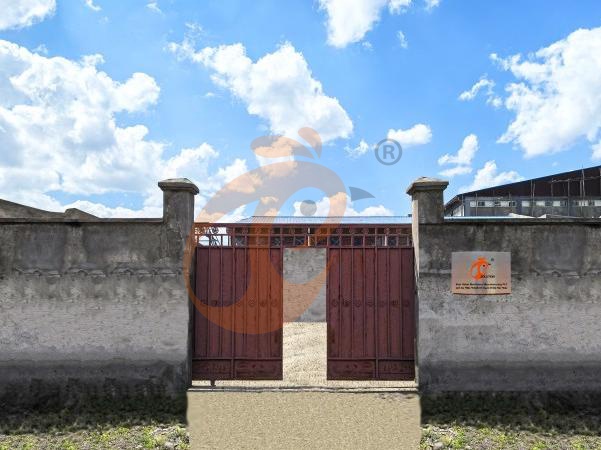
Ethiopia Best Hebei Machinery Manufacturing PLC




Reception /24 WhatsApp NO. : +8618830120193
- battery cage
- battery cage system
- poultry farm
- poultry farms
- poultry house
- poultry cage
- cage
- poultry farm equipment
- poultry farm construction
- poultry cage manufacturer
- poultry cage system
- poultry farming equipment
- poultry cage system cost
- poultry cage structure
- poultry house design
- poultry housing system
- deep litter system
- poultry equipment
- egg collection system
- egg collection equipment
- battery cages
- poultry cages
- chickencage
- bestchickencage
- cage system
- h type
- cage systems
- Nigeria
- layer farm
- commercial poultry farms
- poultry farming
- automated poultry equipment
- poultry cage systems
- poultry housing systems
- cage manufacturer
- steel poultry cage
- egg collection conveyor
- poultry farm plan
- poultry feed
Message
Products recommended
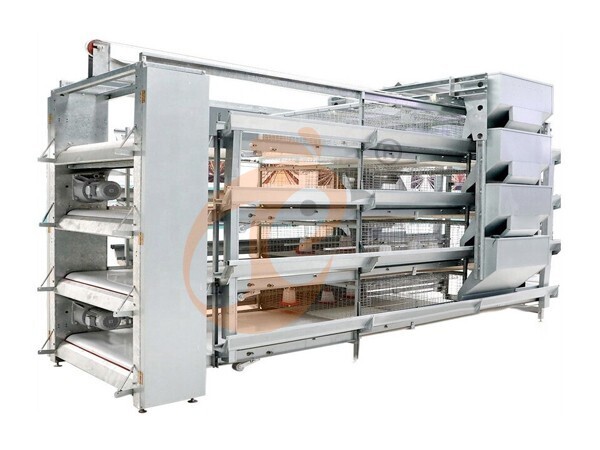
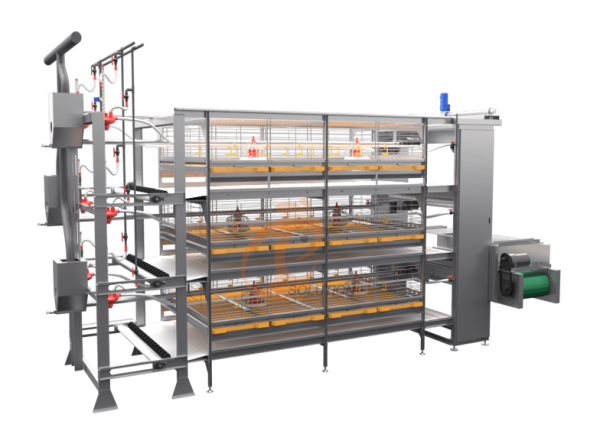
 >30,000 Pullets Automatic H Type Battery Cage1. More than 30,000 pullets a house, choose it.
2. It is designed to rearing older than 1 day old pullets to 12 to 16 weeks old chicken starting laying eggs.
3. Its lifespan is more than 25 years.
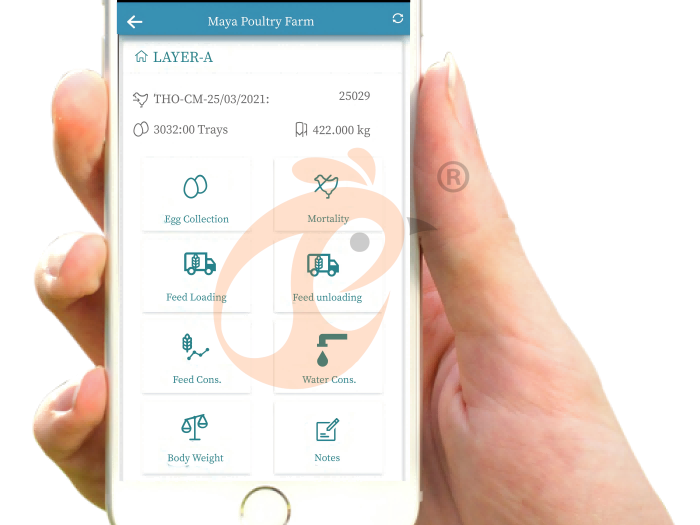
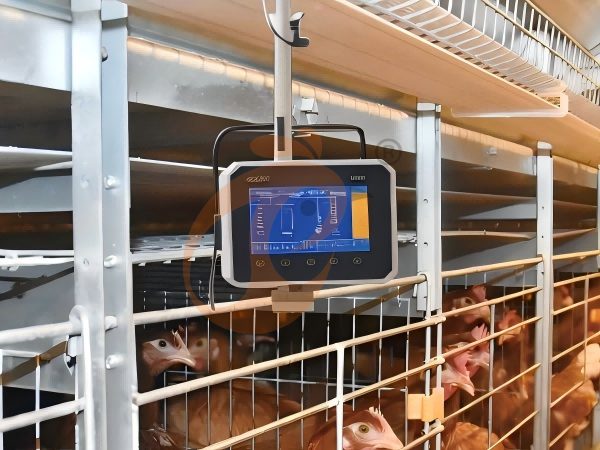
4. Its structure are Vcloud artificial intelligent fusion, electric control cabinet, automatic equipment of drinking, feeding, manure clean, manual harvesting.
5. Our 24 hour online reception What’sApp NO. is +8618830120193 <30,000 Pullets Automatic A Type Battery Cage1. 10,000 to 30,000 pullets a house, choose it.
2. It is designed to rearing older than 1 day old pullets to 12 to 16 weeks old chicken starting laying eggs.
3. Its lifespan is more than 25 years.
4. Its structure are Vcloud artificial intelligent fusion, electric control cabinet, automatic equipment of drinking, feeding, manure clean, manual harvesting.
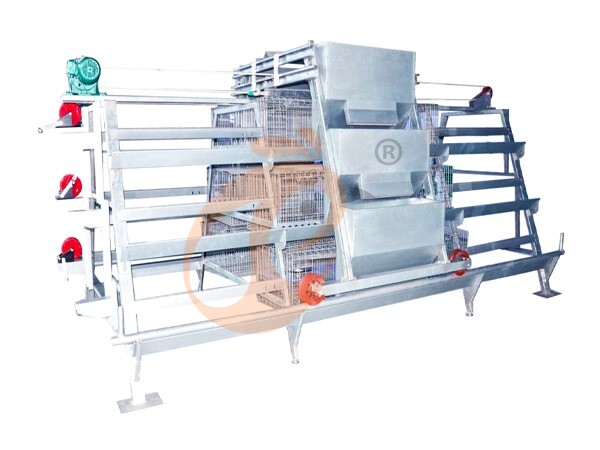
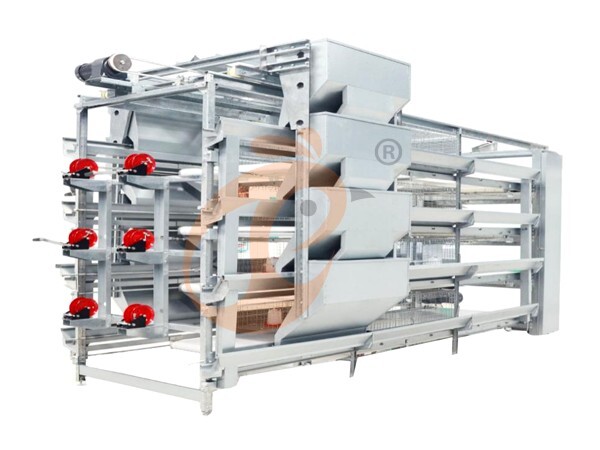
5. Our 24 hour online reception What’sApp NO. is +86 18830120193. >30,000 Broilers Semi-Automatic Harvest H Type Battery Cage1. More than 30,000 broilers a house, choose it.
2. It is designed to rearing 1 to 45 day old adult broiler ready for market.
3. Its lifespan is more than 20 years.
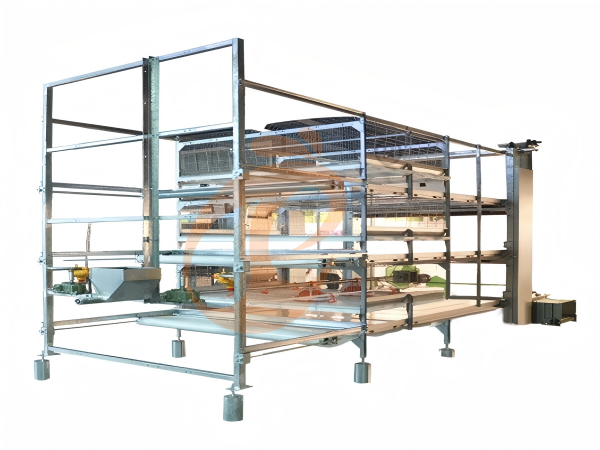
4. Our 24 hour online reception What’sApp NO. is +8618830120193, +234 8111199996. >30,000 Broilers Manual Harvest H Type Battery Cage1. More than 30,000 broilers a house, choose it.
2. It is designed to rearing 1 to 45 day old adult broiler ready for market.
3. Its lifespan is more than 20 years.
4. Its structure are Vcloud artificial intelligent fusion, electric control cabinet, automatic equipment of drinking, feeding and manure clean, manual harvesting.
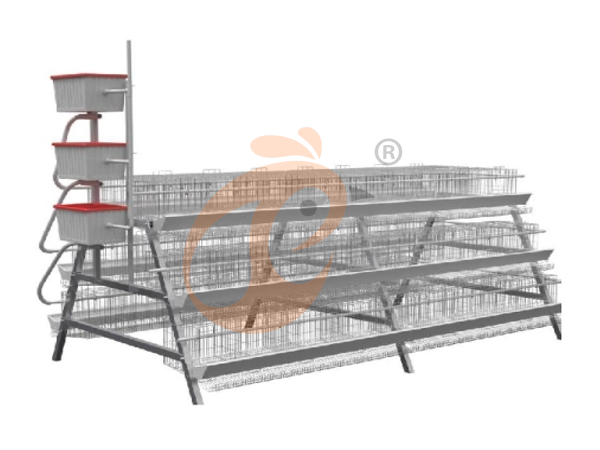
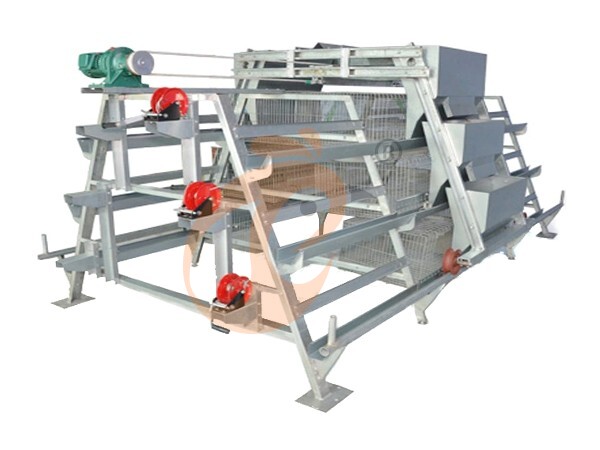
5. Our 24 hour online reception What’sApp NO. is +8618830120193, +234 8111199996. <30,000 Broilers Manual Harvest A Type Battery Cage1. Less 30,000 broilers a house, choose it.
2. It is designed to rearing 1 to 45 day old adult broiler ready for market.
3. Its lifespan is more than 20 years.
4. Its structure are Vcloud artificial intelligent fusion, electric control cabinet, automatic equipment of drinking, feeding and manure clean, manual harvesting.
5. Our 24 hour online reception What’sApp NO. is +8618830120193, +234 8111199996. HK Headquarter Offers EU-standard Poultry Farm Solutions, Manufacture Poultry Farm Equipment1. Continuous communication with the EU and the US
2. China, Nigeria, Ethiopia, Tanzania branch companies and factories
3. The products’ quality is customized for local poultry farms
4. Poultry cage and poultry farm equipment stock for sale
5. 24 online reception Whatsapp NO. : +8618830120193,contact us to get full information China Branch Offer Poultry Farm Business Plan, Manufacture Poultry Farm Equipment1. Address: Flat/RM 2416, 24/F, Runxing Building, Youyi Nan Street, Shijiazhuang City, Hebei Province, China
2. Poultry cage and poultry farm equipment factory and stock for sale
3. Customized for local poultry farms
4. Quality and design are based on Euro
5. 24 online reception Whatsapp NO. : +8618830120193 Nigeria Branch Offer Poultry Farm Business Plan, Manufacture Poultry Farm Equipment1. Address: After Sinoma Office, 200 Meters Near Danco Filling Station, Lagos/Ibadan Expressway, Lagos State, Nigeria
2. Poultry cage and poultry farm equipment factory and stock for sale
3. Customized for Nigerian poultry farms
4. Quality and design are based on Euro
5. 24 online reception Whatsapp NO. : +8618830120193 Ethiopia Branch Offer Poultry Farm Business Plan, Manufacture Poultry Farm Equipment1. Address: WR93+FQ2, Addis Ababa, Ethiopia
2. Poultry cage and poultry farm equipment stock for sale
3. Customized for Ethiopian poultry farms
4. Quality and design are based on Euro
5. 24 online reception Whatsapp NO. : +8618830120193, contact us to get price list Tanzania Branch Offer Poultry Farm Business Plan, Manufacture Poultry Farm Equipment1. Address: No.8, Sova Road, Msufini, Mlandizi, Kibaha, Pwani, Tanzania
2. Poultry cage and poultry farm equipment factory and stock for sale
3. Customized for Tanzanian poultry farms
4. Quality and design are based on Euro
5. 24 online reception Whatsapp NO. : +8618830120193



Contact
By clicking 'Allow All', you agree to the storage of cookies on your device to enhance site navigation, analyze site usage and assist with our marketing efforts.