


Blog
Chicken cage for layers cost in Ethiopia depends on material, design, and automation level.
Farmers must consider corrosion resistance, feeding systems, and manure management technology.
Import logistics through Djibouti significantly affects the final investment cost.
Modern A-type cage systems help reduce labor and feed waste.
Long-term production efficiency depends on durable materials and precise engineering.
Get professional poultry farm construction guidance, equipment selection solutions, and the latest price lists, whatsApp to +8618830120193, click to learn more:

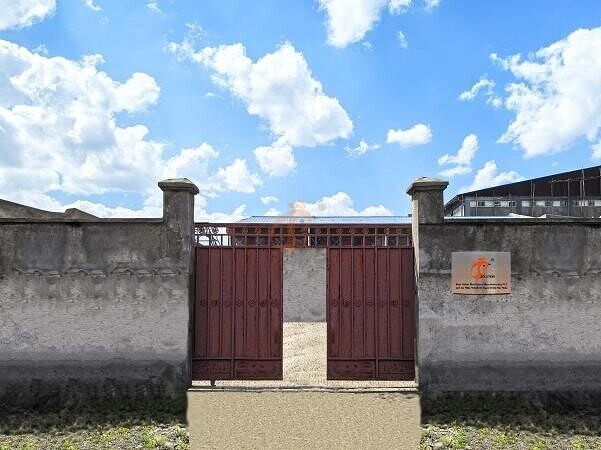
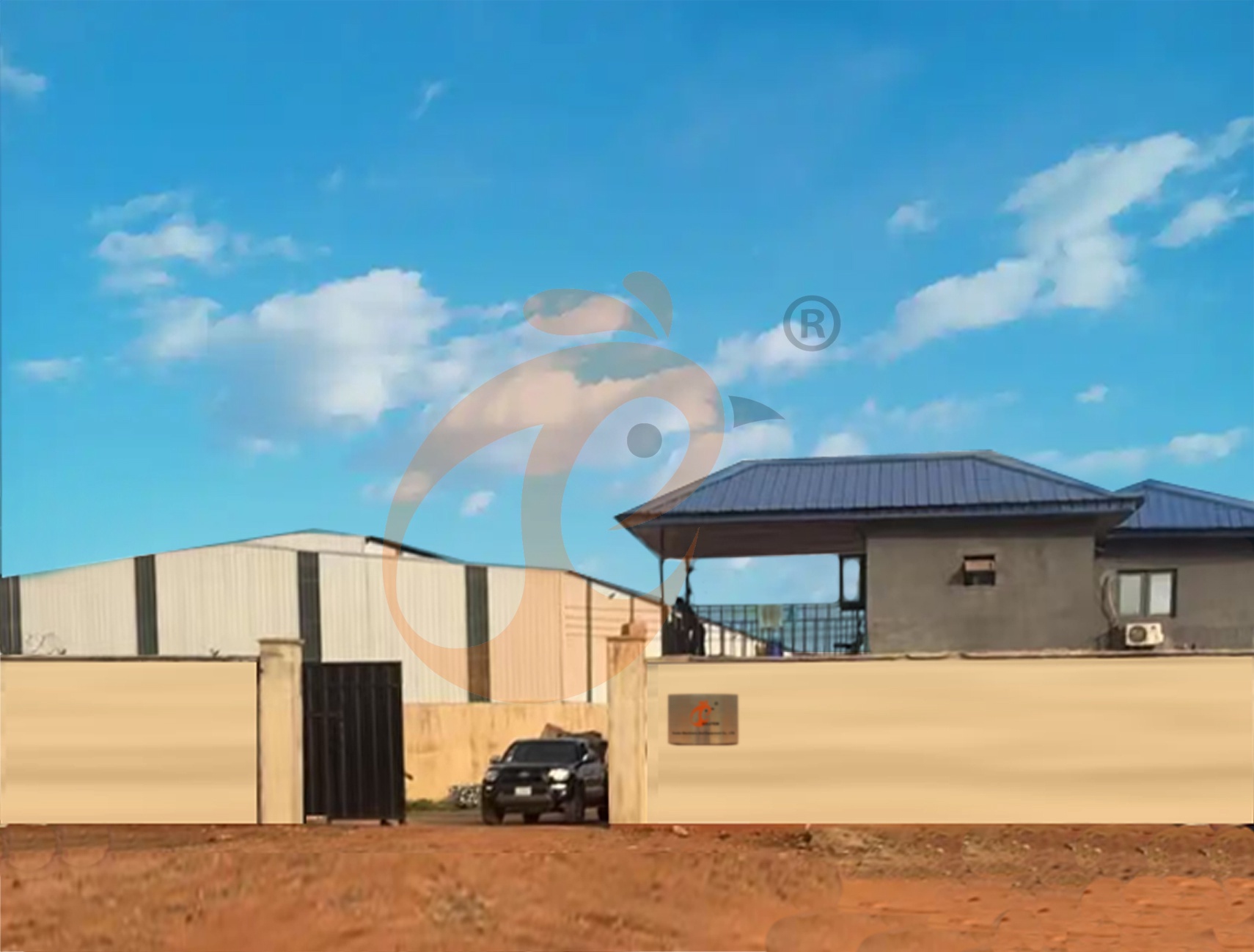
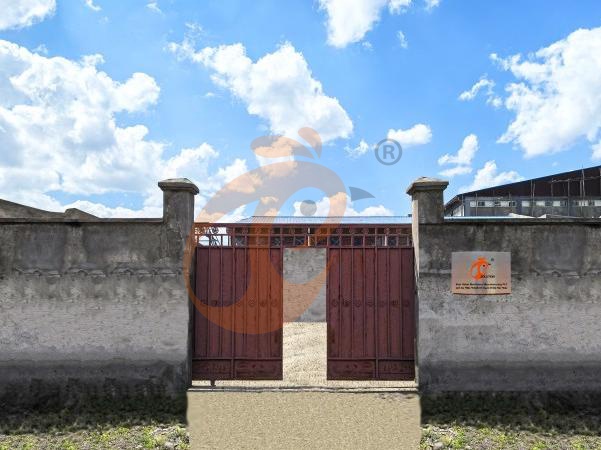
Ethiopia Branch Office And Factory Of Poultry Farm Equipment
Material Grade: The Battle Against Corrosion
In the Ethiopian Rift Valley regions, high humidity and the acidic nature of chicken manure can damage low-quality cages within 36 months.
The price of a cage is primarily determined by its galvanization process.
While cold-galvanized cages have a lower initial cost, commercial poultry farms increasingly adopt hot-dip galvanized poultry cage systems to extend service life.
Hot-dip galvanization submerges steel in molten zinc at 450 °C, forming a dense protective coating.
This process helps prevent rust and allows the cage structure to maintain performance for more than two decades in high-ammonia poultry environments.
Data is for reference only.Swipe horizontally to view full table.
Structural Design: A-Type Vs H-Type For Ethiopian Farms
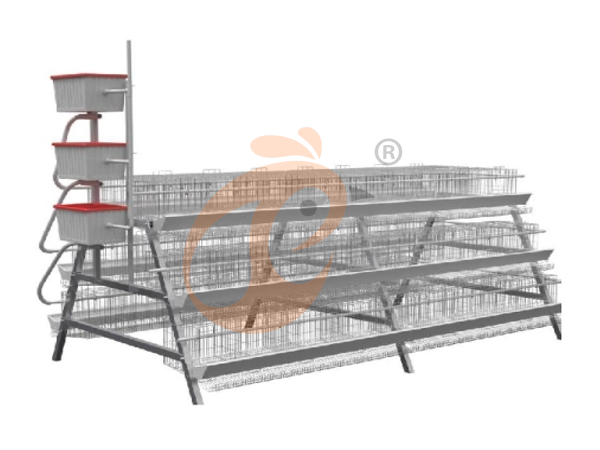
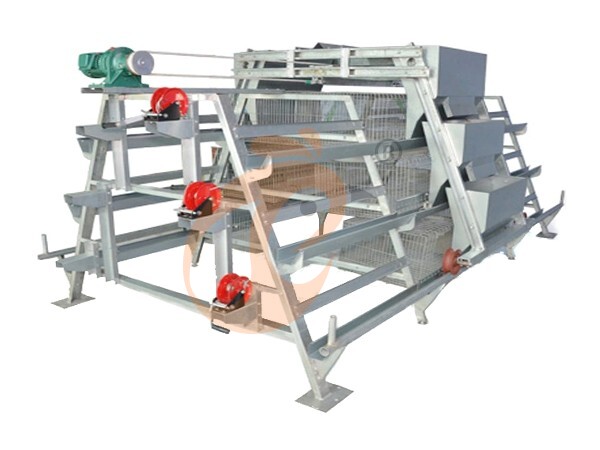
For many medium-scale farms in Debre Zeit, the A-type poultry cage remains the most widely used design because of strong natural ventilation and moderate installation requirements.
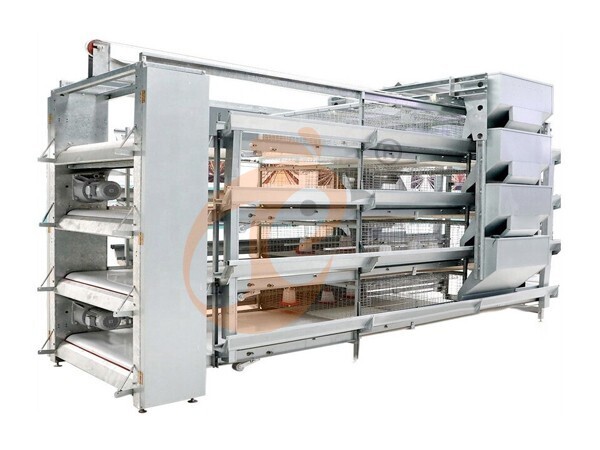
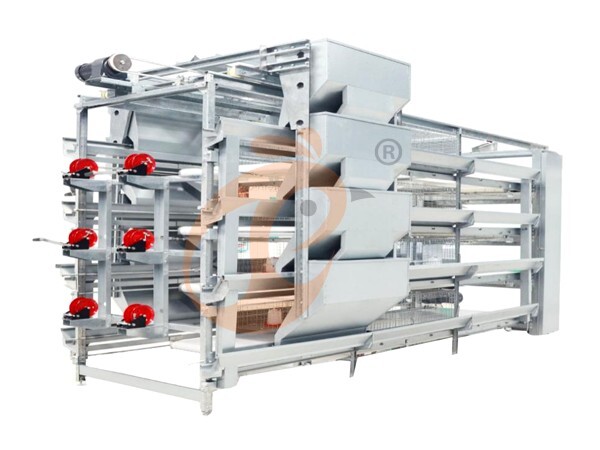
However, increasing land prices around Addis Ababa are encouraging farmers to consider H-frame cage systems, which allow more birds to be housed per square meter.
The structural differences also affect building design and investment cost.
A-type systems are commonly installed in naturally ventilated poultry houses with semi-automatic equipment.
H-frame systems usually require controlled housing environments due to higher stocking density.
Data is for reference only.Swipe horizontally to view full table.
Feeding Systems: Solving The High Feed Cost Pain Point
Feed normally accounts for 70–75% of poultry production expenses in Ethiopian egg farms.
Manual feeding systems often lead to feed losses caused by spillage and uneven distribution.
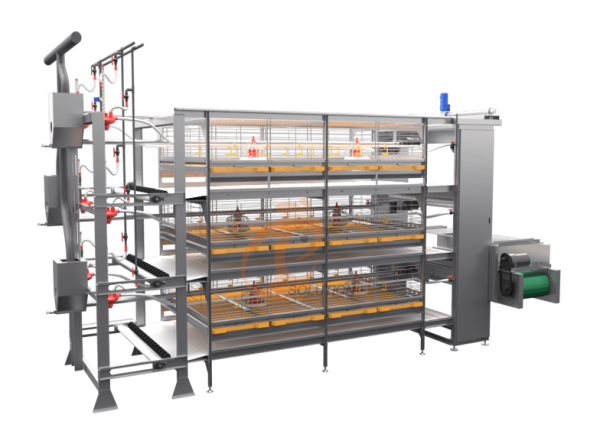
Modern layer chicken cage systems with trolley feeders help reduce feed waste and improve feed conversion ratio performance.
These systems move along the feed trough and distribute balanced rations evenly across each cage row.
Accurate feed delivery supports stable egg production levels across large flocks and supports laying performance between 90–98% production rate.
Data is for reference only.Swipe horizontally to view full table.
Water Systems: Biosecurity And Nipple Drinker Technology
Water quality management is a key factor in poultry health.
Traditional bell drinkers require frequent cleaning and may introduce contamination from litter and manure.
Modern layer cage systems typically include nipple drinking pipelines.
These systems deliver controlled water flow and maintain a cleaner cage environment.
Each drinking line usually includes filtration equipment and pressure regulators to maintain equal water pressure at different cage levels.
Data is for reference only.Swipe horizontally to view full table.
Manure Removal: Managing Ammonia In The Shed
Large poultry farms require efficient manure removal systems to control ammonia levels and maintain environmental conditions inside the poultry house.
Older deep pit systems often accumulate manure for long periods and increase odor concentration.
Automated scraper or belt systems remove manure regularly and improve house hygiene.
A-type cage installations commonly use scraper systems in manure channels.
H-frame cage systems usually apply manure belts installed under each tier.
Data is for reference only.Swipe horizontally to view full table.
Import Logistics: The Djibouti To Addis Transport Factor
International suppliers usually quote equipment prices before shipping and customs costs.
For Ethiopian farmers, the final investment includes ocean freight, port clearance, inland transport, and taxation.
The exchange rate in early 2026 is approximately 158 Ethiopian birr per USD equivalent value.
European union standard reference only.
Government policies may provide incentives for agricultural capital equipment imports, but taxes and installation expenses remain part of the total investment.
Data is for reference only.Swipe horizontally to view full table.
Summary: Calculating The Long-Term Return On Investment
When evaluating poultry cage investment, farmers should consider durability, labor efficiency, and long-term maintenance cost rather than only the initial purchase price.
Systems built with hot-dip galvanized materials typically require fewer replacements and maintain stable production conditions for many years.
Data is for reference only.Swipe horizontally to view full table.
Frequently Asked Questions
Q1: How much does a chicken cage for layers cost in Ethiopia?
The investment depends on cage material, automation level, and flock size.
A typical 10,000-bird system may require several million Ethiopian birr including equipment, shipping, and installation.
Q2: Which cage design is most common for Ethiopian farms?
A-type cage systems are widely used because they provide natural ventilation and moderate construction investment.
They are suitable for farms raising about 10000–30000 birds.
Q3: When should farmers choose H-type poultry cage systems?
H-type cage systems are typically applied in medium and large poultry farms housing about 30000–100000 birds, where higher stocking density and automated equipment are required.
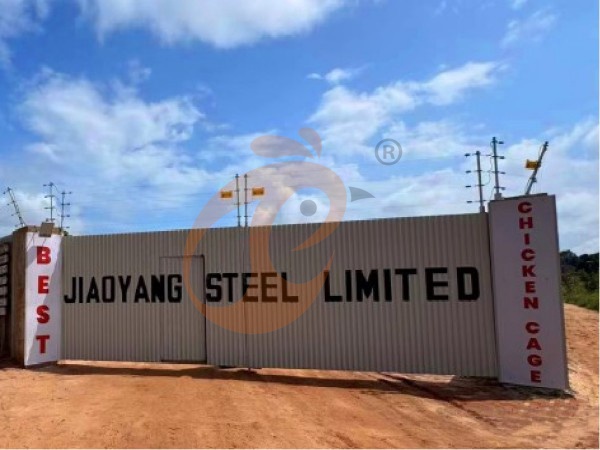
Ethiopia Best Hebei Machinery Manufacturing Plc - One Of Ethiopia Largest Poultry Cage Manufacturer
Global factory direct supply for poultry farm equipment and poultry cage systems.
Professional production lines delivering A-type and H-type poultry cage with hot-dip galvanized steel and 25+ year service life.
Turn-key poultry farm engineering including cage installation, feeding system, drinking system, and manure removal system.
Capacity design for 10000–100000 layer chickens with egg production performance between 90–98%.
Engineering parameters include cage wire diameter 3.2–3.8 mm, zinc coating 275–450 g/m², feeding capacity 1.5 tons per hour.
Contact Us To Received Your Customized Poultry Farm Plan
Headquarters And Branchs

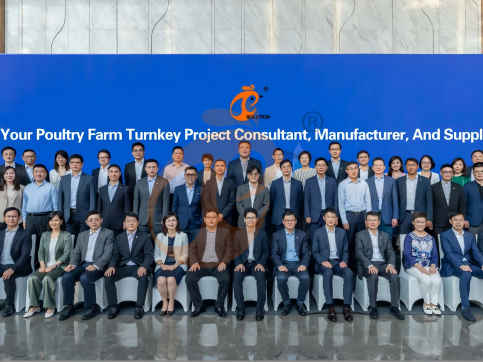
Hong Kong Headquarter Management Team
Hong Kong Headquarter Taiyu Industrial Group CO., LTD
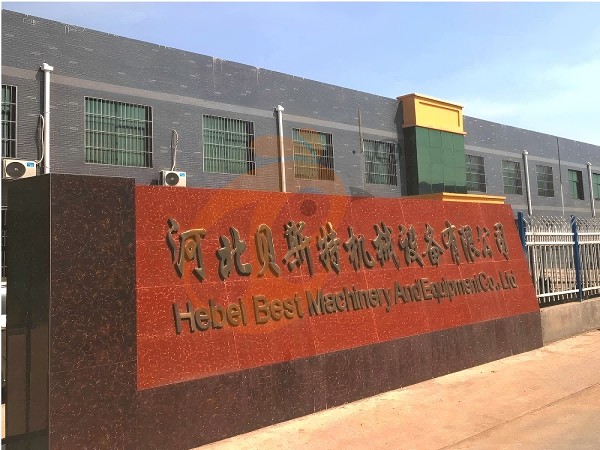
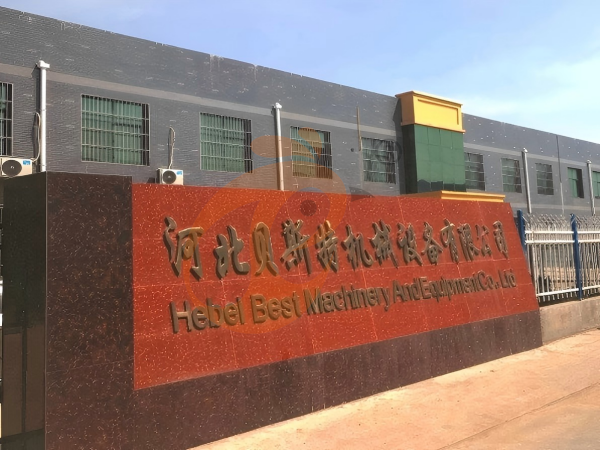
China Hebei Best Machinery And Equipment CO., LTD
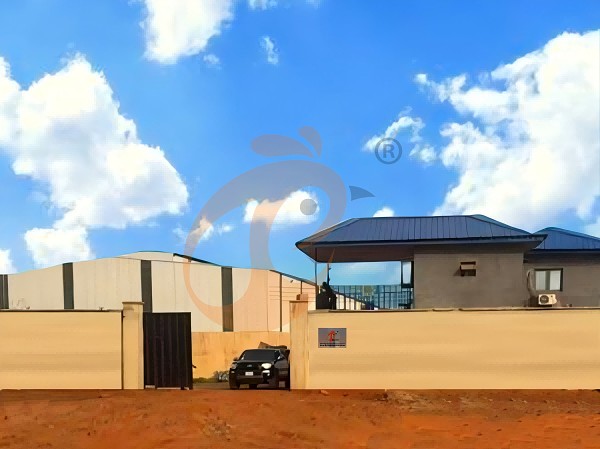
Nigeria Vanke Machinery And Equipment CO., LTD
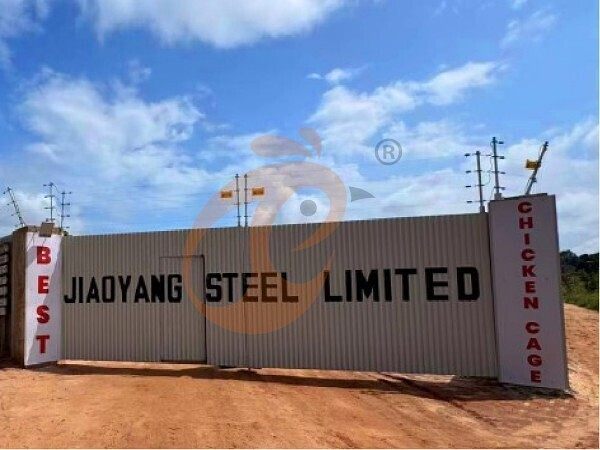
Tanzania Best Machinery And Equipment CO., LTD
Ethiopia Best Hebei Machinery Manufacturing PLC
Reception /24 WhatsApp NO. : +8618830120193
- poultry farm
- chicken cage
- poultry farms
- layer cage
- poultry house
- poultry cage
- cage
- galvanized cage
- poultry farm equipment
- poultry farm construction
- layer cage system
- poultry cage manufacturer
- poultry cage system
- chicken cage system
- chicken cage for layer
- manure removal system
- cage for layers
- a chicken cage
- chickencage
- bestchickencage
- cage system
- galvanized cages
- cage systems
- h cage
- layer chicken cage
- chicken cage for layers
- Nigeria
- layer chicken cage system
- commercial poultry farms
- large poultry farms
- poultry cage systems
- cage design
- cage manufacturer
- galvanized poultry cage
- large poultry farms housing
- poultry farm plan
Message
Products recommended
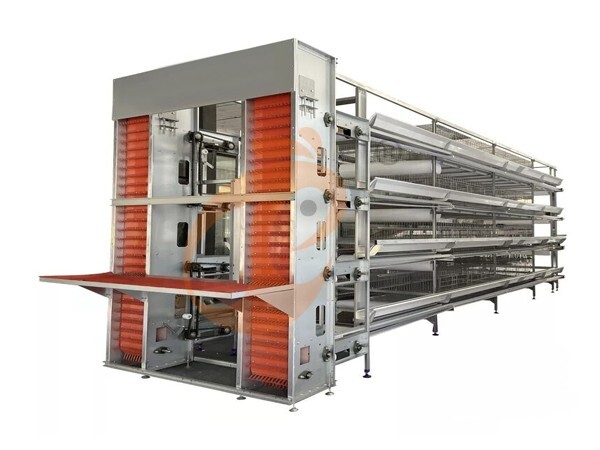
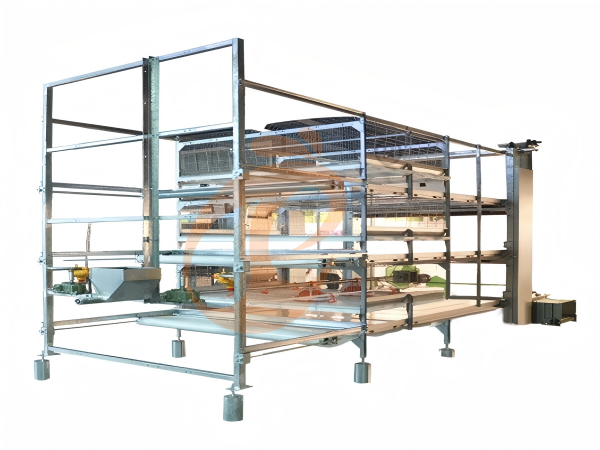
 >30,000 Pullets Automatic H Type Battery Cage1. More than 30,000 pullets a house, choose it.
2. It is designed to rearing older than 1 day old pullets to 12 to 16 weeks old chicken starting laying eggs.
3. Its lifespan is more than 25 years.
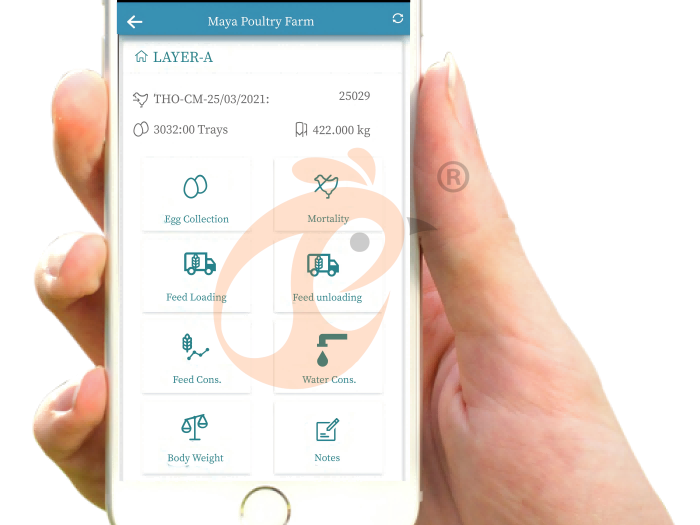
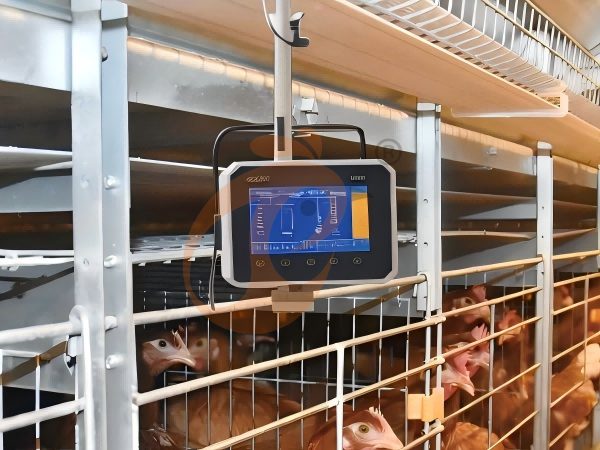
4. Its structure are Vcloud artificial intelligent fusion, electric control cabinet, automatic equipment of drinking, feeding, manure clean, manual harvesting.
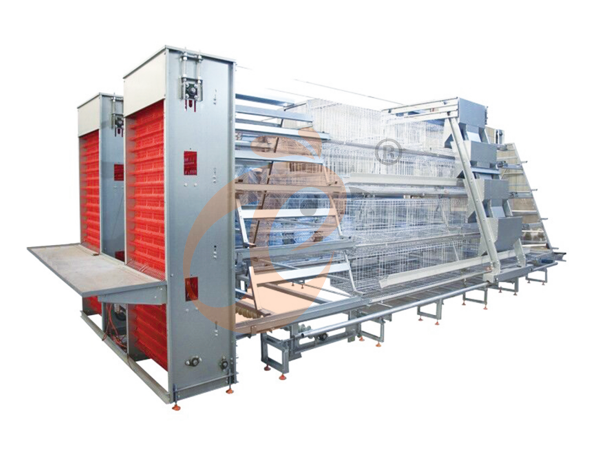
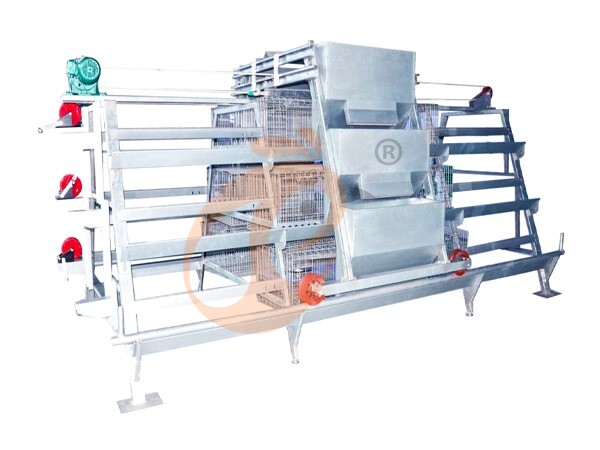
5. Our 24 hour online reception What’sApp NO. is +8618830120193 <30,000 Pullets Automatic A Type Battery Cage1. 10,000 to 30,000 pullets a house, choose it.
2. It is designed to rearing older than 1 day old pullets to 12 to 16 weeks old chicken starting laying eggs.
3. Its lifespan is more than 25 years.
4. Its structure are Vcloud artificial intelligent fusion, electric control cabinet, automatic equipment of drinking, feeding, manure clean, manual harvesting.
5. Our 24 hour online reception What’sApp NO. is +86 18830120193. >30,000 Broilers Semi-Automatic Harvest H Type Battery Cage1. More than 30,000 broilers a house, choose it.
2. It is designed to rearing 1 to 45 day old adult broiler ready for market.
3. Its lifespan is more than 20 years.
4. Our 24 hour online reception What’sApp NO. is +8618830120193, +234 8111199996. >30,000 Broilers Manual Harvest H Type Battery Cage1. More than 30,000 broilers a house, choose it.
2. It is designed to rearing 1 to 45 day old adult broiler ready for market.
3. Its lifespan is more than 20 years.
4. Its structure are Vcloud artificial intelligent fusion, electric control cabinet, automatic equipment of drinking, feeding and manure clean, manual harvesting.
5. Our 24 hour online reception What’sApp NO. is +8618830120193, +234 8111199996. <30,000 Broilers Manual Harvest A Type Battery Cage1. Less 30,000 broilers a house, choose it.
2. It is designed to rearing 1 to 45 day old adult broiler ready for market.
3. Its lifespan is more than 20 years.
4. Its structure are Vcloud artificial intelligent fusion, electric control cabinet, automatic equipment of drinking, feeding and manure clean, manual harvesting.
5. Our 24 hour online reception What’sApp NO. is +8618830120193, +234 8111199996. HK Headquarter Offers EU-standard Poultry Farm Solutions, Manufacture Poultry Farm Equipment1. Continuous communication with the EU and the US
2. China, Nigeria, Ethiopia, Tanzania branch companies and factories
3. The products’ quality is customized for local poultry farms
4. Poultry cage and poultry farm equipment stock for sale
5. 24 online reception Whatsapp NO. : +8618830120193,contact us to get full information China Branch Offer Poultry Farm Business Plan, Manufacture Poultry Farm Equipment1. Address: Flat/RM 2416, 24/F, Runxing Building, Youyi Nan Street, Shijiazhuang City, Hebei Province, China
2. Poultry cage and poultry farm equipment factory and stock for sale
3. Customized for local poultry farms
4. Quality and design are based on Euro
5. 24 online reception Whatsapp NO. : +8618830120193 Nigeria Branch Offer Poultry Farm Business Plan, Manufacture Poultry Farm Equipment1. Address: After Sinoma Office, 200 Meters Near Danco Filling Station, Lagos/Ibadan Expressway, Lagos State, Nigeria
2. Poultry cage and poultry farm equipment factory and stock for sale
3. Customized for Nigerian poultry farms
4. Quality and design are based on Euro
5. 24 online reception Whatsapp NO. : +8618830120193 Ethiopia Branch Offer Poultry Farm Business Plan, Manufacture Poultry Farm Equipment1. Address: WR93+FQ2, Addis Ababa, Ethiopia
2. Poultry cage and poultry farm equipment stock for sale
3. Customized for Ethiopian poultry farms
4. Quality and design are based on Euro
5. 24 online reception Whatsapp NO. : +8618830120193, contact us to get price list Tanzania Branch Offer Poultry Farm Business Plan, Manufacture Poultry Farm Equipment1. Address: No.8, Sova Road, Msufini, Mlandizi, Kibaha, Pwani, Tanzania
2. Poultry cage and poultry farm equipment factory and stock for sale
3. Customized for Tanzanian poultry farms
4. Quality and design are based on Euro
5. 24 online reception Whatsapp NO. : +8618830120193


Contact
By clicking 'Allow All', you agree to the storage of cookies on your device to enhance site navigation, analyze site usage and assist with our marketing efforts.