


Blog
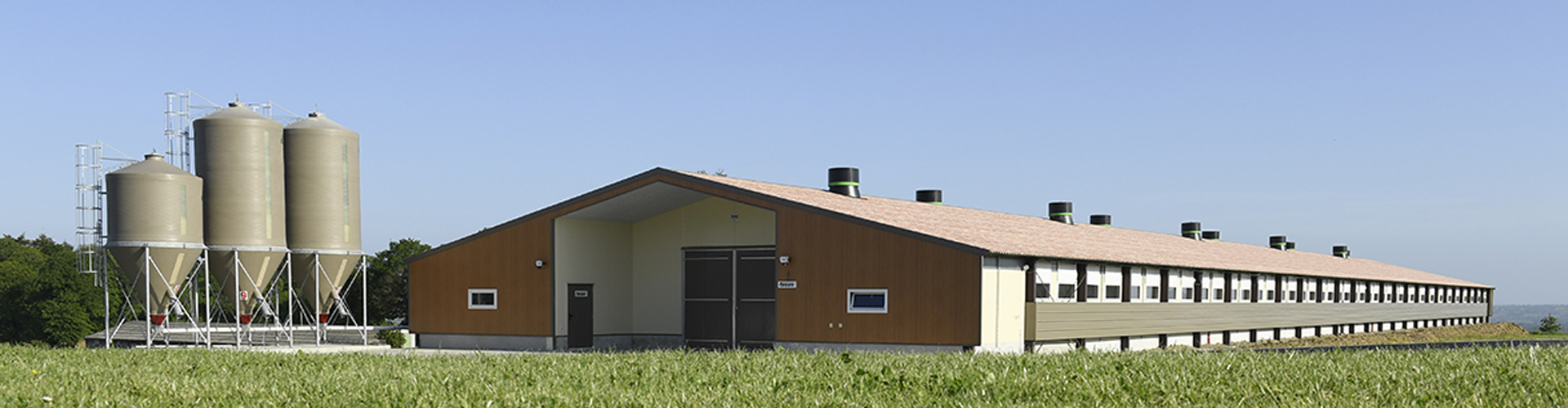
Ethiopian poultry cage system price influences farm investment decisions and long-term production planning for commercial egg farms.
Understanding infrastructure, cage design, and management factors helps farmers evaluate total ownership costs rather than only equipment purchase price.
Poultry production efficiency depends on feed conversion, housing density, and disease control systems integrated with modern cage housing.
Transitioning from backyard poultry systems to organized layer housing increases egg collection efficiency and improves flock management.
Proper equipment planning supports stable egg supply for growing urban markets and commercial distribution channels.
Get professional poultry farm construction guidance, equipment selection solutions, and the latest price lists, whatsApp to +8618830120193, click to learn more:

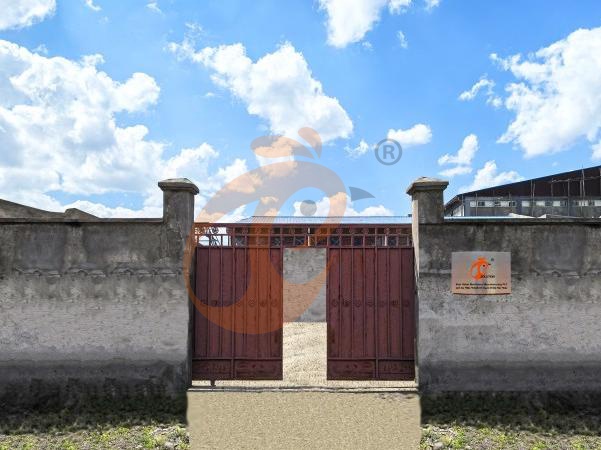
Ethiopia Branch Office And Factory Of Poultry Farm Equipment
Ethiopia Poultry Farming Market Transition
Poultry farming in Ethiopia is undergoing a silent revolution.
As urban demand for eggs grows in centers like Addis Ababa, Bishoftu, and Adama, traditional backyard scavenging systems are proving insufficient to meet the market's demand for consistent, high-quality nutrition.
Transitioning from free-range systems to modern layer cage systems is the most significant step a farmer can take to professionalize poultry production, yet the question of cost remains a major barrier for many investors.
When evaluating the layer cage system cost in Ethiopia, it is not only about the invoice from a supplier.
Farmers must consider logistics, infrastructure, and long-term production efficiency that influence the overall commercial poultry cage investment.
The Reality Of Investment: Why Cage Systems?
In Ethiopia, the traditional poultry production system often characterized by 5–20 birds per household faces several limitations.
Disease outbreaks such as Newcastle disease (locally called fengil), predator attacks, and feed losses are common factors affecting productivity.
Adopting a battery cage housing system provides a controlled environment that improves bird protection, feed utilization, and egg collection efficiency.
Modern layer cage housing systems commonly maintain 90–98% egg production rate under proper farm management.
Data is for reference only.Swipe horizontally to view full table.
Factor One: Cage Design And Material Quality
The cage structure represents the central investment of a poultry housing system.
In Ethiopia, farmers generally choose between A-type cages and H-type cages, which directly influence installation scale and total capital investment.
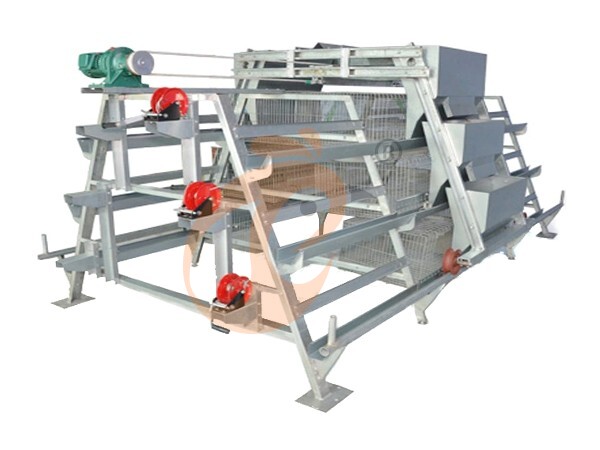
A-type cages are widely used in small and medium poultry farms because of their simple structure and convenient installation.
This housing design allows farmers to manage flocks efficiently while maintaining organized feeding, watering, and egg collection operations.
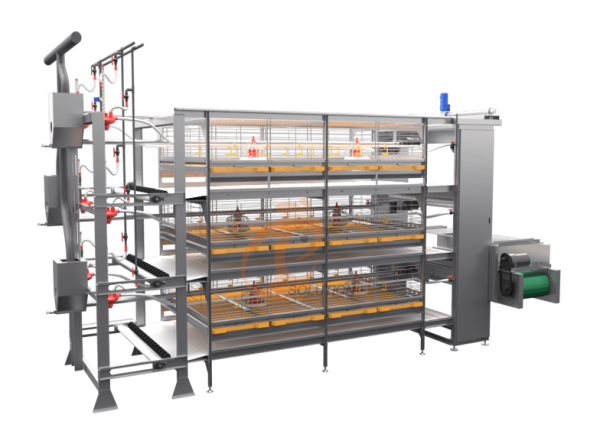
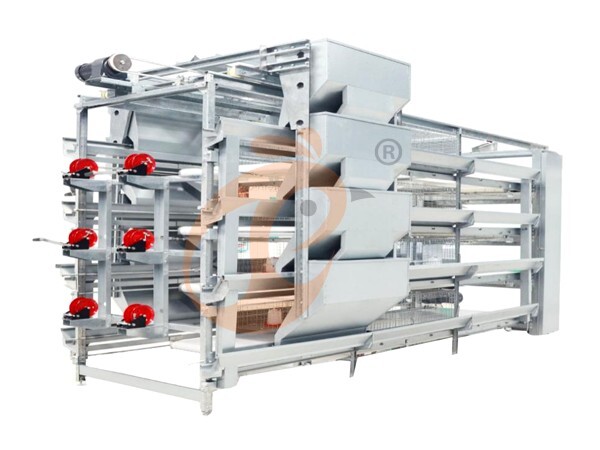
H-type cages are typically applied in larger commercial poultry farms where vertical space utilization and automated management systems are required.
These cage structures are often integrated with automatic feeding lines, manure removal systems, and egg collection equipment to support high-capacity farm management.
Data is for reference only.Swipe horizontally to view full table.
Factor Two: Automation Level And Labor Savings
Labor remains an important component of poultry production management.
Although labor costs are lower than in some countries, modern poultry farms increasingly adopt automated equipment to maintain stable feeding schedules and improve production consistency.
Automation systems may include automatic feeders, nipple drinkers, manure belts, and egg conveyors.
These systems reduce manual operations and maintain consistent feed distribution across all cages.
Data is for reference only.Swipe horizontally to view full table.
Factor Three: Import Logistics And Foreign Exchange
Import logistics play a significant role in determining the final poultry cage system cost in Ethiopia.
Most galvanized steel poultry cages are imported, requiring coordination with customs regulations, transport networks, and currency exchange procedures.
Because Ethiopia manages foreign exchange through controlled banking systems, delays in opening Letters of Credit may influence final project timelines.
Transport routes often include shipping through Djibouti port followed by inland transport to poultry production regions.
Equipment investment for poultry housing projects may typically range from 180,000 Ethiopian Birr to 950,000 Ethiopian Birr depending on scale and configuration.
(European union standard reference only).
Data is for reference only.Swipe horizontally to view full table.
Factor Four: Installation And Supporting Infrastructure
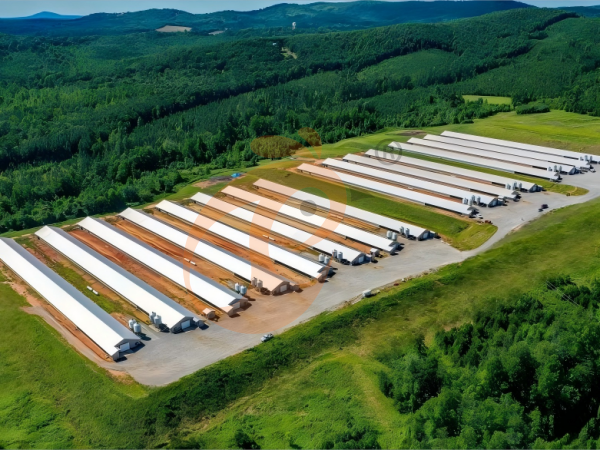
A poultry cage system requires a properly designed poultry house to achieve expected production efficiency.
Installing cages in buildings with insufficient ventilation or unstable flooring may affect flock health and equipment performance.
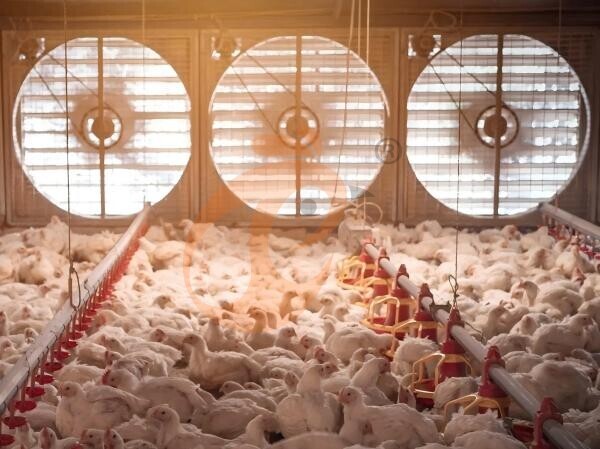
Ventilation structures help reduce heat stress, especially during warm seasons.
Concrete flooring supports stable cage installation and long-term structural durability.
Professional installation ensures cage alignment, allowing eggs to roll properly to collection channels.
Data is for reference only.Swipe horizontally to view full table.
Factor Five: The Cost Of Failure (Biosecurity)
Biosecurity is an essential factor in poultry farm management.
Diseases such as Newcastle disease can spread rapidly in open poultry environments.
Cage housing systems separate birds from manure and reduce exposure to contaminated litter surfaces.
This design also helps control rodents and wild birds that may carry pathogens.
By maintaining controlled housing conditions, farmers reduce production losses and improve flock stability.
Data is for reference only.Swipe horizontally to view full table.
Frequently Asked Questions About Poultry Cage System Price
Q1: What determines the price of an Ethiopian poultry cage system?
A1: The price depends on cage structure type, automation level, poultry house construction, and import logistics including customs clearance and transport.
Q2: Is A-type cage cheaper than H-type cage systems?
A2: Yes, A-type cages usually require lower structural investment and simpler installation, while H-type systems include automated equipment and higher bird capacity.
Q3: How long can a galvanized poultry cage system last?
A3: Hot-dip galvanized poultry cages generally provide a 25+ years service life when installed correctly and maintained with proper cleaning and ventilation systems.
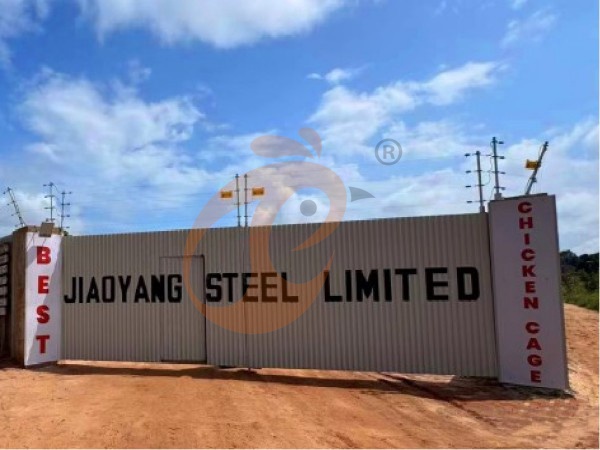
Ethiopia Best Hebei Machinery Manufacturing Plc - One Of Ethiopia Largest Poultry Cage Manufacturer
Global factory direct supply of poultry farm equipment with integrated engineering solutions.
Professional production of poultry cage systems, including A-type and H-type layer cage structures with 3–5 tiers and 4–16 tiers configuration.
Turn-key poultry farm construction projects covering design, manufacturing, and installation.
Equipment manufactured with hot-dip galvanized steel with 25+ years service life and stable structural parameters.
Technical support including farm layout design, capacity planning, and operational training.
Contact Us To Received Your Customized Poultry Farm Plan
Headquarters And Branchs

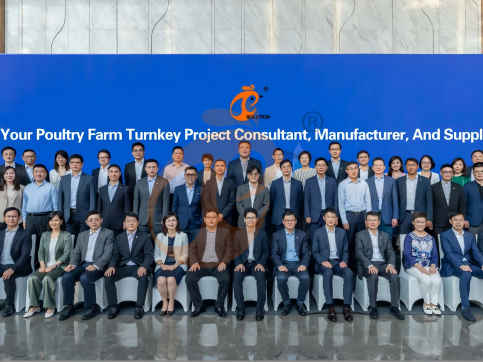
Hong Kong Headquarter Management Team
Hong Kong Headquarter Taiyu Industrial Group CO., LTD
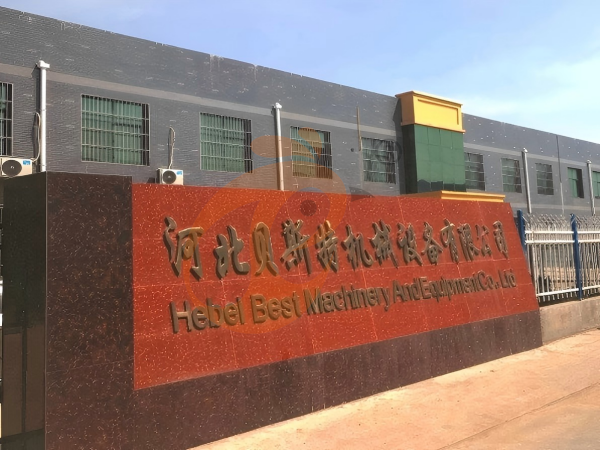
China Hebei Best Machinery And Equipment CO., LTD
Nigeria Vanke Machinery And Equipment CO., LTD
Tanzania Best Machinery And Equipment CO., LTD
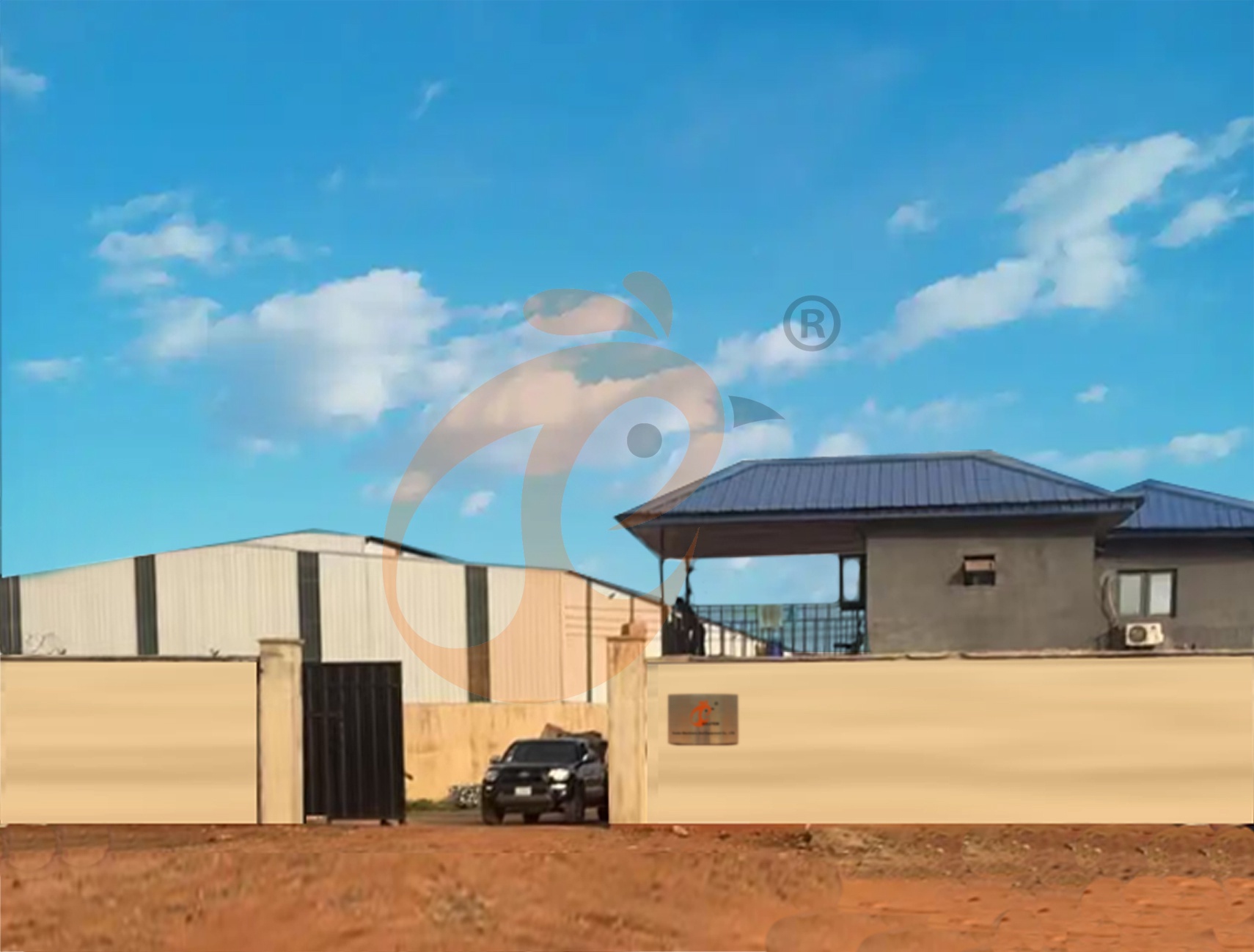
Ethiopia Best Hebei Machinery Manufacturing PLC




Reception /24 WhatsApp NO. : +8618830120193
- battery cage
- poultry farm
- poultry farms
- layer cage
- poultry house
- poultry cage
- cage
- poultry farm equipment
- poultry farm construction
- poultry farm management
- layer cage system
- poultry cage manufacturer
- poultry cage system
- poultry cage system price
- poultry cage system cost
- poultry house construction
- poultry housing system
- manure removal system
- egg collection equipment
- poultry cages
- chickencage
- battery cage housing system
- cage housing system
- bestchickencage
- cage system
- cage systems
- Nigeria
- commercial egg farm
- egg production farm
- modern poultry farms
- commercial poultry farms
- poultry farming
- poultry farming in Ethiopia
- poultry house management
- poultry cage systems
- cage design
- cage manufacturer
- modern poultry farm
- galvanized poultry cage
- steel poultry cage
- poultry farm plan
Message
Products recommended
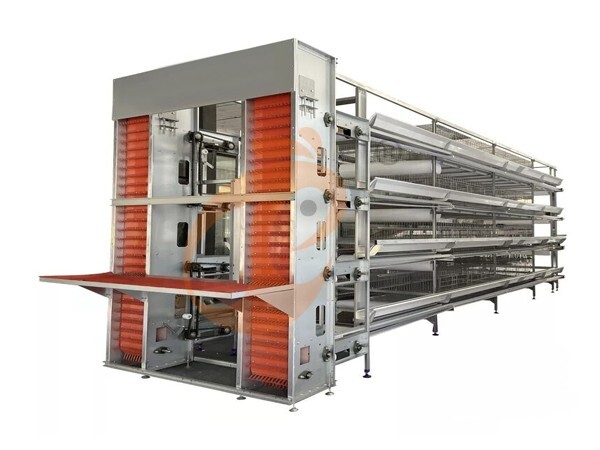
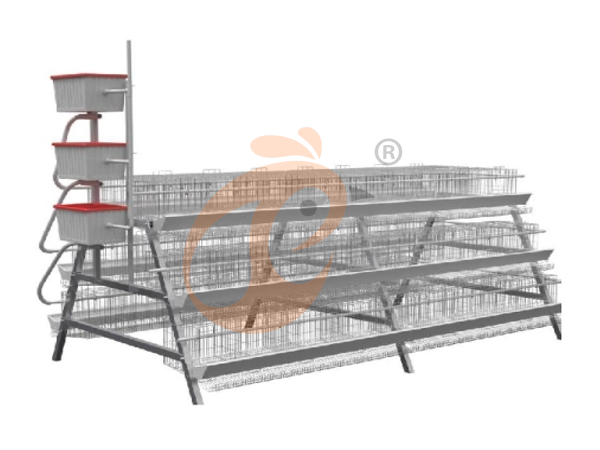
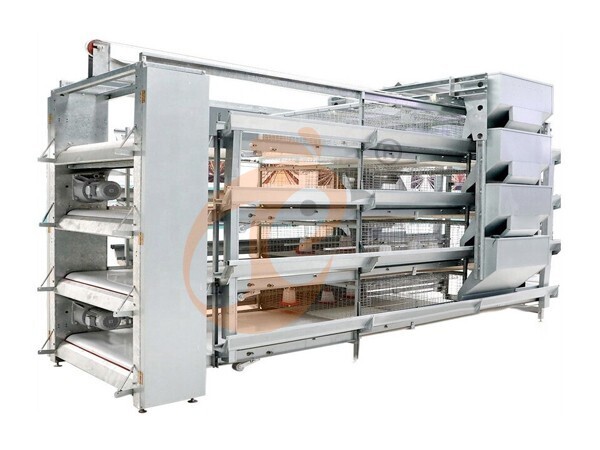
 >30,000 Pullets Automatic H Type Battery Cage1. More than 30,000 pullets a house, choose it.
2. It is designed to rearing older than 1 day old pullets to 12 to 16 weeks old chicken starting laying eggs.
3. Its lifespan is more than 25 years.
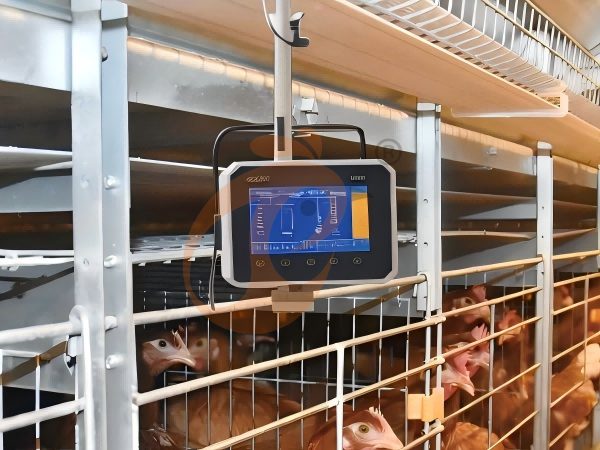
4. Its structure are Vcloud artificial intelligent fusion, electric control cabinet, automatic equipment of drinking, feeding, manure clean, manual harvesting.
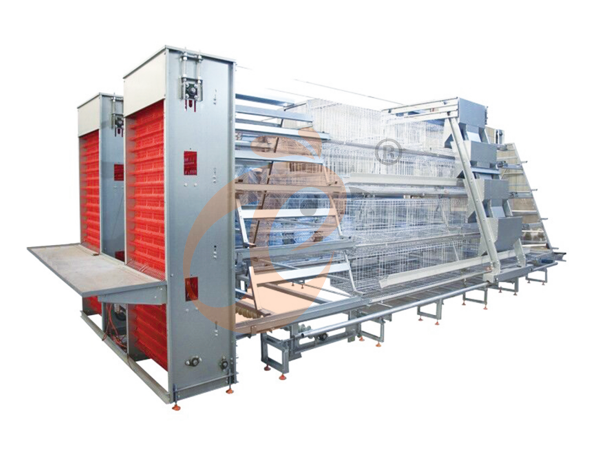
5. Our 24 hour online reception What’sApp NO. is +8618830120193 <30,000 Pullets Automatic A Type Battery Cage1. 10,000 to 30,000 pullets a house, choose it.
2. It is designed to rearing older than 1 day old pullets to 12 to 16 weeks old chicken starting laying eggs.
3. Its lifespan is more than 25 years.
4. Its structure are Vcloud artificial intelligent fusion, electric control cabinet, automatic equipment of drinking, feeding, manure clean, manual harvesting.
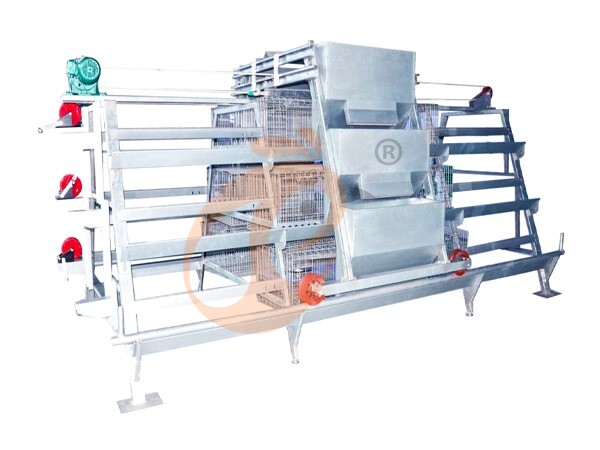
5. Our 24 hour online reception What’sApp NO. is +86 18830120193. >30,000 Broilers Semi-Automatic Harvest H Type Battery Cage1. More than 30,000 broilers a house, choose it.
2. It is designed to rearing 1 to 45 day old adult broiler ready for market.
3. Its lifespan is more than 20 years.
4. Our 24 hour online reception What’sApp NO. is +8618830120193, +234 8111199996. >30,000 Broilers Manual Harvest H Type Battery Cage1. More than 30,000 broilers a house, choose it.
2. It is designed to rearing 1 to 45 day old adult broiler ready for market.
3. Its lifespan is more than 20 years.
4. Its structure are Vcloud artificial intelligent fusion, electric control cabinet, automatic equipment of drinking, feeding and manure clean, manual harvesting.
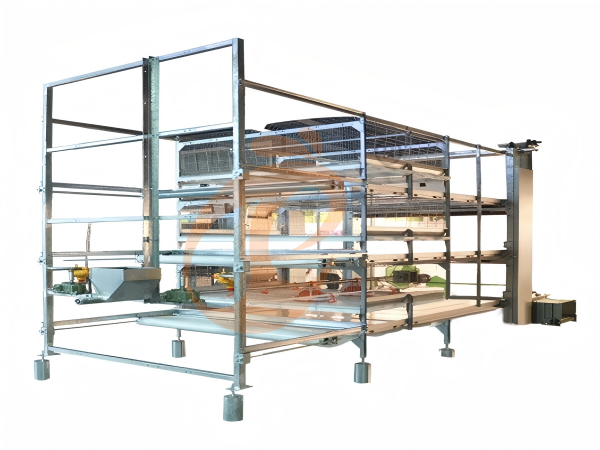
5. Our 24 hour online reception What’sApp NO. is +8618830120193, +234 8111199996. <30,000 Broilers Manual Harvest A Type Battery Cage1. Less 30,000 broilers a house, choose it.
2. It is designed to rearing 1 to 45 day old adult broiler ready for market.
3. Its lifespan is more than 20 years.
4. Its structure are Vcloud artificial intelligent fusion, electric control cabinet, automatic equipment of drinking, feeding and manure clean, manual harvesting.
5. Our 24 hour online reception What’sApp NO. is +8618830120193, +234 8111199996. HK Headquarter Offers EU-standard Poultry Farm Solutions, Manufacture Poultry Farm Equipment1. Continuous communication with the EU and the US
2. China, Nigeria, Ethiopia, Tanzania branch companies and factories
3. The products’ quality is customized for local poultry farms
4. Poultry cage and poultry farm equipment stock for sale
5. 24 online reception Whatsapp NO. : +8618830120193,contact us to get full information China Branch Offer Poultry Farm Business Plan, Manufacture Poultry Farm Equipment1. Address: Flat/RM 2416, 24/F, Runxing Building, Youyi Nan Street, Shijiazhuang City, Hebei Province, China
2. Poultry cage and poultry farm equipment factory and stock for sale
3. Customized for local poultry farms
4. Quality and design are based on Euro
5. 24 online reception Whatsapp NO. : +8618830120193 Nigeria Branch Offer Poultry Farm Business Plan, Manufacture Poultry Farm Equipment1. Address: After Sinoma Office, 200 Meters Near Danco Filling Station, Lagos/Ibadan Expressway, Lagos State, Nigeria
2. Poultry cage and poultry farm equipment factory and stock for sale
3. Customized for Nigerian poultry farms
4. Quality and design are based on Euro
5. 24 online reception Whatsapp NO. : +8618830120193 Ethiopia Branch Offer Poultry Farm Business Plan, Manufacture Poultry Farm Equipment1. Address: WR93+FQ2, Addis Ababa, Ethiopia
2. Poultry cage and poultry farm equipment stock for sale
3. Customized for Ethiopian poultry farms
4. Quality and design are based on Euro
5. 24 online reception Whatsapp NO. : +8618830120193, contact us to get price list Tanzania Branch Offer Poultry Farm Business Plan, Manufacture Poultry Farm Equipment1. Address: No.8, Sova Road, Msufini, Mlandizi, Kibaha, Pwani, Tanzania
2. Poultry cage and poultry farm equipment factory and stock for sale
3. Customized for Tanzanian poultry farms
4. Quality and design are based on Euro
5. 24 online reception Whatsapp NO. : +8618830120193


Contact
By clicking 'Allow All', you agree to the storage of cookies on your device to enhance site navigation, analyze site usage and assist with our marketing efforts.