


Blog
A type chicken cage maintenance is essential for stable egg production on Ethiopian laying farms.
Ethiopian poultry farmers often manage egg farms with limited infrastructure and require practical solutions.
Proper cage care improves egg cleanliness, bird comfort, and feed utilization in different Ethiopian climates.
Simple daily management routines can reduce repair costs and extend cage service life.
This guide explains practical cage management strategies designed for Ethiopian poultry production conditions.
Get professional poultry farm construction guidance, equipment selection solutions, and the latest price lists, whatsApp to +8618830120193, click to learn more:

Ethiopia Branch Office And Factory Of Poultry Farm Equipment
Understanding A Type Chicken Cage Systems For Egg Production
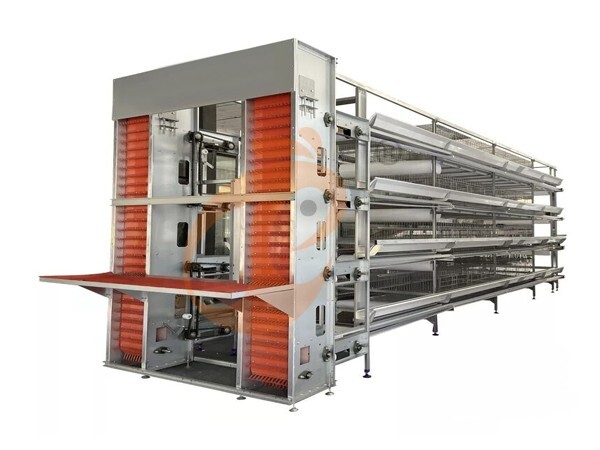
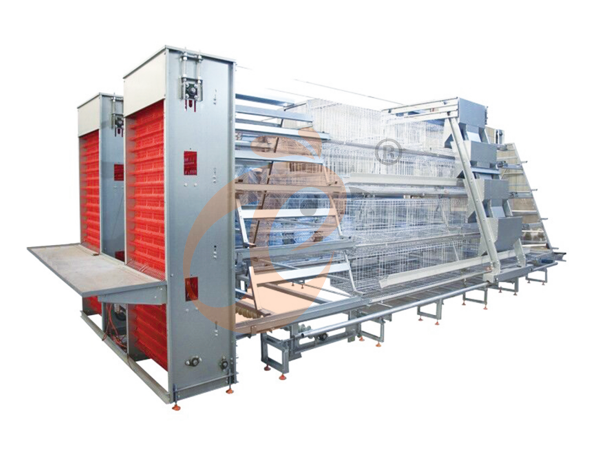
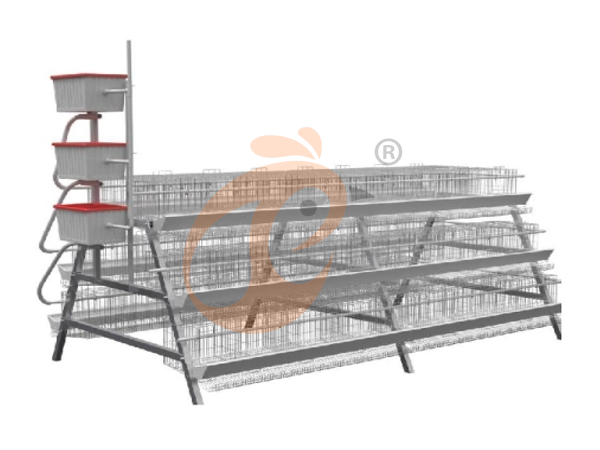
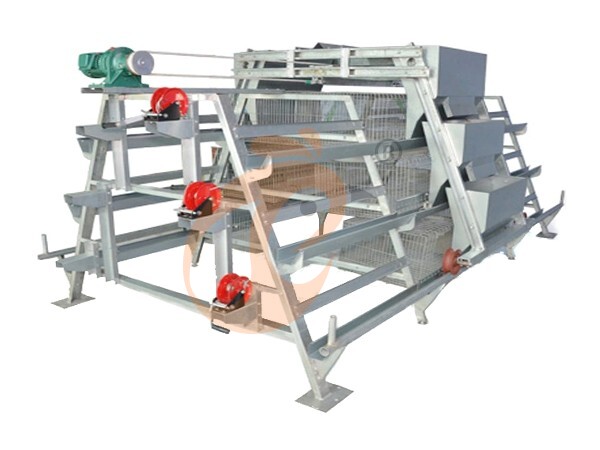
An A-type chicken cage for egg laying is widely used in small and medium egg farms across Ethiopia because it fits well in naturally ventilated poultry houses and requires moderate investment.
In this system, cages are arranged in an A-shaped frame.
Feed troughs run along the front while eggs roll forward to the collection tray.
Many Ethiopian farms adopt this structure because it simplifies egg collection and bird observation.
Data is for reference only.Swipe horizontally to view full table.
In areas around Addis Ababa and Debre Zeit, farms frequently select 3-tier systems because they simplify manure cleaning and airflow control.
Keep Cage Surfaces Clean To Prevent Egg Contamination
Dust accumulation is a common issue in Ethiopian poultry farms, especially during the dry season in Oromia and Amhara regions.
Dust particles settle on cage wire and egg trays which can affect egg hygiene.
Regular cleaning protects egg quality and supports bird health.
Data is for reference only.Swipe horizontally to view full table.
Lime powder is frequently used because it is inexpensive and available in most Ethiopian agricultural supply markets.
Maintain Proper Cage Stocking Density
Correct stocking density is a major factor affecting egg production performance.
When too many hens share one compartment, feed intake decreases and feather pecking increases.
Maintaining proper bird spacing improves egg laying consistency.
Data is for reference only.Swipe horizontally to view full table.
Proper stocking density also improves the productivity of layer chicken cages in Ethiopia, which helps farms maintain stable egg supply for local markets.
Use Local Materials For Cage Maintenance And Repairs
Imported spare parts for poultry cages are sometimes difficult to obtain quickly.
Many Ethiopian farmers repair their egg laying chicken cage systems using locally available materials.
This approach reduces downtime and helps farms maintain normal egg production.
Data is for reference only.Swipe horizontally to view full table.
These maintenance solutions allow farms to continue operating without long equipment replacement delays.
Ensure Proper Ventilation In Cage Houses
Ventilation plays a critical role in the performance of laying hens raised in A-type chicken cages.
Ethiopia experiences large day and night temperature differences, particularly in highland regions.
Proper airflow reduces ammonia accumulation and supports bird comfort.
Data is for reference only.Swipe horizontally to view full table.
Many Ethiopian poultry houses use corrugated iron roofs combined with side curtains to maintain natural airflow.
Manage Manure Accumulation Under A Type Cages
In cage systems, manure falls directly below the cages.
If manure remains too long, ammonia concentration increases and affects laying hens.
Routine manure removal protects bird health and egg productivity.
Data is for reference only.Swipe horizontally to view full table.
Many farms sell poultry manure to nearby crop farms producing maize and teff.
The manure fertilizer market can generate about 80–120 Ethiopian Birr per ton depending on location.
European union standard reference only.
Protect Cage Systems From Seasonal Climate Stress
Ethiopia has three main agricultural seasons including Bega, Belg, and Kiremt.
Each season creates different conditions for poultry houses.
Cage maintenance must adapt to these climate patterns.
Data is for reference only.Swipe horizontally to view full table.
Plastic curtains are commonly installed during rainy months to protect cage rows from rainwater.
Feed And Water Management Around Cage Systems
Feed management directly affects egg production efficiency.
Proper feeder height and water supply ensure stable feed consumption for laying hens in A-type chicken cages.
Data is for reference only.Swipe horizontally to view full table.
Feed prices in Ethiopia often fluctuate.
Layer feed can range between 1,400–1,800 Ethiopian Birr per 50 Kg bag depending on maize and soybean supply.
European union standard reference only.
Egg Collection And Handling Practices
Frequent egg collection keeps eggs clean and prevents shell cracks.
Most Ethiopian egg farms collect eggs several times daily to maintain quality.
Data is for reference only.Swipe horizontally to view full table.
Regular egg collection also reduces the possibility of hens pecking eggs.
Economic Benefits Of Proper Cage Maintenance
Maintaining cages correctly improves egg output and reduces farm losses.
Even small improvements in cage management can increase farm profitability.
Data is for reference only.Swipe horizontally to view full table.
Egg prices in Ethiopia usually range from 7–10 Ethiopian Birr per egg depending on region and market demand.
Common Cage Problems Faced By Ethiopian Egg Farmers
Data is for reference only.Swipe horizontally to view full table.
Solving these problems early helps farms maintain stable egg production throughout the laying cycle.
Frequently Asked Questions About Maintaining A Type Chicken Cage In Ethiopia
Q1: How often should A-type chicken cages be cleaned on an egg farm?
A1: Daily cleaning of feed troughs and egg trays is recommended while full cage sanitation can be performed every 30 days.
Q2: What is the recommended number of hens per cage compartment?
A2: Most Ethiopian farms keep three to four laying hens per compartment depending on cage size and bird age.
Q3: How can farmers reduce cage repair costs in Ethiopia?
A3: Using locally available materials such as galvanized wire, bamboo supports, and wooden planks helps farmers maintain cages without expensive imported spare parts.
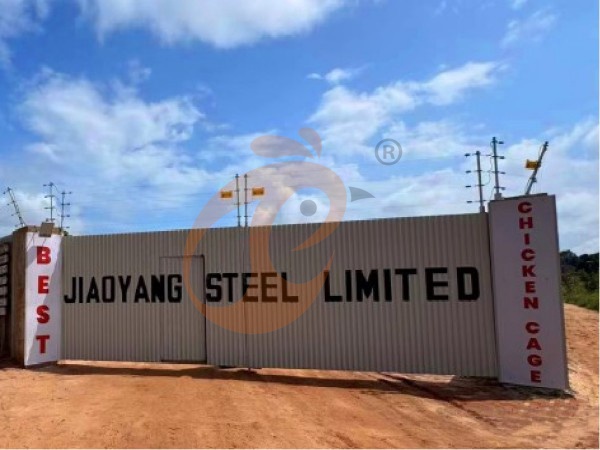
Ethiopia Best Hebei Machinery Manufacturing Plc - One Of Ethiopia Biggest Chicken Cage Supplier
Global factory direct supply company providing professional services for poultry farm equipment projects worldwide.
Strong experience supporting poultry farm planning, farm layout design, and poultry cage system consulting for international poultry farms.
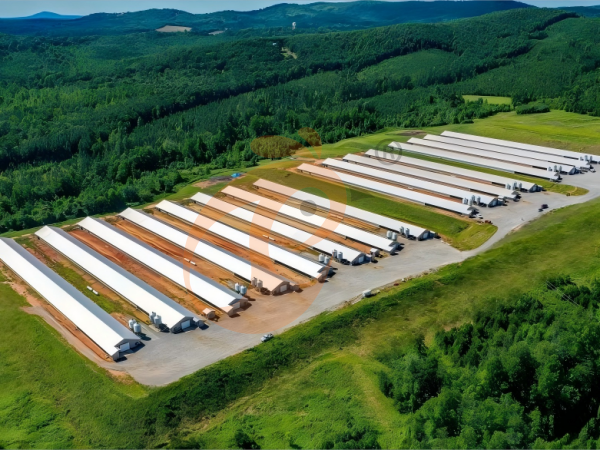
Turn-key poultry farm engineering solutions including farm construction guidance, equipment integration planning, and technical service support.
International export experience with engineering teams providing installation guidance and poultry farm management recommendations.
Long-term cooperation service model helping poultry investors build sustainable commercial poultry farming operations.
Contact Us To Received Your Customized Poultry Farm Plan
Headquarters And Branchs

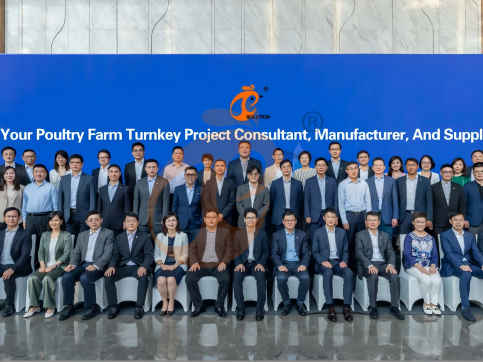
Hong Kong Headquarter Management Team
Hong Kong Headquarter Taiyu Industrial Group CO., LTD
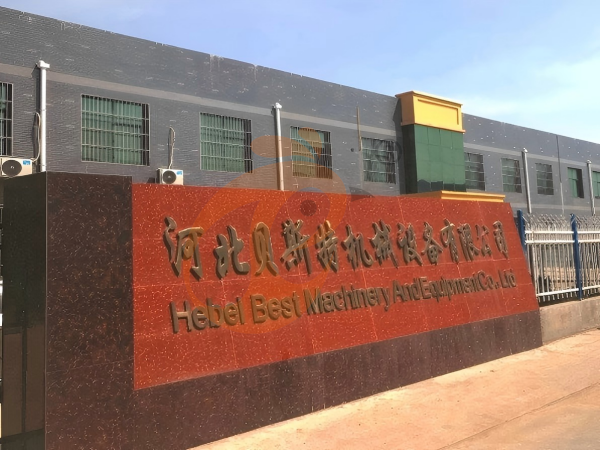
China Hebei Best Machinery And Equipment CO., LTD
Nigeria Vanke Machinery And Equipment CO., LTD
Tanzania Best Machinery And Equipment CO., LTD
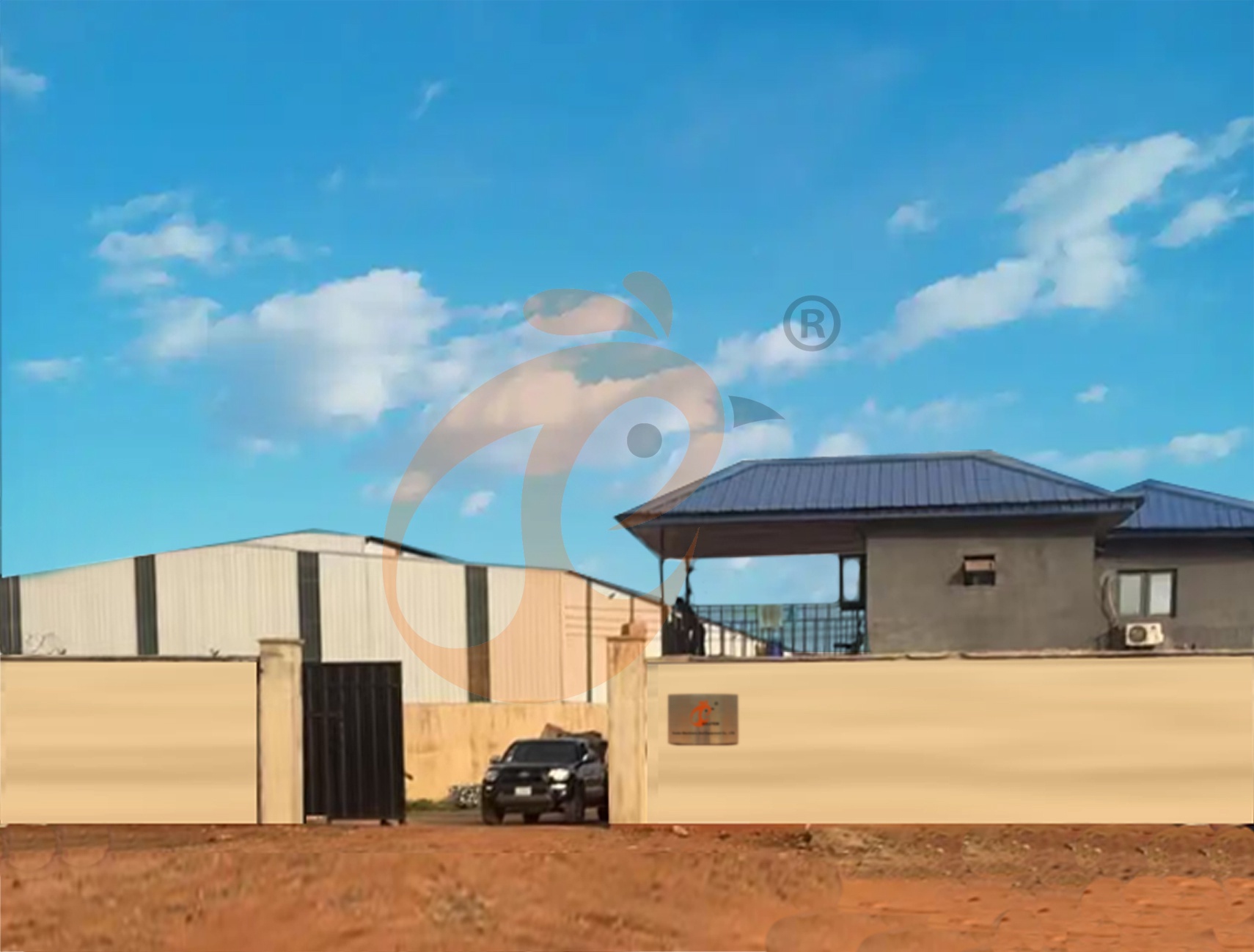
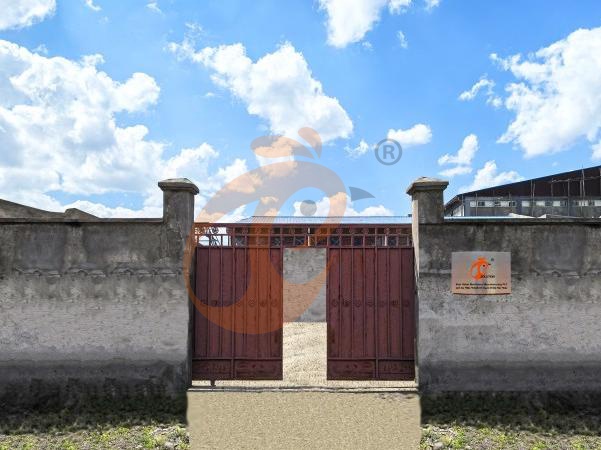
Ethiopia Best Hebei Machinery Manufacturing PLC




Reception /24 WhatsApp NO. : +8618830120193
- poultry farmers
- poultry farm
- chicken cage
- poultry farms
- poultry farmer
- poultry house
- poultry cage
- cage
- egg laying chicken
- poultry farm equipment
- poultry farm construction
- poultry farm management
- poultry cage system
- chicken cage system
- chicken cage supplier
- poultry farm planning
- chicken cages
- poultry cages
- chickencage
- bestchickencage
- cage system
- a type chicken cage
- cage systems
- layer chicken cage
- Nigeria
- layer chicken cages
- chicken cage maintenance
- poultry farming
- poultry house lighting
- cage supplier
- egg laying chicken cage
- egg laying chicken cage system
- poultry farm plan
Message
Products recommended
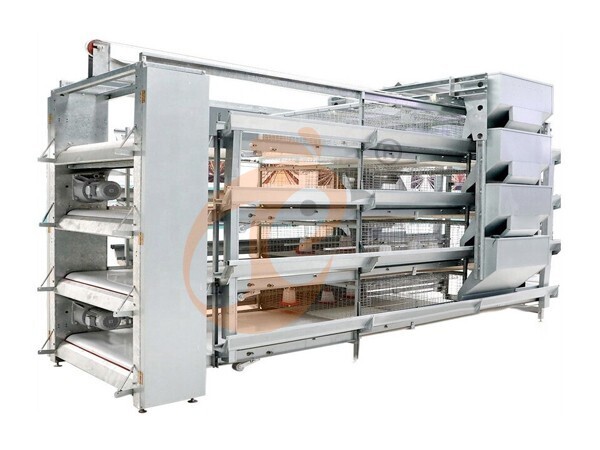
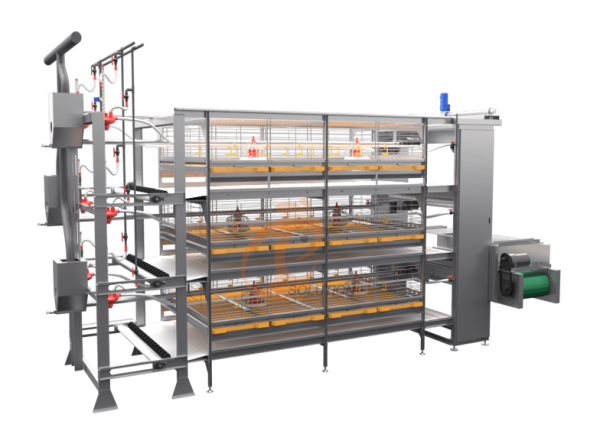
 >30,000 Pullets Automatic H Type Battery Cage1. More than 30,000 pullets a house, choose it.
2. It is designed to rearing older than 1 day old pullets to 12 to 16 weeks old chicken starting laying eggs.
3. Its lifespan is more than 25 years.
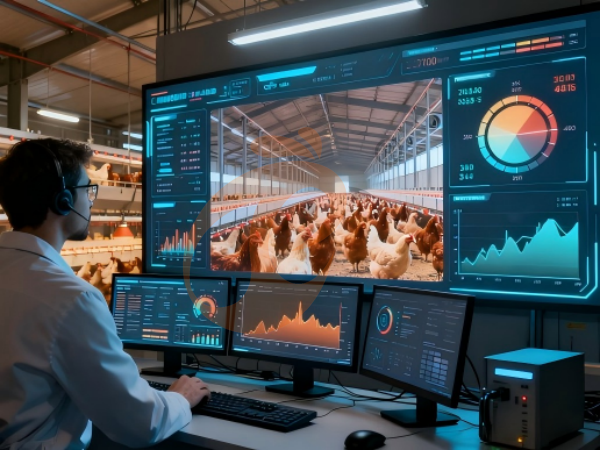
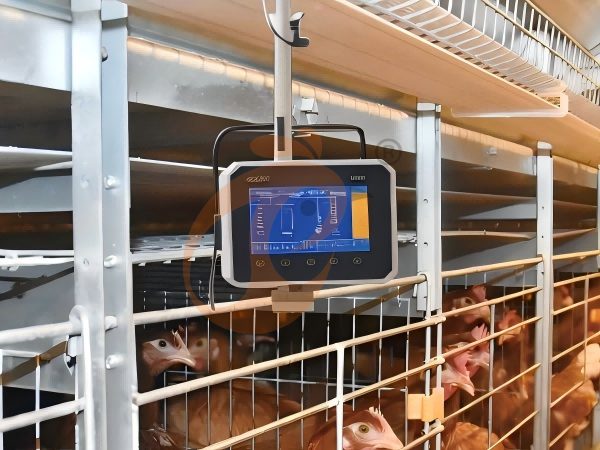
4. Its structure are Vcloud artificial intelligent fusion, electric control cabinet, automatic equipment of drinking, feeding, manure clean, manual harvesting.
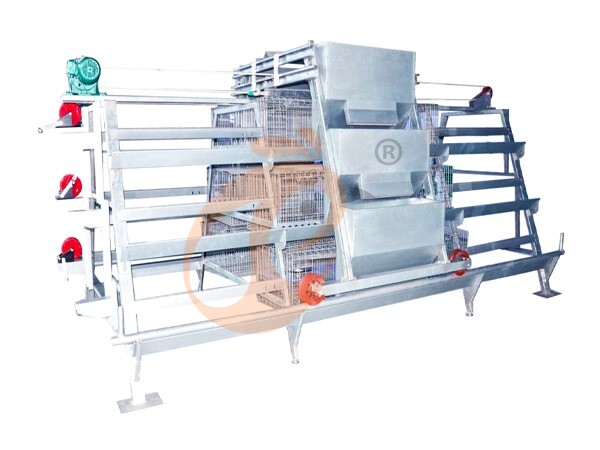
5. Our 24 hour online reception What’sApp NO. is +8618830120193 <30,000 Pullets Automatic A Type Battery Cage1. 10,000 to 30,000 pullets a house, choose it.
2. It is designed to rearing older than 1 day old pullets to 12 to 16 weeks old chicken starting laying eggs.
3. Its lifespan is more than 25 years.
4. Its structure are Vcloud artificial intelligent fusion, electric control cabinet, automatic equipment of drinking, feeding, manure clean, manual harvesting.
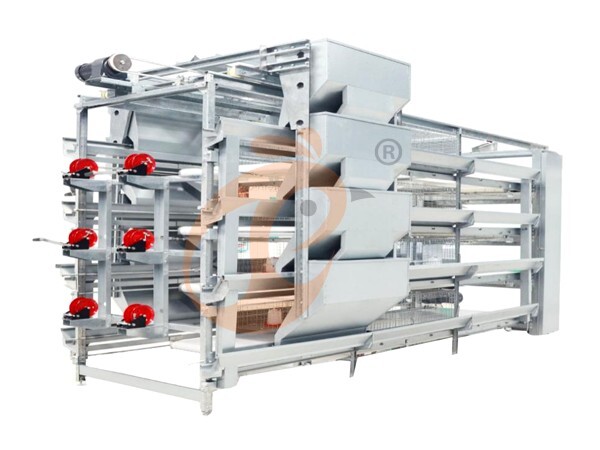
5. Our 24 hour online reception What’sApp NO. is +86 18830120193. >30,000 Broilers Semi-Automatic Harvest H Type Battery Cage1. More than 30,000 broilers a house, choose it.
2. It is designed to rearing 1 to 45 day old adult broiler ready for market.
3. Its lifespan is more than 20 years.
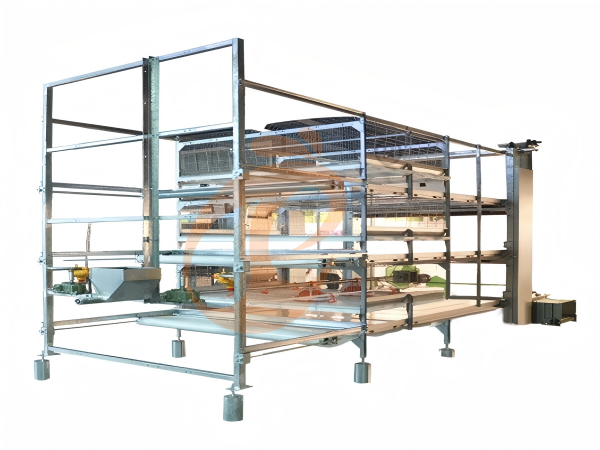
4. Our 24 hour online reception What’sApp NO. is +8618830120193, +234 8111199996. >30,000 Broilers Manual Harvest H Type Battery Cage1. More than 30,000 broilers a house, choose it.
2. It is designed to rearing 1 to 45 day old adult broiler ready for market.
3. Its lifespan is more than 20 years.
4. Its structure are Vcloud artificial intelligent fusion, electric control cabinet, automatic equipment of drinking, feeding and manure clean, manual harvesting.
5. Our 24 hour online reception What’sApp NO. is +8618830120193, +234 8111199996. <30,000 Broilers Manual Harvest A Type Battery Cage1. Less 30,000 broilers a house, choose it.
2. It is designed to rearing 1 to 45 day old adult broiler ready for market.
3. Its lifespan is more than 20 years.
4. Its structure are Vcloud artificial intelligent fusion, electric control cabinet, automatic equipment of drinking, feeding and manure clean, manual harvesting.
5. Our 24 hour online reception What’sApp NO. is +8618830120193, +234 8111199996. HK Headquarter Offers EU-standard Poultry Farm Solutions, Manufacture Poultry Farm Equipment1. Continuous communication with the EU and the US
2. China, Nigeria, Ethiopia, Tanzania branch companies and factories
3. The products’ quality is customized for local poultry farms
4. Poultry cage and poultry farm equipment stock for sale
5. 24 online reception Whatsapp NO. : +8618830120193,contact us to get full information China Branch Offer Poultry Farm Business Plan, Manufacture Poultry Farm Equipment1. Address: Flat/RM 2416, 24/F, Runxing Building, Youyi Nan Street, Shijiazhuang City, Hebei Province, China
2. Poultry cage and poultry farm equipment factory and stock for sale
3. Customized for local poultry farms
4. Quality and design are based on Euro
5. 24 online reception Whatsapp NO. : +8618830120193 Nigeria Branch Offer Poultry Farm Business Plan, Manufacture Poultry Farm Equipment1. Address: After Sinoma Office, 200 Meters Near Danco Filling Station, Lagos/Ibadan Expressway, Lagos State, Nigeria
2. Poultry cage and poultry farm equipment factory and stock for sale
3. Customized for Nigerian poultry farms
4. Quality and design are based on Euro
5. 24 online reception Whatsapp NO. : +8618830120193 Ethiopia Branch Offer Poultry Farm Business Plan, Manufacture Poultry Farm Equipment1. Address: WR93+FQ2, Addis Ababa, Ethiopia
2. Poultry cage and poultry farm equipment stock for sale
3. Customized for Ethiopian poultry farms
4. Quality and design are based on Euro
5. 24 online reception Whatsapp NO. : +8618830120193, contact us to get price list Tanzania Branch Offer Poultry Farm Business Plan, Manufacture Poultry Farm Equipment1. Address: No.8, Sova Road, Msufini, Mlandizi, Kibaha, Pwani, Tanzania
2. Poultry cage and poultry farm equipment factory and stock for sale
3. Customized for Tanzanian poultry farms
4. Quality and design are based on Euro
5. 24 online reception Whatsapp NO. : +8618830120193


Contact
By clicking 'Allow All', you agree to the storage of cookies on your device to enhance site navigation, analyze site usage and assist with our marketing efforts.