


Blog
A-type chicken cage feeding system selection directly influences feed efficiency and egg production stability in modern Ethiopian poultry farms.
Feed costs in Ethiopian poultry operations often reach seventy to seventy-five percent of total farm expenses.
Choosing an efficient feeding structure helps reduce waste, stabilize bird nutrition, and improve flock uniformity.
Modern poultry houses increasingly combine automated systems with traditional labor strategies to adapt to power instability.
Farmers in Addis Ababa, Bishoftu, and Modjo are adopting improved equipment to scale egg production.
Get professional poultry farm construction guidance, equipment selection solutions, and the latest price lists, whatsApp to +8618830120193, click to learn more:

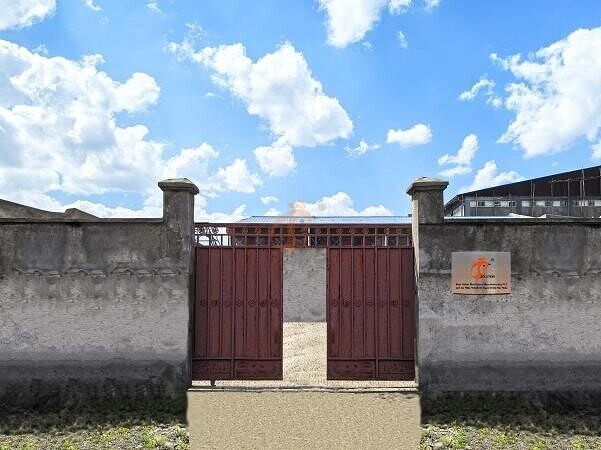
Ethiopia Branch Office And Factory Of Poultry Farm Equipment
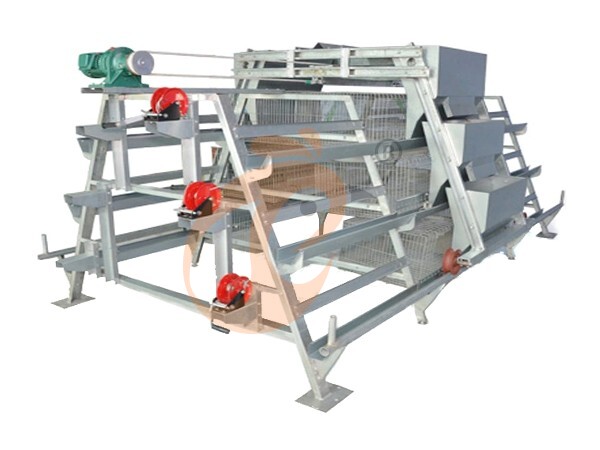
Manual Traveling Hopper System (Semi-Automated)
For many medium-scale farmers in regions such as Hawassa or Bahir Dar, the manual traveling hopper provides a practical balance between manual feeding and automation.
System Structure
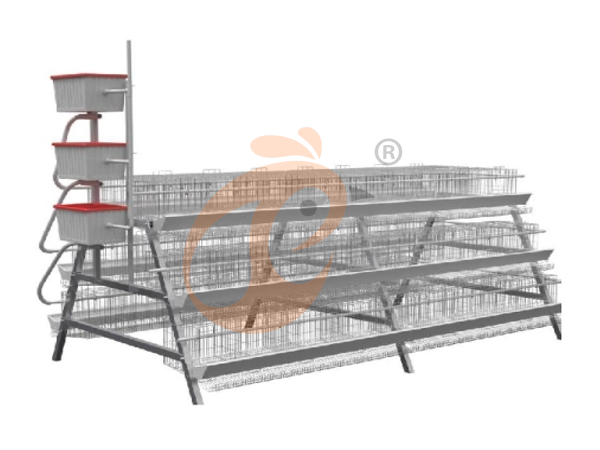
The system consists of a movable hopper installed on rails positioned above the A-type chicken cage feeding troughs.
Workers manually move the hopper along the cage row.
Feed drops evenly into trough channels during movement.
Rail systems ensure uniform feed distribution across long cage lines.
Why It Works In Ethiopia
The system fits well with local farm conditions.
Electricity outages are common in rural poultry areas.
Labor availability remains relatively stable in agricultural regions.
Equipment maintenance requirements are simple.
These factors make the traveling hopper a reliable feeding solution.
Data is for reference only.Swipe horizontally to view full table.
Operational Advantages
Uniform feeding improves flock performance.
Birds at both ends of cage rows receive equal feed quantities.
Nutritional imbalance within the flock is minimized.
Egg production consistency improves over the laying cycle.
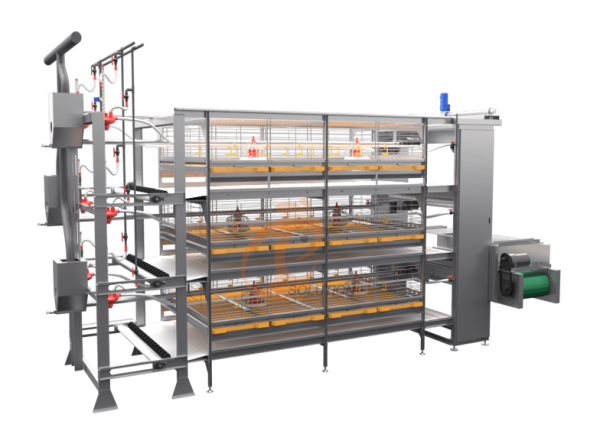
Fully Automated Ladder-Type Feeding System
Large-scale poultry farms increasingly use automated feeding technology.
The ladder-type system is engineered specifically for A-type chicken cage feeding system structures.
System Operation
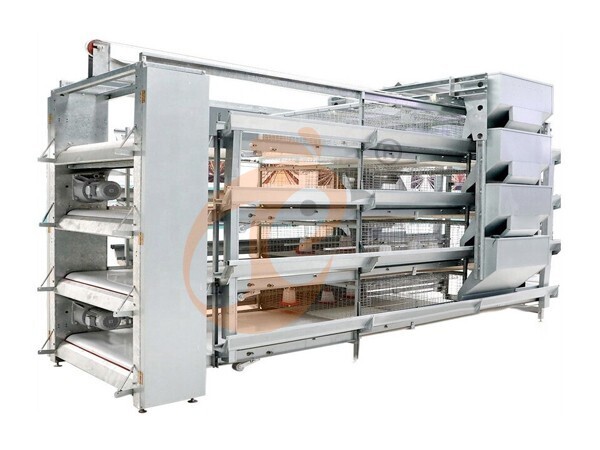
The ladder feeder travels automatically along the feed trough.
Feed is distributed through controlled dispensing gates.
Motor-driven movement ensures precise travel speed.
Limit sensors stop the feeder at the cage row end.
Feed Waste Control
Feed flicking is a common behavioral issue among laying hens.
Automated feeders help manage this problem.
Shallow feed depth discourages birds from scattering feed.
Controlled dispensing reduces feed overflow.
Uniform feeding patterns improve feed conversion performance.
Data is for reference only.Swipe horizontally to view full table.
Farm Management Benefits
Automation improves operational control.
Labor demand decreases significantly.
Feeding schedules become highly consistent.
Large flocks maintain uniform growth and productivity.
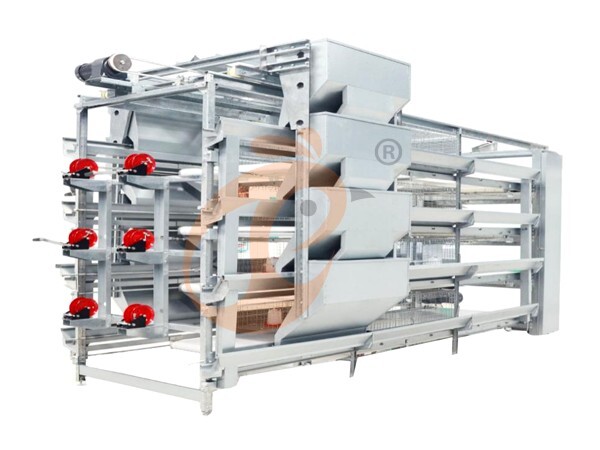
Longitudinal Chain Feeding System
Chain feeding technology remains widely used in commercial poultry farming.
The system has been adapted for A-type chicken cage installations.
Working Principle
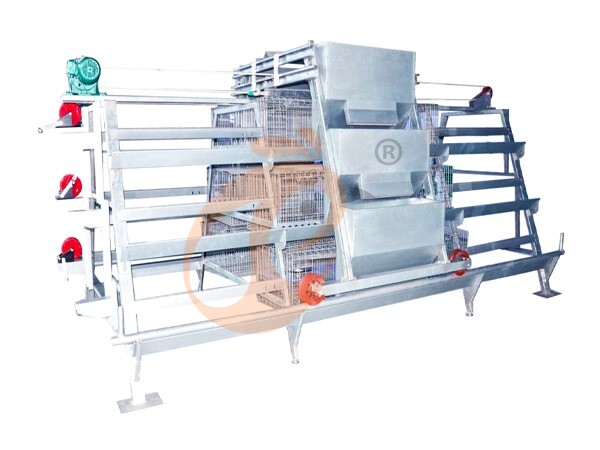
A continuous chain moves through the trough carrying feed from a central hopper.
Feed travels along the cage row inside the trough channel.
The chain agitates feed continuously.
Even distribution occurs throughout the feeding line.
Advantages With Local Feed Conditions
Feed texture in Ethiopia can vary depending on milling quality.
Chain feeders help address this challenge.
Continuous motion mixes fine powder particles with grains.
Birds receive balanced nutrient intake.
Premix vitamins remain evenly distributed.
Data is for reference only.Swipe horizontally to view full table.
Environmental Suitability
This feeding system performs well in dusty environments.
Enclosed drive units protect motors.
Mechanical design tolerates environmental dust.
Maintenance procedures remain relatively simple.
Auger-Driven Pipe Feeding System
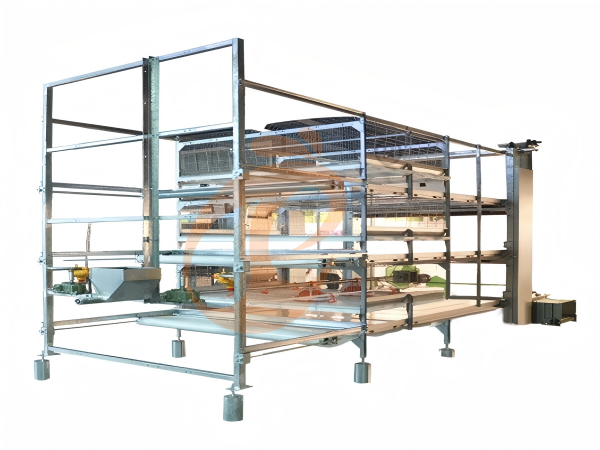
The auger feeding system uses a rotating spiral screw inside a sealed pipe.
Although widely used in H-frame systems, specialized versions also serve A-type chicken cage feeding system installations.
How The System Works
Feed is transported through enclosed pipes.
A motor rotates the internal spiral auger.
Feed moves from a central storage hopper to feeding lines.
Distribution occurs through outlets along the cage rows.
Biosecurity Advantages
Disease prevention remains a priority for Ethiopian poultry farms.
The enclosed design provides important protection.
Wild birds cannot access feed lines.
Rodent contamination risks are reduced.
Feed remains protected during transportation.
Data is for reference only.Swipe horizontally to view full table.
Climate Protection
The sealed pipe system helps maintain feed quality.
Rainy season humidity exposure decreases.
Aflatoxin contamination risk becomes lower.
Feed storage stability improves.
Gravity-Fed Deep Trough System With Silo Integration
Small commercial poultry farms often choose simpler feeding infrastructure that can later be upgraded.
Gravity feeding combined with grain silos provides such flexibility.
System Configuration
The feeding structure combines multiple components.
External grain silo storage.
Cross-auger feed transfer mechanism.
Deep-profile galvanized troughs connected to A-type chicken cage lines.
Storage And Cost Efficiency
Bulk storage provides clear advantages.
Reduced feed spillage during storage and transport.
Lower pest contamination risk.
Opportunity to purchase grain during lower market prices.
Data is for reference only.Swipe horizontally to view full table.
Bulk feed purchasing may save several thousand Ethiopian Birr during a production cycle (European union standard reference only).
Comparative Analysis: Which Fits The Ethiopian Climate
Data is for reference only.Swipe horizontally to view full table.
Maintenance Schedule For Ethiopian Layer Farms
Data is for reference only.Swipe horizontally to view full table.
Frequently Asked Questions
Q1: What feeding system works best with an A-type chicken cage system in Ethiopia?
A1: Automated ladder feeders and auger pipe systems usually provide stronger feed efficiency and uniform feed delivery for large poultry farms.
Manual traveling hopper systems remain practical for farms facing unstable electricity supply.
Q2: How can farmers reduce feed waste in A-type chicken cage systems?
A2: Maintaining shallow feed levels and using controlled feeding equipment helps prevent hens from flicking feed outside the trough.
Q3: Is automation suitable for small poultry farms in Ethiopia?
A3: Semi-automatic feeding systems such as traveling hopper systems or silo gravity feeding structures can provide good efficiency while controlling equipment investment costs.
Ethiopia Best Hebei Machinery Manufacturing Plc - One Of Ethiopia Largest Poultry Equipment Supplier
Global factory direct supply supporting poultry farm equipment projects worldwide
Professional engineering service covering poultry farm equipment infrastructure
Turn-key engineering solutions for complete poultry farm construction
Integrated poultry cage system planning and installation support
Long-term technical service and international logistics assistance
Contact Us To Received Your Customized Poultry Farm Plan
Headquarters And Branchs

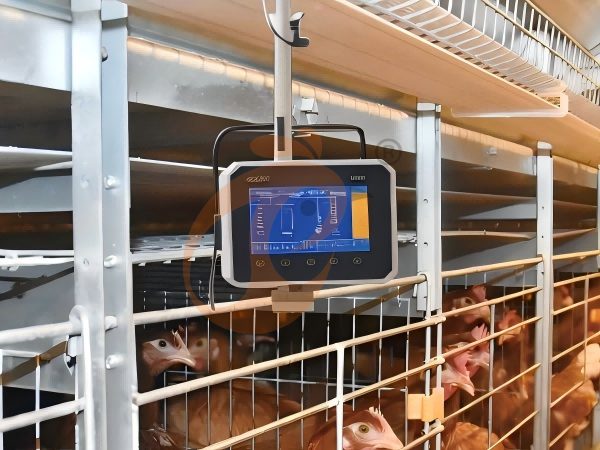
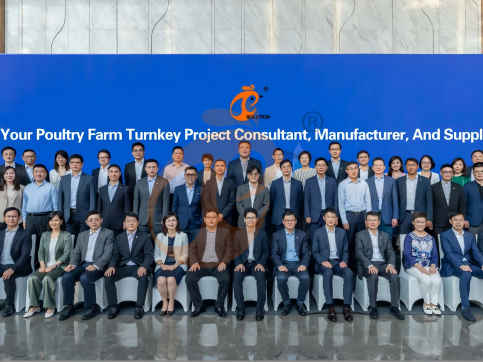
Hong Kong Headquarter Management Team
Hong Kong Headquarter Taiyu Industrial Group CO., LTD
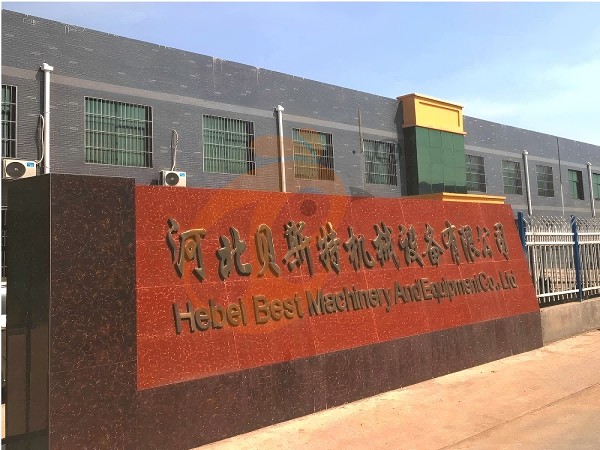
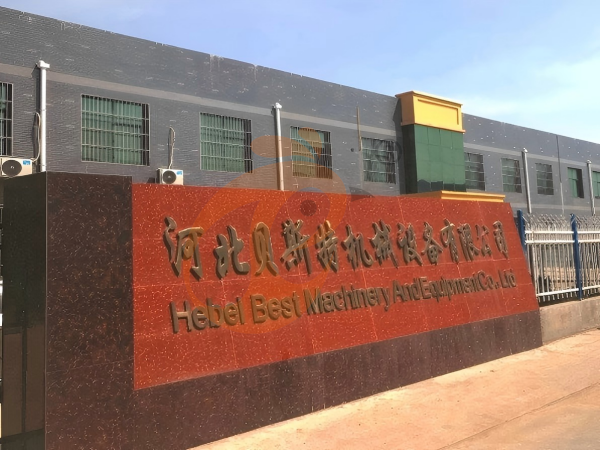
China Hebei Best Machinery And Equipment CO., LTD
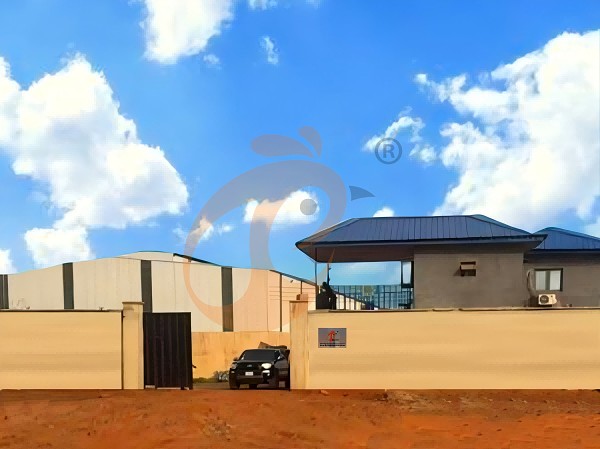
Nigeria Vanke Machinery And Equipment CO., LTD
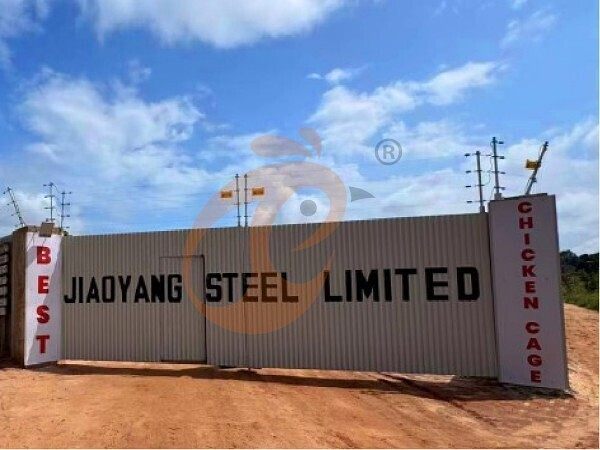
Tanzania Best Machinery And Equipment CO., LTD
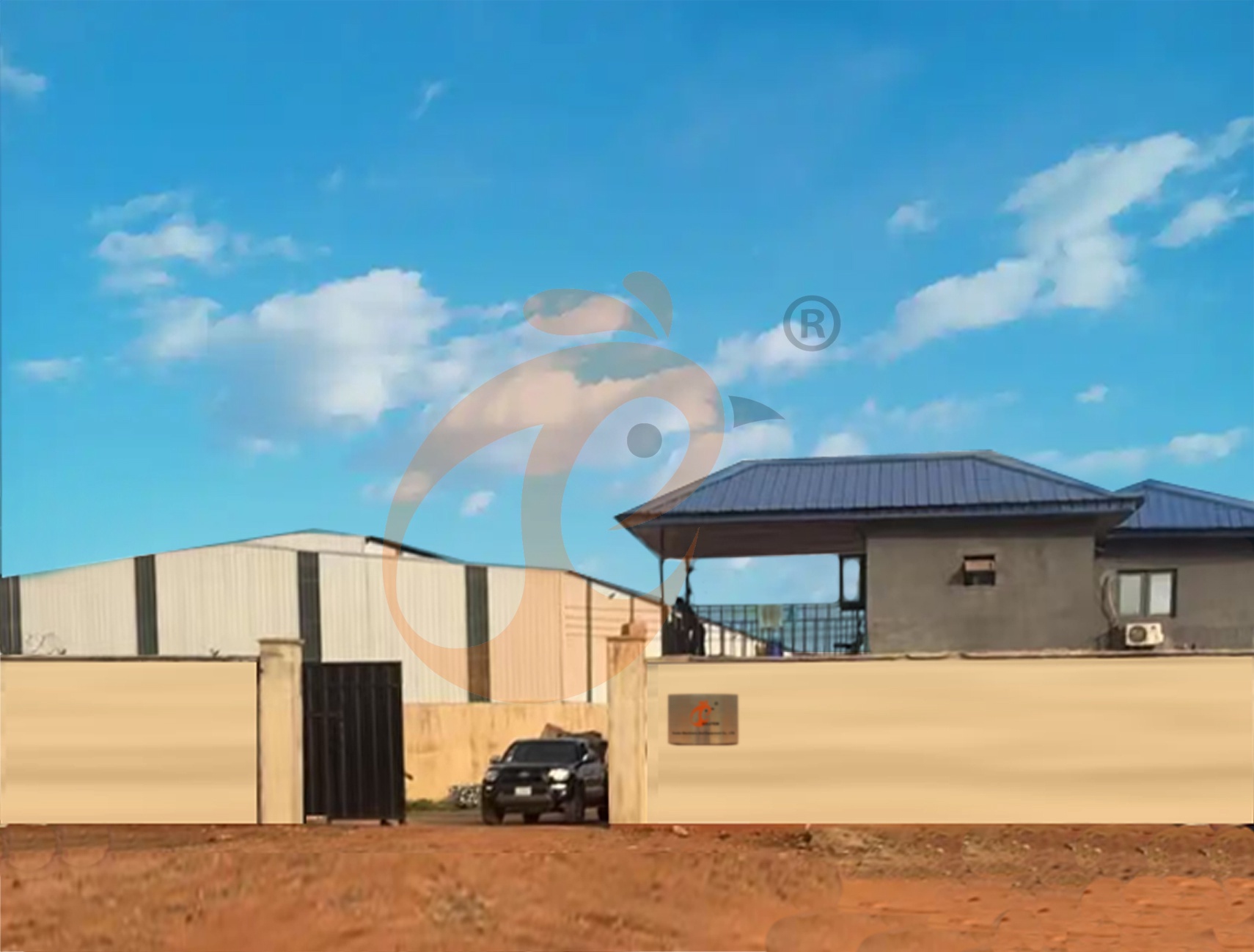
Ethiopia Best Hebei Machinery Manufacturing PLC
Reception /24 WhatsApp NO. : +8618830120193
- poultry farm
- chicken cage
- poultry farms
- poultry house
- poultry cage
- cage
- poultry farm equipment
- poultry farm construction
- poultry cage system
- chicken cage system
- automatic feeding system
- poultry equipment
- chickencage
- bestchickencage
- cage system
- h type
- cage systems
- Nigeria
- layer farm
- chicken cage installation
- commercial poultry farms
- small poultry farms
- large poultry farms
- poultry farming
- poultry equipment supplier
- modern poultry house
- poultry farm plan
- small poultry farm
Message
Products recommended
 >30,000 Pullets Automatic H Type Battery Cage1. More than 30,000 pullets a house, choose it.
2. It is designed to rearing older than 1 day old pullets to 12 to 16 weeks old chicken starting laying eggs.
3. Its lifespan is more than 25 years.
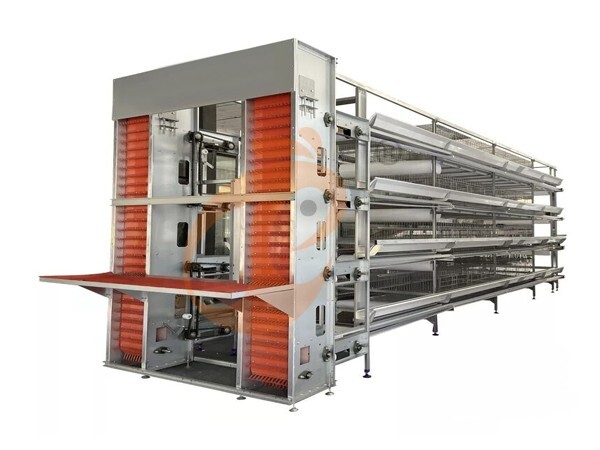
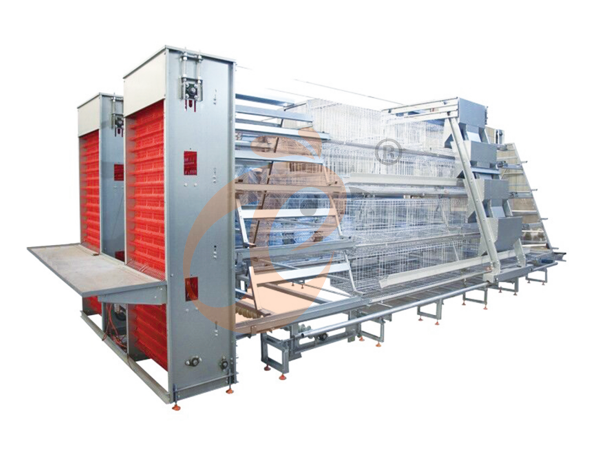
4. Its structure are Vcloud artificial intelligent fusion, electric control cabinet, automatic equipment of drinking, feeding, manure clean, manual harvesting.
5. Our 24 hour online reception What’sApp NO. is +8618830120193 <30,000 Pullets Automatic A Type Battery Cage1. 10,000 to 30,000 pullets a house, choose it.
2. It is designed to rearing older than 1 day old pullets to 12 to 16 weeks old chicken starting laying eggs.
3. Its lifespan is more than 25 years.
4. Its structure are Vcloud artificial intelligent fusion, electric control cabinet, automatic equipment of drinking, feeding, manure clean, manual harvesting.
5. Our 24 hour online reception What’sApp NO. is +86 18830120193. >30,000 Broilers Semi-Automatic Harvest H Type Battery Cage1. More than 30,000 broilers a house, choose it.
2. It is designed to rearing 1 to 45 day old adult broiler ready for market.
3. Its lifespan is more than 20 years.
4. Our 24 hour online reception What’sApp NO. is +8618830120193, +234 8111199996. >30,000 Broilers Manual Harvest H Type Battery Cage1. More than 30,000 broilers a house, choose it.
2. It is designed to rearing 1 to 45 day old adult broiler ready for market.
3. Its lifespan is more than 20 years.
4. Its structure are Vcloud artificial intelligent fusion, electric control cabinet, automatic equipment of drinking, feeding and manure clean, manual harvesting.
5. Our 24 hour online reception What’sApp NO. is +8618830120193, +234 8111199996. <30,000 Broilers Manual Harvest A Type Battery Cage1. Less 30,000 broilers a house, choose it.
2. It is designed to rearing 1 to 45 day old adult broiler ready for market.
3. Its lifespan is more than 20 years.
4. Its structure are Vcloud artificial intelligent fusion, electric control cabinet, automatic equipment of drinking, feeding and manure clean, manual harvesting.
5. Our 24 hour online reception What’sApp NO. is +8618830120193, +234 8111199996. HK Headquarter Offers EU-standard Poultry Farm Solutions, Manufacture Poultry Farm Equipment1. Continuous communication with the EU and the US
2. China, Nigeria, Ethiopia, Tanzania branch companies and factories
3. The products’ quality is customized for local poultry farms
4. Poultry cage and poultry farm equipment stock for sale
5. 24 online reception Whatsapp NO. : +8618830120193,contact us to get full information China Branch Offer Poultry Farm Business Plan, Manufacture Poultry Farm Equipment1. Address: Flat/RM 2416, 24/F, Runxing Building, Youyi Nan Street, Shijiazhuang City, Hebei Province, China
2. Poultry cage and poultry farm equipment factory and stock for sale
3. Customized for local poultry farms
4. Quality and design are based on Euro
5. 24 online reception Whatsapp NO. : +8618830120193 Nigeria Branch Offer Poultry Farm Business Plan, Manufacture Poultry Farm Equipment1. Address: After Sinoma Office, 200 Meters Near Danco Filling Station, Lagos/Ibadan Expressway, Lagos State, Nigeria
2. Poultry cage and poultry farm equipment factory and stock for sale
3. Customized for Nigerian poultry farms
4. Quality and design are based on Euro
5. 24 online reception Whatsapp NO. : +8618830120193 Ethiopia Branch Offer Poultry Farm Business Plan, Manufacture Poultry Farm Equipment1. Address: WR93+FQ2, Addis Ababa, Ethiopia
2. Poultry cage and poultry farm equipment stock for sale
3. Customized for Ethiopian poultry farms
4. Quality and design are based on Euro
5. 24 online reception Whatsapp NO. : +8618830120193, contact us to get price list Tanzania Branch Offer Poultry Farm Business Plan, Manufacture Poultry Farm Equipment1. Address: No.8, Sova Road, Msufini, Mlandizi, Kibaha, Pwani, Tanzania
2. Poultry cage and poultry farm equipment factory and stock for sale
3. Customized for Tanzanian poultry farms
4. Quality and design are based on Euro
5. 24 online reception Whatsapp NO. : +8618830120193


Contact
By clicking 'Allow All', you agree to the storage of cookies on your device to enhance site navigation, analyze site usage and assist with our marketing efforts.