


Blog
Reducing egg breakage in A-type chicken cage systems is crucial for farm profitability and efficiency.
Each broken egg represents wasted feed, labor, and capital in Ethiopia.
Optimal cage management ensures eggs remain intact from laying to collection.
Proper feed, water, and temperature control significantly improve shell quality.
Employee training and collection frequency are critical for reducing egg damage.
Effective cage floor design minimizes physical breakage of eggs.
Strategic feed timing provides hens with necessary calcium for shell formation.
Transportation and packaging further protect eggs during market delivery.
Get professional poultry farm construction guidance, equipment selection solutions, and the latest price lists, whatsApp to +8618830120193, click to learn more:

Ethiopia Branch Office And Factory Of Poultry Farm Equipment
Precision Calcium And Mineral Management
The most common cause of thin shells in Ethiopian poultry farms is a nutritional deficit, often exacerbated by the variability in local feed ingredients.
Whether you are sourcing maize from Gojjam or soybean meal from local processors, the calcium-to-phosphorus ratio must be exact.
In the high altitudes of Ethiopia, metabolic rates can vary, and hens require specific calcium particle sizes to ensure the "calcium reservoir" in their medullary bone is replenished.
Large-particle calcium (2–4 mm) stays in the gizzard longer, providing a slow release of calcium overnight when the shell is being formed.
Data is for reference only. Swipe horizontally to view full table.
By increasing the calcium percentage as the hen ages, you compensate for the naturally declining ability of the bird to absorb minerals.
In Ethiopia, using crushed limestone or oyster shells sourced from local suppliers can be effective, provided they are tested for purity and are not contaminated with heavy metals.
Managing Thermal Stress In The Rift Valley And Lowlands
While the climate in the Ethiopian highlands is often temperate, farms located in the Rift Valley or toward the eastern lowlands face significant heat challenges.
Data is for reference only. Swipe horizontally to view full table.
To combat this, Ethiopian farmers should employ "tunnel ventilation" logic even in open-sided A-Type houses.
Using roof insulation, such as locally available straw mats or reflective paints, and ensuring a water-to-feed ratio of 2:1 during peak heat hours is vital.
Additionally, adding Vitamin C (250 mg/kg) to the feed during the hottest months in regions like Dire Dawa can help mitigate these effects.
Structural Optimization Of The A-Type Cage Floor
The physics of an A-type cage determines how an egg travels from the hen to the collection tray.
Data is for reference only. Swipe horizontally to view full table.
Frequent inspection of the ''egg return'' area is necessary.
Over time, the galvanized coating can wear off, or dust from the Ethiopian dry season can accumulate, creating friction.
A simple routine of cleaning the wire floors with a soft brush every week can reduce ''stalled eggs'' that eventually get crushed.
Strategic Feed Timing (The Afternoon Boost)
In Ethiopia, feeding routines are often dictated by labor availability, but the physiology of the hen follows a different clock.
The process of shell calcification primarily occurs during the night.
Data is for reference only. Swipe horizontally to view full table.
By shifting the bulk of the mineral-heavy feed to the mid-afternoon, you ensure that the hen's digestive tract is processing calcium precisely when the egg is in the shell gland.
This simple shift in labor management requires no extra capital but yields immediate results in shell thickness.
Water Quality And Acidification
The water sources in many parts of Ethiopia, particularly those relying on deep boreholes in the volcanic regions of the Rift Valley, can be ''hard'' or contain high levels of saline.
High levels of sodium chloride in water are directly linked to poor shell quality because they interfere with the enzyme carbonic anhydrase, which is necessary for shell formation.
Furthermore, the pH of the water can affect the solubility of the calcium in the gut.
Using organic acids to slightly acidify the water can improve mineral absorption.
Data is for reference only. Swipe horizontally to view full table.
Regularly descaling the nipple drinker lines is crucial in an A-type chicken cage.
If water flow is restricted, hens become dehydrated, leading to ''stress eggs'' which are often misshapen or thin-shelled.
In Ethiopia, where dust is prevalent, ensuring that your water tanks are covered and filtered is a non-negotiable step for egg integrity.
Personnel Training And Collection Frequency
The ''human element'' is often the most overlooked factor in egg breakage in Ethiopia.
In many A-type systems, egg collection is manual.
If the staff is hurried or untrained, they may stack eggs too high in crates or handle them roughly.
Furthermore, the frequency of collection determines how long an egg sits in the tray, exposed to potential ''collisions'' from other eggs rolling down.
Data is for reference only. Swipe horizontally to view full table.
In Ethiopia, labor is relatively accessible compared to expensive automated collection systems.
Therefore, increasing the frequency of collection to three times a day (specifically at 09:00, 11:30, and 15:00) is one of the most cost-effective ways to reduce ''impact breakage.''
The Final Mile – Transportation And Packaging
In the context of Ethiopia, the journey doesn't end at the cage.
The roads from rural farms to the markets in Merkato or Shola can be bumpy.
If the eggs have microscopic ''hairline cracks'' due to poor cage management, they will certainly shatter during transport.
Data is for reference only. Swipe horizontally to view full table.
Using molded paper pulp trays is highly recommended for Ethiopian producers.
They provide the necessary cushioning that plastic often lacks, especially when navigating the gravel roads common in peri-urban farming clusters.
Frequently Asked Questions
Q1: How can I reduce egg breakage in an A-type chicken cage system?
A1: Optimizing calcium intake, cage floor design, feed timing, water quality, and collection frequency significantly reduces egg breakage.
Q2: Why is egg breakage higher in the Rift Valley compared to highlands?
A2: High ambient temperatures cause respiratory alkalosis, reducing calcium availability and thinning eggshells.
Q3: What is the best collection frequency to minimize egg breakage?
A3: Collecting eggs three times per day during peak hours ensures minimal contact and reduces breakage.
Ethiopia Best Hebei Machinery Manufacturing Plc - One Of Ethiopia Biggest Egg Breakage Solutions Manufacturer
Global factory direct sales ensure competitive pricing for Ethiopian farms.
Complete poultry farm equipment solutions are available for local clients.
Professional poultry cage systems support optimized egg collection and quality.
Turn-key engineering projects are delivered efficiently to farm sites.
Dedicated support and installation services enhance farm productivity and performance.
Contact Us To Received Your Customized Poultry Farm Plan
Headquarters And Branchs

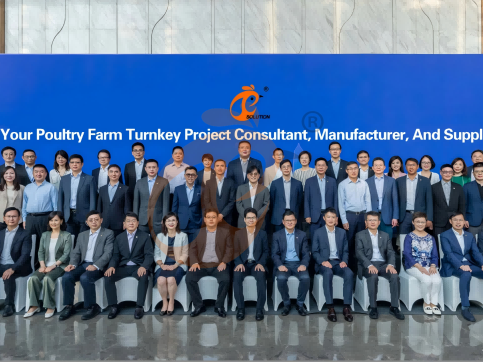
Hong Kong Headquarter Management Team
Hong Kong Headquarter Taiyu Industrial Group CO., LTD
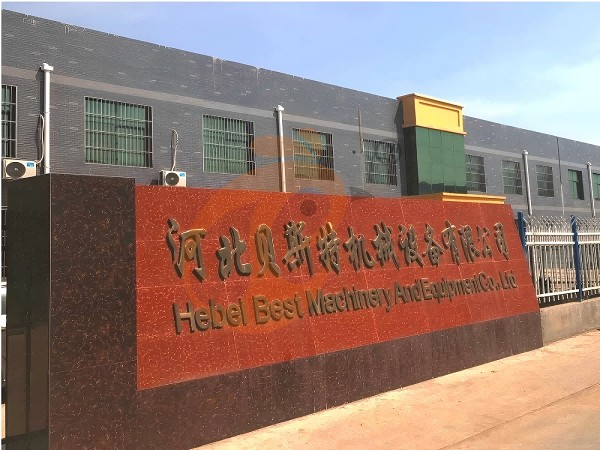
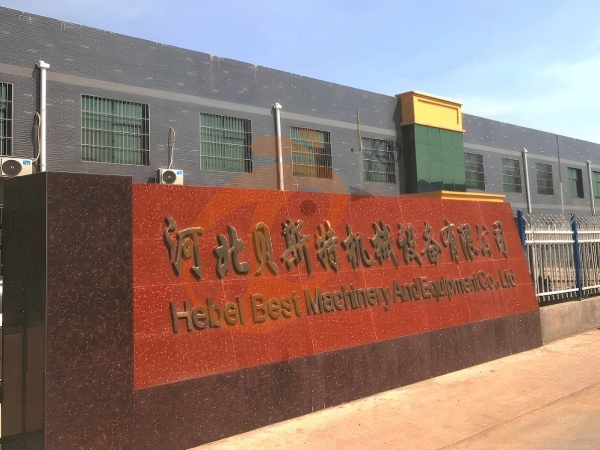
China Hebei Best Machinery And Equipment CO., LTD
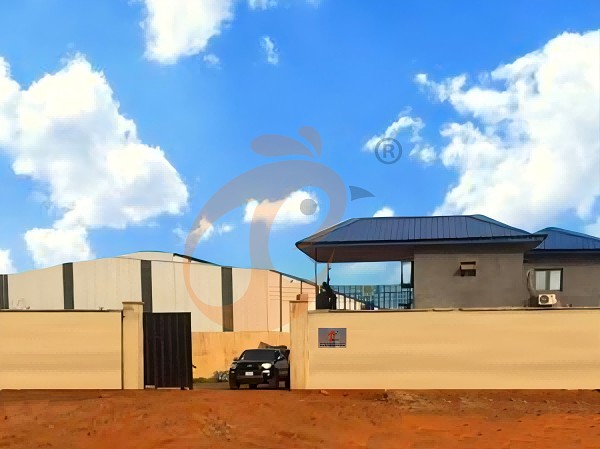
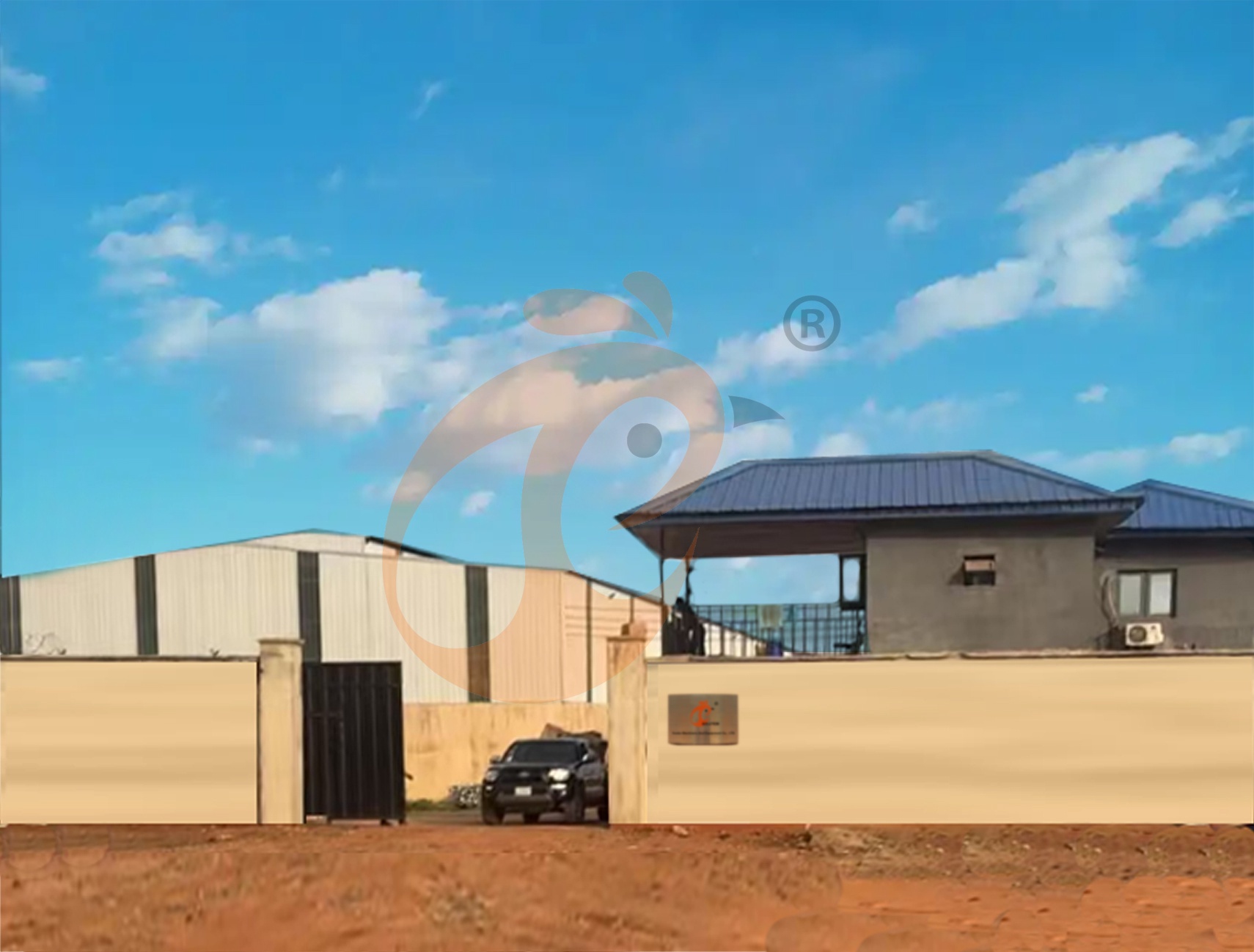
Nigeria Vanke Machinery And Equipment CO., LTD
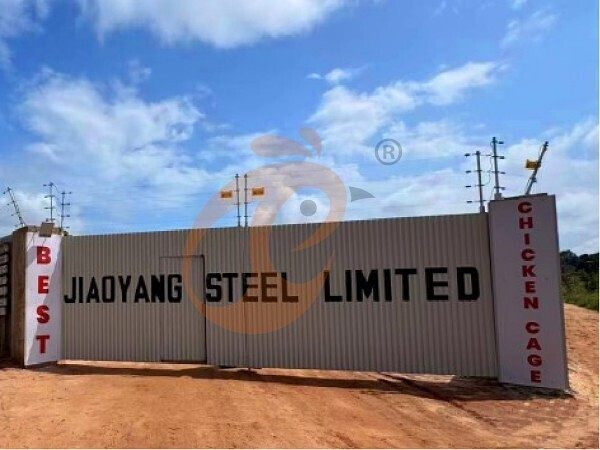
Tanzania Best Machinery And Equipment CO., LTD
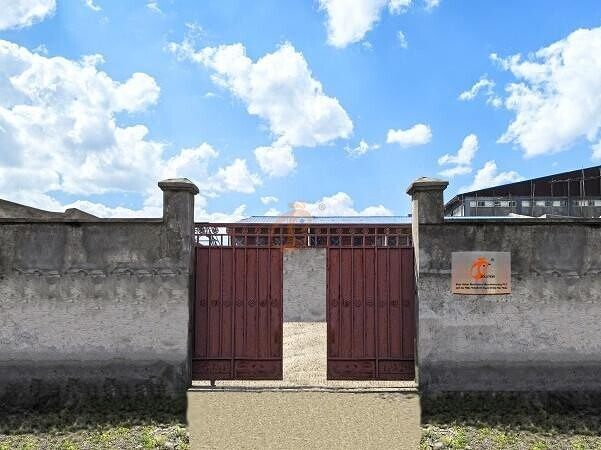
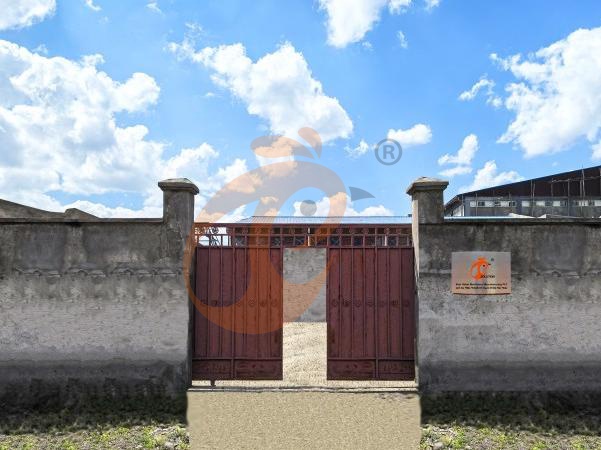
Ethiopia Best Hebei Machinery Manufacturing PLC
Reception /24 WhatsApp NO. : +8618830120193
Message
Products recommended
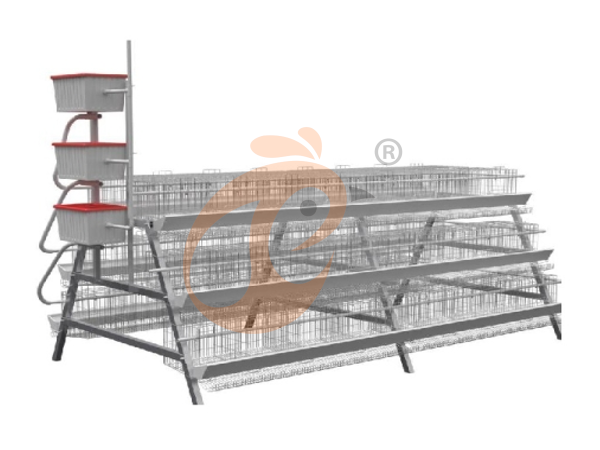
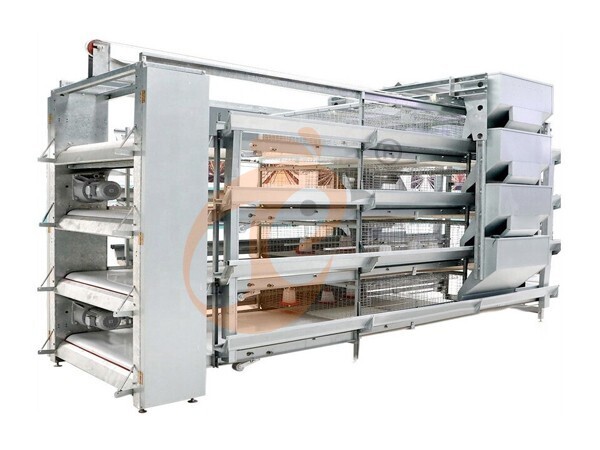
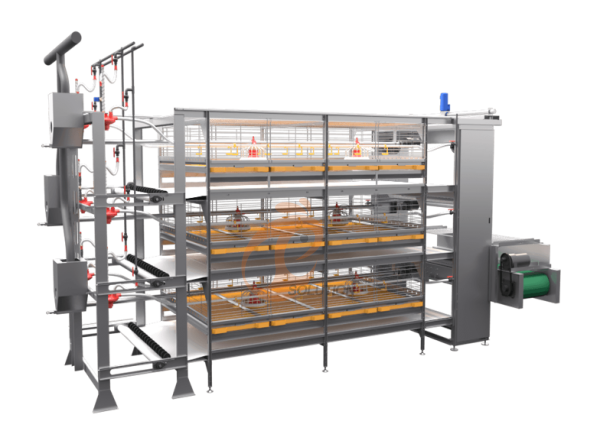
 >30,000 Pullets Automatic H Type Battery Cage1. More than 30,000 pullets a house, choose it.
2. It is designed to rearing older than 1 day old pullets to 12 to 16 weeks old chicken starting laying eggs.
3. Its lifespan is more than 25 years.
4. Its structure are Vcloud artificial intelligent fusion, electric control cabinet, automatic equipment of drinking, feeding, manure clean, manual harvesting.
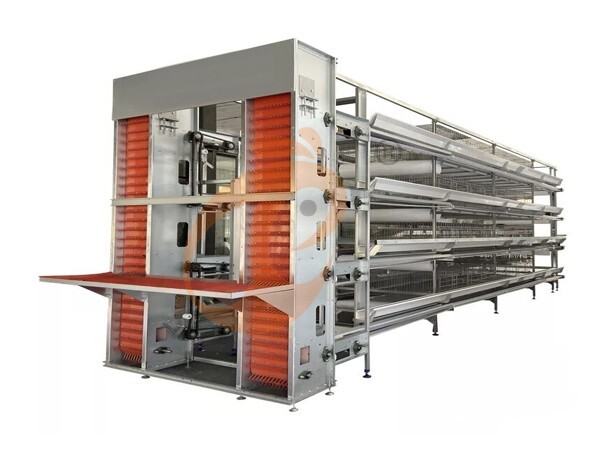
5. Our 24 hour online reception What’sApp NO. is +8618830120193 <30,000 Pullets Automatic A Type Battery Cage1. 10,000 to 30,000 pullets a house, choose it.
2. It is designed to rearing older than 1 day old pullets to 12 to 16 weeks old chicken starting laying eggs.
3. Its lifespan is more than 25 years.
4. Its structure are Vcloud artificial intelligent fusion, electric control cabinet, automatic equipment of drinking, feeding, manure clean, manual harvesting.
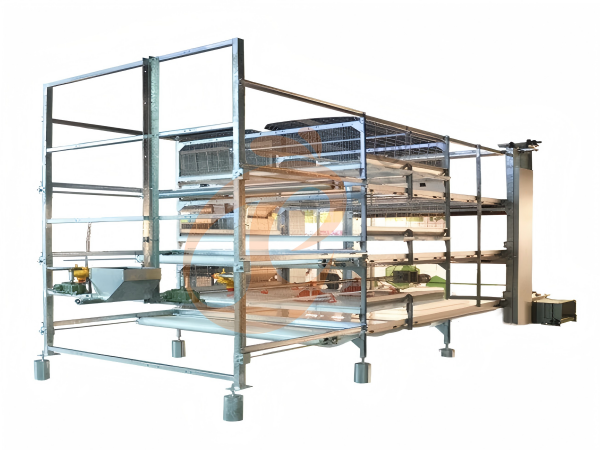
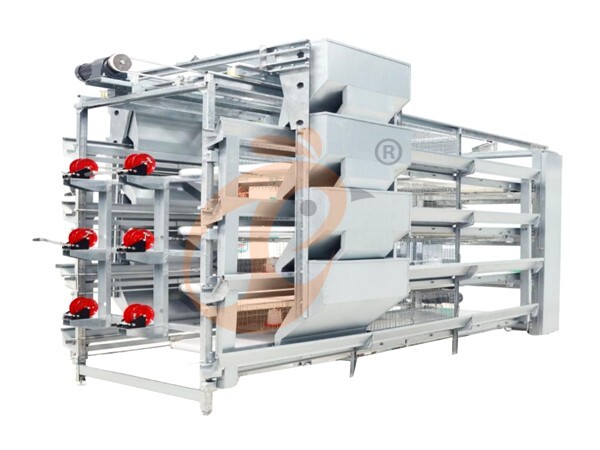
5. Our 24 hour online reception What’sApp NO. is +86 18830120193. >30,000 Broilers Semi-Automatic Harvest H Type Battery Cage1. More than 30,000 broilers a house, choose it.
2. It is designed to rearing 1 to 45 day old adult broiler ready for market.
3. Its lifespan is more than 20 years.
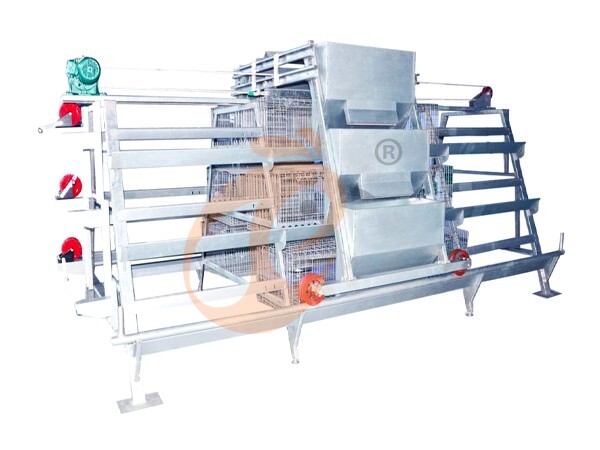
4. Our 24 hour online reception What’sApp NO. is +8618830120193, +234 8111199996. >30,000 Broilers Manual Harvest H Type Battery Cage1. More than 30,000 broilers a house, choose it.
2. It is designed to rearing 1 to 45 day old adult broiler ready for market.
3. Its lifespan is more than 20 years.
4. Its structure are Vcloud artificial intelligent fusion, electric control cabinet, automatic equipment of drinking, feeding and manure clean, manual harvesting.
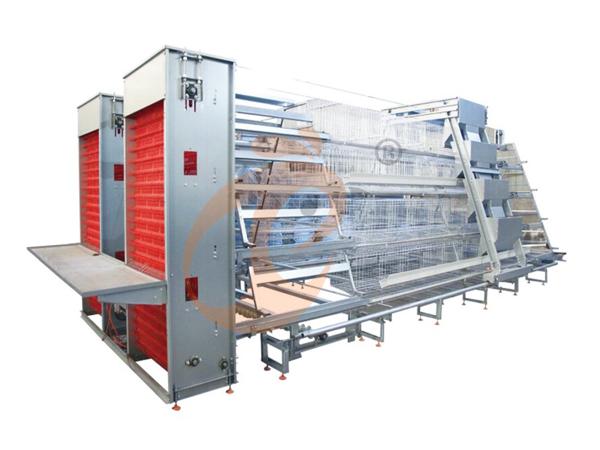
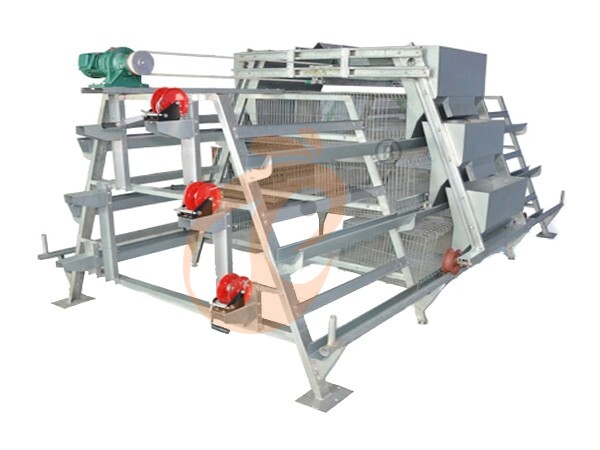
5. Our 24 hour online reception What’sApp NO. is +8618830120193, +234 8111199996. <30,000 Broilers Manual Harvest A Type Battery Cage1. Less 30,000 broilers a house, choose it.
2. It is designed to rearing 1 to 45 day old adult broiler ready for market.
3. Its lifespan is more than 20 years.
4. Its structure are Vcloud artificial intelligent fusion, electric control cabinet, automatic equipment of drinking, feeding and manure clean, manual harvesting.
5. Our 24 hour online reception What’sApp NO. is +8618830120193, +234 8111199996. HK Headquarter Offers EU-standard Poultry Farm Solutions, Manufacture Poultry Farm Equipment1. Continuous communication with the EU and the US
2. China, Nigeria, Ethiopia, Tanzania branch companies and factories
3. The products’ quality is customized for local poultry farms
4. Poultry cage and poultry farm equipment stock for sale
5. 24 online reception Whatsapp NO. : +8618830120193,contact us to get full information China Branch Offer Poultry Farm Business Plan, Manufacture Poultry Farm Equipment1. Address: Flat/RM 2416, 24/F, Runxing Building, Youyi Nan Street, Shijiazhuang City, Hebei Province, China
2. Poultry cage and poultry farm equipment factory and stock for sale
3. Customized for local poultry farms
4. Quality and design are based on Euro
5. 24 online reception Whatsapp NO. : +8618830120193 Nigeria Branch Offer Poultry Farm Business Plan, Manufacture Poultry Farm Equipment1. Address: After Sinoma Office, 200 Meters Near Danco Filling Station, Lagos/Ibadan Expressway, Lagos State, Nigeria
2. Poultry cage and poultry farm equipment factory and stock for sale
3. Customized for Nigerian poultry farms
4. Quality and design are based on Euro
5. 24 online reception Whatsapp NO. : +8618830120193 Ethiopia Branch Offer Poultry Farm Business Plan, Manufacture Poultry Farm Equipment1. Address: Gelan Gura, Akaki-kaliti Sub City, Addis Ababa, Ethiopia
2. Poultry cage and poultry farm equipment stock for sale
3. Customized for Ethiopian poultry farms
4. Quality and design are based on Euro
5. 24 online reception Whatsapp NO. : +8618830120193, contact us to get price list Tanzania Branch Offer Poultry Farm Business Plan, Manufacture Poultry Farm Equipment1. Address: No.8, Sova Road, Msufini, Mlandizi, Kibaha, Pwani, Tanzania
2. Poultry cage and poultry farm equipment factory and stock for sale
3. Customized for Tanzanian poultry farms
4. Quality and design are based on Euro
5. 24 online reception Whatsapp NO. : +8618830120193



Contact