


Blog
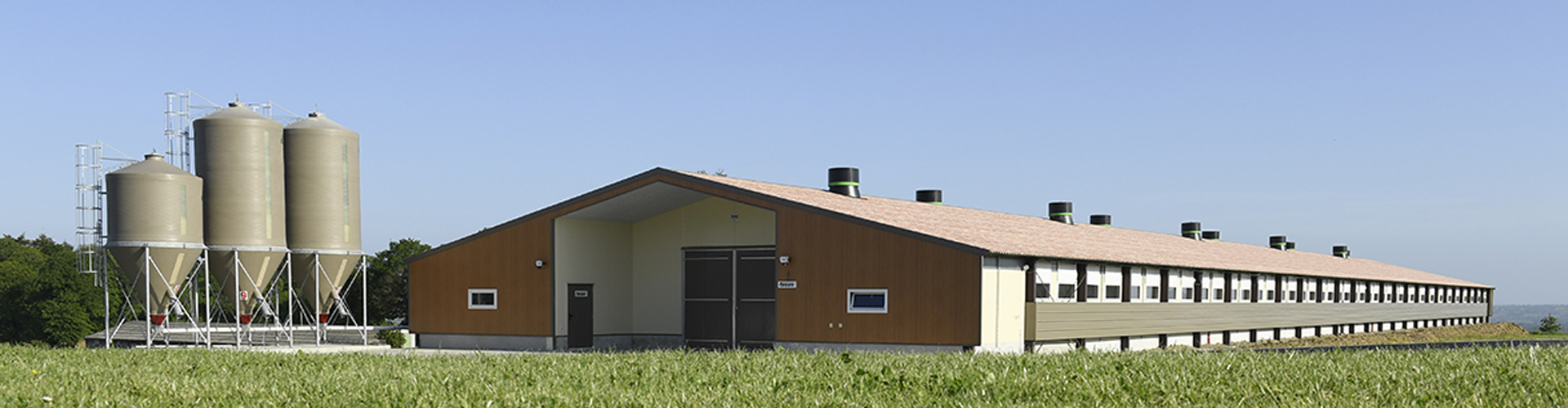
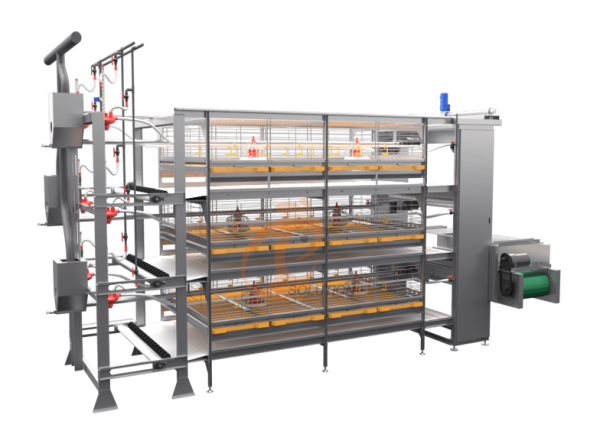
Ethiopian layer chicken cage systems are designed to maximize egg production and efficiency.
They offer vertical stacking solutions that save land and labor in urban poultry farms.
These chicken cage systems integrate automated feeding, water, and manure management for modern operations.
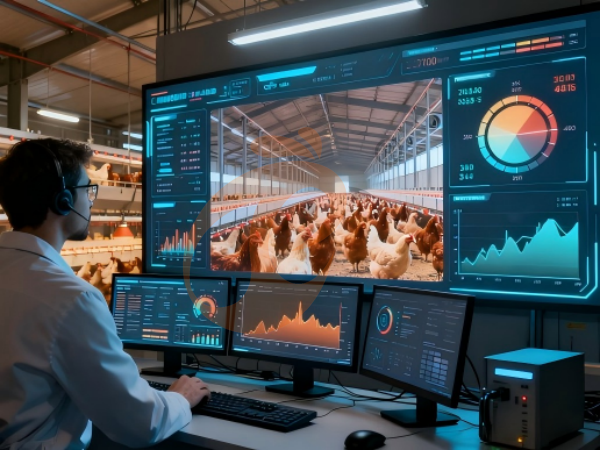
Climate control ensures consistent production despite temperature fluctuations in different Ethiopian regions.
Investors benefit from reduced feed waste, higher egg quality, and alignment with peak market demand.
Get professional poultry farm construction guidance, equipment selection solutions, and the latest price lists, whatsApp to +8618830120193, click to learn more:

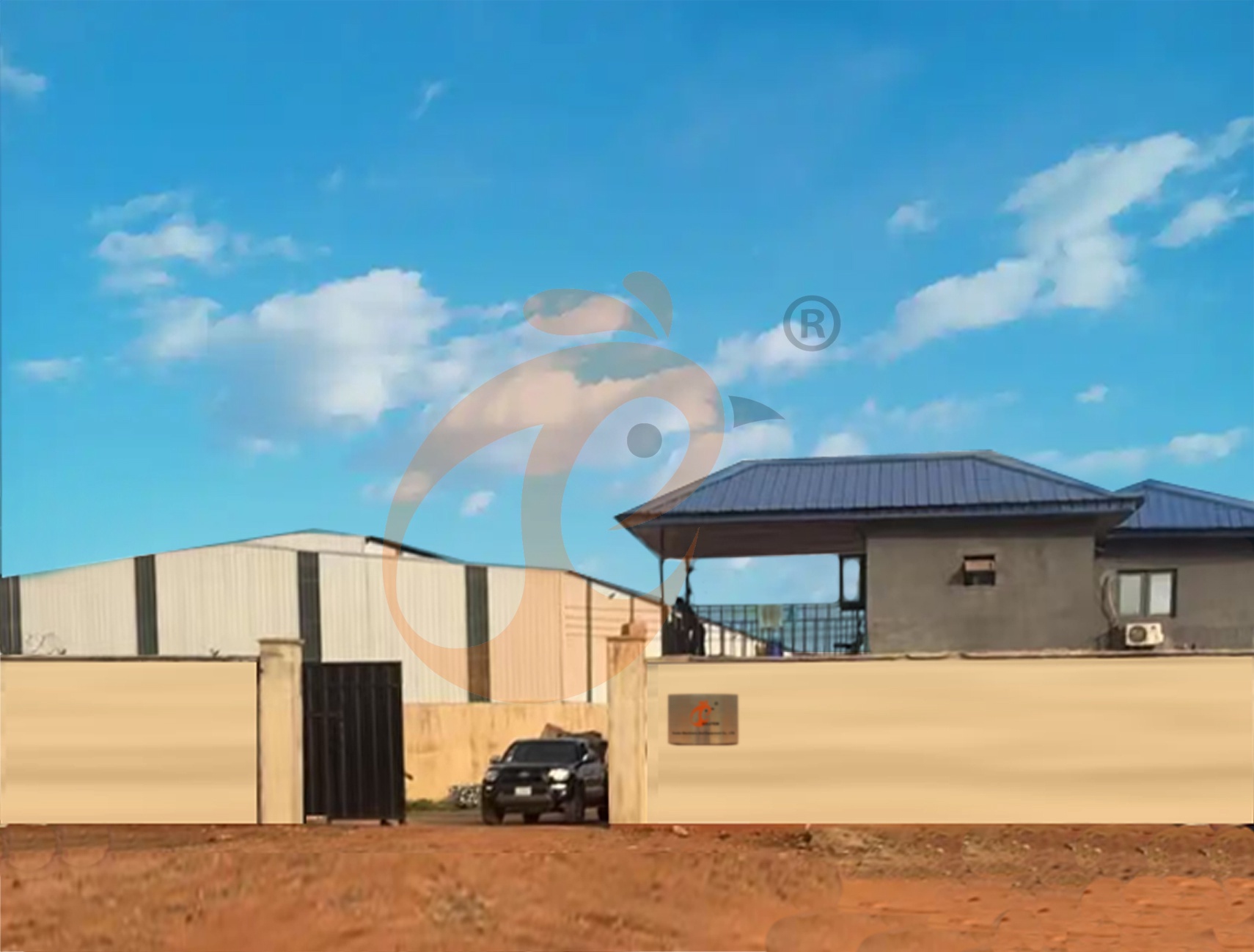
Ethiopia Branch Office And Factory Of Poultry Farm Equipment
Structural Engineering For The Ethiopian Climate
Ethiopian poultry houses must withstand the diverse climates of the Rift Valley and the Highlands.
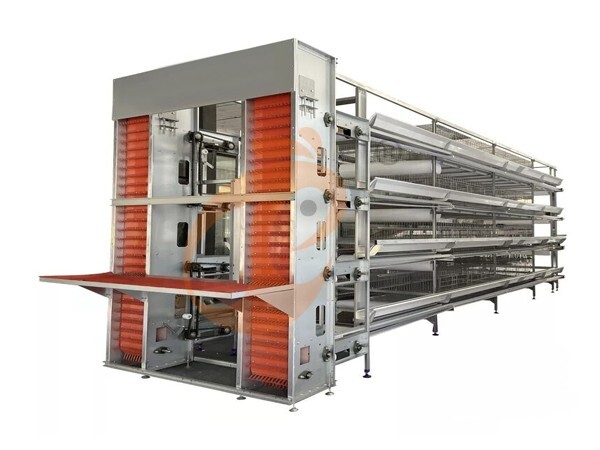
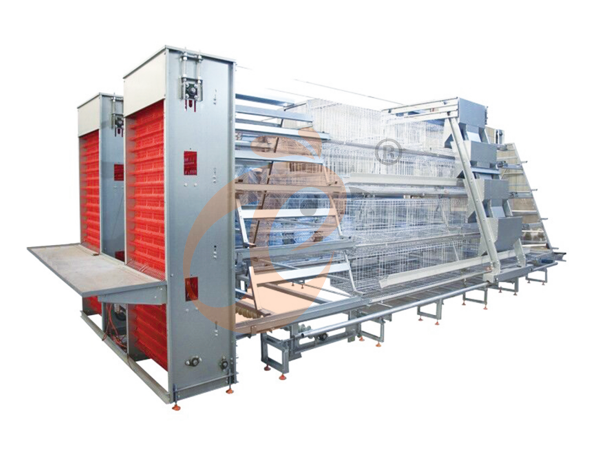
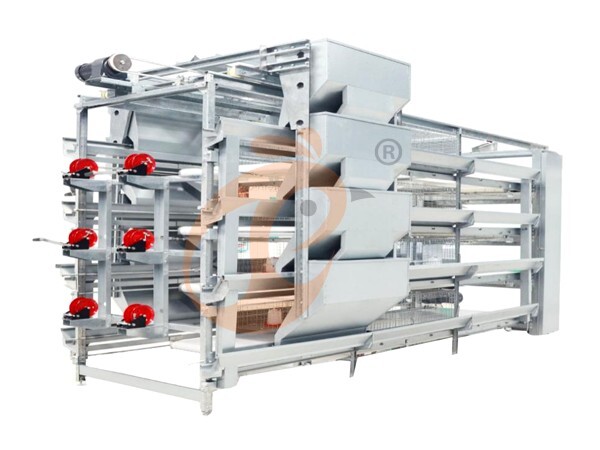
H-type chicken cages use a vertical ''stack'' design, utilizing hot-dip galvanized steel to prevent corrosion in humid regions.
Data is for reference only. Swipe horizontally to view full table.
Maximizing Land Productivity In Urban Hubs
Land lease rates in prime agricultural zones near Modjo and Debre Zeit are increasing.
Investors cannot afford the expansive footprint required for floor-based layer production.
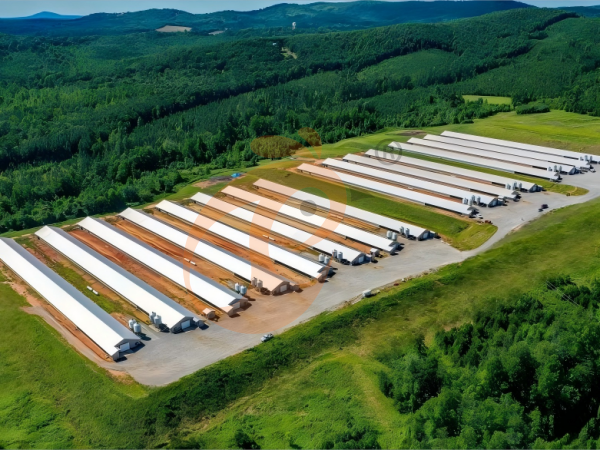
The H-type chicken cage system optimizes vertical space, allowing for a massive increase in bird capacity within a compact shed footprint.
This intensification is essential for staying close to urban markets where egg demand is constant.
Data is for reference only. Swipe horizontally to view full table.
Climate Control: Mitigating Heat Stress And Cold Snaps
Fluctuating temperatures in Ethiopia can cause egg production drops.
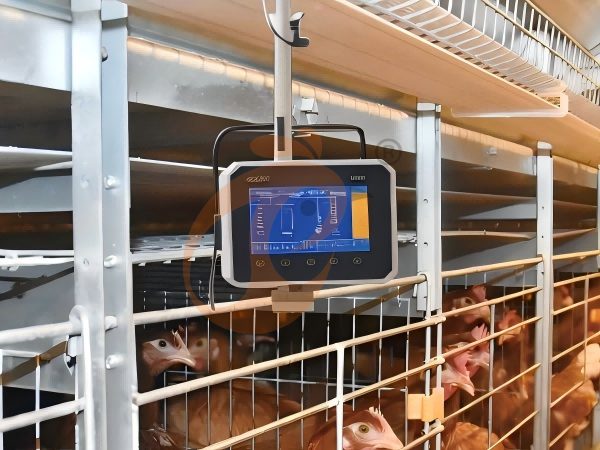
In H-type chicken cage systems, layers are kept in an Environmentally Controlled (EC) house.
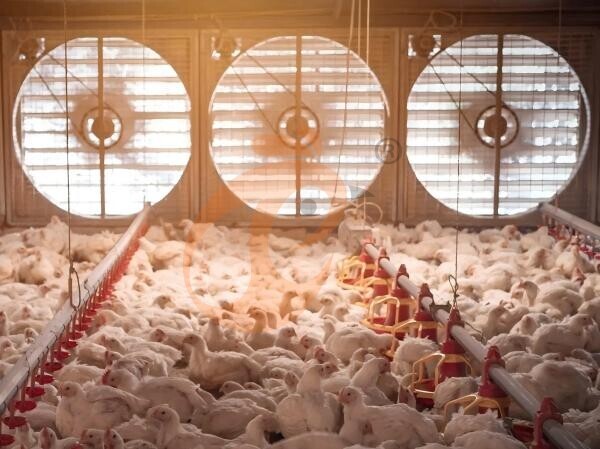
Automated fans and cooling pads manage the micro-climate at every tier level, preventing heat stress common in the lowlands and chilling effects of the highlands.
Data is for reference only. Swipe horizontally to view full table.
Precision Feeding: Solving The Feed Cost Crisis
With the cost of maize and soy meal fluctuating in Ethiopia, feed wastage is a critical pain point.
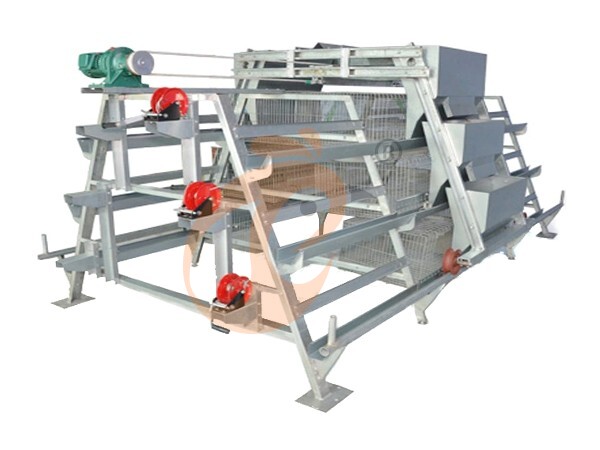
H-type chicken cages use automated trolley feeders that deliver precise rations.
This eliminates the 8% to 12% spillage often seen in manual systems.
Every gram of feed is directed toward egg production rather than being lost to the floor or contaminated by manure.
Data is for reference only. Swipe horizontally to view full table.
Water Management And Biosecurity
Water scarcity affects many Ethiopian regions.
H-type chicken cages utilize a closed nipple-drinking circuit, which prevents evaporation and keeps water hygienic.
By isolating the water supply from the environment, the risk of waterborne diseases—which often devastate Ethiopian layer flocks—is significantly mitigated.
Data is for reference only. Swipe horizontally to view full table.
Egg Quality And Collection Automation
The Ethiopian hospitality and supermarket sectors demand ''Grade A'' cleanliness and minimal breakage.
In H-type chicken cages, eggs roll automatically onto a longitudinal belt.
This process avoids contamination and manual handling errors associated with floor-nesting systems, ensuring a higher percentage of marketable eggs for the Addis Ababa market.
Data is for reference only. Swipe horizontally to view full table.
Manure Management: Circular Economy In Ethiopia
Effective manure removal is vital to prevent ammonia buildup.
H-type chicken cages utilize polypropylene (PP) belts under each tier to transport manure out of the shed.
This dried manure is a valuable resource for Ethiopia's flower farms and coffee plantations, turning a waste management problem into a profitable organic fertilizer stream.
Data is for reference only. Swipe horizontally to view full table.
Strategic Implementation And Market Timing
Implementing H-type chicken cages requires significant capital, but the operational savings are immediate.
For the Ethiopian investor, timing is everything.
Aligning the production cycle with the peak demand following the Abiy Tsom (Lent) fasting period ensures maximum profitability.
The H-type system's efficiency allows farmers to sustain operations during low-demand months and ramp up production for national holidays like Fasika.
Addressing The Foreign Exchange Challenge
While the hardware is often imported, the increase in productivity justifies the initial investment.
The system reduces the ''cost per egg'' by approximately 15%–20% Ethiopian Birr (European union standard reference only) compared to deep-litter systems, primarily through labor reduction and feed efficiency.
This makes the H-type system the most resilient choice for scaling Ethiopia's commercial egg industry.
Frequently Asked Questions
Q1: What is an H-type chicken cage?
H-type chicken cage is a vertically stacked layer cage system designed for modern poultry farms.
It saves land, improves feed efficiency, and ensures cleaner eggs.
Q2: How do H-type chicken cages improve egg quality?
Eggs roll onto automated belts, reducing manual handling and contamination.
This system ensures higher Grade A eggs with minimal breakage.
Q3: Is H-type chicken cage suitable for Ethiopian climate?
Yes. With climate-controlled EC houses, it prevents heat stress and cold effects.
Fans, cooling pads, and ventilation maintain stable conditions for layers.
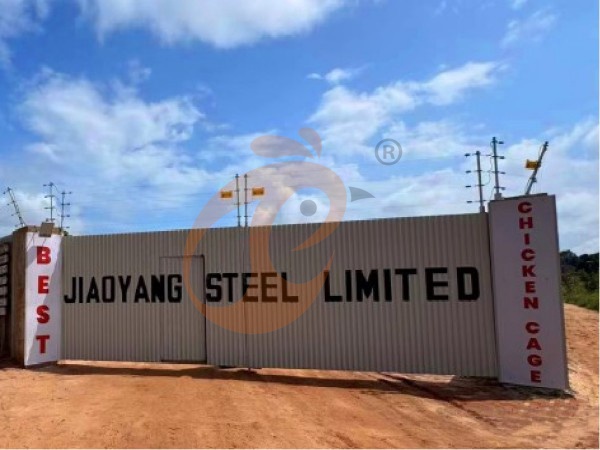
Ethiopia Best Hebei Machinery Manufacturing Plc - One Of Ethiopia Biggest H Type Chicken Cage Supplier
HB BEST provides global factory direct sales, supplying professional poultry farm equipment worldwide.
The company offers complete poultry cage systems for layers and breeders, including Turn-key engineering services.
Our poultry farm equipment is designed for efficiency, durability, and high egg production rates.
HB BEST delivers Turn-key projects with installation, training, and long-term technical support for farmers.
With global factory direct sales, HB BEST guarantees professional service and reliable poultry cage solutions.
Contact Us To Received Your Customized Poultry Farm Plan
Headquarters And Branchs

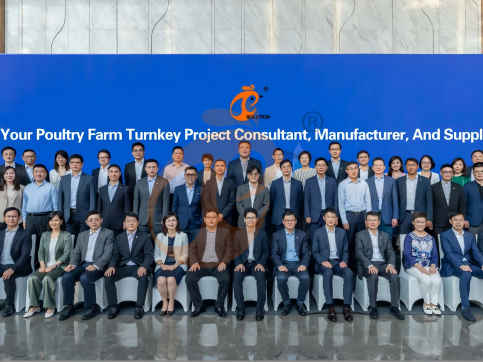
Hong Kong Headquarter Management Team
Hong Kong Headquarter Taiyu Industrial Group CO., LTD
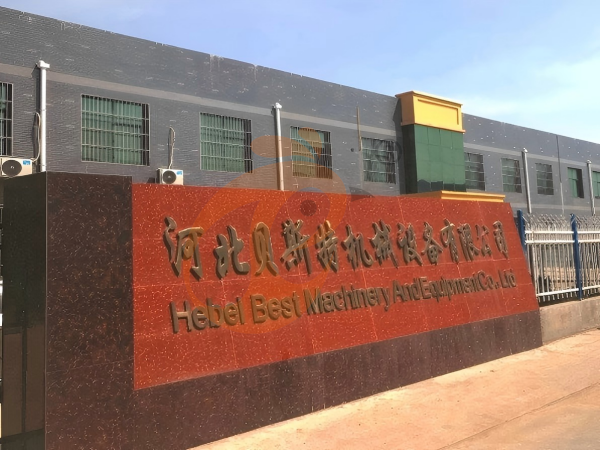
China Hebei Best Machinery And Equipment CO., LTD
Nigeria Vanke Machinery And Equipment CO., LTD
Tanzania Best Machinery And Equipment CO., LTD
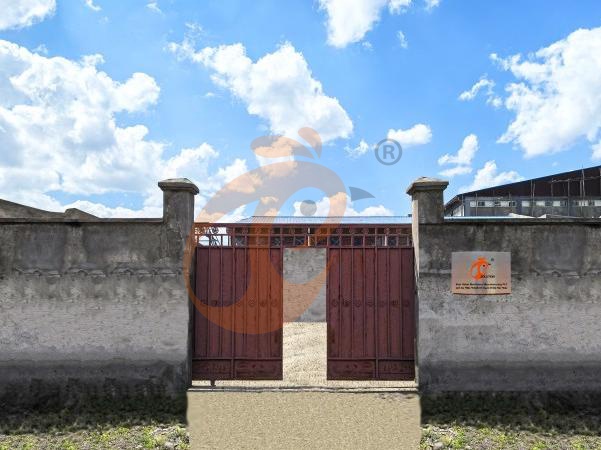
Ethiopia Best Hebei Machinery Manufacturing PLC




Reception /24 WhatsApp NO. : +8618830120193
- poultry farm
- chicken cage
- poultry farms
- layer cage
- poultry house
- poultry cage
- cage
- poultry farm equipment
- poultry farm construction
- layer cage system
- poultry cage system
- chicken cage system
- chicken cage supplier
- layer cage system design
- poultry cage solution
- chicken cages
- h type chicken cage
- chickencage
- bestchickencage
- cage system
- h type
- cage systems
- layer chicken cage
- Nigeria
- layer chicken cage system
- modern poultry farms
- poultry cage systems
- cage supplier
- modern poultry farm
- poultry cage solutions
- poultry farm plan
- poultry farm equipment worldwide
Message
Products recommended
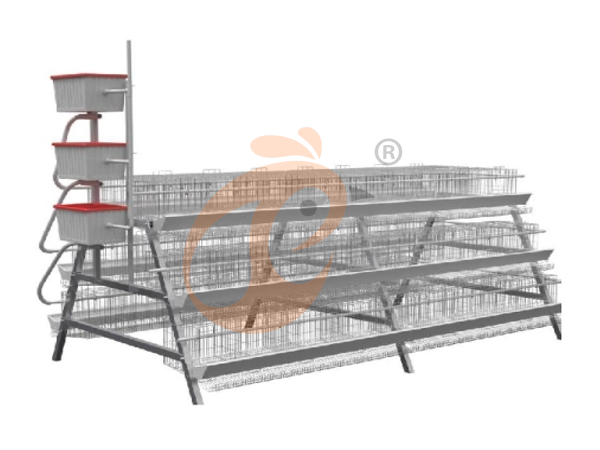
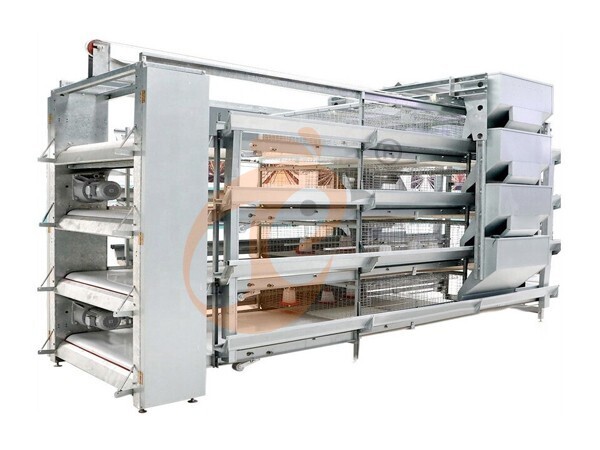
 >30,000 Pullets Automatic H Type Battery Cage1. More than 30,000 pullets a house, choose it.
2. It is designed to rearing older than 1 day old pullets to 12 to 16 weeks old chicken starting laying eggs.
3. Its lifespan is more than 25 years.
4. Its structure are Vcloud artificial intelligent fusion, electric control cabinet, automatic equipment of drinking, feeding, manure clean, manual harvesting.
5. Our 24 hour online reception What’sApp NO. is +8618830120193 <30,000 Pullets Automatic A Type Battery Cage1. 10,000 to 30,000 pullets a house, choose it.
2. It is designed to rearing older than 1 day old pullets to 12 to 16 weeks old chicken starting laying eggs.
3. Its lifespan is more than 25 years.
4. Its structure are Vcloud artificial intelligent fusion, electric control cabinet, automatic equipment of drinking, feeding, manure clean, manual harvesting.
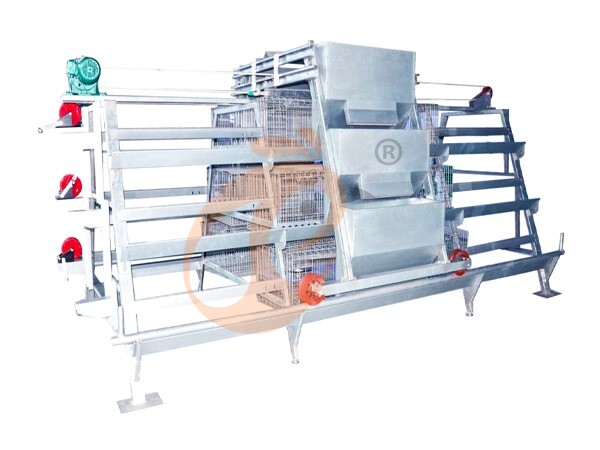
5. Our 24 hour online reception What’sApp NO. is +86 18830120193. >30,000 Broilers Semi-Automatic Harvest H Type Battery Cage1. More than 30,000 broilers a house, choose it.
2. It is designed to rearing 1 to 45 day old adult broiler ready for market.
3. Its lifespan is more than 20 years.
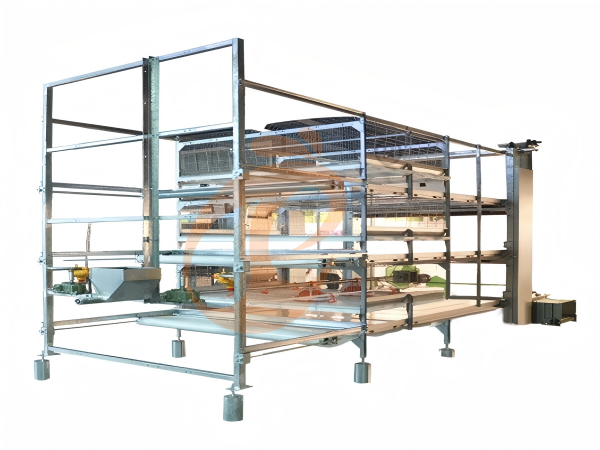
4. Our 24 hour online reception What’sApp NO. is +8618830120193, +234 8111199996. >30,000 Broilers Manual Harvest H Type Battery Cage1. More than 30,000 broilers a house, choose it.
2. It is designed to rearing 1 to 45 day old adult broiler ready for market.
3. Its lifespan is more than 20 years.
4. Its structure are Vcloud artificial intelligent fusion, electric control cabinet, automatic equipment of drinking, feeding and manure clean, manual harvesting.
5. Our 24 hour online reception What’sApp NO. is +8618830120193, +234 8111199996. <30,000 Broilers Manual Harvest A Type Battery Cage1. Less 30,000 broilers a house, choose it.
2. It is designed to rearing 1 to 45 day old adult broiler ready for market.
3. Its lifespan is more than 20 years.
4. Its structure are Vcloud artificial intelligent fusion, electric control cabinet, automatic equipment of drinking, feeding and manure clean, manual harvesting.
5. Our 24 hour online reception What’sApp NO. is +8618830120193, +234 8111199996. HK Headquarter Offers EU-standard Poultry Farm Solutions, Manufacture Poultry Farm Equipment1. Continuous communication with the EU and the US
2. China, Nigeria, Ethiopia, Tanzania branch companies and factories
3. The products’ quality is customized for local poultry farms
4. Poultry cage and poultry farm equipment stock for sale
5. 24 online reception Whatsapp NO. : +8618830120193,contact us to get full information China Branch Offer Poultry Farm Business Plan, Manufacture Poultry Farm Equipment1. Address: Flat/RM 2416, 24/F, Runxing Building, Youyi Nan Street, Shijiazhuang City, Hebei Province, China
2. Poultry cage and poultry farm equipment factory and stock for sale
3. Customized for local poultry farms
4. Quality and design are based on Euro
5. 24 online reception Whatsapp NO. : +8618830120193 Nigeria Branch Offer Poultry Farm Business Plan, Manufacture Poultry Farm Equipment1. Address: After Sinoma Office, 200 Meters Near Danco Filling Station, Lagos/Ibadan Expressway, Lagos State, Nigeria
2. Poultry cage and poultry farm equipment factory and stock for sale
3. Customized for Nigerian poultry farms
4. Quality and design are based on Euro
5. 24 online reception Whatsapp NO. : +8618830120193 Ethiopia Branch Offer Poultry Farm Business Plan, Manufacture Poultry Farm Equipment1. Address: WR93+FQ2, Addis Ababa, Ethiopia
2. Poultry cage and poultry farm equipment stock for sale
3. Customized for Ethiopian poultry farms
4. Quality and design are based on Euro
5. 24 online reception Whatsapp NO. : +8618830120193, contact us to get price list Tanzania Branch Offer Poultry Farm Business Plan, Manufacture Poultry Farm Equipment1. Address: No.8, Sova Road, Msufini, Mlandizi, Kibaha, Pwani, Tanzania
2. Poultry cage and poultry farm equipment factory and stock for sale
3. Customized for Tanzanian poultry farms
4. Quality and design are based on Euro
5. 24 online reception Whatsapp NO. : +8618830120193


Contact
By clicking 'Allow All', you agree to the storage of cookies on your device to enhance site navigation, analyze site usage and assist with our marketing efforts.