


Blog
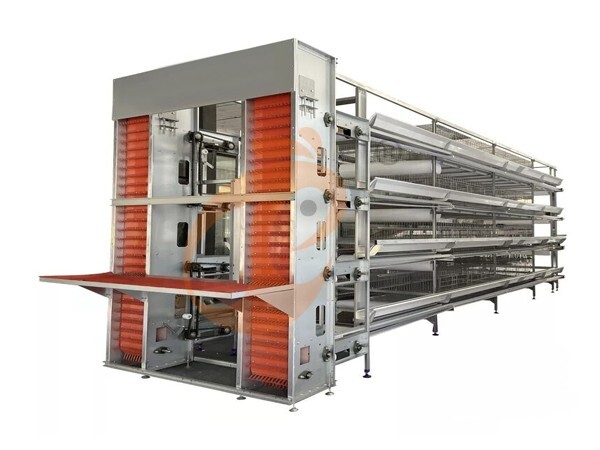
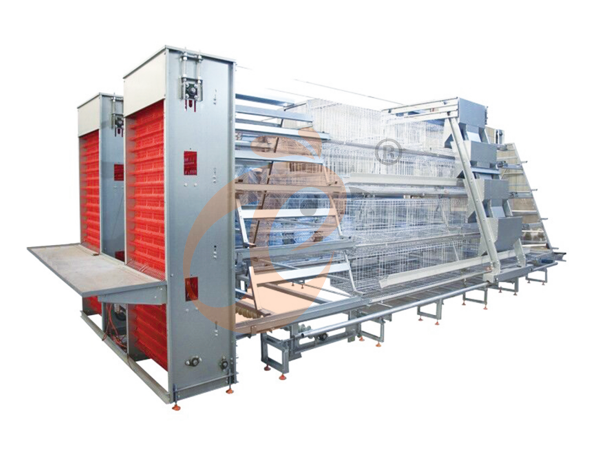
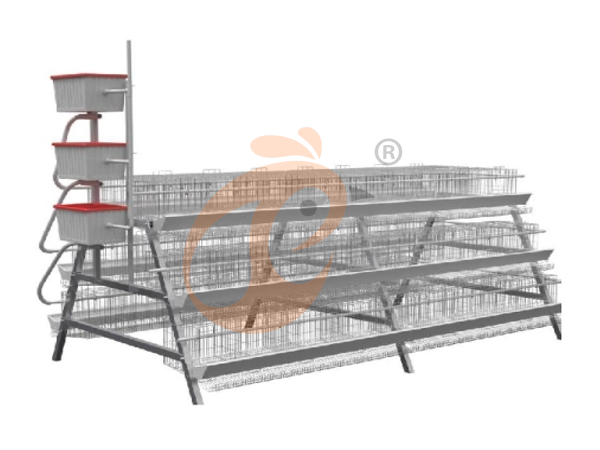
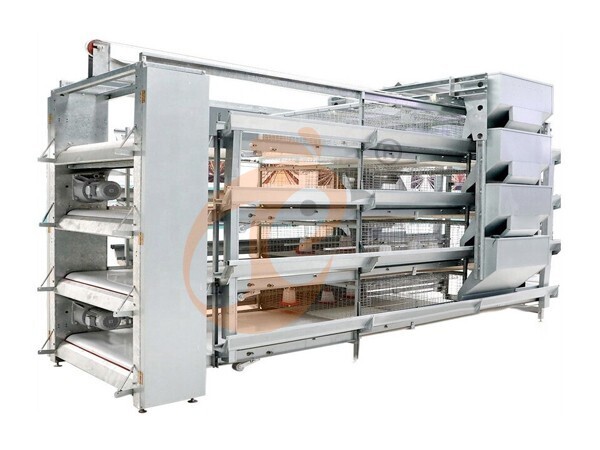
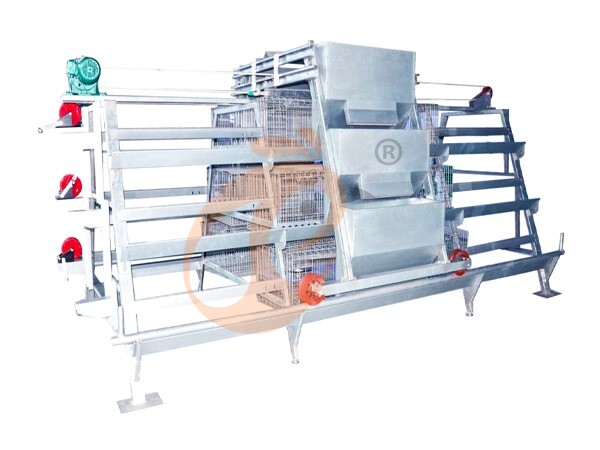
A-type poultry battery cage system applies vertical structural engineering for commercial egg production optimization.
Multi-tier steel frame configuration increases stocking density per cubic meter in controlled poultry housing environments.
Automated feed distribution system delivers rationed feed volume through fixed trough geometry and controlled access openings.
Nipple drinking pipeline maintains continuous water supply pressure between 18–35 kPa across multi-tier distribution lines.
Manure separation structure isolates excreta from bird contact zone through gravity discharge and mesh filtration design.
Integrated mechanical framework supports continuous 20–25 year production cycle under industrial poultry operation conditions.
Get professional poultry farm construction guidance, equipment selection solutions, and the latest price lists, whatsApp to +8618830120193, click to learn more:
Land Utilization And Stocking Density Optimization
The A-type structure applies vertical stacking in 3–5 tiers, converting horizontal production space into a multi-layer housing matrix.
Floor systems operate on single-plane distribution, while A-type systems allocate bird placement across vertical steel-supported layers per square meter.
Stocking density is determined by cage volume utilization per cubic meter and structural frame load capacity per tier.
Poultry housing engineering demand increases in commercial egg production projects with constrained land allocation and expanded flock scale requirements.
Spatial efficiency in poultry housing is determined by steel frame stacking geometry, vertical load transfer path, and tier spacing configuration under mechanical stability constraints.
Data is for reference only.Swipe horizontally to view full table.
Steel frame configuration transfers load through triangular A-frame support structure and distributes static weight across reinforced base foundation.
Feed Distribution Efficiency And Consumption Control
Feed input represents dominant operational cost component in egg production systems under industrial farming conditions.
Galvanized steel V-trough feeders are installed along cage rows with fixed positioning and controlled access aperture geometry.
Feed trough opening angle between 65°–75° restricts external displacement of granular feed during pecking cycles.
Feed intake consistency is governed by feed access depth limitation, trough edge curvature radius, and bird beak insertion angle.
Data is for reference only.Swipe horizontally to view full table.
Feed retention stability is maintained through fixed trough positioning and mechanical restriction of lateral scratching displacement.
Feed delivery pathway limits feed loss through controlled access interface and trough wall containment geometry.
Energy Allocation And Biological Conversion Efficiency
Egg production process operates through metabolic energy partitioning between maintenance metabolism, locomotion energy consumption, and reproductive output conversion.
A-type cage compartment restricts movement volume to 600 mm × 400 mm × 450 mm per bird unit.
Locomotion energy consumption decreases due to elimination of walking distance, wing movement range, and floor scratching behavior.
Metabolic allocation distribution stabilizes at maintenance metabolism 70–78%, locomotion 3–6%, reproductive output 25–34%.
Bird grouping density remains controlled at 4–6 individuals per cage compartment to stabilize social interaction frequency.
Aggressive interaction events reduce from 8–14 occurrences per day in floor systems to 1–3 occurrences per day in cage compartments.
Waste Separation And Disease Transmission Control
Wire mesh flooring uses 2.2 mm–3.0 mm galvanized steel with 8°–10° downward slope angle for gravity-driven manure discharge.
European union standard reference only.
Vertical separation between bird contact surface and manure collection zone eliminates direct fecal contact pathway and interrupts pathogen reproduction cycle.
Data is for reference only.Swipe horizontally to view full table.
Moisture accumulation beneath bird zone remains physically isolated through mesh separation and airflow extraction design.
Pathogen proliferation rate decreases under controlled humidity conditions below 60% relative humidity threshold.
Egg Collection Geometry And Mechanical Handling
Egg rolling system operates under gravity-driven motion across sloped cage floor set at 7°–8° angle.
Egg displacement distance ranges between 12–18 cm under controlled rolling coefficient conditions.
Egg transport speed maintains 0.8–1.2 m/min along galvanized collection channel.
Data is for reference only.Swipe horizontally to view full table.
Egg transfer occurs through gravity roll-out channels into galvanized steel egg collection trays.
Mechanical handling contact frequency decreases through continuous slope-based transfer design.
Labor Input Reduction And Automation Integration
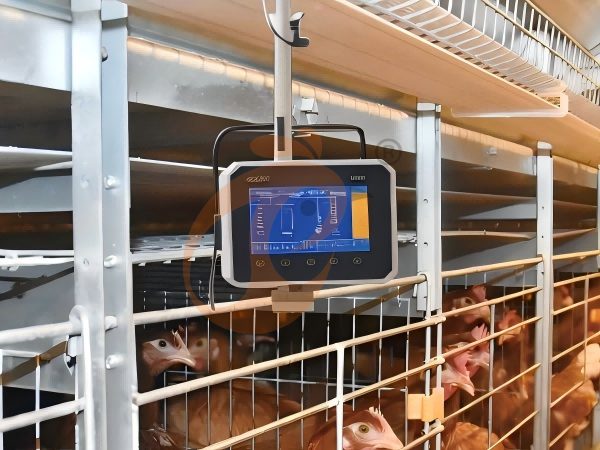
A-type system integrates motor-driven feed trolley system, nipple water pipeline system, and chain manure removal mechanism.
Automation sequence replaces manual feeding distribution cycles with synchronized mechanical timing control across production zones.
Data is for reference only.Swipe horizontally to view full table.
Mechanical feed delivery cycle operates under fixed timing control with reduced human intervention points.
Water and manure systems operate through centralized mechanical routing architecture.
Manure Recovery And Nutrient Quantification
Manure output separation produces single-phase organic fertilizer stream without bedding dilution.
Data is for reference only.Swipe horizontally to view full table.
Moisture reduction occurs through air exposure under slatted floor structure and ventilation airflow channel.
Transport mass per ton decreases due to water fraction separation during drying process.
Structural Material Performance And Service Duration
Hot-dip galvanized coating applies zinc layer thickness between 60–100 μm on low-carbon steel frame structure.
Steel tensile strength operates within 450–550 MPa structural grade classification.
Data is for reference only.Swipe horizontally to view full table.
Structural load resistance is distributed through A-frame triangulated geometry and reinforced base anchoring system.
Airflow Engineering And Thermal Distribution
Vertical cage spacing forms continuous airflow channel between tiers.
Thermal gradient develops between bird body heat output and ambient air temperature range 22–24°C.
Air velocity inside housing structure maintains 0.5–1.8 m/s range under ventilation system operation.
Temperature deviation between tiers remains controlled within 1.2–2.5°C interval.
Relative humidity stabilization range operates between 55–70% through exhaust ventilation and evaporation control.
Heat accumulation zones are eliminated through continuous vertical convection airflow movement.
Water Delivery And Medication Distribution System
Nipple drinking system operates under sealed pipeline network with pressure regulation between 18–35 kPa per tier level.
Data is for reference only.Swipe horizontally to view full table.
Medication and vitamin solution delivery operates through centralized injection dosing system connected to water pipeline network.
Uniform distribution reaches full flock coverage through synchronized hydraulic circulation system.
Economic Output Structure And Return On Investment Calculation
Capital investment converts into long-cycle production infrastructure asset with multi-year depreciation structure.
Data is for reference only.Swipe horizontally to view full table.
Cost structure optimization is driven by feed utilization control, mortality reduction, and production density increase per unit housing area.
Frequently Asked Questions
Q1: What production capacity range applies to A-type poultry battery cage system installation?
Installation scale operates between 10,000–100,000 birds per facility based on tier configuration and ventilation system design parameters.
Q2: What ammonia concentration level is maintained inside cage house environment?
Measured ammonia concentration stabilizes within 5–10 ppm range through manure separation and continuous airflow circulation system.
Q3: What is structural service life under industrial poultry conditions?
Hot-dip galvanized steel frame maintains 20–25 year operational cycle under standard poultry housing environment loading conditions.
Taiyu (HK) Group - One Of China Biggest Poultry Battery Cage System Manufacturer
A-type poultry battery cage system delivers industrial poultry housing structure for commercial egg production facilities with multi-tier steel frame configuration.
Global factory direct manufacturing supplies standardized poultry cage systems for automated large-scale poultry production projects.
Poultry equipment integration includes mechanical feeding line, nipple drinking system, and automated manure removal system architecture.
Turn-key poultry engineering solution covers system design, installation engineering, and operational commissioning process for poultry farms.
International export supply chain supports poultry cage system delivery for farm capacity range between 20,000 and 100,000 birds per project scale.
Contact Us To Received Your Customized Poultry Farm Plan
Headquarters And Branchs

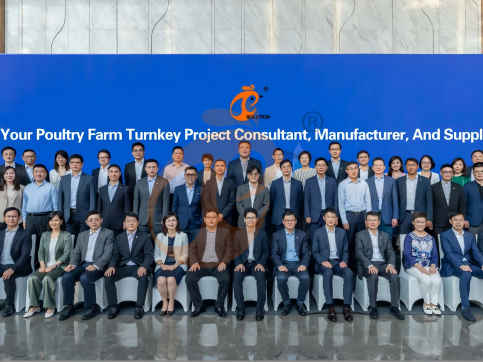
Hong Kong Headquarter Management Team
Hong Kong Headquarter Taiyu Industrial Group CO., LTD
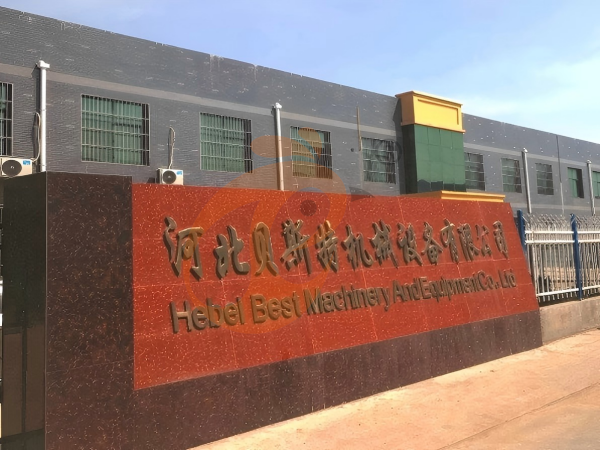
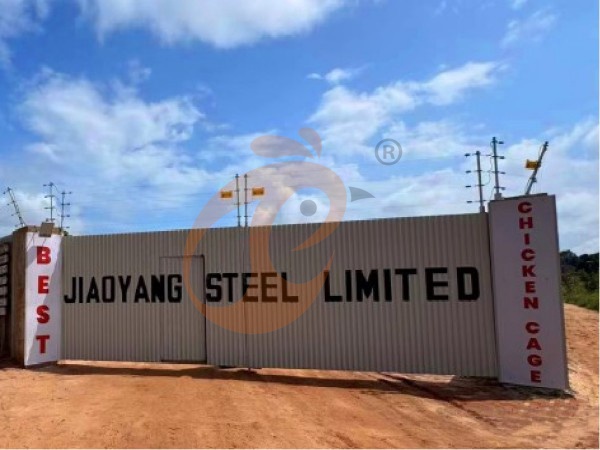
China Hebei Best Machinery And Equipment CO., LTD
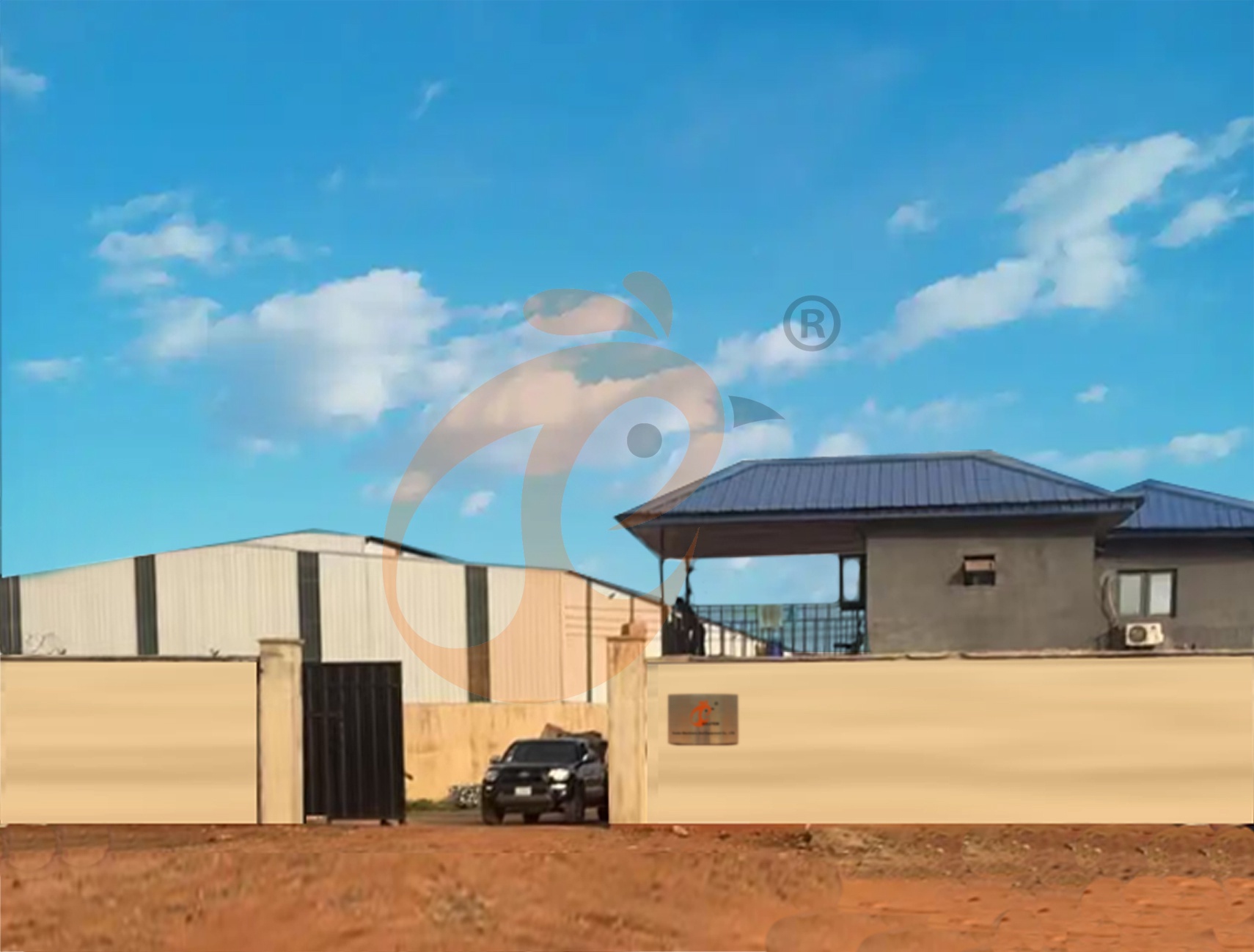
Nigeria Vanke Machinery And Equipment CO., LTD
Tanzania Best Machinery And Equipment CO., LTD
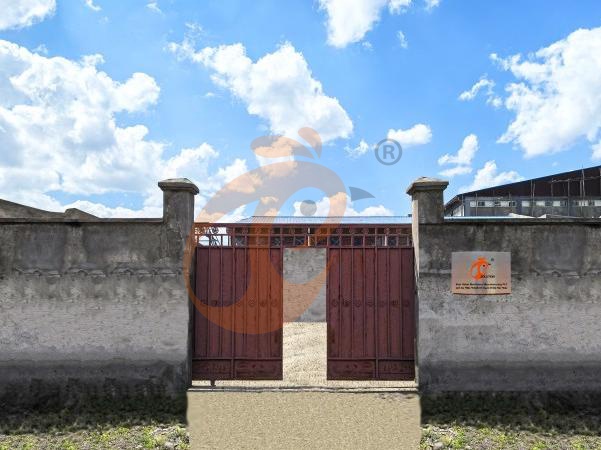
Ethiopia Best Hebei Machinery Manufacturing PLC




Reception /24 WhatsApp NO. : +8618830120193
FAQ
What Are The Advantages Of A-Type Poultry Cage For Medium-Sized Farms?
Farm capacity per house: 10,000–50,000 birds
Egg production rate: 90–96%
FCR: 1.9–2.2
Labor savings: 50–70%
How To Reduce Egg Breakage Rate In A-Type Layer Cage Farms?
Control conveyor speed
Egg breakage rate <1%
Daily egg yield: 900–960 eggs/1,000 birds
Egg production rate: 90–96%
How To Improve Egg Production Stability In A-Type Layer Cage System?
Scheduled feeding and drinking
Temperature 20–25°C, humidity 50–60%
Egg production rate: 90–96%
FCR: 1.9–2.2
- battery cage
- battery cage system
- poultry battery cage
- poultry farm
- poultry farms
- poultry cage
- cage
- poultry farm construction
- poultry cage system
- poultry battery cage system
- battery cage system manufacturer
- battery cage system installation
- poultry equipment
- manure removal system
- chickencage
- bestchickencage
- cage system
- poultry battery
- cage systems
- Nigeria
- egg production system
- egg production project
- poultry cage systems
- automated manure removal
- poultry farm plan
- Ethiopia
Message
Products recommended
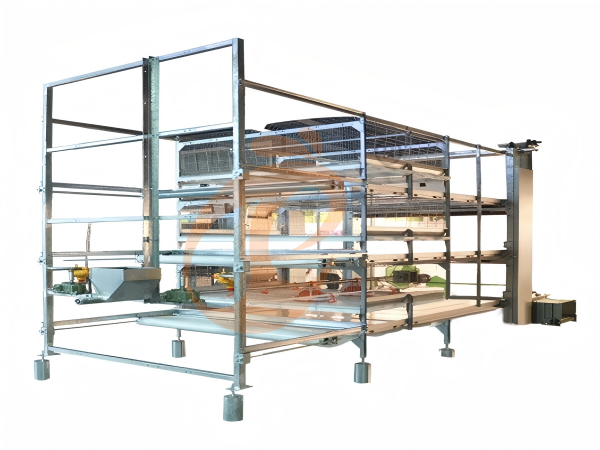
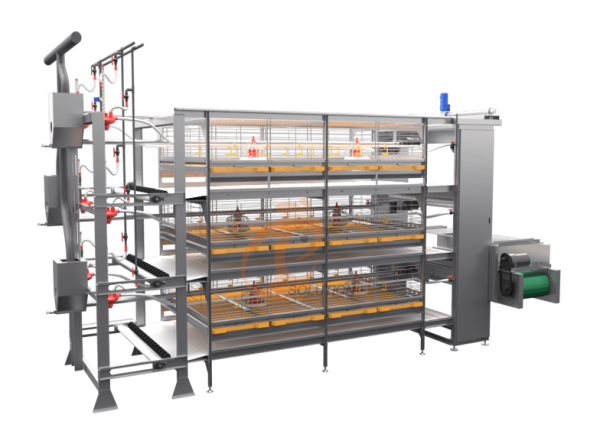
 >30,000 Pullets Automatic H Type Battery Cage1. More than 30,000 pullets a house, choose it.
2. It is designed to rearing older than 1 day old pullets to 12 to 16 weeks old chicken starting laying eggs.
3. Its lifespan is more than 25 years.
4. Its structure are Vcloud artificial intelligent fusion, electric control cabinet, automatic equipment of drinking, feeding, manure clean, manual harvesting.
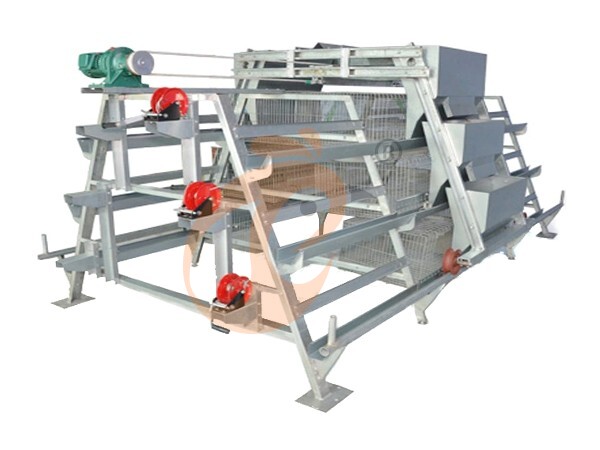
5. Our 24 hour online reception What’sApp NO. is +8618830120193 <30,000 Pullets Automatic A Type Battery Cage1. 10,000 to 30,000 pullets a house, choose it.
2. It is designed to rearing older than 1 day old pullets to 12 to 16 weeks old chicken starting laying eggs.
3. Its lifespan is more than 25 years.
4. Its structure are Vcloud artificial intelligent fusion, electric control cabinet, automatic equipment of drinking, feeding, manure clean, manual harvesting.
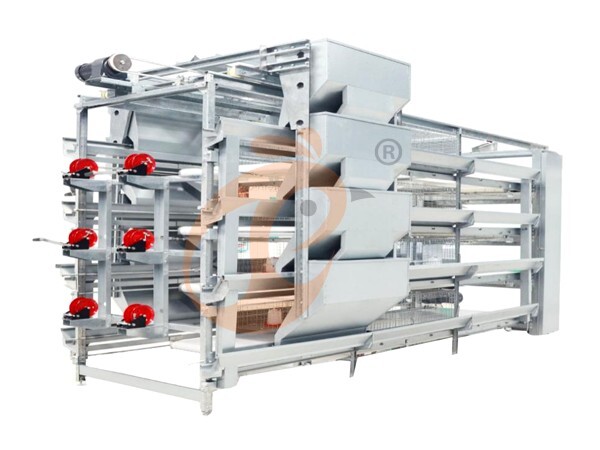
5. Our 24 hour online reception What’sApp NO. is +86 18830120193. >30,000 Broilers Semi-Automatic Harvest H Type Battery Cage1. More than 30,000 broilers a house, choose it.
2. It is designed to rearing 1 to 45 day old adult broiler ready for market.
3. Its lifespan is more than 20 years.
4. Our 24 hour online reception What’sApp NO. is +8618830120193, +234 8111199996. >30,000 Broilers Manual Harvest H Type Battery Cage1. More than 30,000 broilers a house, choose it.
2. It is designed to rearing 1 to 45 day old adult broiler ready for market.
3. Its lifespan is more than 20 years.
4. Its structure are Vcloud artificial intelligent fusion, electric control cabinet, automatic equipment of drinking, feeding and manure clean, manual harvesting.
5. Our 24 hour online reception What’sApp NO. is +8618830120193, +234 8111199996. <30,000 Broilers Manual Harvest A Type Battery Cage1. Less 30,000 broilers a house, choose it.
2. It is designed to rearing 1 to 45 day old adult broiler ready for market.
3. Its lifespan is more than 20 years.
4. Its structure are Vcloud artificial intelligent fusion, electric control cabinet, automatic equipment of drinking, feeding and manure clean, manual harvesting.
5. Our 24 hour online reception What’sApp NO. is +8618830120193, +234 8111199996. HK Headquarter Offers EU-standard Poultry Farm Solutions, Manufacture Poultry Farm Equipment1. Continuous communication with the EU and the US
2. China, Nigeria, Ethiopia, Tanzania branch companies and factories
3. The products’ quality is customized for local poultry farms
4. Poultry cage and poultry farm equipment stock for sale
5. 24 online reception Whatsapp NO. : +8618830120193,contact us to get full information China Branch Offer Poultry Farm Business Plan, Manufacture Poultry Farm Equipment1. Address: Flat/RM 2416, 24/F, Runxing Building, Youyi Nan Street, Shijiazhuang City, Hebei Province, China
2. Poultry cage and poultry farm equipment factory and stock for sale
3. Customized for local poultry farms
4. Quality and design are based on Euro
5. 24 online reception Whatsapp NO. : +8618830120193 Nigeria Branch Offer Poultry Farm Business Plan, Manufacture Poultry Farm Equipment1. Address: After Sinoma Office, 200 Meters Near Danco Filling Station, Lagos/Ibadan Expressway, Lagos State, Nigeria
2. Poultry cage and poultry farm equipment factory and stock for sale
3. Customized for Nigerian poultry farms
4. Quality and design are based on Euro
5. 24 online reception Whatsapp NO. : +8618830120193 Ethiopia Branch Offer Poultry Farm Business Plan, Manufacture Poultry Farm Equipment1. Address: Gelan Gura, Akaki-kaliti Sub City, Addis Ababa, Ethiopia
2. Poultry cage and poultry farm equipment stock for sale
3. Customized for Ethiopian poultry farms
4. Quality and design are based on Euro
5. 24 online reception Whatsapp NO. : +8618830120193, contact us to get price list Tanzania Branch Offer Poultry Farm Business Plan, Manufacture Poultry Farm Equipment1. Address: No.8, Sova Road, Msufini, Mlandizi, Kibaha, Pwani, Tanzania
2. Poultry cage and poultry farm equipment factory and stock for sale
3. Customized for Tanzanian poultry farms
4. Quality and design are based on Euro
5. 24 online reception Whatsapp NO. : +8618830120193



Contact