


Blog
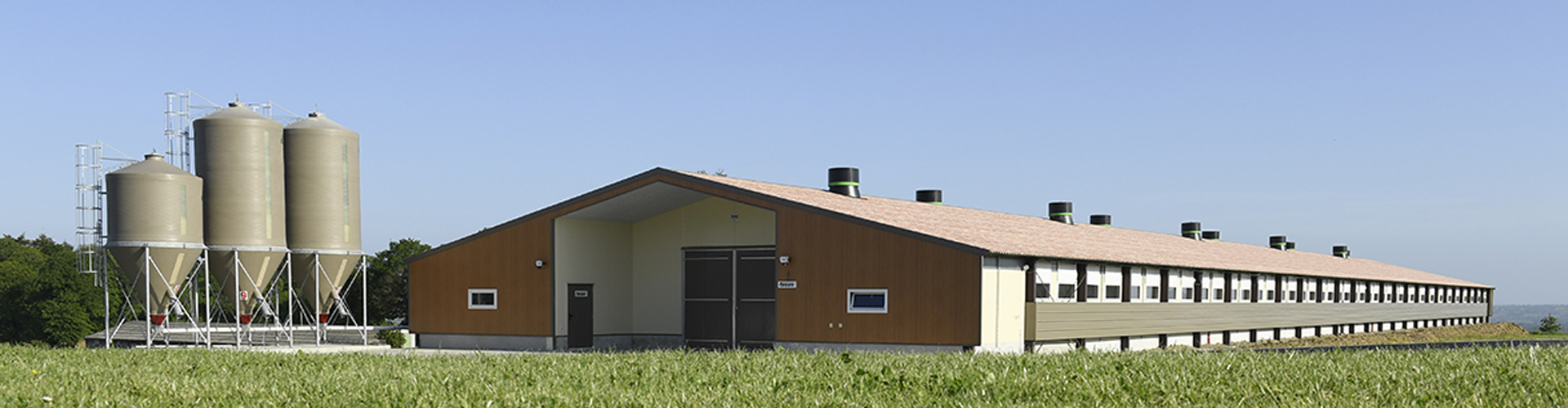
H-type chicken cage systems represent industrial poultry housing engineering for intensive egg production environments.
Multi-tier steel structures enable vertical expansion of poultry stocking capacity within limited land areas.
Automated feeding, watering, and egg collection systems improve production consistency across large-scale poultry operations.
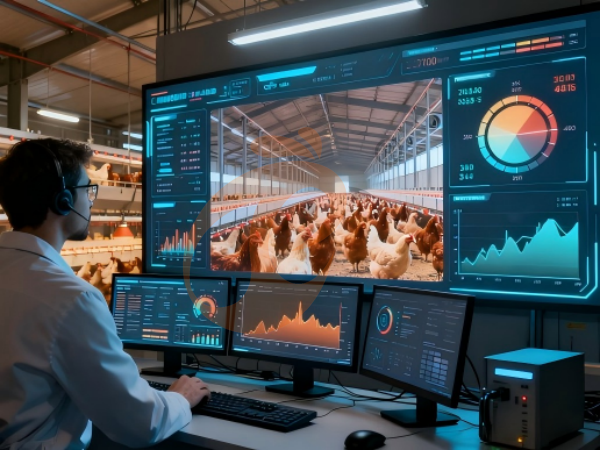
Environmental control modules regulate temperature, humidity, ventilation, and ammonia concentration in enclosed housing systems.
Integrated mechanized design enhances feed utilization efficiency, labor reduction, and stable egg output performance.
Get professional poultry farm construction guidance, equipment selection solutions, and the latest price lists, whatsApp to +8618830120193, click to learn more:
H-Type Cage System Structural Engineering
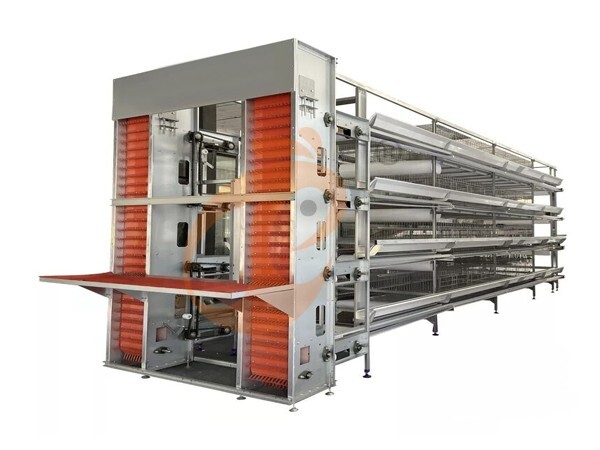
H-type chicken cages are constructed using reinforced steel frames and modular assembly units designed for long-term industrial use.
Each cage layer is engineered to maintain uniform load distribution and optimize bird spacing across tiers.
The system integrates mechanical, electrical, and environmental subsystems into a unified production structure.
Structural accuracy directly affects long-term flock stability and equipment lifespan in continuous egg production cycles.
Data is for reference only.Swipe horizontally to view full table.
Mechanical design parameters determine structural load balance and influence long-term deformation resistance under continuous poultry farming conditions.
Egg Production Capacity Per Housing System
Egg production output is a direct performance indicator of poultry cage system efficiency.
H-type systems maintain stable laying cycles through environmental regulation and optimized feeding structures.
Production uniformity is significantly influenced by housing environment consistency across multiple cage tiers.
Data is for reference only.Swipe horizontally to view full table.
Higher output reflects improved feed intake control and reduced production interruption caused by environmental fluctuations.
Land Utilization And Farm Expansion Efficiency
H-type chicken cages significantly increase production capacity per unit land area by utilizing vertical farming architecture.
This allows commercial farms to scale production without expanding land acquisition.
Facility planning becomes more predictable due to standardized modular cage expansion design.
Data is for reference only.Swipe horizontally to view full table.
Land conversion efficiency directly influences return on investment in large-scale poultry infrastructure development projects.
Feed Efficiency And Nutritional Conversion Rate
Feed management is one of the most important cost factors in poultry farming.
H-type cage systems reduce feed waste through structured trough design and controlled feeding lines.
Nutrient distribution consistency improves metabolic efficiency and stabilizes laying frequency across the flock.
Data is for reference only.Swipe horizontally to view full table.
Feed optimization reduces wasted input material while improving energy utilization per unit egg output.
Labor Input Structure In Cage Operations
Automated poultry farming systems reduce manual intervention requirements across daily production processes.
Operational labor allocation shifts from physical collection tasks to system monitoring and control supervision.
This transformation changes farm workforce structure and reduces dependency on manual handling.
Data is for reference only.Swipe horizontally to view full table.
Labor reallocation improves operational precision and reduces production variability caused by inconsistent manual operations.
Mortality Rate And Flock Stability
Flock survival rate directly influences long-term egg production stability and replacement costs.
H-type cage systems reduce disease transmission through improved ventilation and reduced bird contact.
Stable flock survival ensures consistent egg output across production cycles.
Data is for reference only.Swipe horizontally to view full table.
Lower mortality directly improves flock turnover efficiency and reduces replacement cost per production cycle.
Environmental Control And Air Quality Management
Environmental stability is a critical factor affecting poultry productivity.
H-type cage systems integrate ventilation and climate control systems to regulate ammonia levels, temperature stability, and humidity control.
Microclimate uniformity across cage tiers reduces physiological stress differences among birds.
Data is for reference only.Swipe horizontally to view full table.
Environmental precision control stabilizes physiological metabolism and supports consistent ovulation cycles.
Scientific Mechanism Of Egg Production Regulation
Egg production is controlled by hypothalamic-pituitary-ovarian axis regulation.
Stress factors such as heat, overcrowding, and ammonia exposure increase corticosterone levels, which suppress reproductive hormone secretion.
H-type cage systems reduce environmental stress exposure through controlled microclimate regulation.
Stable lighting cycles and uniform feeding schedules support consistent ovulation cycles, improving laying frequency and egg production stability.
Egg Quality Performance And Shell Strength
Egg quality is influenced by nutrition intake, stress levels, and mechanical handling systems.
H-type cage systems reduce egg breakage through automated egg belt transport and structured collection pathways.
Shell strength improvement is linked to calcium absorption stability and reduced physical impact during handling.
Data is for reference only.Swipe horizontally to view full table.
Egg handling mechanism design directly influences commercial egg grading efficiency and marketable output ratio.
Energy Consumption In Automated Poultry Systems
H-type cage systems require electrical energy for ventilation, feeding automation, and egg collection systems.
Energy consumption increases with automation complexity but improves production output per unit energy.
Energy planning becomes an essential factor in farm operational cost modeling.
Data is for reference only.Swipe horizontally to view full table.
Energy consumption structure reflects automation intensity and system mechanization level.
Economic Cost Structure Per Egg Production Unit
Production cost efficiency determines profitability in commercial poultry farming.
H-type cage systems reduce operational cost per egg through labor reduction and feed optimization.
Cost distribution shifts toward equipment depreciation and automation maintenance.
Data is for reference only.Swipe horizontally to view full table.
Cost structure indicates stronger dependence on feed efficiency optimization and automation integration.
Automation Integration In H-Type Chicken Cage Systems
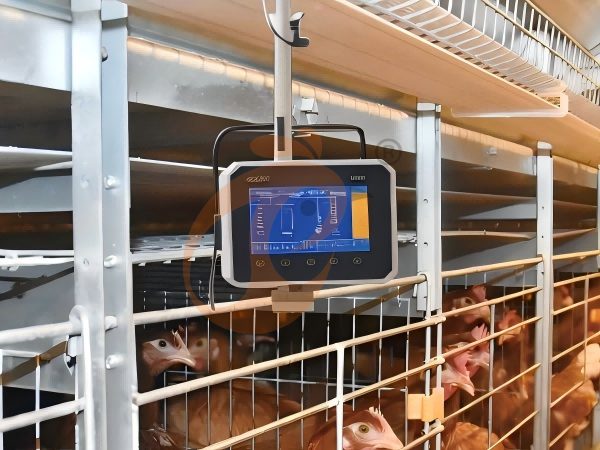
H-type chicken cage systems integrate PLC-controlled automation modules that coordinate feeding motors, manure scrapers, ventilation fans, and egg conveyor belts.
The synchronization of mechanical systems ensures uniform production conditions across all cage layers.
This integrated engineering approach reduces variability in egg production cycles and improves long-term system reliability in commercial farms.
Industry Application In Commercial Egg Farms
Large-scale egg production farms apply H-type cage systems for industrialized poultry housing expansion.
Modular system design allows phased installation and scalable production capacity.
Integrated manure removal systems reduce labor requirements and improve hygiene conditions in long-term operation cycles.
Frequently Asked Questions
Q1: What is the maximum stocking density of H-type chicken cage systems?
Stocking density typically ranges from 18 to 24 hens per square meter depending on cage tier design and ventilation configuration.
Q2: How much egg output increase does H-type cage systems provide?
Annual production increases from 2,540,000 eggs to 3,060,000 eggs per 10,000 hens compared with floor systems.
Q3: What is the feed conversion ratio in H-type cage systems?
Feed conversion ratio reaches approximately 2.08 kg feed per kg eggs under optimized automated feeding conditions.
Taiyu (HK) Group - One Of China Biggest Chicken Cage System Manufacturer
H-type chicken cage system delivers industrial egg production infrastructure with multi-tier engineering design.
Factory direct manufacturing provides standardized poultry equipment for global commercial farms.
Turn-key poultry farm solutions include installation, commissioning, and production system integration services.
Global export supply supports large-scale poultry cage system deployment across industrial farming projects.
Advanced poultry equipment portfolio includes feeding systems, ventilation units, and automated egg collection systems.
Contact Us To Received Your Customized Poultry Farm Plan
Headquarters And Branchs

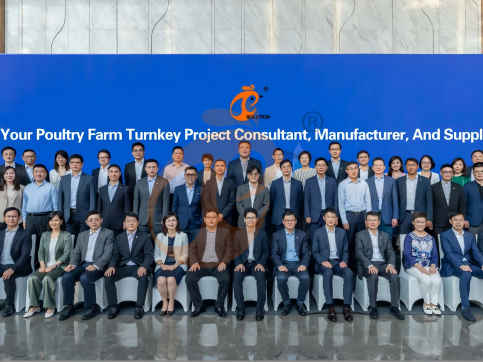
Hong Kong Headquarter Management Team
Hong Kong Headquarter Taiyu Industrial Group CO., LTD
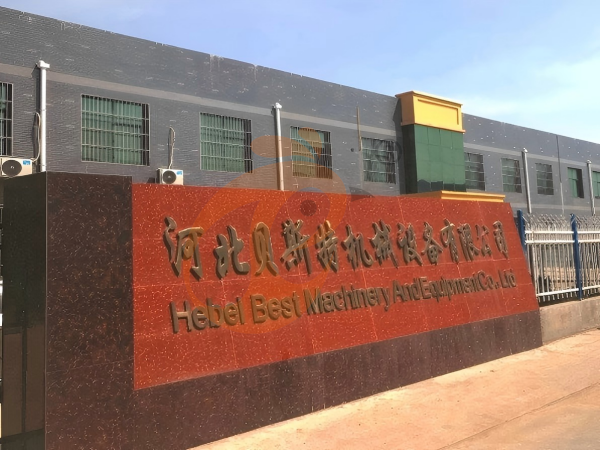
China Hebei Best Machinery And Equipment CO., LTD
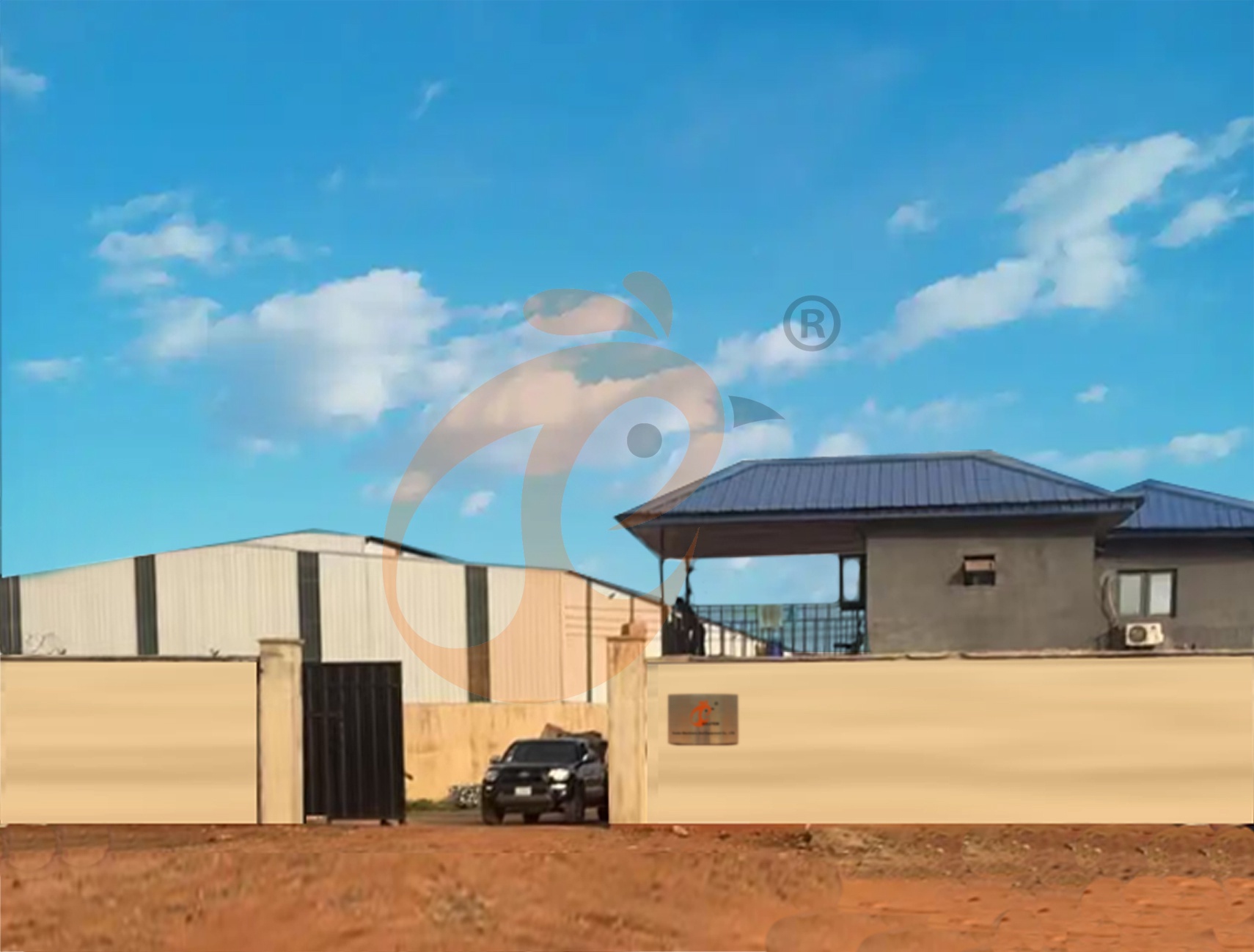
Nigeria Vanke Machinery And Equipment CO., LTD
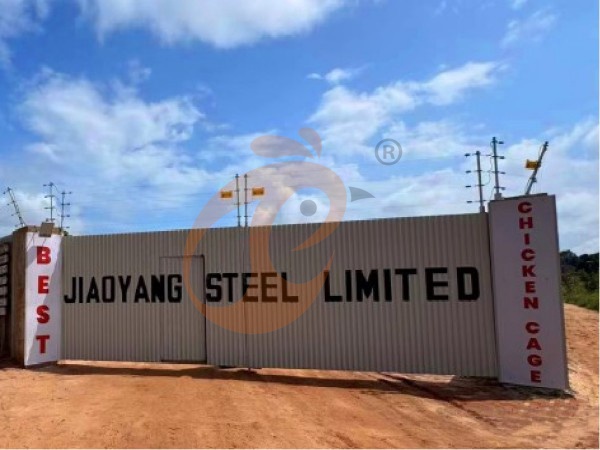
Tanzania Best Machinery And Equipment CO., LTD
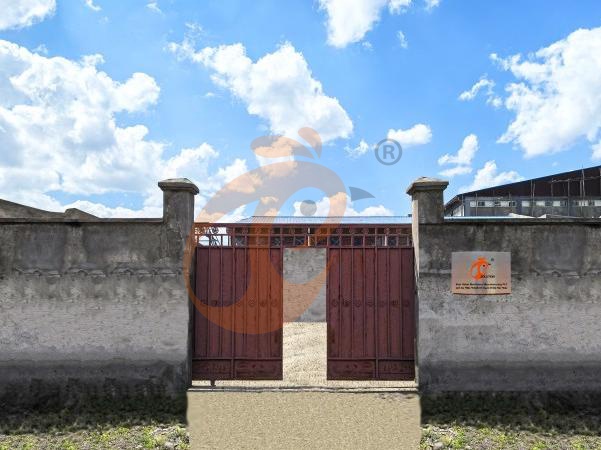
Ethiopia Best Hebei Machinery Manufacturing PLC




Reception /24 WhatsApp NO. : +8618830120193
FAQ
How To Maintain H-Type Chicken Cage For 25 Years Lifespan?
Check feeding and drinking systems
Maintain anti-corrosion coating
Equipment lifespan: more than 25 years
Egg production rate: 90-98%
What Are The Key Considerations When Buying H-Type Poultry Cage?
Corrosion-resistant cage material
Equipment lifespan and maintenance cost
Egg production rate: 90-98%
Labor savings: 70-90%
How To Upgrade H-Type Battery Cage System To Full Automation?
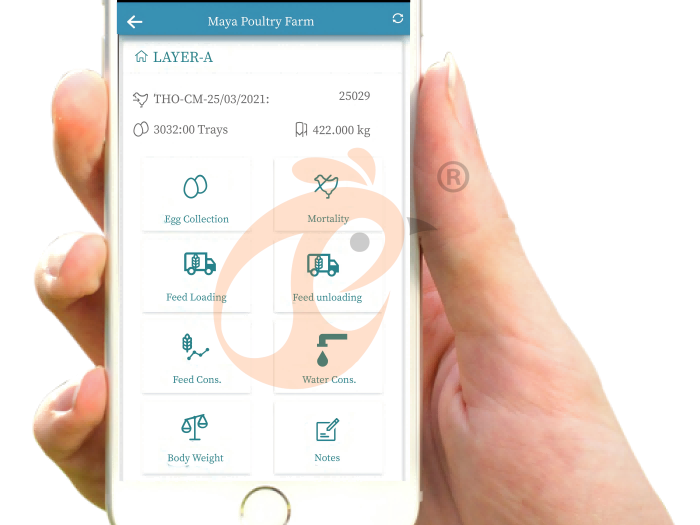
Integrate with farm management software
Egg production rate: 90-98%
FCR 1.9–2.1
Labor savings: 70-90%
- poultry farm
- chicken cage
- poultry cage
- cage
- poultry farm construction
- poultry cage system
- chicken cage system
- poultry farm solution
- chicken cage system manufacturer
- poultry equipment
- manure scraper
- manure removal system
- egg collection system
- chicken cages
- chickencage
- bestchickencage
- cage system
- cage layer
- cage systems
- h cage
- Nigeria
- automated poultry farm
- automated egg collection
- commercial egg farm
- egg production farm
- poultry farming
- automated poultry farming system
- poultry farm solutions
- poultry farm plan
- poultry farming system
- Ethiopia
Message
Products recommended
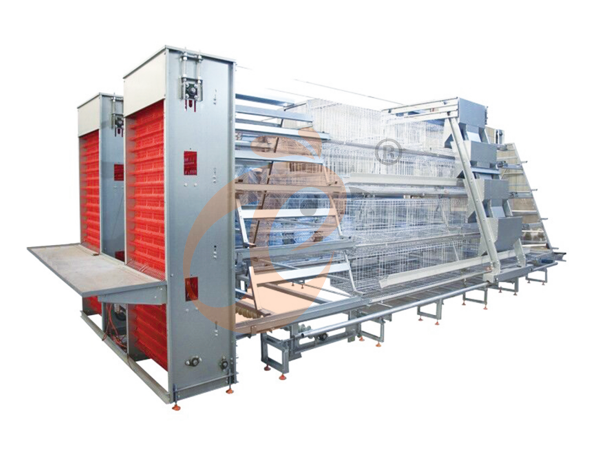
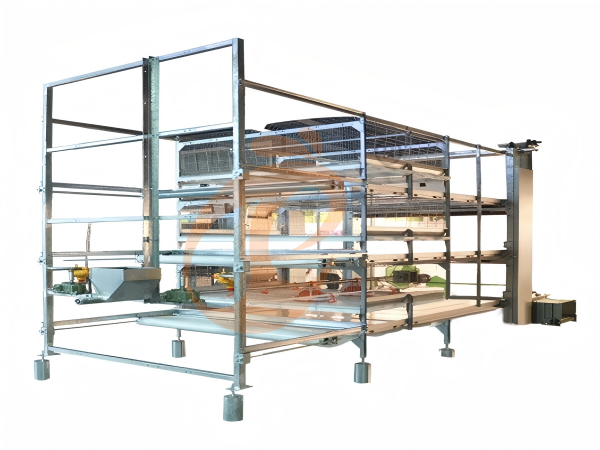
 >30,000 Pullets Automatic H Type Battery Cage1. More than 30,000 pullets a house, choose it.
2. It is designed to rearing older than 1 day old pullets to 12 to 16 weeks old chicken starting laying eggs.
3. Its lifespan is more than 25 years.
4. Its structure are Vcloud artificial intelligent fusion, electric control cabinet, automatic equipment of drinking, feeding, manure clean, manual harvesting.
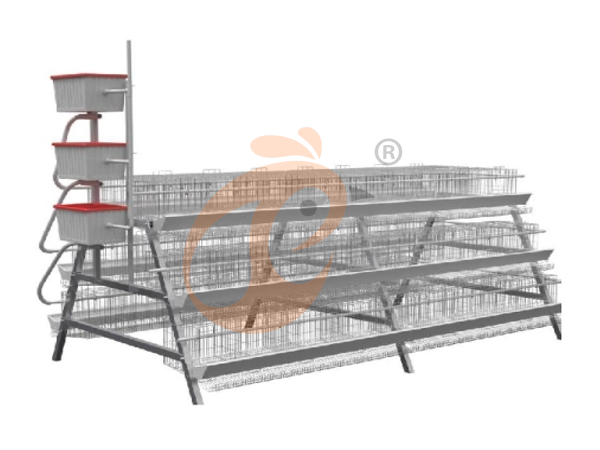
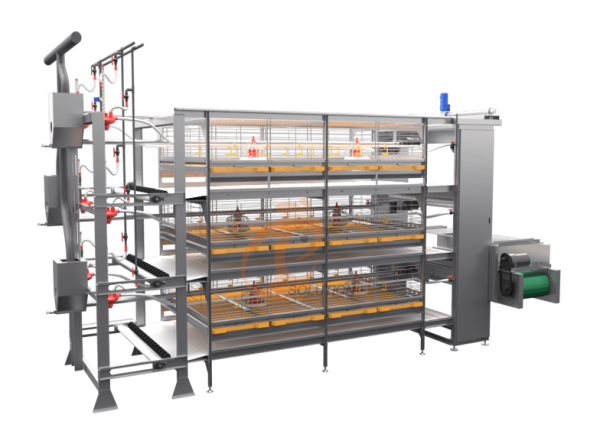
5. Our 24 hour online reception What’sApp NO. is +8618830120193 <30,000 Pullets Automatic A Type Battery Cage1. 10,000 to 30,000 pullets a house, choose it.
2. It is designed to rearing older than 1 day old pullets to 12 to 16 weeks old chicken starting laying eggs.
3. Its lifespan is more than 25 years.
4. Its structure are Vcloud artificial intelligent fusion, electric control cabinet, automatic equipment of drinking, feeding, manure clean, manual harvesting.
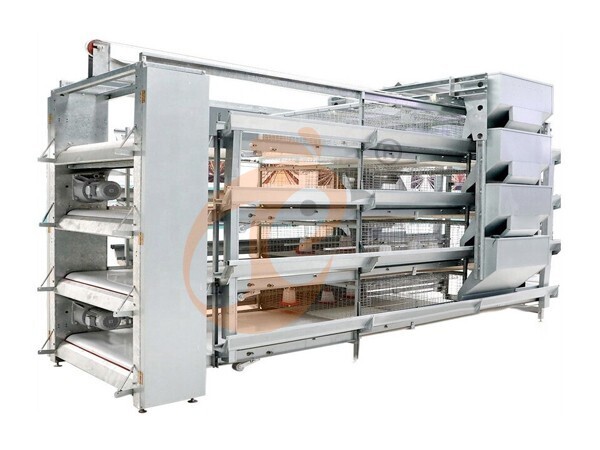
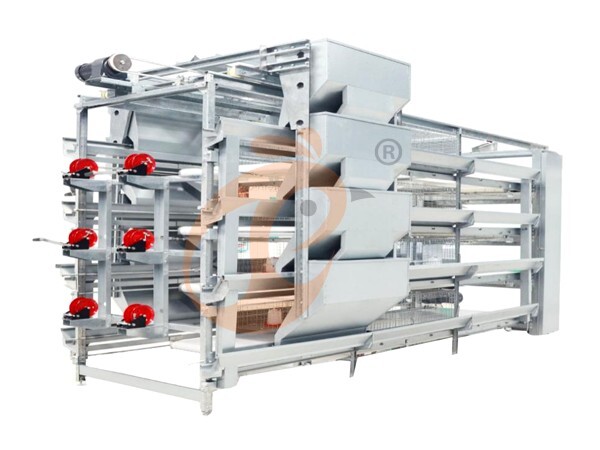
5. Our 24 hour online reception What’sApp NO. is +86 18830120193. >30,000 Broilers Semi-Automatic Harvest H Type Battery Cage1. More than 30,000 broilers a house, choose it.
2. It is designed to rearing 1 to 45 day old adult broiler ready for market.
3. Its lifespan is more than 20 years.
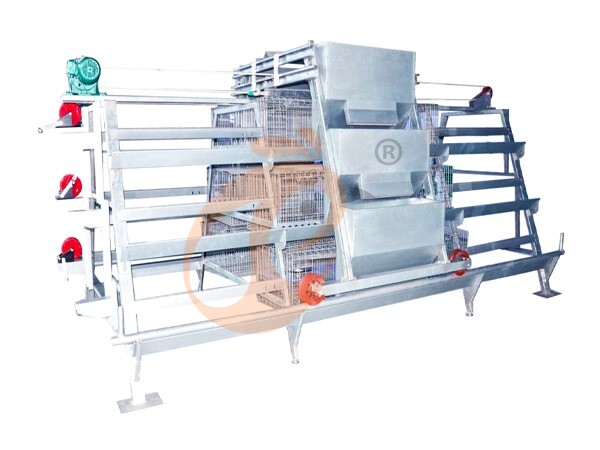
4. Our 24 hour online reception What’sApp NO. is +8618830120193, +234 8111199996. >30,000 Broilers Manual Harvest H Type Battery Cage1. More than 30,000 broilers a house, choose it.
2. It is designed to rearing 1 to 45 day old adult broiler ready for market.
3. Its lifespan is more than 20 years.
4. Its structure are Vcloud artificial intelligent fusion, electric control cabinet, automatic equipment of drinking, feeding and manure clean, manual harvesting.
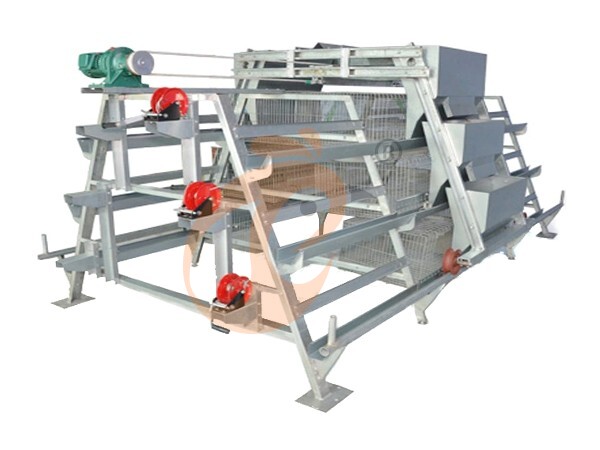
5. Our 24 hour online reception What’sApp NO. is +8618830120193, +234 8111199996. <30,000 Broilers Manual Harvest A Type Battery Cage1. Less 30,000 broilers a house, choose it.
2. It is designed to rearing 1 to 45 day old adult broiler ready for market.
3. Its lifespan is more than 20 years.
4. Its structure are Vcloud artificial intelligent fusion, electric control cabinet, automatic equipment of drinking, feeding and manure clean, manual harvesting.
5. Our 24 hour online reception What’sApp NO. is +8618830120193, +234 8111199996. HK Headquarter Offers EU-standard Poultry Farm Solutions, Manufacture Poultry Farm Equipment1. Continuous communication with the EU and the US
2. China, Nigeria, Ethiopia, Tanzania branch companies and factories
3. The products’ quality is customized for local poultry farms
4. Poultry cage and poultry farm equipment stock for sale
5. 24 online reception Whatsapp NO. : +8618830120193,contact us to get full information China Branch Offer Poultry Farm Business Plan, Manufacture Poultry Farm Equipment1. Address: Flat/RM 2416, 24/F, Runxing Building, Youyi Nan Street, Shijiazhuang City, Hebei Province, China
2. Poultry cage and poultry farm equipment factory and stock for sale
3. Customized for local poultry farms
4. Quality and design are based on Euro
5. 24 online reception Whatsapp NO. : +8618830120193 Nigeria Branch Offer Poultry Farm Business Plan, Manufacture Poultry Farm Equipment1. Address: After Sinoma Office, 200 Meters Near Danco Filling Station, Lagos/Ibadan Expressway, Lagos State, Nigeria
2. Poultry cage and poultry farm equipment factory and stock for sale
3. Customized for Nigerian poultry farms
4. Quality and design are based on Euro
5. 24 online reception Whatsapp NO. : +8618830120193 Ethiopia Branch Offer Poultry Farm Business Plan, Manufacture Poultry Farm Equipment1. Address: Gelan Gura, Akaki-kaliti Sub City, Addis Ababa, Ethiopia
2. Poultry cage and poultry farm equipment stock for sale
3. Customized for Ethiopian poultry farms
4. Quality and design are based on Euro
5. 24 online reception Whatsapp NO. : +8618830120193, contact us to get price list Tanzania Branch Offer Poultry Farm Business Plan, Manufacture Poultry Farm Equipment1. Address: No.8, Sova Road, Msufini, Mlandizi, Kibaha, Pwani, Tanzania
2. Poultry cage and poultry farm equipment factory and stock for sale
3. Customized for Tanzanian poultry farms
4. Quality and design are based on Euro
5. 24 online reception Whatsapp NO. : +8618830120193


Contact