


Blog
Commercial layer poultry farms require stable cage structures, long operational lifespan, controlled maintenance expenses, efficient manure management, and continuous egg production performance.
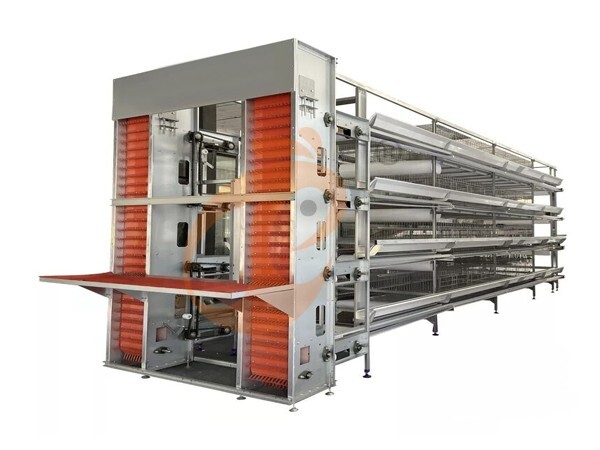
A type poultry cage systems remain widely used because installation cost remains lower than fully automatic layer cage systems while production efficiency remains competitive.
Durability depends on steel material quality, galvanization technology, poultry house ventilation engineering, and routine maintenance frequency.
Professional cage manufacturing standards normally support 10–18 years operational lifespan under scientific poultry farm management conditions.
Long-lasting A type poultry cage systems reduce structural failure risk, lower annual repair expenses, stabilize bird management efficiency, and improve long-term poultry farm investment returns.
Get professional poultry farm construction guidance, equipment selection solutions, and the latest price lists, whatsApp to +8618830120193, click to learn more:
Why A Type Poultry Cage Systems Remain Popular
A type poultry cage systems continue operating in thousands of commercial poultry farms because structural layout remains compact, installation procedures remain simple, and investment cost remains manageable for medium-scale egg farms.
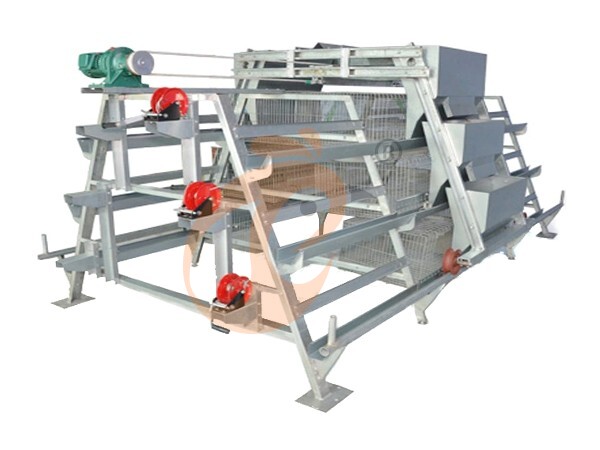
The A type poultry cage structure supports efficient feeding management, egg collection, manure cleaning, and ventilation circulation.
Many poultry farms containing 5,000–30,000 laying hens still choose A type poultry cage systems because labor management remains relatively simple compared with floor rearing systems.
Data is for reference only.Swipe horizontally to view full table.
Commercial poultry investors usually prioritize A type poultry cage durability because equipment replacement interrupts production schedules and increases labor pressure.
Average Lifespan Of An A Type Poultry Cage
The operational lifespan of an A type poultry cage depends heavily on environmental humidity, zinc coating thickness, structural engineering quality, and cleaning management.
Hot-dip galvanized A type poultry cage systems usually operate much longer than ordinary electro-galvanized cage systems.
Poultry farms operating under controlled humidity below 70% often achieve significantly longer service life.
Data is for reference only.Swipe horizontally to view full table.
Lower-quality A type poultry cage systems may require partial structural replacement after only several production cycles.
Long-term poultry farms normally recover additional equipment investment through reduced maintenance and reduced structural replacement frequency.
Steel Material Quality Directly Determines Durability
Steel quality forms the structural foundation of A type poultry cage systems.
Continuous pressure from birds, feeding troughs, manure weight, and maintenance activity places daily stress on cage structures.
Professional A type poultry cage manufacturers usually select Q235 steel because tensile strength and flexibility remain suitable for long-term poultry farm operation.
Inferior wire materials may crack, deform, or corrode rapidly under humid poultry house conditions.
Data is for reference only.Swipe horizontally to view full table.
Thicker A type poultry cage wire usually improves floor stability and reduces long-term deformation risk.
Large commercial poultry farms generally require reinforced support structures because higher bird quantities create continuous structural loading.
Poultry House Environment Accelerates Corrosion
Chicken manure decomposition continuously releases ammonia gas inside poultry houses.
Ammonia combines with humidity and oxygen, creating highly corrosive environmental conditions around A type poultry cage surfaces.
Poor ventilation systems significantly accelerate zinc oxidation and structural corrosion.
Commercial poultry farms containing 10,000 laying hens may generate 18–32 kg ammonia gas daily under poor environmental control conditions.
Data is for reference only.Swipe horizontally to view full table.
Scientific poultry house ventilation systems protect both poultry health and A type poultry cage lifespan simultaneously.
Galvanization Technology Influences Anti-Corrosion Performance
Galvanization technology protects A type poultry cage steel surfaces from moisture exposure and chemical oxidation.
Electro galvanized A type poultry cage systems usually contain thinner zinc coating layers compared with hot-dip galvanized cage systems.
Thicker zinc coating significantly improves corrosion resistance under humid tropical climates.
Many poultry farms located in Southeast Asia, South America, and Africa prioritize hot-dip galvanized A type poultry cage systems because humidity levels often exceed 75% during rainy seasons.
Data is for reference only.Swipe horizontally to view full table.
Professional A type poultry cage manufacturers normally recommend zinc coating above 275 g/m² for commercial layer poultry farms.
Structural Engineering Quality Supports Long-Term Stability
A type poultry cage systems experience continuous mechanical stress every day.
Bird movement, feed loading, manure accumulation, and worker operation create long-term vibration pressure across structural connection points.
Weak welding quality usually becomes one of the earliest failure causes inside A type poultry cage systems.
Professional engineering standards improve structural balance and reduce long-term deformation risk.
Data is for reference only.Swipe horizontally to view full table.
Precision welding technology improves A type poultry cage stability during long-term poultry production cycles.
Commercial poultry farms usually inspect welding joints during annual maintenance procedures.
Climate Conditions Affect A Type Poultry Cage Lifespan
Environmental climate remains one of the most important durability factors affecting A type poultry cage systems.
Dry inland climates generally support longer equipment lifespan because humidity exposure remains lower.
Coastal regions contain airborne salt particles which accelerate steel oxidation and zinc corrosion.
Poultry farms operating near lakes or ocean regions normally require stronger anti-corrosion treatment standards.
Data is for reference only.Swipe horizontally to view full table.
Climate adaptation remains extremely important during A type poultry cage selection procedures.
Ventilation Management Protects Cage Structures
Ventilation systems control humidity, ammonia concentration, heat accumulation, and airborne moisture inside poultry houses.
Inadequate airflow increases water condensation around A type poultry cage surfaces and accelerates structural oxidation.
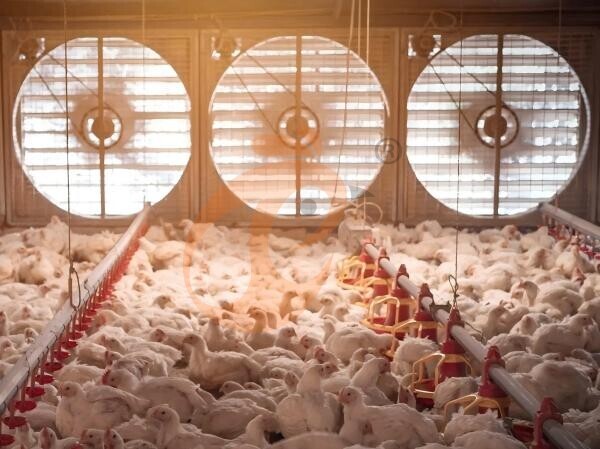
Modern layer poultry farms increasingly install industrial exhaust fans and cooling pad systems for environmental stabilization.
Proper airflow also improves bird comfort and egg production consistency.
Data is for reference only.Swipe horizontally to view full table.
Ventilation engineering remains equally important as A type poultry cage material quality for long-term poultry farm operation.
Maintenance Frequency Influences Service Life
Routine maintenance significantly extends A type poultry cage operational lifespan.
Continuous manure accumulation increases humidity concentration around cage surfaces.
Water leakage from nipple drinkers may create localized corrosion points within several months if maintenance remains neglected.
Commercial poultry farms generally implement scheduled inspection procedures throughout each production cycle.
Data is for reference only.Swipe horizontally to view full table.
Daily cleaning discipline often determines whether A type poultry cage systems maintain stable performance for more than 10 years.
Common Causes Of Early Poultry Cage Failure
Premature A type poultry cage failure usually results from environmental mismanagement, overcrowding, or low-quality manufacturing standards.
Excessive bird density increases continuous mechanical pressure on cage floors and support structures.
Poor installation accuracy may also create uneven structural loading.
Data is for reference only.Swipe horizontally to view full table.
Professional installation procedures and controlled environmental management substantially reduce early structural failure risk.
Long-Term Economic Value Of Durable A Type Poultry Cage Systems
Long-lasting A type poultry cage systems reduce replacement frequency, labor repair expenses, and production interruption risk.
Higher-quality A type poultry cage systems usually require higher initial investment but lower annual maintenance cost over long-term operation cycles.
Data is for reference only.Swipe horizontally to view full table.
Commercial poultry farms usually achieve more stable financial returns through durable A type poultry cage systems combined with
scientific management standards.
Practical Methods To Extend A Type Poultry Cage Lifespan
Scientific operational management remains essential for maximizing A type poultry cage durability.
Commercial poultry farms often combine environmental control systems, routine maintenance procedures, and structural inspections to reduce corrosion speed and mechanical damage.
Important management strategies include maintaining humidity below 70%, controlling ammonia concentration below 20 ppm, removing manure daily, and inspecting water leakage continuously.
Data is for reference only.Swipe horizontally to view full table.
Stable environmental management often extends A type poultry cage service life by several additional production cycles.
Frequently Asked Questions
Q1: How long can a hot-dip galvanized A type poultry cage normally last?
Hot-dip galvanized A type poultry cage systems usually operate for 10–15 years under controlled poultry house conditions.
Poultry farms maintaining humidity below 70% and ammonia concentration below 20 ppm often achieve longer structural lifespan.
Daily manure removal and proper ventilation engineering significantly reduce corrosion speed.
Professional poultry farms using zinc coating above 275 g/m² commonly maintain stable A type poultry cage performance through multiple egg production cycles.
Q2: What environmental conditions damage A type poultry cage systems faster?
High humidity, excessive ammonia concentration, water leakage, and poor ventilation accelerate A type poultry cage corrosion rapidly.
Humidity above 75% increases zinc oxidation speed substantially.
Poultry farms containing 10,000 laying hens may produce more than 30 kg ammonia gas daily under poor manure management conditions.
Coastal regions containing airborne salt particles also increase steel surface corrosion risk.
Q3: Does higher A type poultry cage price always mean longer lifespan?
Higher A type poultry cage price does not automatically guarantee better durability.
Professional poultry farmers usually evaluate steel thickness, zinc coating level, welding quality, and structural engineering standards before purchasing equipment.
Hot-dip galvanized A type poultry cage systems with 60–120 μm zinc coating normally provide substantially longer operational lifespan compared with thin electro galvanized cage systems.
Scientific maintenance management remains equally important for long-term structural stability.
Taiyu (HK) Group - One Of China Biggest A Type Poultry Cage Manufacturer
Professional A type poultry cage systems support stable layer poultry farm production efficiency worldwide.
Global factory direct poultry equipment supply reduces intermediate purchasing costs for poultry investors.
Professional A type poultry cage manufacturing workshops support customized dimensions for commercial poultry farming projects.
Turn-key poultry farm engineering services include cage installation, ventilation systems, and feeding equipment integration.
International poultry equipment export experience supports commercial layer farm construction across Africa, Asia, and South America.
Contact Us To Received Your Customized Poultry Farm Plan
Headquarters And Branchs

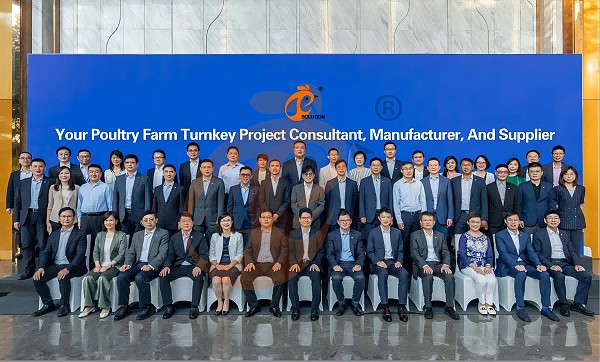
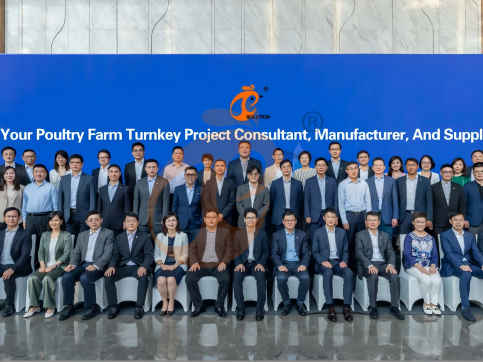
Hong Kong Headquarter Management Team
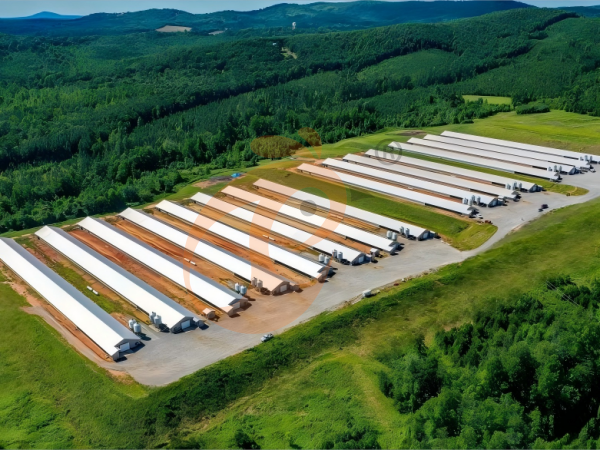
Hong Kong Headquarter Taiyu Industrial Group CO., LTD
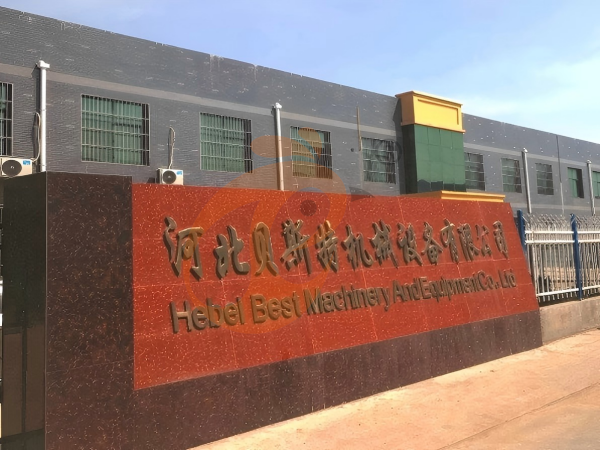
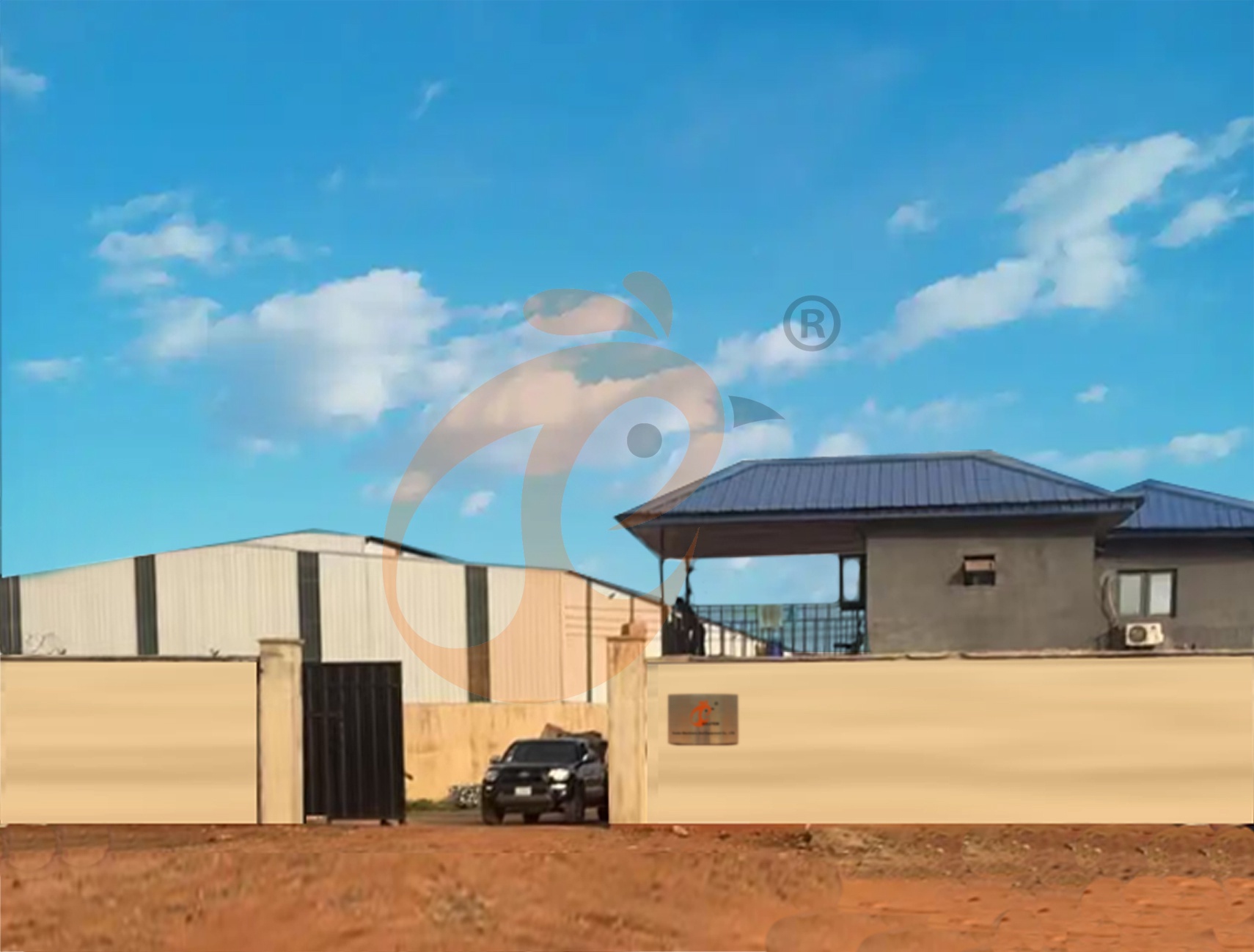
China Hebei Best Machinery And Equipment CO., LTD
Nigeria Vanke Machinery And Equipment CO., LTD
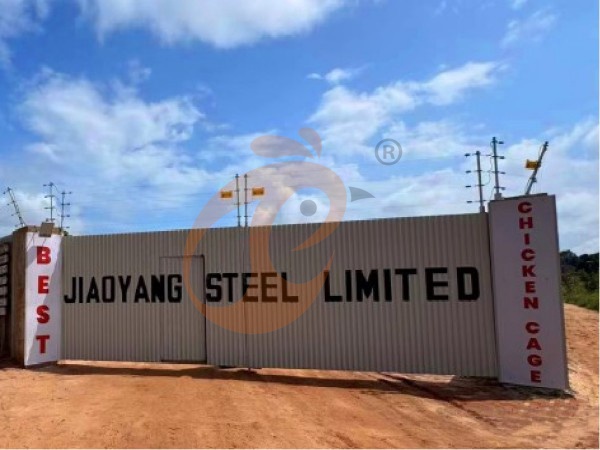
Tanzania Best Machinery And Equipment CO., LTD
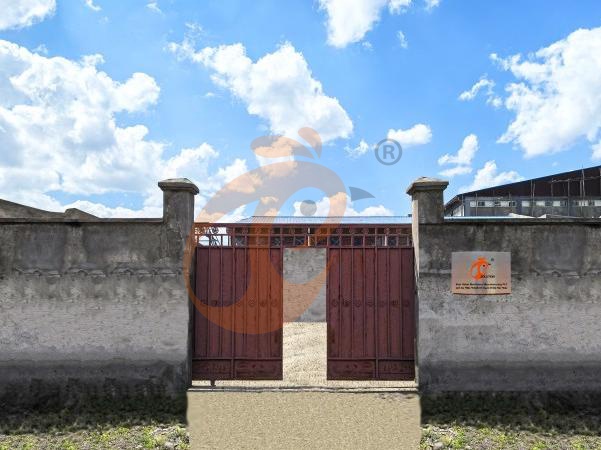
Ethiopia Best Hebei Machinery Manufacturing PLC




Reception /24 WhatsApp NO. : +8618830120193
FAQ
How To Maintain Optimal Lighting In A-Type Chicken Cage House?
Even lighting promotes laying
Egg production rate: 90–96%
FCR: 1.9–2.2
Reduces stress
How To Ensure Egg Safety And Reduce Breakage In A-Type Layer Cage System?
Control conveyor speed
Egg breakage rate <1%
Daily egg yield: 900–960 eggs/1,000 birds
Egg production rate: 90–96%
How To Reduce Heat Stress In A-Type Layer Cage Farm?
Maintain airflow for each tier
Provide water and cooling fans
Mortality rate: 2–3%
Egg production rate: 90–96%
- poultry farmers
- poultry farm
- poultry farms
- poultry farmer
- layer cage
- automatic layer cage
- poultry house
- poultry cage
- cage
- galvanized cage
- poultry farm construction
- poultry farm management
- layer cage system
- poultry cage manufacturer
- poultry cage system
- poultry cage price
- poultry farm investment
- poultry cage material
- poultry cage structure
- poultry cage wire
- poultry cage performance
- poultry house ventilation
- poultry house ventilation system
- poultry equipment
- automatic layer cage system
- chickencage
- a type poultry cage
- bestchickencage
- cage system
- cage systems
- Nigeria
- layer farm
- layer farm construction
- layer poultry farms
- commercial poultry farms
- poultry farming
- poultry cage systems
- layer poultry farm
- cage manufacturer
- galvanized cage system
- poultry farm plan
- fully automatic layer cage
- poultry cage manufacturers
- Ethiopia
Message
Products recommended
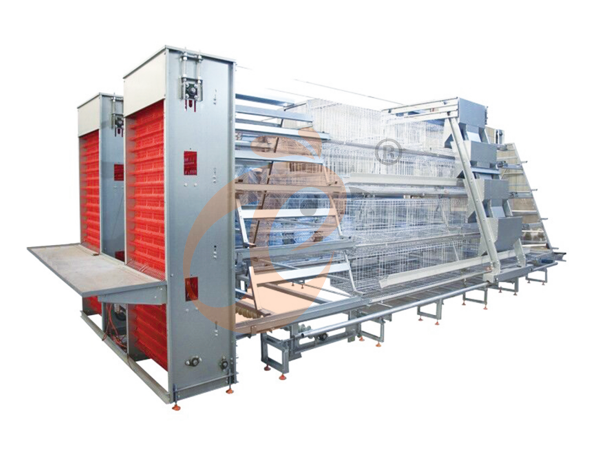
 >30,000 Pullets Automatic H Type Battery Cage1. More than 30,000 pullets a house, choose it.
2. It is designed to rearing older than 1 day old pullets to 12 to 16 weeks old chicken starting laying eggs.
3. Its lifespan is more than 25 years.
4. Its structure are Vcloud artificial intelligent fusion, electric control cabinet, automatic equipment of drinking, feeding, manure clean, manual harvesting.
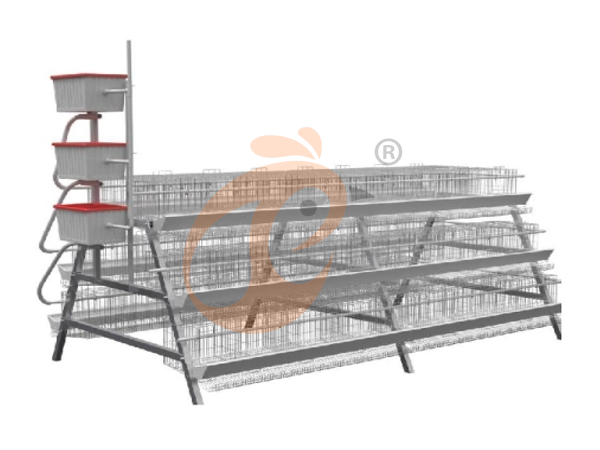
5. Our 24 hour online reception What’sApp NO. is +8618830120193 <30,000 Pullets Automatic A Type Battery Cage1. 10,000 to 30,000 pullets a house, choose it.
2. It is designed to rearing older than 1 day old pullets to 12 to 16 weeks old chicken starting laying eggs.
3. Its lifespan is more than 25 years.
4. Its structure are Vcloud artificial intelligent fusion, electric control cabinet, automatic equipment of drinking, feeding, manure clean, manual harvesting.
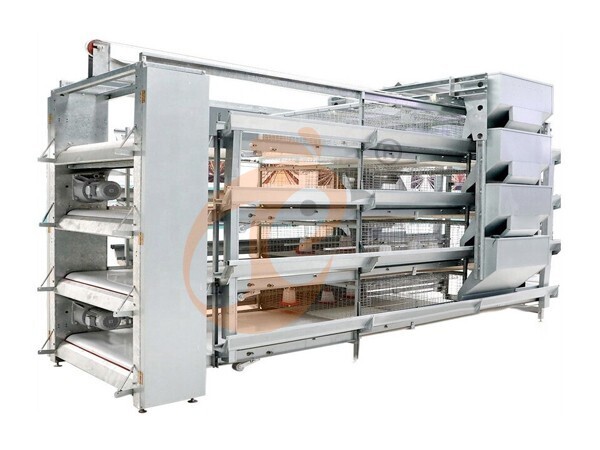
5. Our 24 hour online reception What’sApp NO. is +86 18830120193. >30,000 Broilers Semi-Automatic Harvest H Type Battery Cage1. More than 30,000 broilers a house, choose it.
2. It is designed to rearing 1 to 45 day old adult broiler ready for market.
3. Its lifespan is more than 20 years.
4. Our 24 hour online reception What’sApp NO. is +8618830120193, +234 8111199996. >30,000 Broilers Manual Harvest H Type Battery Cage1. More than 30,000 broilers a house, choose it.
2. It is designed to rearing 1 to 45 day old adult broiler ready for market.
3. Its lifespan is more than 20 years.
4. Its structure are Vcloud artificial intelligent fusion, electric control cabinet, automatic equipment of drinking, feeding and manure clean, manual harvesting.
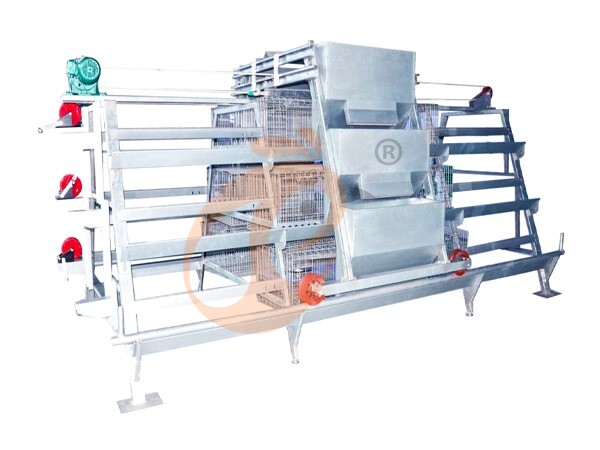
5. Our 24 hour online reception What’sApp NO. is +8618830120193, +234 8111199996. <30,000 Broilers Manual Harvest A Type Battery Cage1. Less 30,000 broilers a house, choose it.
2. It is designed to rearing 1 to 45 day old adult broiler ready for market.
3. Its lifespan is more than 20 years.
4. Its structure are Vcloud artificial intelligent fusion, electric control cabinet, automatic equipment of drinking, feeding and manure clean, manual harvesting.
5. Our 24 hour online reception What’sApp NO. is +8618830120193, +234 8111199996. HK Headquarter Offers EU-standard Poultry Farm Solutions, Manufacture Poultry Farm Equipment1. Continuous communication with the EU and the US
2. China, Nigeria, Ethiopia, Tanzania branch companies and factories
3. The products’ quality is customized for local poultry farms
4. Poultry cage and poultry farm equipment stock for sale
5. 24 online reception Whatsapp NO. : +8618830120193,contact us to get full information China Branch Offer Poultry Farm Business Plan, Manufacture Poultry Farm Equipment1. Address: Flat/RM 2416, 24/F, Runxing Building, Youyi Nan Street, Shijiazhuang City, Hebei Province, China
2. Poultry cage and poultry farm equipment factory and stock for sale
3. Customized for local poultry farms
4. Quality and design are based on Euro
5. 24 online reception Whatsapp NO. : +8618830120193 Nigeria Branch Offer Poultry Farm Business Plan, Manufacture Poultry Farm Equipment1. Address: After Sinoma Office, 200 Meters Near Danco Filling Station, Lagos/Ibadan Expressway, Lagos State, Nigeria
2. Poultry cage and poultry farm equipment factory and stock for sale
3. Customized for Nigerian poultry farms
4. Quality and design are based on Euro
5. 24 online reception Whatsapp NO. : +8618830120193 Ethiopia Branch Offer Poultry Farm Business Plan, Manufacture Poultry Farm Equipment1. Address: WR93+FQ2, Addis Ababa, Ethiopia
2. Poultry cage and poultry farm equipment stock for sale
3. Customized for Ethiopian poultry farms
4. Quality and design are based on Euro
5. 24 online reception Whatsapp NO. : +8618830120193, contact us to get price list Tanzania Branch Offer Poultry Farm Business Plan, Manufacture Poultry Farm Equipment1. Address: No.8, Sova Road, Msufini, Mlandizi, Kibaha, Pwani, Tanzania
2. Poultry cage and poultry farm equipment factory and stock for sale
3. Customized for Tanzanian poultry farms
4. Quality and design are based on Euro
5. 24 online reception Whatsapp NO. : +8618830120193


Contact
By clicking 'Allow All', you agree to the storage of cookies on your device to enhance site navigation, analyze site usage and assist with our marketing efforts.