


Blog
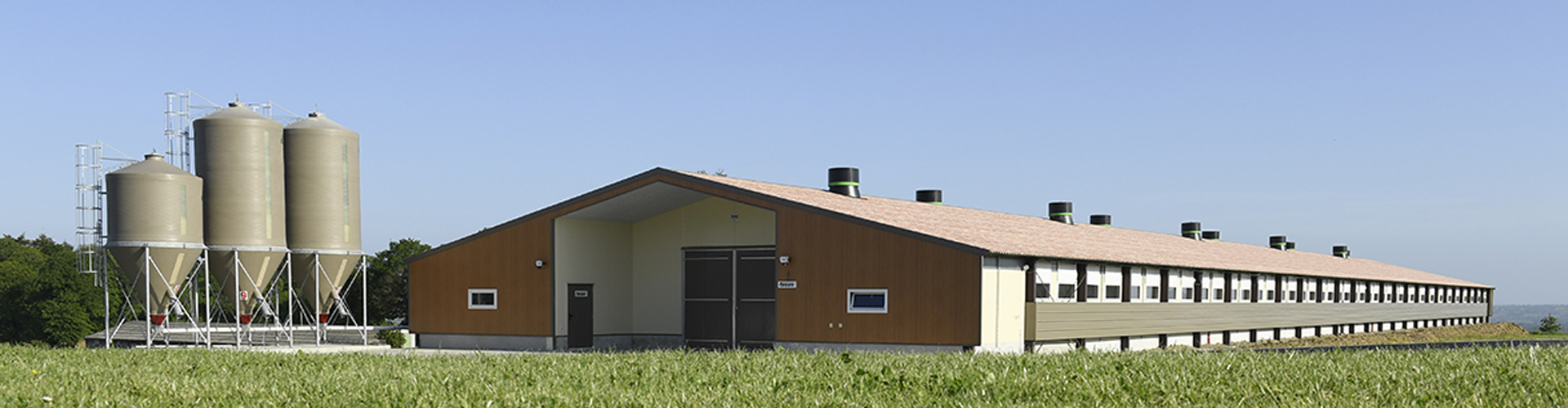
Commercial poultry farms using deep litter systems require stable moisture management for maintaining flock health, litter structure, air quality, and production efficiency.
Deep litter moisture directly affects ammonia concentration, bacterial growth speed, feed conversion ratio, respiratory stability, and carcass quality.
Modern poultry engineering combines ventilation systems, nipple drinker technology, environmental monitoring equipment, and absorbent bedding materials for reducing litter moisture accumulation.
Professional litter management can reduce mortality by 2%–5% and improve final broiler weight by 80–150 g per bird during one production cycle.
The following technical guide explains six effective moisture-control methods supported by poultry farm operational data and practical management standards.
Get professional poultry farm construction guidance, equipment selection solutions, and the latest price lists, whatsApp to +8618830120193, click to learn more:
Understanding The Deep Litter System
A deep litter system is a poultry floor-management structure where bedding materials continuously absorb manure, moisture, feather residue, and spilled water during the production cycle.
Commercial broiler houses generally maintain litter depth between 8 cm and 15 cm depending on stocking density and climate conditions.
Excessive litter moisture reduces oxygen penetration and increases anaerobic decomposition activity.
Continuous wet conditions accelerate ammonia release and pathogen multiplication.
Data is for reference only.Swipe horizontally to view full table.
Commercial poultry farms maintaining stable litter moisture often reduce bedding replacement expenses by $0.04–$0.09 per bird annually.
European union standard reference only.
Why Moisture Becomes Dangerous In Poultry Houses
Every poultry house continuously generates water vapor from respiration, manure excretion, and drinking systems.
A 2.5 kg broiler chicken can release approximately 0.18–0.24 liters of moisture daily through respiration and droppings.
A 25,000-bird poultry house may therefore generate over 4,500 liters of internal moisture every day.
Without sufficient evaporation capacity, litter saturation develops rapidly.
Data is for reference only.Swipe horizontally to view full table.
Ammonia concentration above 25 ppm may damage respiratory epithelial tissue and reduce immune resistance against bacterial infection.
Improve Ventilation Efficiency
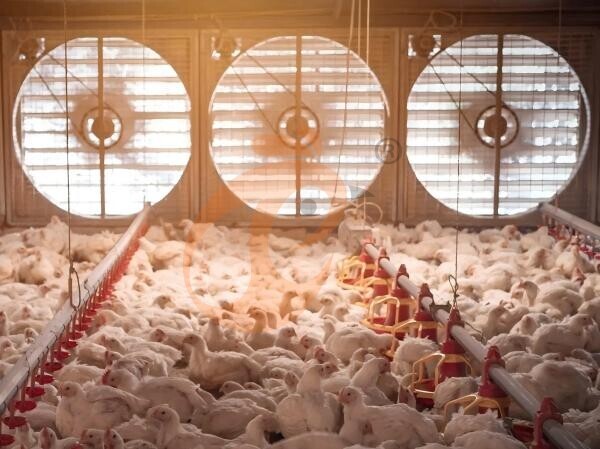
Ventilation is the most effective engineering method for moisture removal inside deep litter poultry houses.
Tunnel ventilation systems commonly produce stronger litter evaporation performance compared with naturally ventilated poultry houses.
Modern poultry houses longer than 120 meters usually require staged fan-control systems for preventing dead-air zones.
Data is for reference only.Swipe horizontally to view full table.
Poor airflow distribution usually causes wet litter accumulation near sidewalls, corners, and drinker lines.
Large poultry farms frequently install environmental controllers for maintaining stable airflow throughout the production cycle.
How Wet Litter Produces Ammonia
Ammonia generation increases rapidly when litter moisture exceeds 30% and floor temperature rises above 25°C.
Scientific measurements show ammonia concentration is highest within the lower 20 cm air layer where broiler chickens breathe continuously.
Data is for reference only.Swipe horizontally to view full table.
Broiler farms operating under ammonia concentration above 30 ppm often experience 80–150 g lower market body weight per bird.
Select Better Bedding Materials
Bedding material quality strongly influences litter moisture absorption speed and evaporation efficiency.
Professional deep litter systems require absorbent materials with stable airflow structure and low compaction tendency.
Wood shavings remain one of the most effective commercial bedding materials because of strong absorption performance and loose particle structure.
Rice husks are widely used in tropical poultry regions because of lower raw-material cost.
Data is for reference only.Swipe horizontally to view full table.
Commercial poultry farms using high-quality wood shavings often reduce litter replacement frequency by one complete cycle annually.
Prevent Water Leakage From Drinking Systems
Water leakage remains one of the largest causes of localized litter moisture accumulation.
One leaking nipple drinker releasing only 60 ml per hour may discharge more than 1.4 liters daily into the litter surface.
Large poultry houses containing multiple leaking drinkers can accumulate hundreds of liters of unnecessary moisture every day.
Automatic nipple drinkers significantly reduce water waste compared with open bell-drinker systems.
Data is for reference only.Swipe horizontally to view full table.
Modern nipple drinker systems may reduce water wastage by 25%–40% during one production cycle.
Reduce Overstocking Pressure
Stocking density directly influences moisture generation speed inside poultry houses.
Higher bird concentration increases manure volume, respiratory humidity, and litter compression.
Overcrowding also reduces airflow movement across the floor surface.
Commercial poultry operations balancing stocking density and ventilation efficiency usually maintain more stable litter conditions.
Data is for reference only.Swipe horizontally to view full table.
Reducing stocking density from 14 birds/m² to 11 birds/m² may significantly improve litter drying efficiency during the final broiler growth stage.
Stir And Maintain Litter Regularly
Continuous litter maintenance prevents compaction and wet-cake formation.
Mechanical litter turning improves oxygen penetration and accelerates evaporation from lower litter layers.
Large poultry farms increasingly use rotary litter tillers for improving litter aeration efficiency.
Localized wet spots under drinker lines should be removed immediately after detection.
Data is for reference only.Swipe horizontally to view full table.
Proper litter maintenance may reduce footpad dermatitis incidence by approximately 15%–30% in commercial broiler production.
Poultry Diseases Related To Wet Litter
Wet litter creates favorable conditions for pathogens, fungal spores, and parasitic organisms.
Moisture accumulation strongly increases disease transmission pressure inside poultry houses.
Coccidia parasites multiply rapidly under damp environmental conditions.
Respiratory stress also becomes more severe when ammonia concentration rises continuously.
Data is for reference only.Swipe horizontally to view full table.
Wet-litter-related diseases may increase veterinary treatment expenses by $0.03–$0.08 per bird annually.
European union standard reference only.
Maintain Stable Temperature And Humidity
Environmental stability strongly affects litter evaporation speed.
Warm air carries more water vapor compared with cold air.
Sudden nighttime temperature reduction frequently creates condensation on ceilings, sidewalls, and litter surfaces.
Insulated roofing systems help reduce condensation risk during winter production cycles.
Data is for reference only.Swipe horizontally to view full table.
Professional environmental controllers automatically coordinate heating, ventilation, and humidity parameters for maintaining stable poultry-house conditions.
Seasonal Deep Litter Moisture Strategy
Different seasons generate different moisture-management challenges.
Summer humidity increases internal water-vapor load inside poultry houses.
Winter operation increases condensation risk because of temperature differences between indoor and outdoor environments.
Rainy seasons also increase external moisture infiltration near poultry-house entrances and sidewalls.
Data is for reference only.Swipe horizontally to view full table.
Poultry farms operating in tropical climates often require 15%–25% greater ventilation capacity compared with farms located in dry continental regions.
Frequently Asked Questions
Q1: What is the best moisture range for deep litter poultry systems?
Commercial poultry farms generally maintain litter moisture between 20% and 25%.
This moisture range supports stable microbial balance, lower ammonia release, and improved litter aeration performance.
Moisture above 30% significantly increases caking risk and bacterial activity.
Q2: Why does wet litter commonly develop under drinker lines?
Incorrect nipple height, unstable water pressure, and damaged seals frequently create continuous dripping conditions.
One improperly adjusted drinker line may discharge hundreds of liters of unnecessary water into litter surfaces during one production cycle.
Q3: How frequently should deep litter be turned?
Turning frequency depends on climate conditions, stocking density, and ventilation performance.
Humid-climate poultry farms often require litter turning every 2–3 days, while dry-climate operations may maintain acceptable litter conditions with 5–7 day intervals.
Taiyu (HK) Group - One Of China Largest Deep Litter System Supplier
Professional deep litter poultry house equipment designed for commercial broiler and layer farming operations worldwide
Global factory-direct poultry equipment supply supporting lower investment cost and stable engineering quality standards
Complete poultry cage and automatic feeding systems available for medium and large-scale poultry projects
Professional Turn-key poultry farm engineering services including ventilation, drinker systems, and environmental controllers
International poultry equipment export experience covering Africa, Asia, Middle East, and South America markets
Contact Us To Received Your Customized Poultry Farm Plan
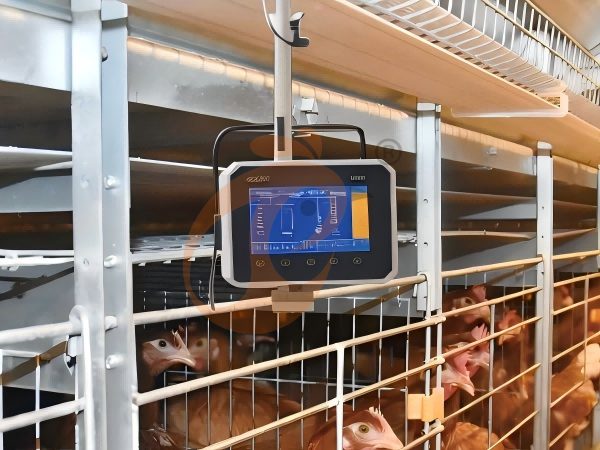
Headquarters And Branchs

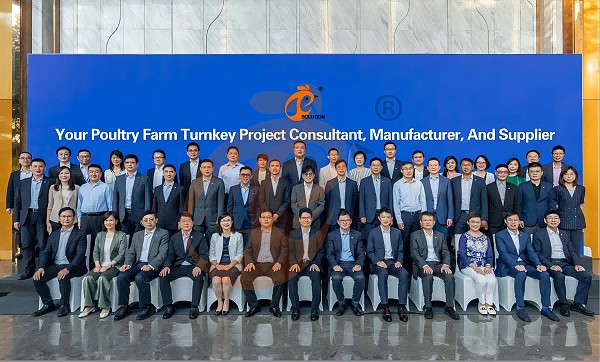
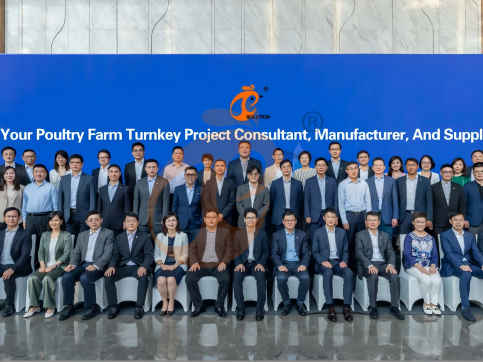
Hong Kong Headquarter Management Team
Hong Kong Headquarter Taiyu Industrial Group CO., LTD
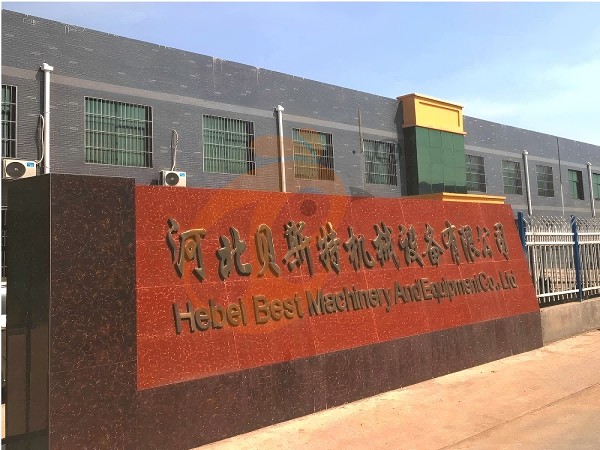
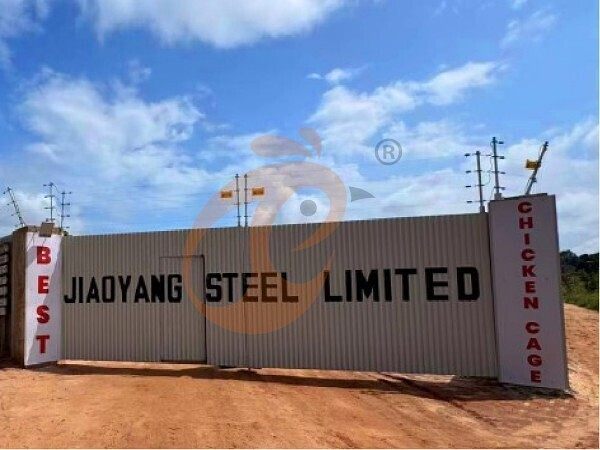
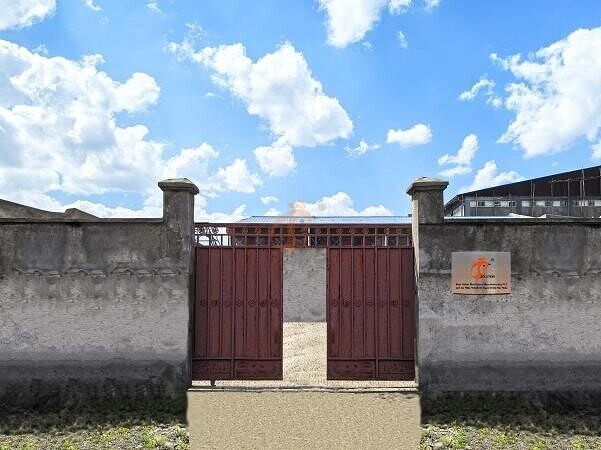
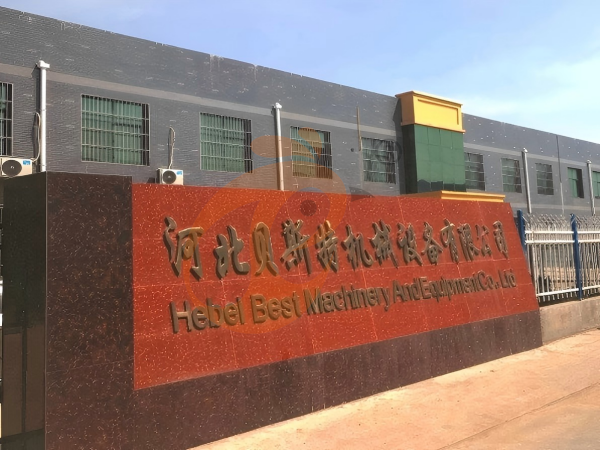
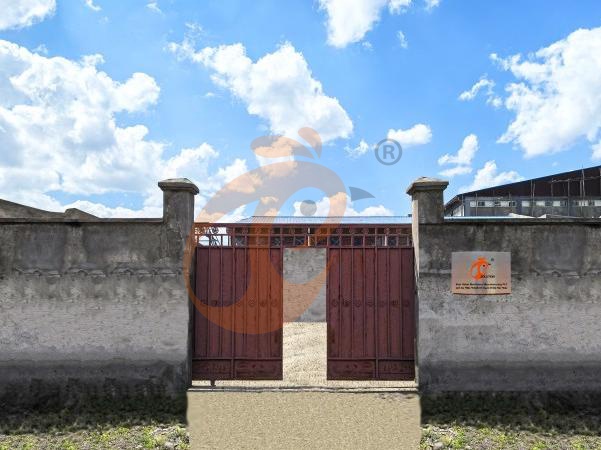
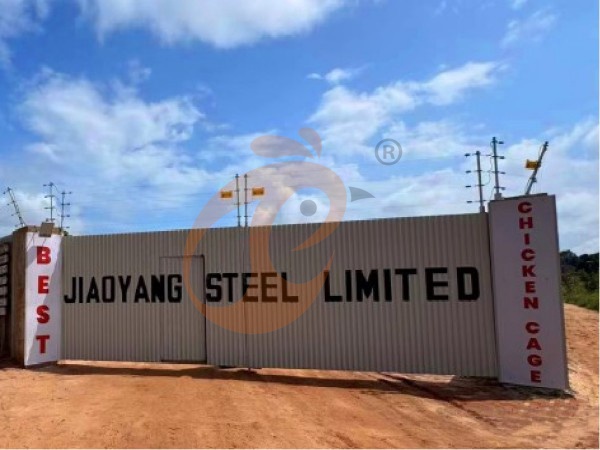
China Hebei Best Machinery And Equipment CO., LTD
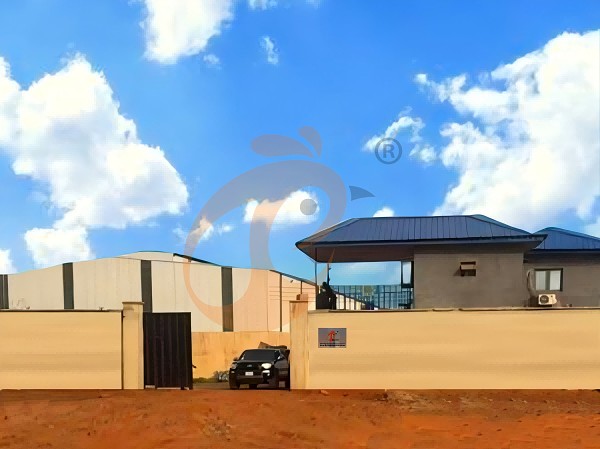
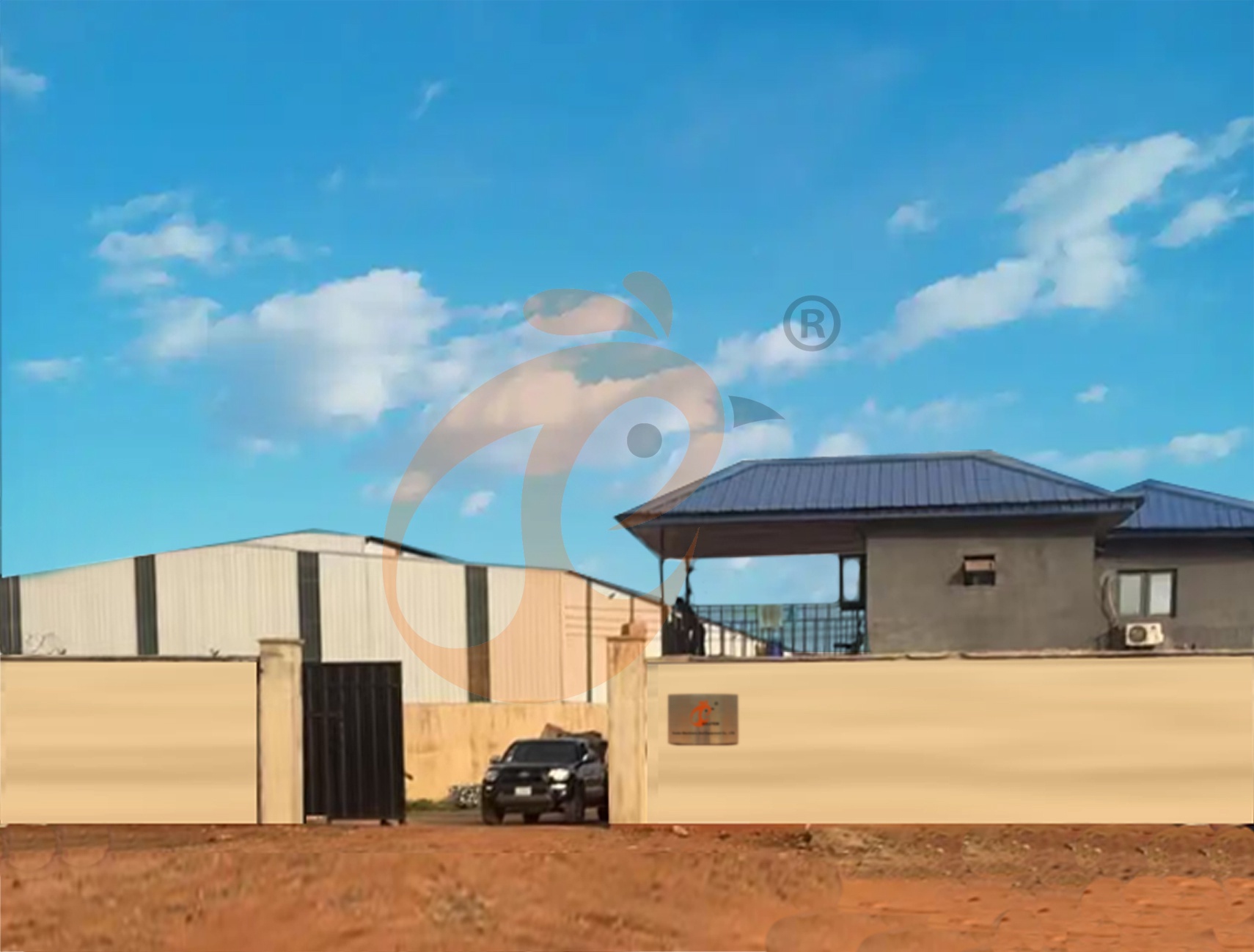
Nigeria Vanke Machinery And Equipment CO., LTD
Tanzania Best Machinery And Equipment CO., LTD
Ethiopia Best Hebei Machinery Manufacturing PLC
Reception /24 WhatsApp NO. : +8618830120193
FAQ
- poultry farm
- poultry farms
- poultry house
- poultry cage
- cage
- poultry farm construction
- poultry house equipment
- automatic feeding system
- deep litter system
- poultry equipment
- chickencage
- bestchickencage
- Nigeria
- deep litter system supplier
- layer farm
- broiler farm
- commercial poultry farms
- large poultry farms
- modern poultry house
- deep litter poultry system
- poultry farm plan
- Ethiopia
- Spring
Message
Products recommended
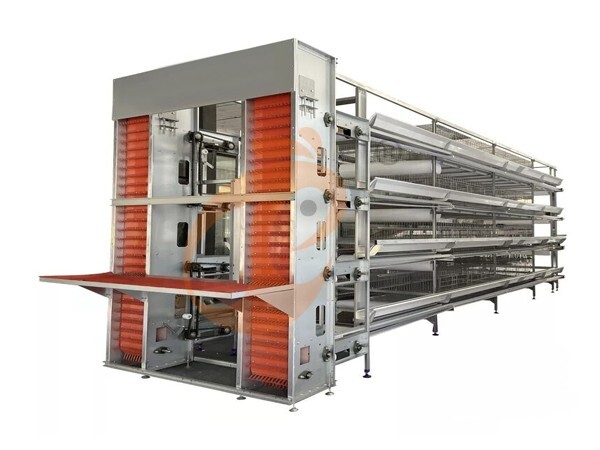
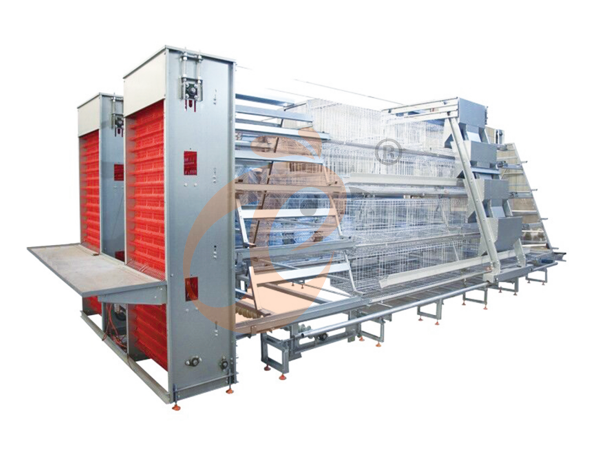
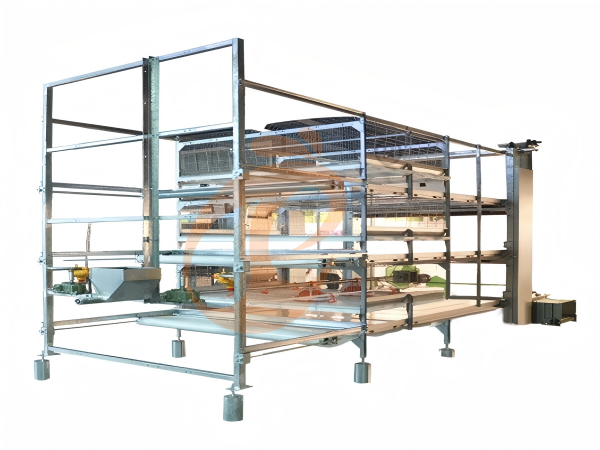
 >30,000 Pullets Automatic H Type Battery Cage1. More than 30,000 pullets a house, choose it.
2. It is designed to rearing older than 1 day old pullets to 12 to 16 weeks old chicken starting laying eggs.
3. Its lifespan is more than 25 years.
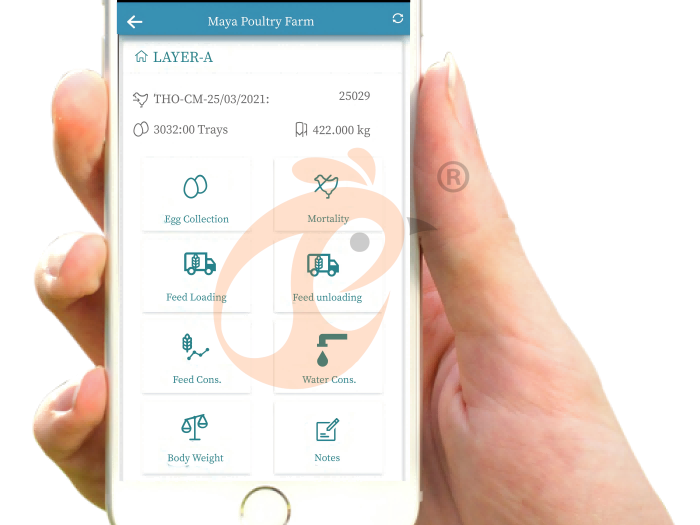
4. Its structure are Vcloud artificial intelligent fusion, electric control cabinet, automatic equipment of drinking, feeding, manure clean, manual harvesting.
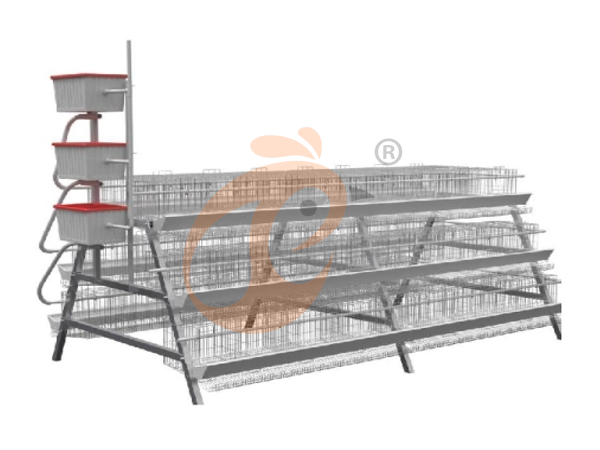
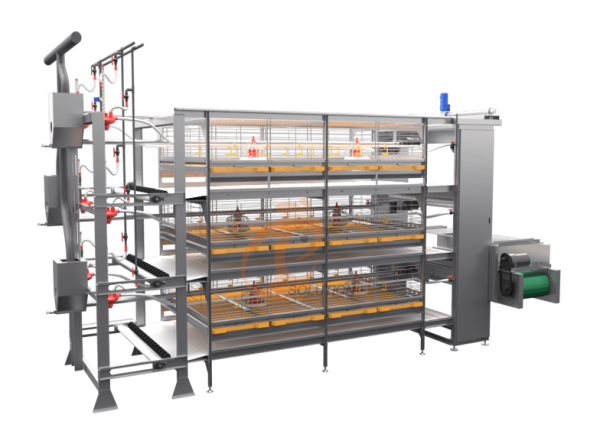
5. Our 24 hour online reception What’sApp NO. is +8618830120193 <30,000 Pullets Automatic A Type Battery Cage1. 10,000 to 30,000 pullets a house, choose it.
2. It is designed to rearing older than 1 day old pullets to 12 to 16 weeks old chicken starting laying eggs.
3. Its lifespan is more than 25 years.
4. Its structure are Vcloud artificial intelligent fusion, electric control cabinet, automatic equipment of drinking, feeding, manure clean, manual harvesting.
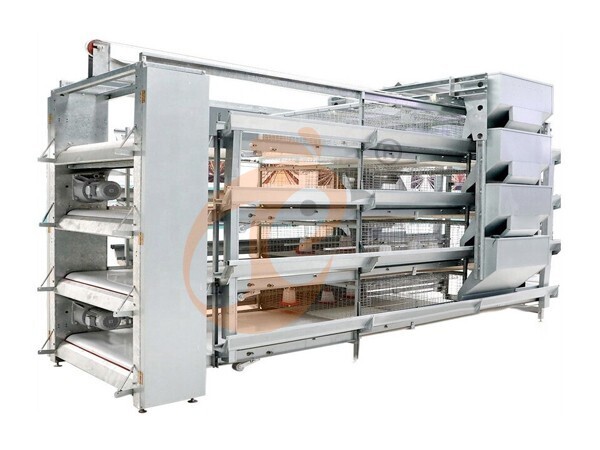
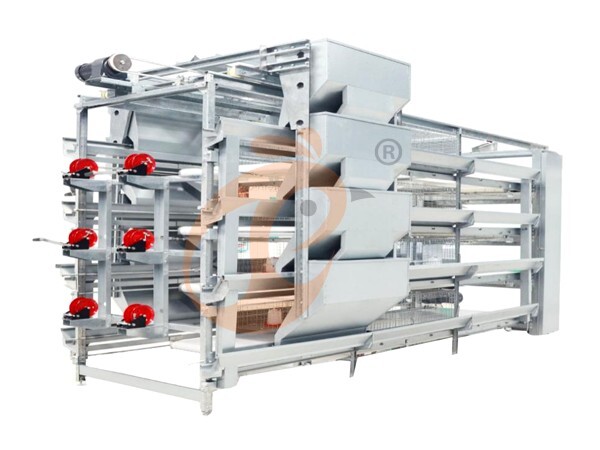
5. Our 24 hour online reception What’sApp NO. is +86 18830120193. >30,000 Broilers Semi-Automatic Harvest H Type Battery Cage1. More than 30,000 broilers a house, choose it.
2. It is designed to rearing 1 to 45 day old adult broiler ready for market.
3. Its lifespan is more than 20 years.
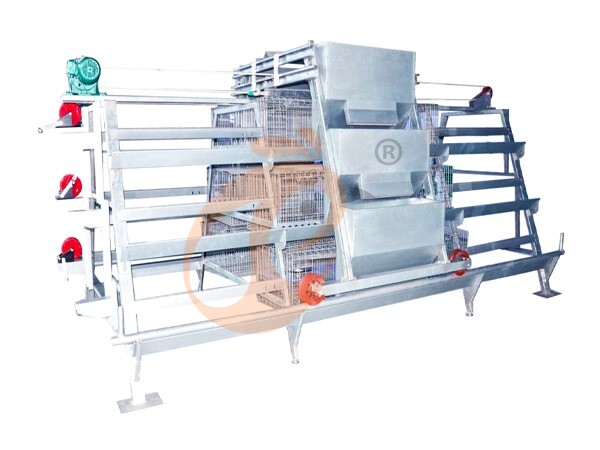
4. Our 24 hour online reception What’sApp NO. is +8618830120193, +234 8111199996. >30,000 Broilers Manual Harvest H Type Battery Cage1. More than 30,000 broilers a house, choose it.
2. It is designed to rearing 1 to 45 day old adult broiler ready for market.
3. Its lifespan is more than 20 years.
4. Its structure are Vcloud artificial intelligent fusion, electric control cabinet, automatic equipment of drinking, feeding and manure clean, manual harvesting.
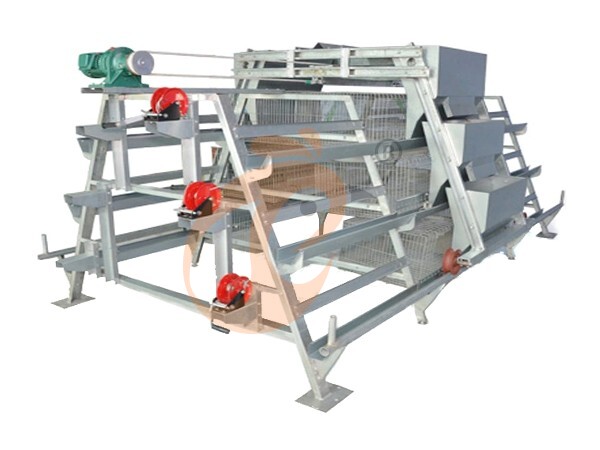
5. Our 24 hour online reception What’sApp NO. is +8618830120193, +234 8111199996. <30,000 Broilers Manual Harvest A Type Battery Cage1. Less 30,000 broilers a house, choose it.
2. It is designed to rearing 1 to 45 day old adult broiler ready for market.
3. Its lifespan is more than 20 years.
4. Its structure are Vcloud artificial intelligent fusion, electric control cabinet, automatic equipment of drinking, feeding and manure clean, manual harvesting.
5. Our 24 hour online reception What’sApp NO. is +8618830120193, +234 8111199996. HK Headquarter Offers EU-standard Poultry Farm Solutions, Manufacture Poultry Farm Equipment1. Continuous communication with the EU and the US
2. China, Nigeria, Ethiopia, Tanzania branch companies and factories
3. The products’ quality is customized for local poultry farms
4. Poultry cage and poultry farm equipment stock for sale
5. 24 online reception Whatsapp NO. : +8618830120193,contact us to get full information China Branch Offer Poultry Farm Business Plan, Manufacture Poultry Farm Equipment1. Address: Flat/RM 2416, 24/F, Runxing Building, Youyi Nan Street, Shijiazhuang City, Hebei Province, China
2. Poultry cage and poultry farm equipment factory and stock for sale
3. Customized for local poultry farms
4. Quality and design are based on Euro
5. 24 online reception Whatsapp NO. : +8618830120193 Nigeria Branch Offer Poultry Farm Business Plan, Manufacture Poultry Farm Equipment1. Address: After Sinoma Office, 200 Meters Near Danco Filling Station, Lagos/Ibadan Expressway, Lagos State, Nigeria
2. Poultry cage and poultry farm equipment factory and stock for sale
3. Customized for Nigerian poultry farms
4. Quality and design are based on Euro
5. 24 online reception Whatsapp NO. : +8618830120193 Ethiopia Branch Offer Poultry Farm Business Plan, Manufacture Poultry Farm Equipment1. Address: WR93+FQ2, Addis Ababa, Ethiopia
2. Poultry cage and poultry farm equipment stock for sale
3. Customized for Ethiopian poultry farms
4. Quality and design are based on Euro
5. 24 online reception Whatsapp NO. : +8618830120193, contact us to get price list Tanzania Branch Offer Poultry Farm Business Plan, Manufacture Poultry Farm Equipment1. Address: No.8, Sova Road, Msufini, Mlandizi, Kibaha, Pwani, Tanzania
2. Poultry cage and poultry farm equipment factory and stock for sale
3. Customized for Tanzanian poultry farms
4. Quality and design are based on Euro
5. 24 online reception Whatsapp NO. : +8618830120193



Contact
By clicking 'Allow All', you agree to the storage of cookies on your device to enhance site navigation, analyze site usage and assist with our marketing efforts.