


Blog
Free-range poultry disease control requires integrated biosecurity architecture combining pasture rotation sanitation vaccination nutrition and vector exclusion systems totaling five operational layers
Outdoor poultry environments increase exposure probability to soil pathogens viral aerosols parasitic oocysts requiring structured environmental load reduction engineering
Wild bird interaction feed contamination and standing water accumulation represent primary transmission pathways requiring measurable mitigation thresholds
Immune performance in poultry depends on vaccination timing gut microbiota stability and corticosterone suppression through controlled housing design
Biosecurity optimization requires quantifiable monitoring of environmental indicators including ammonia moisture pathogen survival cycles and flock movement scheduling
Get professional poultry farm construction guidance, equipment selection solutions, and the latest price lists, whatsApp to +8618830120193, click to learn more:
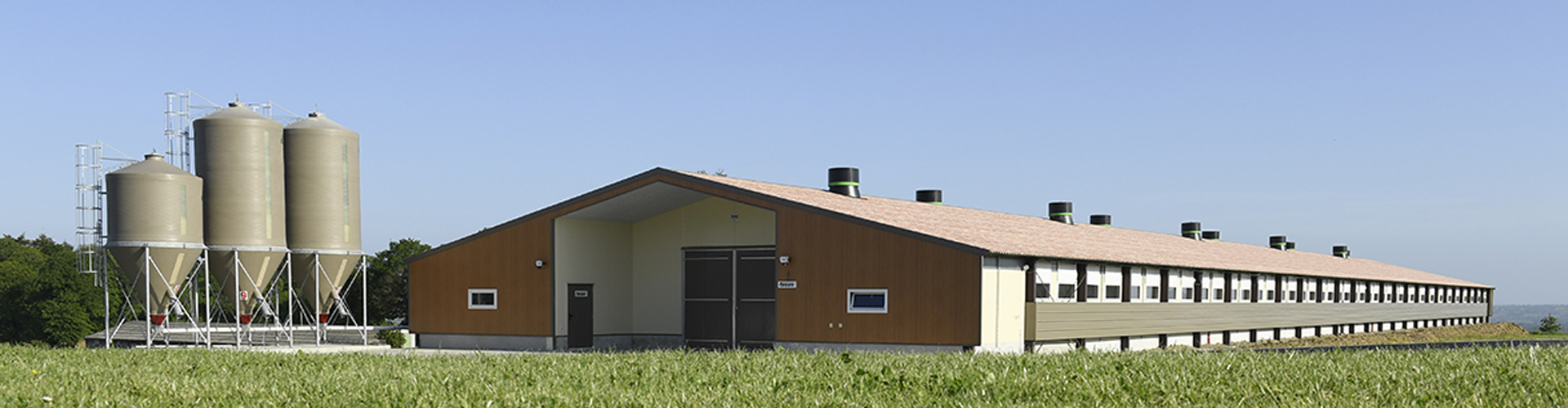
The Core Challenge Of Outdoor Avian Health
Managing health in an open environment means transitioning from continuous disinfection to strategic exposure control.
When chickens or turkeys forage, natural contact occurs with soil-borne bacteria, parasites, and avian influenza vectors.
The objective excludes sterile conditions and focuses on suppressing pathogen loads below disease trigger thresholds.
Data is for reference only.Swipe horizontally to view full table.
Implement Strict Rotational Grazing
Continuous occupation of identical pasture plots increases parasite density and nitrogen waste accumulation.
Rotational grazing interrupts parasite lifecycle progression before embryonation of shed eggs occurs.
Subdivision of grazing land into paddocks enables controlled exposure cycles and recovery intervals.
Data is for reference only.Swipe horizontally to view full table.
Science Note
Eimeria requires warm moist conditions for sporulation into infectious stages.
Rotation intervals of 7 to 10 days disrupt reinfection cycles and reduce oocyst ingestion probability.
Secure Feed And Water Stations Undercover
Open feeding systems increase exposure to wild birds, rodents, and fecal contamination sources.
Feed and water infrastructure requires enclosure inside mobile housing or netted exclusion structures.
Treadle feeders and nipple drinkers reduce contamination and improve biosecurity compliance levels.
Data is for reference only.Swipe horizontally to view full table.
Establish Vector Barriers And Wildlife Exclusion
Wild birds, rodents, and human movement act as mechanical disease transmission vectors.
Barrier systems reduce horizontal pathogen transfer across environmental and operational interfaces.
Netting structures and fencing systems reduce migratory bird interaction with flock zones.
Data is for reference only.Swipe horizontally to view full table.
Optimize Gut Health With Targeted Nutrition
Gastrointestinal stability directly influences systemic immune resilience in poultry populations.
Organic acid supplementation modifies crop pH and suppresses acid-sensitive bacterial proliferation.
Probiotic administration enhances microbial competition against pathogenic intestinal colonization.
Data is for reference only.Swipe horizontally to view full table.
Implement A Strategic Vaccination Schedule
Vaccination establishes systemic immune protection against endemic and vector-borne poultry diseases.
Field exposure conditions increase reliance on core immunization programs targeting respiratory and dermatological pathogens.
Early-life immunization improves lymphocyte response efficiency and long-term immunity stability.
Data is for reference only.Swipe horizontally to view full table.
Maintain Rigorous Sanitation Of Mobile Housing
Step 1 Dry cleaning removes manure accumulation and organic bedding waste.
Step 2 Pressure washing eliminates fatty residue and microbial biofilms from interior surfaces.
Step 3 Disinfection ensures pathogen reduction using poultry-approved chemical agents with full contact duration.
Step 4 Drying under ultraviolet exposure reduces residual microbial viability before re-bedding operations.
The Science Of Avian Immunity And Stress
Stress physiology elevates corticosterone levels and suppresses lymphoid organ activity in poultry.
Reduced thymus and bursa function decreases lymphocyte production and immune responsiveness capacity.
Environmental stability improves immune efficiency and vaccination response outcomes across flock populations.
Data is for reference only.Swipe horizontally to view full table.
Frequently Asked Questions
Q1: What is the main disease introduction pathway in free range poultry systems under open pasture conditions?
Primary introduction pathways include wild bird contact contaminated soil ingestion and standing water exposure producing bacterial viral and parasitic transmission cycles requiring multi layer biosecurity control systems.
Q2: How does rotational grazing reduce parasite and pathogen pressure in poultry pastures?
Rotational grazing disrupts parasite developmental cycles reduces environmental egg load and enforces rest periods that prevent reinfection and microbial amplification in soil substrates.
Q3: Why is vaccination still required in free range poultry systems with environmental controls?
Vaccination provides systemic immunity against airborne vector borne and insect transmitted diseases that cannot be fully eliminated through environmental or mechanical control methods alone.
Taiyu (HK) Group - One Of China Largest Poultry Equipment Manufacturer
Poultry equipment production focuses on automated disease control housing systems for intensive and free range farming integration projects
Global factory direct supply enables standardized poultry infrastructure delivery for commercial farms with scalable production capacity systems
Turn-key engineering services include poultry house design installation ventilation and biosecurity system integration for large scale operations
Poultry cage manufacturing includes corrosion resistant materials structural reinforcement and long term durability optimization for livestock housing
Industrial poultry system exporter providing feed lines watering systems and environmental control equipment for modern farm operations
Contact Us To Received Your Customized Poultry Farm Plan
Headquarters And Branchs

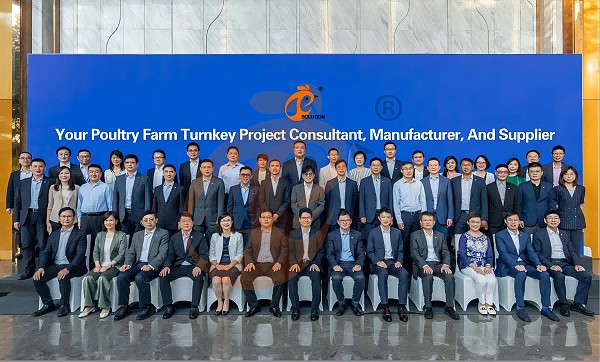
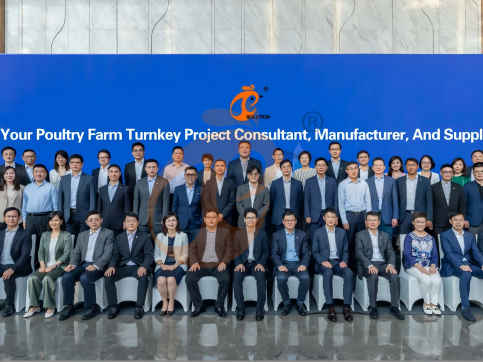
Hong Kong Headquarter Management Team
Hong Kong Headquarter Taiyu Industrial Group CO., LTD
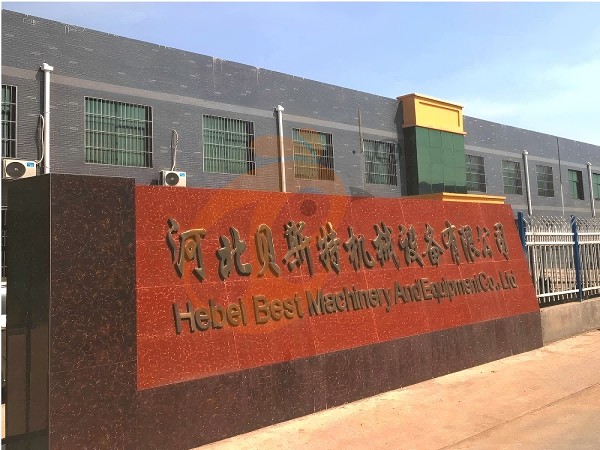
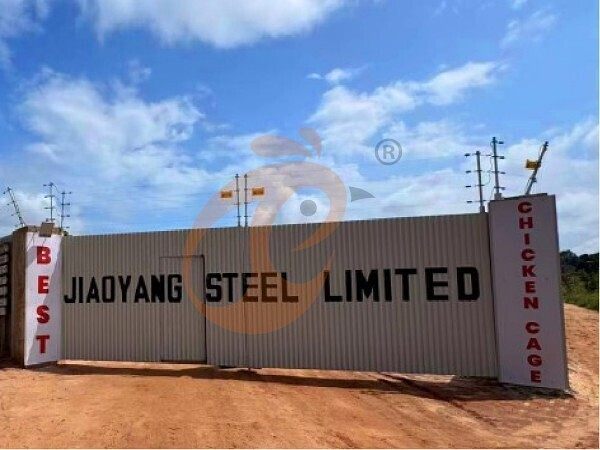
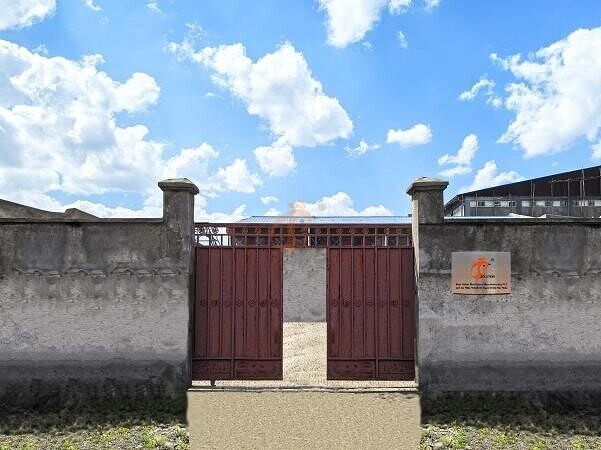
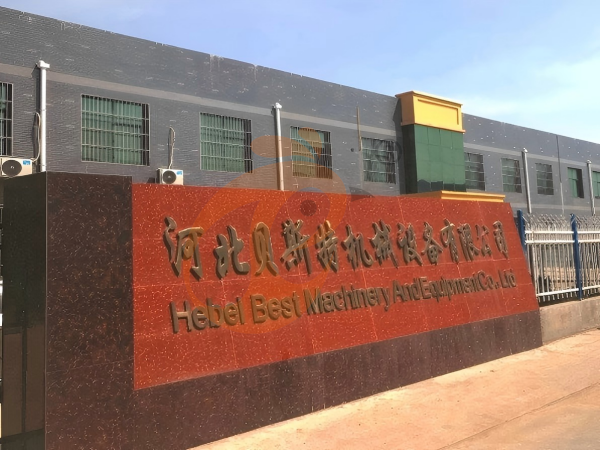
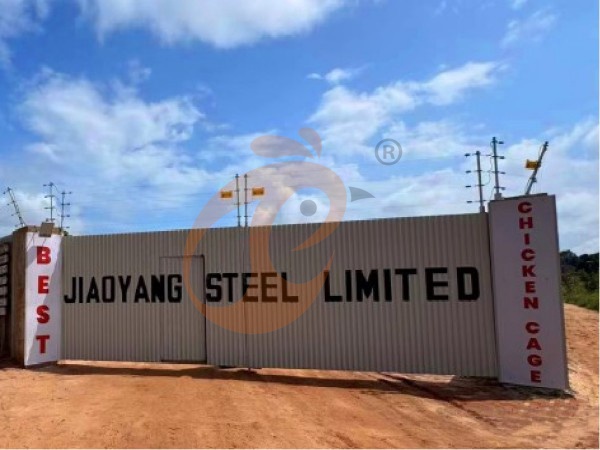
China Hebei Best Machinery And Equipment CO., LTD
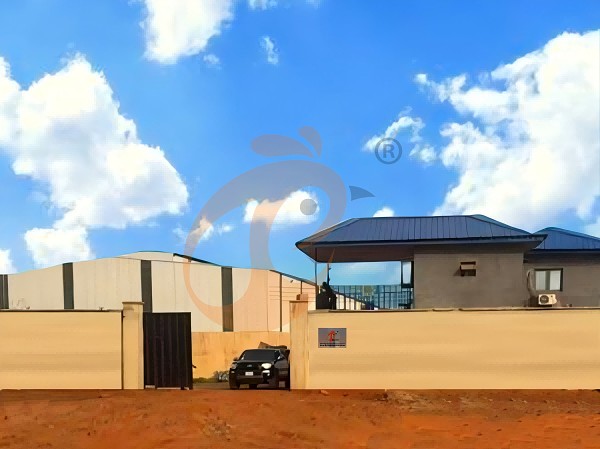
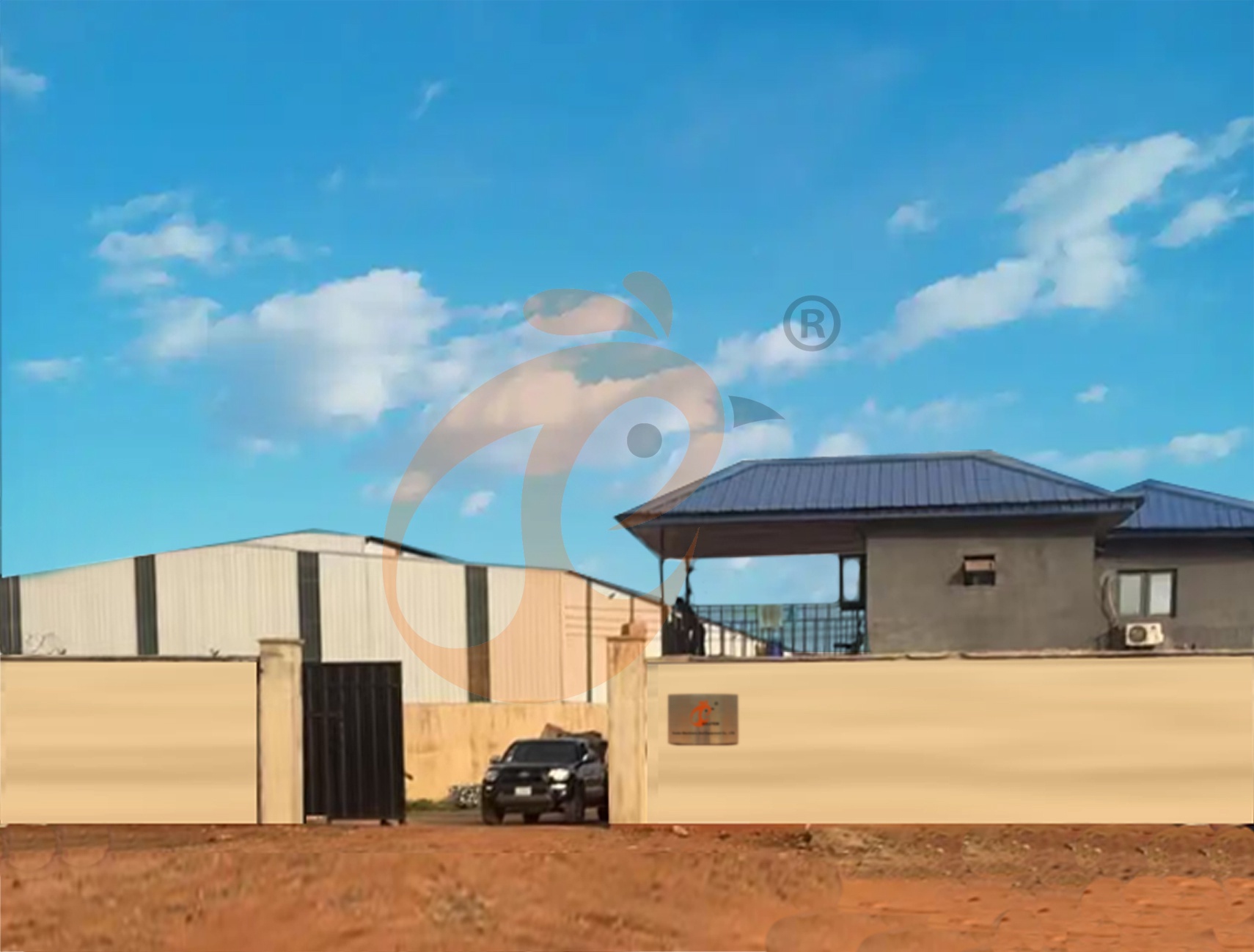
Nigeria Vanke Machinery And Equipment CO., LTD
Tanzania Best Machinery And Equipment CO., LTD
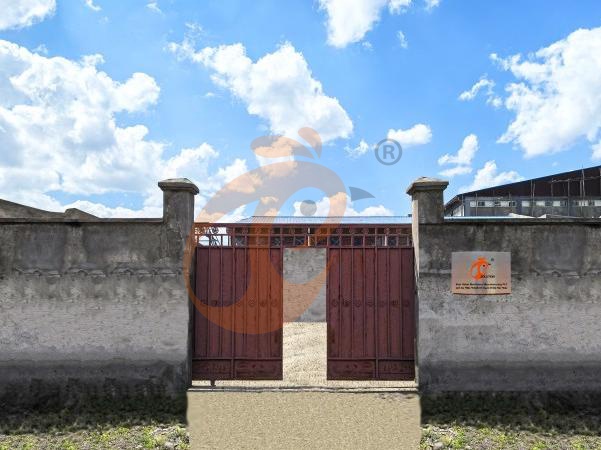
Ethiopia Best Hebei Machinery Manufacturing PLC
Reception /24 WhatsApp NO. : +8618830120193
FAQ
How Does Free Range Poultry System Enhance Natural Behavior In Poultry Chicken Production?
Foraging behavior accounts for 30%–45% of daily time under open grazing conditions.
Social interaction frequency increases by 20%–35% compared with confined systems.
What Are The Movement And Activity Space Standards In Free Range Poultry System For Poultry Chicken Production?
Activity zone radius is maintained at 15–25 meters from shelter to ensure return habit formation.
Daily roaming distance reaches 300–600 meters per bird under open grazing conditions.
What Are The Foraging Nutrition Contribution Levels In Free Range Poultry System For Poultry Chicken Diets?
Green plant consumption accounts for 18%–25% of daily fiber and micronutrients.
Soil mineral ingestion provides 3%–6% of trace element supplementation naturally.
Message
Products recommended
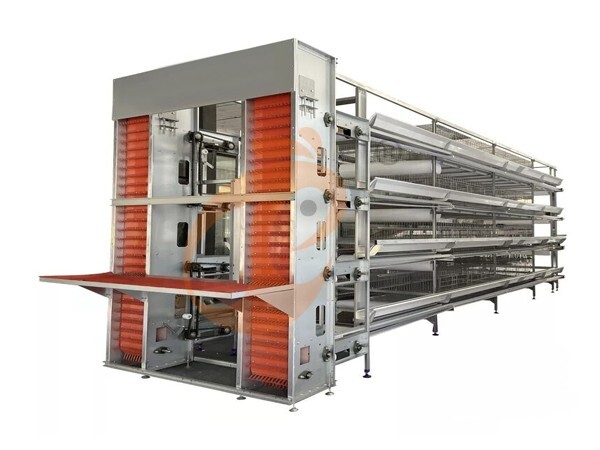
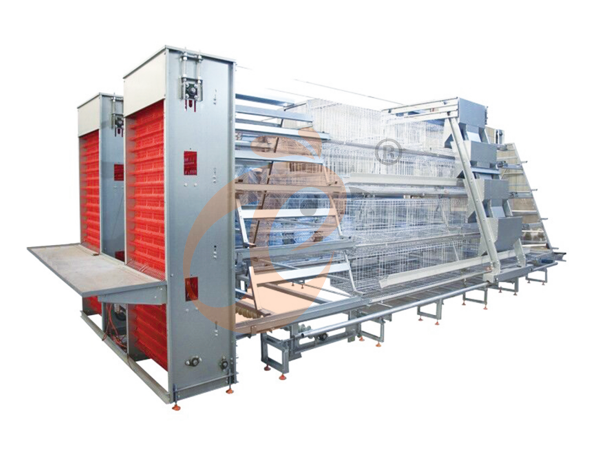
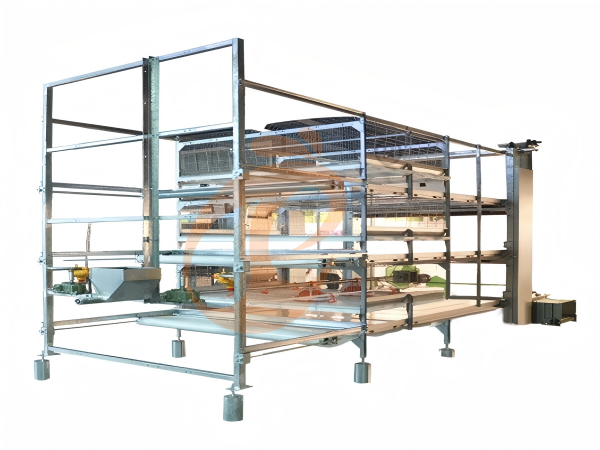
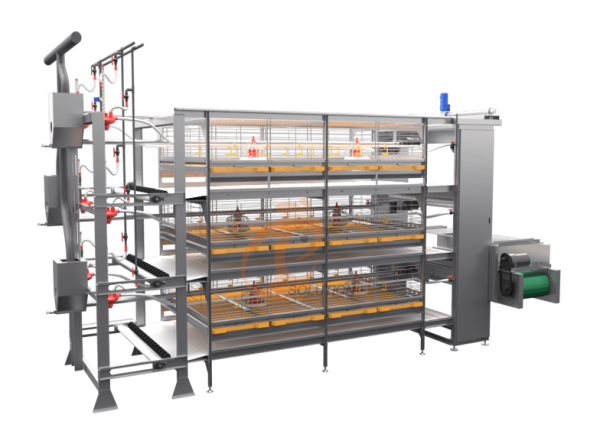
 >30,000 Pullets Automatic H Type Battery Cage1. More than 30,000 pullets a house, choose it.
2. It is designed to rearing older than 1 day old pullets to 12 to 16 weeks old chicken starting laying eggs.
3. Its lifespan is more than 25 years.
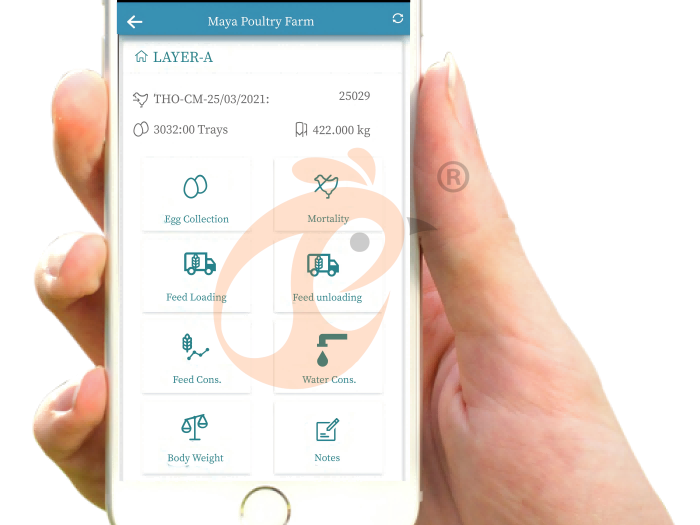
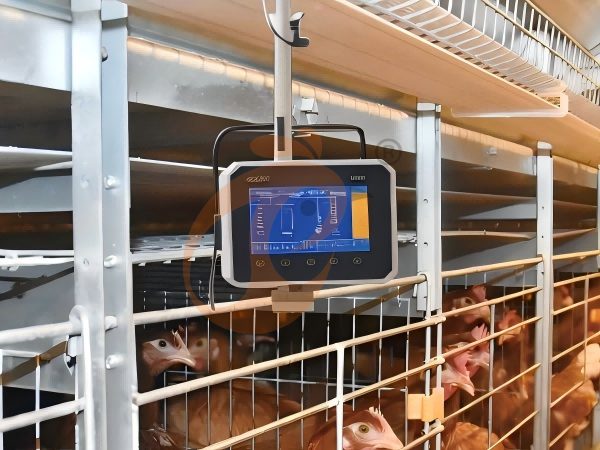
4. Its structure are Vcloud artificial intelligent fusion, electric control cabinet, automatic equipment of drinking, feeding, manure clean, manual harvesting.
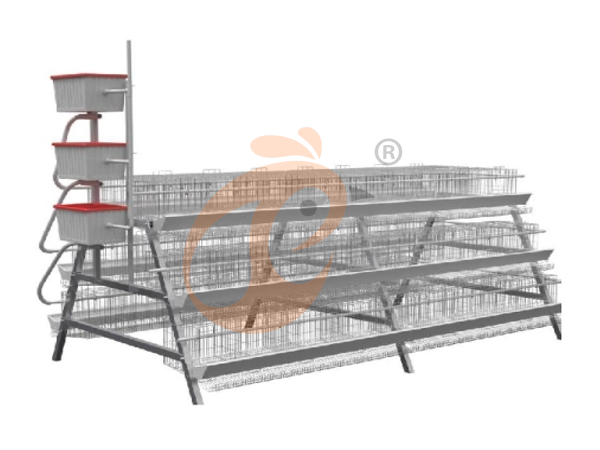
5. Our 24 hour online reception What’sApp NO. is +8618830120193 <30,000 Pullets Automatic A Type Battery Cage1. 10,000 to 30,000 pullets a house, choose it.
2. It is designed to rearing older than 1 day old pullets to 12 to 16 weeks old chicken starting laying eggs.
3. Its lifespan is more than 25 years.
4. Its structure are Vcloud artificial intelligent fusion, electric control cabinet, automatic equipment of drinking, feeding, manure clean, manual harvesting.
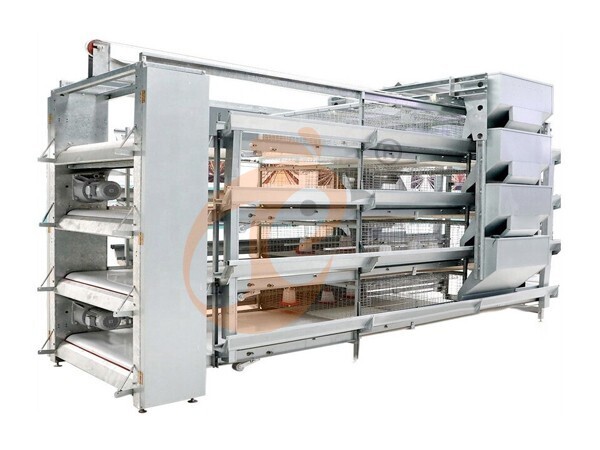
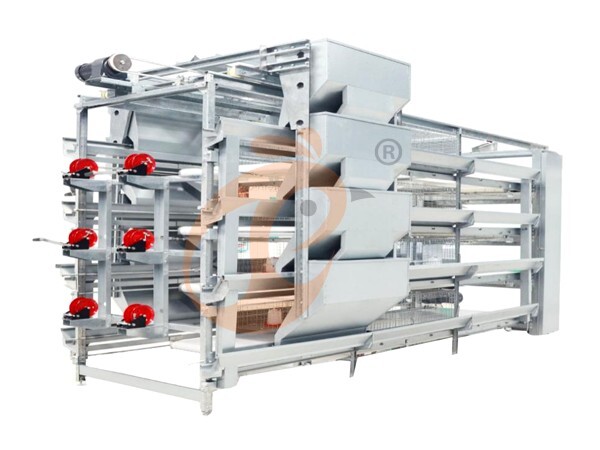
5. Our 24 hour online reception What’sApp NO. is +86 18830120193. >30,000 Broilers Semi-Automatic Harvest H Type Battery Cage1. More than 30,000 broilers a house, choose it.
2. It is designed to rearing 1 to 45 day old adult broiler ready for market.
3. Its lifespan is more than 20 years.
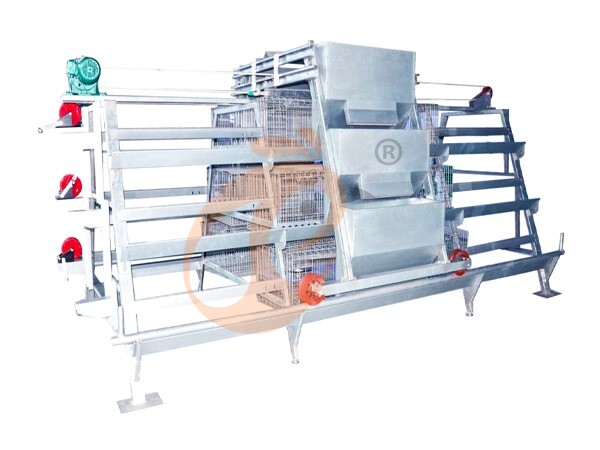
4. Our 24 hour online reception What’sApp NO. is +8618830120193, +234 8111199996. >30,000 Broilers Manual Harvest H Type Battery Cage1. More than 30,000 broilers a house, choose it.
2. It is designed to rearing 1 to 45 day old adult broiler ready for market.
3. Its lifespan is more than 20 years.
4. Its structure are Vcloud artificial intelligent fusion, electric control cabinet, automatic equipment of drinking, feeding and manure clean, manual harvesting.
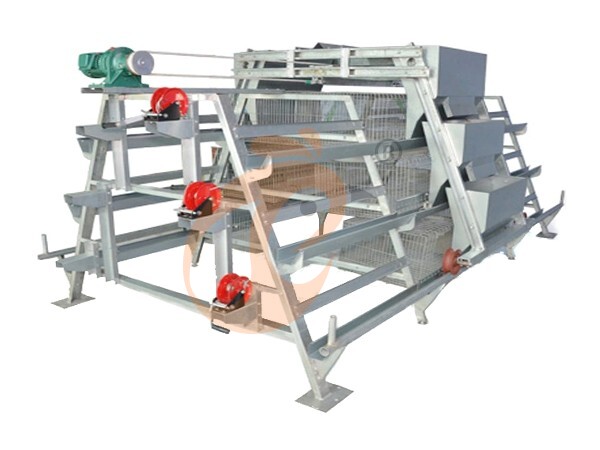
5. Our 24 hour online reception What’sApp NO. is +8618830120193, +234 8111199996. <30,000 Broilers Manual Harvest A Type Battery Cage1. Less 30,000 broilers a house, choose it.
2. It is designed to rearing 1 to 45 day old adult broiler ready for market.
3. Its lifespan is more than 20 years.
4. Its structure are Vcloud artificial intelligent fusion, electric control cabinet, automatic equipment of drinking, feeding and manure clean, manual harvesting.
5. Our 24 hour online reception What’sApp NO. is +8618830120193, +234 8111199996. HK Headquarter Offers EU-standard Poultry Farm Solutions, Manufacture Poultry Farm Equipment1. Continuous communication with the EU and the US
2. China, Nigeria, Ethiopia, Tanzania branch companies and factories
3. The products’ quality is customized for local poultry farms
4. Poultry cage and poultry farm equipment stock for sale
5. 24 online reception Whatsapp NO. : +8618830120193,contact us to get full information China Branch Offer Poultry Farm Business Plan, Manufacture Poultry Farm Equipment1. Address: Flat/RM 2416, 24/F, Runxing Building, Youyi Nan Street, Shijiazhuang City, Hebei Province, China
2. Poultry cage and poultry farm equipment factory and stock for sale
3. Customized for local poultry farms
4. Quality and design are based on Euro
5. 24 online reception Whatsapp NO. : +8618830120193 Nigeria Branch Offer Poultry Farm Business Plan, Manufacture Poultry Farm Equipment1. Address: After Sinoma Office, 200 Meters Near Danco Filling Station, Lagos/Ibadan Expressway, Lagos State, Nigeria
2. Poultry cage and poultry farm equipment factory and stock for sale
3. Customized for Nigerian poultry farms
4. Quality and design are based on Euro
5. 24 online reception Whatsapp NO. : +8618830120193 Ethiopia Branch Offer Poultry Farm Business Plan, Manufacture Poultry Farm Equipment1. Address: WR93+FQ2, Addis Ababa, Ethiopia
2. Poultry cage and poultry farm equipment stock for sale
3. Customized for Ethiopian poultry farms
4. Quality and design are based on Euro
5. 24 online reception Whatsapp NO. : +8618830120193, contact us to get price list Tanzania Branch Offer Poultry Farm Business Plan, Manufacture Poultry Farm Equipment1. Address: No.8, Sova Road, Msufini, Mlandizi, Kibaha, Pwani, Tanzania
2. Poultry cage and poultry farm equipment factory and stock for sale
3. Customized for Tanzanian poultry farms
4. Quality and design are based on Euro
5. 24 online reception Whatsapp NO. : +8618830120193



Contact
By clicking 'Allow All', you agree to the storage of cookies on your device to enhance site navigation, analyze site usage and assist with our marketing efforts.