


Blog
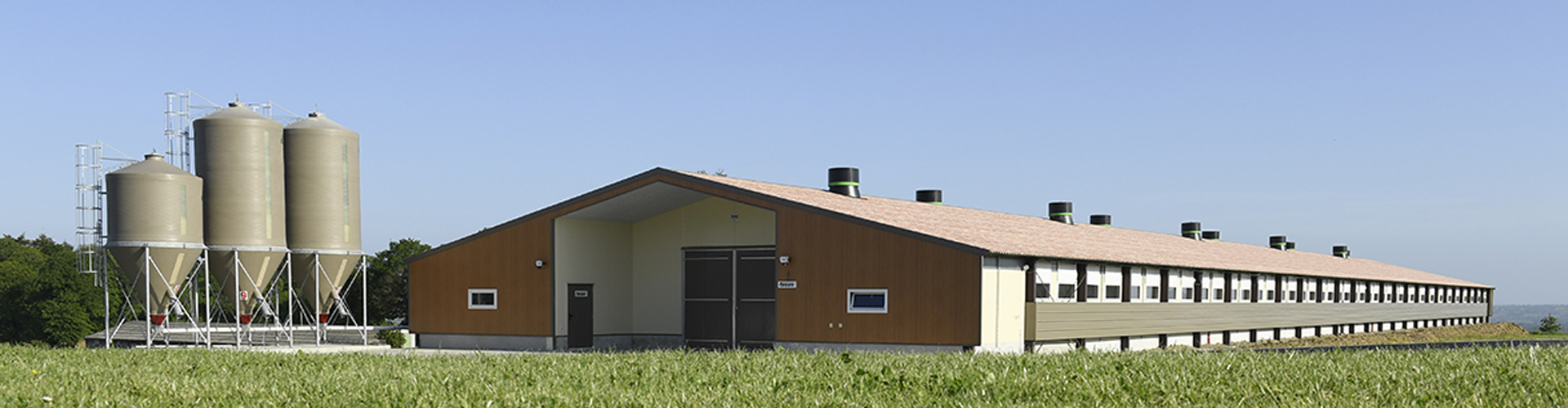
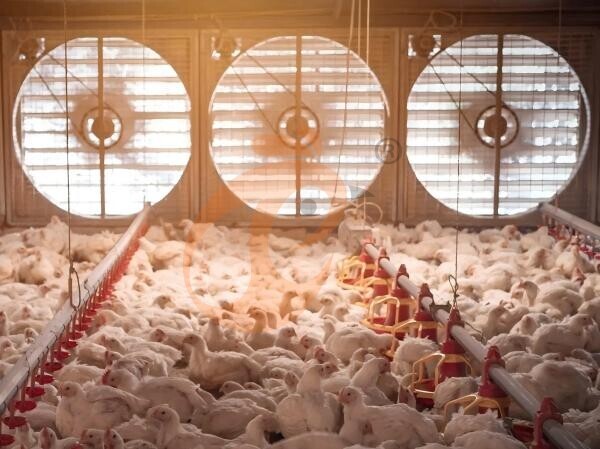
Engineering of floor rearing system focuses on environmental stabilization, ventilation control, litter sanitation, and pathogen suppression mechanisms for intensive poultry production.
Disease pressure reduction is achieved through structured biosecurity design, airflow regulation, and optimized stocking density distribution within floor rearing system environments.
Production efficiency improvements rely on feed conversion stabilization, mortality reduction, and controlled microbial exposure across floor rearing system cycles.
Immune resilience is strengthened through vaccination scheduling and nutritional formulation strategies adapted to floor rearing system operational conditions.
Scalable poultry housing performance depends on standardized engineering parameters and integrated management protocols applied in floor rearing system systems.
Get professional poultry farm construction guidance, equipment selection solutions, and the latest price lists, whatsApp to +8618830120193, click to learn more:
Production Context Disease Control Defines Economic Output
Floor rearing systems account for a large share of global broiler and layer production due to low capital expenditure and flexible housing density.
However, field data from commercial poultry operations consistently show that disease-related losses can account for $8–22% of total production cost per cycle, primarily driven by mortality, feed conversion deterioration, and medication expenses.
In uncontrolled environments, cumulative mortality in floor systems typically ranges between 3% and 12% per flock cycle, depending on management quality and pathogen pressure.
These figures establish disease control as a primary economic variable rather than a secondary husbandry concern.
Economic variability in floor rearing system operations is strongly driven by biological risk accumulation across repeated production cycles, requiring measurable control strategies rather than reactive treatment approaches.
Disease Pressure Baseline In Floor Systems Quantified Overview
Floor rearing system environments accumulate measurable microbial and chemical stress indicators that directly affect flock health stability.
Data is for reference only.Swipe horizontally to view full table.
Microbial load distribution inside floor rearing system litter acts as a continuous infection reservoir influencing gut health and respiratory stability.
Disease Transmission Dynamics In Floor Rearing Systems
Pathogen circulation inside floor rearing system structures follows repeatable transmission physics governed by contact density and environmental persistence.
Data is for reference only.Swipe horizontally to view full table.
Transmission efficiency inside floor rearing system barns increases nonlinearly when litter disturbance frequency and bird density exceed biological thresholds.
Biosecurity Structuring With Measurable Barriers
Biosecurity engineering in floor rearing system facilities focuses on controlled contamination interruption at entry and equipment interface points.
Data is for reference only.Swipe horizontally to view full table.
Barrier integrity inside floor rearing system operations determines baseline infection load before flock placement begins.
Litter Moisture And Chemical Stabilization
Litter inside floor rearing system acts as both biological filter and pathogen amplification medium depending on moisture equilibrium.
Data is for reference only.Swipe horizontally to view full table.
Moisture stabilization inside floor rearing system litter directly controls sporulation kinetics of coccidia and bacterial replication speed.
Ventilation Engineering And Air Contaminant Control
Air exchange architecture in floor rearing system buildings regulates gas accumulation gradients and airborne pathogen dispersion patterns.
Data is for reference only.Swipe horizontally to view full table.
Airflow uniformity inside floor rearing system houses determines respiratory tract exposure load and mucosal barrier stress accumulation.
Stocking Density Calibration And Spatial Load Distribution
Spatial utilization in floor rearing system production defines contact frequency and microbial transfer probability per unit time.
Data is for reference only.Swipe horizontally to view full table.
Spatial pressure inside floor rearing system environments determines fecal contact overlap intensity and immune stress accumulation rate.
Nutritional Immunomodulation Formulation
Dietary engineering in floor rearing system operations adjusts immune response capacity through micronutrient threshold control.
Data is for reference only.Swipe horizontally to view full table.
Nutritional precision inside floor rearing system feeding programs modifies antibody response amplitude and recovery speed after pathogen exposure.
Vaccination Coverage And Health Surveillance Systems
Disease suppression in floor rearing system operations depends on both immunization coverage and real-time biological monitoring feedback loops.
Data is for reference only.Swipe horizontally to view full table.
Surveillance continuity inside floor rearing system production cycles reduces detection latency and improves intervention timing accuracy.
Integrated Disease Control Architecture
Floor rearing system stability depends on synchronization between environmental, biological, and operational control layers.
Data is for reference only.Swipe horizontally to view full table.
System coupling inside floor rearing system design eliminates single-variable failure propagation across production cycles.
Economic Impact Modeling Of Disease Reduction
Financial performance in floor rearing system production is directly correlated with controllable biological stress reduction metrics.
Data is for reference only.Swipe horizontally to view full table.
Cost optimization inside floor rearing system operations is achieved through biological stabilization rather than input intensification.
Field Level Disease Manifestation Patterns
Floor rearing system failures typically follow environmental threshold exceedance patterns rather than random pathogen occurrence.
Data is for reference only.Swipe horizontally to view full table.
Disease clustering inside floor rearing system environments reflects cumulative environmental deviation rather than isolated infection events.
Operational Checklist For Continuous Disease Suppression
Continuous stability in floor rearing system production requires repetitive measurement cycles with fixed frequency intervals.
Data is for reference only.Swipe horizontally to view full table.
Operational repetition inside floor rearing system workflows ensures parameter drift remains within controllable biological limits.
Frequently Asked Questions
Q1: Why is disease control critical in floor rearing system operations?
Disease control directly affects mortality rate, feed conversion efficiency, medication expenses, and production stability in floor rearing system environments.
Poor litter management, excessive ammonia concentration, and high stocking density increase microbial exposure and accelerate pathogen transmission.
Integrated environmental control and biosecurity management reduce biological stress and improve long-term economic performance.
Q2: How does ventilation improve poultry health in floor rearing systems?
Ventilation systems regulate ammonia concentration, humidity, carbon dioxide accumulation, and airborne dust particles inside poultry housing structures.
Stable airflow distribution reduces respiratory stress, improves oxygen exchange efficiency, and lowers airborne pathogen exposure.
Proper ventilation engineering also supports litter drying performance and decreases disease outbreak probability during intensive production cycles.
Q3: What management practices improve immune stability in floor rearing systems?
Immune stability depends on synchronized vaccination coverage, nutritional precision, litter sanitation, and environmental consistency.
Balanced protein formulation, vitamin supplementation, and zinc inclusion strengthen immune response capacity during pathogen exposure.
Continuous monitoring of mortality, moisture levels, and air quality allows early intervention and maintains stable flock health across production cycles.
Taiyu (HK) Group - One Of China Toppest Floor Rearing System Manufacturer
Floor rearing system integrated poultry housing solution with precision environmental control engineering.
Global factory direct poultry equipment supply supporting large scale commercial farm construction projects.
Turn-key engineering services covering design, installation, and automation integration for poultry production facilities.
Industrial poultry cage and floor rearing system manufacturing with standardized production capacity and export compliance systems.
International poultry equipment exporter providing full lifecycle farm system solutions and technical support services.
Contact Us To Received Your Customized Poultry Farm Plan
Headquarters And Branchs

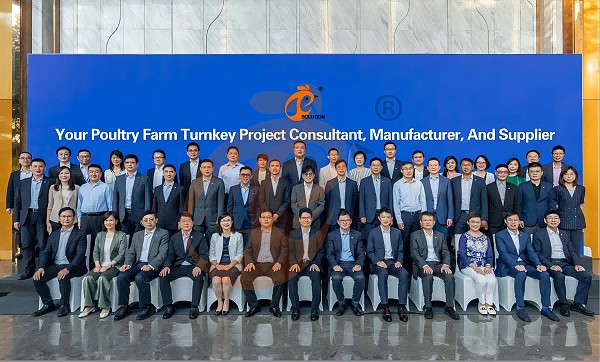
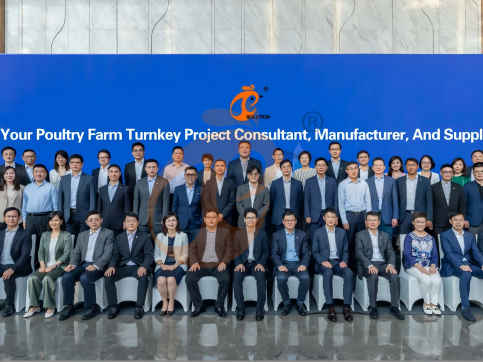
Hong Kong Headquarter Management Team
Hong Kong Headquarter Taiyu Industrial Group CO., LTD
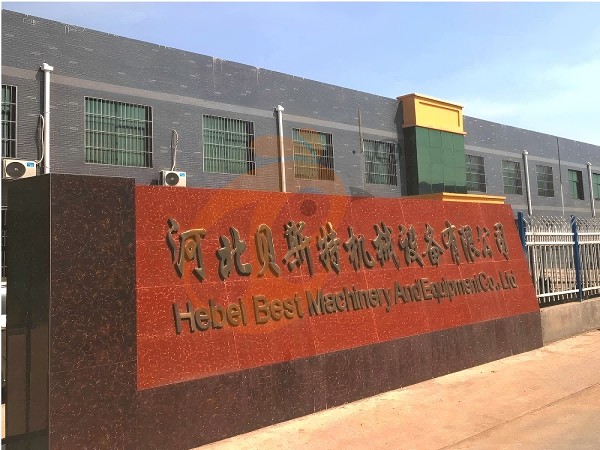
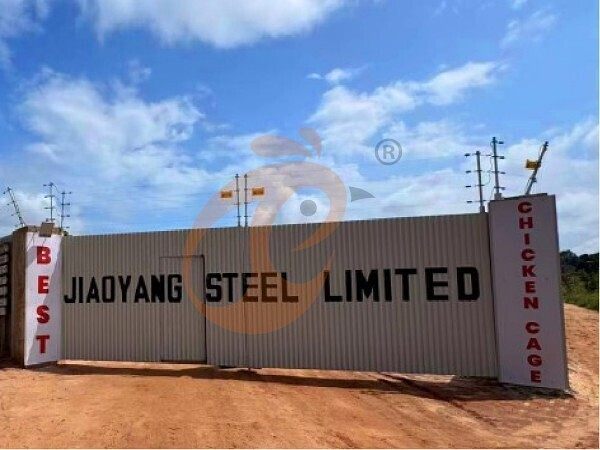
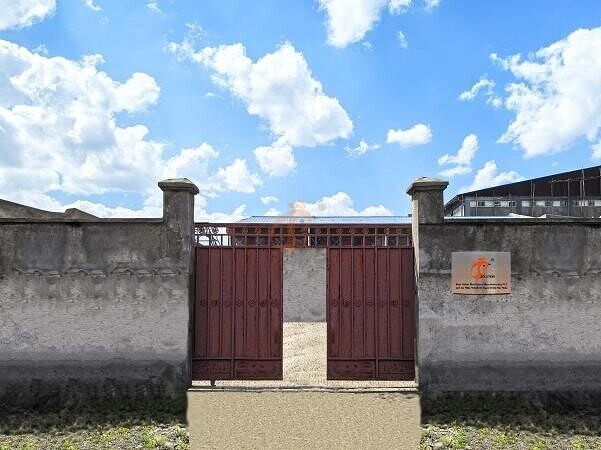
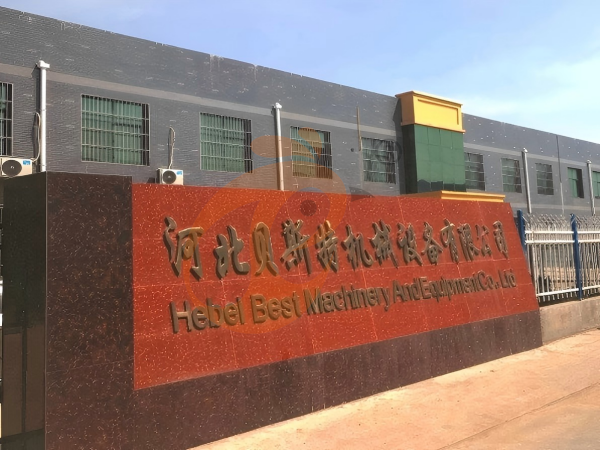
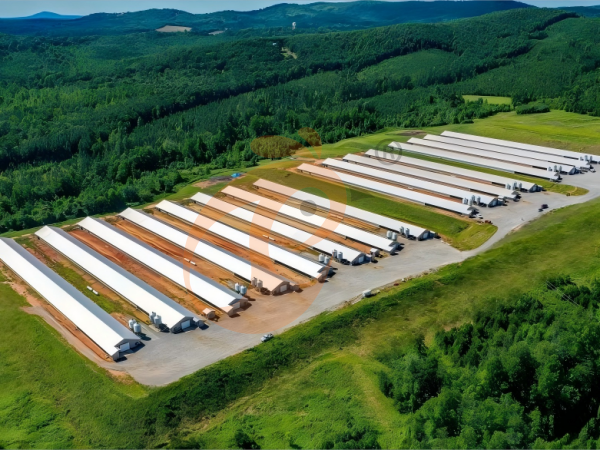
China Hebei Best Machinery And Equipment CO., LTD
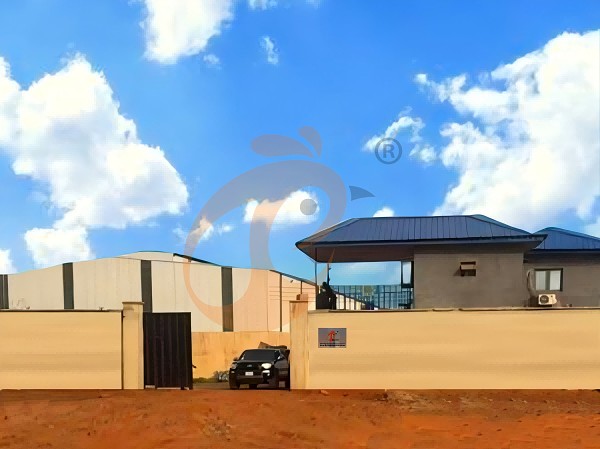
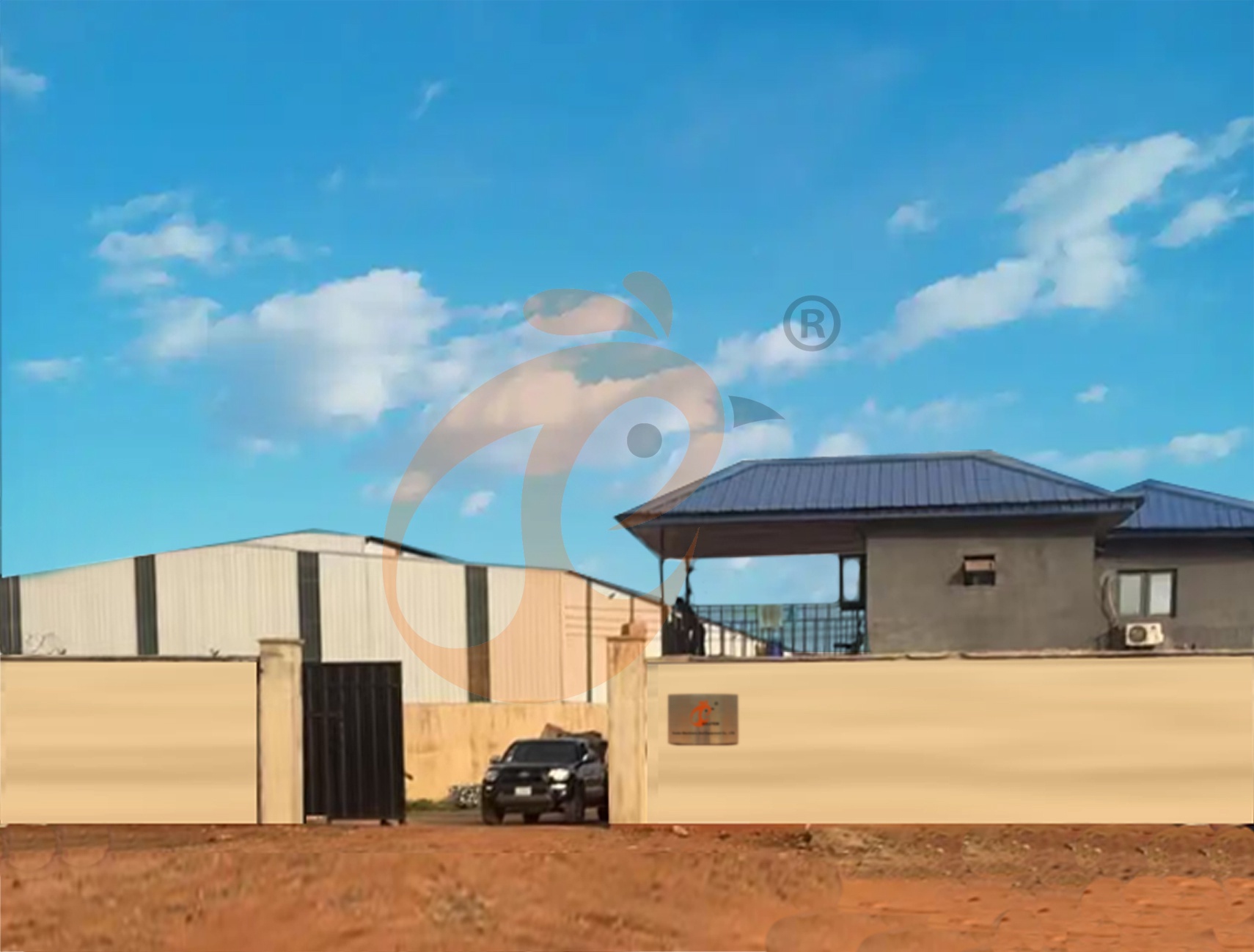
Nigeria Vanke Machinery And Equipment CO., LTD
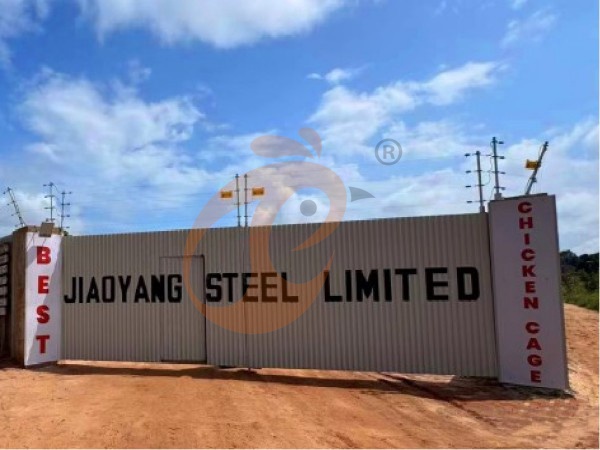
Tanzania Best Machinery And Equipment CO., LTD
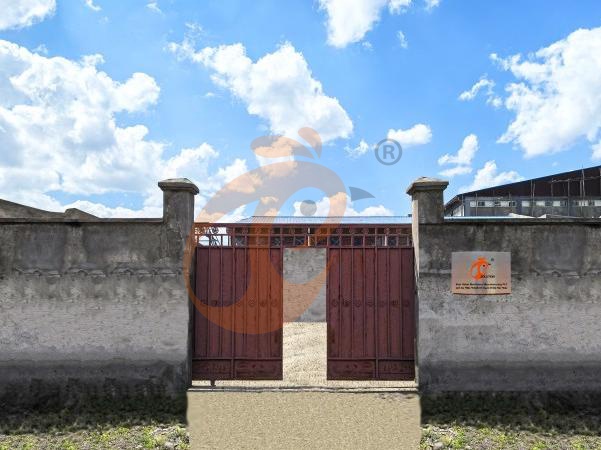
Ethiopia Best Hebei Machinery Manufacturing PLC
Reception /24 WhatsApp NO. : +8618830120193
FAQ
What Ventilation Requirements Are Needed In Floor Rearing Poultry System For Poultry Chicken Farms?
Tunnel airflow velocity ranges from 1.8–2.5 m/s for heat stress reduction.
Static pressure levels are controlled at 18–28 Pa for uniform air distribution.
What Litter Management Standards Are Used In Floor Rearing Poultry System For Poultry Chicken Production?
Moisture content is controlled below 25% to prevent ammonia buildup.
Replacement cycle occurs every 35–45 days depending on flock density.
What Feeding System Configuration Is Used In Floor Rearing Poultry System For Poultry Chicken Farms?
Feed distribution speed ranges from 12–18 meters per minute in automated lines.
Feed trough height is adjusted between 5–10 cm for chick accessibility.
Message
Products recommended
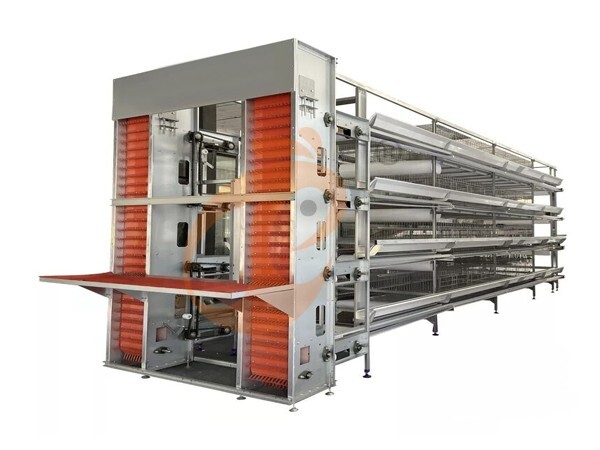
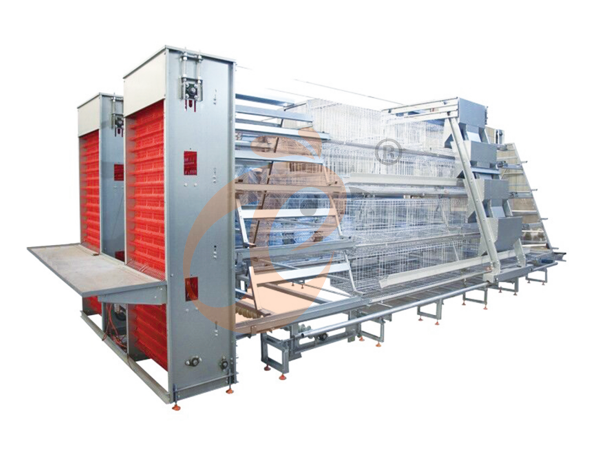
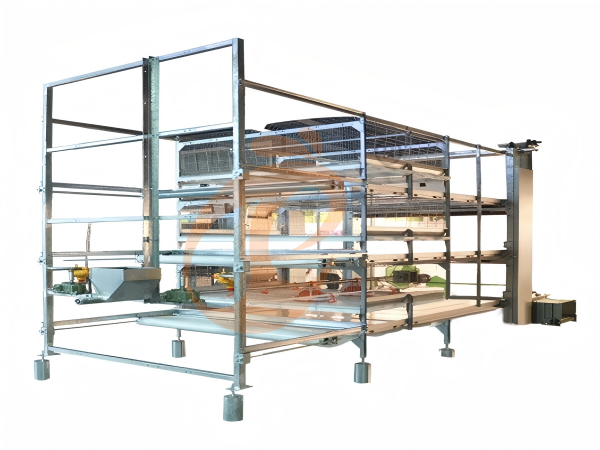
 >30,000 Pullets Automatic H Type Battery Cage1. More than 30,000 pullets a house, choose it.
2. It is designed to rearing older than 1 day old pullets to 12 to 16 weeks old chicken starting laying eggs.
3. Its lifespan is more than 25 years.
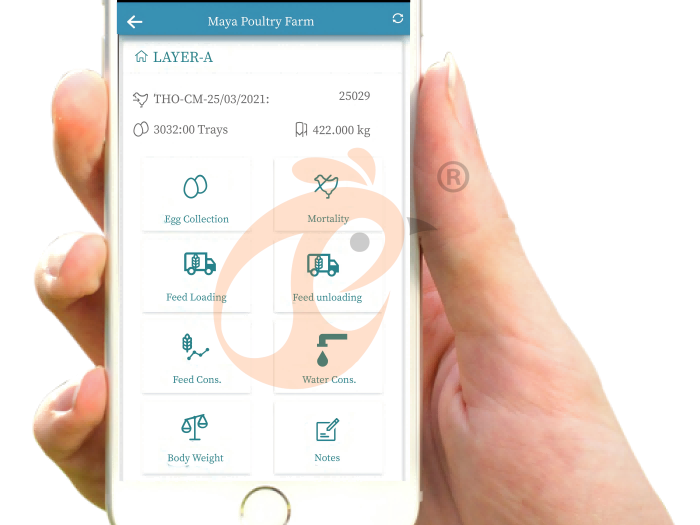
4. Its structure are Vcloud artificial intelligent fusion, electric control cabinet, automatic equipment of drinking, feeding, manure clean, manual harvesting.
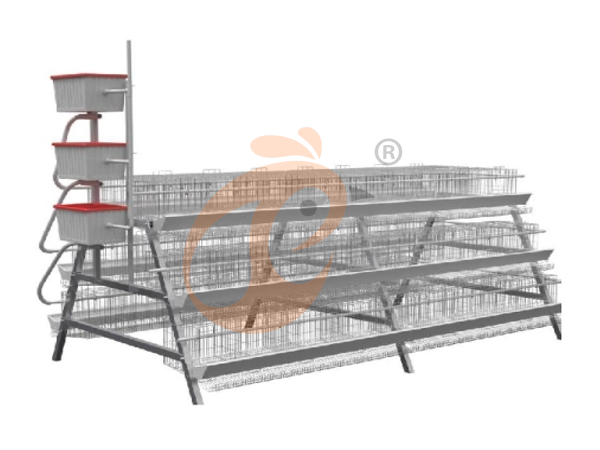
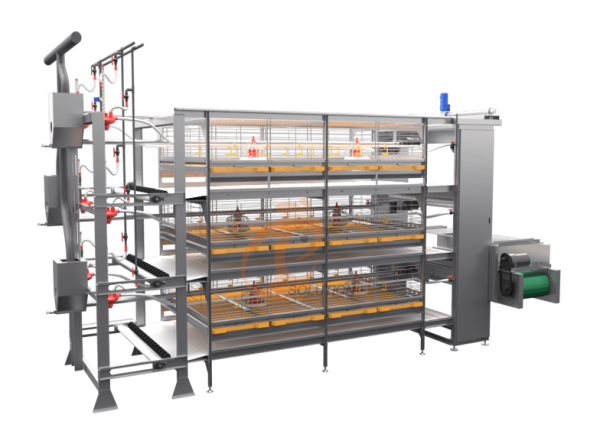
5. Our 24 hour online reception What’sApp NO. is +8618830120193 <30,000 Pullets Automatic A Type Battery Cage1. 10,000 to 30,000 pullets a house, choose it.
2. It is designed to rearing older than 1 day old pullets to 12 to 16 weeks old chicken starting laying eggs.
3. Its lifespan is more than 25 years.
4. Its structure are Vcloud artificial intelligent fusion, electric control cabinet, automatic equipment of drinking, feeding, manure clean, manual harvesting.
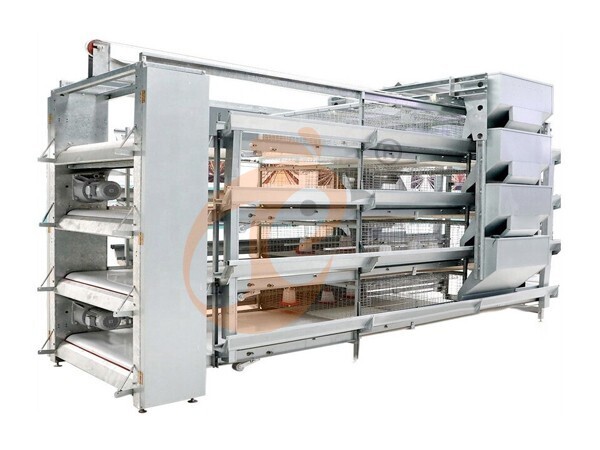
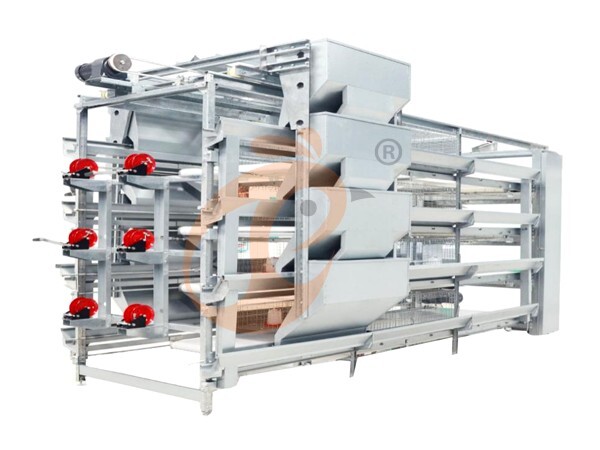
5. Our 24 hour online reception What’sApp NO. is +86 18830120193. >30,000 Broilers Semi-Automatic Harvest H Type Battery Cage1. More than 30,000 broilers a house, choose it.
2. It is designed to rearing 1 to 45 day old adult broiler ready for market.
3. Its lifespan is more than 20 years.
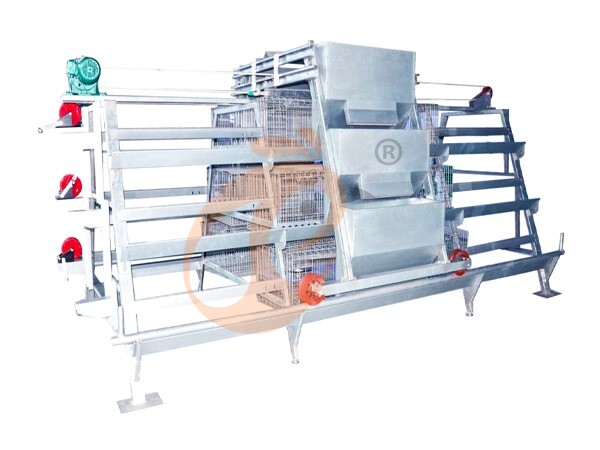
4. Our 24 hour online reception What’sApp NO. is +8618830120193, +234 8111199996. >30,000 Broilers Manual Harvest H Type Battery Cage1. More than 30,000 broilers a house, choose it.
2. It is designed to rearing 1 to 45 day old adult broiler ready for market.
3. Its lifespan is more than 20 years.
4. Its structure are Vcloud artificial intelligent fusion, electric control cabinet, automatic equipment of drinking, feeding and manure clean, manual harvesting.
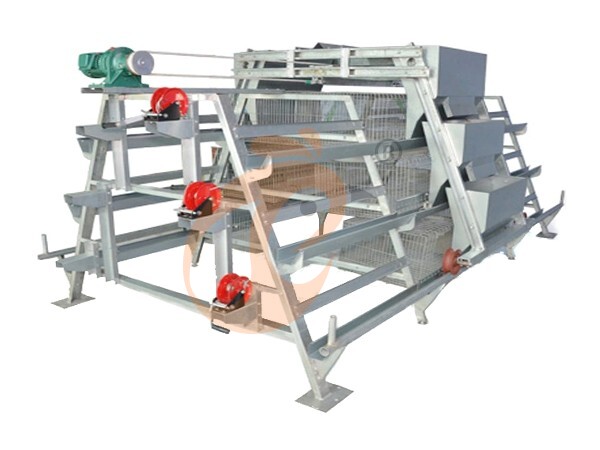
5. Our 24 hour online reception What’sApp NO. is +8618830120193, +234 8111199996. <30,000 Broilers Manual Harvest A Type Battery Cage1. Less 30,000 broilers a house, choose it.
2. It is designed to rearing 1 to 45 day old adult broiler ready for market.
3. Its lifespan is more than 20 years.
4. Its structure are Vcloud artificial intelligent fusion, electric control cabinet, automatic equipment of drinking, feeding and manure clean, manual harvesting.
5. Our 24 hour online reception What’sApp NO. is +8618830120193, +234 8111199996. HK Headquarter Offers EU-standard Poultry Farm Solutions, Manufacture Poultry Farm Equipment1. Continuous communication with the EU and the US
2. China, Nigeria, Ethiopia, Tanzania branch companies and factories
3. The products’ quality is customized for local poultry farms
4. Poultry cage and poultry farm equipment stock for sale
5. 24 online reception Whatsapp NO. : +8618830120193,contact us to get full information China Branch Offer Poultry Farm Business Plan, Manufacture Poultry Farm Equipment1. Address: Flat/RM 2416, 24/F, Runxing Building, Youyi Nan Street, Shijiazhuang City, Hebei Province, China
2. Poultry cage and poultry farm equipment factory and stock for sale
3. Customized for local poultry farms
4. Quality and design are based on Euro
5. 24 online reception Whatsapp NO. : +8618830120193 Nigeria Branch Offer Poultry Farm Business Plan, Manufacture Poultry Farm Equipment1. Address: After Sinoma Office, 200 Meters Near Danco Filling Station, Lagos/Ibadan Expressway, Lagos State, Nigeria
2. Poultry cage and poultry farm equipment factory and stock for sale
3. Customized for Nigerian poultry farms
4. Quality and design are based on Euro
5. 24 online reception Whatsapp NO. : +8618830120193 Ethiopia Branch Offer Poultry Farm Business Plan, Manufacture Poultry Farm Equipment1. Address: WR93+FQ2, Addis Ababa, Ethiopia
2. Poultry cage and poultry farm equipment stock for sale
3. Customized for Ethiopian poultry farms
4. Quality and design are based on Euro
5. 24 online reception Whatsapp NO. : +8618830120193, contact us to get price list Tanzania Branch Offer Poultry Farm Business Plan, Manufacture Poultry Farm Equipment1. Address: No.8, Sova Road, Msufini, Mlandizi, Kibaha, Pwani, Tanzania
2. Poultry cage and poultry farm equipment factory and stock for sale
3. Customized for Tanzanian poultry farms
4. Quality and design are based on Euro
5. 24 online reception Whatsapp NO. : +8618830120193


Contact
By clicking 'Allow All', you agree to the storage of cookies on your device to enhance site navigation, analyze site usage and assist with our marketing efforts.