


Blog
Commercial poultry equipment pricing is structured around feeding systems drinking systems climate control systems egg collection systems and manure handling systems.
Capital allocation depends on flock density automation architecture and facility engineering standards.
Broiler production systems and layer production systems both require integrated mechanical infrastructure.
Feed conversion efficiency water delivery stability and environmental control define production output variance.
Get professional poultry farm construction guidance, equipment selection solutions, and the latest price lists, whatsApp to +8618830120193, click to learn more:
Poultry Equipment Investment Distribution Overview
Data is for reference only.Swipe horizontally to view full table.
This distribution confirms that climate control systems and feeding systems dominate total capital expenditure structure.
Feeding System Components And Price Breakdown
The feeding system defines Feed Conversion Ratio (FCR) efficiency within poultry production economics.
Feed storage auger transport and pan distribution systems operate in synchronized mechanical cycles.
Feed wastage reduction directly improves revenue per kilogram of live weight output.
Data is for reference only.Swipe horizontally to view full table.
Total feeding system investment ranges from 11000 to 19000 USD excluding installation engineering.
Drinking System Engineering And Water Delivery Metrics
Water delivery infrastructure ensures physiological hydration balance across poultry populations.
Standard water consumption reaches 1.8 to 2.5 liters per bird per day depending on ambient temperature.
Nipple line distribution systems maintain consistent pressure across large poultry houses.
Data is for reference only.Swipe horizontally to view full table.
Total drinking system cost ranges from 1000 to 3800 USD excluding piping infrastructure European union standard reference only.
Climate Control System Specifications And Investment Scale
Environmental control systems regulate thermal balance within poultry housing structures.
Operating range is maintained between 18°C and 26°C for optimized growth conditions.
Ventilation and evaporative cooling systems reduce heat stress accumulation.
Data is for reference only.Swipe horizontally to view full table.
Total climate control investment ranges from 5500 to 16000 USD depending on insulation engineering design.
Egg Collection Systems And Mechanical Efficiency
Egg handling systems reduce mechanical damage rate through automated transfer pathways.
Belt conveyor systems synchronize egg movement from cages to collection point.
Mechanical grading improves packaging consistency across production batches.
Data is for reference only.Swipe horizontally to view full table.
Total egg collection system cost ranges from 8000 to 22000 USD depending on automation density.
Manure Removal Systems And Biosecurity Parameters
Manure handling systems control ammonia concentration and microbial contamination risk.
Scraper and belt systems automate waste removal cycles across poultry houses.
Drying systems reduce moisture content to improve storage stability.
Data is for reference only.Swipe horizontally to view full table.
Total manure system investment ranges from 6000 to 18000 USD depending on structural design.
Automation And Control Systems Integration
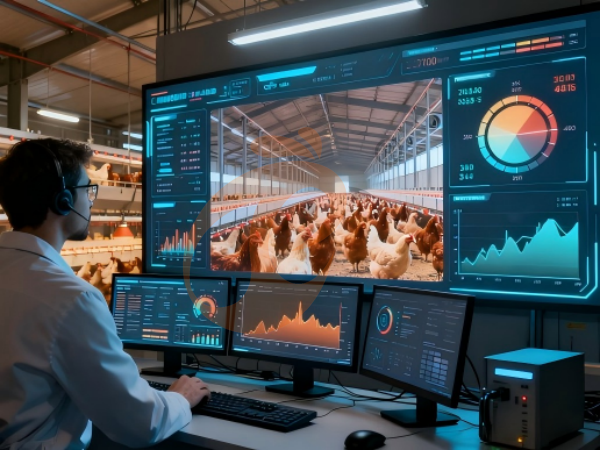
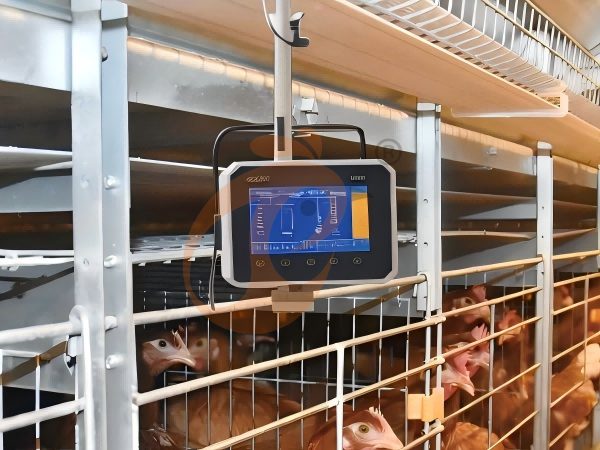
Centralized automation systems synchronize feeding climate lighting and alarm subsystems.
Data acquisition modules record temperature humidity and feed flow parameters continuously.
Remote control reduces manual intervention requirements across production cycles.
Data is for reference only.Swipe horizontally to view full table.
Total automation system cost ranges from 3000 to 12000 USD depending on integration depth.
Biological Efficiency And Production Science
Poultry production efficiency depends on Feed Conversion Ratio (FCR), mortality rate and growth cycle duration.
Optimal FCR ranges between 1.5 and 2.2 kg feed per kg weight gain.
Mortality rates typically remain between 3% and 8% under controlled systems.
Thermal deviation above 3°C reduces metabolic efficiency significantly.
Procurement Strategy And Cost Optimization Logic
Procurement sequencing is structured by biological survival priority environmental stabilization requirement and automation layer expansion.
Feed system and drinking system establish baseline physiological survival conditions through continuous nutrient and water delivery.
Climate control maintains 18°C to 26°C operating range reducing heat stress impact on FCR.
Manure handling controls ammonia concentration below 20 ppm reducing respiratory disease incidence.
Capital deployment is phased according to production stage loading ensuring equipment utilization aligns with flock growth cycle and housing occupancy rate.
Data is for reference only.Swipe horizontally to view full table.
Market Evolution And Technology Transition
Poultry equipment systems are shifting toward sensor-based monitoring of temperature humidity and CO2 concentration
Predictive analytics evaluates FCR variation and mortality risk trends
Modular farm design supports expansion from 5000 to 50000 bird capacity
Energy optimization reduces ventilation and cooling consumption per cycle
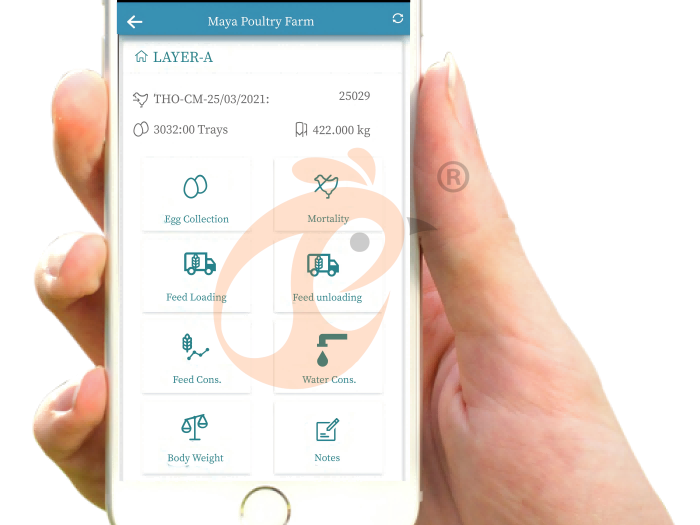
Centralized data platforms integrate feed intake water consumption and weight gain tracking
Frequently Asked Questions
Q1: What determines commercial poultry equipment price variation?
Price variation depends on capacity design automation density material specification and system integration complexity.
Feeding and climate systems dominate total investment structure.
Regional supply chain differences affect final pricing.
Q2: How does automation affect poultry farm investment structure?
Automation increases initial capital cost but reduces labor and operational variability.
Integrated systems improve feed efficiency water regulation and environmental stability.
Long term return on investment improves across production cycles.
Q3: What is the recommended system priority for new farms?
New farms prioritize feeding and drinking systems first.
Climate control is implemented next.
Manure and automation systems follow after stabilization.
Taiyu (HK) Group - One Of China Biggest Commercial Poultry Equipment Manufacturer
Commercial poultry feeding systems production line for large scale poultry housing projects worldwide
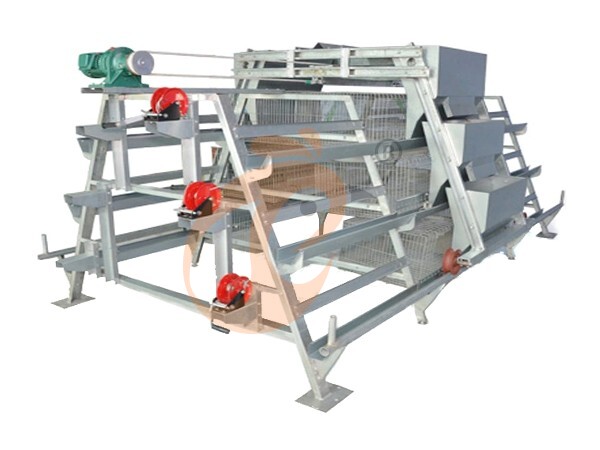
Factory direct supply poultry cage systems integrated with automated feeding and drinking infrastructure
Turn key engineering solutions for poultry farm climate control and waste management systems deployment
Global export standard poultry equipment manufacturing with precision fabrication and assembly capability
Full scale poultry production system integration covering broiler and layer farm infrastructure solutions
Contact Us To Received Your Customized Poultry Farm Plan
Headquarters And Branchs
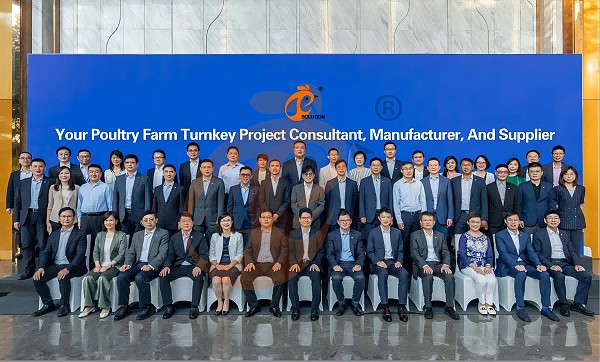
Hong Kong Headquarter Management Team
Hong Kong Headquarter Taiyu Industrial Group CO., LTD
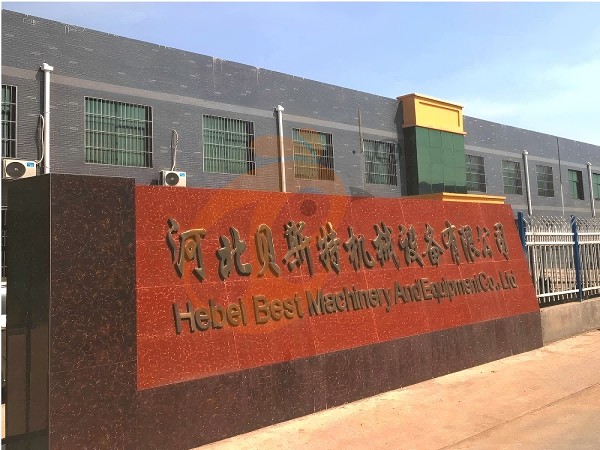
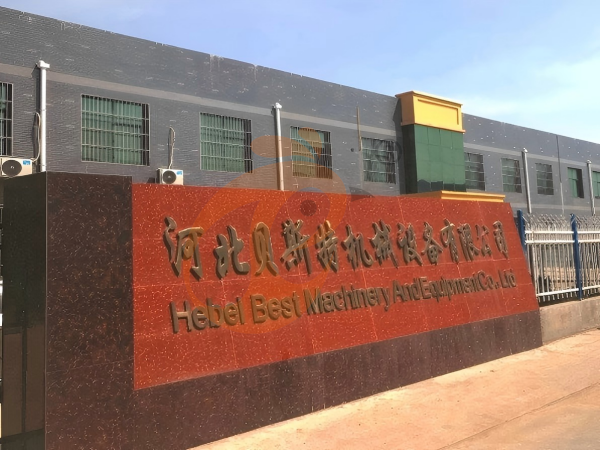
China Hebei Best Machinery And Equipment CO., LTD
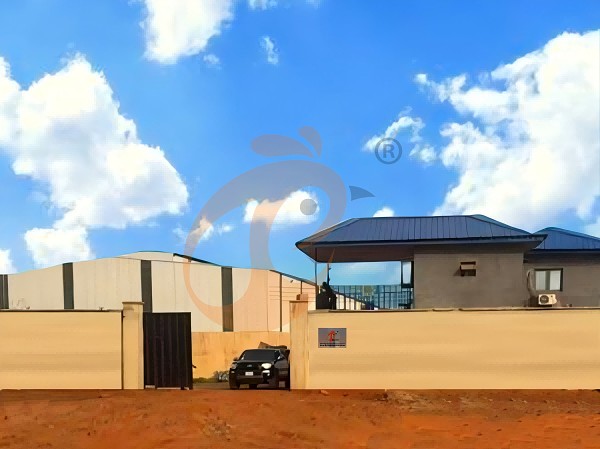
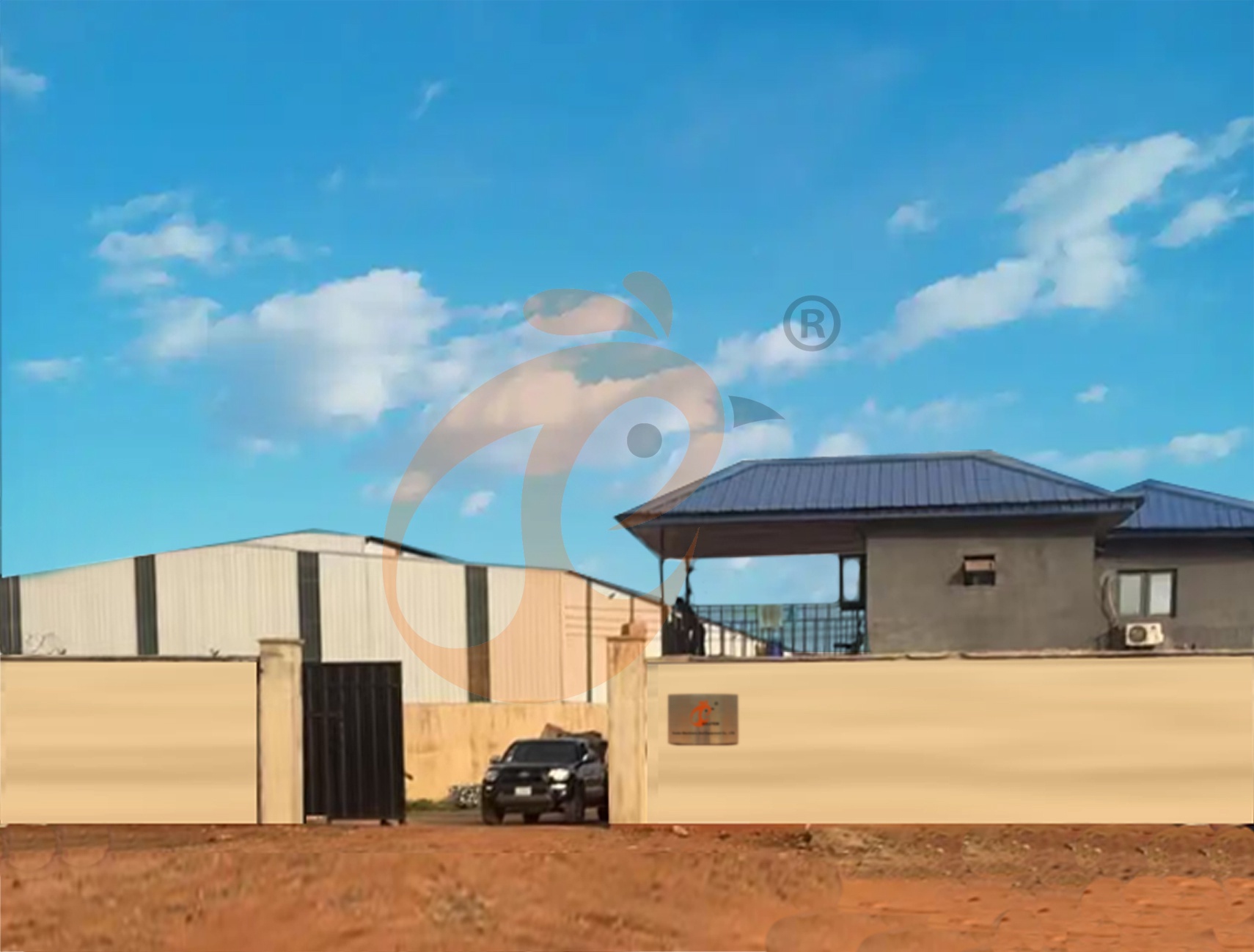
Nigeria Vanke Machinery And Equipment CO., LTD
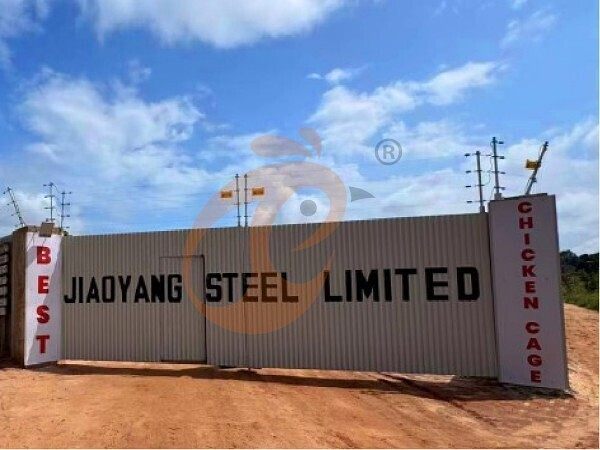
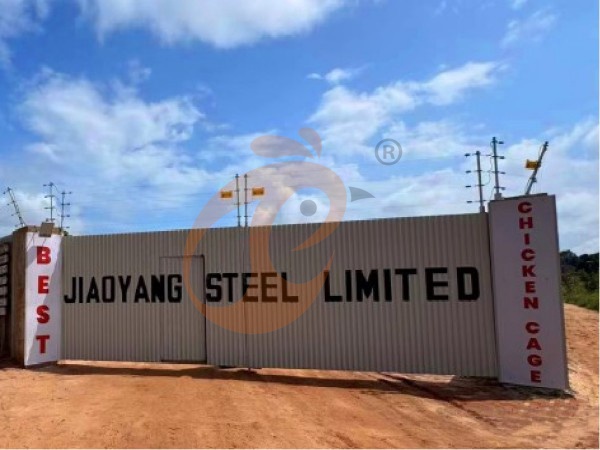
Tanzania Best Machinery And Equipment CO., LTD
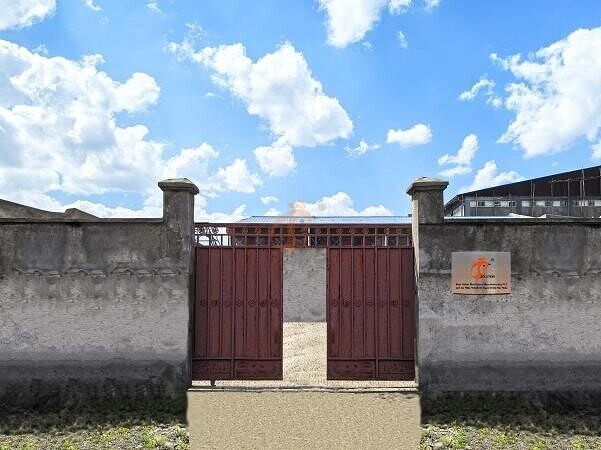
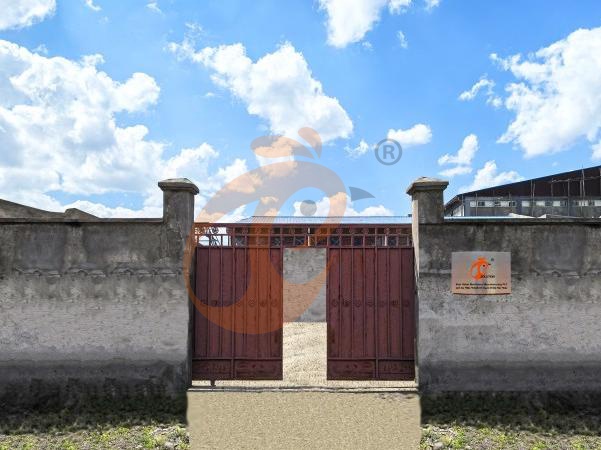
Ethiopia Best Hebei Machinery Manufacturing PLC
Reception /24 WhatsApp NO. : +8618830120193
FAQ
What Equipment Modules Are Included In Automatic Chicken Cage Poultry Equipment For Poultry Chicken Cage Systems?
Watering modules integrate pipelines rated for 16–20 mm diameter supporting stable distribution.
Manure belts utilize 1.0–1.2 mm thickness materials for continuous waste removal durability.
Which Structural Equipment Specifications Define Automatic Chicken Cage Poultry Equipment In Poultry Chicken Cage Systems?
Wire mesh spacing is maintained at 20–25 mm to support bird stability and waste separation.
Galvanization coating reaches 90–130 g/m² for corrosion resistance in high humidity environments.
What Drive System Equipment Parameters Are Used In Automatic Chicken Cage Poultry Equipment For Poultry Chicken Cage Farms?
Gear reducer ratio is configured between 1:20–1:40 for controlled mechanical output speed.
Transmission efficiency reaches 85%–92% minimizing energy loss during continuous operation.
- poultry farm
- egg grading machine
- poultry house
- poultry cage
- cage
- poultry farm construction
- poultry cage system
- poultry farm investment
- poultry feeding system
- poultry equipment
- manure removal system
- egg collection system
- chickencage
- bestchickencage
- cage system
- cage systems
- Nigeria
- poultry farm climate control
- layer farm
- poultry equipment manufacturer
- poultry cage systems
- egg collection system cost
- poultry farm plan
- poultry feed
- feed silo
- Ethiopia
Message
Products recommended
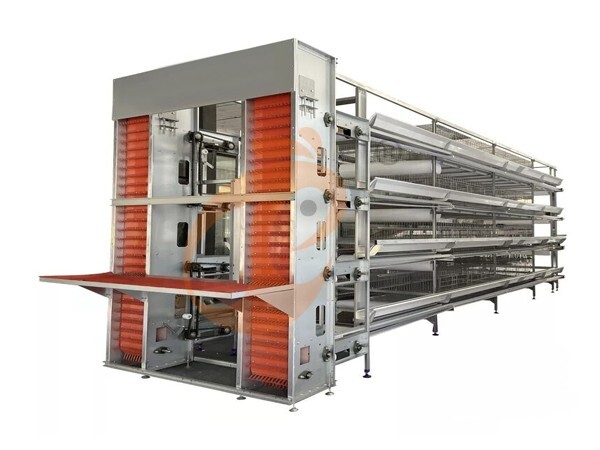
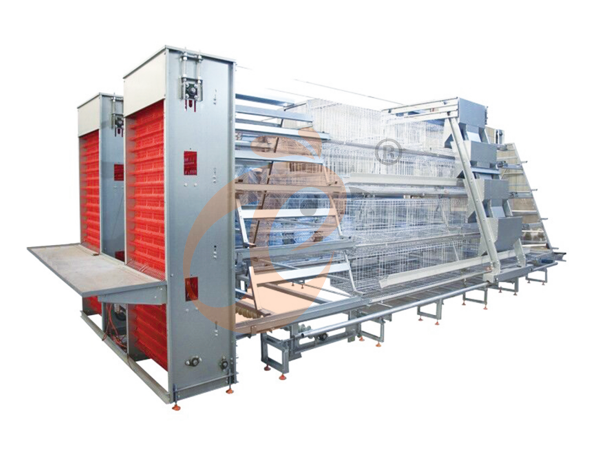
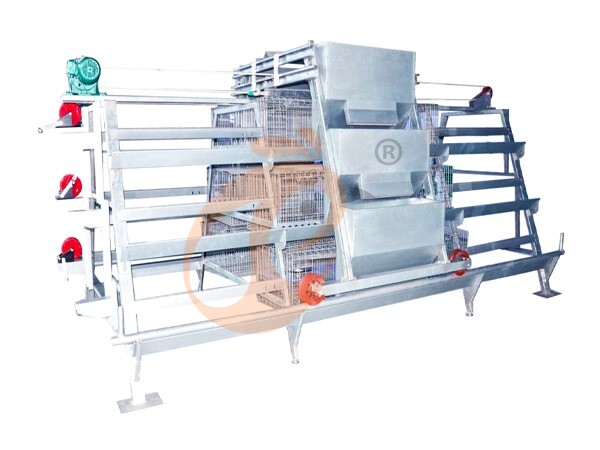
 >30,000 Pullets Automatic H Type Battery Cage1. More than 30,000 pullets a house, choose it.
2. It is designed to rearing older than 1 day old pullets to 12 to 16 weeks old chicken starting laying eggs.
3. Its lifespan is more than 25 years.
4. Its structure are Vcloud artificial intelligent fusion, electric control cabinet, automatic equipment of drinking, feeding, manure clean, manual harvesting.
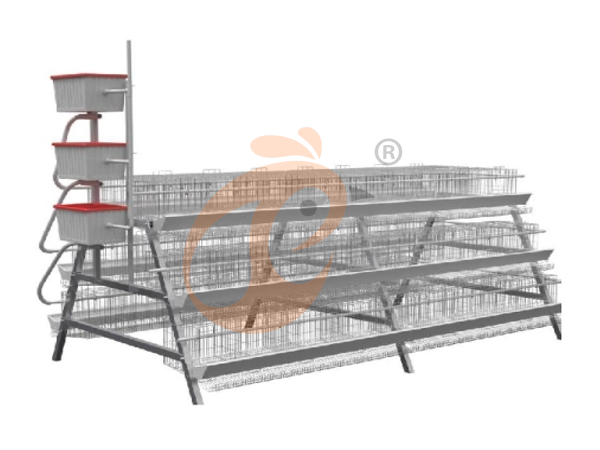
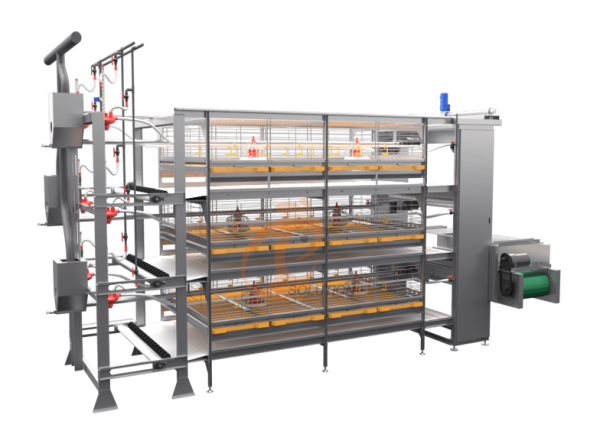
5. Our 24 hour online reception What’sApp NO. is +8618830120193 <30,000 Pullets Automatic A Type Battery Cage1. 10,000 to 30,000 pullets a house, choose it.
2. It is designed to rearing older than 1 day old pullets to 12 to 16 weeks old chicken starting laying eggs.
3. Its lifespan is more than 25 years.
4. Its structure are Vcloud artificial intelligent fusion, electric control cabinet, automatic equipment of drinking, feeding, manure clean, manual harvesting.
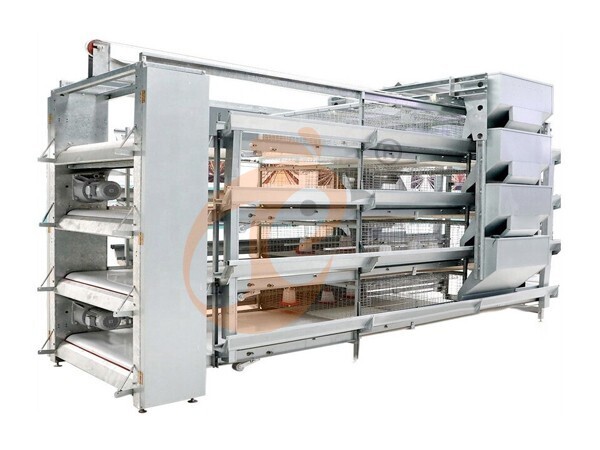
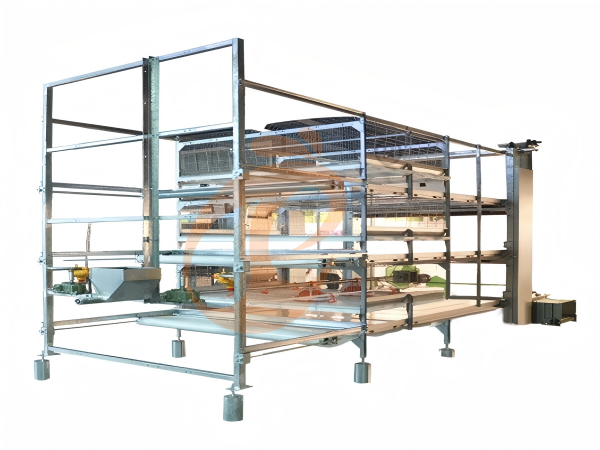
5. Our 24 hour online reception What’sApp NO. is +86 18830120193. >30,000 Broilers Semi-Automatic Harvest H Type Battery Cage1. More than 30,000 broilers a house, choose it.
2. It is designed to rearing 1 to 45 day old adult broiler ready for market.
3. Its lifespan is more than 20 years.
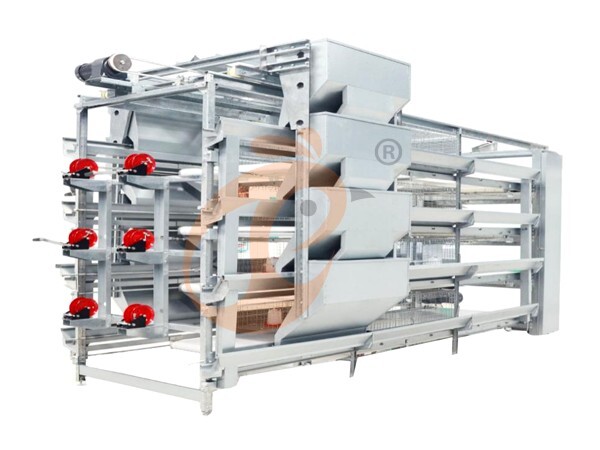
4. Our 24 hour online reception What’sApp NO. is +8618830120193, +234 8111199996. >30,000 Broilers Manual Harvest H Type Battery Cage1. More than 30,000 broilers a house, choose it.
2. It is designed to rearing 1 to 45 day old adult broiler ready for market.
3. Its lifespan is more than 20 years.
4. Its structure are Vcloud artificial intelligent fusion, electric control cabinet, automatic equipment of drinking, feeding and manure clean, manual harvesting.
5. Our 24 hour online reception What’sApp NO. is +8618830120193, +234 8111199996. <30,000 Broilers Manual Harvest A Type Battery Cage1. Less 30,000 broilers a house, choose it.
2. It is designed to rearing 1 to 45 day old adult broiler ready for market.
3. Its lifespan is more than 20 years.
4. Its structure are Vcloud artificial intelligent fusion, electric control cabinet, automatic equipment of drinking, feeding and manure clean, manual harvesting.
5. Our 24 hour online reception What’sApp NO. is +8618830120193, +234 8111199996. HK Headquarter Offers EU-standard Poultry Farm Solutions, Manufacture Poultry Farm Equipment1. Continuous communication with the EU and the US
2. China, Nigeria, Ethiopia, Tanzania branch companies and factories
3. The products’ quality is customized for local poultry farms
4. Poultry cage and poultry farm equipment stock for sale
5. 24 online reception Whatsapp NO. : +8618830120193,contact us to get full information China Branch Offer Poultry Farm Business Plan, Manufacture Poultry Farm Equipment1. Address: Flat/RM 2416, 24/F, Runxing Building, Youyi Nan Street, Shijiazhuang City, Hebei Province, China
2. Poultry cage and poultry farm equipment factory and stock for sale
3. Customized for local poultry farms
4. Quality and design are based on Euro
5. 24 online reception Whatsapp NO. : +8618830120193 Nigeria Branch Offer Poultry Farm Business Plan, Manufacture Poultry Farm Equipment1. Address: After Sinoma Office, 200 Meters Near Danco Filling Station, Lagos/Ibadan Expressway, Lagos State, Nigeria
2. Poultry cage and poultry farm equipment factory and stock for sale
3. Customized for Nigerian poultry farms
4. Quality and design are based on Euro
5. 24 online reception Whatsapp NO. : +8618830120193 Ethiopia Branch Offer Poultry Farm Business Plan, Manufacture Poultry Farm Equipment1. Address: WR93+FQ2, Addis Ababa, Ethiopia
2. Poultry cage and poultry farm equipment stock for sale
3. Customized for Ethiopian poultry farms
4. Quality and design are based on Euro
5. 24 online reception Whatsapp NO. : +8618830120193, contact us to get price list Tanzania Branch Offer Poultry Farm Business Plan, Manufacture Poultry Farm Equipment1. Address: No.8, Sova Road, Msufini, Mlandizi, Kibaha, Pwani, Tanzania
2. Poultry cage and poultry farm equipment factory and stock for sale
3. Customized for Tanzanian poultry farms
4. Quality and design are based on Euro
5. 24 online reception Whatsapp NO. : +8618830120193


Contact
By clicking 'Allow All', you agree to the storage of cookies on your device to enhance site navigation, analyze site usage and assist with our marketing efforts.