


Blog
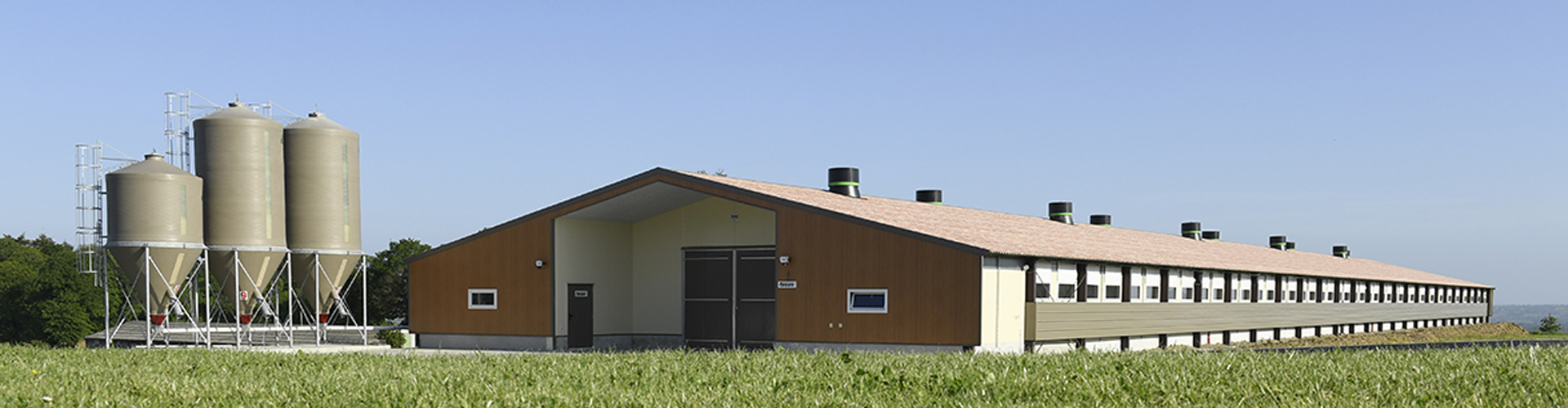
Layer chicken cage system management integrates environmental control feeding automation ventilation monitoring and structural design to maximize egg production efficiency.
Modern poultry cage equipment improves space utilization egg laying consistency and operational automation across large scale commercial farms worldwide systems.
Automatic egg collection system reduces breakage improves hygiene and increases daily output efficiency in intensive layer production houses units operations.
Proper ventilation temperature control and lighting programs ensure stable hormone regulation feed intake and uniform egg size distribution performance stability.
Layer farms require precise nutrition water supply and biosecurity management to maintain consistent production rates and flock health stability levels.
Get professional poultry farm construction guidance, equipment selection solutions, and the latest price lists, whatsApp to +8618830120193, click to learn more:
Layer Chicken Cage System Structure And Production Role
Layer chicken cage systems are engineered to stabilize production behavior while controlling feeding and waste output.
The layer chicken cage system design ensures predictable laying performance across long production cycles.
Data is for reference only.Swipe horizontally to view full table.
These structural values directly influence egg roll-out efficiency bird positioning stability and manure drying cycle consistency inside poultry houses.
Environmental Control Parameters In Cage Houses
Environmental control directly affects endocrine balance and feed metabolism in laying hens.
Poultry cage equipment design must ensure stable airflow distribution across all cage tiers.
Data is for reference only.Swipe horizontally to view full table.
Stable environmental control reduces production fluctuation and supports consistent egg output across full laying cycles.
Egg Production Performance In Cage Systems
Egg performance indicators reflect the efficiency of feeding conversion and metabolic balance in cage-based production.
Data is for reference only.Swipe horizontally to view full table.
These values are typical for optimized commercial cage systems under controlled feeding and lighting programs.
Feeding System Distribution In Layer Cage Farms
Feeding consistency is essential for uniform egg size and production stability across cage rows.
Data is for reference only.Swipe horizontally to view full table.
Uneven feed distribution can cause measurable variation in egg production between different cage tiers.
Lighting Control System In Cage Houses
Lighting programs regulate reproductive hormone secretion and laying rhythm synchronization in hens.
Data is for reference only.Swipe horizontally to view full table.
Stable lighting control improves laying cycle predictability across production periods.
Scientific Egg Formation Process In Layers
Egg formation is a continuous biological process requiring precise calcium metabolism and reproductive coordination.
Infundibulum captures the ovum for fertilization if applicable.
Magnum forms albumen over 3–4 hours.
Isthmus develops shell membranes in 1–1.5 hours.
Uterus completes shell calcification over 18–20 hours.
Each egg shell requires approximately 2.0–2.3 grams of calcium carbonate supported by feed calcium levels of 3.8–4.2% under commercial cage production conditions.
Ventilation Engineering In Cage Layer Houses
Ventilation systems regulate heat removal ammonia dilution and oxygen renewal in dense cage environments.
Data is for reference only.Swipe horizontally to view full table.
Uniform airflow prevents temperature layering between upper and lower cage positions.
Water Supply System Performance In Cage Farms
Water intake consistency directly impacts feed digestion and egg size uniformity.
Data is for reference only.Swipe horizontally to view full table.
A reduction in water intake by 10% can decrease egg production by 6–8%.
Stocking Density And Cage Optimization
Stocking density defines stress level distribution and long-term laying consistency in cage systems.
Data is for reference only.Swipe horizontally to view full table.
Higher space allocation improves stability index across production cycles.
Egg Collection System Efficiency
Automatic systems improve collection speed and reduce mechanical damage during egg transfer.
Data is for reference only.Swipe horizontally to view full table.
Integration of automatic egg collection system improves commercial output consistency across cage layers.
Disease Control And Biosecurity Measures In Cage Systems
Biosecurity management reduces pathogen transmission and protects flock productivity stability.
Data is for reference only.Swipe horizontally to view full table.
Inadequate sanitation control can reduce flock production efficiency by 15–25% within short cycles.
Economic Performance Of Cage Layer Farms
Layer cage systems provide measurable cost efficiency advantages in commercial egg production operations.
Feed costs represent the largest variable expense followed by labor and energy consumption.
Data is for reference only.Swipe horizontally to view full table.
European union standard reference only.
Frequently Asked Questions
Q1: How does layer chicken cage system improve egg production efficiency in commercial farms?
The cage system stabilizes feeding watering and environmental conditions across all tiers reducing energy loss and improving hormonal balance in hens.
Consistent space allocation ensures predictable laying cycles and minimizes stress induced production drops.
Q2: What role does poultry cage equipment play in long term flock performance?
Modern poultry cage equipment controls ventilation manure removal and egg collection flow.
This reduces disease pressure improves hygiene conditions and supports uniform growth and egg output across the entire flock production cycle.
Q3: Why is automatic egg collection system important for commercial layer farms?
Automatic systems reduce manual handling damage improve collection frequency and stabilize egg quality.
They also increase operational efficiency by maintaining consistent removal cycles and reducing labor dependency in large scale farms.
Taiyu (HK) Group - One Of China Most Famous Layer Chicken Cage Manufacturer
Layer chicken cage system equipment designed for commercial poultry egg production optimization with durable galvanized steel structure.
Global factory direct supply supports poultry cage equipment customization for large scale farm integration and turnkey project solutions.
Automatic egg collection system engineering improves farm efficiency and reduces egg breakage rate across industrial production lines.
Advanced ventilation and feeding systems integrated into poultry housing projects for stable high density layer farming performance.
Turnkey poultry cage installation service covering design manufacturing logistics and on site technical support for global customers.
Contact Us To Received Your Customized Poultry Farm Plan
Headquarters And Branchs

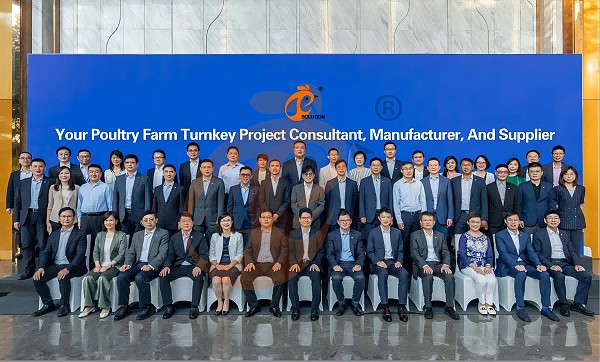
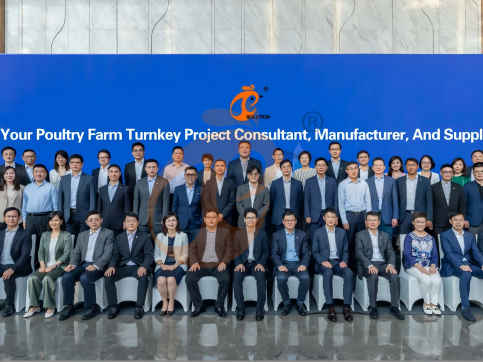
Hong Kong Headquarter Management Team
Hong Kong Headquarter Taiyu Industrial Group CO., LTD
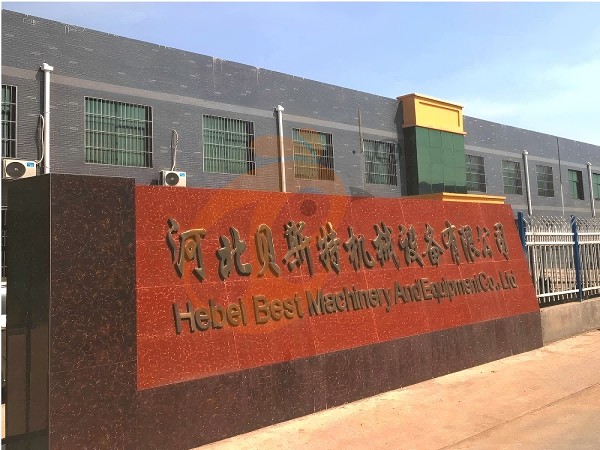
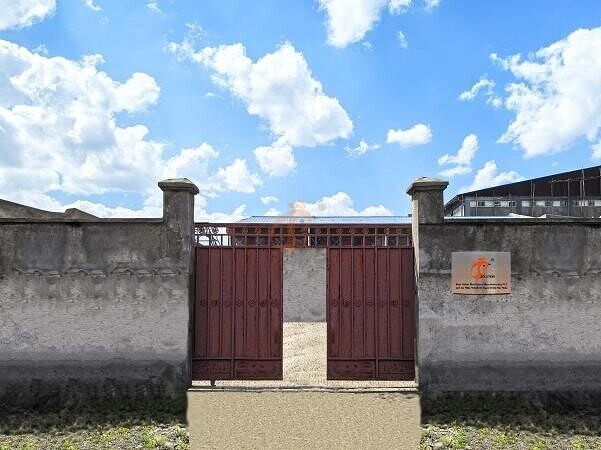
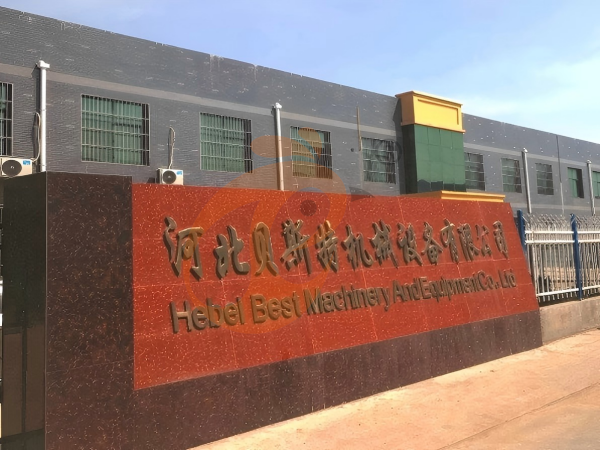
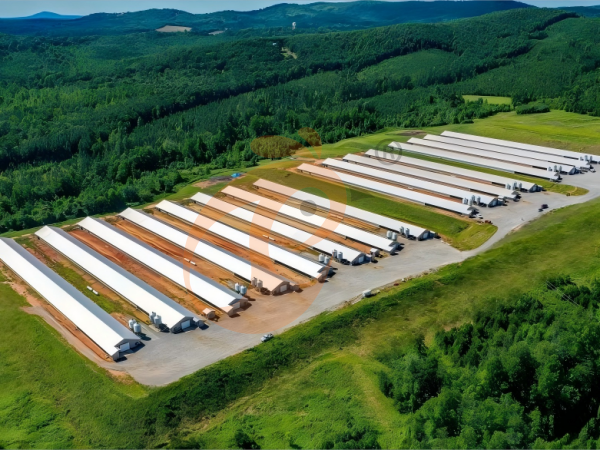
China Hebei Best Machinery And Equipment CO., LTD
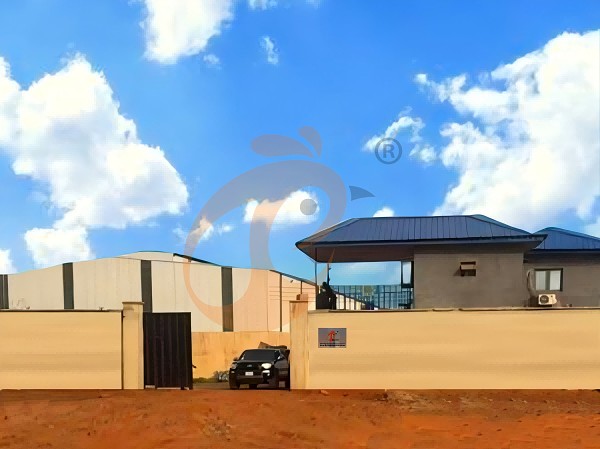
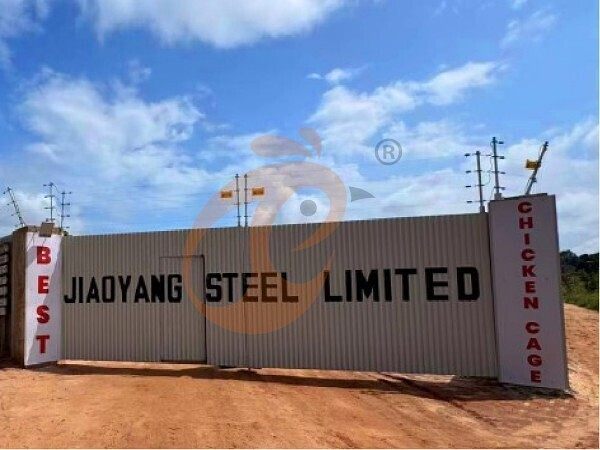
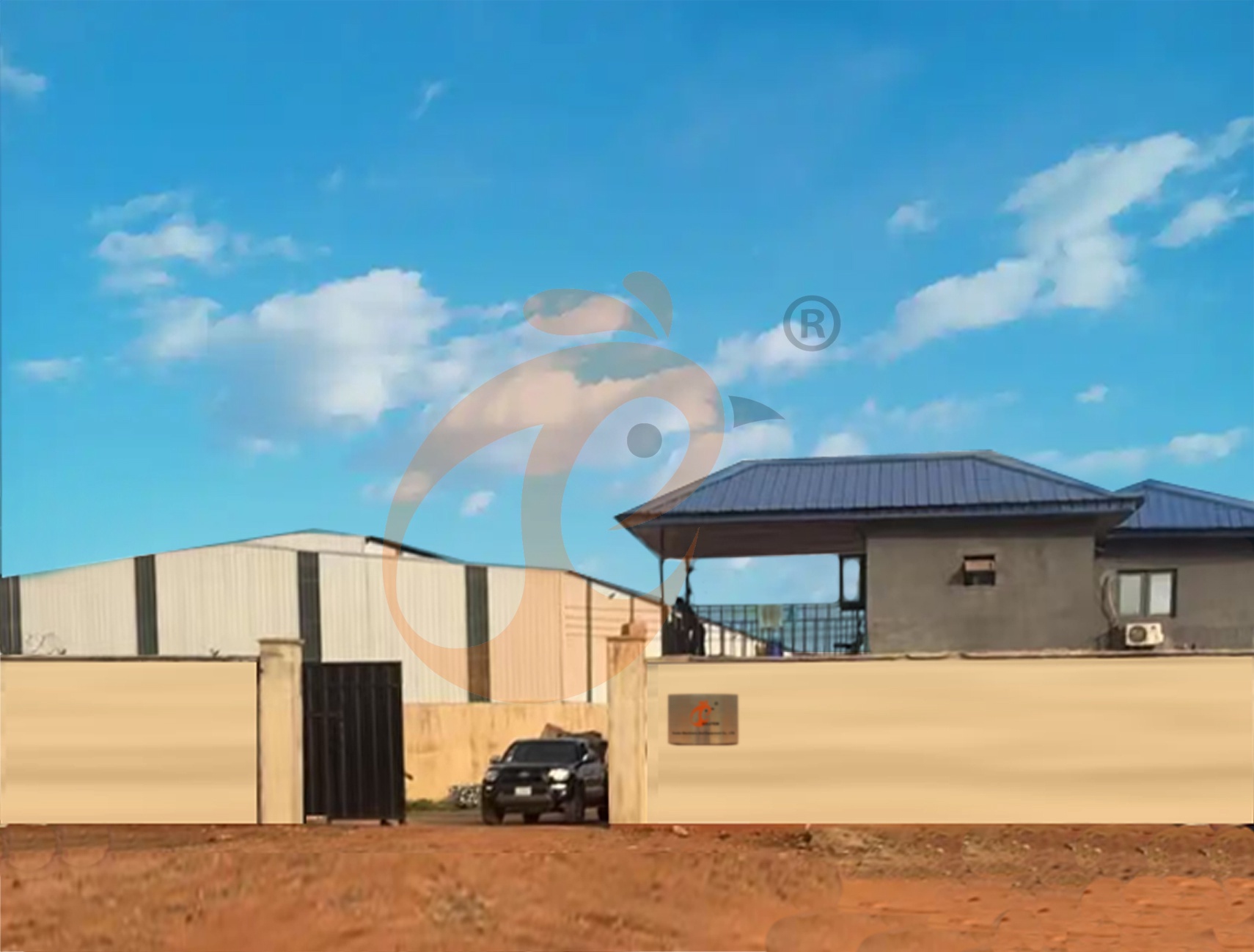
Nigeria Vanke Machinery And Equipment CO., LTD
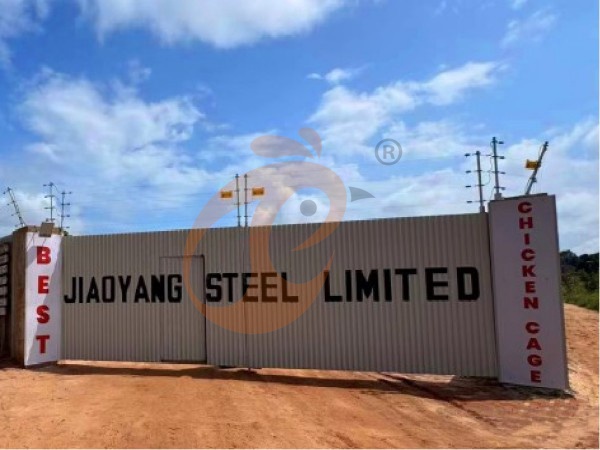
Tanzania Best Machinery And Equipment CO., LTD
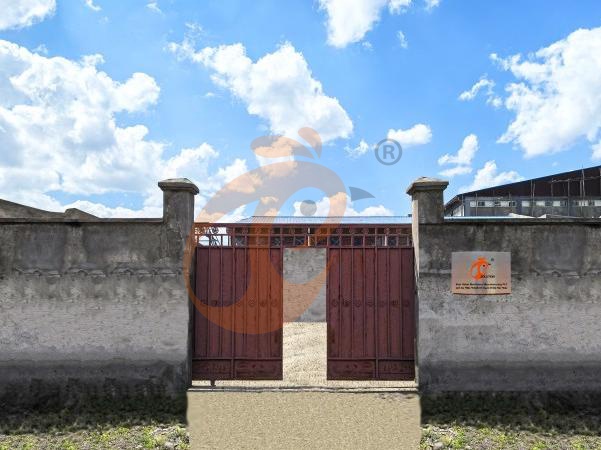
Ethiopia Best Hebei Machinery Manufacturing PLC
Reception /24 WhatsApp NO. : +8618830120193
FAQ
How To Choose The Ultimate Layer Cage System For Multi-Tier Farms?
Install automatic feeding, drinking, egg collection, and manure cleaning systems to boost egg production to 90–98%.
Optimized ventilation and temperature/humidity control reduce mortality to 2–3%.
What Are The Professional Guidelines For Optimizing Feed Storage And Usage In Chicken Cage Farms?
Use automatic feeders to allocate feed as needed, reducing waste by 5–10%.
Regularly monitor feed consumption per tier; FCR 1.9–2.1, egg production 90–98%.
What Are The Professional Guidelines For Reducing Labor Costs Using Automation In Chicken Cage Farms?
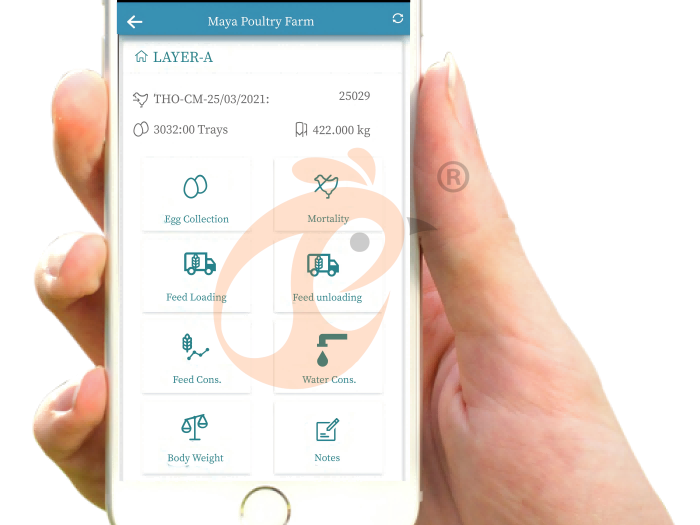
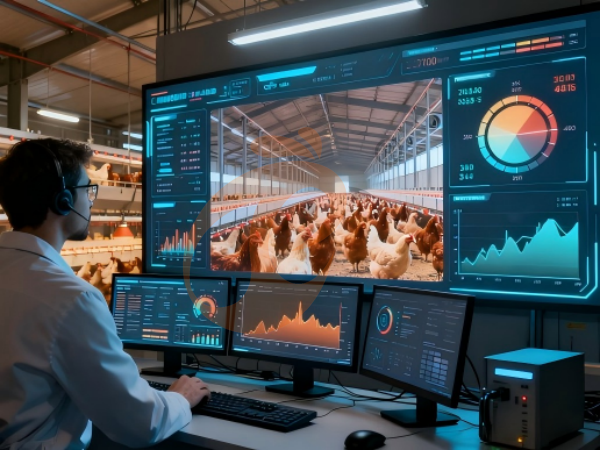
Use real-time monitoring systems to manage flock health and egg production.
ROI can be shortened to 24–36 months, improving overall profitability.
- poultry farm
- chicken cage
- layer cage
- poultry house
- poultry cage
- cage
- poultry farm construction
- layer cage system
- poultry cage equipment
- chicken cage system
- chicken cage system design
- modern poultry cage
- poultry cage installation
- chicken cage equipment
- egg collection system
- automatic egg collection system
- chickencage
- bestchickencage
- cage system
- cage layer
- cage layer farm
- cage systems
- layer chicken cage
- Nigeria
- layer farm
- layer chicken cage system
- layer chicken cage system design
- automatic egg collection
- poultry farm plan
- Ethiopia
Message
Products recommended
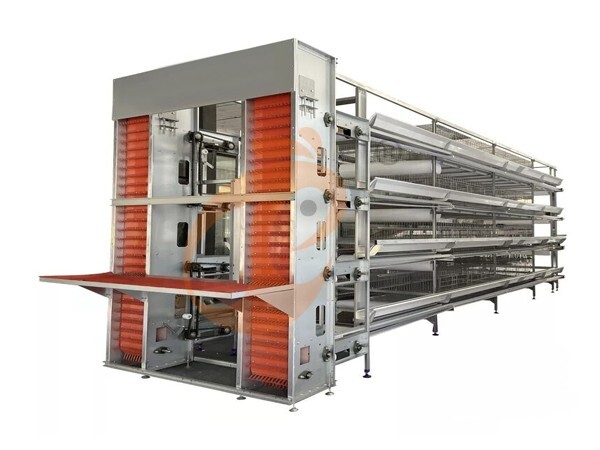
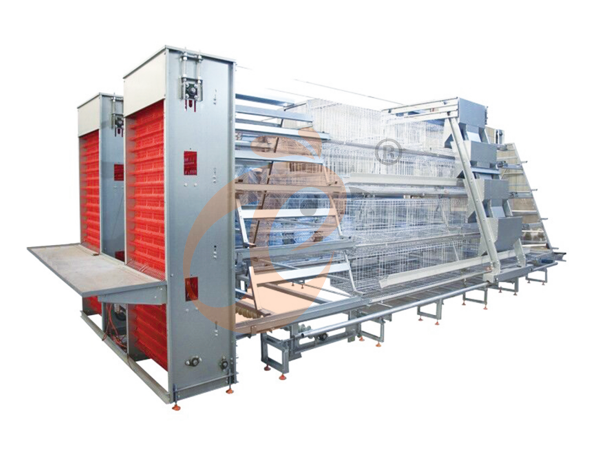
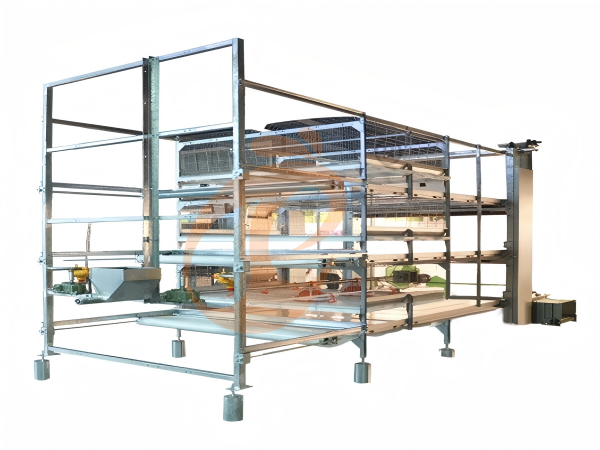
 >30,000 Pullets Automatic H Type Battery Cage1. More than 30,000 pullets a house, choose it.
2. It is designed to rearing older than 1 day old pullets to 12 to 16 weeks old chicken starting laying eggs.
3. Its lifespan is more than 25 years.
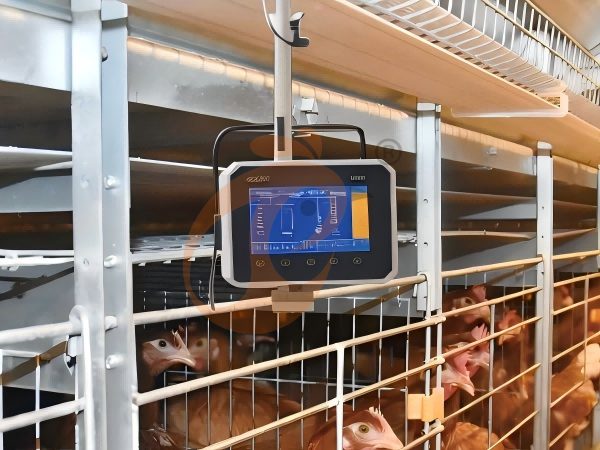
4. Its structure are Vcloud artificial intelligent fusion, electric control cabinet, automatic equipment of drinking, feeding, manure clean, manual harvesting.
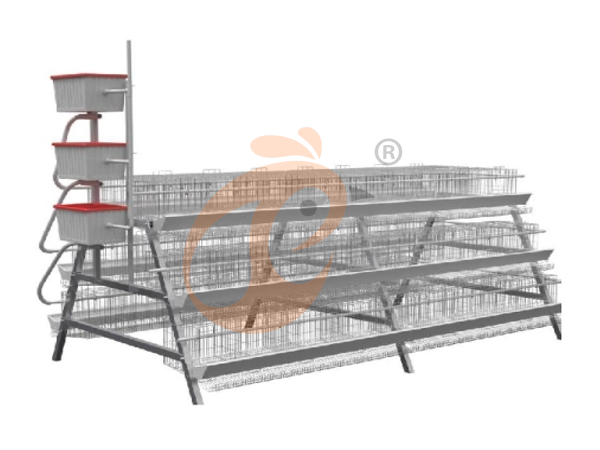
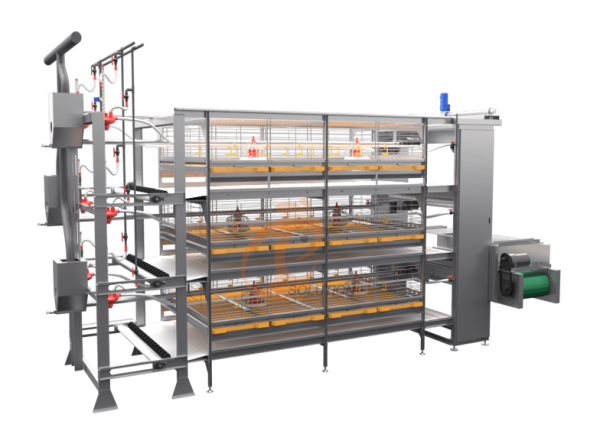
5. Our 24 hour online reception What’sApp NO. is +8618830120193 <30,000 Pullets Automatic A Type Battery Cage1. 10,000 to 30,000 pullets a house, choose it.
2. It is designed to rearing older than 1 day old pullets to 12 to 16 weeks old chicken starting laying eggs.
3. Its lifespan is more than 25 years.
4. Its structure are Vcloud artificial intelligent fusion, electric control cabinet, automatic equipment of drinking, feeding, manure clean, manual harvesting.
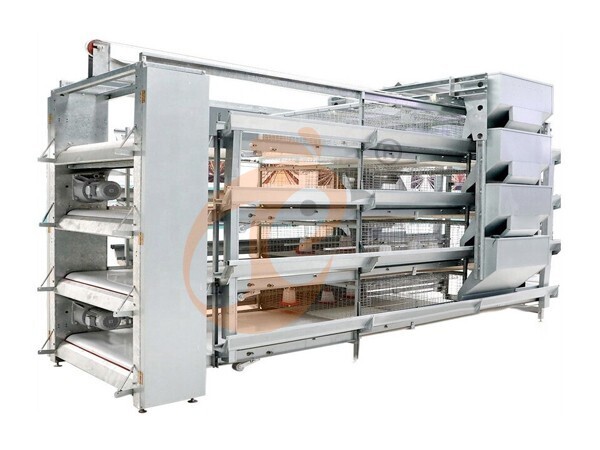
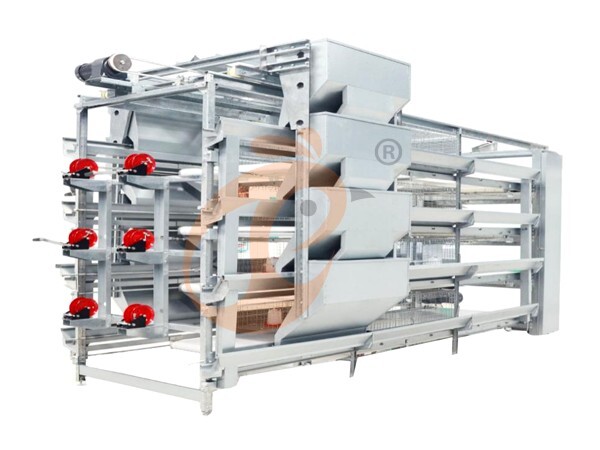
5. Our 24 hour online reception What’sApp NO. is +86 18830120193. >30,000 Broilers Semi-Automatic Harvest H Type Battery Cage1. More than 30,000 broilers a house, choose it.
2. It is designed to rearing 1 to 45 day old adult broiler ready for market.
3. Its lifespan is more than 20 years.
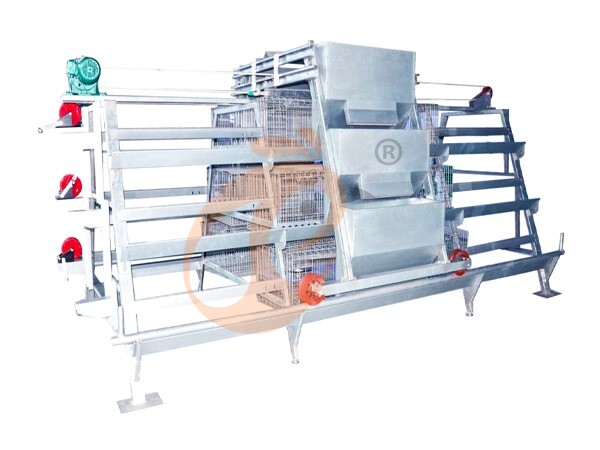
4. Our 24 hour online reception What’sApp NO. is +8618830120193, +234 8111199996. >30,000 Broilers Manual Harvest H Type Battery Cage1. More than 30,000 broilers a house, choose it.
2. It is designed to rearing 1 to 45 day old adult broiler ready for market.
3. Its lifespan is more than 20 years.
4. Its structure are Vcloud artificial intelligent fusion, electric control cabinet, automatic equipment of drinking, feeding and manure clean, manual harvesting.
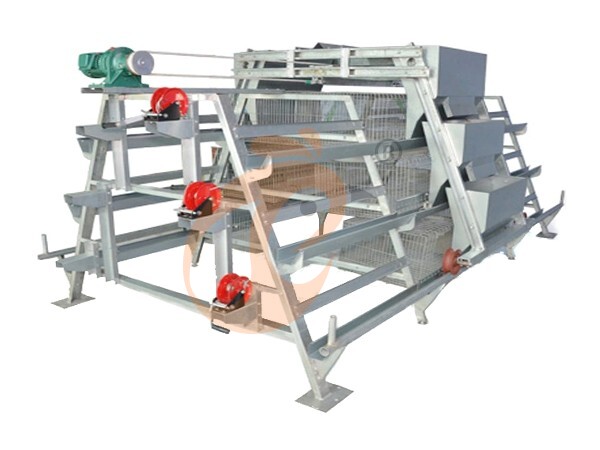
5. Our 24 hour online reception What’sApp NO. is +8618830120193, +234 8111199996. <30,000 Broilers Manual Harvest A Type Battery Cage1. Less 30,000 broilers a house, choose it.
2. It is designed to rearing 1 to 45 day old adult broiler ready for market.
3. Its lifespan is more than 20 years.
4. Its structure are Vcloud artificial intelligent fusion, electric control cabinet, automatic equipment of drinking, feeding and manure clean, manual harvesting.
5. Our 24 hour online reception What’sApp NO. is +8618830120193, +234 8111199996. HK Headquarter Offers EU-standard Poultry Farm Solutions, Manufacture Poultry Farm Equipment1. Continuous communication with the EU and the US
2. China, Nigeria, Ethiopia, Tanzania branch companies and factories
3. The products’ quality is customized for local poultry farms
4. Poultry cage and poultry farm equipment stock for sale
5. 24 online reception Whatsapp NO. : +8618830120193,contact us to get full information China Branch Offer Poultry Farm Business Plan, Manufacture Poultry Farm Equipment1. Address: Flat/RM 2416, 24/F, Runxing Building, Youyi Nan Street, Shijiazhuang City, Hebei Province, China
2. Poultry cage and poultry farm equipment factory and stock for sale
3. Customized for local poultry farms
4. Quality and design are based on Euro
5. 24 online reception Whatsapp NO. : +8618830120193 Nigeria Branch Offer Poultry Farm Business Plan, Manufacture Poultry Farm Equipment1. Address: After Sinoma Office, 200 Meters Near Danco Filling Station, Lagos/Ibadan Expressway, Lagos State, Nigeria
2. Poultry cage and poultry farm equipment factory and stock for sale
3. Customized for Nigerian poultry farms
4. Quality and design are based on Euro
5. 24 online reception Whatsapp NO. : +8618830120193 Ethiopia Branch Offer Poultry Farm Business Plan, Manufacture Poultry Farm Equipment1. Address: WR93+FQ2, Addis Ababa, Ethiopia
2. Poultry cage and poultry farm equipment stock for sale
3. Customized for Ethiopian poultry farms
4. Quality and design are based on Euro
5. 24 online reception Whatsapp NO. : +8618830120193, contact us to get price list Tanzania Branch Offer Poultry Farm Business Plan, Manufacture Poultry Farm Equipment1. Address: No.8, Sova Road, Msufini, Mlandizi, Kibaha, Pwani, Tanzania
2. Poultry cage and poultry farm equipment factory and stock for sale
3. Customized for Tanzanian poultry farms
4. Quality and design are based on Euro
5. 24 online reception Whatsapp NO. : +8618830120193


Contact
By clicking 'Allow All', you agree to the storage of cookies on your device to enhance site navigation, analyze site usage and assist with our marketing efforts.