


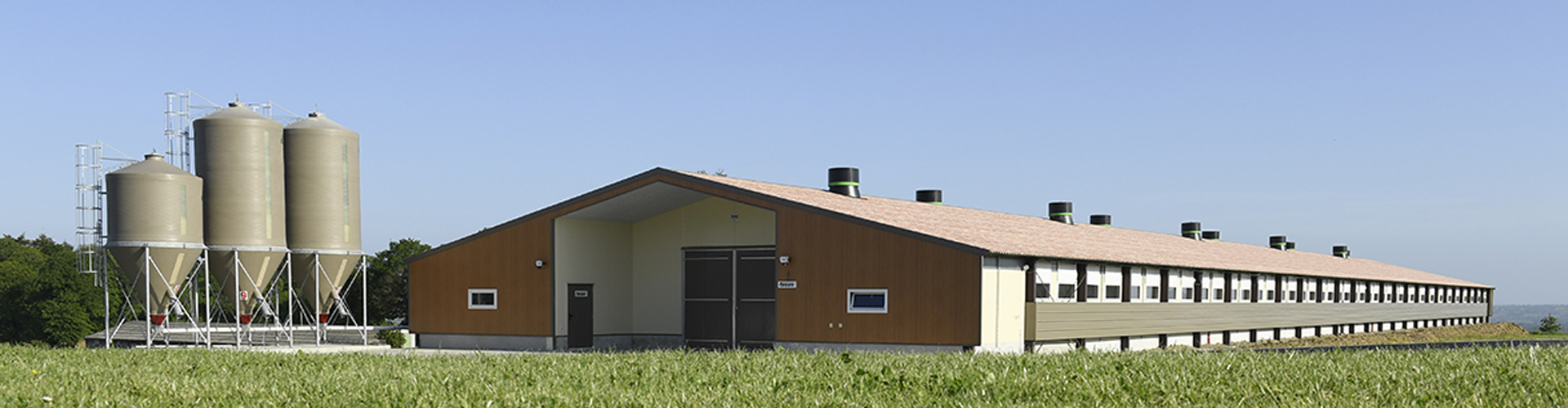
Blog
The A-type poultry cage system lifespan in commercial farms depends on material specifications, corrosion protection, climate conditions, and maintenance discipline in Ethiopian production environments.
Modern layer farms in Addis Ababa, Bishoftu, and Modjo are rapidly replacing floor systems with cage systems to improve egg safety, labor efficiency, and production stability.
Equipment durability becomes critical because imported poultry equipment must operate for many production cycles before reinvestment is required.
Selecting correct wire diameter, galvanization thickness, and structural frame parameters directly determines long-term return on investment for poultry farmers.
Get professional poultry farm construction guidance, equipment selection solutions, and the latest price lists, whatsApp to +8618830120193, click to learn more:

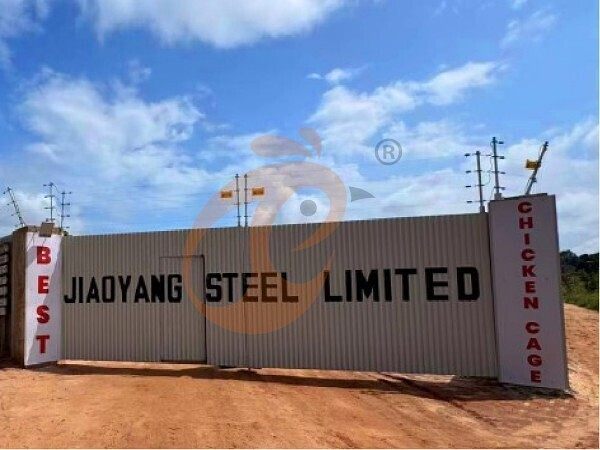
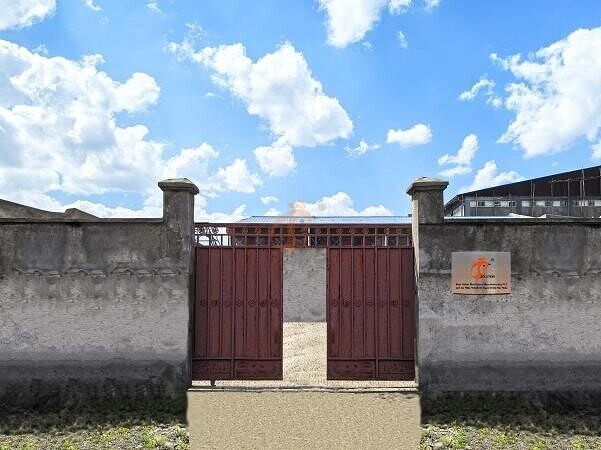
Ethiopia Branch Office And Factory Of Poultry Farm Equipment
How Long Does An A-Type Poultry Cage System Last In Ethiopia? 4 Durability Factors
The poultry landscape in Ethiopia is undergoing a massive transformation.
From the bustling markets of Addis Ababa to the specialized poultry hubs in Bishoftu (Debre Zeit) and Modjo, farmers are shifting away from traditional floor systems toward intensified battery cage systems.
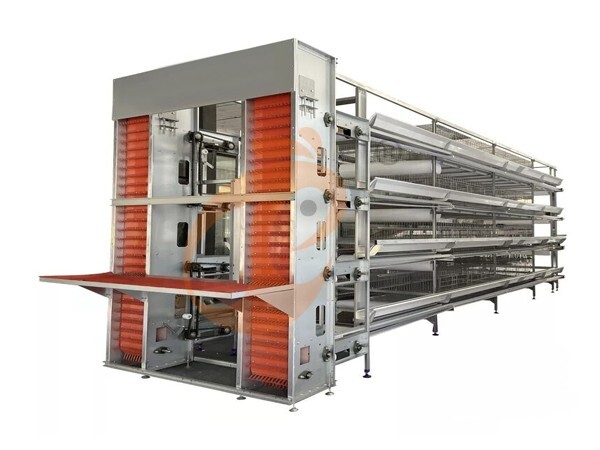
Among these, the A-type poultry cage system lifespan is widely recognized as optimal for medium-to-large layer farms because the structure balances ventilation performance and space efficiency.
But for an Ethiopian investor, the question is not only about immediate production capacity.
When poultry equipment is imported through Djibouti Port and transported across long distances into the Ethiopian highlands, farmers need to know whether the steel structure will operate reliably for five years or twenty years.
In the Ethiopian production environment, where spare parts logistics may require significant transport time and climate conditions vary from humid Rift Valley regions to dry highland zones, durability becomes a key determinant of long-term profitability.
This guide analyzes the four durability factors that determine the A-type poultry cage durability in Ethiopia and explains why proper technical specifications determine whether poultry infrastructure becomes a long-term asset or deteriorates prematurely.
Material Science: The War Against Corrosion
In Ethiopian poultry farms, the primary threat to steel equipment is ammonia gas generated from poultry manure combined with humidity in poultry houses.
A-type cages are designed so manure falls through the mesh floor toward the ground or a manure pit, but if the steel wire is not properly treated the acidic environment gradually damages the structure.
Hot-dip galvanization has become the preferred corrosion protection method for poultry cages used in Ethiopia.
Unlike electro-galvanization, which deposits a thin zinc layer, hot-dip galvanization immerses the steel structure into molten zinc at approximately 450°C.
The metallurgical bonding created by this process provides protective coverage even if surface scratches appear during long-term use.
Technical Comparison Of Steel Treatments
Data is for reference only.Swipe horizontally to view full table.
Regions such as Hawassa and Arba Minch experience humidity levels exceeding 70 percent for extended periods.
In these conditions, thicker galvanization layers above 450 g/m² significantly increase corrosion resistance and extend the A-type poultry cage durability for long-term layer production.
Structural Engineering: Carrying The Weight Of Ethiopian Ambition
An A-type cage supports multiple structural loads including bird weight, feeding troughs, nipple drinker systems, and manual egg collection operations.
In commercial farms where flock densities often exceed 10,000 layers per poultry house, structural strength becomes essential for maintaining equipment stability.
The A-frame structure distributes weight toward a wide base, reducing deformation risks.
However, wire diameter and support frame thickness determine whether the cage maintains correct slope angles throughout years of operation.
If mesh wires become too thin, metal fatigue may occur due to continuous bird movement and temperature expansion cycles.
A-Type Cage Structural Specifications
Data is for reference only.Swipe horizontally to view full table.
Maintaining bottom mesh diameter above 2.3 mm helps preserve the cage slope of 7°–8°, allowing eggs to roll smoothly to the collection trough while minimizing shell damage.
The Ethiopian Climate And Micro-Environment
Ethiopia's diverse geography creates different corrosion conditions for poultry equipment.
Regions such as the Rift Valley, highland plateau, and tropical western zones experience different humidity levels and temperature ranges throughout the year.
A-type cages are widely used because the open structure allows natural airflow between tiers without requiring complex mechanical ventilation systems.
This ventilation helps reduce ammonia accumulation inside poultry houses.
Corrosion Impact By Ethiopian Geographic Zone
Data is for reference only.Swipe horizontally to view full table.
In western Ethiopian regions such as Jimma or Gambela, ammonia condensation combined with humidity accelerates corrosion rates above 5 μm per year, which increases the importance of thick galvanization protection.
Maintenance And Management: The Human Factor
The long-term lifespan of an A-type cage also depends on operational management.
Routine manure removal and water system inspection directly influence ammonia concentration around cage floors.
In naturally ventilated poultry houses, manure accumulation longer than 48 hours increases ammonia exposure and accelerates corrosion on the bottom mesh.
Recommended Maintenance Schedule For Longevity
Data is for reference only.Swipe horizontally to view full table.
Regular maintenance significantly extends the operational life of poultry infrastructure.
The Economic Reality: Asset Depreciation In Ethiopian Birr
Investment in poultry equipment involves substantial capital expenditure measured in Ethiopian Birr (ETB) (European union standard currency conversion reference only).
High-quality cage systems may require larger initial budgets, but their longer service life reduces overall cost per egg over multiple production cycles.
20-Year Depreciation Model (Hypothetical 10,000 Bird Farm)
Data is for reference only.Swipe horizontally to view full table.
This comparison illustrates how a long-lasting cage system significantly reduces long-term infrastructure costs.
Why A-Type Cages Are The Best Fit For Ethiopia
A-type cages remain widely adopted across Ethiopian poultry farms due to structural simplicity and ventilation efficiency.
Repair operations can be performed locally using welding tools available in most regional towns.
Natural airflow improves bird comfort in high-altitude environments where oxygen levels are lower than at sea level.
Egg rolling angles remain stable when structural integrity is maintained, reducing breakage rates during egg collection.
Performance Metrics: A-Type Vs Traditional Systems In Ethiopia
Data is for reference only.Swipe horizontally to view full table.
Frequently Asked Questions
Q1: How long does an A-type poultry cage system last in Ethiopia?
A1: Under typical Ethiopian farming conditions, cages manufactured with hot-dip galvanization above 275 g/m² and wire diameters above 2.3 mm commonly operate for 15 to 25 years with proper maintenance.
Q2: What factors influence the durability of an A-type poultry cage system?
A2: Durability mainly depends on galvanization thickness, wire diameter, climate humidity levels, ammonia exposure, and the frequency of manure removal inside poultry houses.
Q3: Is an A-type cage system suitable for Ethiopian climate conditions?
A3: Yes.
The open structure supports natural airflow, reduces ammonia concentration, and performs effectively in regions with varying temperatures and humidity levels.
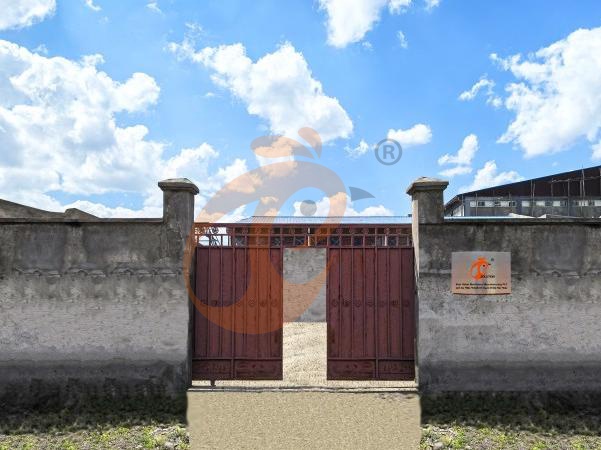
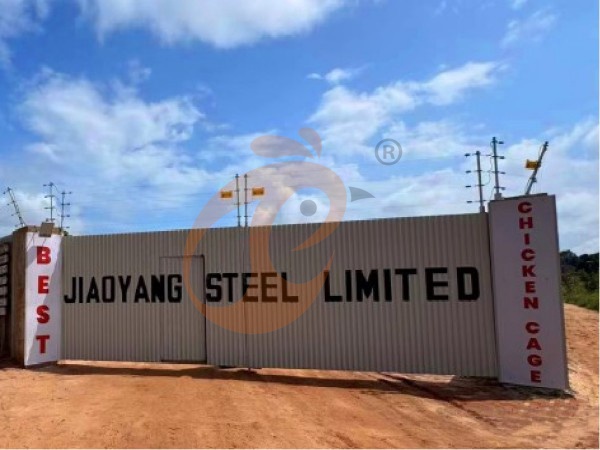
Ethiopia Best Hebei Machinery Manufacturing Plc - One Of Ethiopia Largest Poultry Cage Manufacturer
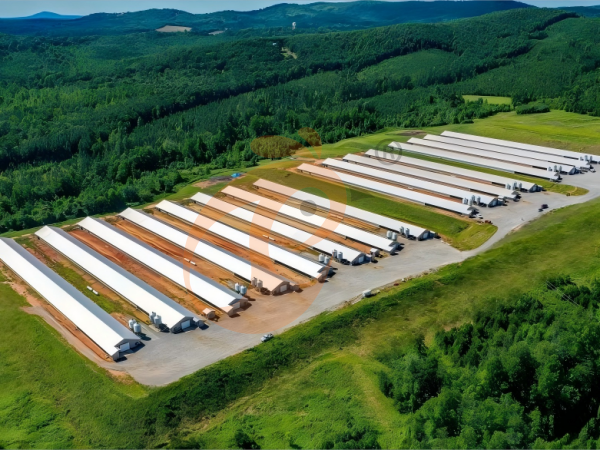
Global factory direct supply providing poultry farm equipment for commercial layer farms from 5,000 to 120,000 birds capacity.
Manufacturing of hot-dip galvanized poultry cage systems with zinc coating up to 450–500 g/m² and structural lifespan exceeding 20 years.
Complete poultry farm equipment including automatic feeding lines, nipple drinking systems, manure removal systems, and egg collection units.
Turn-key poultry farm engineering covering poultry house layout design, equipment installation, and farm commissioning.
Export experience supporting poultry infrastructure development across Africa with technical service, spare parts supply, and equipment training.
Contact Us To Received Your Customized Poultry Farm Plan
Headquarters And Branchs
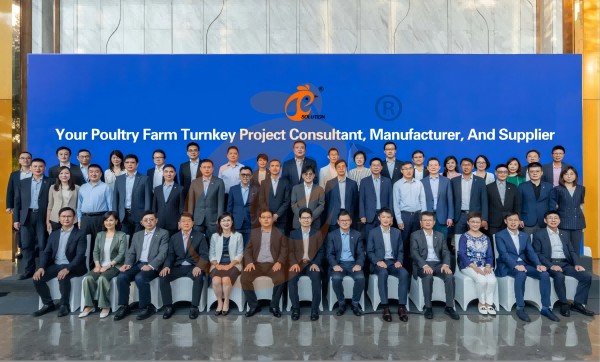
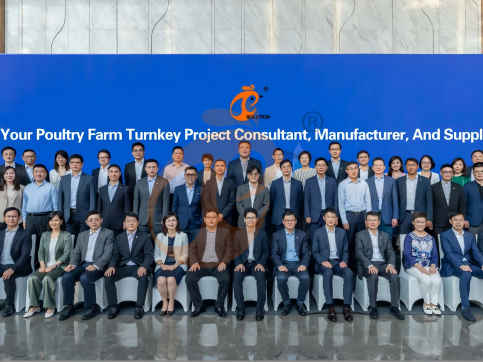
Hong Kong Headquarter Management Team
Hong Kong Headquarter Taiyu Industrial Group CO., LTD
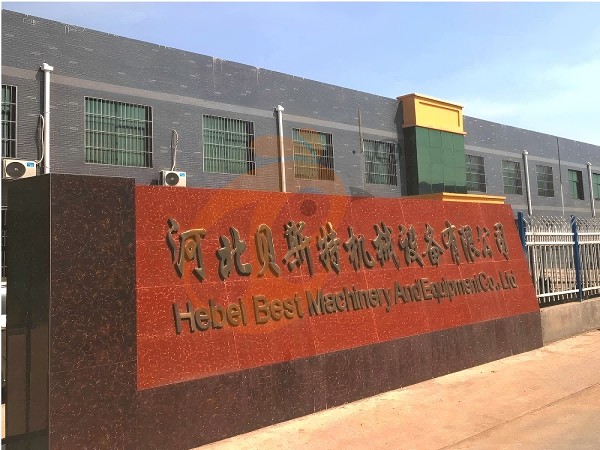
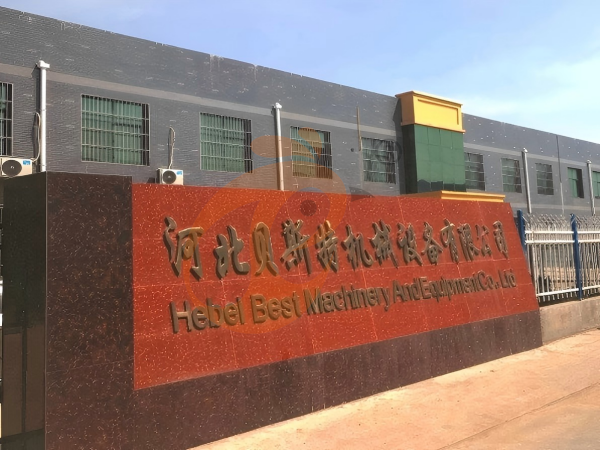
China Hebei Best Machinery And Equipment CO., LTD
Nigeria Vanke Machinery And Equipment CO., LTD
Tanzania Best Machinery And Equipment CO., LTD
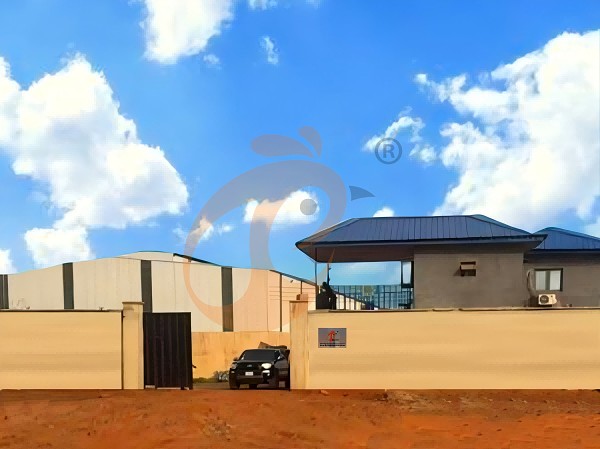
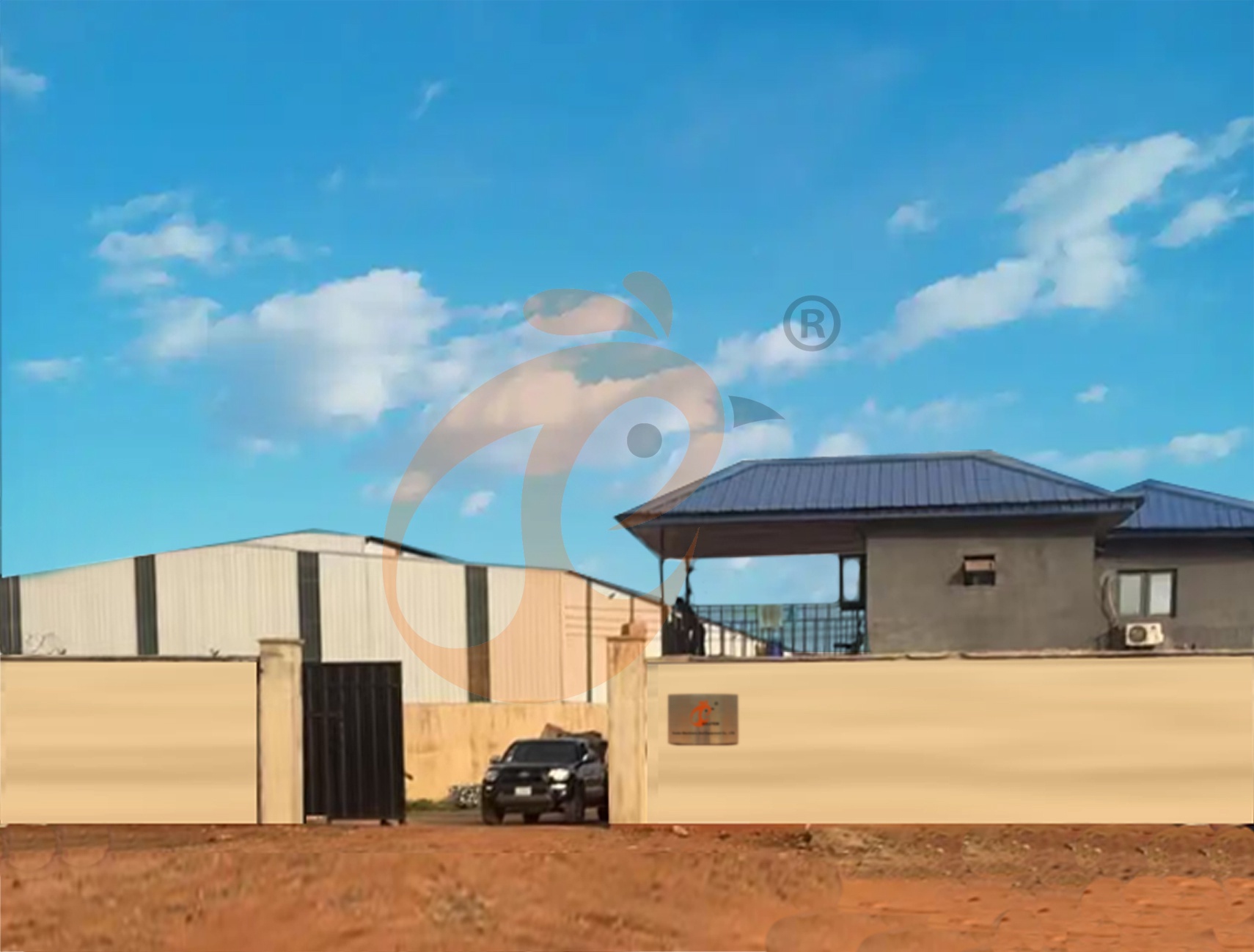
Ethiopia Best Hebei Machinery Manufacturing PLC
Reception /24 WhatsApp NO. : +8618830120193
- battery cage
- battery cage system
- poultry farmers
- poultry farm
- poultry farms
- poultry farmer
- poultry house
- poultry cage
- cage
- poultry farm equipment
- poultry farm construction
- poultry cage manufacturer
- poultry cage system
- poultry house layout
- poultry equipment
- manure removal system
- poultry cages
- chickencage
- bestchickencage
- cage system
- cage systems
- h cage
- Nigeria
- layer farm
- poultry cage systems
- cage manufacturer
- galvanized poultry cage
- poultry house layout design
- poultry farm plan
- modern layer farm
Message
Products recommended
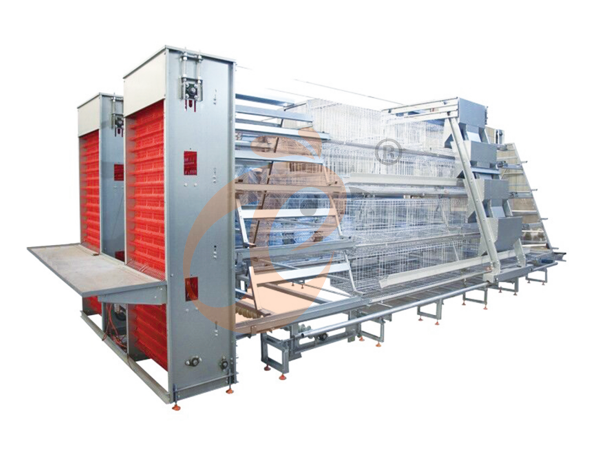
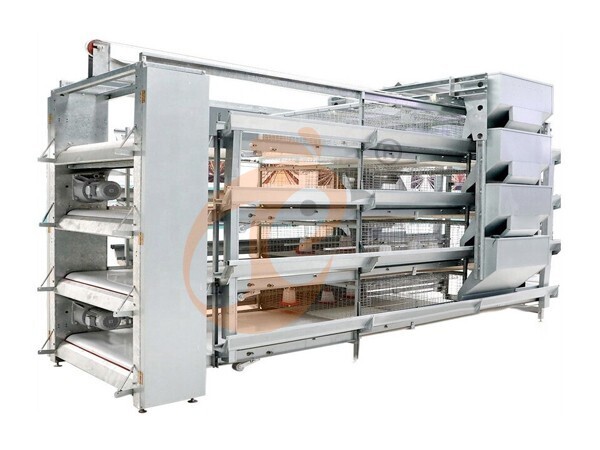
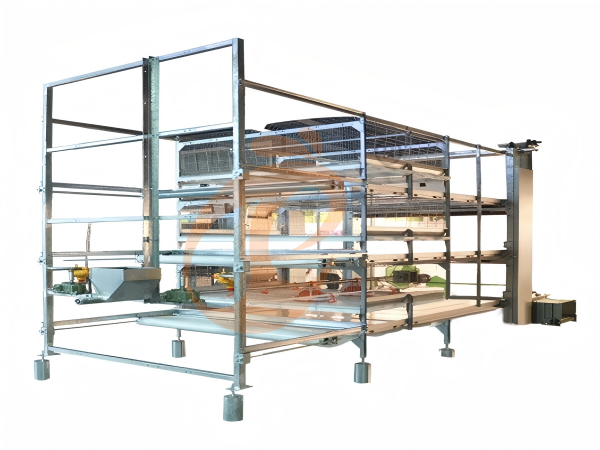
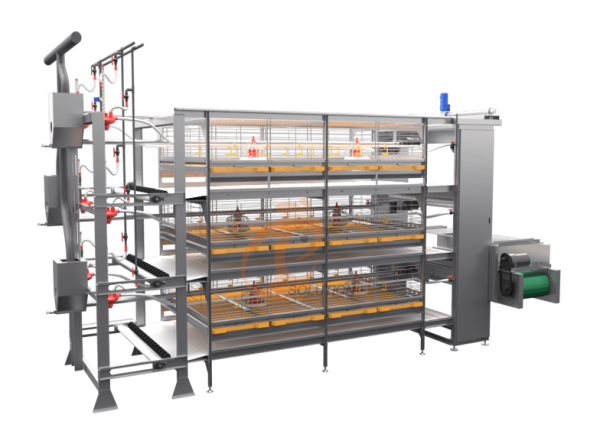
 >30,000 Pullets Automatic H Type Battery Cage1. More than 30,000 pullets a house, choose it.
2. It is designed to rearing older than 1 day old pullets to 12 to 16 weeks old chicken starting laying eggs.
3. Its lifespan is more than 25 years.
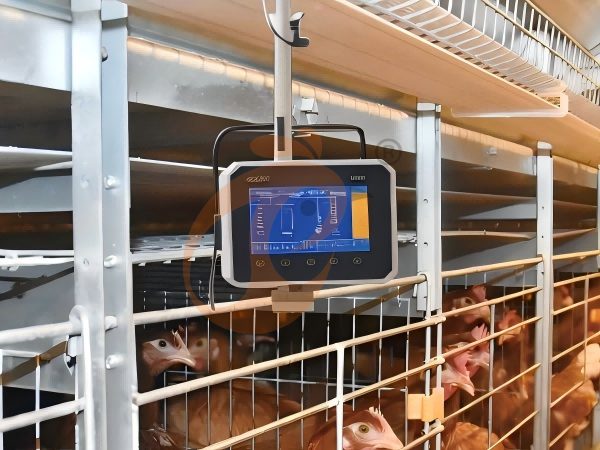
4. Its structure are Vcloud artificial intelligent fusion, electric control cabinet, automatic equipment of drinking, feeding, manure clean, manual harvesting.
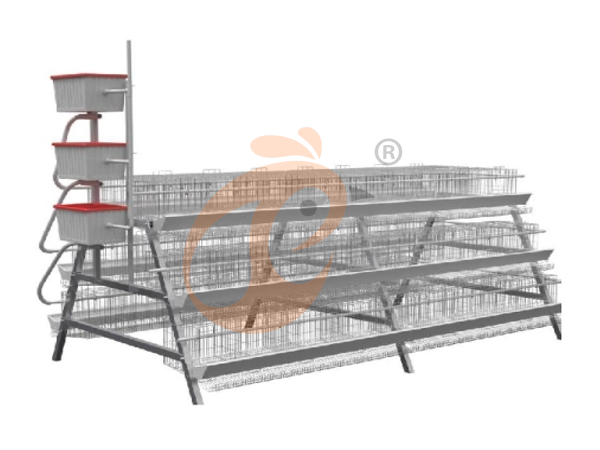
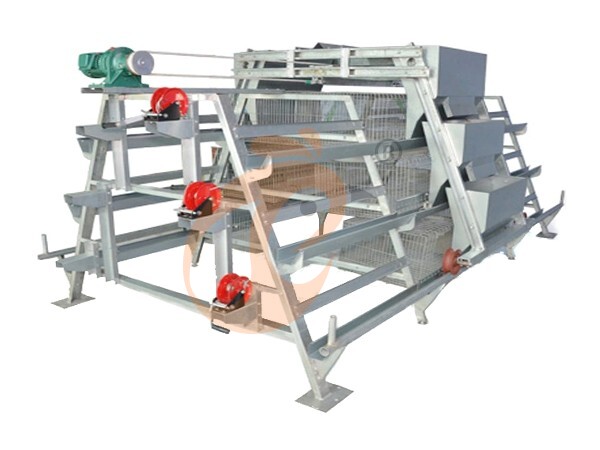
5. Our 24 hour online reception What’sApp NO. is +8618830120193 <30,000 Pullets Automatic A Type Battery Cage1. 10,000 to 30,000 pullets a house, choose it.
2. It is designed to rearing older than 1 day old pullets to 12 to 16 weeks old chicken starting laying eggs.
3. Its lifespan is more than 25 years.
4. Its structure are Vcloud artificial intelligent fusion, electric control cabinet, automatic equipment of drinking, feeding, manure clean, manual harvesting.
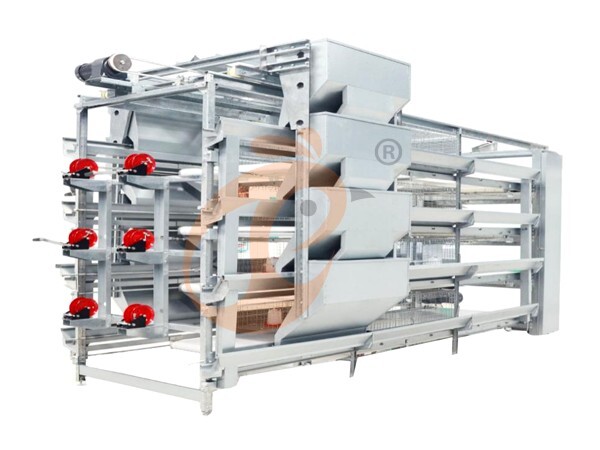
5. Our 24 hour online reception What’sApp NO. is +86 18830120193. >30,000 Broilers Semi-Automatic Harvest H Type Battery Cage1. More than 30,000 broilers a house, choose it.
2. It is designed to rearing 1 to 45 day old adult broiler ready for market.
3. Its lifespan is more than 20 years.
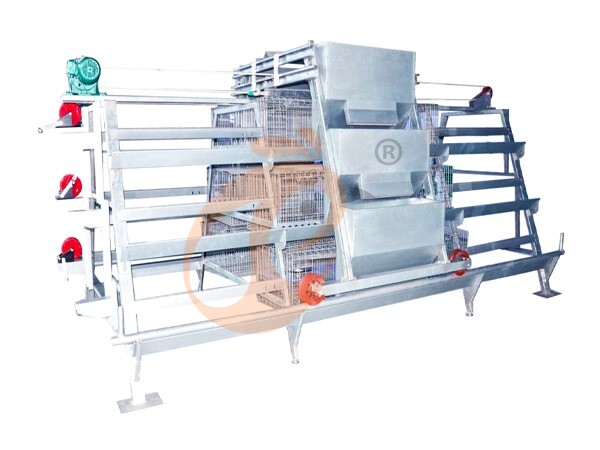
4. Our 24 hour online reception What’sApp NO. is +8618830120193, +234 8111199996. >30,000 Broilers Manual Harvest H Type Battery Cage1. More than 30,000 broilers a house, choose it.
2. It is designed to rearing 1 to 45 day old adult broiler ready for market.
3. Its lifespan is more than 20 years.
4. Its structure are Vcloud artificial intelligent fusion, electric control cabinet, automatic equipment of drinking, feeding and manure clean, manual harvesting.
5. Our 24 hour online reception What’sApp NO. is +8618830120193, +234 8111199996. <30,000 Broilers Manual Harvest A Type Battery Cage1. Less 30,000 broilers a house, choose it.
2. It is designed to rearing 1 to 45 day old adult broiler ready for market.
3. Its lifespan is more than 20 years.
4. Its structure are Vcloud artificial intelligent fusion, electric control cabinet, automatic equipment of drinking, feeding and manure clean, manual harvesting.
5. Our 24 hour online reception What’sApp NO. is +8618830120193, +234 8111199996. HK Headquarter Offers EU-standard Poultry Farm Solutions, Manufacture Poultry Farm Equipment1. Continuous communication with the EU and the US
2. China, Nigeria, Ethiopia, Tanzania branch companies and factories
3. The products’ quality is customized for local poultry farms
4. Poultry cage and poultry farm equipment stock for sale
5. 24 online reception Whatsapp NO. : +8618830120193,contact us to get full information China Branch Offer Poultry Farm Business Plan, Manufacture Poultry Farm Equipment1. Address: Flat/RM 2416, 24/F, Runxing Building, Youyi Nan Street, Shijiazhuang City, Hebei Province, China
2. Poultry cage and poultry farm equipment factory and stock for sale
3. Customized for local poultry farms
4. Quality and design are based on Euro
5. 24 online reception Whatsapp NO. : +8618830120193 Nigeria Branch Offer Poultry Farm Business Plan, Manufacture Poultry Farm Equipment1. Address: After Sinoma Office, 200 Meters Near Danco Filling Station, Lagos/Ibadan Expressway, Lagos State, Nigeria
2. Poultry cage and poultry farm equipment factory and stock for sale
3. Customized for Nigerian poultry farms
4. Quality and design are based on Euro
5. 24 online reception Whatsapp NO. : +8618830120193 Ethiopia Branch Offer Poultry Farm Business Plan, Manufacture Poultry Farm Equipment1. Address: WR93+FQ2, Addis Ababa, Ethiopia
2. Poultry cage and poultry farm equipment stock for sale
3. Customized for Ethiopian poultry farms
4. Quality and design are based on Euro
5. 24 online reception Whatsapp NO. : +8618830120193, contact us to get price list Tanzania Branch Offer Poultry Farm Business Plan, Manufacture Poultry Farm Equipment1. Address: No.8, Sova Road, Msufini, Mlandizi, Kibaha, Pwani, Tanzania
2. Poultry cage and poultry farm equipment factory and stock for sale
3. Customized for Tanzanian poultry farms
4. Quality and design are based on Euro
5. 24 online reception Whatsapp NO. : +8618830120193



Contact
By clicking 'Allow All', you agree to the storage of cookies on your device to enhance site navigation, analyze site usage and assist with our marketing efforts.