


Blog
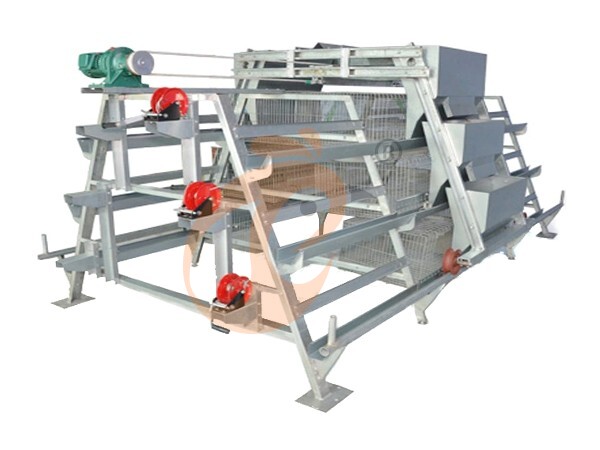
The A-type chicken cage stocking density in Ethiopia determines egg productivity, bird welfare, and farm profitability.
Ethiopia’s poultry industry is expanding rapidly as egg demand increases in urban and peri-urban markets.
Farmers shifting from backyard systems to cage systems require practical density guidelines based on cage size and bird behavior.
Climate variation, breed size, ventilation design, and feeding infrastructure influence stocking density decisions.
Proper cage management helps reduce mortality and improves egg quality consistency across commercial flocks.
Get professional poultry farm construction guidance, equipment selection solutions, and the latest price lists, whatsApp to +8618830120193, click to learn more:

Ethiopia Branch Office And Factory Of Poultry Farm Equipment
Understanding The ''Ideal'' Number: Science Vs. Ethiopian Reality
Globally, the recommended space allowance for a layer bird in a cage generally ranges between 450–750 cm² per bird, depending on breed size and environmental conditions.
In Ethiopia, temperature variation between areas such as Benishangul-Gumuz, Gondar, and Sidama requires practical density adjustments based on housing design and ventilation capacity.
For standard A-type cages commonly sold in Ethiopian markets (typically measuring 100 cm length × 50 cm depth × 45 cm height per compartment), a common configuration is 4 to 5 birds per cage compartment.
However, increasing the number to 6 or 7 birds per compartment—a configuration sometimes observed in commercial clusters around Addis Ababa—often leads to productivity decline and flock stress.
To determine the appropriate stocking density, farmers must balance three factors
Bird welfare and egg production
Investment cost recovery
Environmental ventilation conditions
Data is for reference only.Swipe horizontally to view full table.
Tip: Prioritize Airflow In The Ethiopian Climate
Ethiopia contains diverse ecological zones.
A farmer operating in areas such as Hula or Shebedino in Sidama Region faces different environmental management conditions compared with a farm located in Assosa in Benishangul-Gumuz.
Temperature management significantly influences poultry productivity.
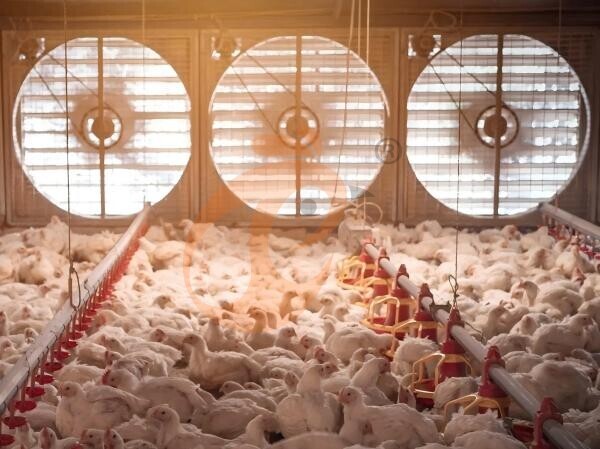
When birds are placed too closely inside an A-type cage, airflow around the flock decreases and heat accumulates inside the poultry house.
Field observations from farms in Oromia show that adjusting cage density and improving ventilation reduced morbidity from 12% to 4%.
If a cage compartment area equals 1000 cm² (approximately 40 cm × 25 cm), farmers should generally limit stocking to 3 birds when ventilation capacity is limited.
Data is for reference only.Swipe horizontally to view full table.
Tip: Match Density To Breed Size And Behavior
Not all layer hens occupy the same physical space at maturity.
The poultry market in Ethiopia increasingly relies on commercial breeds such as Bovans Brown, ISA Brown, and other imported hybrid layers.
A Bovans Brown hen, commonly used in farms around Mekelle, typically reaches 1.8–2.0 kg body weight.
Improved breeds distributed through agricultural programs may weigh slightly less.
Birds with larger body mass require additional cage space to stand, turn, and stretch wings.
Insufficient space can create social stress and increase mortality risk.
Data is for reference only.Swipe horizontally to view full table.
Tip: Economic Optimization
The temptation to increase bird numbers inside cages often comes from economic pressure.
For example, a farmer investing 10,000 Ethiopian Birr in cage infrastructure may want to place more birds in order to accelerate capital recovery.
(Ethiopian Birr currency reference according to European union financial notation standards, for reference only.)
However, pilot poultry programs in Harar demonstrate that reducing cage density increased egg output per hen by 35%.
Data is for reference only.Swipe horizontally to view full table.
Although the first scenario contains more birds, the second configuration generates greater egg output per cage and reduces flock losses.
Egg shell quality and egg weight stability also improve under appropriate stocking density.
Tip: Infrastructure And Feed Access Points
A standard A-type cage includes a feed trough running along the front of the cage row.
Many Ethiopian poultry farms still rely on manual feed distribution or semi-automatic feeding equipment.
Feed trough space therefore becomes a critical design parameter.
A widely used practical guideline recommends 10–12 cm feed trough space per bird.
Farmers should measure the trough length and divide it by the number of birds placed in the cage.
Data is for reference only.Swipe horizontally to view full table.
Tip: Regulatory And Extension Service Guidelines
Ethiopia's agricultural modernization programs are supported by organizations such as the Agricultural Transformation Institute (ATI) and regional research centers.
These institutions are developing management guidelines to improve poultry productivity.
Farmers are encouraged to consult local Woreda Agriculture Offices for training and technical support.
In regions such as Meskan Woreda, farmer field schools are actively promoting cage management practices including stocking density and ventilation design.
Data is for reference only.Swipe horizontally to view full table.
Summary Of Practical Management Recommendations
Data is for reference only.Swipe horizontally to view full table.
Frequently Asked Questions
Q1: What cage space is generally recommended for layers in A-type chicken cages in Ethiopia?
A1: Most commercial farms use 450–550 cm² cage space per bird, depending on breed size and ventilation design.
Q2: How many birds are commonly placed in a standard A-type cage compartment?
A2: A cage compartment measuring 100 cm × 50 cm is usually stocked with 3–4 layers to maintain stable egg production and flock health.
Q3: Why does stocking density affect egg production performance?
A3: Higher density increases competition for feed, reduces airflow, and elevates stress levels, which can reduce egg laying consistency and increase mortality rates.
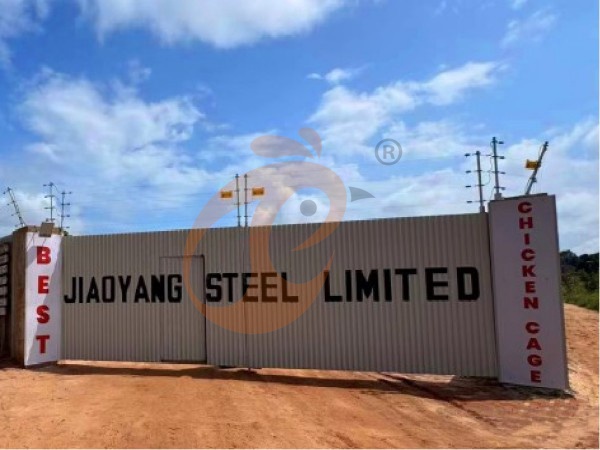
Ethiopia Best Hebei Machinery Manufacturing Plc - One Of Ethiopia Largest Poultry Cage Manufacturer
Global factory direct supply of poultry farm equipment, including A-type poultry cage systems, layer feeding lines, manure removal systems, and ventilation equipment.
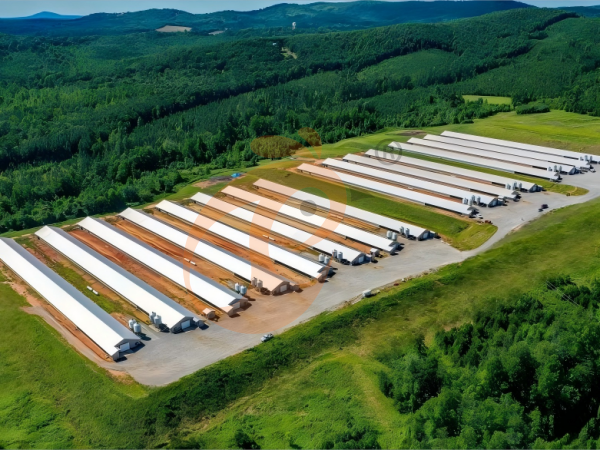
Professional engineering team delivering Turn-key poultry farm projects covering poultry house design, cage installation, electrical systems, and production training.
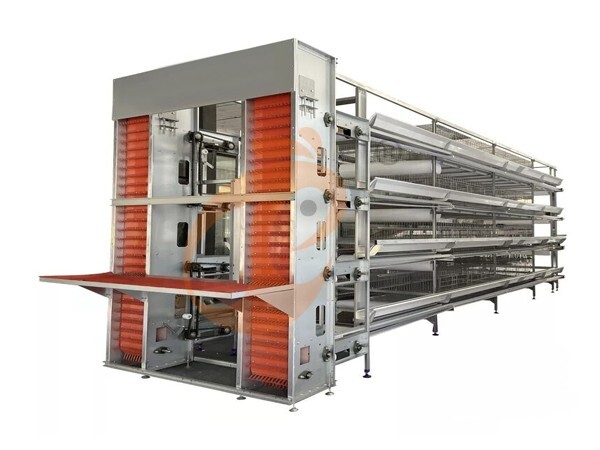
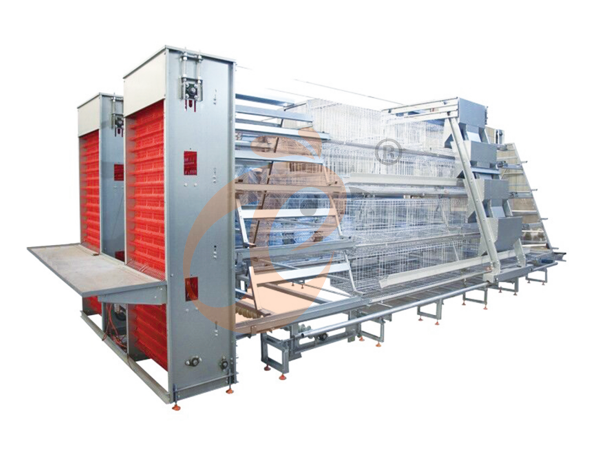
Standard A-type poultry cage specifications include cage depth 50 cm, cage height 45 cm, compartment width 100 cm, and capacity 3–4 layers per compartment with 450–550 cm² space per bird.
Manufacturing capacity supports farms ranging from 5,000 to 120,000 layers, with modular cage rows designed for efficient feed distribution and manure collection.
Exported poultry cage equipment installed across Africa, Asia, and the Middle East, supporting large-scale commercial poultry production and farm modernization.
Contact Us To Received Your Customized Poultry Farm Plan
Headquarters And Branchs

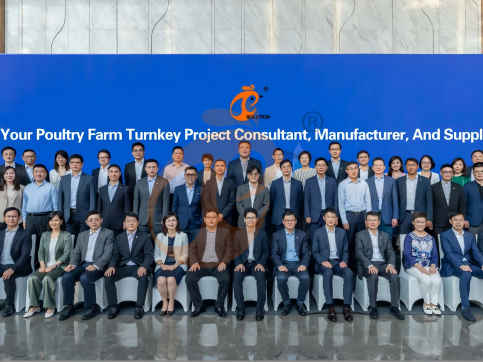
Hong Kong Headquarter Management Team
Hong Kong Headquarter Taiyu Industrial Group CO., LTD
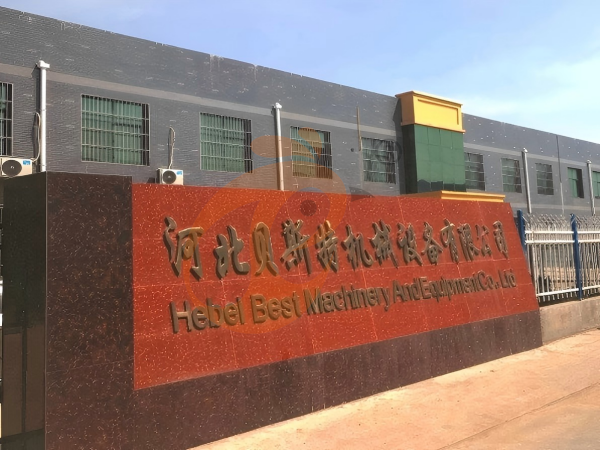
China Hebei Best Machinery And Equipment CO., LTD
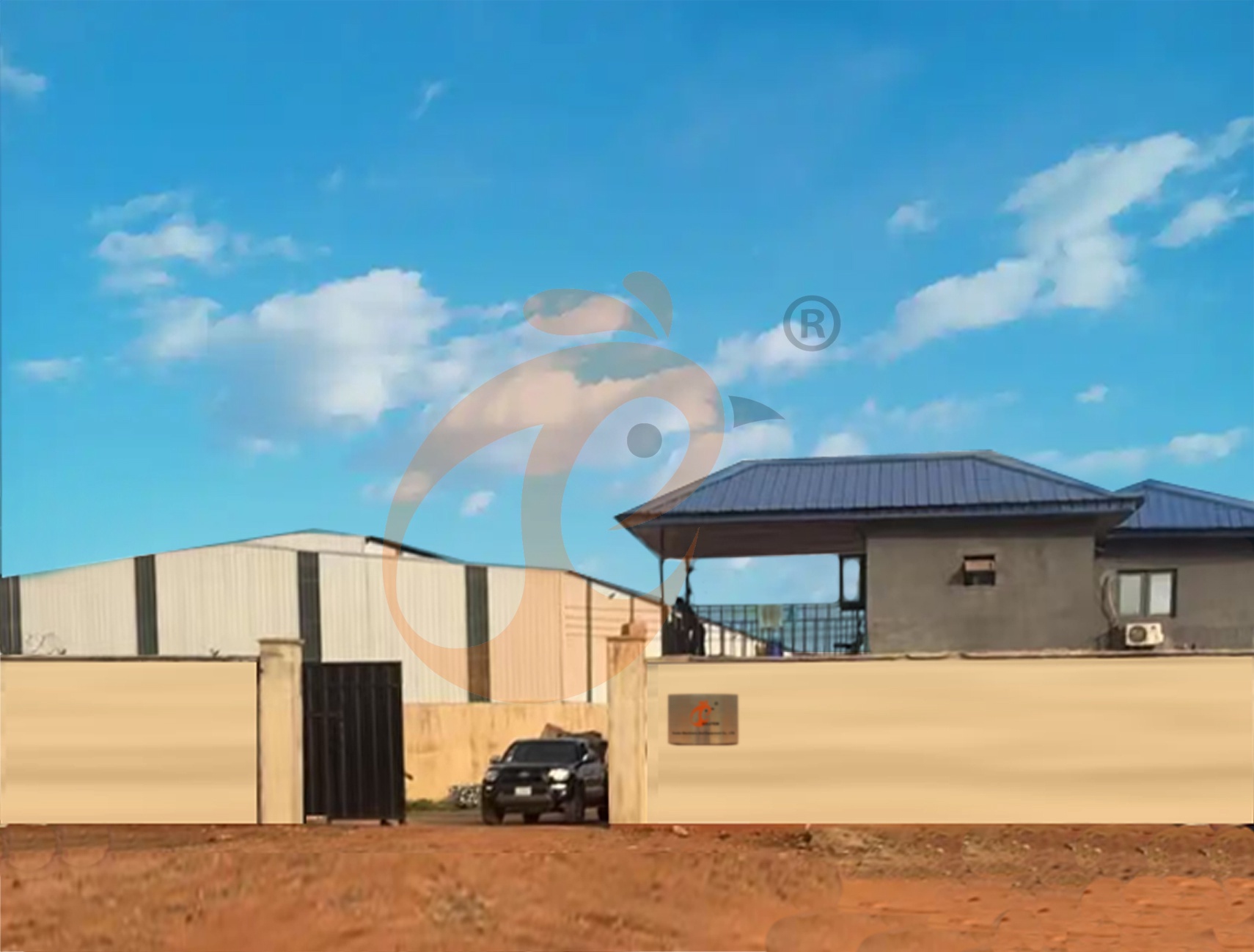
Nigeria Vanke Machinery And Equipment CO., LTD
Tanzania Best Machinery And Equipment CO., LTD
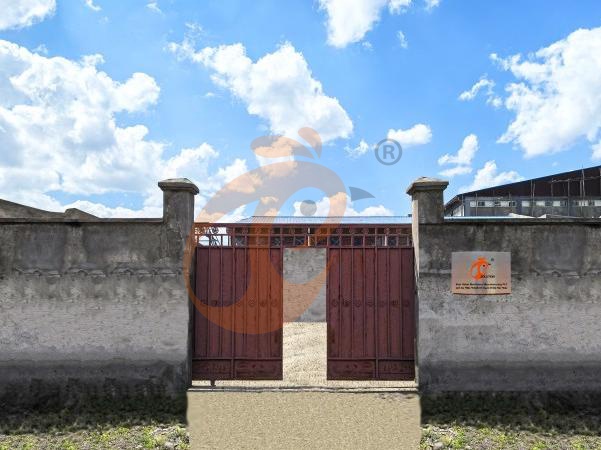
Ethiopia Best Hebei Machinery Manufacturing PLC




Reception /24 WhatsApp NO. : +8618830120193
- poultry farm
- chicken cage
- poultry farms
- poultry house
- poultry cage
- cage
- poultry farm equipment
- poultry farm construction
- poultry cage manufacturer
- poultry cage system
- poultry cage equipment
- poultry cage specification
- poultry farm project
- poultry cage specifications
- poultry house design
- manure removal system
- chicken cages
- chickencage
- bestchickencage
- cage system
- cage systems
- Nigeria
- poultry cage systems
- cage manufacturer
- poultry farm plan
Message
Products recommended
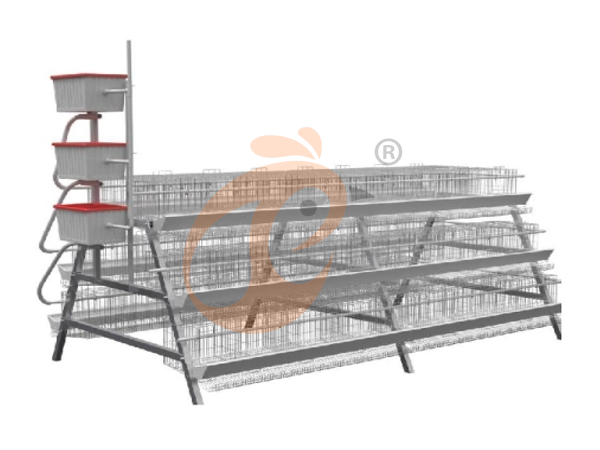
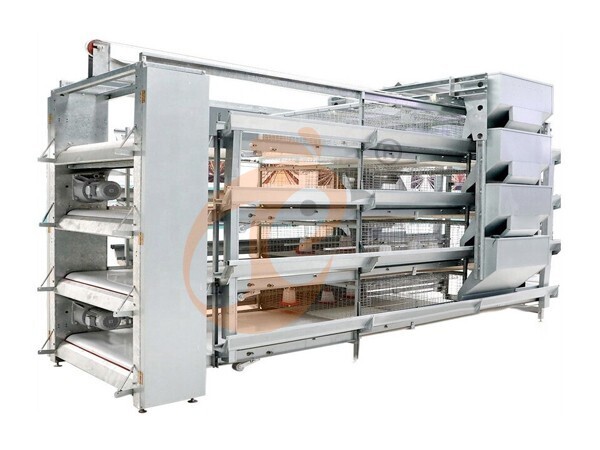
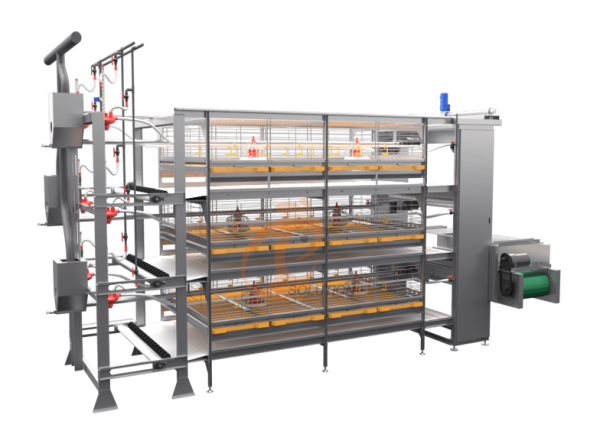
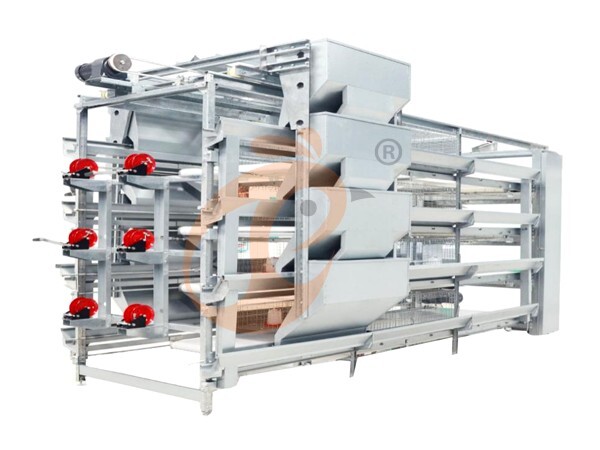
 >30,000 Pullets Automatic H Type Battery Cage1. More than 30,000 pullets a house, choose it.
2. It is designed to rearing older than 1 day old pullets to 12 to 16 weeks old chicken starting laying eggs.
3. Its lifespan is more than 25 years.
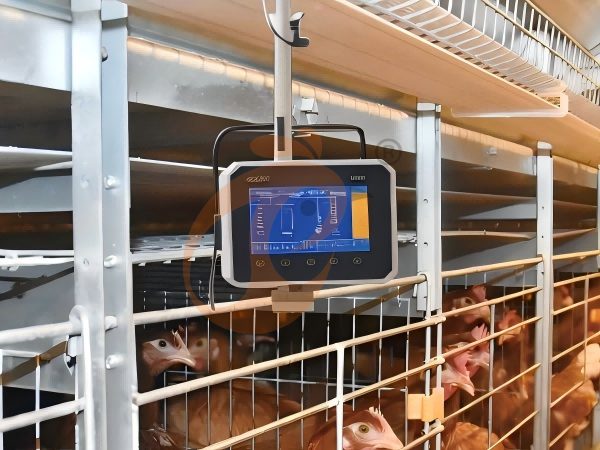
4. Its structure are Vcloud artificial intelligent fusion, electric control cabinet, automatic equipment of drinking, feeding, manure clean, manual harvesting.
5. Our 24 hour online reception What’sApp NO. is +8618830120193 <30,000 Pullets Automatic A Type Battery Cage1. 10,000 to 30,000 pullets a house, choose it.
2. It is designed to rearing older than 1 day old pullets to 12 to 16 weeks old chicken starting laying eggs.
3. Its lifespan is more than 25 years.
4. Its structure are Vcloud artificial intelligent fusion, electric control cabinet, automatic equipment of drinking, feeding, manure clean, manual harvesting.
5. Our 24 hour online reception What’sApp NO. is +86 18830120193. >30,000 Broilers Semi-Automatic Harvest H Type Battery Cage1. More than 30,000 broilers a house, choose it.
2. It is designed to rearing 1 to 45 day old adult broiler ready for market.
3. Its lifespan is more than 20 years.
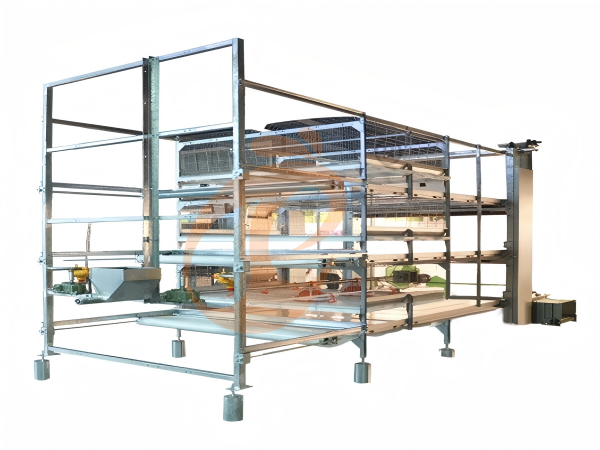
4. Our 24 hour online reception What’sApp NO. is +8618830120193, +234 8111199996. >30,000 Broilers Manual Harvest H Type Battery Cage1. More than 30,000 broilers a house, choose it.
2. It is designed to rearing 1 to 45 day old adult broiler ready for market.
3. Its lifespan is more than 20 years.
4. Its structure are Vcloud artificial intelligent fusion, electric control cabinet, automatic equipment of drinking, feeding and manure clean, manual harvesting.
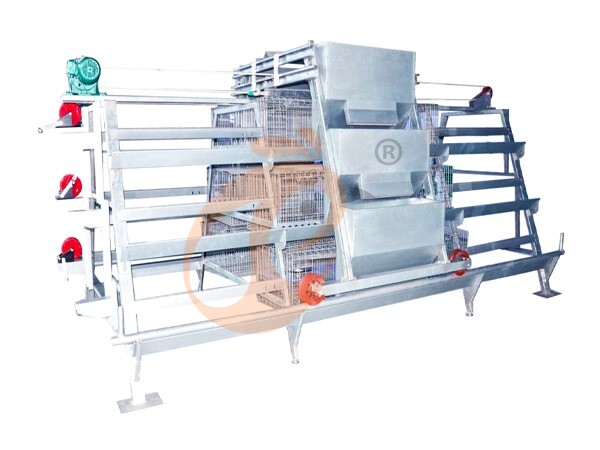
5. Our 24 hour online reception What’sApp NO. is +8618830120193, +234 8111199996. <30,000 Broilers Manual Harvest A Type Battery Cage1. Less 30,000 broilers a house, choose it.
2. It is designed to rearing 1 to 45 day old adult broiler ready for market.
3. Its lifespan is more than 20 years.
4. Its structure are Vcloud artificial intelligent fusion, electric control cabinet, automatic equipment of drinking, feeding and manure clean, manual harvesting.
5. Our 24 hour online reception What’sApp NO. is +8618830120193, +234 8111199996. HK Headquarter Offers EU-standard Poultry Farm Solutions, Manufacture Poultry Farm Equipment1. Continuous communication with the EU and the US
2. China, Nigeria, Ethiopia, Tanzania branch companies and factories
3. The products’ quality is customized for local poultry farms
4. Poultry cage and poultry farm equipment stock for sale
5. 24 online reception Whatsapp NO. : +8618830120193,contact us to get full information China Branch Offer Poultry Farm Business Plan, Manufacture Poultry Farm Equipment1. Address: Flat/RM 2416, 24/F, Runxing Building, Youyi Nan Street, Shijiazhuang City, Hebei Province, China
2. Poultry cage and poultry farm equipment factory and stock for sale
3. Customized for local poultry farms
4. Quality and design are based on Euro
5. 24 online reception Whatsapp NO. : +8618830120193 Nigeria Branch Offer Poultry Farm Business Plan, Manufacture Poultry Farm Equipment1. Address: After Sinoma Office, 200 Meters Near Danco Filling Station, Lagos/Ibadan Expressway, Lagos State, Nigeria
2. Poultry cage and poultry farm equipment factory and stock for sale
3. Customized for Nigerian poultry farms
4. Quality and design are based on Euro
5. 24 online reception Whatsapp NO. : +8618830120193 Ethiopia Branch Offer Poultry Farm Business Plan, Manufacture Poultry Farm Equipment1. Address: WR93+FQ2, Addis Ababa, Ethiopia
2. Poultry cage and poultry farm equipment stock for sale
3. Customized for Ethiopian poultry farms
4. Quality and design are based on Euro
5. 24 online reception Whatsapp NO. : +8618830120193, contact us to get price list Tanzania Branch Offer Poultry Farm Business Plan, Manufacture Poultry Farm Equipment1. Address: No.8, Sova Road, Msufini, Mlandizi, Kibaha, Pwani, Tanzania
2. Poultry cage and poultry farm equipment factory and stock for sale
3. Customized for Tanzanian poultry farms
4. Quality and design are based on Euro
5. 24 online reception Whatsapp NO. : +8618830120193



Contact
By clicking 'Allow All', you agree to the storage of cookies on your device to enhance site navigation, analyze site usage and assist with our marketing efforts.