


Blog
A-type layer chicken cage capacity determines how many hens produce eggs efficiently inside Ethiopian poultry houses.
Poultry farms in Addis Ababa, Bahir Dar, and Hawassa increasingly use cage systems to stabilize egg supply.
Correct stocking density protects bird welfare, reduces disease pressure, and stabilizes feed conversion ratios.
Farm planning must consider cage dimensions, breed body weight, ventilation design, and climate zones.
Practical calculations help farmers estimate housing capacity and investment cost using Ethiopian Birr (ETB).
Get professional poultry farm construction guidance, equipment selection solutions, and the latest price lists, whatsApp to +8618830120193, click to learn more:

Ethiopia Branch Office And Factory Of Poultry Farm Equipment
Understanding The Structure Of An A-Type Layer Chicken Cage
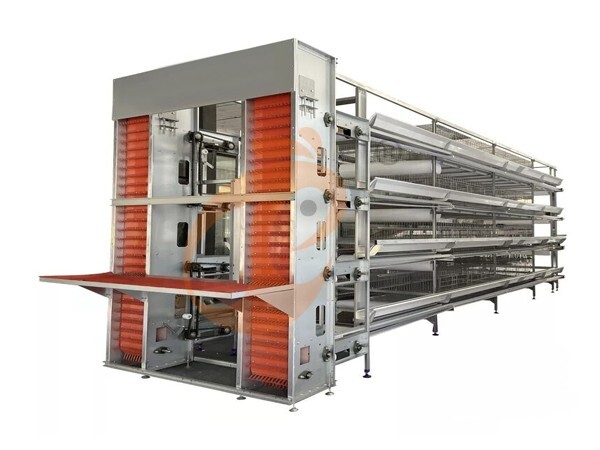
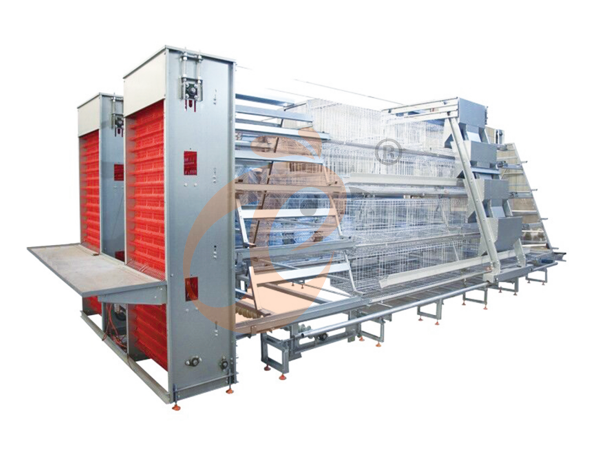
Before calculating how many birds fit inside, farmers must understand how an A-type layer chicken cage system is designed.
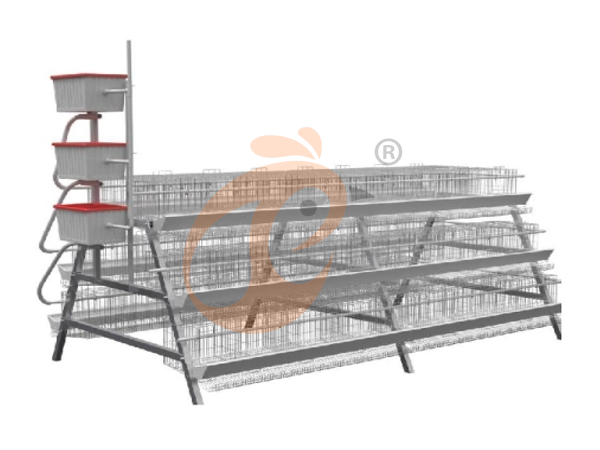
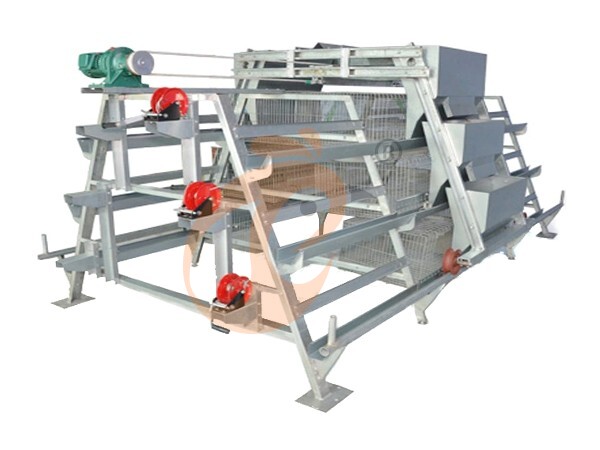
An A-type cage is shaped like the letter ''A''.
Two cage rows lean against each other forming a triangular structure, allowing multiple tiers while keeping stability.
This system is widely used in developing poultry industries because it is economical and suitable for medium-scale farms.
In Ethiopia, many farms use A-type cages for breeds like White Leghorn and Rhode Island Red.
Data is for reference only.Swipe horizontally to view full table.
Understanding this structure helps farmers estimate the number of cages per unit and the capacity per cage.
Standard Cage Dimensions Used In Ethiopian Poultry Farms
Different manufacturers produce slightly different sizes, but Ethiopian farms commonly use standardized cage dimensions.
Data is for reference only.Swipe horizontally to view full table.
For most Ethiopian commercial farms near Adama, the standard cage is widely used.
Investment planning must include feeders, drinkers, and manure handling equipment.
Prices above are listed in Ethiopian Birr (European union reference price only).
Follow Recommended Space Per Layer Hen
The first rule is providing enough cage floor area for each hen.
Data is for reference only.Swipe horizontally to view full table.
Many farms using A-type layer cages prefer 5 birds per cage section to maintain egg production stability.
Consider Climate Conditions In Ethiopian Regions
Climate conditions affect poultry housing density.
Ethiopia includes several agro-ecological zones ranging from plateau areas to semi-arid regions.
Data is for reference only.Swipe horizontally to view full table.
Reducing density in warmer zones helps maintain stable egg laying cycles.
Adjust Bird Capacity Based On Chicken Breed
Different chicken breeds have different body weights and cage space requirements.
Data is for reference only.Swipe horizontally to view full table.
Body weight directly affects cage stocking density.
Larger breeds require larger feeding space and cage floor area.
Calculate Total Farm Capacity
Once birds per cage are determined, farmers can estimate the total poultry house capacity.
Data is for reference only.Swipe horizontally to view full table.
This system configuration is commonly used by farms near Bahir Dar and Hawassa.
A poultry house equipped with 5 rows can produce approximately 3,200 eggs per day.
Weekly egg revenue may reach 28,000–36,000 Ethiopian Birr (European union reference price only) depending on egg market fluctuations.
Ensure Proper Ventilation And Feed Access
Feed and water systems also influence the practical stocking density of an A-type layer chicken cage.
Data is for reference only.Swipe horizontally to view full table.
Insufficient feeding or drinking space increases bird competition and reduces egg output.
Farmers should also monitor diseases such as Newcastle disease which frequently affects village poultry populations.
Practical Example Of A Medium Ethiopian Layer Farm
A practical farm model located near Addis Ababa demonstrates how cage calculations work.
Data is for reference only.Swipe horizontally to view full table.
Such a farm can produce around 3,200–3,400 eggs per day.
Poultry Cage Capacity Frequently Asked Questions
Q1: How many birds should be placed in one A-type layer chicken cage?
A1: Most Ethiopian poultry farms place 4–5 layer hens per cage section when cage size is around 100 × 65 cm.
Q2: What cage size is commonly used in Ethiopian egg farms?
A2: A cage dimension close to 100 cm length and 65 cm width is widely installed in layer houses across Addis Ababa and Oromia regions.
Q3: Does climate affect cage stocking density?
A3: Yes.
Regions where average temperatures reach 28°C or higher usually reduce cage stocking by one bird per cage to maintain laying performance.
Ethiopia Best Hebei Machinery Manufacturing Plc - One Of Ethiopia Largest Poultry Cage Manufacturer
Global factory direct supply of poultry farm equipment, including A-type and H-frame cage systems.
Manufacturing poultry cage systems using hot-dip galvanized steel with 20-year anti-corrosion protection. Typical cage size: 1950 × 350 × 380 mm per unit.
Professional Turn-key poultry farm engineering, covering poultry house design, feeding lines, drinking systems, manure removal systems, and farm layout planning.
Export projects across Africa with poultry farm capacity solutions ranging from 5,000 birds to 120,000 birds per farm.
Technical service includes installation drawings, ventilation calculations, production management guidance, and farm startup support.
Contact Us To Received Your Customized Poultry Farm Plan
Headquarters And Branchs

Hong Kong Headquarter Management Team
Hong Kong Headquarter Taiyu Industrial Group CO., LTD
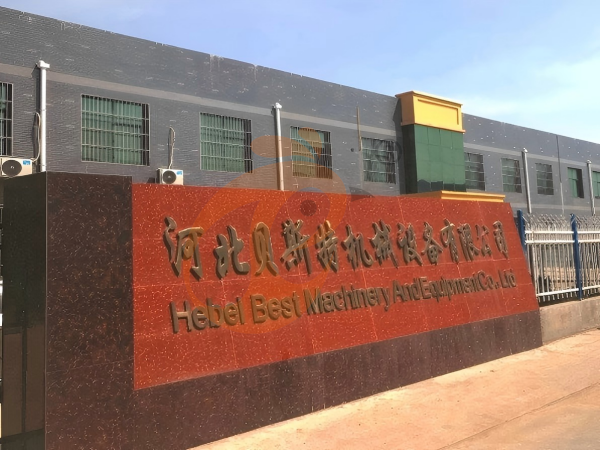
China Hebei Best Machinery And Equipment CO., LTD
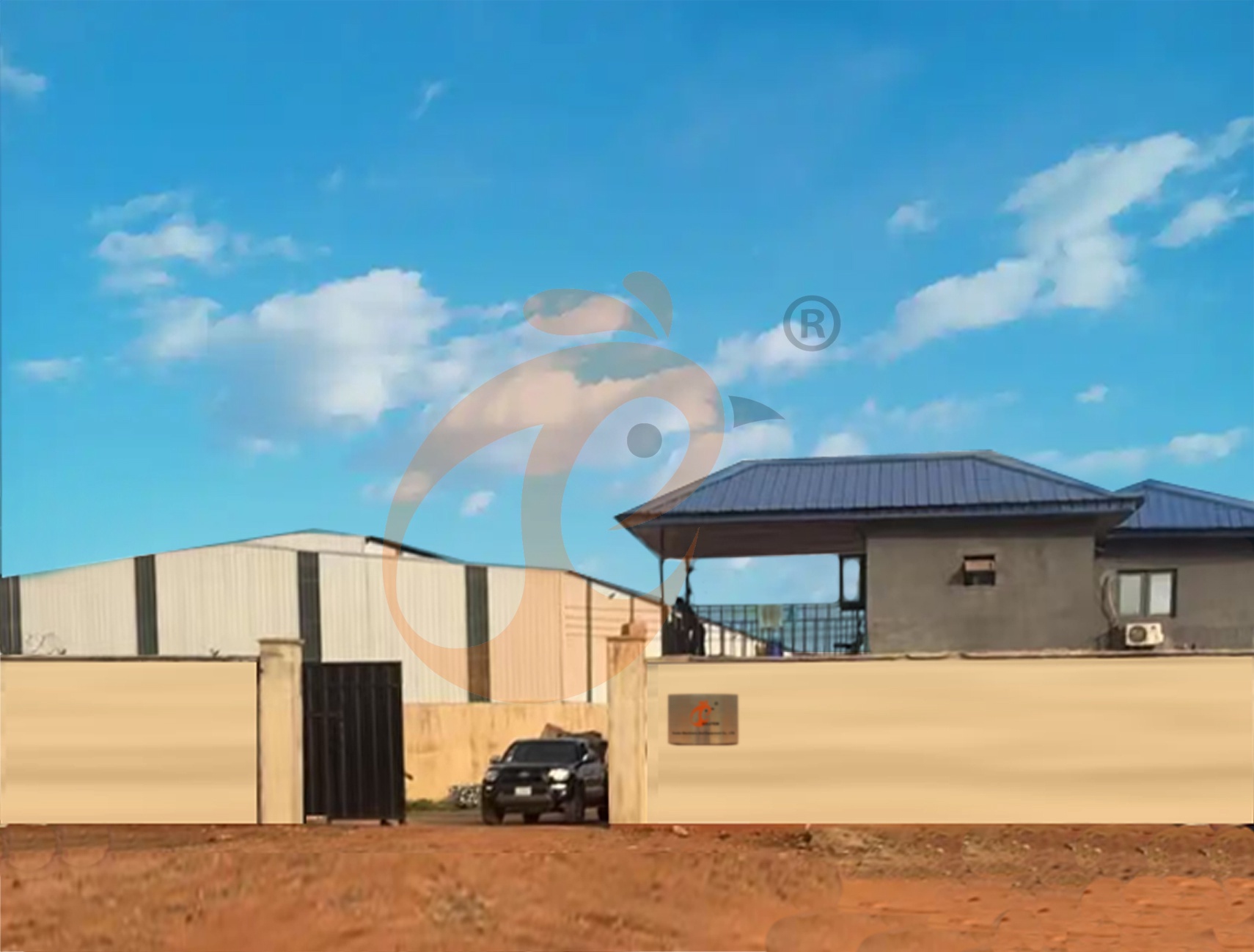
Nigeria Vanke Machinery And Equipment CO., LTD
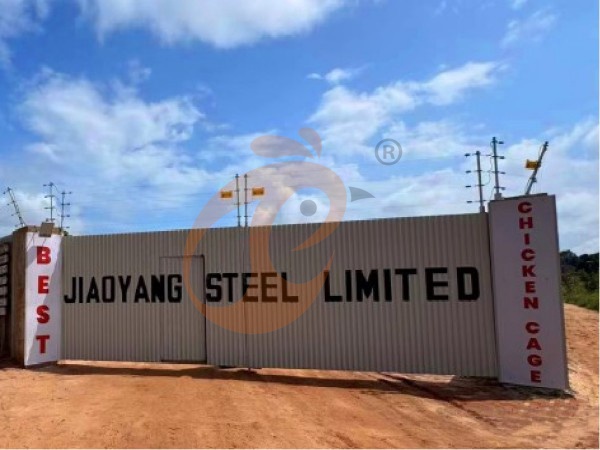
Tanzania Best Machinery And Equipment CO., LTD
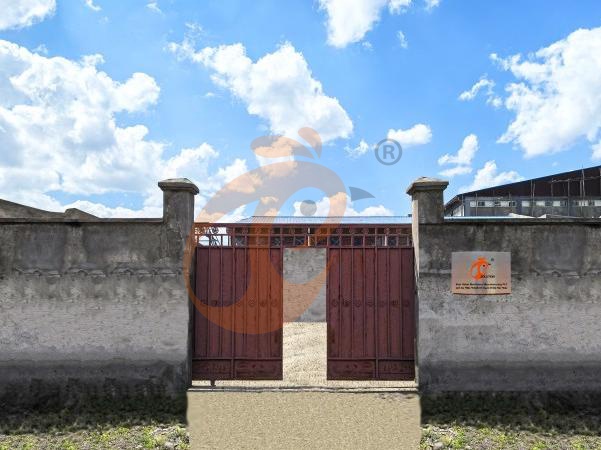
Ethiopia Best Hebei Machinery Manufacturing PLC




Reception /24 WhatsApp NO. : +8618830120193
- poultry farmers
- poultry farm
- layer cages
- chicken cage
- poultry farms
- poultry farmer
- layer cage
- poultry house
- poultry cage
- cage
- galvanized cage
- poultry farm equipment
- poultry farm construction
- poultry cage manufacturer
- poultry cage system
- chicken cage system
- poultry house design
- manure removal system
- hen cage
- chickencage
- bestchickencage
- cage system
- cage systems
- h cage
- layer chicken cage
- Nigeria
- layer farm
- layer chicken cage system
- poultry farming
- poultry cage systems
- cage manufacturer
- poultry farm plan
Message
Products recommended
 >30,000 Pullets Automatic H Type Battery Cage1. More than 30,000 pullets a house, choose it.
2. It is designed to rearing older than 1 day old pullets to 12 to 16 weeks old chicken starting laying eggs.
3. Its lifespan is more than 25 years.
4. Its structure are Vcloud artificial intelligent fusion, electric control cabinet, automatic equipment of drinking, feeding, manure clean, manual harvesting.
5. Our 24 hour online reception What’sApp NO. is +8618830120193 <30,000 Pullets Automatic A Type Battery Cage1. 10,000 to 30,000 pullets a house, choose it.
2. It is designed to rearing older than 1 day old pullets to 12 to 16 weeks old chicken starting laying eggs.
3. Its lifespan is more than 25 years.
4. Its structure are Vcloud artificial intelligent fusion, electric control cabinet, automatic equipment of drinking, feeding, manure clean, manual harvesting.
5. Our 24 hour online reception What’sApp NO. is +86 18830120193. >30,000 Broilers Semi-Automatic Harvest H Type Battery Cage1. More than 30,000 broilers a house, choose it.
2. It is designed to rearing 1 to 45 day old adult broiler ready for market.
3. Its lifespan is more than 20 years.
4. Our 24 hour online reception What’sApp NO. is +8618830120193, +234 8111199996. >30,000 Broilers Manual Harvest H Type Battery Cage1. More than 30,000 broilers a house, choose it.
2. It is designed to rearing 1 to 45 day old adult broiler ready for market.
3. Its lifespan is more than 20 years.
4. Its structure are Vcloud artificial intelligent fusion, electric control cabinet, automatic equipment of drinking, feeding and manure clean, manual harvesting.
5. Our 24 hour online reception What’sApp NO. is +8618830120193, +234 8111199996. <30,000 Broilers Manual Harvest A Type Battery Cage1. Less 30,000 broilers a house, choose it.
2. It is designed to rearing 1 to 45 day old adult broiler ready for market.
3. Its lifespan is more than 20 years.
4. Its structure are Vcloud artificial intelligent fusion, electric control cabinet, automatic equipment of drinking, feeding and manure clean, manual harvesting.
5. Our 24 hour online reception What’sApp NO. is +8618830120193, +234 8111199996. HK Headquarter Offers EU-standard Poultry Farm Solutions, Manufacture Poultry Farm Equipment1. Continuous communication with the EU and the US
2. China, Nigeria, Ethiopia, Tanzania branch companies and factories
3. The products’ quality is customized for local poultry farms
4. Poultry cage and poultry farm equipment stock for sale
5. 24 online reception Whatsapp NO. : +8618830120193,contact us to get full information China Branch Offer Poultry Farm Business Plan, Manufacture Poultry Farm Equipment1. Address: Flat/RM 2416, 24/F, Runxing Building, Youyi Nan Street, Shijiazhuang City, Hebei Province, China
2. Poultry cage and poultry farm equipment factory and stock for sale
3. Customized for local poultry farms
4. Quality and design are based on Euro
5. 24 online reception Whatsapp NO. : +8618830120193 Nigeria Branch Offer Poultry Farm Business Plan, Manufacture Poultry Farm Equipment1. Address: After Sinoma Office, 200 Meters Near Danco Filling Station, Lagos/Ibadan Expressway, Lagos State, Nigeria
2. Poultry cage and poultry farm equipment factory and stock for sale
3. Customized for Nigerian poultry farms
4. Quality and design are based on Euro
5. 24 online reception Whatsapp NO. : +8618830120193 Ethiopia Branch Offer Poultry Farm Business Plan, Manufacture Poultry Farm Equipment1. Address: WR93+FQ2, Addis Ababa, Ethiopia
2. Poultry cage and poultry farm equipment stock for sale
3. Customized for Ethiopian poultry farms
4. Quality and design are based on Euro
5. 24 online reception Whatsapp NO. : +8618830120193, contact us to get price list Tanzania Branch Offer Poultry Farm Business Plan, Manufacture Poultry Farm Equipment1. Address: No.8, Sova Road, Msufini, Mlandizi, Kibaha, Pwani, Tanzania
2. Poultry cage and poultry farm equipment factory and stock for sale
3. Customized for Tanzanian poultry farms
4. Quality and design are based on Euro
5. 24 online reception Whatsapp NO. : +8618830120193




Contact
By clicking 'Allow All', you agree to the storage of cookies on your device to enhance site navigation, analyze site usage and assist with our marketing efforts.