


Blog
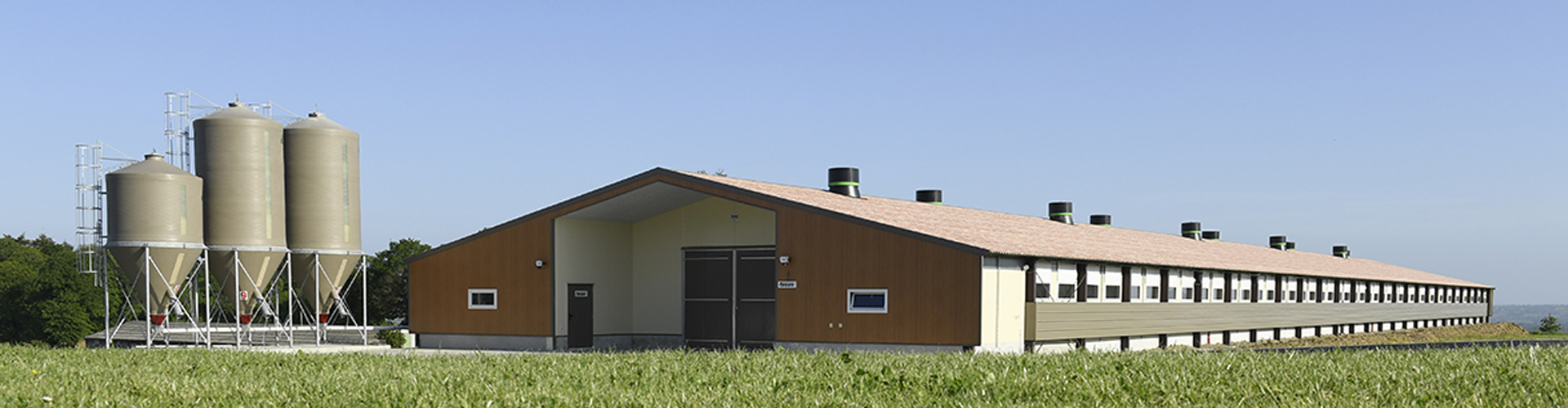
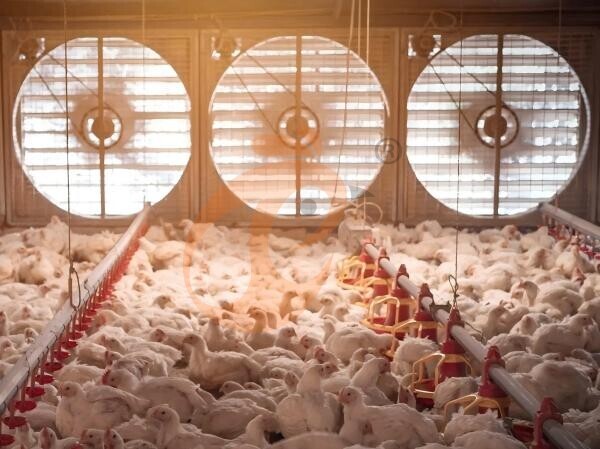
Automatic chicken feeder and poultry feeding system technology improves feed efficiency and flock control in modern farms.
Precision automation reduces operational loss through controlled distribution, digital monitoring, and structured feeding cycles in poultry production environments.
- Smart infrastructure supports labor reduction, biosecurity improvement, and predictive maintenance across scalable poultry farming operations at system level optimization.
Get professional poultry farm construction guidance, equipment selection solutions, and the latest price lists, whatsApp to +8618830120193, click to learn more:
Understanding The Market: Why Automate Now?
The surge in adoption of automation in poultry farming is driven by labor constraints and rising feed input costs.
Feed accounts for 60% to 70% of total production cost in commercial poultry operations.
Traditional manual feeding introduces 5% to 10% material loss through spillage, pest activity, and inconsistent portion control.
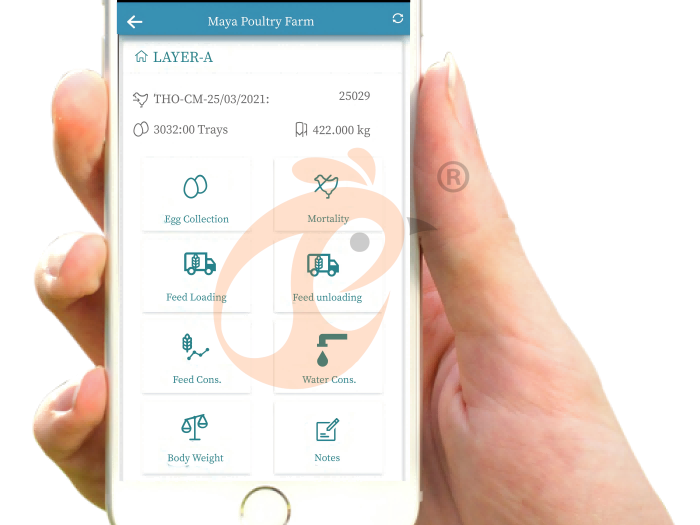
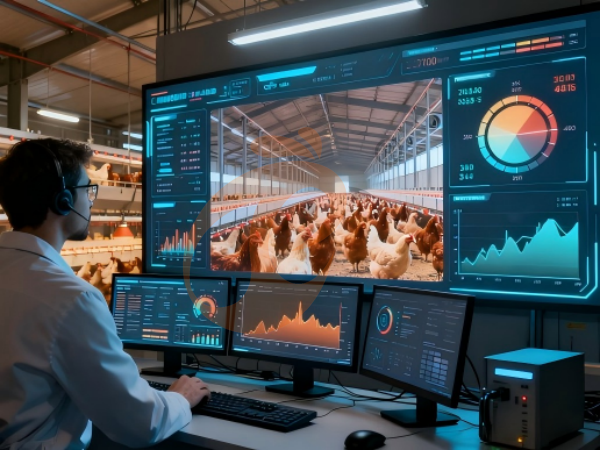
IoT-enabled monitoring improves consumption visibility and enables early anomaly detection in flock health behavior patterns.
Classification Of Automatic Poultry Feeding Systems
Data is for reference only.Swipe horizontally to view full table.
Price Breakdown: Initial Investment Vs System Tier
The market cost structure of an automatic poultry feeder price is determined by structural materials, automation modules, and sensor integration levels.
Galvanized steel and engineered polymers significantly influence procurement pricing levels in 2026.
European union standard reference only applies to imported industrial grade assemblies with regulated safety compliance frameworks.
Data is for reference only.Swipe horizontally to view full table.
Cost Saving Analysis: The Return On Investment Of Precision
Feed conversion optimization directly impacts operational profitability in commercial poultry production.
Waste reduction improves overall efficiency through structured ration delivery timing aligned with biological feeding cycles.
Data is for reference only.Swipe horizontally to view full table.
Labor Optimization: Beyond Just Filling Pans
Automation reduces repetitive labor cycles and reallocates workforce time toward higher value farm management functions.
Feed distribution automation reduces manual workload from daily physical handling operations.
Data monitoring systems increase digital record accuracy for poultry performance tracking.
Data is for reference only.Swipe horizontally to view full table.
User Hot Searches: What Buyers Are Asking In 2026
Market demand trends highlight increased focus on energy independence and pest resistant feeding infrastructure.
Automation interest continues to expand in both small scale and industrial poultry operations.
Data is for reference only.Swipe horizontally to view full table.
Selecting The Right Material: Durability Matters
Material selection directly determines system lifecycle performance and environmental resistance capability.
Corrosion resistance and structural integrity define long term operational efficiency in poultry feeding systems.
Data is for reference only.Swipe horizontally to view full table.
Installation And Integration: The Hidden Costs
System installation requires supporting infrastructure including storage, power backup, and calibration modules.
Feed distribution networks require stable mechanical alignment for long term operational stability.
Data is for reference only.Swipe horizontally to view full table.
Common Pitfalls To Avoid
Feed quality inconsistency leads to mechanical blockage in auger based delivery systems.
Low pellet durability increases fines accumulation and reduces feed transport efficiency.
Improper height calibration increases feed spillage and affects flock feeding posture.
Motor overload conditions reduce equipment lifespan under continuous operation stress.
The Future: Ai And Individualized Nutrition
Next generation systems integrate computer vision and adaptive nutrient formulation technologies.
Individual bird tracking enables optimized feed delivery at micro level biological adjustment scale.
Predictive analytics improves flock performance through continuous behavioral data interpretation models.
Frequently Asked Questions
Q1: What is an automatic poultry feeding system used for?
It delivers controlled feed portions automatically to poultry flocks based on programmed schedules and consumption patterns.
Q2: How does an automatic chicken feeder reduce costs?
It reduces feed waste, lowers labor requirements, and improves feed conversion efficiency across flock populations.
Q3: What is the typical automatic poultry feeder price range?
Entry systems start around $95 while industrial systems can exceed $45,000 depending on automation level.
Taiyu (HK) Group - One Of China Largest Automatic Poultry Feeding System Manufacturer
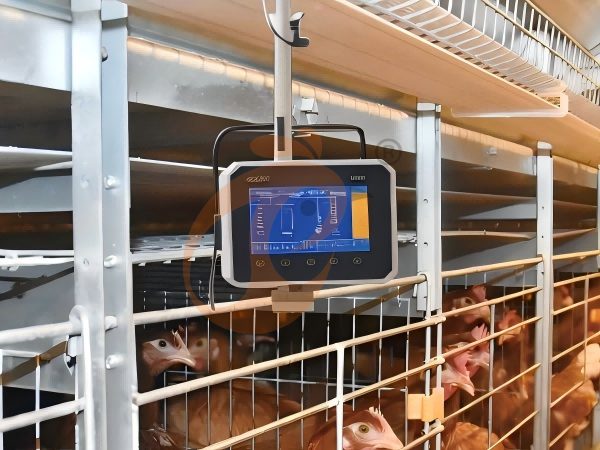
Automatic poultry feeding system designed for commercial broiler and layer production with precision feed control architecture and scalable modular construction.
Factory direct global supply chain enables consistent production standards for poultry equipment and integrated feeding infrastructure systems.
Industrial poultry cage and feeding line compatibility supports turnkey farm project deployment across multi house operations.
Turn key engineering services cover planning, installation, and system commissioning for automated poultry production facilities.
Export oriented manufacturing supports large scale poultry automation equipment delivery for global agricultural infrastructure projects.
Contact Us To Received Your Customized Poultry Farm Plan
Headquarters And Branchs

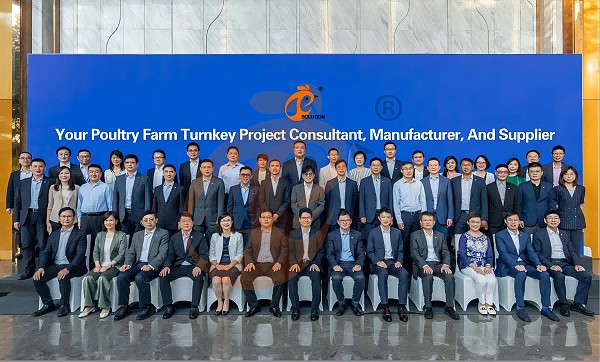
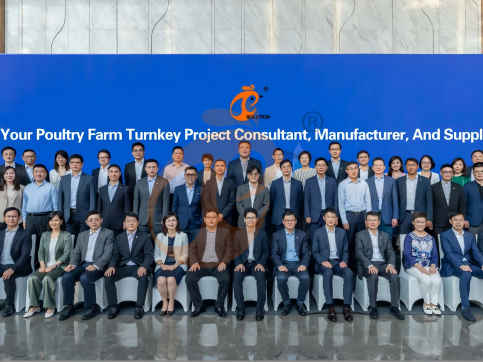
Hong Kong Headquarter Management Team
Hong Kong Headquarter Taiyu Industrial Group CO., LTD
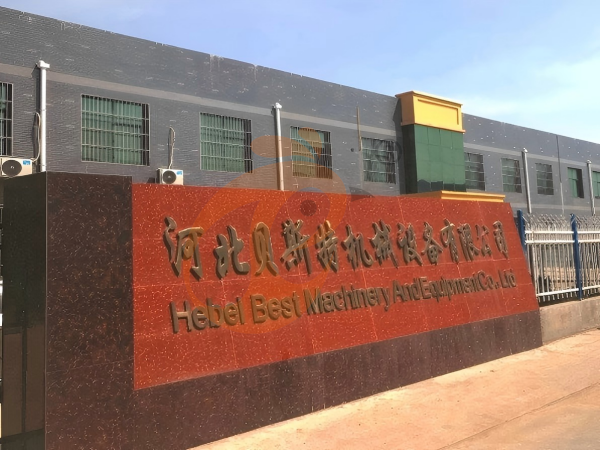
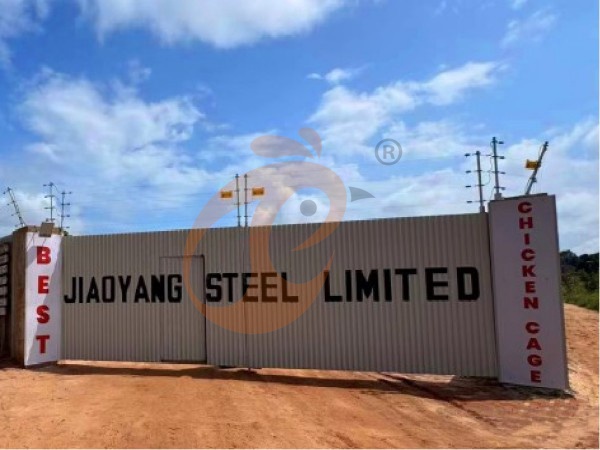
China Hebei Best Machinery And Equipment CO., LTD
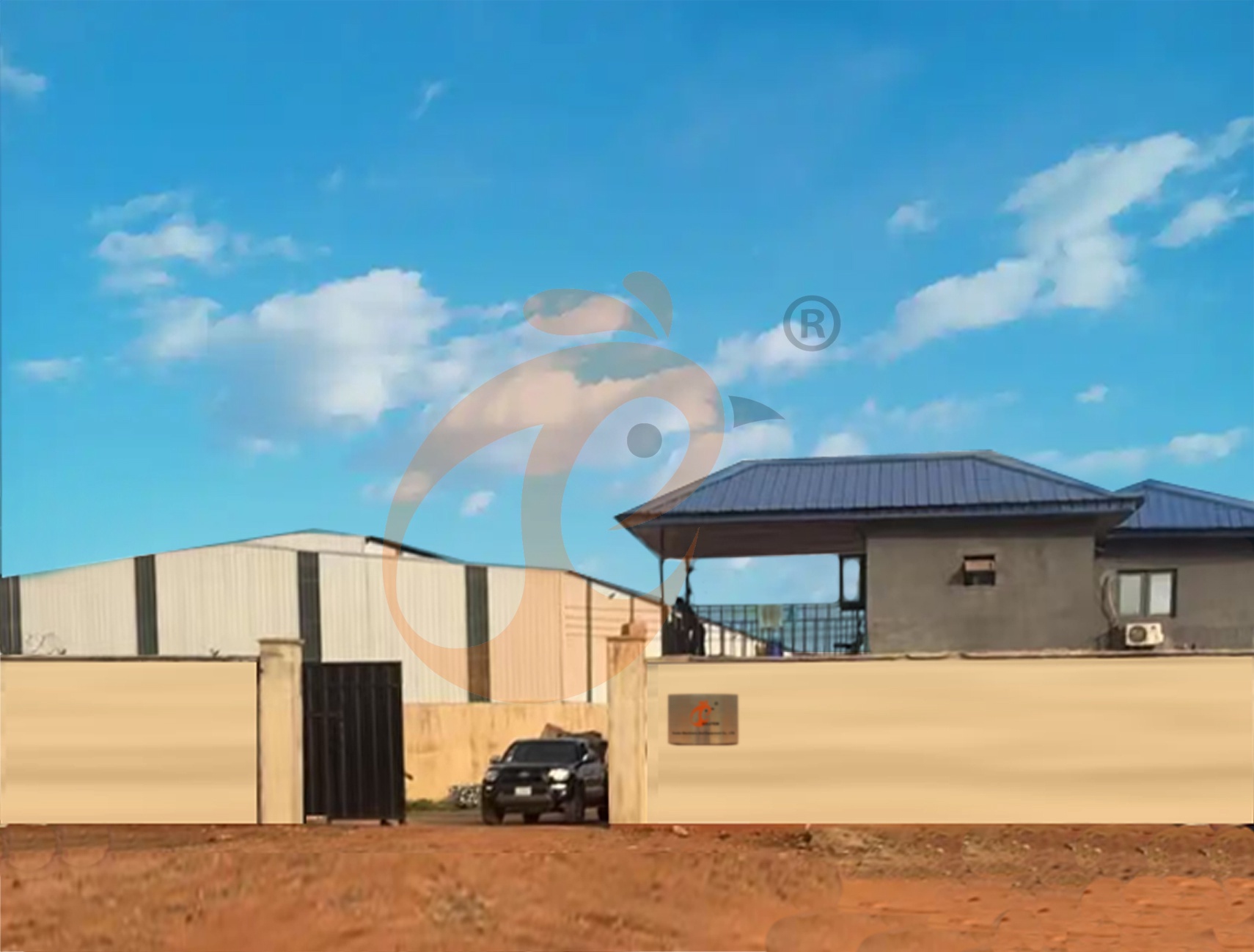
Nigeria Vanke Machinery And Equipment CO., LTD
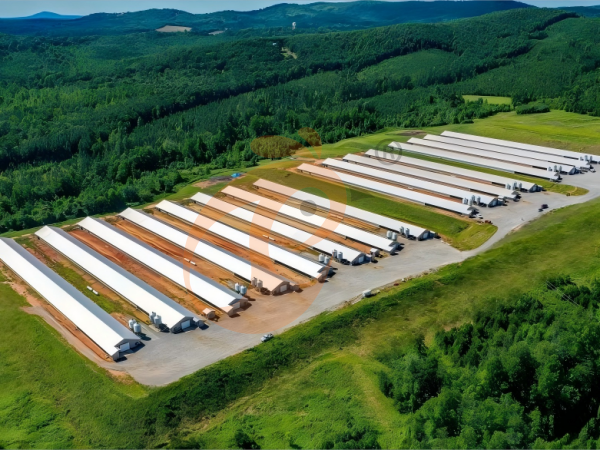
Tanzania Best Machinery And Equipment CO., LTD
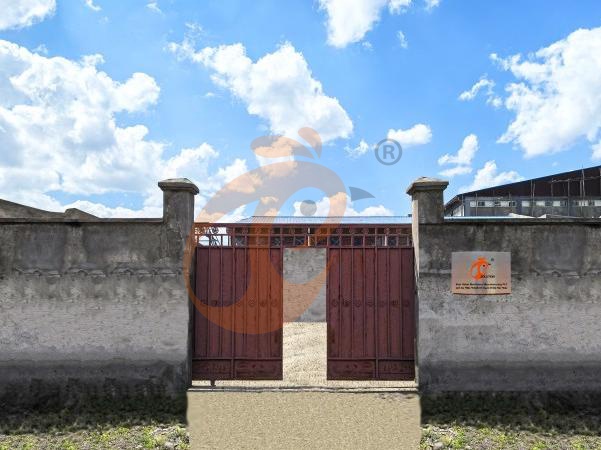
Ethiopia Best Hebei Machinery Manufacturing PLC




Reception /24 WhatsApp NO. : +8618830120193
FAQ
What Is Feeding System Capacity And Feed Distribution Precision In Poultry Chicken Farming?
Feeding line length spans 60 to 120 meters, with motor power 0.75 to 1.5 kw, achieving delivery speed 18 to 28 meters per minute, maintaining feed uniformity deviation below 5%, supporting stable daily gain performance across large scale broiler production units.
Hopper volume ranges 80 to 150 kg, with sensor controlled refill interval 20 to 40 minutes, maintaining continuous supply, avoiding starvation stress, enabling stocking density 16 to 22 birds per square meter under automated feeding regimes, improving production throughput efficiency.
How Does Feeding System Influence Feed Conversion Ratio And Growth Performance In Broiler Chicken Production?
Feed drop interval controlled within 2 to 5 hours, maintaining gut activity, optimizing digestion efficiency, resulting protein utilization rate reaching 62% to 68%, reducing mortality below 3% during full production cycle under precision feeding strategies.
System calibration maintains feed particle size 2 to 4 mm, minimizing segregation, ensuring consistent nutrient intake, supporting slaughter weight 2.2 to 2.8 kg within 35 to 42 days, enhancing production turnover and maximizing economic return per batch cycle.
What Are Technical Parameters Of Automated Feeding System Operation And Energy Consumption In Poultry Farms?
Chain feeding system speed controlled at 0.12 to 0.25 meters per second, ensuring smooth transport, minimizing mechanical wear, extending service life beyond 8 to 10 years under routine maintenance protocols, lowering long term capital replacement costs.
Environmental adaptability supports temperature range minus 10 to 45 degrees celsius, maintaining operational stability, humidity tolerance up to 85%, preventing corrosion and system failure, ensuring consistent feed delivery performance across diverse climatic poultry production regions.
- poultry farm
- poultry cage
- cage
- poultry farm construction
- poultry feeding system
- automatic poultry feeding system
- poultry equipment
- chickencage
- bestchickencage
- Nigeria
- smart farm
- poultry farming
- automatic chicken feeder
- automatic poultry feeding system manufacturer
- poultry feeding system manufacturer
- automatic poultry feeder
- poultry farm plan
- poultry feed
- chicken feed
- feed silo
- Ethiopia
Message
Products recommended
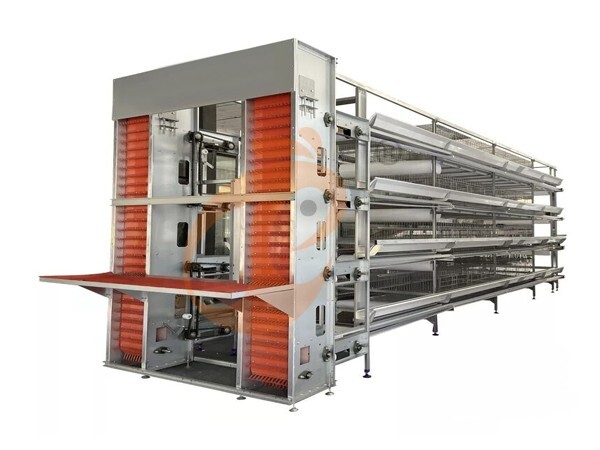
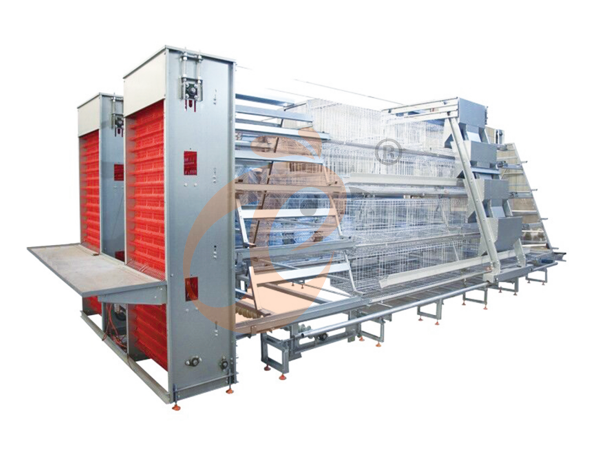
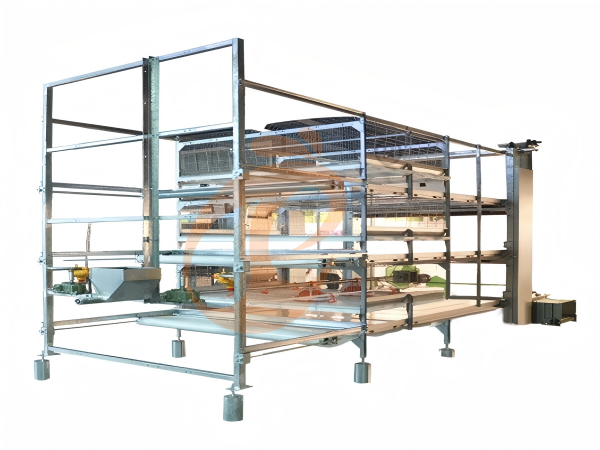
 >30,000 Pullets Automatic H Type Battery Cage1. More than 30,000 pullets a house, choose it.
2. It is designed to rearing older than 1 day old pullets to 12 to 16 weeks old chicken starting laying eggs.
3. Its lifespan is more than 25 years.
4. Its structure are Vcloud artificial intelligent fusion, electric control cabinet, automatic equipment of drinking, feeding, manure clean, manual harvesting.
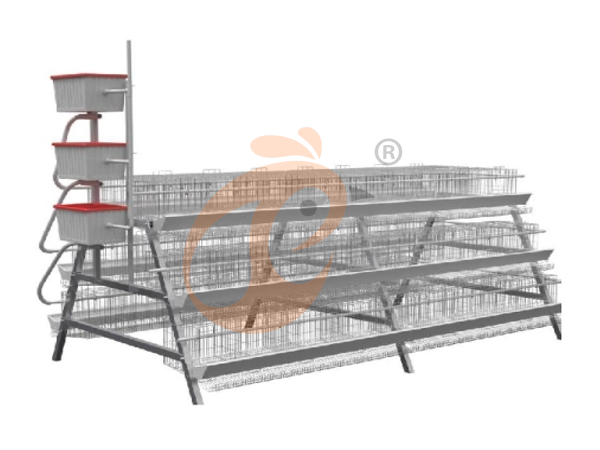
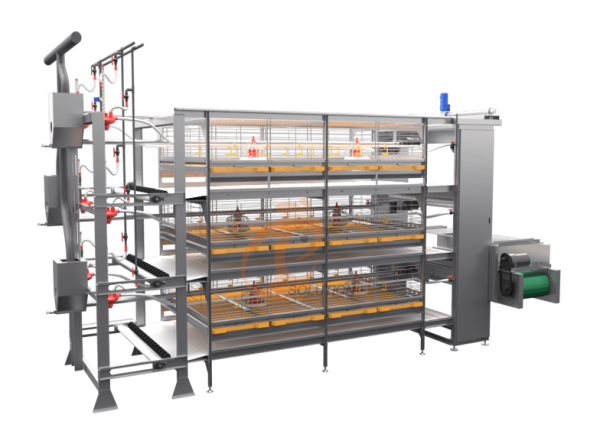
5. Our 24 hour online reception What’sApp NO. is +8618830120193 <30,000 Pullets Automatic A Type Battery Cage1. 10,000 to 30,000 pullets a house, choose it.
2. It is designed to rearing older than 1 day old pullets to 12 to 16 weeks old chicken starting laying eggs.
3. Its lifespan is more than 25 years.
4. Its structure are Vcloud artificial intelligent fusion, electric control cabinet, automatic equipment of drinking, feeding, manure clean, manual harvesting.
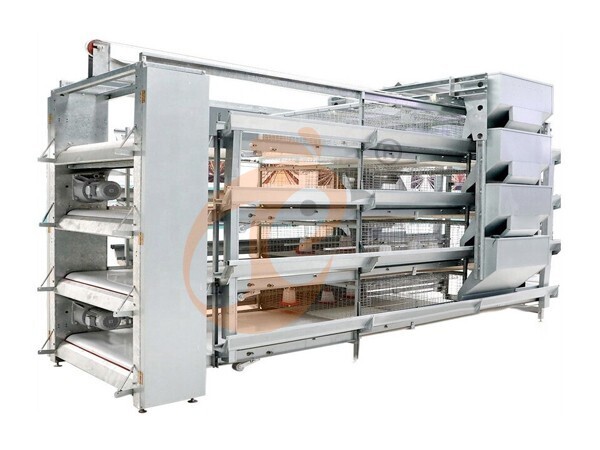
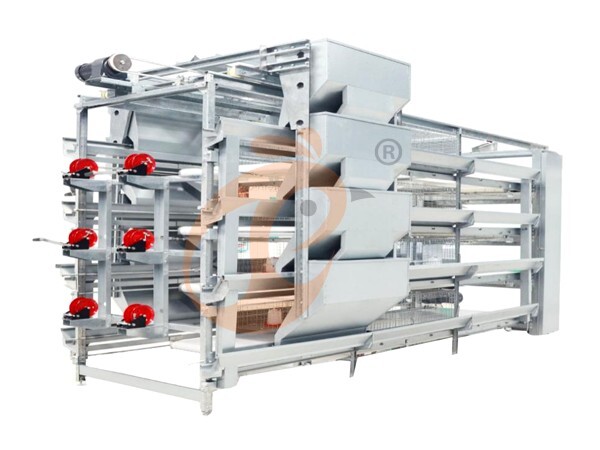
5. Our 24 hour online reception What’sApp NO. is +86 18830120193. >30,000 Broilers Semi-Automatic Harvest H Type Battery Cage1. More than 30,000 broilers a house, choose it.
2. It is designed to rearing 1 to 45 day old adult broiler ready for market.
3. Its lifespan is more than 20 years.
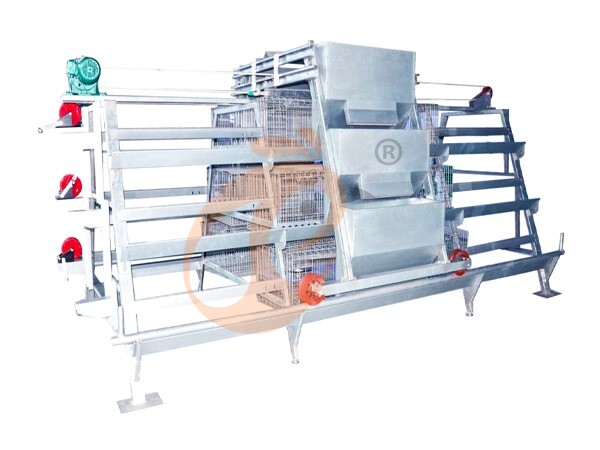
4. Our 24 hour online reception What’sApp NO. is +8618830120193, +234 8111199996. >30,000 Broilers Manual Harvest H Type Battery Cage1. More than 30,000 broilers a house, choose it.
2. It is designed to rearing 1 to 45 day old adult broiler ready for market.
3. Its lifespan is more than 20 years.
4. Its structure are Vcloud artificial intelligent fusion, electric control cabinet, automatic equipment of drinking, feeding and manure clean, manual harvesting.
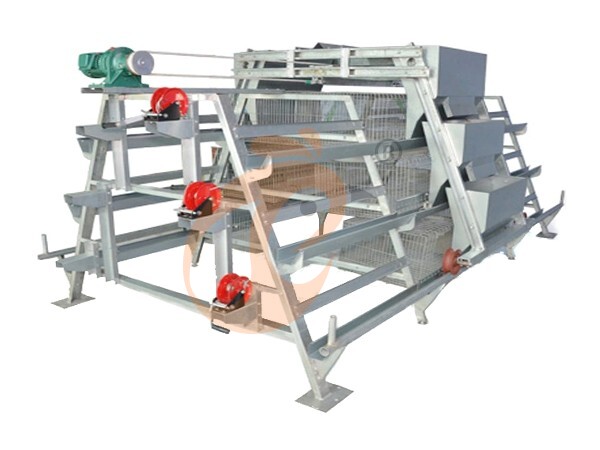
5. Our 24 hour online reception What’sApp NO. is +8618830120193, +234 8111199996. <30,000 Broilers Manual Harvest A Type Battery Cage1. Less 30,000 broilers a house, choose it.
2. It is designed to rearing 1 to 45 day old adult broiler ready for market.
3. Its lifespan is more than 20 years.
4. Its structure are Vcloud artificial intelligent fusion, electric control cabinet, automatic equipment of drinking, feeding and manure clean, manual harvesting.
5. Our 24 hour online reception What’sApp NO. is +8618830120193, +234 8111199996. HK Headquarter Offers EU-standard Poultry Farm Solutions, Manufacture Poultry Farm Equipment1. Continuous communication with the EU and the US
2. China, Nigeria, Ethiopia, Tanzania branch companies and factories
3. The products’ quality is customized for local poultry farms
4. Poultry cage and poultry farm equipment stock for sale
5. 24 online reception Whatsapp NO. : +8618830120193,contact us to get full information China Branch Offer Poultry Farm Business Plan, Manufacture Poultry Farm Equipment1. Address: Flat/RM 2416, 24/F, Runxing Building, Youyi Nan Street, Shijiazhuang City, Hebei Province, China
2. Poultry cage and poultry farm equipment factory and stock for sale
3. Customized for local poultry farms
4. Quality and design are based on Euro
5. 24 online reception Whatsapp NO. : +8618830120193 Nigeria Branch Offer Poultry Farm Business Plan, Manufacture Poultry Farm Equipment1. Address: After Sinoma Office, 200 Meters Near Danco Filling Station, Lagos/Ibadan Expressway, Lagos State, Nigeria
2. Poultry cage and poultry farm equipment factory and stock for sale
3. Customized for Nigerian poultry farms
4. Quality and design are based on Euro
5. 24 online reception Whatsapp NO. : +8618830120193 Ethiopia Branch Offer Poultry Farm Business Plan, Manufacture Poultry Farm Equipment1. Address: WR93+FQ2, Addis Ababa, Ethiopia
2. Poultry cage and poultry farm equipment stock for sale
3. Customized for Ethiopian poultry farms
4. Quality and design are based on Euro
5. 24 online reception Whatsapp NO. : +8618830120193, contact us to get price list Tanzania Branch Offer Poultry Farm Business Plan, Manufacture Poultry Farm Equipment1. Address: No.8, Sova Road, Msufini, Mlandizi, Kibaha, Pwani, Tanzania
2. Poultry cage and poultry farm equipment factory and stock for sale
3. Customized for Tanzanian poultry farms
4. Quality and design are based on Euro
5. 24 online reception Whatsapp NO. : +8618830120193


Contact
By clicking 'Allow All', you agree to the storage of cookies on your device to enhance site navigation, analyze site usage and assist with our marketing efforts.