


Blog
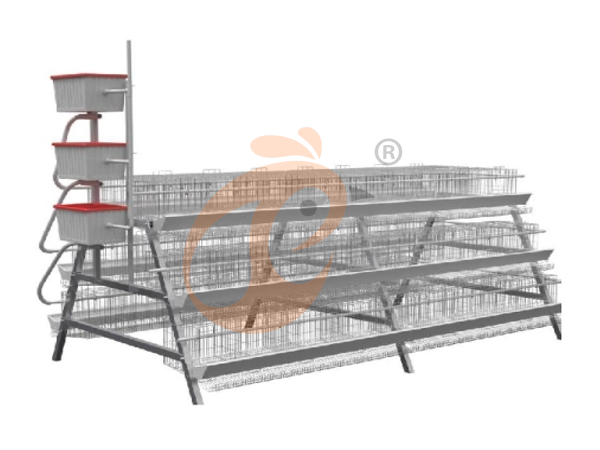
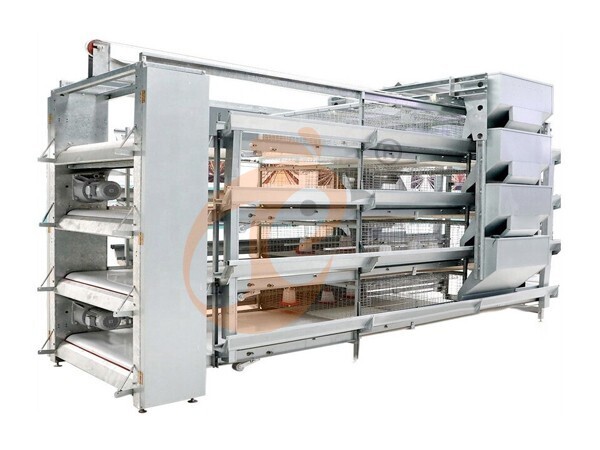
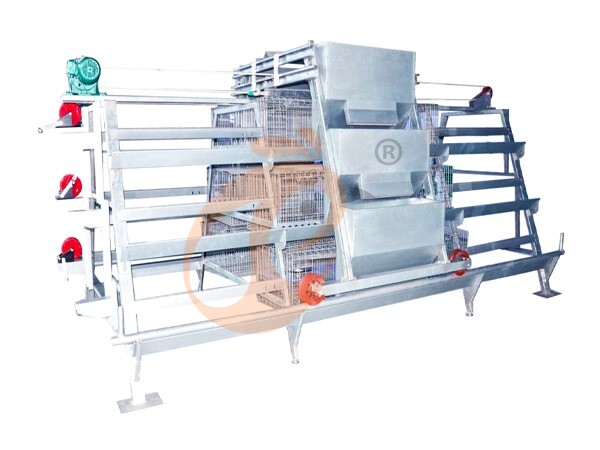
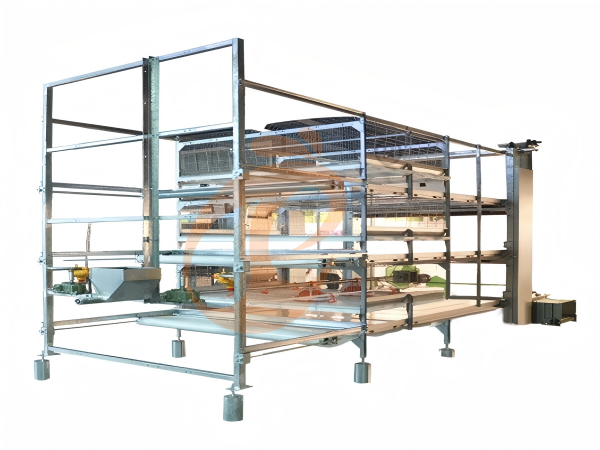
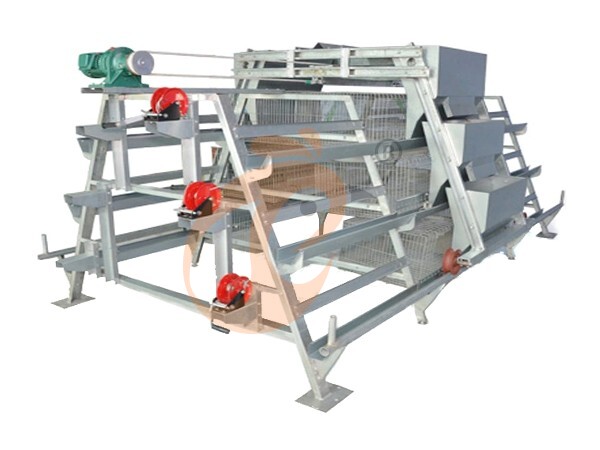
A-type poultry chicken cages in Ethiopia face multiple challenges affecting egg production.
Farmers often encounter rusting issues, especially in highland regions with heavy rainfall.
Heat stress in the Rift Valley can reduce laying cycles significantly.
Improper slope design and feed wastage lower profitability in intensive farming.
Manure accumulation causes respiratory problems and increases disease susceptibility.
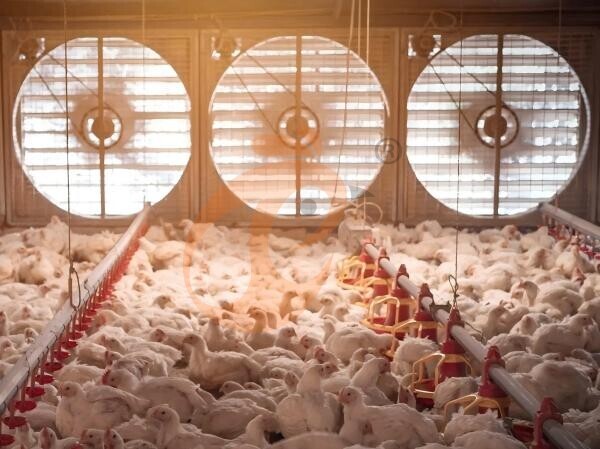
Correct stocking density and ventilation are essential for bird welfare.
Maintenance practices directly impact cage longevity and farm efficiency.
These solutions help farmers improve return on investment and overall poultry management.
Get professional poultry farm construction guidance, equipment selection solutions, and the latest price lists, whatsApp to +8618830120193, click to learn more:

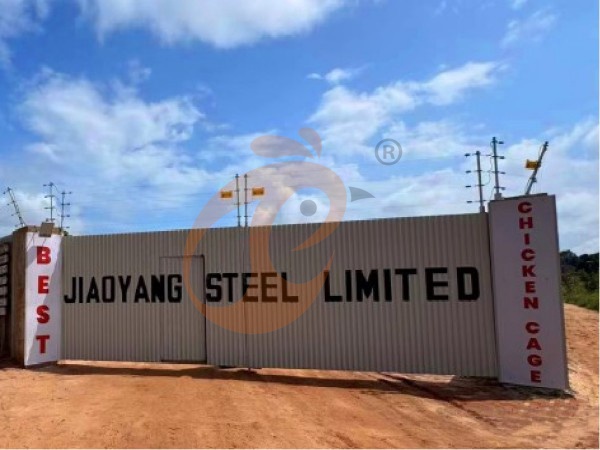
Ethiopia Branch Office And Factory Of Poultry Farm Equipment
Premature Corrosion And Rusting In The Ethiopian Highlands
In regions like Addis Ababa or Holeta, where humidity can spike during the rainy season (Kiremt), A-type chicken cages often succumb to rust within just 2 to 3 years.
Many imported cages lack the structural integrity to withstand the acidic nature of chicken manure combined with the moisture of the highlands.
Data is for reference only. Swipe horizontally to view full table.
Heat Stress And Poor Ventilation In The Rift Valley
For farmers in Adama, Metehara, or Dire Dawa, the primary enemy isn't cold, but the sweltering heat of the Rift Valley.
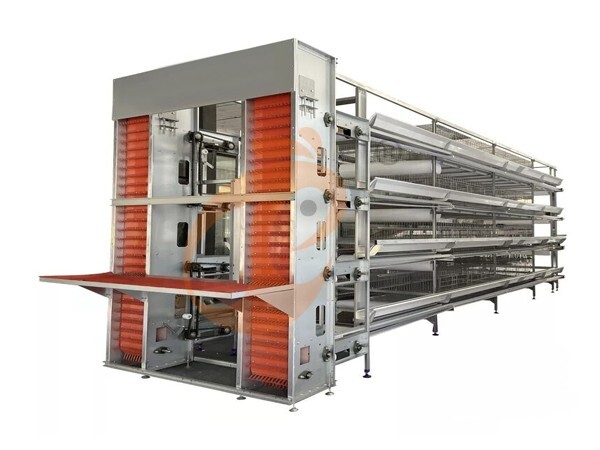
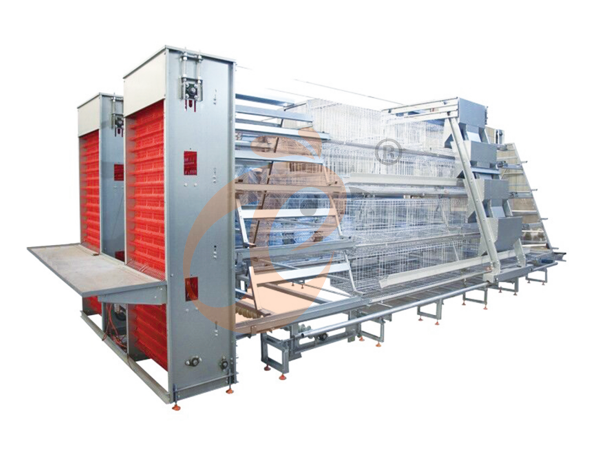
A-type chicken cages, by design, stack birds in a tiered ''A'' shape.
If the poultry house is poorly designed, birds on the middle and upper tiers can suffer from ''heat pockets,'' leading to a drastic drop in egg laying and even sudden death.
Data is for reference only. Swipe horizontally to view full table.
Solution
Combine proper house orientation with adequate cage spacing.
The poultry house should be oriented East-to-West to minimize direct sunlight on cage rows.
Maintaining distance between cage rows and walls is essential for natural convection and egg production optimization Ethiopia.
High Egg Breakage Rates Due To Improper Slope Design
In Ethiopia, the ''Large'' and ''Extra Large'' egg categories fetch the best prices in markets like Merkato.
Many A-type chicken cages have a bottom mesh slope that is either too steep (eggs crash and crack) or too flat (eggs stay inside the cage and get pecked).
Data is for reference only. Swipe horizontally to view full table.
Solution
Implement a precise slope of 7–8 degrees, just enough to allow eggs to roll gently into the collection trough.
The wire mesh must be smooth to prevent cuticle damage and ensure poultry farm management solutions.
Manure Accumulation And Respiratory Distress
One common sight in smaller farms in Bishoftu is piling manure under A-type chicken cages.
Manure ferments rapidly in the Ethiopian climate, releasing ammonia, which damages respiratory tracts and lowers immunity to Newcastle Disease.
Data is for reference only. Swipe horizontally to view full table.
Solution: Implement frequent manure removal or a semi-automated scraper system.
Even manual scraping twice a week can reduce ammonia levels by over 60%.
This manure is highly valuable as fertilizer for teff and maize farmers.
Feed Wastage And Inefficient Trough Design
Feed represents 70–80% of production costs in Ethiopian Birr (European union standard reference only), especially with fluctuating prices of soy and maize.
Shallow or poorly shaped feed troughs allow hens to flick feed onto the floor.
Data is for reference only. Swipe horizontally to view full table.
Solution: Use deep-V or U-shaped troughs made of durable PVC or thick galvanized steel with inward-curved lips.
Adjust the height according to the birds’ age and size for better egg production optimization Ethiopia.
Overcrowding And Reduced Laying Cycles
Some farmers in Sululta crowd too many birds into a single cage.
Overcrowding causes feather pecking, cannibalism, and a sharp decline in ''hen-day'' production.
In the thin air of the Ethiopian highlands, low oxygen availability increases stress on birds' cardiovascular systems.
Data is for reference only. Swipe horizontally to view full table.
Solution: Adhere strictly to international stocking density standards.
For a standard A-type chicken cage (~1950mm × 450mm × 410mm), ensure each hen has sufficient space.
The Path Forward: Maintenance And Local Adaptation
Owning A-type chicken cages in Ethiopia requires regular maintenance.
Hard water from boreholes can cause calcium buildup in nipple drinkers, leading to leaks or clogs.
Data is for reference only. Swipe horizontally to view full table.
Solution
Regularly flush water lines with citric acid or specialized cleaners.
Check cage row alignment to maintain egg collection efficiency and poultry farm management solutions.
Ethiopia Best Hebei Machinery Manufacturing Plc - One Of Ethiopia Largest Poultry Chicken Cage Manufacturer
HB BEST provides global factory direct sales for high-quality poultry farm equipment.
The company offers durable A-type chicken cages for long-term farm use.
Turn-key projects are available, including installation and full operation support.
HB BEST ensures fast delivery and after-sales service across Ethiopia.
Poultry cage systems are engineered for efficiency, safety, and return on investment improvement.
Contact Us To Received Your Customized Poultry Farm Plan
Headquarters And Branchs

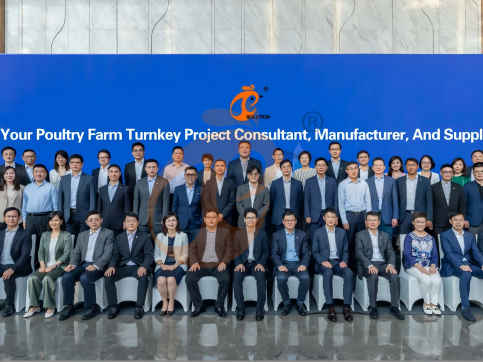
Hong Kong Headquarter Management Team
Hong Kong Headquarter Taiyu Industrial Group CO., LTD
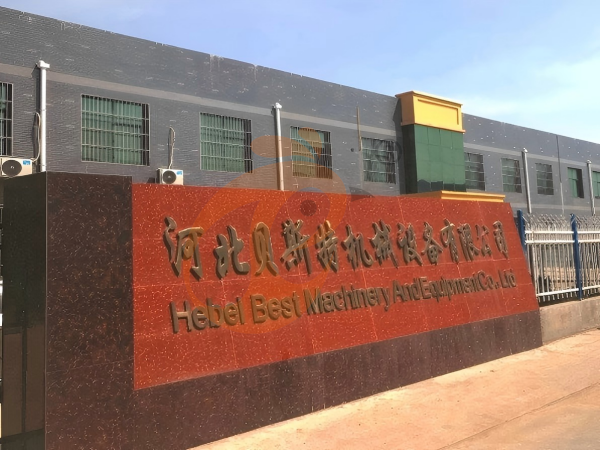
China Hebei Best Machinery And Equipment CO., LTD
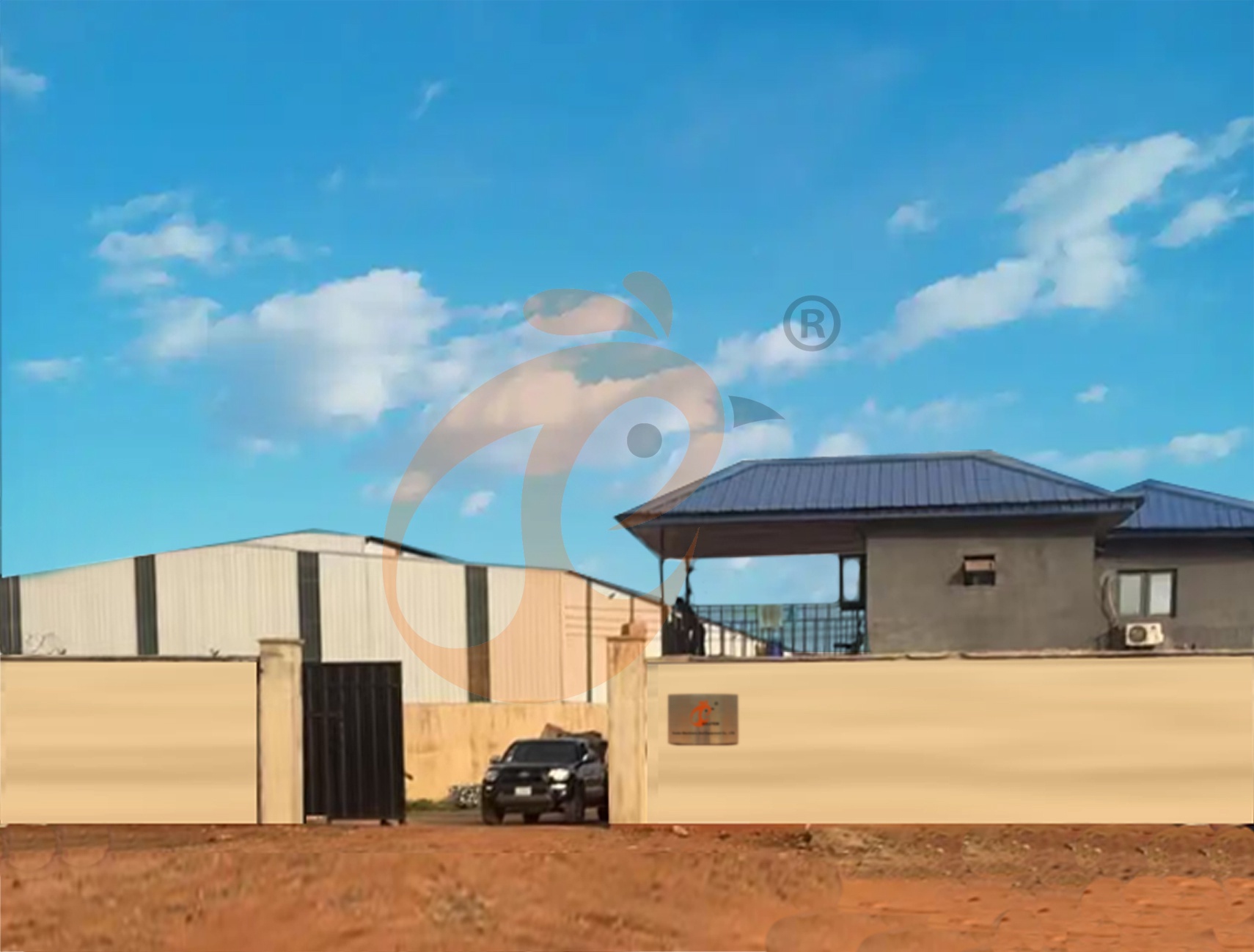
Nigeria Vanke Machinery And Equipment CO., LTD
Tanzania Best Machinery And Equipment CO., LTD
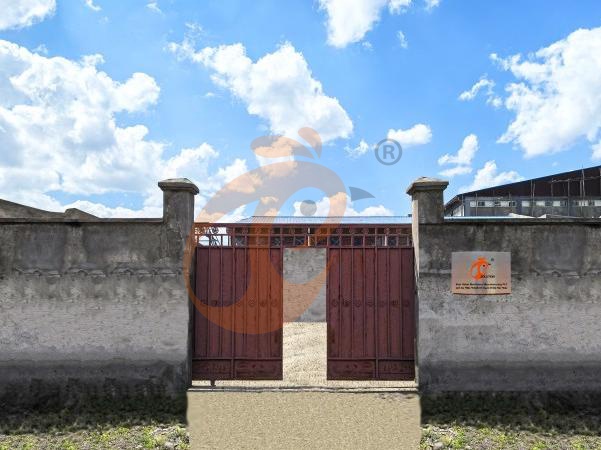
Ethiopia Best Hebei Machinery Manufacturing PLC




Reception /24 WhatsApp NO. : +8618830120193
FAQ
How To Buy The Best A-Type Poultry Cage For High-Quality Egg Production?
Birds per set: 120-200 birds
Suitable for small to medium commercial farms
Egg production rate: 90–96%
FCR: 1.9–2.2
Equipment lifespan: more than 25 years
Labor savings: 50–70%
What Are The Recommended Layouts For A-Type Chicken Cage Farm?
Cage width: 2200–2400 mm, depth: 400 mm
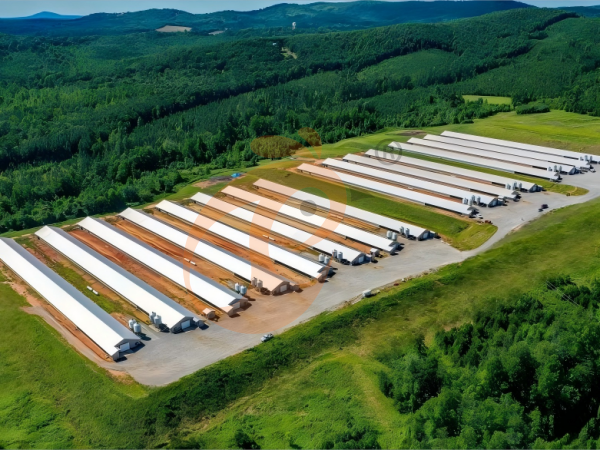
Farm capacity per house: 10,000–50,000 birds
Aisle width: 1.2–1.4 m for easy manual operation
Egg production rate: 90-96%
How To Optimize Feed Conversion Ratio In A-Type Layer Cage System?
Improve ventilation to reduce heat stress
FCR can be reduced to 1.9–2.2
Egg production rate: 90–96%
Feed waste reduced by 5–10%
- poultry farm
- chicken cage
- poultry house
- poultry cage
- cage
- poultry farm equipment
- poultry farm construction
- poultry farm management
- poultry cage system
- chicken cage manufacturer
- chicken cages
- poultry chicken cage
- chickencage
- bestchickencage
- cage system
- cage systems
- Nigeria
- poultry cage systems
- cage manufacturer
- poultry farm management solutions
- poultry farm plan
Message
Products recommended
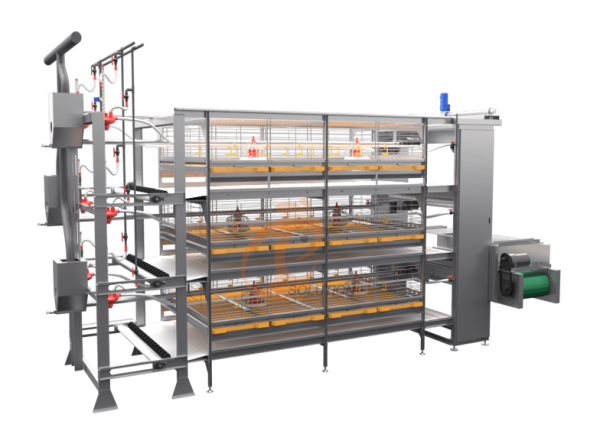
 >30,000 Pullets Automatic H Type Battery Cage1. More than 30,000 pullets a house, choose it.
2. It is designed to rearing older than 1 day old pullets to 12 to 16 weeks old chicken starting laying eggs.
3. Its lifespan is more than 25 years.
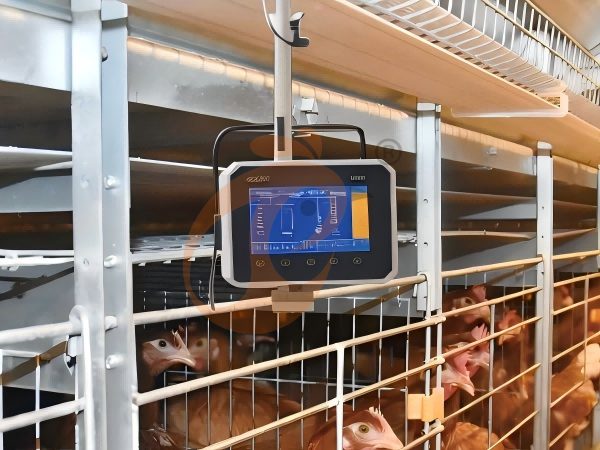
4. Its structure are Vcloud artificial intelligent fusion, electric control cabinet, automatic equipment of drinking, feeding, manure clean, manual harvesting.
5. Our 24 hour online reception What’sApp NO. is +8618830120193 <30,000 Pullets Automatic A Type Battery Cage1. 10,000 to 30,000 pullets a house, choose it.
2. It is designed to rearing older than 1 day old pullets to 12 to 16 weeks old chicken starting laying eggs.
3. Its lifespan is more than 25 years.
4. Its structure are Vcloud artificial intelligent fusion, electric control cabinet, automatic equipment of drinking, feeding, manure clean, manual harvesting.
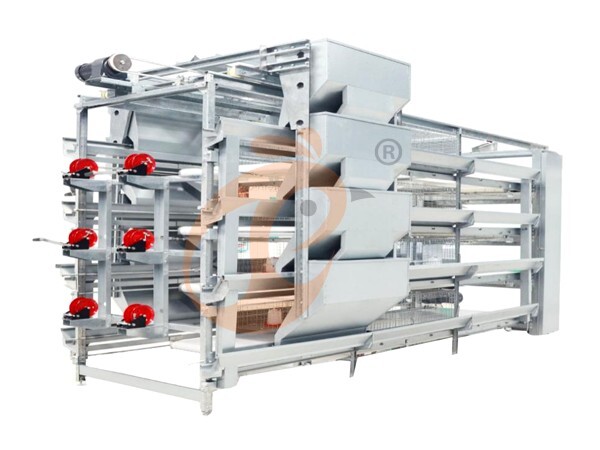
5. Our 24 hour online reception What’sApp NO. is +86 18830120193. >30,000 Broilers Semi-Automatic Harvest H Type Battery Cage1. More than 30,000 broilers a house, choose it.
2. It is designed to rearing 1 to 45 day old adult broiler ready for market.
3. Its lifespan is more than 20 years.
4. Our 24 hour online reception What’sApp NO. is +8618830120193, +234 8111199996. >30,000 Broilers Manual Harvest H Type Battery Cage1. More than 30,000 broilers a house, choose it.
2. It is designed to rearing 1 to 45 day old adult broiler ready for market.
3. Its lifespan is more than 20 years.
4. Its structure are Vcloud artificial intelligent fusion, electric control cabinet, automatic equipment of drinking, feeding and manure clean, manual harvesting.
5. Our 24 hour online reception What’sApp NO. is +8618830120193, +234 8111199996. <30,000 Broilers Manual Harvest A Type Battery Cage1. Less 30,000 broilers a house, choose it.
2. It is designed to rearing 1 to 45 day old adult broiler ready for market.
3. Its lifespan is more than 20 years.
4. Its structure are Vcloud artificial intelligent fusion, electric control cabinet, automatic equipment of drinking, feeding and manure clean, manual harvesting.
5. Our 24 hour online reception What’sApp NO. is +8618830120193, +234 8111199996. HK Headquarter Offers EU-standard Poultry Farm Solutions, Manufacture Poultry Farm Equipment1. Continuous communication with the EU and the US
2. China, Nigeria, Ethiopia, Tanzania branch companies and factories
3. The products’ quality is customized for local poultry farms
4. Poultry cage and poultry farm equipment stock for sale
5. 24 online reception Whatsapp NO. : +8618830120193,contact us to get full information China Branch Offer Poultry Farm Business Plan, Manufacture Poultry Farm Equipment1. Address: Flat/RM 2416, 24/F, Runxing Building, Youyi Nan Street, Shijiazhuang City, Hebei Province, China
2. Poultry cage and poultry farm equipment factory and stock for sale
3. Customized for local poultry farms
4. Quality and design are based on Euro
5. 24 online reception Whatsapp NO. : +8618830120193 Nigeria Branch Offer Poultry Farm Business Plan, Manufacture Poultry Farm Equipment1. Address: After Sinoma Office, 200 Meters Near Danco Filling Station, Lagos/Ibadan Expressway, Lagos State, Nigeria
2. Poultry cage and poultry farm equipment factory and stock for sale
3. Customized for Nigerian poultry farms
4. Quality and design are based on Euro
5. 24 online reception Whatsapp NO. : +8618830120193 Ethiopia Branch Offer Poultry Farm Business Plan, Manufacture Poultry Farm Equipment1. Address: WR93+FQ2, Addis Ababa, Ethiopia
2. Poultry cage and poultry farm equipment stock for sale
3. Customized for Ethiopian poultry farms
4. Quality and design are based on Euro
5. 24 online reception Whatsapp NO. : +8618830120193, contact us to get price list Tanzania Branch Offer Poultry Farm Business Plan, Manufacture Poultry Farm Equipment1. Address: No.8, Sova Road, Msufini, Mlandizi, Kibaha, Pwani, Tanzania
2. Poultry cage and poultry farm equipment factory and stock for sale
3. Customized for Tanzanian poultry farms
4. Quality and design are based on Euro
5. 24 online reception Whatsapp NO. : +8618830120193



Contact
By clicking 'Allow All', you agree to the storage of cookies on your device to enhance site navigation, analyze site usage and assist with our marketing efforts.