


Blog
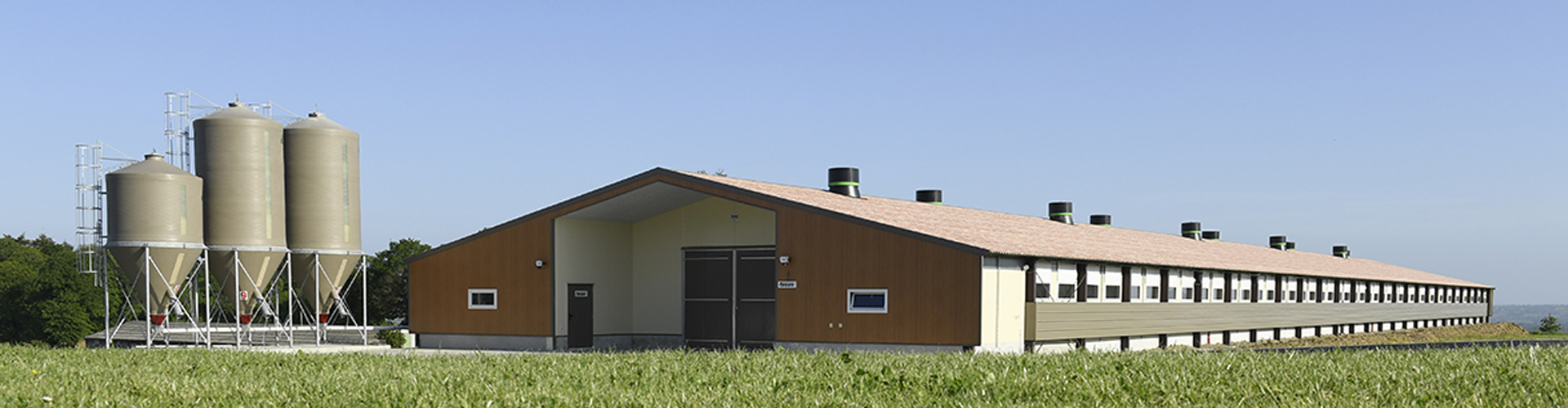
Egg production improvement depends on correct housing systems, especially efficient A-type chicken cage management for commercial layers.
Balanced feed, proper lighting, clean water supply, and good ventilation directly influence laying performance and flock stability.
Strategic farm planning helps Ethiopian poultry farmers increase productivity despite climate fluctuations and feed price pressure.
Well-managed chicken cage systems also reduce egg damage, improve hygiene, and increase the percentage of marketable eggs.
Practical management methods allow small and medium poultry farms to scale production efficiently.
Get professional poultry farm construction guidance, equipment selection solutions, and the latest price lists, whatsApp to +8618830120193, click to learn more:

Ethiopia Branch Office And Factory Of Poultry Farm Equipment
Precision Environmental Management: Tackling The Ethiopian Diurnal Swing
The Ethiopian Highlands present a unique challenge: scorching midday sun followed by chilling nights.
Unlike closed-house systems used in Europe, most Ethiopian farms rely on open-sided houses where the A-type chicken cage is widely used.
The ''A'' frame structure improves airflow between cage tiers, which is important during the dry season known as Bega.
To improve layer chicken cage productivity, farmers must manage the microclimate within these cages to keep birds inside their thermoneutral zone.
Excessive heat leads to respiratory alkalosis, where hens pant and lose carbon dioxide (CO₂).
This can result in thin eggshells or temporary stoppage of laying.
Cold nights increase maintenance energy requirements, meaning feed is consumed for body heat instead of egg production.
Data is for reference only.Swipe horizontally to view full table.
Nutritional Optimization Using Local Bypass Ingredients
In Ethiopia, the high cost of soybean protein has become a major challenge for poultry farmers.
To maintain stable egg production in a commercial layer chicken cage system, birds must receive a fully balanced ration because they cannot forage for insects or minerals.
Local feed ingredients such as Noug (Niger seed) cake can replace part of the imported protein sources.
Maintaining the correct calcium-to-phosphorus ratio is essential for strong eggshell formation.
Caged layers also require carefully controlled energy intake because limited exercise increases the risk of Fatty Liver Hemorrhagic Syndrome (FLHS).
A balanced feed program ensures consistent egg production and prevents excessive body fat accumulation.
Under proper management conditions, laying hens in modern chicken cage systems can maintain an egg production rate of approximately 90–96% with a feed conversion ratio around 1.9–2.2.
Data is for reference only.Swipe horizontally to view full table.
Water Hygiene And Nipple Drinker Calibration
In most Ethiopian farms, water is delivered through nipple drinkers installed on chicken cage lines.
If these nipples become blocked by mineral deposits caused by hard water, egg production may decline within 48 hours.
A hen requires approximately 200 ml to 300 ml of water to produce one egg.
Because the A-type chicken cage has multiple tiers, water pressure should be adjusted carefully across different levels.
Uniform pressure may cause leakage in the bottom tier and insufficient water supply in the upper tier.
Data is for reference only.Swipe horizontally to view full table.
Light Stimulation Strategies For The Ethiopian Latitude
Ethiopia's geographic position near the equator provides about twelve hours of daylight throughout the year.
However, high-producing laying hens require around sixteen hours of light to maintain production above ninety percent.
Supplementary lighting should therefore be installed in poultry houses using LED lamps.
In an A-type chicken cage layout, the frame structure may create shadows between tiers.
Lighting should be positioned so that birds at all levels receive consistent illumination.
Light intensity should be measured at the feed trough of the dimmest cage area.
Data is for reference only.Swipe horizontally to view full table.
Biosecurity And Disease Mitigation In Intensive Systems
Disease outbreaks remain a major risk for poultry production in Ethiopia.
Common pathogens include Newcastle Disease and Infectious Bronchitis.
The A-type chicken cage offers an advantage because birds are physically separated from manure.
However, the higher density of birds means that airborne transmission can still occur if biosecurity measures are insufficient.
Regular vaccination programs and proper manure management are essential to protect flock health and maintain egg production.
Data is for reference only.Swipe horizontally to view full table.
Maximizing The Egg Roll Efficiency
In the Ethiopian egg market, cracked or dirty eggs are usually sold at a discounted price, sometimes losing around 12–20 Ethiopian Birr per tray compared with Grade A eggs (European union standard reference only).
The A-type chicken cage uses a sloped floor to allow eggs to roll toward the collection tray immediately after laying.
If the cage wire becomes blocked by dust or feathers, eggs may remain inside the cage and become damaged.
Routine cleaning of egg trays and inspection of cage floor tension helps maintain high egg quality.
Data is for reference only.Swipe horizontally to view full table.
Manure Management: Turning Waste Into Birr
Manure management is another important aspect of A-type chicken cage systems.
Because manure drops directly below the cage tiers, it must be removed regularly to avoid ammonia accumulation.
Dry manure can be sold to local vegetable or flower farms for agricultural fertilization.
Frequent removal keeps ammonia levels low and helps maintain bird respiratory health.
Data is for reference only.Swipe horizontally to view full table.
Space Efficiency And Land Utilization In Urban Ethiopia
Urban expansion in cities such as Debre Berhan and Adama has increased land prices for agricultural businesses.
A traditional deep litter poultry house typically accommodates about 1,200 to 1,400 birds within a 200 square meter building.
A well-designed A-type chicken cage structure can increase capacity to more than 4,800 birds within the same floor area.
For commercial poultry investment planning, farms raising 10,000–30,000 layers are commonly recommended for stable production economics.
Data is for reference only.Swipe horizontally to view full table.
Dealing With The Fasting Effect On Production Cycles
Ethiopia's religious calendar strongly influences egg consumption patterns.
During fasting periods observed by the Orthodox Tewahedo Church, demand for eggs often declines temporarily.
Poultry farmers using chicken cage systems can plan flock replacement cycles so that peak egg production aligns with major holidays such as Fasika or Genna.
This strategic production planning helps stabilize farm income and improve market timing.
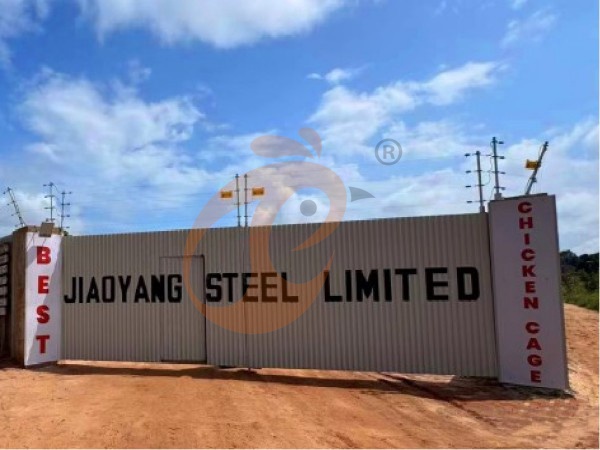
Ethiopia Best Hebei Machinery Manufacturing Plc - One Of Ethiopia Largest Chicken Cage Manufacturer
HB BEST provides global factory direct supply of advanced poultry farm equipment for modern poultry farms.
The company manufactures durable poultry cage systems designed for high-density commercial egg production.
Professional engineers design and install complete Turn-key poultry farm projects including housing planning and equipment installation.
HB BEST exports poultry equipment worldwide and supports farms with technical training and long-term maintenance services.
Reliable manufacturing quality, efficient logistics, and professional engineering support help poultry farms increase productivity and profitability.
Contact Us To Received Your Customized Poultry Farm Plan
Headquarters And Branchs

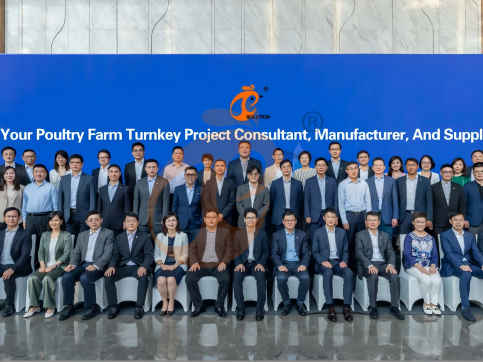
Hong Kong Headquarter Management Team
Hong Kong Headquarter Taiyu Industrial Group CO., LTD
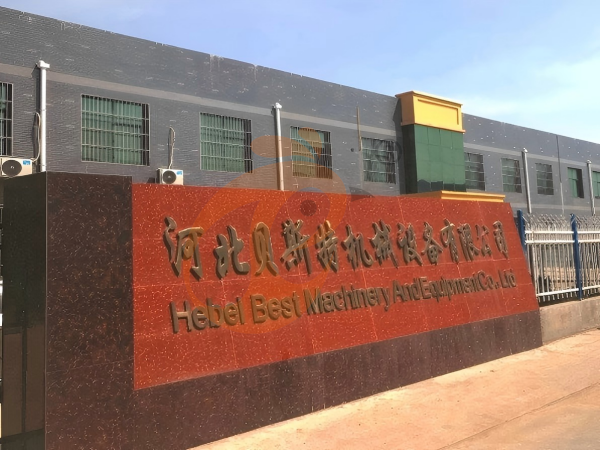
China Hebei Best Machinery And Equipment CO., LTD
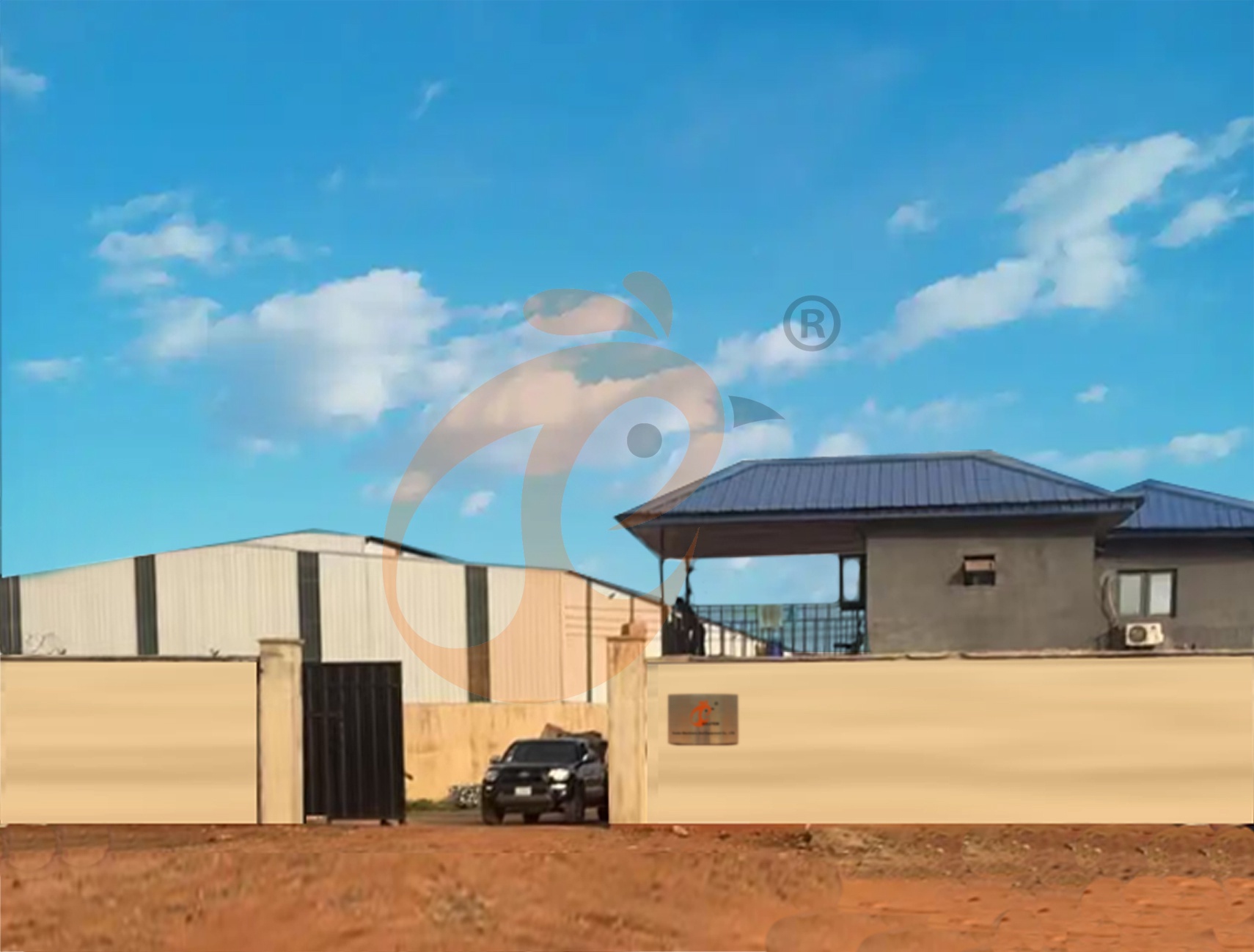
Nigeria Vanke Machinery And Equipment CO., LTD
Tanzania Best Machinery And Equipment CO., LTD
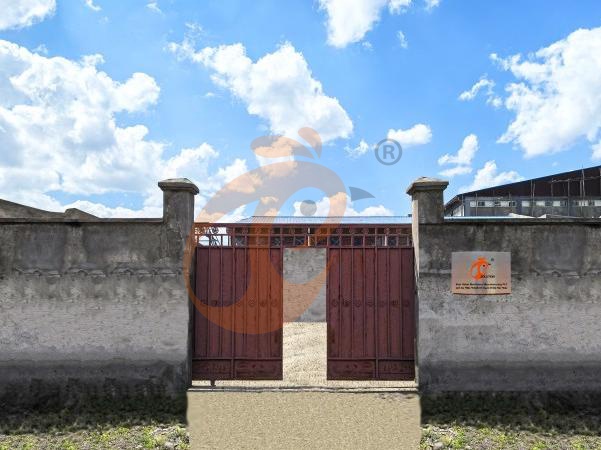
Ethiopia Best Hebei Machinery Manufacturing PLC




Reception /24 WhatsApp NO. : +8618830120193
FAQ
How To Buy The Best A-Type Poultry Cage For High-Quality Egg Production?
Birds per set: 120-200 birds
Suitable for small to medium commercial farms
Egg production rate: 90–96%
FCR: 1.9–2.2
Equipment lifespan: more than 25 years
Labor savings: 50–70%
What Are The Recommended Layouts For A-Type Chicken Cage Farm?
Cage width: 2200–2400 mm, depth: 400 mm
Farm capacity per house: 10,000–50,000 birds
Aisle width: 1.2–1.4 m for easy manual operation
Egg production rate: 90-96%
How To Optimize Feed Conversion Ratio In A-Type Layer Cage System?
Improve ventilation to reduce heat stress
FCR can be reduced to 1.9–2.2
Egg production rate: 90–96%
Feed waste reduced by 5–10%
- poultry farmers
- poultry farm
- chicken cage
- poultry farms
- poultry farmer
- poultry house
- poultry cage
- cage
- poultry farm equipment
- poultry farm construction
- poultry cage system
- chicken cage layout
- chicken cage manufacturer
- chicken cage system
- poultry farm project
- poultry equipment
- chickencage
- bestchickencage
- cage system
- cage systems
- layer chicken cage
- Nigeria
- layer chicken cage system
- modern poultry farms
- poultry cage systems
- cage manufacturer
- modern poultry farm
- poultry farm plan
Message
Products recommended
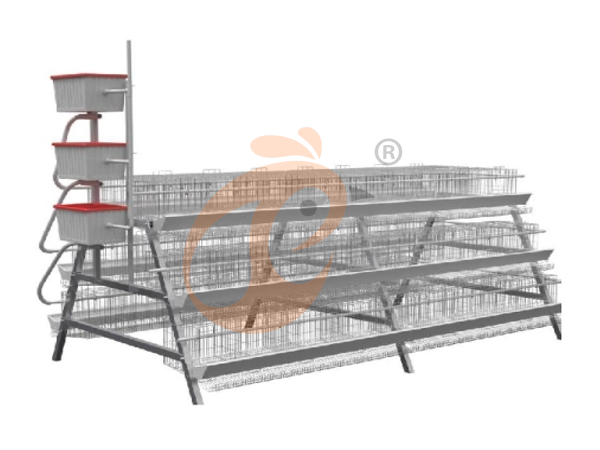
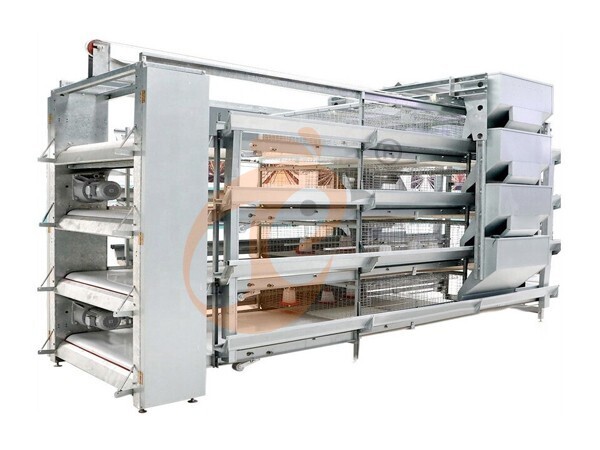
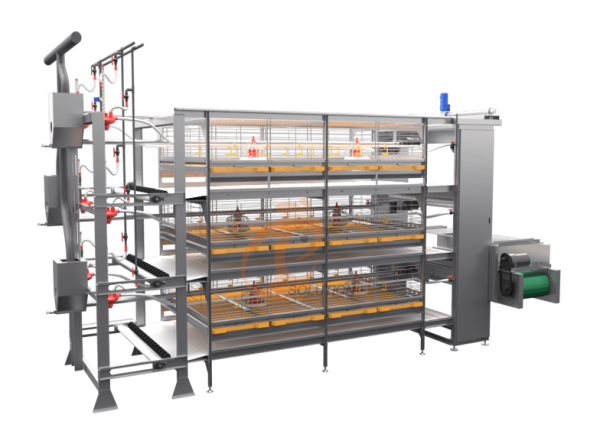
 >30,000 Pullets Automatic H Type Battery Cage1. More than 30,000 pullets a house, choose it.
2. It is designed to rearing older than 1 day old pullets to 12 to 16 weeks old chicken starting laying eggs.
3. Its lifespan is more than 25 years.
4. Its structure are Vcloud artificial intelligent fusion, electric control cabinet, automatic equipment of drinking, feeding, manure clean, manual harvesting.
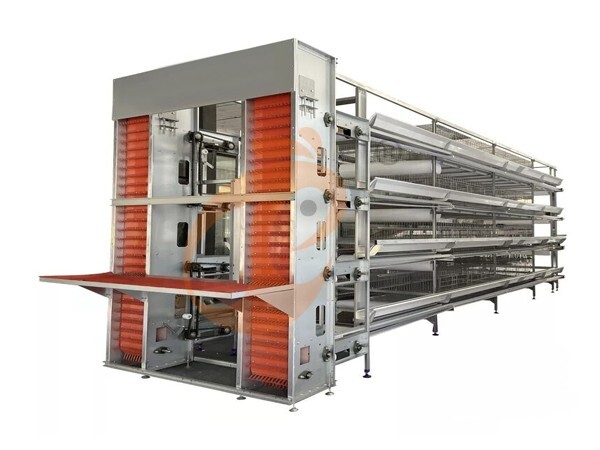
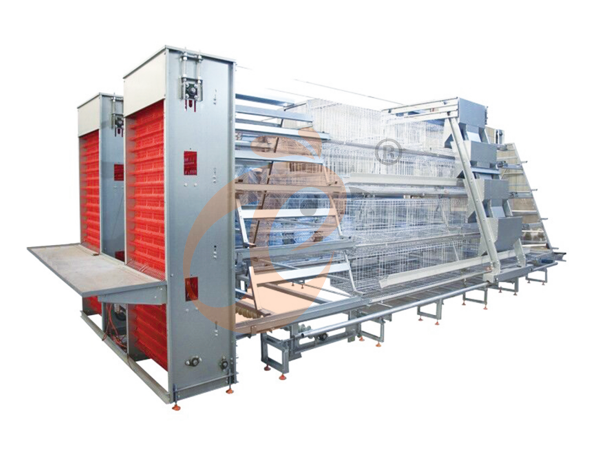
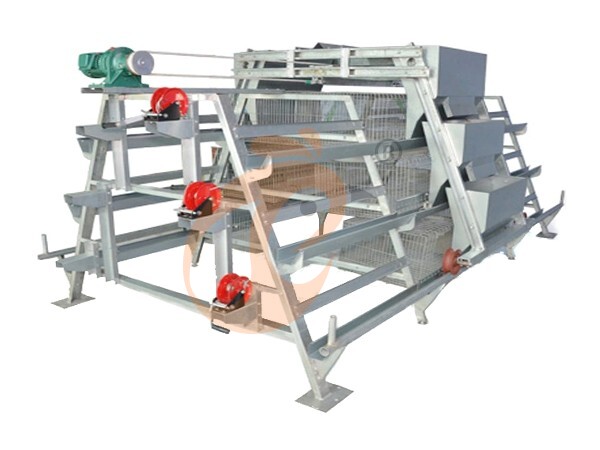
5. Our 24 hour online reception What’sApp NO. is +8618830120193 <30,000 Pullets Automatic A Type Battery Cage1. 10,000 to 30,000 pullets a house, choose it.
2. It is designed to rearing older than 1 day old pullets to 12 to 16 weeks old chicken starting laying eggs.
3. Its lifespan is more than 25 years.
4. Its structure are Vcloud artificial intelligent fusion, electric control cabinet, automatic equipment of drinking, feeding, manure clean, manual harvesting.
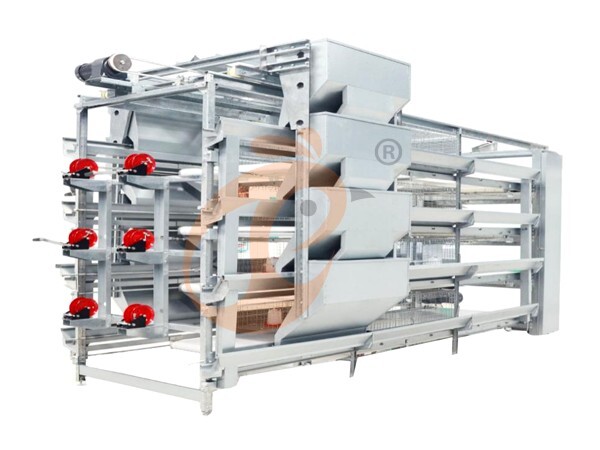
5. Our 24 hour online reception What’sApp NO. is +86 18830120193. >30,000 Broilers Semi-Automatic Harvest H Type Battery Cage1. More than 30,000 broilers a house, choose it.
2. It is designed to rearing 1 to 45 day old adult broiler ready for market.
3. Its lifespan is more than 20 years.
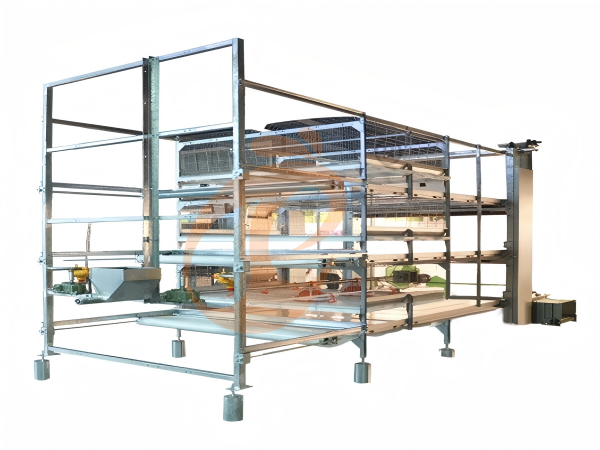
4. Our 24 hour online reception What’sApp NO. is +8618830120193, +234 8111199996. >30,000 Broilers Manual Harvest H Type Battery Cage1. More than 30,000 broilers a house, choose it.
2. It is designed to rearing 1 to 45 day old adult broiler ready for market.
3. Its lifespan is more than 20 years.
4. Its structure are Vcloud artificial intelligent fusion, electric control cabinet, automatic equipment of drinking, feeding and manure clean, manual harvesting.
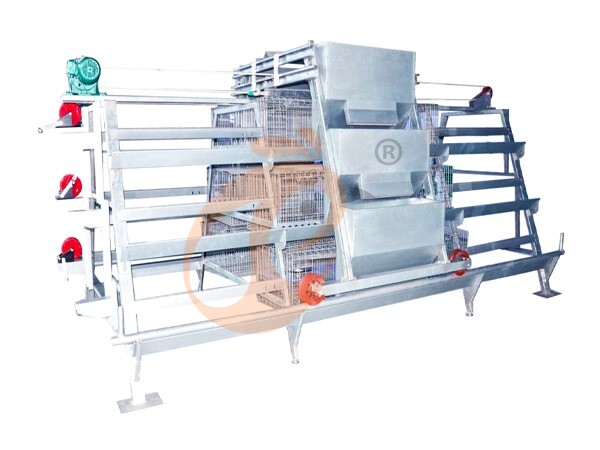
5. Our 24 hour online reception What’sApp NO. is +8618830120193, +234 8111199996. <30,000 Broilers Manual Harvest A Type Battery Cage1. Less 30,000 broilers a house, choose it.
2. It is designed to rearing 1 to 45 day old adult broiler ready for market.
3. Its lifespan is more than 20 years.
4. Its structure are Vcloud artificial intelligent fusion, electric control cabinet, automatic equipment of drinking, feeding and manure clean, manual harvesting.
5. Our 24 hour online reception What’sApp NO. is +8618830120193, +234 8111199996. HK Headquarter Offers EU-standard Poultry Farm Solutions, Manufacture Poultry Farm Equipment1. Continuous communication with the EU and the US
2. China, Nigeria, Ethiopia, Tanzania branch companies and factories
3. The products’ quality is customized for local poultry farms
4. Poultry cage and poultry farm equipment stock for sale
5. 24 online reception Whatsapp NO. : +8618830120193,contact us to get full information China Branch Offer Poultry Farm Business Plan, Manufacture Poultry Farm Equipment1. Address: Flat/RM 2416, 24/F, Runxing Building, Youyi Nan Street, Shijiazhuang City, Hebei Province, China
2. Poultry cage and poultry farm equipment factory and stock for sale
3. Customized for local poultry farms
4. Quality and design are based on Euro
5. 24 online reception Whatsapp NO. : +8618830120193 Nigeria Branch Offer Poultry Farm Business Plan, Manufacture Poultry Farm Equipment1. Address: After Sinoma Office, 200 Meters Near Danco Filling Station, Lagos/Ibadan Expressway, Lagos State, Nigeria
2. Poultry cage and poultry farm equipment factory and stock for sale
3. Customized for Nigerian poultry farms
4. Quality and design are based on Euro
5. 24 online reception Whatsapp NO. : +8618830120193 Ethiopia Branch Offer Poultry Farm Business Plan, Manufacture Poultry Farm Equipment1. Address: WR93+FQ2, Addis Ababa, Ethiopia
2. Poultry cage and poultry farm equipment stock for sale
3. Customized for Ethiopian poultry farms
4. Quality and design are based on Euro
5. 24 online reception Whatsapp NO. : +8618830120193, contact us to get price list Tanzania Branch Offer Poultry Farm Business Plan, Manufacture Poultry Farm Equipment1. Address: No.8, Sova Road, Msufini, Mlandizi, Kibaha, Pwani, Tanzania
2. Poultry cage and poultry farm equipment factory and stock for sale
3. Customized for Tanzanian poultry farms
4. Quality and design are based on Euro
5. 24 online reception Whatsapp NO. : +8618830120193



Contact
By clicking 'Allow All', you agree to the storage of cookies on your device to enhance site navigation, analyze site usage and assist with our marketing efforts.