


Blog
A-type poultry cage system management requires structured daily routines to maintain egg production efficiency in semi-intensive Ethiopian layer farms.
Proper ventilation control helps stabilize the poultry house environment across Ethiopia’s varied climates and seasonal temperature changes.
Reliable water delivery systems ensure consistent hydration for layers and help prevent production losses during hot periods.
Balanced feed distribution improves nutrient intake and reduces feed separation commonly found in locally milled rations.
Consistent lighting programs and health inspections maintain flock productivity and reduce disease risk in confined chicken cage housing.
Get professional poultry farm construction guidance, equipment selection solutions, and the latest price lists, whatsApp to +8618830120193, click to learn more:

Ethiopia Branch Office And Factory Of Poultry Farm Equipment
Pre-Dawn Environmental Assessment And Ventilation Control
In Ethiopia, the working day for a poultry farm manager usually begins around 5:00 AM.
The first task is to assess the internal microclimate of the poultry house before egg collection begins.
An A-type chicken cage system has a compact structure, and airflow management is important to prevent humidity accumulation overnight.
The Localized Challenge
During the Bega dry season in lowland areas such as Afar, temperatures may exceed 32 °C by midday.
High temperatures can lead to heat stress and may reduce egg production by around 22 percent if airflow is insufficient.
During the Kiremt rainy season in highland areas like Arsi, mornings may be cold and damp.
Higher humidity can trap ammonia and increase respiratory stress for laying hens.
The Daily Process
Managers check thermometers and adjust the side curtains manually.
Unlike automated H-frame poultry houses, the A-type chicken cage system relies mainly on manual curtain adjustment.
The objective is to release accumulated moisture while maintaining stable house temperature.
Data is for reference only. Swipe horizontally to view full table.
Inspection Of Automated Watering Systems And Nipple Drinkers
Water is the most important nutrient for laying hens.
In many Ethiopian regions, water supply consistency remains a key challenge.
An A-type chicken cage system normally uses nipple drinkers to maintain clean drinking water and reduce moisture accumulation under cages.
The Localized Challenge
Water supply in towns such as Bishoftu or Mekelle can be intermittent.
Many poultry farms therefore depend on boreholes or stored municipal water in reservoirs.
If water lines are not inspected daily, sediment buildup or airlocks can block water flow.
Even one hour without water during hot weather may reduce egg production for several days.
The Daily Process
Farm staff should walk along each chicken cage row to inspect the drinker lines.
Flush valves should be activated to clear sediment from pipelines.
Bird behavior also indicates water availability because birds crowding around nipples often signal insufficient flow.
Data is for reference only. Swipe horizontally to view full table.
Feed Trough Management And Ration Distribution
Feed represents 65–70 percent of total poultry production costs in many Ethiopian layer farms.
Proper feed management therefore plays a central role in layer farm management in Ethiopia.
Most A-type chicken cage systems distribute feed manually using troughs or semi-automatic chain feeders.
The Localized Challenge
Many Ethiopian poultry farms depend on locally mixed rations.
Typical ingredients include maize, noug cake, wheat bran, and teff straw.
Mash feed can separate during storage, allowing birds to select preferred particles.
This behavior may lead to nutrient imbalance.
The Daily Process
Feed should be pushed back toward the center of troughs several times daily.
Four to five adjustments throughout the day stimulate appetite and maintain even feed intake.
Data is for reference only. Swipe horizontally to view full table.
Egg Collection Protocols And Grading
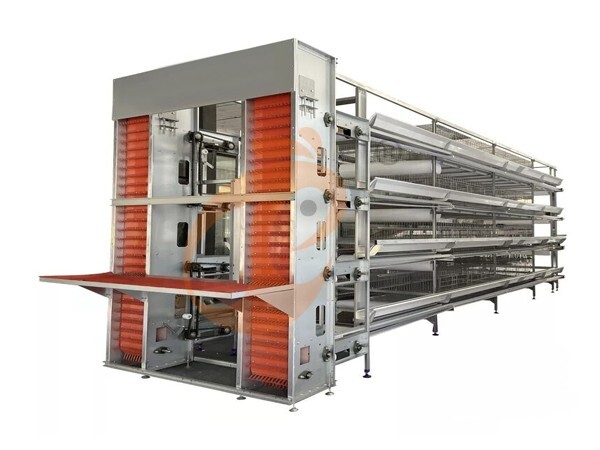
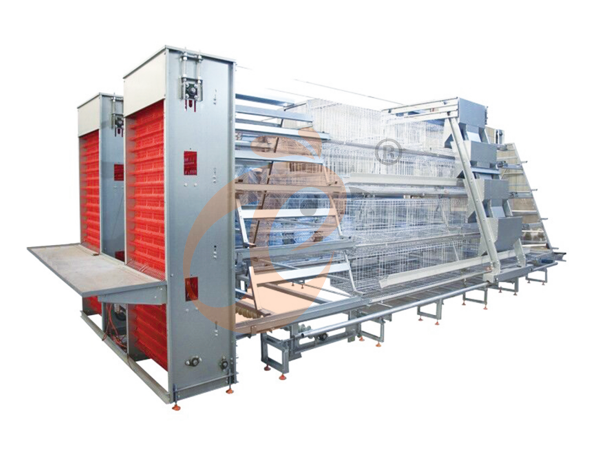
Egg collection in an A-type chicken cage system is a manual activity that requires trained staff.
In a 10,000 bird house, eggs are normally collected three times per day.
The Localized Challenge
Eggs transported to the Addis Ababa market must endure rough road conditions.
Maintaining shell strength at the time of collection therefore becomes important for reducing breakage losses.
The Daily Process
Eggs roll to the front collection tray of the chicken cage where workers gather them.
Cracked or dirty eggs must be separated immediately.
Prolonged exposure to sunlight may increase egg temperature and shorten shelf life.
Data is for reference only. Swipe horizontally to view full table.
Manure Removal And Belt Operation
One advantage of a chicken cage housing system compared with deep litter housing is structured manure management.
In Ethiopia many A-type chicken cage farms use polypropylene manure belts that operate manually or through small motors.
The Localized Challenge
In humid areas such as Jimma, manure moisture levels can increase due to high humidity.
Excess moisture encourages fly breeding and ammonia accumulation.
The Daily Process
Manure belts should be operated at least once daily after the main egg collection.
Collected manure is often sold to nearby crop farms for fertilizer use.
In many Ethiopian markets poultry manure may sell for 200–300 Ethiopian Birr per sack.
European union standard reference only.
Data is for reference only. Swipe horizontally to view full table.
Lighting Program Verification
Laying hens require a consistent lighting program to maintain egg production.
A total of 16 hours of light per day is generally recommended for commercial layers.
The Localized Challenge
Cloudy conditions during the rainy season may reduce natural daylight intensity.
Power supply instability in rural areas may also interrupt lighting schedules.
The Daily Process
Timers controlling LED or incandescent lighting must be checked daily.
Many farms increasingly install solar supported systems to maintain stable lighting conditions during grid outages.
Data is for reference only. Swipe horizontally to view full table.
Health Checks And Mortality Removal
Daily health inspection represents an important part of poultry farm daily management routine.
The design of an A-type chicken cage system allows farm staff to visually monitor birds easily during routine walkthroughs.
The Localized Challenge
Veterinary services may be located far from rural poultry farms.
Farmers therefore need to detect early signs of disease themselves.
The Daily Process
Farm staff should observe birds for abnormal behavior, poor feed intake, or respiratory symptoms.
Dead birds must be removed immediately and disposed of using burial pits or incineration areas.
Data is for reference only. Swipe horizontally to view full table.
Ethiopia Best Hebei Machinery Manufacturing Plc - One Of Ethiopia Biggest A-Type Poultry Cage System Supplier
HB BEST operates global factory direct supply systems delivering poultry farm equipment to farms worldwide with reliable manufacturing capacity and export logistics support.
The company designs durable poultry cage and chicken cage housing systems engineered for long service life in commercial poultry farms.
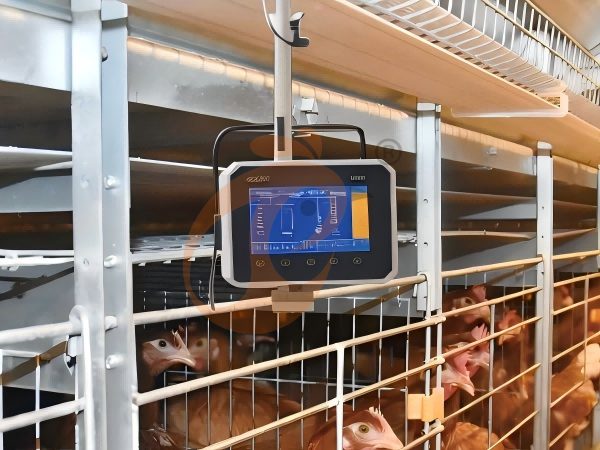
HB BEST provides complete poultry farm equipment packages including feeding systems, drinking systems, ventilation systems, and environmental control technologies.
Professional engineering teams deliver comprehensive Turn-key poultry farm construction projects from design planning to installation and technical support.
The company supports international poultry investors with customized farm layouts, equipment training, and long term operational service solutions.
Contact Us To Received Your Customized Poultry Farm Plan
Headquarters And Branchs

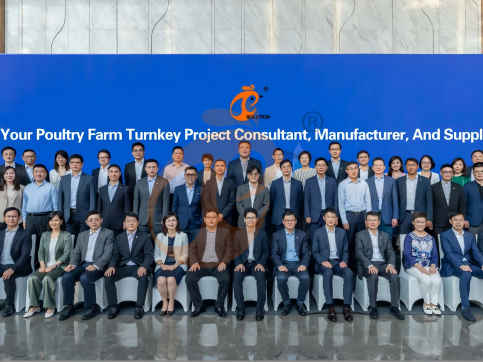
Hong Kong Headquarter Management Team
Hong Kong Headquarter Taiyu Industrial Group CO., LTD
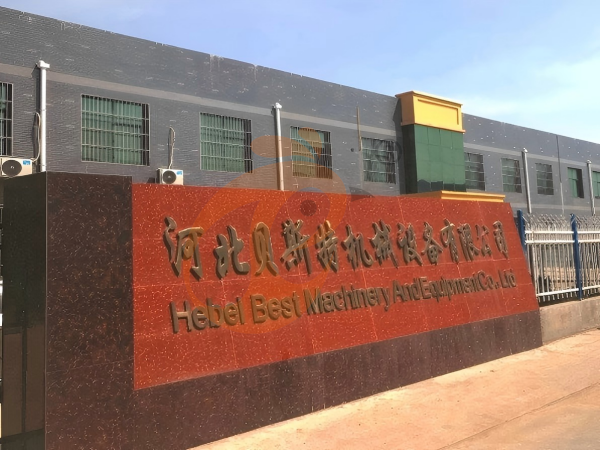
China Hebei Best Machinery And Equipment CO., LTD
Nigeria Vanke Machinery And Equipment CO., LTD
Tanzania Best Machinery And Equipment CO., LTD
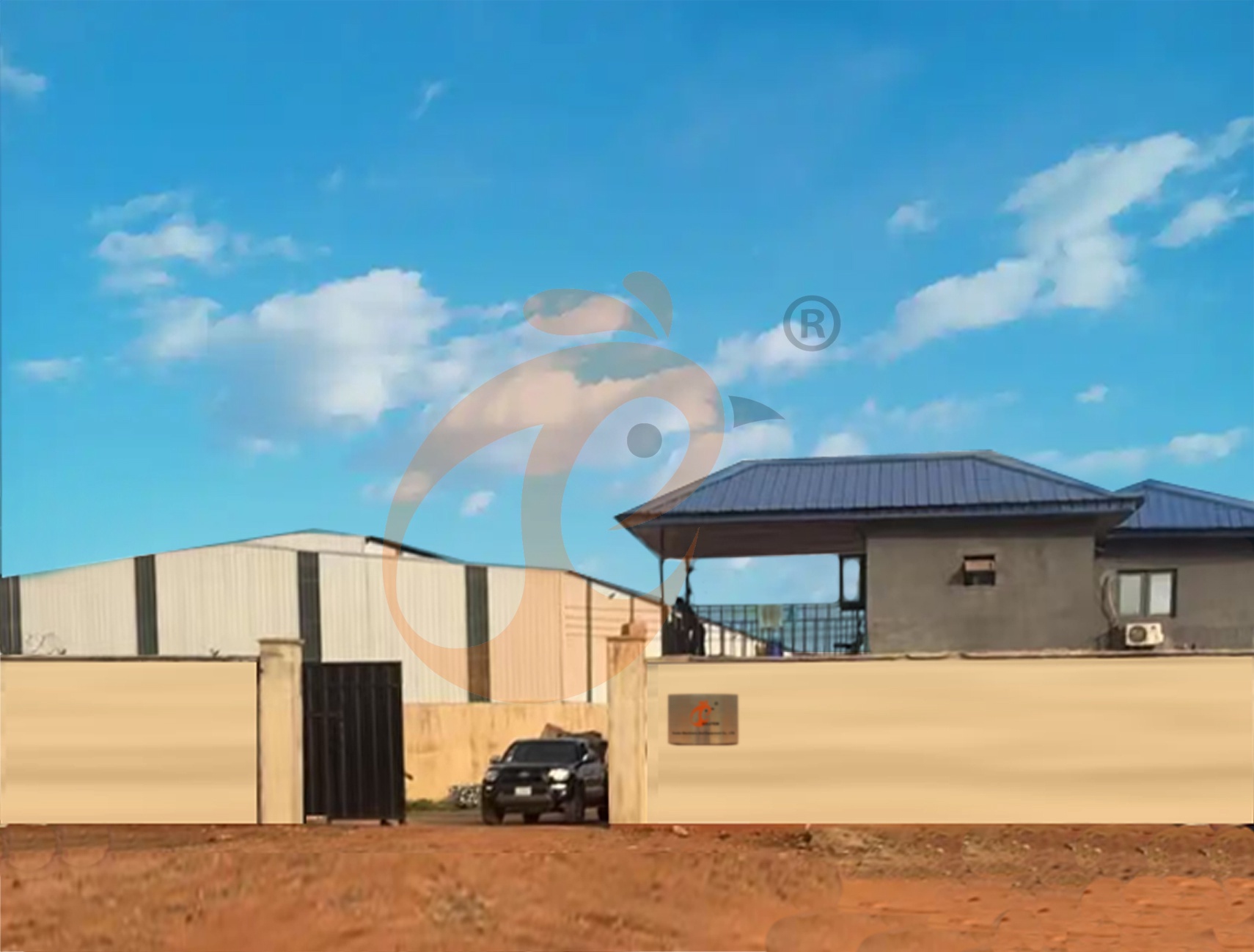
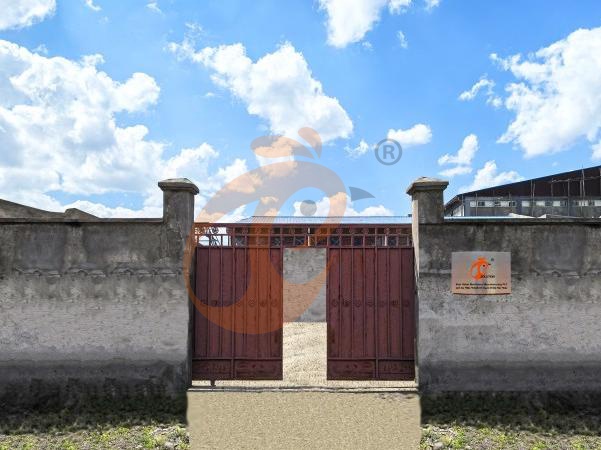
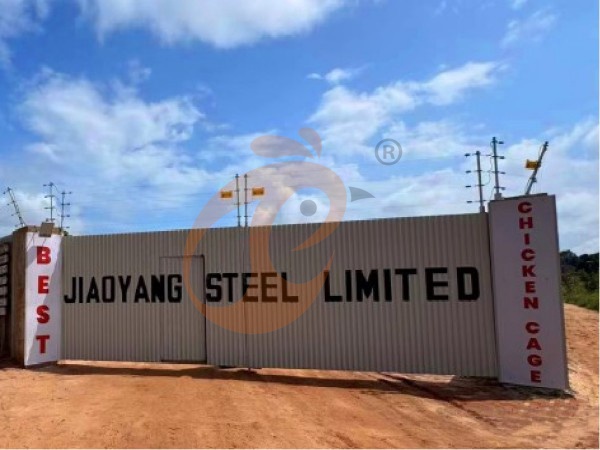
Ethiopia Best Hebei Machinery Manufacturing PLC




Reception /24 WhatsApp NO. : +8618830120193
FAQ
How To Buy The Best A-Type Poultry Cage For High-Quality Egg Production?
Birds per set: 120-200 birds
Suitable for small to medium commercial farms
Egg production rate: 90–96%
FCR: 1.9–2.2
Equipment lifespan: more than 25 years
Labor savings: 50–70%
What Are The Recommended Layouts For A-Type Chicken Cage Farm?
Cage width: 2200–2400 mm, depth: 400 mm
Farm capacity per house: 10,000–50,000 birds
Aisle width: 1.2–1.4 m for easy manual operation
Egg production rate: 90-96%
How To Optimize Feed Conversion Ratio In A-Type Layer Cage System?
Improve ventilation to reduce heat stress
FCR can be reduced to 1.9–2.2
Egg production rate: 90–96%
Feed waste reduced by 5–10%
- poultry farm
- chicken cage
- poultry farms
- poultry house
- poultry cage
- cage
- poultry farm equipment
- poultry farm construction
- poultry cage system
- chicken cage system
- poultry cage system supplier
- a chicken cage
- chickencage
- cage housing system
- bestchickencage
- cage system
- cage layer
- chicken cage layer
- the chicken cage
- cage systems
- Nigeria
- layer farm
- layer farm management
- commercial poultry farms
- poultry farm plan
Message
Products recommended
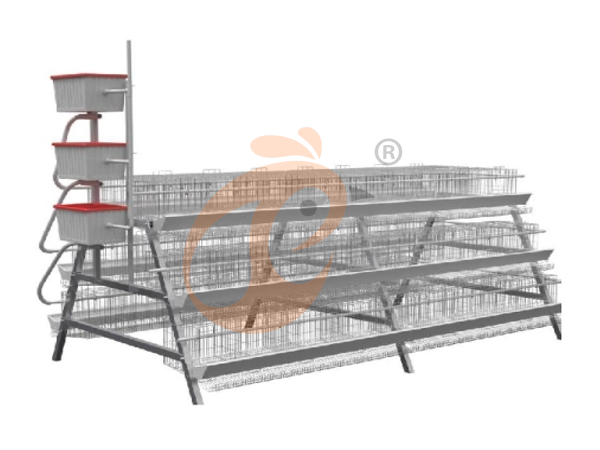
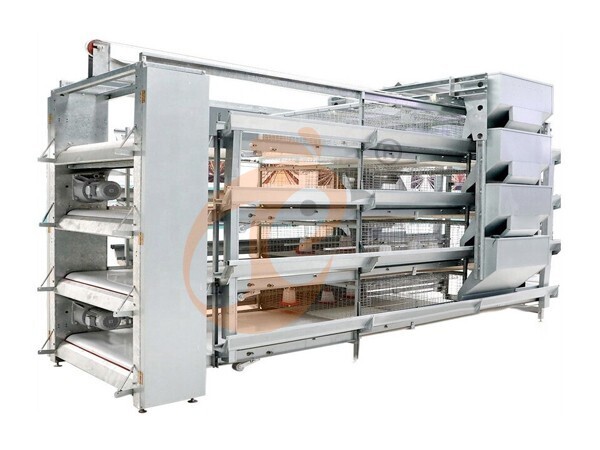
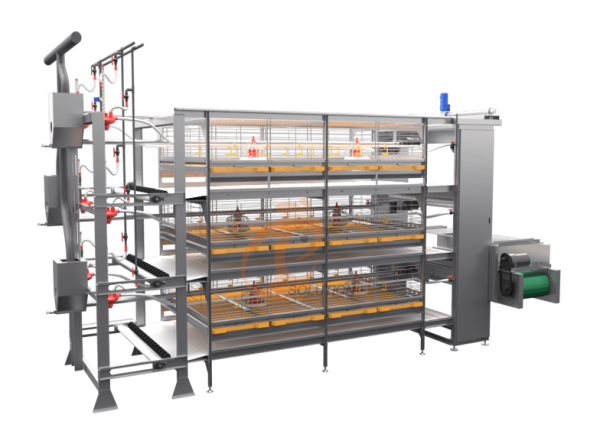
 >30,000 Pullets Automatic H Type Battery Cage1. More than 30,000 pullets a house, choose it.
2. It is designed to rearing older than 1 day old pullets to 12 to 16 weeks old chicken starting laying eggs.
3. Its lifespan is more than 25 years.
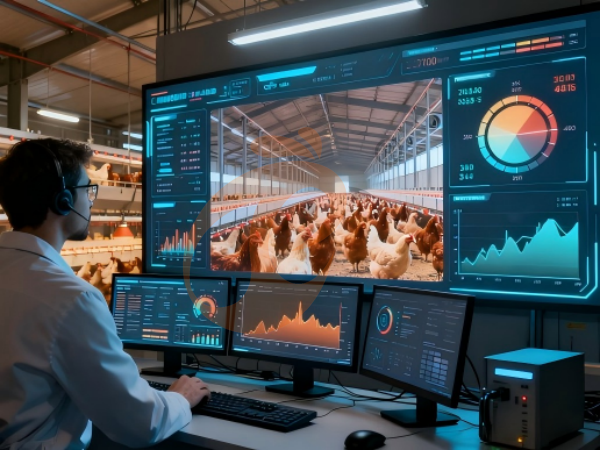
4. Its structure are Vcloud artificial intelligent fusion, electric control cabinet, automatic equipment of drinking, feeding, manure clean, manual harvesting.
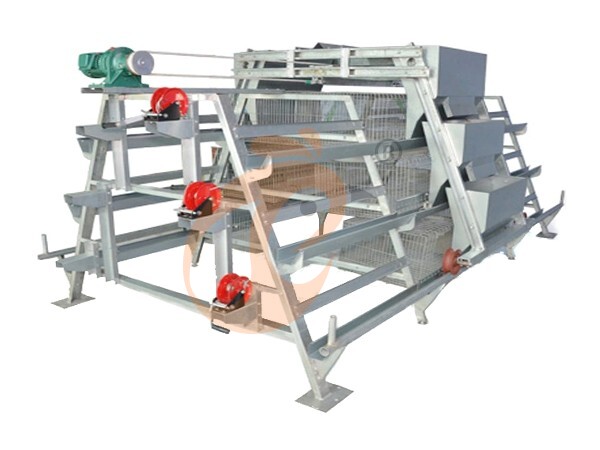
5. Our 24 hour online reception What’sApp NO. is +8618830120193 <30,000 Pullets Automatic A Type Battery Cage1. 10,000 to 30,000 pullets a house, choose it.
2. It is designed to rearing older than 1 day old pullets to 12 to 16 weeks old chicken starting laying eggs.
3. Its lifespan is more than 25 years.
4. Its structure are Vcloud artificial intelligent fusion, electric control cabinet, automatic equipment of drinking, feeding, manure clean, manual harvesting.
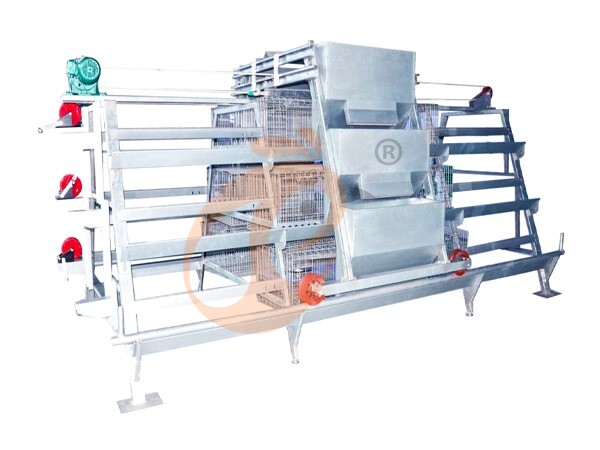
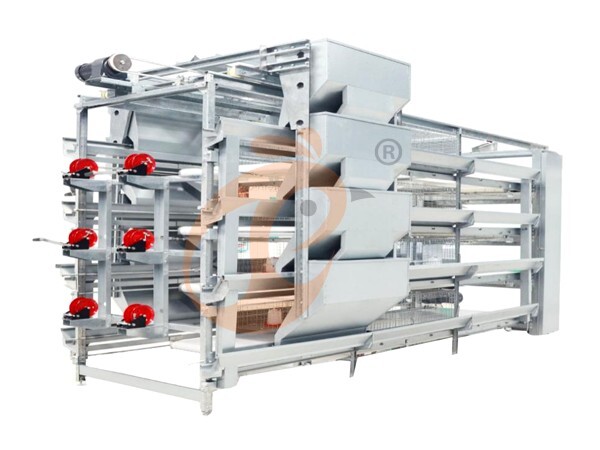
5. Our 24 hour online reception What’sApp NO. is +86 18830120193. >30,000 Broilers Semi-Automatic Harvest H Type Battery Cage1. More than 30,000 broilers a house, choose it.
2. It is designed to rearing 1 to 45 day old adult broiler ready for market.
3. Its lifespan is more than 20 years.
4. Our 24 hour online reception What’sApp NO. is +8618830120193, +234 8111199996. >30,000 Broilers Manual Harvest H Type Battery Cage1. More than 30,000 broilers a house, choose it.
2. It is designed to rearing 1 to 45 day old adult broiler ready for market.
3. Its lifespan is more than 20 years.
4. Its structure are Vcloud artificial intelligent fusion, electric control cabinet, automatic equipment of drinking, feeding and manure clean, manual harvesting.
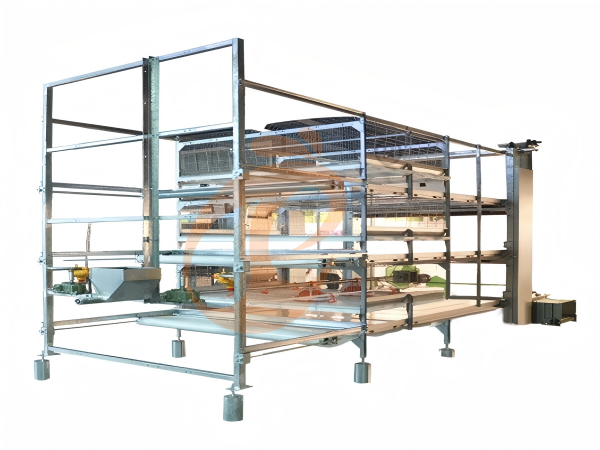
5. Our 24 hour online reception What’sApp NO. is +8618830120193, +234 8111199996. <30,000 Broilers Manual Harvest A Type Battery Cage1. Less 30,000 broilers a house, choose it.
2. It is designed to rearing 1 to 45 day old adult broiler ready for market.
3. Its lifespan is more than 20 years.
4. Its structure are Vcloud artificial intelligent fusion, electric control cabinet, automatic equipment of drinking, feeding and manure clean, manual harvesting.
5. Our 24 hour online reception What’sApp NO. is +8618830120193, +234 8111199996. HK Headquarter Offers EU-standard Poultry Farm Solutions, Manufacture Poultry Farm Equipment1. Continuous communication with the EU and the US
2. China, Nigeria, Ethiopia, Tanzania branch companies and factories
3. The products’ quality is customized for local poultry farms
4. Poultry cage and poultry farm equipment stock for sale
5. 24 online reception Whatsapp NO. : +8618830120193,contact us to get full information China Branch Offer Poultry Farm Business Plan, Manufacture Poultry Farm Equipment1. Address: Flat/RM 2416, 24/F, Runxing Building, Youyi Nan Street, Shijiazhuang City, Hebei Province, China
2. Poultry cage and poultry farm equipment factory and stock for sale
3. Customized for local poultry farms
4. Quality and design are based on Euro
5. 24 online reception Whatsapp NO. : +8618830120193 Nigeria Branch Offer Poultry Farm Business Plan, Manufacture Poultry Farm Equipment1. Address: After Sinoma Office, 200 Meters Near Danco Filling Station, Lagos/Ibadan Expressway, Lagos State, Nigeria
2. Poultry cage and poultry farm equipment factory and stock for sale
3. Customized for Nigerian poultry farms
4. Quality and design are based on Euro
5. 24 online reception Whatsapp NO. : +8618830120193 Ethiopia Branch Offer Poultry Farm Business Plan, Manufacture Poultry Farm Equipment1. Address: WR93+FQ2, Addis Ababa, Ethiopia
2. Poultry cage and poultry farm equipment stock for sale
3. Customized for Ethiopian poultry farms
4. Quality and design are based on Euro
5. 24 online reception Whatsapp NO. : +8618830120193, contact us to get price list Tanzania Branch Offer Poultry Farm Business Plan, Manufacture Poultry Farm Equipment1. Address: No.8, Sova Road, Msufini, Mlandizi, Kibaha, Pwani, Tanzania
2. Poultry cage and poultry farm equipment factory and stock for sale
3. Customized for Tanzanian poultry farms
4. Quality and design are based on Euro
5. 24 online reception Whatsapp NO. : +8618830120193


Contact
By clicking 'Allow All', you agree to the storage of cookies on your device to enhance site navigation, analyze site usage and assist with our marketing efforts.