


Blog
Choosing the correct broiler cage system is the most critical decision that defines the architecture, efficiency, and profitability of your poultry farm. The two dominant designs in modern commercial rearing are the A-Type (stepped) and the H-Type (stacked). This comprehensive comparison utilizes specific data points to analyze the A-Type and H-Type broiler cage systems across key factors, including space utilization, automation potential, cost, and maintenance. We aim to guide your investment, ensuring you select the Chicken cage that guarantees maximum return on your poultry farm investment.
This content supports our core guide: Broiler Cage Farming: A One-Stop Solution For All Your Problems.
Core Structural Comparison And Density
The fundamental difference between the A-Type and H-Type systems lies in their vertical arrangement, which dictates space efficiency, ventilation requirements, and cleaning methods within the commercial chicken barns.
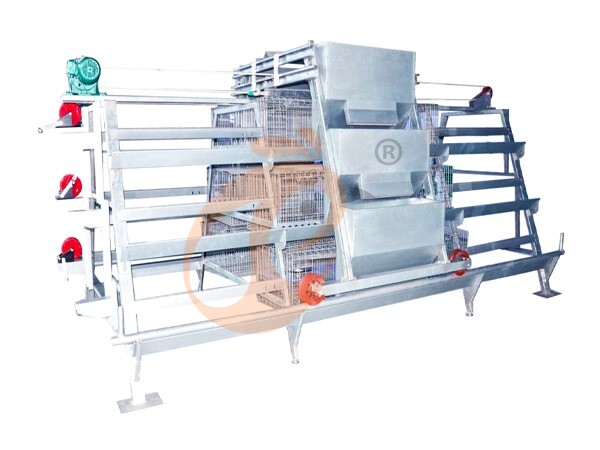
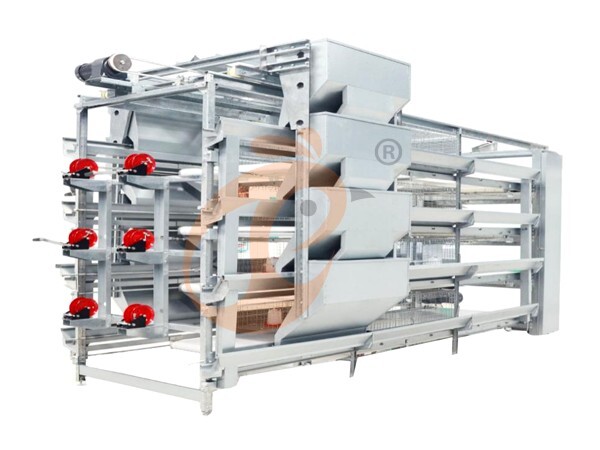
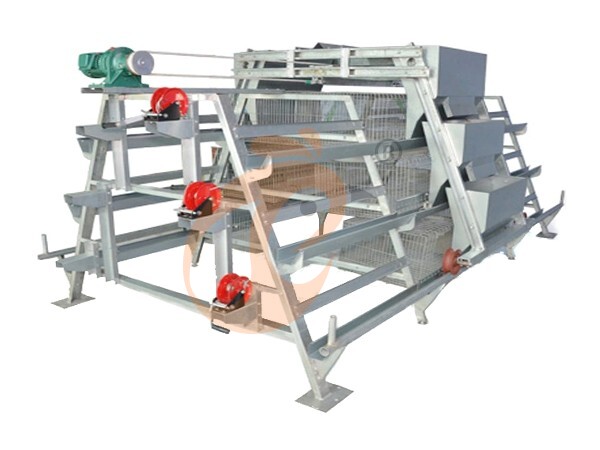
1. A-Type: Simple, Stepped, And Open
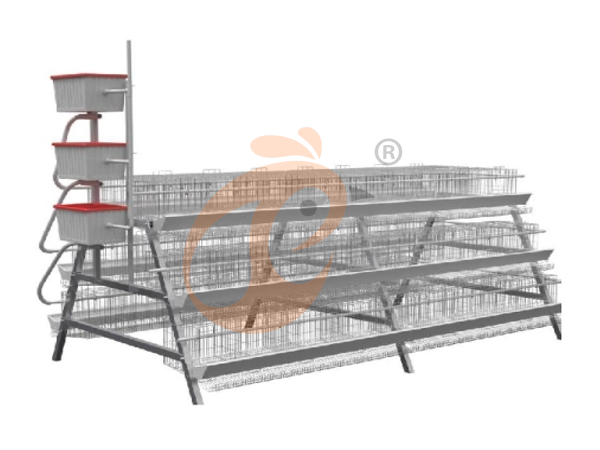
The A-Type broiler cage features tiers arranged like steps, allowing manure to drop directly to the floor or a shallow pit beneath the cage row. This design requires more floor space per bird but offers excellent natural ventilation, making it ideal for open or semi-open sided poultry houses where climate control is less precise.
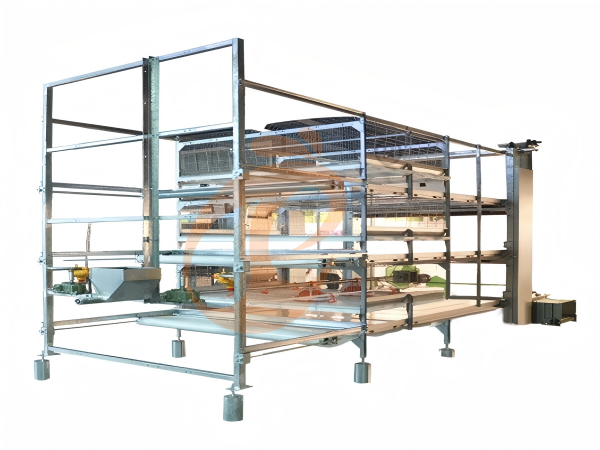
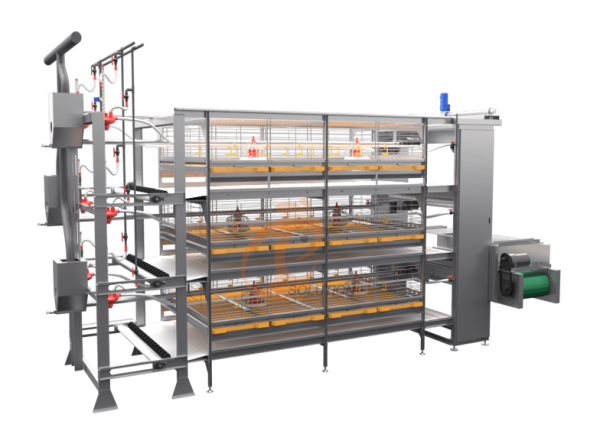
2. H-Type: Stacked, High-Density, And Enclosed
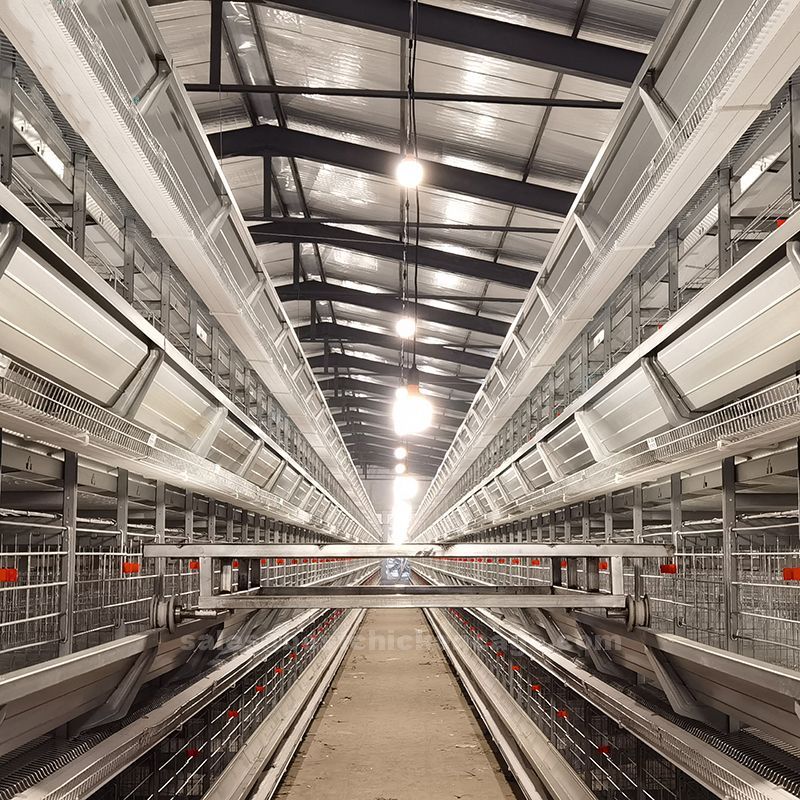
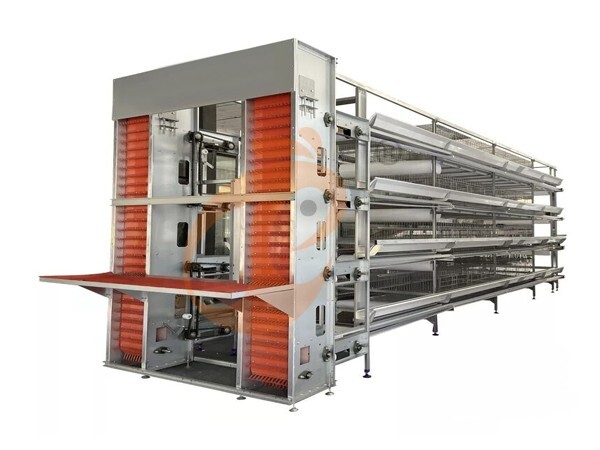
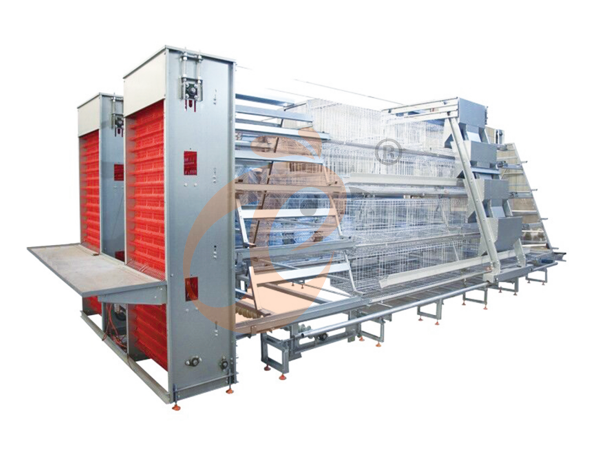
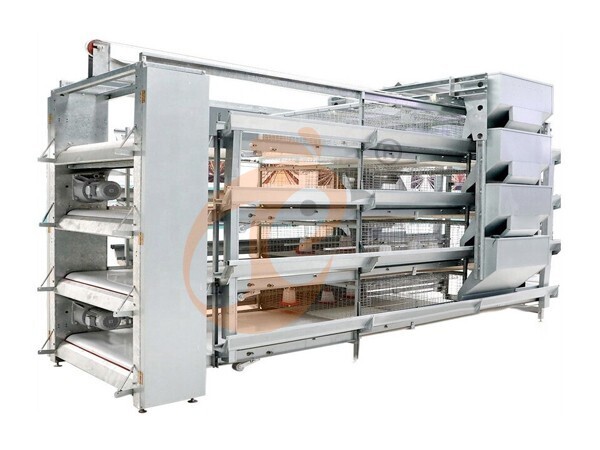
The H-Type broiler cage is fully vertical, stacking multiple tiers directly above one another. Each tier is equipped with an independent manure belt, which captures waste and removes it daily. This structure maximizes bird density and requires a fully enclosed, environmentally controlled commercial chicken barns to manage ventilation and temperature effectively.
Structural And Density Metrics
Automation Potential And Labor Efficiency
The degree of automation achievable is a major differentiator in long-term operational costs. While both types of broiler cage can integrate automatic feeding and drinking systems, the manure removal mechanism determines the labor profile.
1. A-Type Automation:
A-Type systems typically use a scraper system for manure removal from the floor or rely on manual flushing/pitting. This manual element prevents $100%$ automation, keeping labor costs slightly higher than H-Type. However, the system is less complex, leading to lower maintenance costs.
2. H-Type Automation:
The H-Type uses dedicated Polypropylene (PP) manure belts for each tier. This allows for fully continuous, automated waste removal, eliminating the most labor-intensive daily task. This level of automation is essential for large-scale poultry farm operations (over 30,000 birds per house) seeking minimal labor input.
Automation And Labor Efficiency
We offer automatic feeding systems for both models that can reduce labor costs by 30% to 40% compared to manual feeding. For an H-Type system, one worker can efficiently manage a flock of 15,000 to 20,000 birds.
Vanke Strength & Service: Our H-Type systems include high-quality PP manure belts and powerful motors, ensuring seamless, hands-off waste removal for your poultry cage investment.
Cost, Installation, And Investment Metrics
The initial investment for a poultry cage system is influenced by materials, structural complexity, and automation level. While the H-Type has a higher cost per unit, its density advantage often leads to a lower cost per bird and a faster ROI on large projects.
1. Initial Cost Index
The H-Type requires more complex components, including numerous manure belts, dedicated motors per row, and a more robust vertical frame, leading to a higher cost index than the simpler A-Type structure.
Investment And Cost Analysis
2. Return On Investment (ROI)
On a large-scale poultry farm (over 30,000 birds), the H-Type's ability to nearly double bird capacity per square meter and drastically reduce labor hours often translates to a faster overall ROI, despite the higher initial component cost.
Vanke Strength & Service: We provide precise cost modeling to project your ROI, ensuring the higher density of the H-Type translates into maximum profitability for your commercial chicken barns.
Environmental Control And Health Management
While the broiler cage system inherently offers better biosecurity than floor rearing, the A-Type and H-Type differ in how they manage the micro-environment within the cage itself, which impacts bird health.
1 Airflow And Ammonia Control
The open, stepped structure of the A-Type allows for excellent natural airflow, which is advantageous in naturally ventilated houses or tropical climates. However, manure remains on the floor, potentially leading to ammonia buildup if not managed daily.
The fully stacked H-Type requires forced ventilation (fans and cooling pads) to push air vertically, but the daily, continuous removal of manure by the belts minimizes ammonia production directly beneath the chickens. This creates a superior breathing environment within the cage itself.
2. Applicability To Layer Cage Systems
It is important to note that the modular design allows for some overlap. For instance, the A-Type system principles are also used in Layer cage production where manual or semi-automated operation is preferred. H-Type technology, with its full automation, is common in both high-density broiler cage and Layer cage operations.
Environmental And Health Factors
Vanke Strength & Service: We offer high-quality environmental control systems (fans, cooling pads) optimized to work flawlessly with our high-density H-Type broiler cage systems.
Vanke Broiler Cage Specifications
We manufacture both A-Type and H-Type broiler cage models to the highest international standards, ensuring longevity and durability. All frames are constructed from national standard Q235 steel and feature hot-dip galvanization (ge 275 g/m2) for a lifespan exceeding 20 years.
Key Broiler Cage Specifications (For Reference Only)
FAQ
To address common concerns searched by potential customers on Google, we offer definitive answers:
Q1: Is The A-Type Broiler Cage Suitable For Fully Automated Operations?
While the A-Type can be equipped with automatic feeding and drinking systems, its fundamental design requires floor cleaning (either manual or via a scraper system). True, complete hands-off automation, especially concerning daily manure removal and the high density required for minimum labor per bird, is only fully realized with the stacked, belted H-Type poultry cage system.
Q2: Which Cage Type Offers A Better Micro-Environment For Broilers In Hot Climates?
For extremely hot or humid climates where energy costs are a concern, the A-Type broiler cage in a semi-open commercial chicken barns might be preferable due to its reliance on natural ventilation and reduced reliance on power-intensive forced ventilation systems. However, the H-Type provides superior internal control and ammonia management when paired with a high-performance tunnel ventilation system, which is critical for minimizing broiler stress during heat waves.
Q3: Can The Broiler Cage Be Converted Into A Layer Cage Later On?
No, a broiler cage cannot be directly converted into a Layer cage. Broiler cages require a flat or reinforced plastic floor mesh for comfort and leg health, whereas layer cages feature a sloped wire mesh floor to allow eggs to roll out onto the collection belt. They are designed for completely different operational flows. However, the underlying technology (feeding, watering, manure belts in H-Type) uses similar principles, making farm expansion versatile.
Vanke (China-Nigeria) Company Strength And Service
Global Supply Chain: Provides EU-standard hot-dip galvanized poultry cage systems, ensuring an ultra-long service life of 20 years.
One-Stop Solution: Offers full-process services for poultry farms, from house design and equipment supply to installation guidance.
Localized Support: Provides customized and cost-effective Chicken Cage solutions tailored to the practical needs of Nigeria and similar climate regions.
Rapid Response: Professional technical consultants offer quick remote support to resolve any issues in your farming operation.
Contact Us To Received Your Customized Poultry Farm Plan
Headquarters And Distribution Centers
Hong Kong Headquarter Taiyu Industrial Group CO., LTD
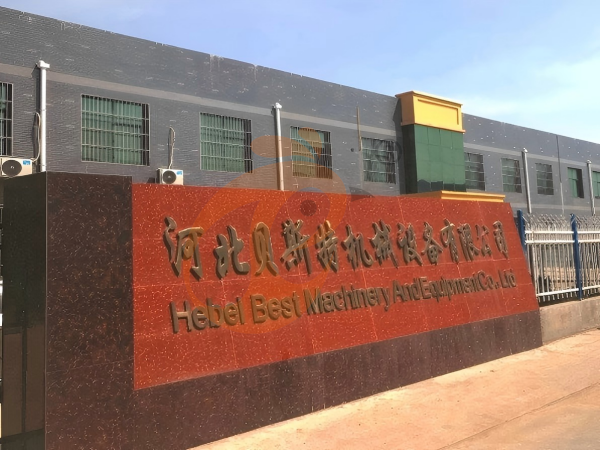
China Hebei Best Machinery And Equipment CO., LTD
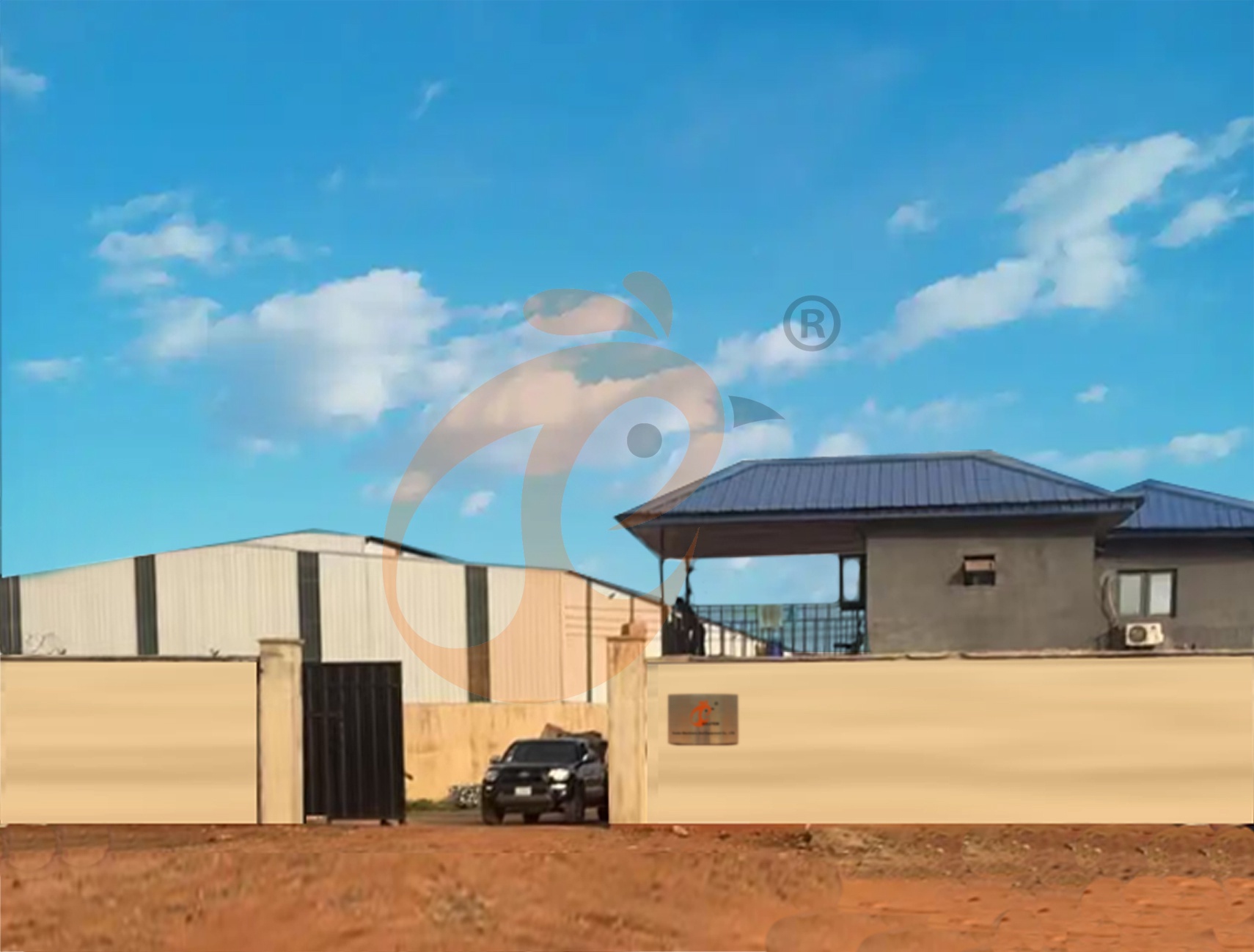
Nigeria Vanke Machinery And Equipment CO., LTD
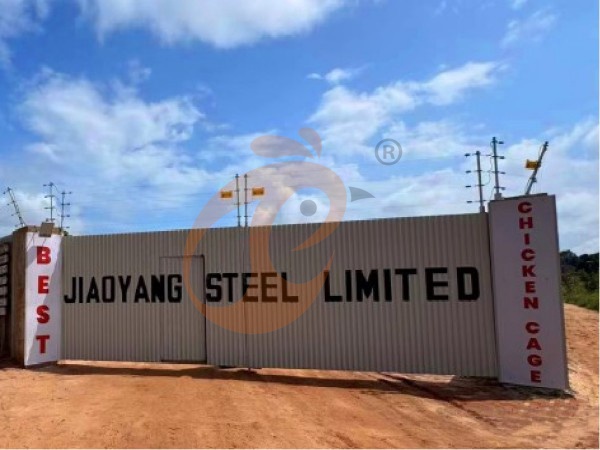
Tanzania Best Machinery And Equipment CO., LTD
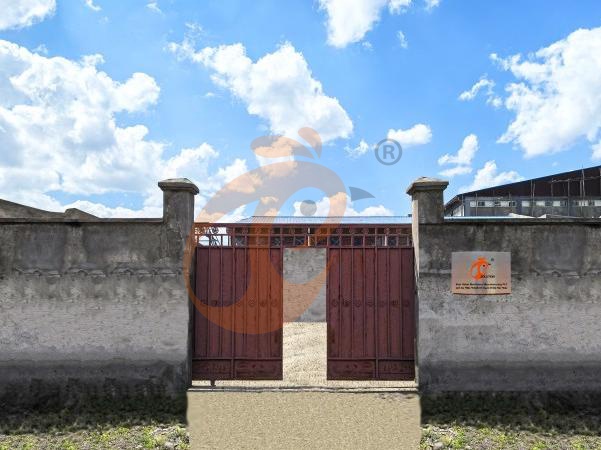
Ethiopia Best Hebei Machinery Manufacturing PLC
FAQ
Message
Products recommended
 >30,000 Pullets Automatic H Type Battery Cage1. More than 30,000 pullets a house, choose it.
2. It is designed to rearing older than 1 day old pullets to 12 to 16 weeks old chicken starting laying eggs.
3. Its lifespan is more than 25 years.
4. Its structure are Vcloud artificial intelligent fusion, electric control cabinet, automatic equipment of drinking, feeding, manure clean, manual harvesting.
5. Our 24 hour online reception What’sApp NO. is +8618830120193 <30,000 Pullets Automatic A Type Battery Cage1. 10,000 to 30,000 pullets a house, choose it.
2. It is designed to rearing older than 1 day old pullets to 12 to 16 weeks old chicken starting laying eggs.
3. Its lifespan is more than 25 years.
4. Its structure are Vcloud artificial intelligent fusion, electric control cabinet, automatic equipment of drinking, feeding, manure clean, manual harvesting.
5. Our 24 hour online reception What’sApp NO. is +86 18830120193. >30,000 Broilers Semi-Automatic Harvest H Type Battery Cage1. More than 30,000 broilers a house, choose it.
2. It is designed to rearing 1 to 45 day old adult broiler ready for market.
3. Its lifespan is more than 20 years.
4. Our 24 hour online reception What’sApp NO. is +8618830120193, +234 8111199996. >30,000 Broilers Manual Harvest H Type Battery Cage1. More than 30,000 broilers a house, choose it.
2. It is designed to rearing 1 to 45 day old adult broiler ready for market.
3. Its lifespan is more than 20 years.
4. Its structure are Vcloud artificial intelligent fusion, electric control cabinet, automatic equipment of drinking, feeding and manure clean, manual harvesting.
5. Our 24 hour online reception What’sApp NO. is +8618830120193, +234 8111199996. <30,000 Broilers Manual Harvest A Type Battery Cage1. Less 30,000 broilers a house, choose it.
2. It is designed to rearing 1 to 45 day old adult broiler ready for market.
3. Its lifespan is more than 20 years.
4. Its structure are Vcloud artificial intelligent fusion, electric control cabinet, automatic equipment of drinking, feeding and manure clean, manual harvesting.
5. Our 24 hour online reception What’sApp NO. is +8618830120193, +234 8111199996. HK Headquarter Offers EU-standard Poultry Farm Solutions, Manufacture Poultry Farm Equipment1. Continuous communication with the EU and the US
2. China, Nigeria, Ethiopia, Tanzania branch companies and factories
3. The products’ quality is customized for local poultry farms
4. Poultry cage and poultry farm equipment stock for sale
5. 24 online reception Whatsapp NO. : +8618830120193,contact us to get full information China Branch Offer Poultry Farm Business Plan, Manufacture Poultry Farm Equipment1. Address: Flat/RM 2416, 24/F, Runxing Building, Youyi Nan Street, Shijiazhuang City, Hebei Province, China
2. Poultry cage and poultry farm equipment factory and stock for sale
3. Customized for local poultry farms
4. Quality and design are based on Euro
5. 24 online reception Whatsapp NO. : +8618830120193 Nigeria Branch Offer Poultry Farm Business Plan, Manufacture Poultry Farm Equipment1. Address: After Sinoma Office, 200 Meters Near Danco Filling Station, Lagos/Ibadan Expressway, Lagos State, Nigeria
2. Poultry cage and poultry farm equipment factory and stock for sale
3. Customized for Nigerian poultry farms
4. Quality and design are based on Euro
5. 24 online reception Whatsapp NO. : +8618830120193 Ethiopia Branch Offer Poultry Farm Business Plan, Manufacture Poultry Farm Equipment1. Address: WR93+FQ2, Addis Ababa, Ethiopia
2. Poultry cage and poultry farm equipment stock for sale
3. Customized for Ethiopian poultry farms
4. Quality and design are based on Euro
5. 24 online reception Whatsapp NO. : +8618830120193, contact us to get price list Tanzania Branch Offer Poultry Farm Business Plan, Manufacture Poultry Farm Equipment1. Address: No.8, Sova Road, Msufini, Mlandizi, Kibaha, Pwani, Tanzania
2. Poultry cage and poultry farm equipment factory and stock for sale
3. Customized for Tanzanian poultry farms
4. Quality and design are based on Euro
5. 24 online reception Whatsapp NO. : +8618830120193


Contact
By clicking 'Allow All', you agree to the storage of cookies on your device to enhance site navigation, analyze site usage and assist with our marketing efforts.