


Blog
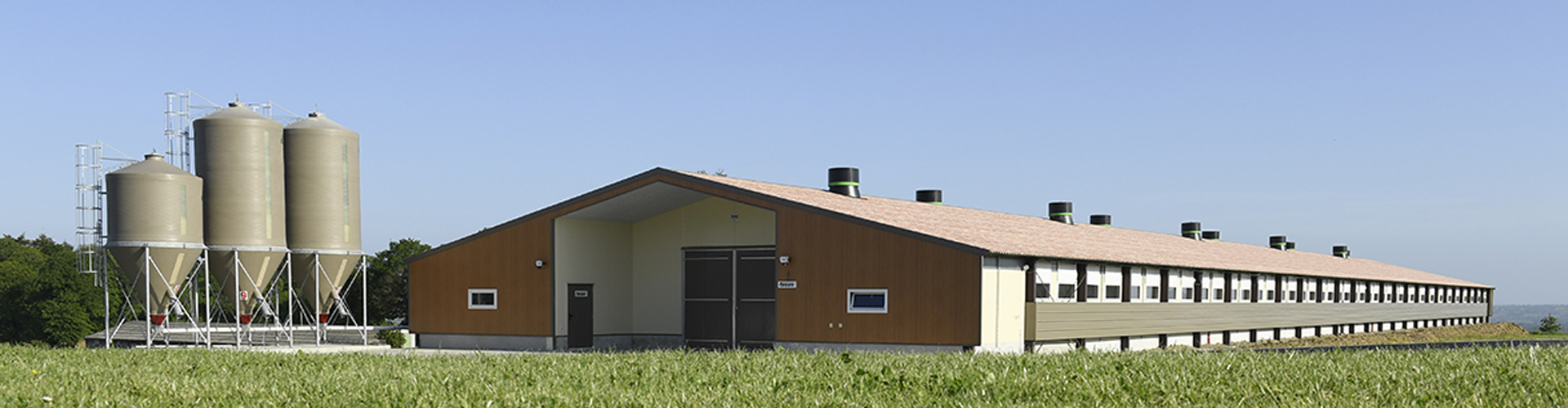
Traditional floor-litter rearing methods, even with the most rigorous management protocols, cannot fundamentally eliminate the high risk of chickens having continuous direct contact with their own fecal matter. This unavoidable exposure makes the flock highly susceptible to devastating intestinal diseases like Coccidiosis and E. coli infections. As a specialized manufacturer of advanced broiler cage equipment, we provide data-backed solutions proving that the modern poultry cage system is the single most effective tool for disease prevention and control today.
This comprehensive article will analyze how the innovative metal mesh flooring and automated manure handling mechanisms of modern Cage System designs—including both A-Type and H-Type—completely interrupt the pathogen transmission cycle. By immediately separating the bird from its waste, this technology dramatically lowers disease incidence, drastically cuts medication costs, and guarantees the healthy, rapid growth essential for commercial success within your commercial chicken barns. Selecting the right Chicken cage is not just an equipment choice; it is an investment in an advanced, low-risk health management strategy.
For a general overview of our offerings, please see our pillar content: [Broiler Cage Farming: A One-Stop Solution For All Your Problems.]
Interrupting The Pathogen Cycle: The Core Mechanism
The greatest flaw in traditional floor rearing is the constant exposure of birds to litter contaminated with their own feces. Fecal matter is the primary carrier of pathogens, and its decomposition fuels the release of harmful gases, creating a devastating cycle of contamination. The central, non-negotiable advantage of a modern broiler cage lies in its innovative fecal separation design.
Metal Mesh Flooring: Instant Isolation
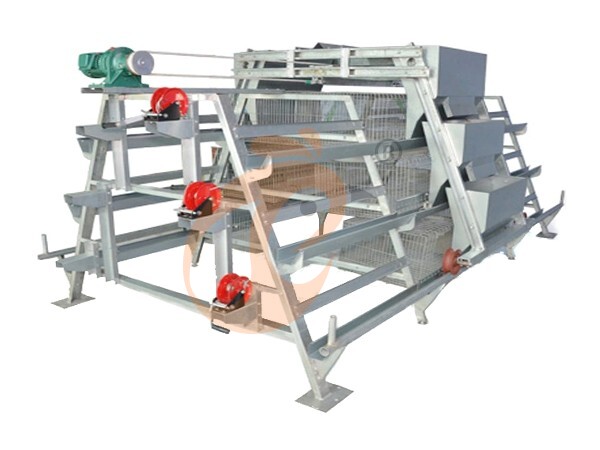
Every poultry cage we manufacture features a high-strength, hot-dip galvanized metal mesh floor. The mesh size is precisely calculated to provide optimal comfort and support for the bird’s feet while ensuring immediate and complete passage of droppings. The moment feces drop through the mesh and onto the collection system, the bird is isolated from the primary source of infection.
Automated Manure Systems: Daily Contaminant Removal
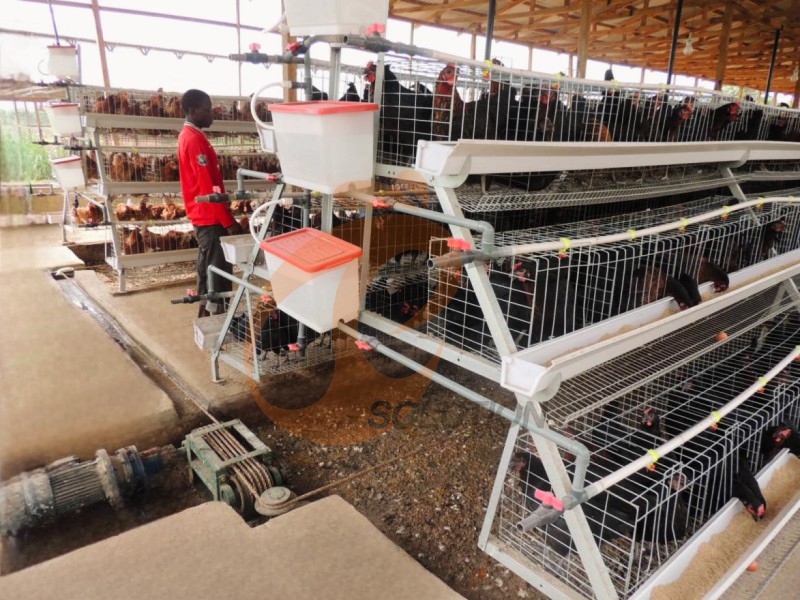
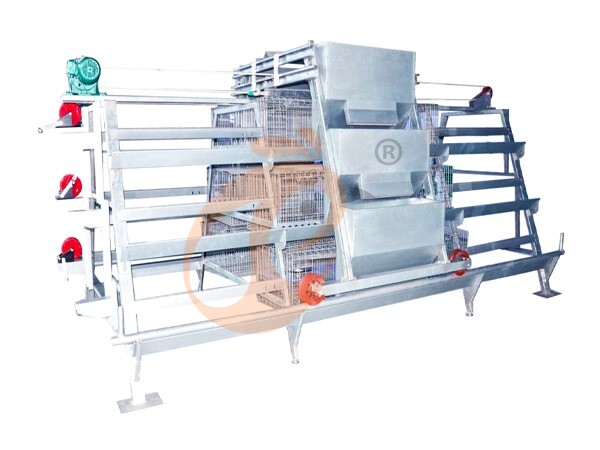
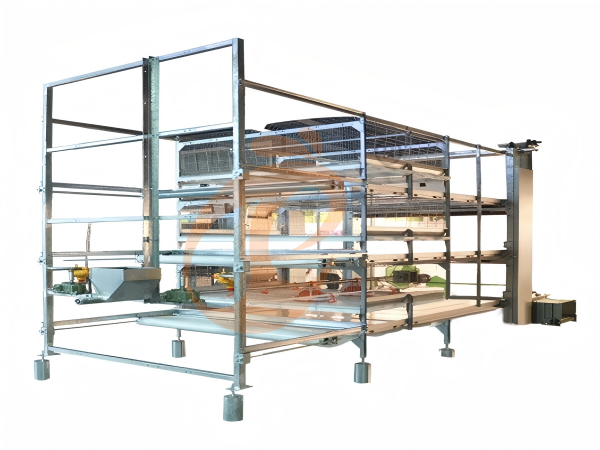
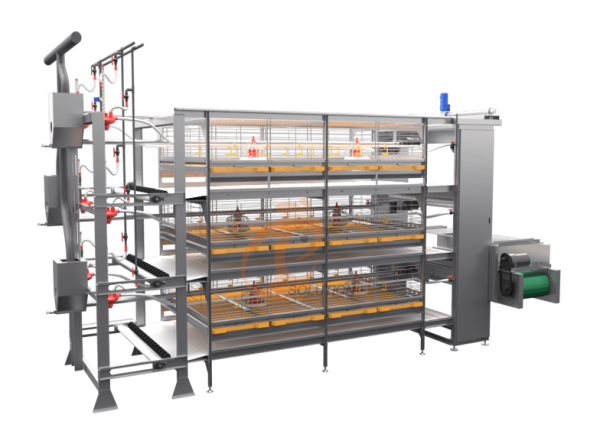
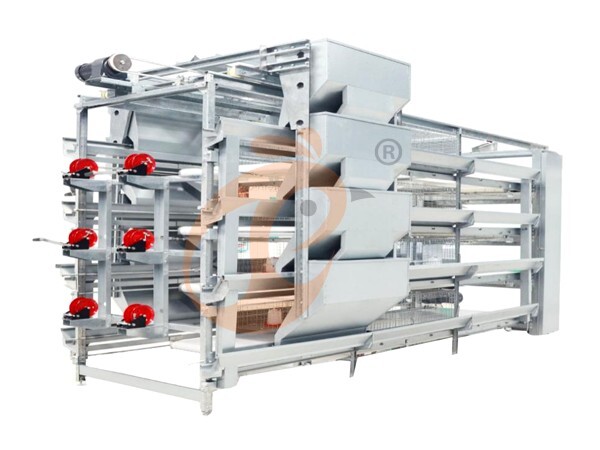
Whether you choose the A-Type or H-Type broiler cage, our systems incorporate highly efficient manure removal apparatus. The H-Type system, ideal for large-scale, closed commercial chicken barns, uses durable Polypropylene (PP) manure belts to continuously capture and remove waste multiple times daily. The A-Type Broiler Cage typically utilizes a deep pit or automated scraper system beneath the cage row, facilitating scheduled, efficient waste removal from the house floor. This continuous management prevents waste accumulation, secondary fermentation, and critical pathogen buildup.
Manure Management And Pathogen Exposure
Defeating Coccidiosis And Cutting Medication Costs
The most direct and measurable economic benefit of fecal separation is the drastic reduction in disease risk, especially for stubborn, costly intestinal diseases.
Coccidiosis Risk: From Catastrophic To Negligible
Coccidiosis is arguably the most financially damaging parasitic disease in floor-rearing systems. The pathogenic oocysts must sporulate and develop within warm, moist litter before becoming infectious and ingested by the chicken. Because the broiler cage system features a wire mesh floor that eliminates litter contact, the Coccidiosis oocysts cannot complete their life cycle, and the risk of infection in a properly managed poultry cage system is nearly eliminated.
The Cost Advantage of Low Disease Incidence
In floor rearing, coccidiostats and routine antibiotics are often indispensable, added regularly to feed or water as expensive prophylactic measures. In the clean environment of a Cage System, the necessity for these high-cost therapeutic drugs is significantly reduced or even eliminated. This cut in veterinary and medication expenses provides a critical and sustained boost to your farm’s profitability and enhances product marketability.
Key Health And Medication Savings Metrics
Production Efficiency Influenced By Health
Optimizing The Micro-Environment And Respiratory Health
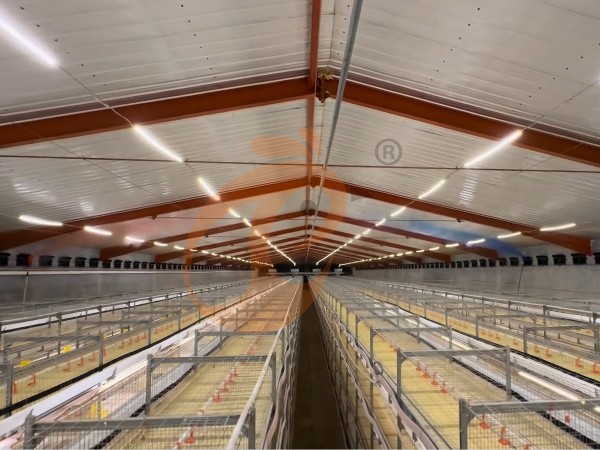
The precise environmental control offered by modern poultry cage systems, housed within fully enclosed commercial chicken barns, further amplifies the health benefits derived from fecal separation.
Ammonia Control and Respiratory Health
Ammonia is a toxic gas produced by decomposing manure. High concentrations severely irritate a broiler's respiratory tract, leading to debilitating Chronic Respiratory Disease. In floor rearing, accumulated litter is the main source of ammonia. In the H-Type broiler cage environment, daily manure removal and sophisticated tunnel ventilation systems work together to continuously purge the air, keeping ammonia levels well below hazardous thresholds and promoting optimal respiratory health.
Stable Conditions and Low Stress
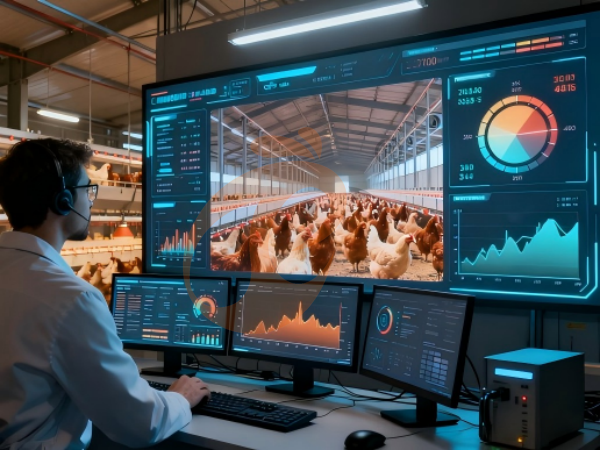
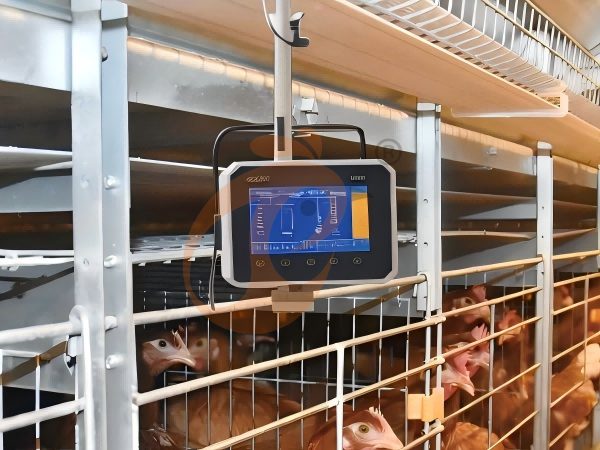
Maintaining stable temperature, humidity, and air speed is non-negotiable for rapidly growing broilers. The enclosure housing a Vanke Cage System allows for automated, accurate climate regulation. This stability minimizes environmental stress, a major factor that weakens the immune system and increases disease susceptibility. A low-stress, consistent environment ensures the bird's immune system remains robust and energy is directed exclusively toward weight gain.
Environmental Control And Disease Mitigation
Comprehensive Management And Long-Term Value
The long-term value of a low-disease system extends beyond daily savings to include operational efficiency and asset longevity.
Enhanced Cleaning and Disinfection
Cleaning floor systems requires physically removing all litter, followed by labor-intensive scrubbing and chemical disinfection, often leaving behind residual pathogens. The metal components of the broiler cage system are designed for easy, complete washing and thorough chemical disinfection, drastically reducing pathogen carryover between flocks. This efficiency allows for faster house turnaround and quicker preparation for the next batch of birds.
Investment Durability and Longevity
The high initial investment in a quality Cage System is justified by its long-term durability. All Vanke Chicken cage and frame components are made from Q235 steel and feature a heavy hot-dip galvanization coating (minimum ge 275 g/m2). This superior corrosion resistance allows our poultry cage systems to withstand the harsh, humid, and ammonia-rich atmosphere of a commercial chicken barns for 20 to 30 years, ensuring your biosecurity platform remains robust for decades.
Operational Efficiency And System Longevity (Data For Reference Only)
FAQ
To address common concerns searched by potential customers on Google, we provide definitive answers:
Q1: Does The Metal Mesh Floor Of The Broiler Cage Harm The Chickens’ Feet?
No. Our broiler cage floors are engineered with smooth, reinforced wire mesh and are hot-dip galvanized for a non-abrasive surface. For young chicks, we provide supplementary plastic flat mesh to ensure comfort and stability. This design is specifically created to support leg health and prevent footpad dermatitis, which is ironically more common in wet, abrasive floor litter.
Q2: Is Disease Risk Eliminated If I Have An A-Type Broiler Cage With Scraper Cleaning?
The A-Type Broiler Cage provides excellent disease reduction by immediately separating the bird from the feces via the wire mesh. While the manure removal is typically less frequent than the H-Type's daily belt system, the critical separation is maintained. Disease risk is substantially reduced compared to floor rearing, but the best air quality and lowest overall risk are achieved with the full automation and continuous belt cleaning of the H-Type system.
Q3: Can I Switch To A Cage System To Eliminate All Vaccination Requirements?
While the Cage System dramatically lowers the risk of environmental diseases like Coccidiosis, it does not eliminate the need for core vaccination programs against contagious viral diseases such as Newcastle Disease or Infectious Bursal Disease (Gumboro). The system reduces medication costs by preventing common bacterial and parasitic infections but must be used in conjunction with a professional vaccination schedule for optimal biosecurity on your poultry farm.
Vanke (China-Nigeria) Company Strength And Service
Global Supply Chain: Provides EU-standard hot-dip galvanized poultry cage systems, ensuring an ultra-long service life of 20 years.
One-Stop Solution: Offers full-process services for poultry farms, from house design and equipment supply to installation guidance.
Localized Support: Provides customized and cost-effective Chicken Cage solutions tailored to the practical needs of Nigeria and similar climate regions.
Rapid Response: Professional technical consultants offer quick remote support to resolve any issues in your farming operation.
Contact Us To Received Your Customized Poultry Farm Plan
Headquarters And Distribution Centers
Hong Kong Headquarter Taiyu Industrial Group CO., LTD
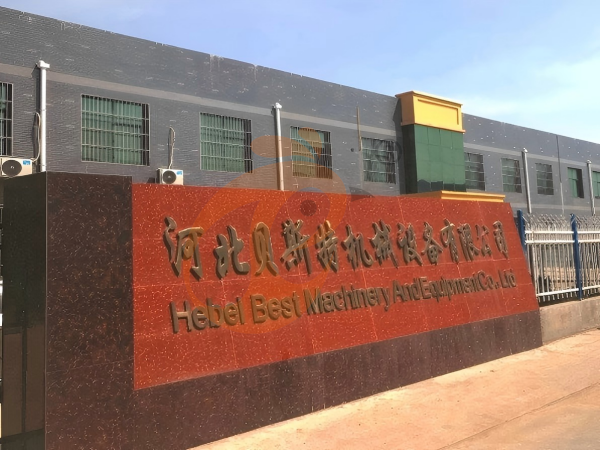
China Hebei Best Machinery And Equipment CO., LTD
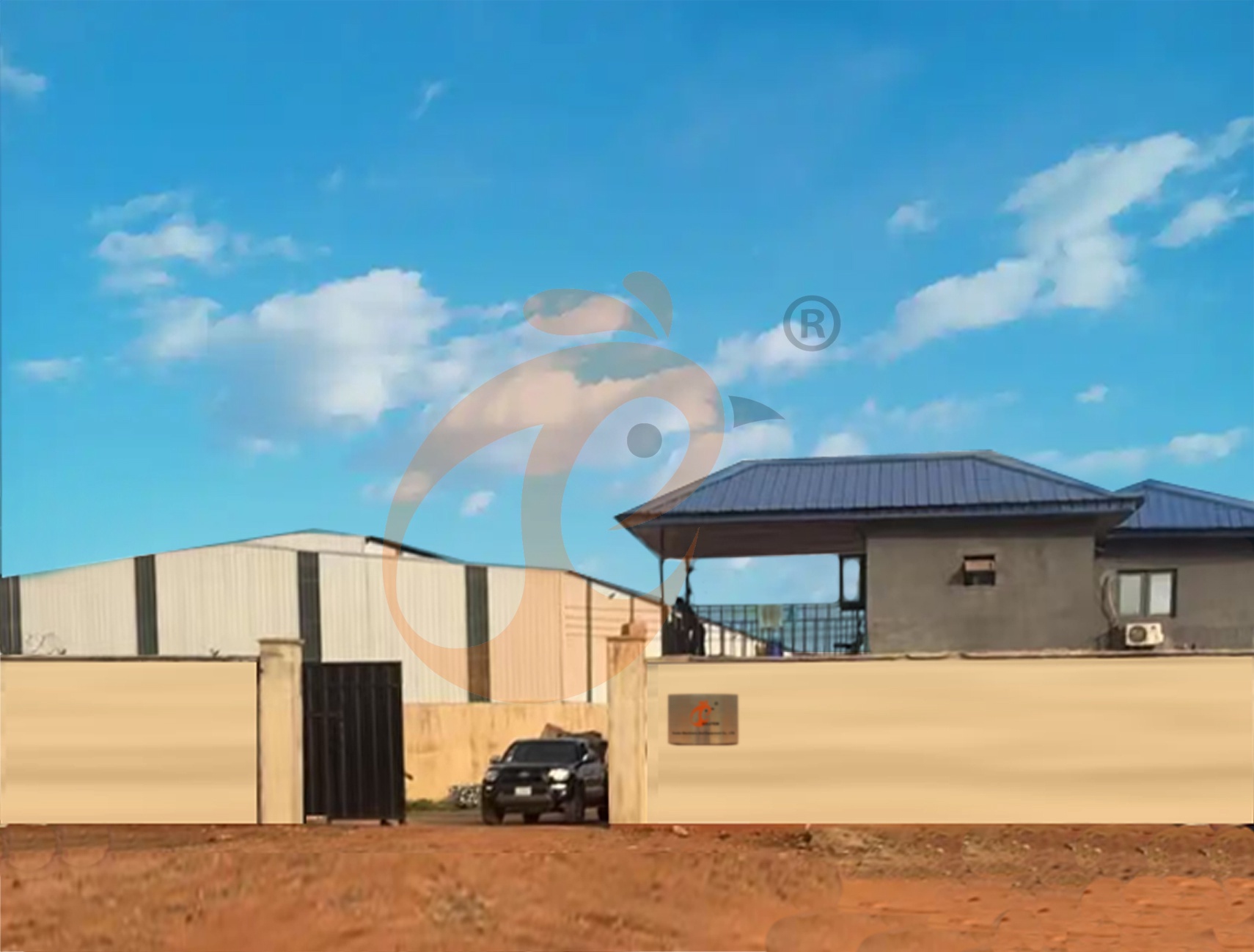
Nigeria Vanke Machinery And Equipment CO., LTD
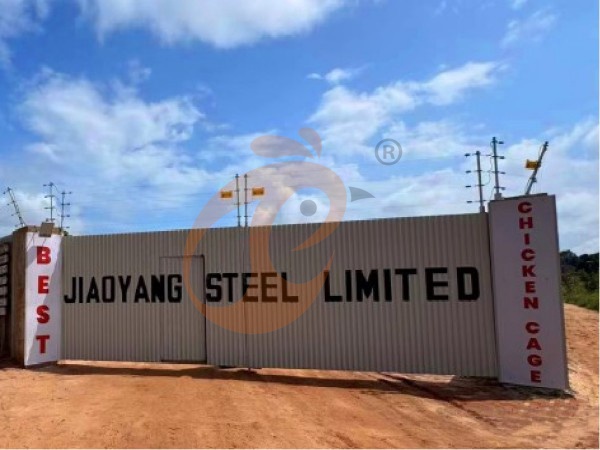
Tanzania Best Machinery And Equipment CO., LTD
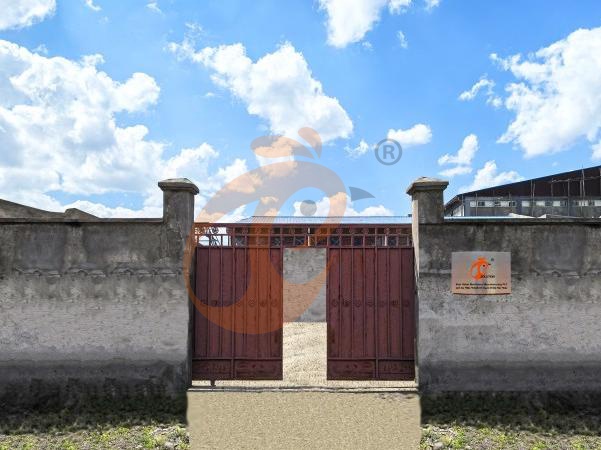
Ethiopia Best Hebei Machinery Manufacturing PLC
FAQ
Message
Products recommended
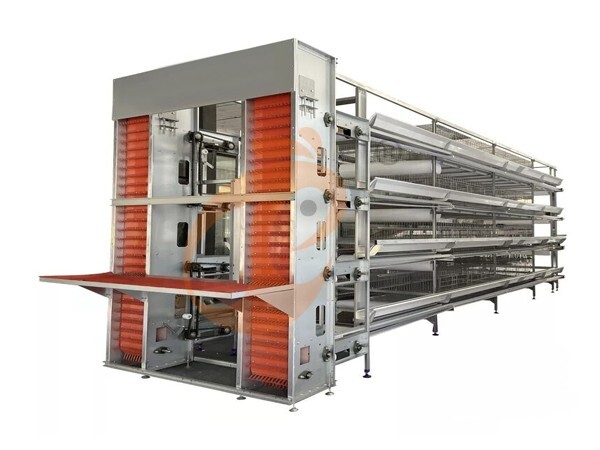
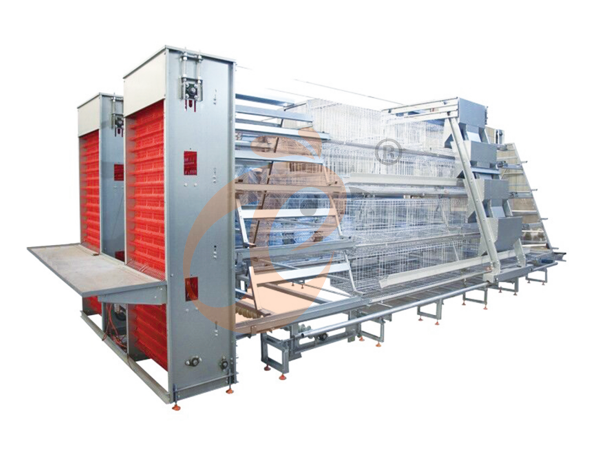
 >30,000 Pullets Automatic H Type Battery Cage1. More than 30,000 pullets a house, choose it.
2. It is designed to rearing older than 1 day old pullets to 12 to 16 weeks old chicken starting laying eggs.
3. Its lifespan is more than 25 years.
4. Its structure are Vcloud artificial intelligent fusion, electric control cabinet, automatic equipment of drinking, feeding, manure clean, manual harvesting.
5. Our 24 hour online reception What’sApp NO. is +8618830120193 <30,000 Pullets Automatic A Type Battery Cage1. 10,000 to 30,000 pullets a house, choose it.
2. It is designed to rearing older than 1 day old pullets to 12 to 16 weeks old chicken starting laying eggs.
3. Its lifespan is more than 25 years.
4. Its structure are Vcloud artificial intelligent fusion, electric control cabinet, automatic equipment of drinking, feeding, manure clean, manual harvesting.
5. Our 24 hour online reception What’sApp NO. is +86 18830120193. >30,000 Broilers Semi-Automatic Harvest H Type Battery Cage1. More than 30,000 broilers a house, choose it.
2. It is designed to rearing 1 to 45 day old adult broiler ready for market.
3. Its lifespan is more than 20 years.
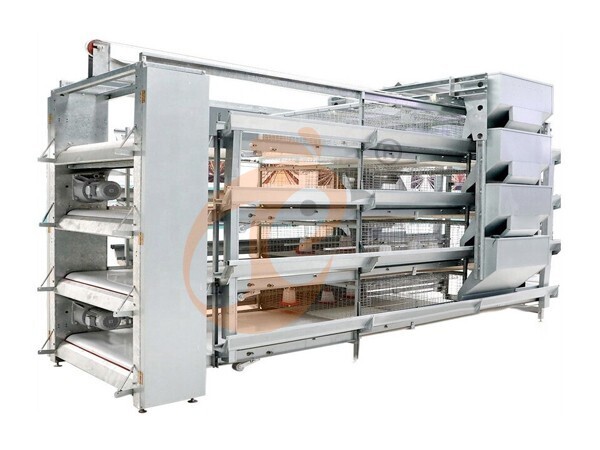
4. Our 24 hour online reception What’sApp NO. is +8618830120193, +234 8111199996. >30,000 Broilers Manual Harvest H Type Battery Cage1. More than 30,000 broilers a house, choose it.
2. It is designed to rearing 1 to 45 day old adult broiler ready for market.
3. Its lifespan is more than 20 years.
4. Its structure are Vcloud artificial intelligent fusion, electric control cabinet, automatic equipment of drinking, feeding and manure clean, manual harvesting.
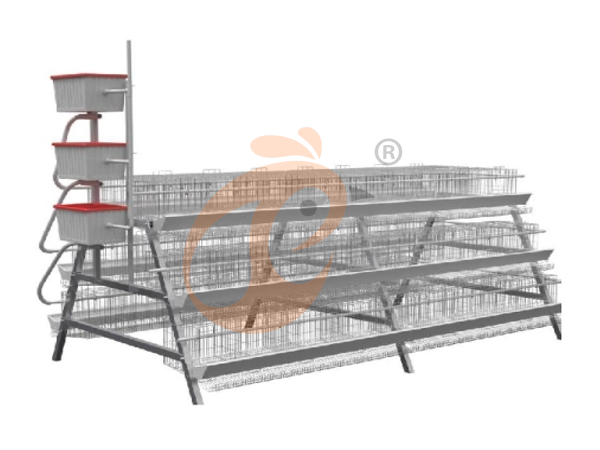
5. Our 24 hour online reception What’sApp NO. is +8618830120193, +234 8111199996. <30,000 Broilers Manual Harvest A Type Battery Cage1. Less 30,000 broilers a house, choose it.
2. It is designed to rearing 1 to 45 day old adult broiler ready for market.
3. Its lifespan is more than 20 years.
4. Its structure are Vcloud artificial intelligent fusion, electric control cabinet, automatic equipment of drinking, feeding and manure clean, manual harvesting.
5. Our 24 hour online reception What’sApp NO. is +8618830120193, +234 8111199996. HK Headquarter Offers EU-standard Poultry Farm Solutions, Manufacture Poultry Farm Equipment1. Continuous communication with the EU and the US
2. China, Nigeria, Ethiopia, Tanzania branch companies and factories
3. The products’ quality is customized for local poultry farms
4. Poultry cage and poultry farm equipment stock for sale
5. 24 online reception Whatsapp NO. : +8618830120193,contact us to get full information China Branch Offer Poultry Farm Business Plan, Manufacture Poultry Farm Equipment1. Address: Flat/RM 2416, 24/F, Runxing Building, Youyi Nan Street, Shijiazhuang City, Hebei Province, China
2. Poultry cage and poultry farm equipment factory and stock for sale
3. Customized for local poultry farms
4. Quality and design are based on Euro
5. 24 online reception Whatsapp NO. : +8618830120193 Nigeria Branch Offer Poultry Farm Business Plan, Manufacture Poultry Farm Equipment1. Address: After Sinoma Office, 200 Meters Near Danco Filling Station, Lagos/Ibadan Expressway, Lagos State, Nigeria
2. Poultry cage and poultry farm equipment factory and stock for sale
3. Customized for Nigerian poultry farms
4. Quality and design are based on Euro
5. 24 online reception Whatsapp NO. : +8618830120193 Ethiopia Branch Offer Poultry Farm Business Plan, Manufacture Poultry Farm Equipment1. Address: WR93+FQ2, Addis Ababa, Ethiopia
2. Poultry cage and poultry farm equipment stock for sale
3. Customized for Ethiopian poultry farms
4. Quality and design are based on Euro
5. 24 online reception Whatsapp NO. : +8618830120193, contact us to get price list Tanzania Branch Offer Poultry Farm Business Plan, Manufacture Poultry Farm Equipment1. Address: No.8, Sova Road, Msufini, Mlandizi, Kibaha, Pwani, Tanzania
2. Poultry cage and poultry farm equipment factory and stock for sale
3. Customized for Tanzanian poultry farms
4. Quality and design are based on Euro
5. 24 online reception Whatsapp NO. : +8618830120193


Contact
By clicking 'Allow All', you agree to the storage of cookies on your device to enhance site navigation, analyze site usage and assist with our marketing efforts.