


Blog
This article explains poultry housing systems Ethiopia and compares A type chicken cage with H type chicken cage, providing insights for both smallholder and commercial farms.
It analyzes chicken productivity Ethiopia, including egg output, broiler growth, feed conversion, and mortality rates in local farm conditions.
It examines poultry cage design, including structural layout, space utilization, tiers, material, and footprint efficiency relevant to Ethiopian environments.
The content covers financial aspects, such as initial investment, return on investment, payback periods, and cost per egg in Ethiopian birr.
It evaluates labor requirements, skill levels, biosecurity, disease management, and climate adaptability for highland and lowland regions.
It presents practical recommendations for farm adoption, including hybrid systems, ventilation solutions, feed management, and government or NGO support.
This guide aims to help Ethiopian poultry farmers make informed decisions, optimize production, and improve farm sustainability and efficiency.
Get professional poultry farm construction guidance, equipment selection solutions, and the latest price lists, whatsApp to +8618830120193, click to learn more:

Ethiopia Branch Office And Factory Of Poultry Farm Equipment
Introduction: Poultry Sector Context In Ethiopia
Ethiopia's poultry industry is rapidly evolving alongside national goals for food security, rural employment, and import substitution of poultry products.
Smallholders and commercial farms increasingly seek optimal housing systems to improve productivity, disease control, and cost efficiency.
Two prevalent cage systems in the Ethiopian context are the A type chicken cage and the H type cage system.
Both systems aim to increase bird density, improve feed conversion, and reduce mortality.
This article compares these cage systems across seven critical dimensions relevant to local producers.
Structural Design And Space Utilization
The structural design of cage systems affects farm layout, labor, and bird welfare.
In Ethiopia, where space within peri‑urban farms around Addis Ababa or Adama is expensive, maximizing usable area is essential.
Data is for reference only. Swipe horizontally to view full table.
Observation
H type achieves greater vertical utilization, which helps small farms near Addis handle volumes without expanding land area.
Cost Of Initial Investment
Cost considerations are critical.
Ethiopian poultry investors often operate without robust credit facilities, making capital cost a deciding factor.
Data is for reference only. Swipe horizontally to view full table.
Analysis
A type is cheaper upfront, enabling small village farms to begin operations with lower capital.
H type requires higher initial funding, often attained by firms around Bahir Dar and Shashemene with stronger financial backing.
Bird Density And Performance Output
Producers in Ethiopia aim to maintain density without compromising performance.
This is especially true in layers and broilers under subtropical climate conditions.
Data is for reference only. Swipe horizontally to view full table.
Reasoning
Better ventilation and spacing in H types correlate with improved weight gain and reduced mortality under hot conditions in Haramaya and Awash zones.
Feed Conversion And Waste Management
Feed cost accounts for a majority of production expense.
Efficient feed conversion and waste handling are indispensable for Ethiopian farms.
This is especially true for those with limited access to feed mills.
Data is for reference only. Swipe horizontally to view full table.
Note
With tighter feed conversion in the H type system, farms report lower feed cost per unit output — important in areas like Dire Dawa where feed price volatility is frequent.
Disease Control And Biosecurity
Ethiopian poultry farms contend with coccidiosis, Newcastle disease, and bacterial infections.
Cage design contributes to ease of cleaning and pathogen reduction.
Data is for reference only. Swipe horizontally to view full table.
Context
H type's droppings belts and access make cleaning faster, lowering disease incidence — beneficial near high‑risk zones such as central Oromia with dense poultry populations.
Labor Requirements And Skill
Labor cost and availability are critical, particularly for rural farms in Amhara and Tigray where skilled poultry workers are limited.
Data is for reference only. Swipe horizontally to view full table.
Interpretation
A type requires less specialized training, advantageous for smallholder farms.
H type needs more initial instruction but reduces ongoing labor time overall.
Climate Suitability And Ventilation
Ethiopia has vast climatic contrasts.
Systems must adapt to highlands around Debre Markos and lowlands near the Rift Valley.
Data is for reference only. Swipe horizontally to view full table.
Insight
H type's greater airflow benefits heat stress control in lowlands like Awash and Afar.
A type retains more warmth, which can be advantageous in high altitudes.
Return On Investment (ROI) And Cash Flow
Ethiopia's finance environment affects return on investment timelines, as borrowing costs are high and access to working capital is limited.
Data is for reference only. Swipe horizontally to view full table.
Conclusion
H type's higher output and efficiency shorten payback periods, important for investors in cities like Addis Ababa and Mekelle.
Financing And Agricultural Policy Alignment
Government and NGO programs in Ethiopia increasingly support modern poultry practices.
Cage system choice should consider access to youth enterprise grants or rural development loans.
National poultry modernization funds prioritize scalable systems.
Microfinance options often favor lower initial cost (A type).
Cooperative group credit encourages adoption of efficient (H type) technology.
Local Pain Points And Recommendations
Ethiopian poultry farms face issues with feed costs, environmental heat stress, credit access, and labor skills.
Actionable Solutions
Implement hybrid systems combining A type and H type to phase investment.
Use solar powered ventilation in hot lowlands.
Cooperate with feed mills for bulk purchasing to lower unit cost.
Engage local agricultural extension services for targeted cage system training.
Frequently Asked Questions
Q1: What chicken cage suits Ethiopian smallholder farms best?
A1: Most smallholder farms in Ethiopia benefit from A type chicken cage because of lower initial investment, simplified labor and practical entry into poultry raising.
Q2: Can H type chicken cage improve productivity in Ethiopian climates?
A2: Yes.
H type chicken cage with enhanced airflow helps improve performance under lowland heat stress and supports better feed conversion.
Q3: How can Ethiopian farmers finance modern chicken cage adoption?
A3: Ethiopian farmers can use youth enterprise grants, cooperative credit, and phased investment plans to adopt modern cage systems cost effectively.
Ethiopia Best Hebei Machinery Manufacturing Plc - One of Ethiopia Most Famous Poultry Cage Manufacturer
HB BEST offers global factory direct sales with competitive pricing and transparent purchasing support.
The company provides comprehensive poultry farm equipment including feeders, drinkers and ventilation systems.
HB BEST delivers turnkey engineering projects for Ethiopian farms of all scales.
- The company ensures quality poultry cage production adhering to efficient manufacturing standards.
Customer service, logistics support and local installation guidance are parts of HB BEST service portfolio.
Contact Us To Received Your Customized Poultry Farm Plan
Headquarters And Branchs

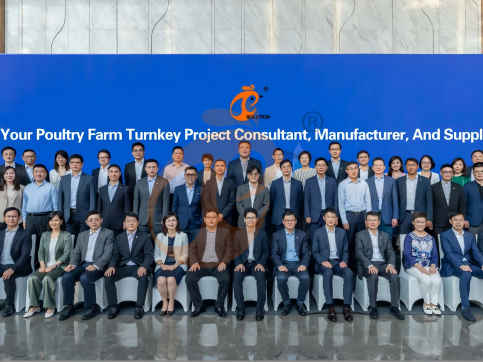
Hong Kong Headquarter Management Team
Hong Kong Headquarter Taiyu Industrial Group CO., LTD
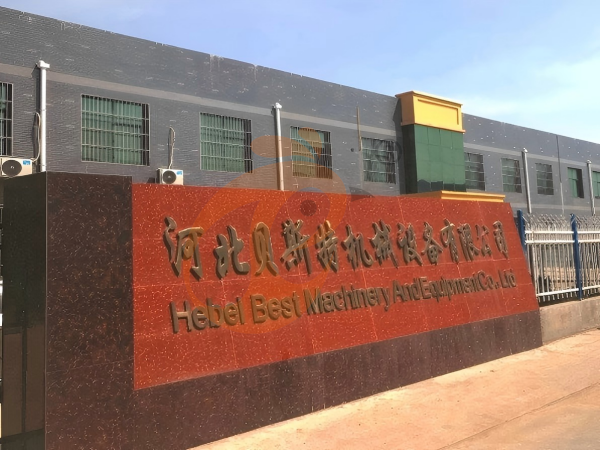
China Hebei Best Machinery And Equipment CO., LTD
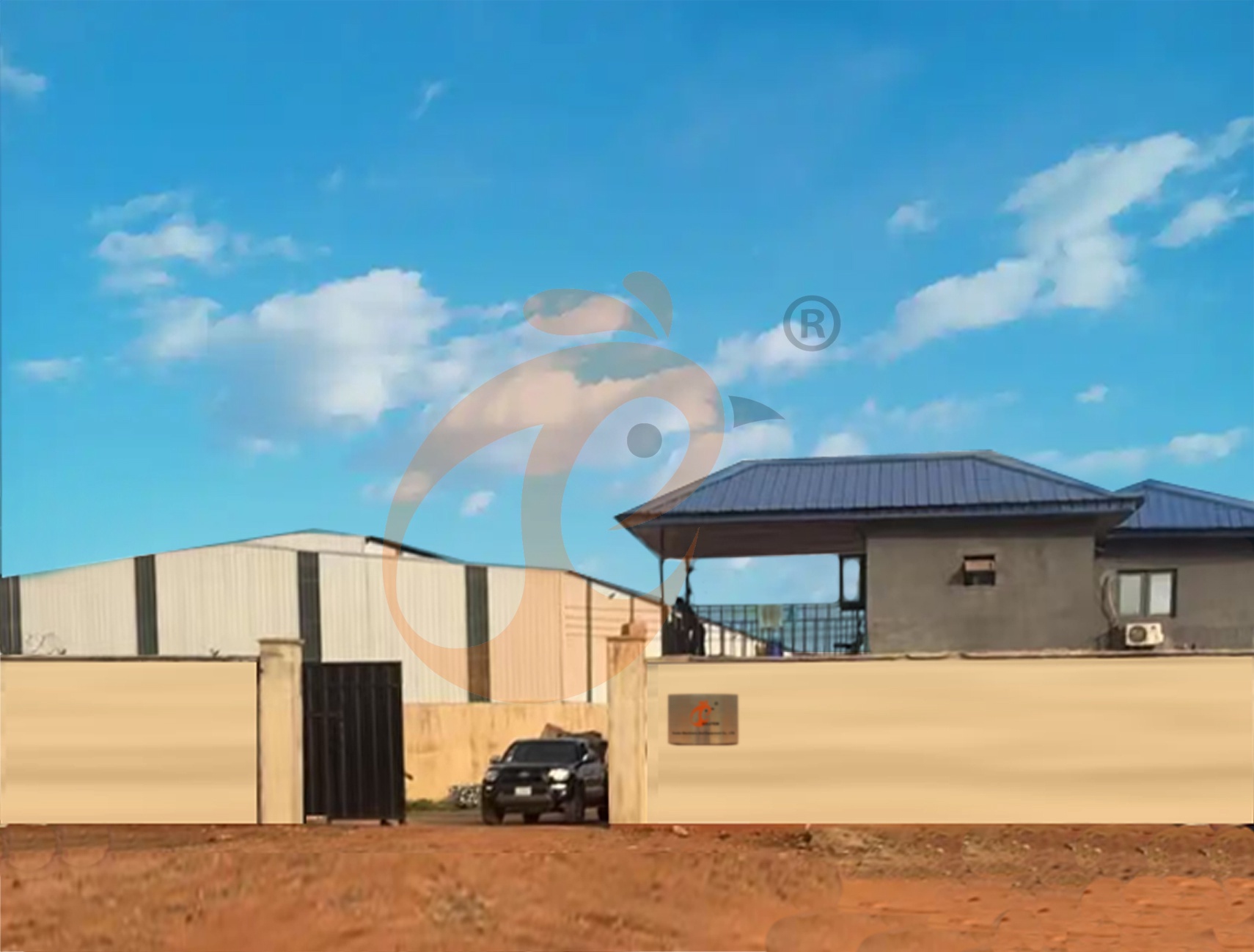
Nigeria Vanke Machinery And Equipment CO., LTD
Tanzania Best Machinery And Equipment CO., LTD
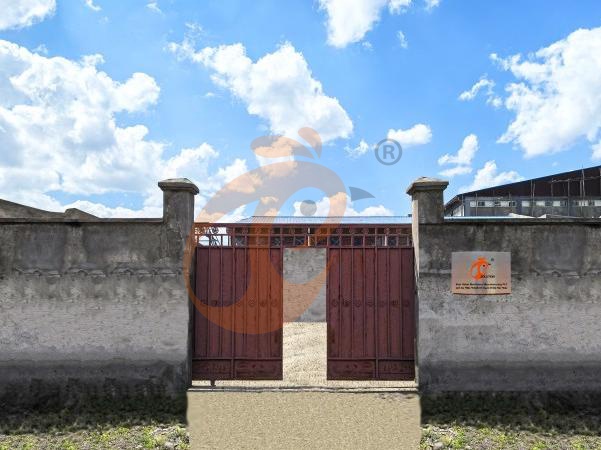
Ethiopia Best Hebei Machinery Manufacturing PLC




Reception /24 WhatsApp NO. : +8618830120193
FAQ
How To Optimize Lighting Program In A-Type Layer Cage Farm?
Even lighting promotes laying
Egg production rate: 90–96%
FCR: 1.9–2.2
Reduces stress
How To Implement Waste Management In A-Type Poultry Cage Farm?
Collect manure for organic fertilizer
Reduce pathogen spread
Mortality rate: 2–3%
Egg production rate: 90–96%
How To Improve Egg Weight In A-Type Layer Cage System?
Maintain stable temperature and humidity
Egg weight: 60–65 g
Egg production rate: 90–96%
Egg breakage rate <1%
- poultry farmers
- poultry farm
- chicken cage
- poultry farms
- poultry farmer
- poultry cage
- cage
- poultry farm equipment
- poultry farm construction
- poultry cage manufacturer
- poultry cage design
- poultry cage production
- poultry housing system
- h type chicken cage
- chickencage
- h type cage
- bestchickencage
- cage system
- a type chicken cage
- h type
- cage systems
- h type cages
- Nigeria
- poultry housing systems
- cage design
- cage manufacturer
- poultry farm plan
- Ethiopia
Message
Products recommended
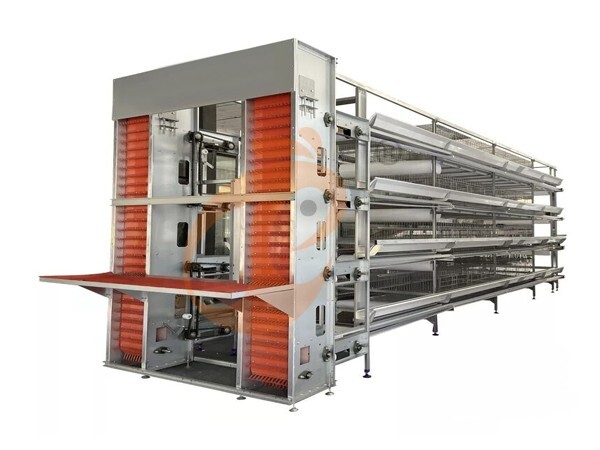
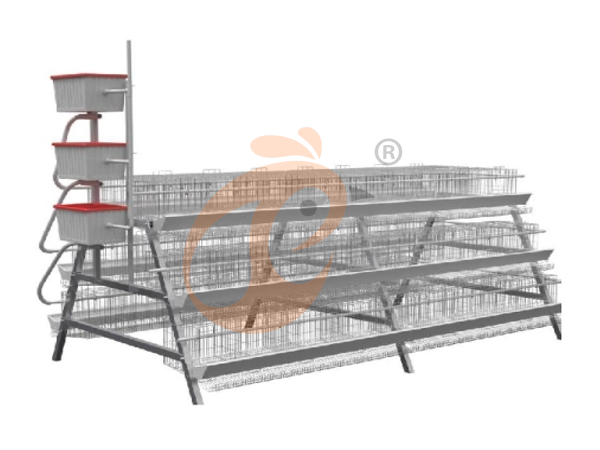
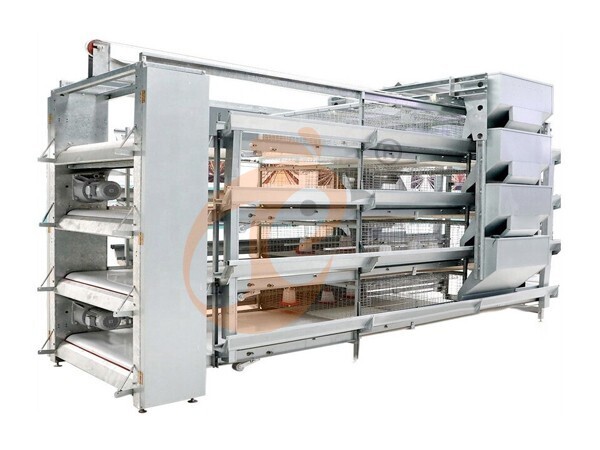
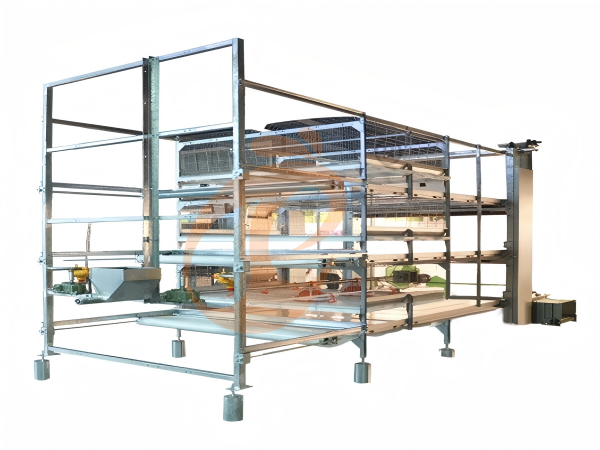
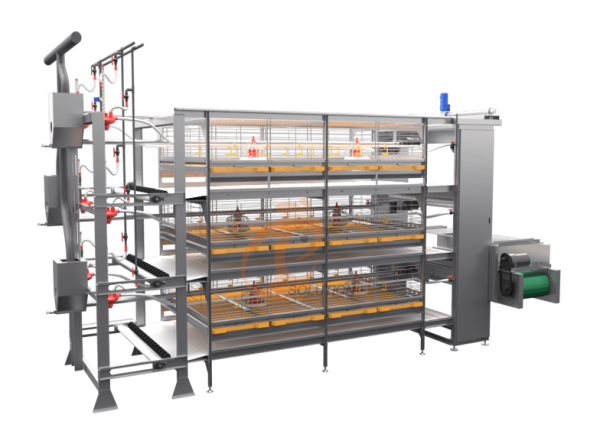
 >30,000 Pullets Automatic H Type Battery Cage1. More than 30,000 pullets a house, choose it.
2. It is designed to rearing older than 1 day old pullets to 12 to 16 weeks old chicken starting laying eggs.
3. Its lifespan is more than 25 years.
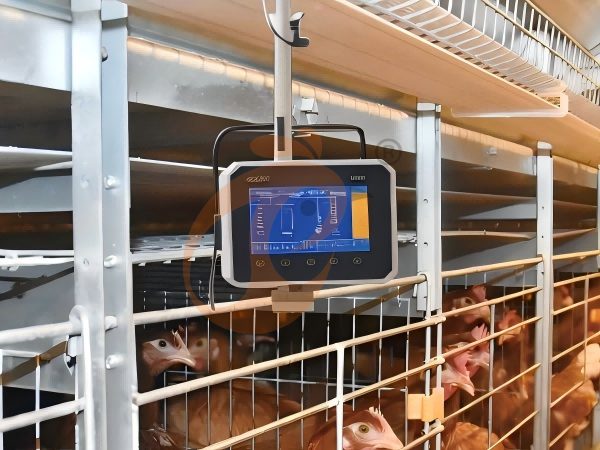
4. Its structure are Vcloud artificial intelligent fusion, electric control cabinet, automatic equipment of drinking, feeding, manure clean, manual harvesting.
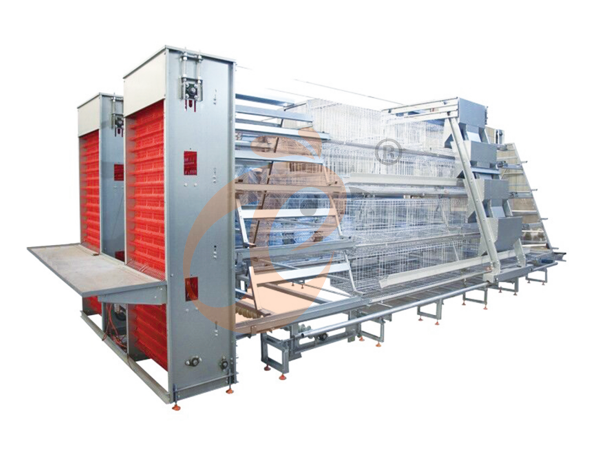
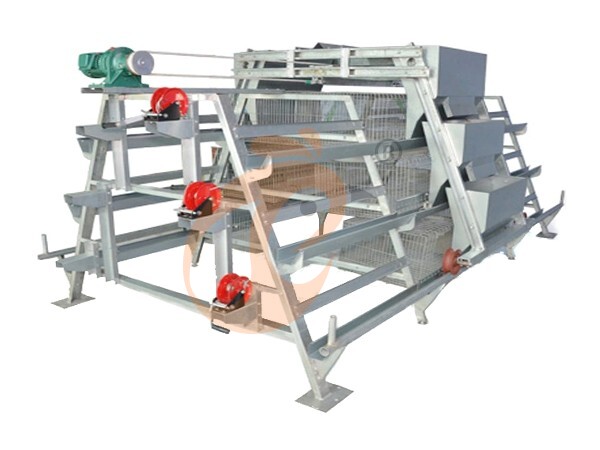
5. Our 24 hour online reception What’sApp NO. is +8618830120193 <30,000 Pullets Automatic A Type Battery Cage1. 10,000 to 30,000 pullets a house, choose it.
2. It is designed to rearing older than 1 day old pullets to 12 to 16 weeks old chicken starting laying eggs.
3. Its lifespan is more than 25 years.
4. Its structure are Vcloud artificial intelligent fusion, electric control cabinet, automatic equipment of drinking, feeding, manure clean, manual harvesting.
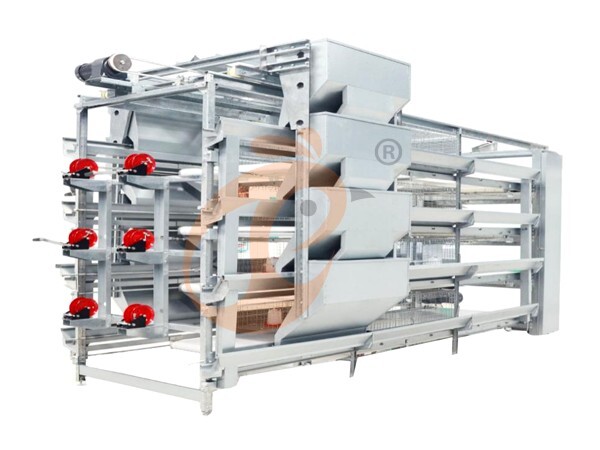
5. Our 24 hour online reception What’sApp NO. is +86 18830120193. >30,000 Broilers Semi-Automatic Harvest H Type Battery Cage1. More than 30,000 broilers a house, choose it.
2. It is designed to rearing 1 to 45 day old adult broiler ready for market.
3. Its lifespan is more than 20 years.
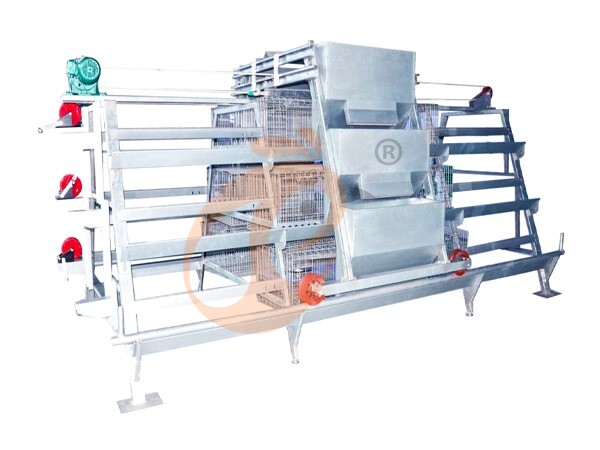
4. Our 24 hour online reception What’sApp NO. is +8618830120193, +234 8111199996. >30,000 Broilers Manual Harvest H Type Battery Cage1. More than 30,000 broilers a house, choose it.
2. It is designed to rearing 1 to 45 day old adult broiler ready for market.
3. Its lifespan is more than 20 years.
4. Its structure are Vcloud artificial intelligent fusion, electric control cabinet, automatic equipment of drinking, feeding and manure clean, manual harvesting.
5. Our 24 hour online reception What’sApp NO. is +8618830120193, +234 8111199996. <30,000 Broilers Manual Harvest A Type Battery Cage1. Less 30,000 broilers a house, choose it.
2. It is designed to rearing 1 to 45 day old adult broiler ready for market.
3. Its lifespan is more than 20 years.
4. Its structure are Vcloud artificial intelligent fusion, electric control cabinet, automatic equipment of drinking, feeding and manure clean, manual harvesting.
5. Our 24 hour online reception What’sApp NO. is +8618830120193, +234 8111199996. HK Headquarter Offers EU-standard Poultry Farm Solutions, Manufacture Poultry Farm Equipment1. Continuous communication with the EU and the US
2. China, Nigeria, Ethiopia, Tanzania branch companies and factories
3. The products’ quality is customized for local poultry farms
4. Poultry cage and poultry farm equipment stock for sale
5. 24 online reception Whatsapp NO. : +8618830120193,contact us to get full information China Branch Offer Poultry Farm Business Plan, Manufacture Poultry Farm Equipment1. Address: Flat/RM 2416, 24/F, Runxing Building, Youyi Nan Street, Shijiazhuang City, Hebei Province, China
2. Poultry cage and poultry farm equipment factory and stock for sale
3. Customized for local poultry farms
4. Quality and design are based on Euro
5. 24 online reception Whatsapp NO. : +8618830120193 Nigeria Branch Offer Poultry Farm Business Plan, Manufacture Poultry Farm Equipment1. Address: After Sinoma Office, 200 Meters Near Danco Filling Station, Lagos/Ibadan Expressway, Lagos State, Nigeria
2. Poultry cage and poultry farm equipment factory and stock for sale
3. Customized for Nigerian poultry farms
4. Quality and design are based on Euro
5. 24 online reception Whatsapp NO. : +8618830120193 Ethiopia Branch Offer Poultry Farm Business Plan, Manufacture Poultry Farm Equipment1. Address: WR93+FQ2, Addis Ababa, Ethiopia
2. Poultry cage and poultry farm equipment stock for sale
3. Customized for Ethiopian poultry farms
4. Quality and design are based on Euro
5. 24 online reception Whatsapp NO. : +8618830120193, contact us to get price list Tanzania Branch Offer Poultry Farm Business Plan, Manufacture Poultry Farm Equipment1. Address: No.8, Sova Road, Msufini, Mlandizi, Kibaha, Pwani, Tanzania
2. Poultry cage and poultry farm equipment factory and stock for sale
3. Customized for Tanzanian poultry farms
4. Quality and design are based on Euro
5. 24 online reception Whatsapp NO. : +8618830120193



Contact
By clicking 'Allow All', you agree to the storage of cookies on your device to enhance site navigation, analyze site usage and assist with our marketing efforts.