


Blog
Ethiopian poultry cage systems are revolutionizing local egg production efficiency.
Smallholders can increase productivity with semi-automated feeding and watering systems.
Medium and large farms achieve cost efficiency through integrated feed and manure management.
Automated chicken cage systems reduce disease risks and protect birds from predators.
Proper investment planning allows Ethiopian farmers to optimize their layer output.
Get professional poultry farm construction guidance, equipment selection solutions, and the latest price lists, whatsApp to +8618830120193, click to learn more:

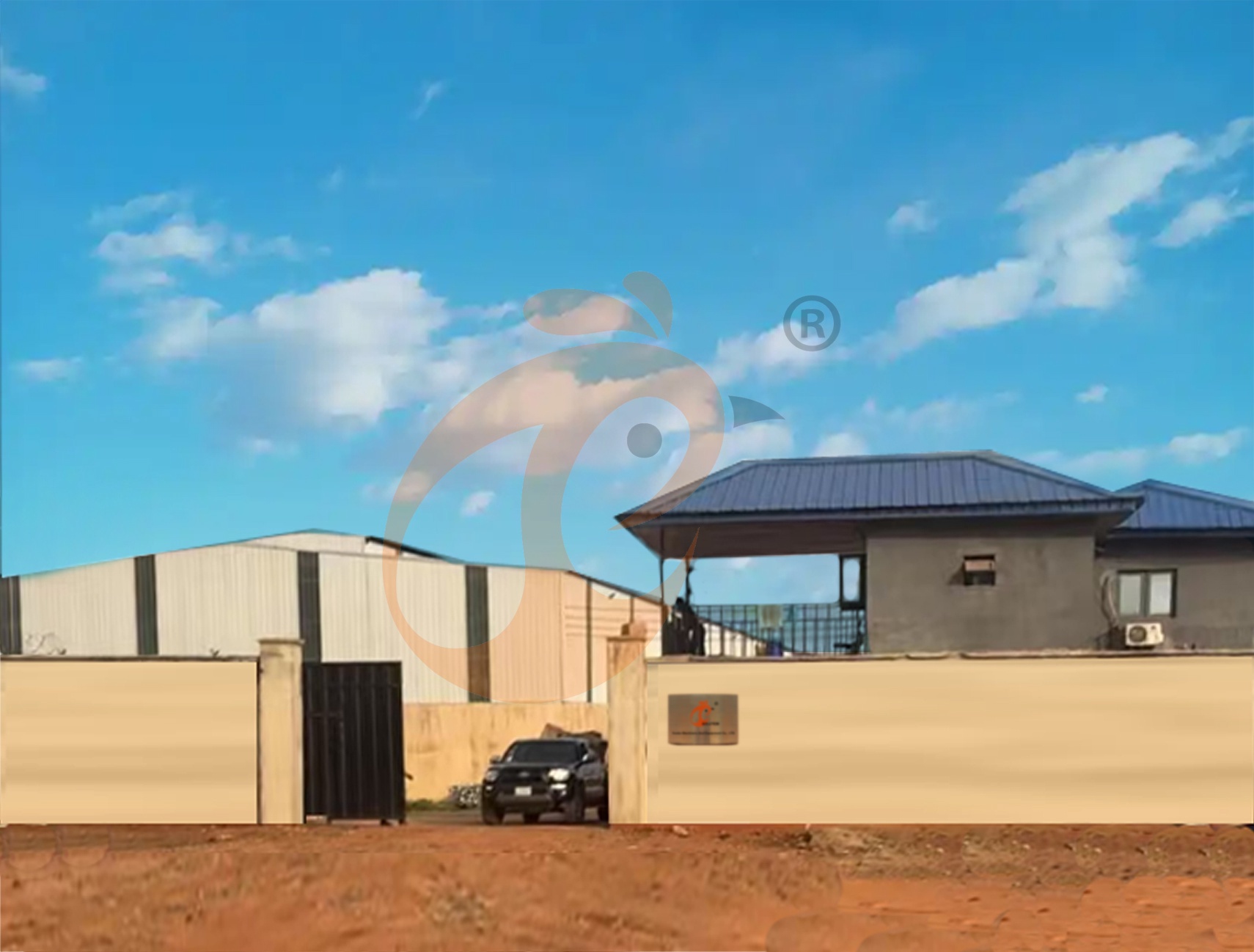
Ethiopia Branch Office And Factory Of Poultry Farm Equipment
Understanding The Ethiopian Poultry Landscape Before Investing
Before examining specific costs, we must understand where Ethiopian poultry farming stands today.
According to research conducted in Jardega Jarte district, Western Oromia, 93.5% of chicken production follows the extensive system, with 78.7% of this work performed by women.
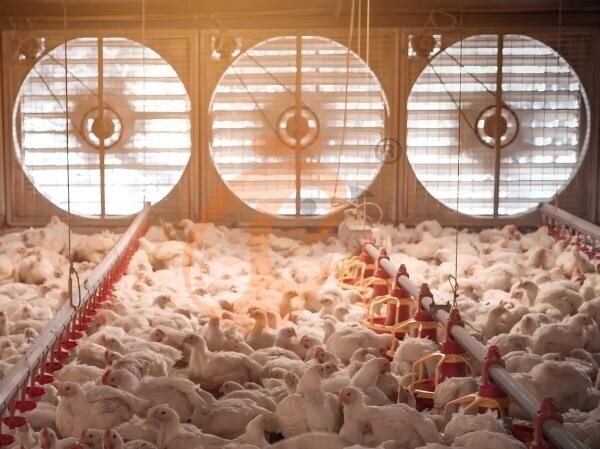
Perhaps most concerning is that 72.9% of farmers do not construct separate housing for their chickens, leaving birds vulnerable to predators, disease, and environmental stress.
Data is for reference only.Swipe horizontally to view full table.
Automatic chicken cage investment addresses inadequate housing, predation, and feed efficiency.
Small-Scale Entry Level (500–1,000 Birds)
For the smallholder farmer, entry-level automatic chicken cages provide a manageable first step.
These systems include basic automation for feeding and watering while egg collection and manure removal remain manual.
Data is for reference only.Swipe horizontally to view full table.
European union standard reference only for currency comparison
Small Commercial Scale (2,000–3,000 Birds)
As farms grow, economies of scale reduce per-bird cost.Semi-automated manure removal and auger feeding systems are feasible at this level.
Feed supplementation with meat and bone meal becomes cost-effective for Ethiopian commercial layer farming.
Data is for reference only.Swipe horizontally to view full table.
Medium Commercial Enterprise (5,000–7,500 Birds)
Technical support and spare parts availability are critical for Ethiopian poultry cage systems.
Data is for reference only.Swipe horizontally to view full table.
Large-Scale Operation (10,000–15,000 Birds)
Integration becomes essential at 10,000–15,000 birds.
Feed production, waste management, and climate control optimize commercial layer farming Ethiopia.
On-site accommodation and workshops improve operational self-sufficiency.
Data is for reference only.Swipe horizontally to view full table.
Industrial Scale (20,000–30,000 Birds)
Industrial-scale farms supply graded eggs to hotels, institutions, and retail chains.
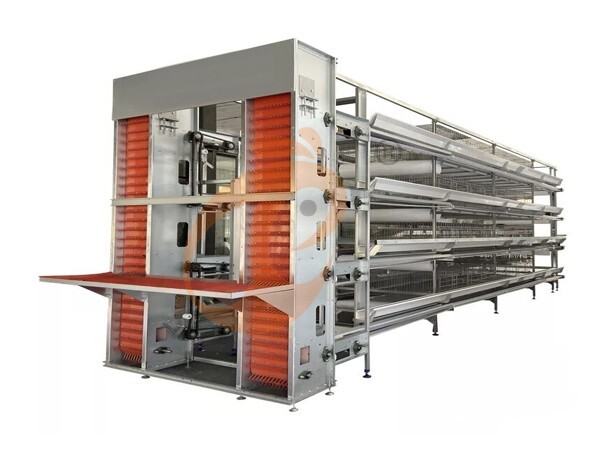
Four-deck automatic chicken cage systems maximize space efficiency.
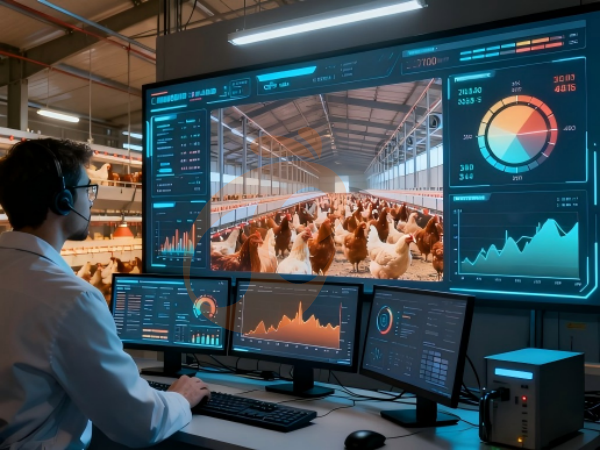
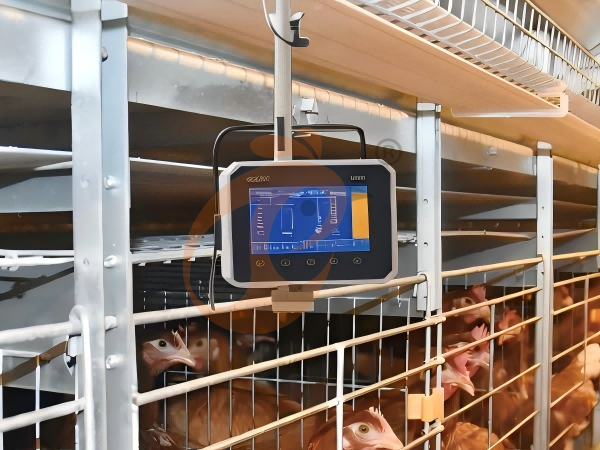
PLC-based monitoring systems optimize feed and egg collection automation.
Data is for reference only.Swipe horizontally to view full table.
Mega-Farm Integration (50,000+ Birds)
Integrated farm systems achieve regional economic impact.
Automation, feed mill, egg processing, and hatchery create multiple revenue streams.
Advanced water treatment, power generation, and organic fertilizer production enhance sustainability.
Data is for reference only.Swipe horizontally to view full table.
Ethiopia Best Hebei Machinery Manufacturing Plc - One Of Ethiopia Biggest Automatic Chicken Cage Manufacturer
HB BEST provides global factory direct sales of poultry farm equipment, ensuring cost efficiency.
The company offers poultry cage solutions for small, medium, and industrial scale farms.
HB BEST specializes in turn-key engineering, including feed mills, egg processing, and housing systems.
Professional support ensures installation, operation, and maintenance of all poultry cage systems.
The enterprise delivers reliable, integrated poultry farm equipment with modern technology worldwide.
Contact Us To Received Your Customized Poultry Farm Plan
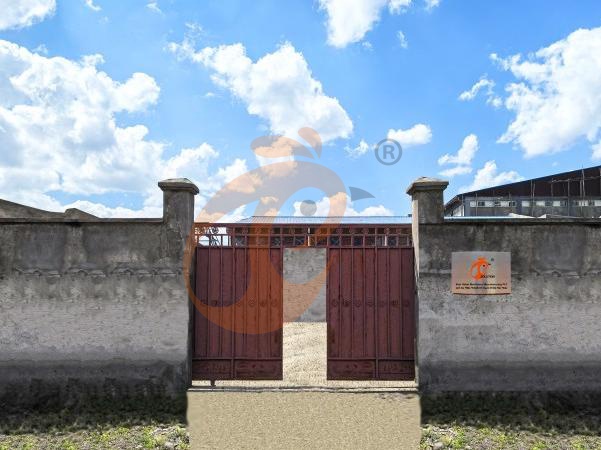
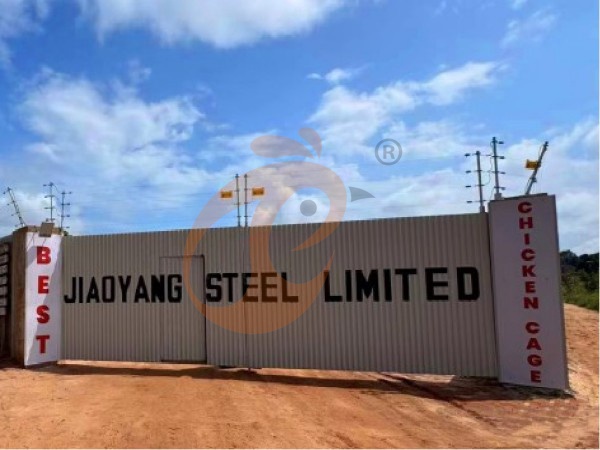
Headquarters And Branchs
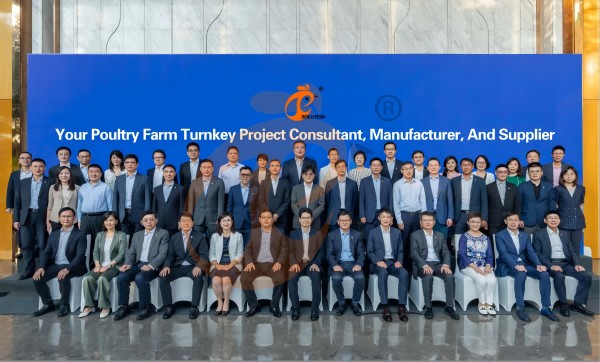
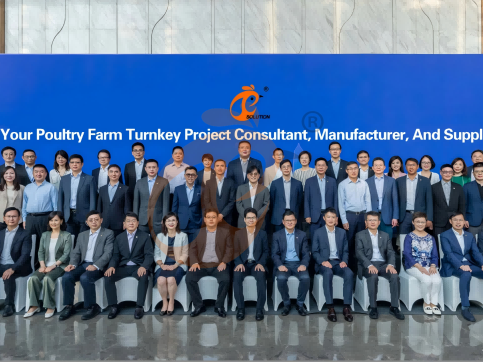
Hong Kong Headquarter Management Team
Hong Kong Headquarter Taiyu Industrial Group CO., LTD
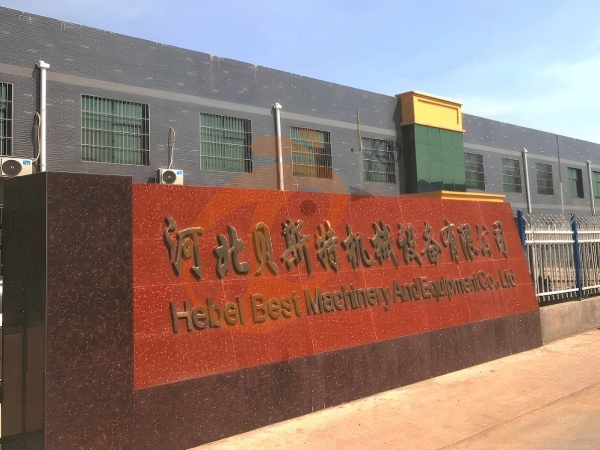
China Hebei Best Machinery And Equipment CO., LTD
Nigeria Vanke Machinery And Equipment CO., LTD
Tanzania Best Machinery And Equipment CO., LTD
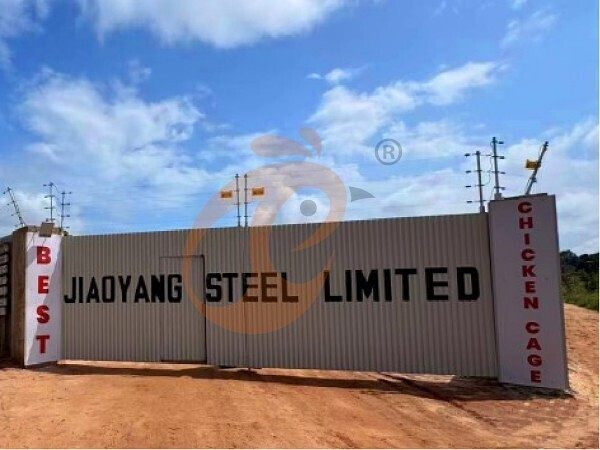
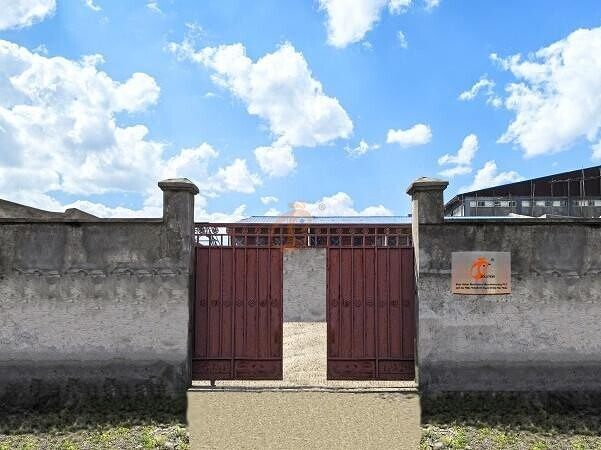
Ethiopia Best Hebei Machinery Manufacturing PLC
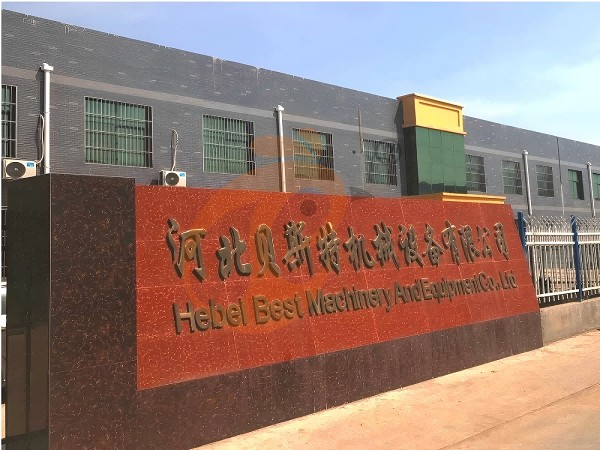
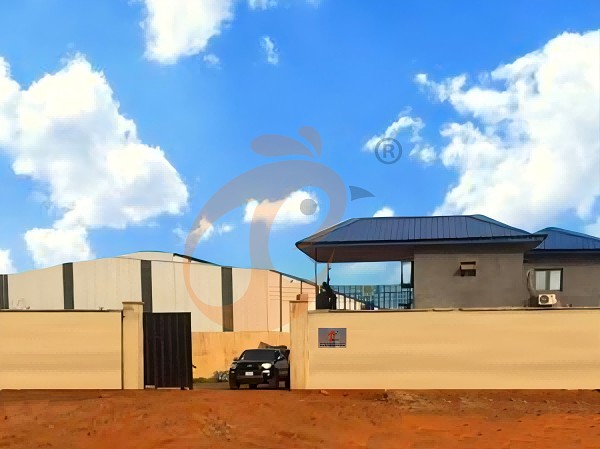
Reception /24 WhatsApp NO. : +8618830120193
FAQ
How To Implement Advanced Battery Cage Systems For Maximum Egg Yield?
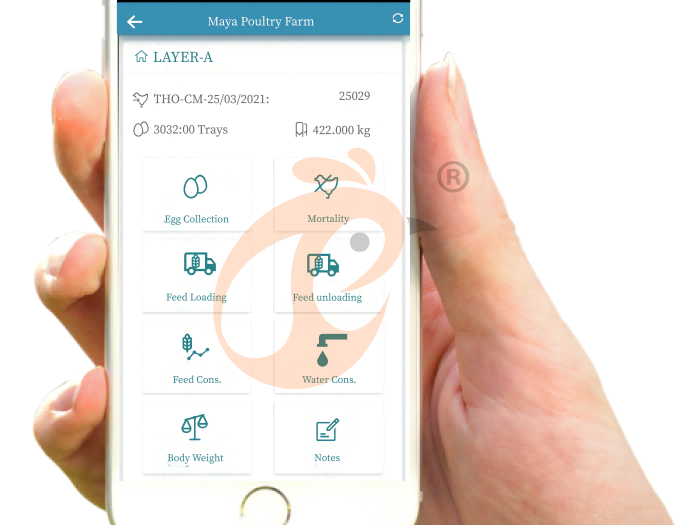
Automatic feeding, drinking, egg collection, and manure cleaning systems ensure stable production.
Egg production rate: 90–98%, daily egg yield: 900–980 eggs/1,000 birds.
Regular cleaning and monitoring mortality rate can limit losses to 2–3%.
What Are The Professional Guidelines For Poultry Cage Farm Layout Optimization?
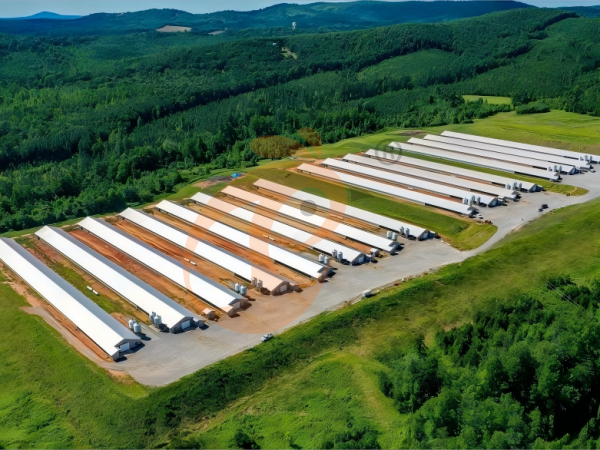
Multi-tier layout 4–16 tiers, 24–48 birds per tier, house capacity 30,000–100,000 birds.
Aisles and zoning allow efficient feeding, cleaning, and health management.
With automation, labor can be reduced by up to 70-90%.
How To Optimize ROI In Chicken Cage Farms Using Automation Systems?
Egg production rate can reach 90–98%, FCR maintained at 1.9–2.1.
Initial investment recovers in 24–36 months, ROI can increase by 20–25%.
- poultry farm
- layer cages
- chicken cage
- layer cage
- automatic chicken cage
- poultry cage
- cage
- galvanized cage
- poultry farm equipment
- poultry farm construction
- poultry cage system
- chicken cage manufacturer
- chicken cage system
- poultry cage solution
- manure removal system
- egg collection system
- chicken cages
- automated chicken cage
- chickencage
- bestchickencage
- automatic chicken cage system
- cage system
- galvanized cages
- colony cage
- cage systems
- Nigeria
- layer farm
- poultry farming
- automated chicken cage system
- poultry cage systems
- cage manufacturer
- poultry cage solutions
- automated manure removal
- poultry farm plan
- automatic chicken cage manufacturer
- automatic chicken cage investment
- automatic chicken cages
- feed storage bin
- feed silo
Message
Products recommended
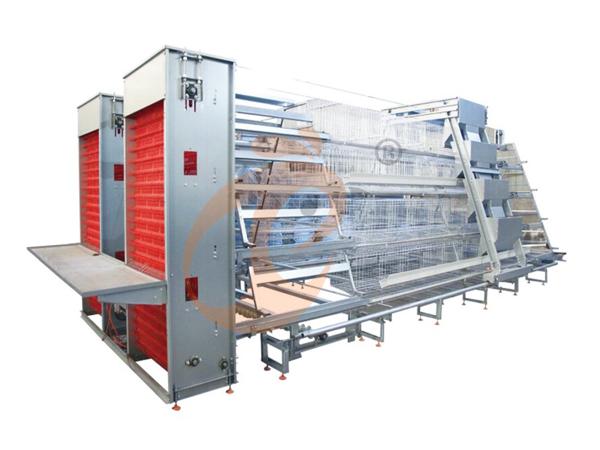
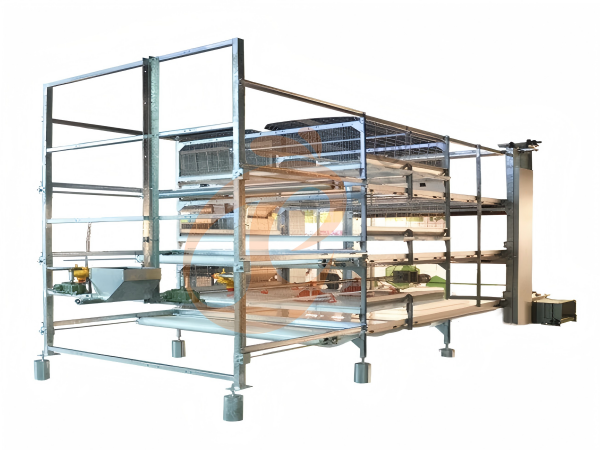
 >30,000 Pullets Automatic H Type Battery Cage1. More than 30,000 pullets a house, choose it.
2. It is designed to rearing older than 1 day old pullets to 12 to 16 weeks old chicken starting laying eggs.
3. Its lifespan is more than 25 years.
4. Its structure are Vcloud artificial intelligent fusion, electric control cabinet, automatic equipment of drinking, feeding, manure clean, manual harvesting.
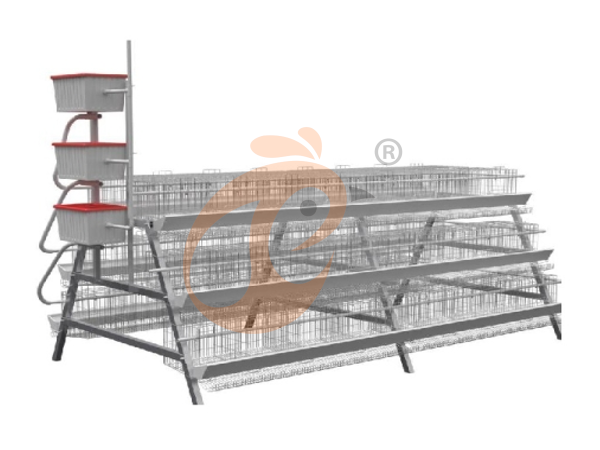
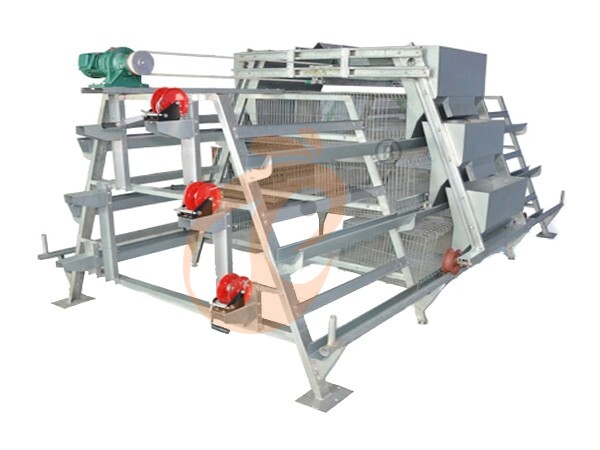
5. Our 24 hour online reception What’sApp NO. is +8618830120193 <30,000 Pullets Automatic A Type Battery Cage1. 10,000 to 30,000 pullets a house, choose it.
2. It is designed to rearing older than 1 day old pullets to 12 to 16 weeks old chicken starting laying eggs.
3. Its lifespan is more than 25 years.
4. Its structure are Vcloud artificial intelligent fusion, electric control cabinet, automatic equipment of drinking, feeding, manure clean, manual harvesting.
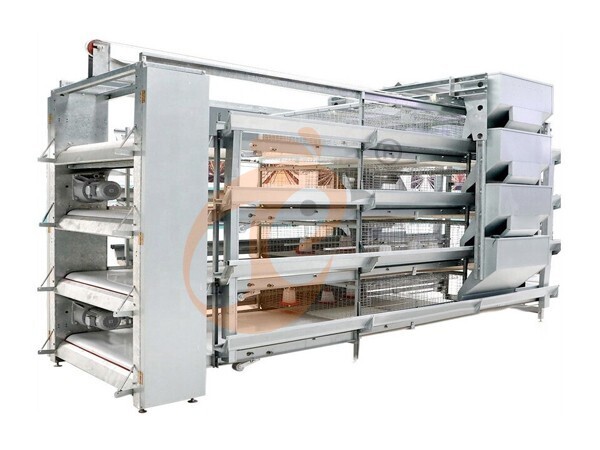
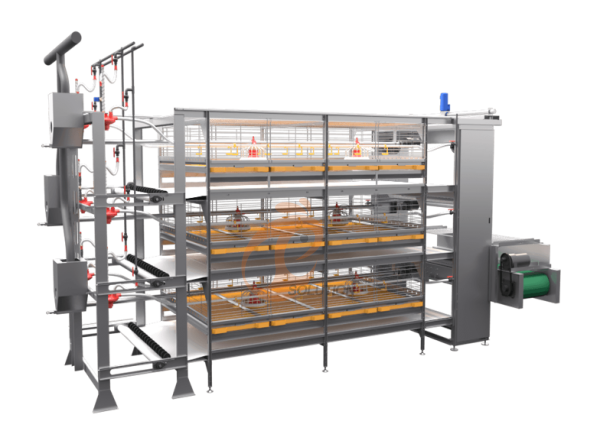
5. Our 24 hour online reception What’sApp NO. is +86 18830120193. >30,000 Broilers Semi-Automatic Harvest H Type Battery Cage1. More than 30,000 broilers a house, choose it.
2. It is designed to rearing 1 to 45 day old adult broiler ready for market.
3. Its lifespan is more than 20 years.
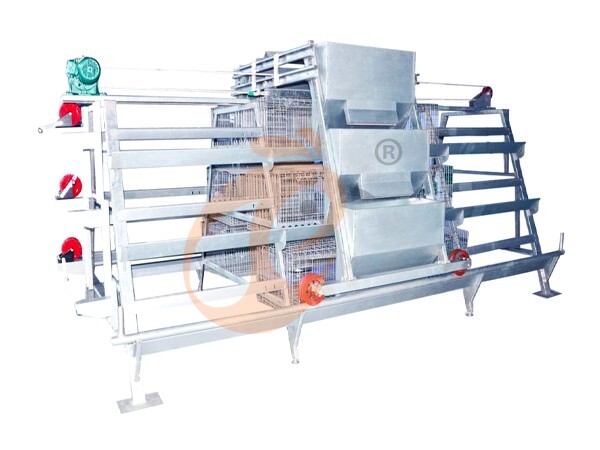
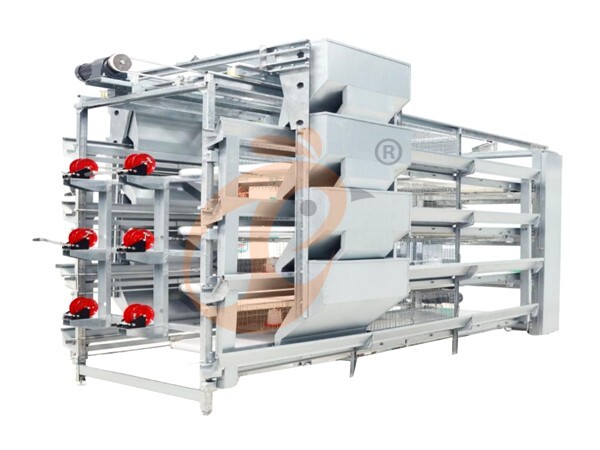
4. Our 24 hour online reception What’sApp NO. is +8618830120193, +234 8111199996. >30,000 Broilers Manual Harvest H Type Battery Cage1. More than 30,000 broilers a house, choose it.
2. It is designed to rearing 1 to 45 day old adult broiler ready for market.
3. Its lifespan is more than 20 years.
4. Its structure are Vcloud artificial intelligent fusion, electric control cabinet, automatic equipment of drinking, feeding and manure clean, manual harvesting.
5. Our 24 hour online reception What’sApp NO. is +8618830120193, +234 8111199996. <30,000 Broilers Manual Harvest A Type Battery Cage1. Less 30,000 broilers a house, choose it.
2. It is designed to rearing 1 to 45 day old adult broiler ready for market.
3. Its lifespan is more than 20 years.
4. Its structure are Vcloud artificial intelligent fusion, electric control cabinet, automatic equipment of drinking, feeding and manure clean, manual harvesting.
5. Our 24 hour online reception What’sApp NO. is +8618830120193, +234 8111199996. HK Headquarter Offers EU-standard Poultry Farm Solutions, Manufacture Poultry Farm Equipment1. Continuous communication with the EU and the US
2. China, Nigeria, Ethiopia, Tanzania branch companies and factories
3. The products’ quality is customized for local poultry farms
4. Poultry cage and poultry farm equipment stock for sale
5. 24 online reception Whatsapp NO. : +8618830120193,contact us to get full information China Branch Offer Poultry Farm Business Plan, Manufacture Poultry Farm Equipment1. Address: Flat/RM 2416, 24/F, Runxing Building, Youyi Nan Street, Shijiazhuang City, Hebei Province, China
2. Poultry cage and poultry farm equipment factory and stock for sale
3. Customized for local poultry farms
4. Quality and design are based on Euro
5. 24 online reception Whatsapp NO. : +8618830120193 Nigeria Branch Offer Poultry Farm Business Plan, Manufacture Poultry Farm Equipment1. Address: After Sinoma Office, 200 Meters Near Danco Filling Station, Lagos/Ibadan Expressway, Lagos State, Nigeria
2. Poultry cage and poultry farm equipment factory and stock for sale
3. Customized for Nigerian poultry farms
4. Quality and design are based on Euro
5. 24 online reception Whatsapp NO. : +8618830120193 Ethiopia Branch Offer Poultry Farm Business Plan, Manufacture Poultry Farm Equipment1. Address: Gelan Gura, Akaki-kaliti Sub City, Addis Ababa, Ethiopia
2. Poultry cage and poultry farm equipment stock for sale
3. Customized for Ethiopian poultry farms
4. Quality and design are based on Euro
5. 24 online reception Whatsapp NO. : +8618830120193, contact us to get price list Tanzania Branch Offer Poultry Farm Business Plan, Manufacture Poultry Farm Equipment1. Address: No.8, Sova Road, Msufini, Mlandizi, Kibaha, Pwani, Tanzania
2. Poultry cage and poultry farm equipment factory and stock for sale
3. Customized for Tanzanian poultry farms
4. Quality and design are based on Euro
5. 24 online reception Whatsapp NO. : +8618830120193


Contact