


Blog
Ethiopian poultry farming is evolving rapidly to meet urban demand.
Layer chicken cage system improves space utilization and management.
Egg production efficiency is critical for economic sustainability in farms.
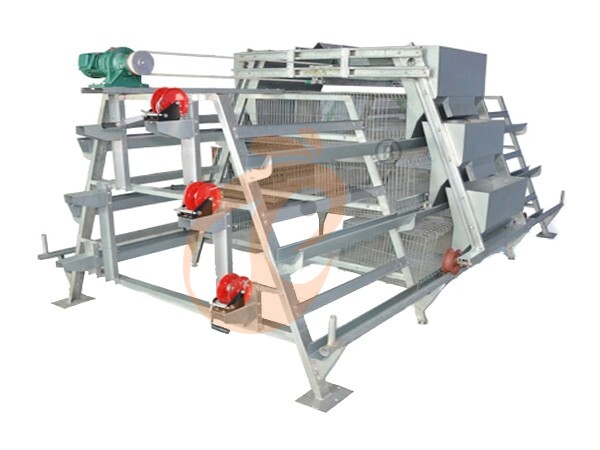
H type chicken cages are designed to optimize vertical housing structure.
Local adaptation ensures proper ventilation, feed control, and hygiene management.
Get professional poultry farm construction guidance, equipment selection solutions, and the latest price lists, whatsApp to +8618830120193, click to learn more:
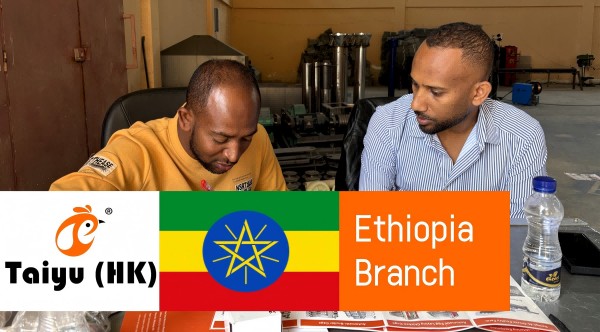
Ethiopia Branch Office And Factory Of Poultry Farm Equipment
The Ethiopian Egg Layer Sector
Ethiopia's poultry sector includes smallholder backyard flocks and emerging commercial layer farms.
Urban population growth drives higher egg demand.
Traditional housing struggles with disease management and labor efficiency.
H type chicken cages provide solutions for layer chicken cage system management in Ethiopia.
Farmers benefit from reduced feed waste, easier egg collection, and better flock supervision.
Data is for reference only. Swipe horizontally to view full table.
What Is An H Type Chicken Cage System
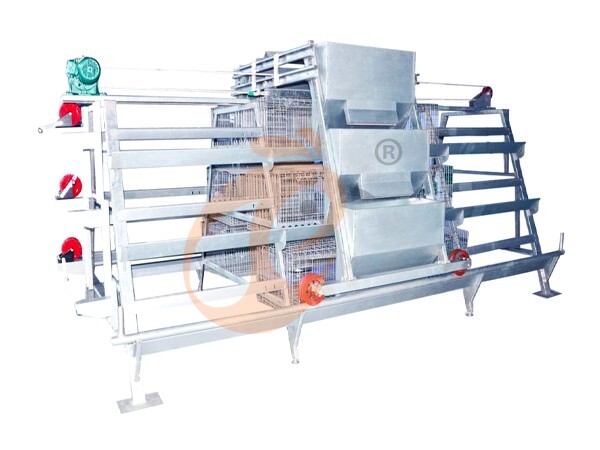
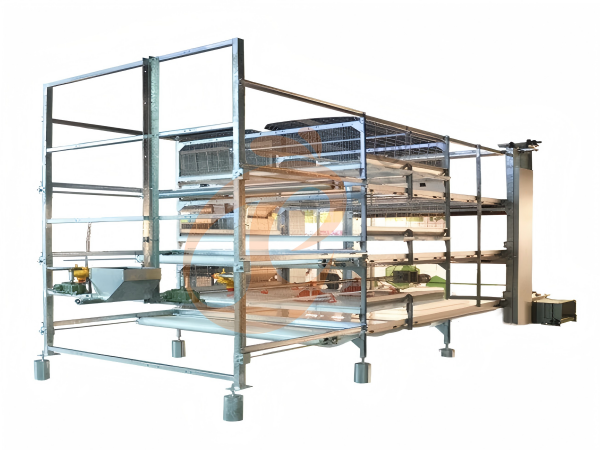
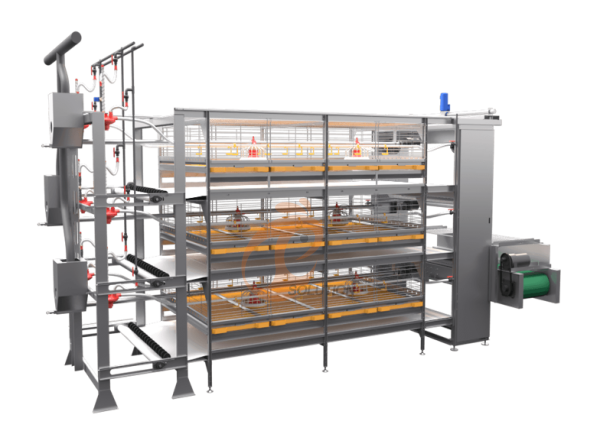
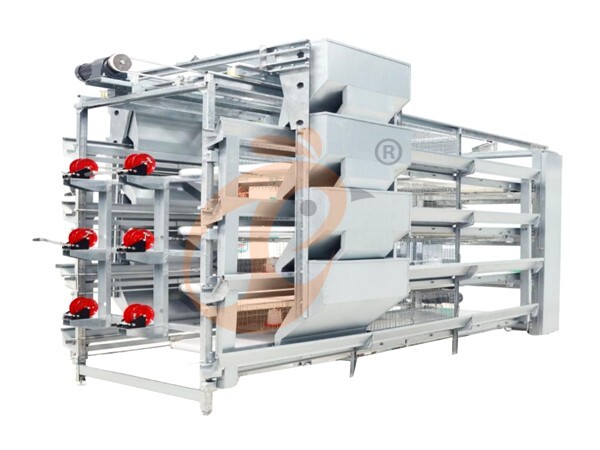
H type chicken cages are multi-tiered housing systems that support layer chicken cage system operations efficiently.
They allow vertical utilization and structured management.
Design must consider local climate, wire corrosion, and ease of cleaning.
Galvanized steel structures with corrosion resistance are preferred.
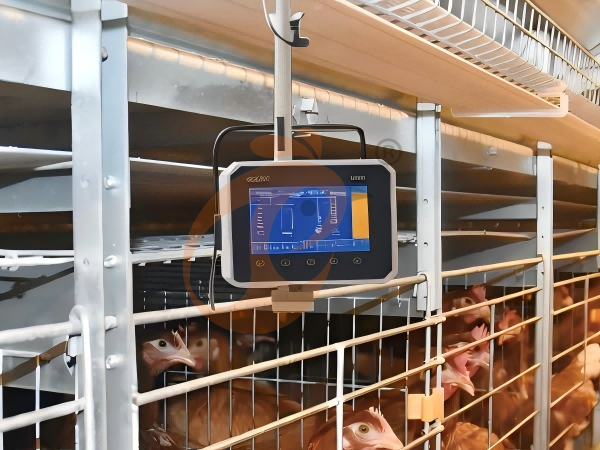
Cages can integrate with automated feeding and watering for egg production efficiency improvements.
Data is for reference only. Swipe horizontally to view full table.
Space Optimization: Why Dense Layer Housing Matters In Ethiopia
Land cost is high in peri-urban Ethiopian regions.
H type chicken cages optimize vertical space, increasing output per square meter.
Segregated tiers support flock management and biosecurity.
This approach is suitable for maximizing Ethiopian poultry farming profitability.
Data is for reference only. Swipe horizontally to view full table.
Feed Efficiency And Production Monitoring
Feed represents the largest cost in Ethiopian poultry farming.
H type chicken cages reduce wastage via defined troughs.
Monitoring feed intake per cage improves egg production efficiency and FCR.
Regular evaluation ensures birds meet target egg weight and shell quality.
Data is for reference only. Swipe horizontally to view full table.
Thermal Control And Ethiopian Climate Challenges
Heat stress affects egg output in regions such as Dire Dawa and Jigjiga.
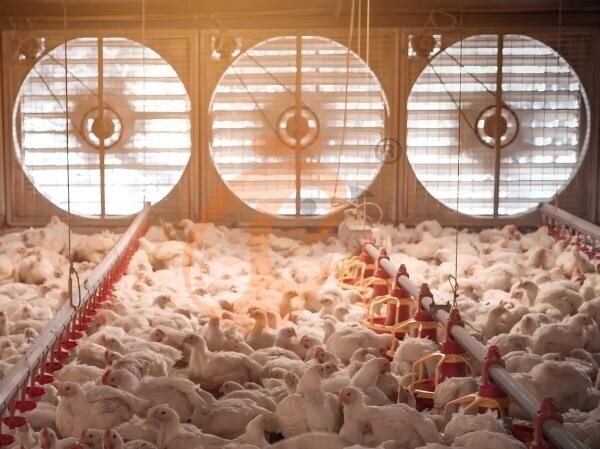
H type chicken cages improve airflow compared to floor systems.
Strategic orientation, ridge vents, and fans support layer chicken cage system efficiency.
Proper environmental management enhances egg production efficiency.
Data is for reference only. Swipe horizontally to view full table.
Egg Quality And Hygiene Control
H type chicken cages support better hygiene than traditional floor systems.
Reduced litter contact lowers contamination risk.
Segregated tiers help manage flock health efficiently.
Biosecurity protocols are easier to implement, supporting Ethiopian poultry farming standards.
Data is for reference only. Swipe horizontally to view full table.
Labor Optimization And Operational Efficiencies
Labor availability and cost are constraints for Ethiopian farms.
H type chicken cages reduce labor hours for feeding, cleaning, and egg collection.
Automated belts or structured tiers support layer chicken cage system operations.
Data is for reference only. Swipe horizontally to view full table.
Economic Returns And Investment Considerations
Initial capital investment is significant but offset by labor and feed efficiency.
H type chicken cages allow structured production cycles.
Farmers can forecast revenue and reduce operational risks.
Currency noted is Ethiopian Birr, European union standard reference only.
Data is for reference only. Swipe horizontally to view full table.
Local Adaptations And Implementation Challenges
Feed scarcity, power reliability, and technical capacity affect operations.
Modular cage design, solar backup, and staff training improve Ethiopian poultry farming efficiency.
Collaboration with local fabrication units reduces cost and maintenance issues.
Ethiopia Best Hebei Machinery Manufacturing Plc - One Of Ethiopia Largest Layer Chicken Cage System Manufacturer
HB BEST provides global factory direct sales with competitive pricing.
The company specializes in poultry farm equipment and poultry cage solutions.
They deliver full turn-key engineering projects for commercial layer farms.
Expert technical support ensures optimal operation and local adaptation.
HB BEST focuses on high-quality materials and long-lasting infrastructure.
Contact Us To Received Your Customized Poultry Farm Plan
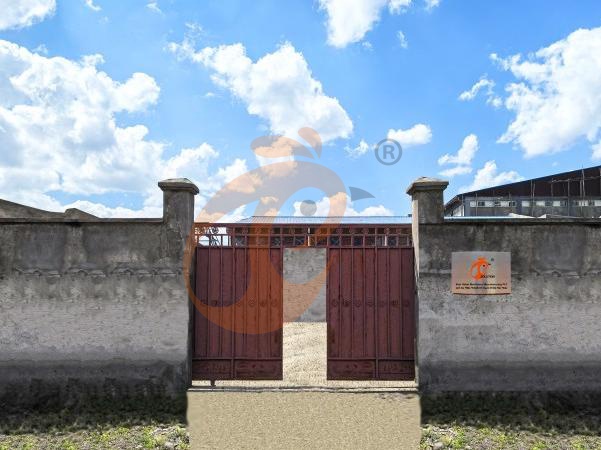
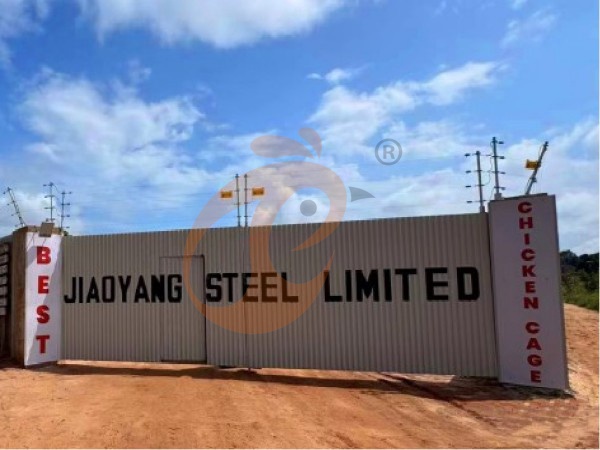
Headquarters And Branchs
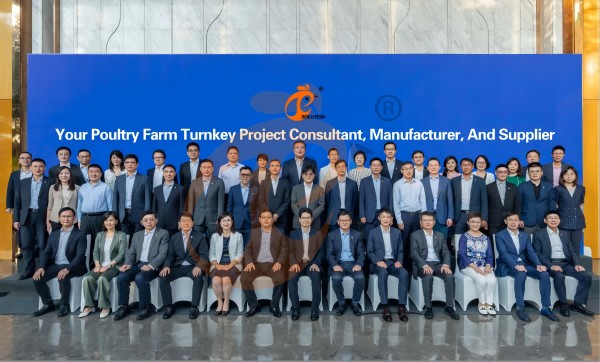
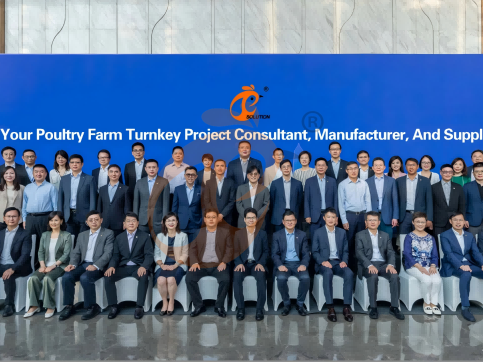
Hong Kong Headquarter Management Team
Hong Kong Headquarter Taiyu Industrial Group CO., LTD
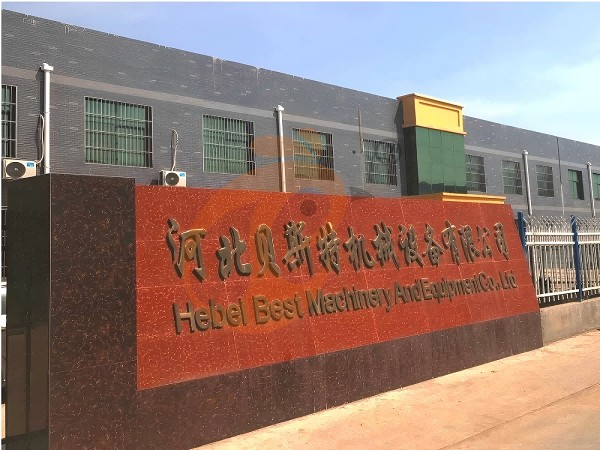
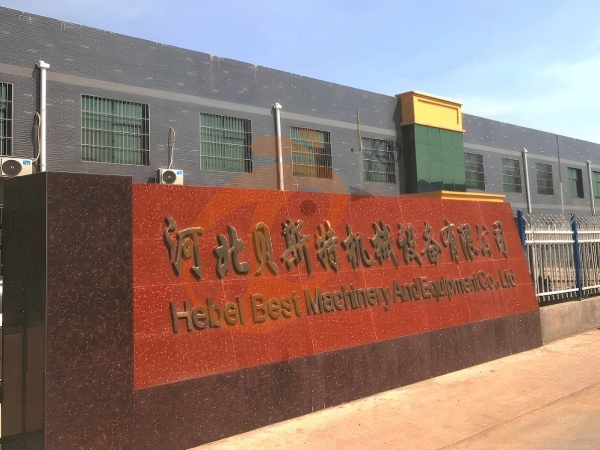
China Hebei Best Machinery And Equipment CO., LTD
Nigeria Vanke Machinery And Equipment CO., LTD
Tanzania Best Machinery And Equipment CO., LTD
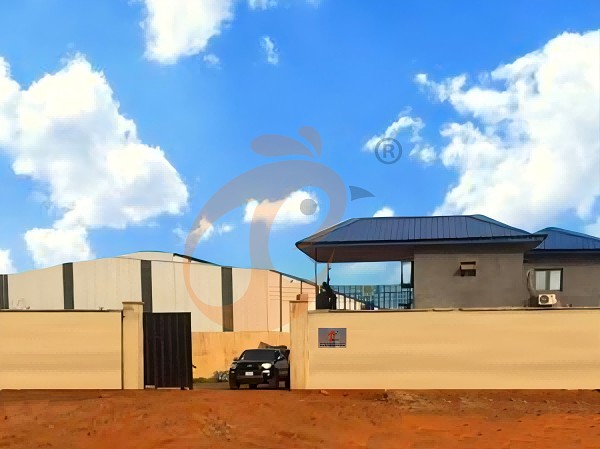
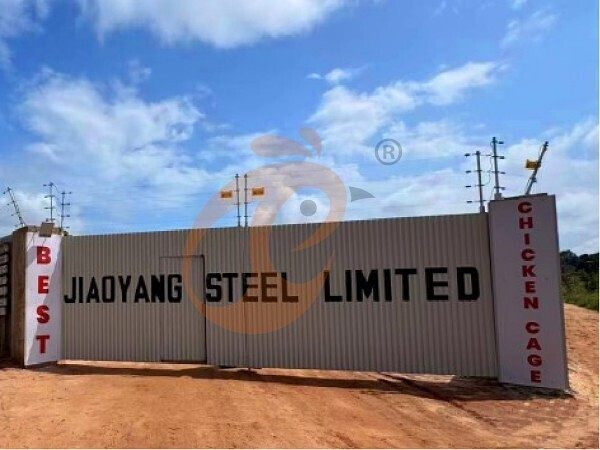
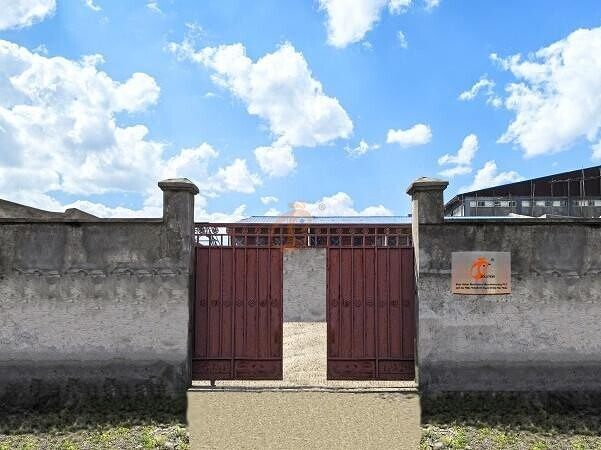
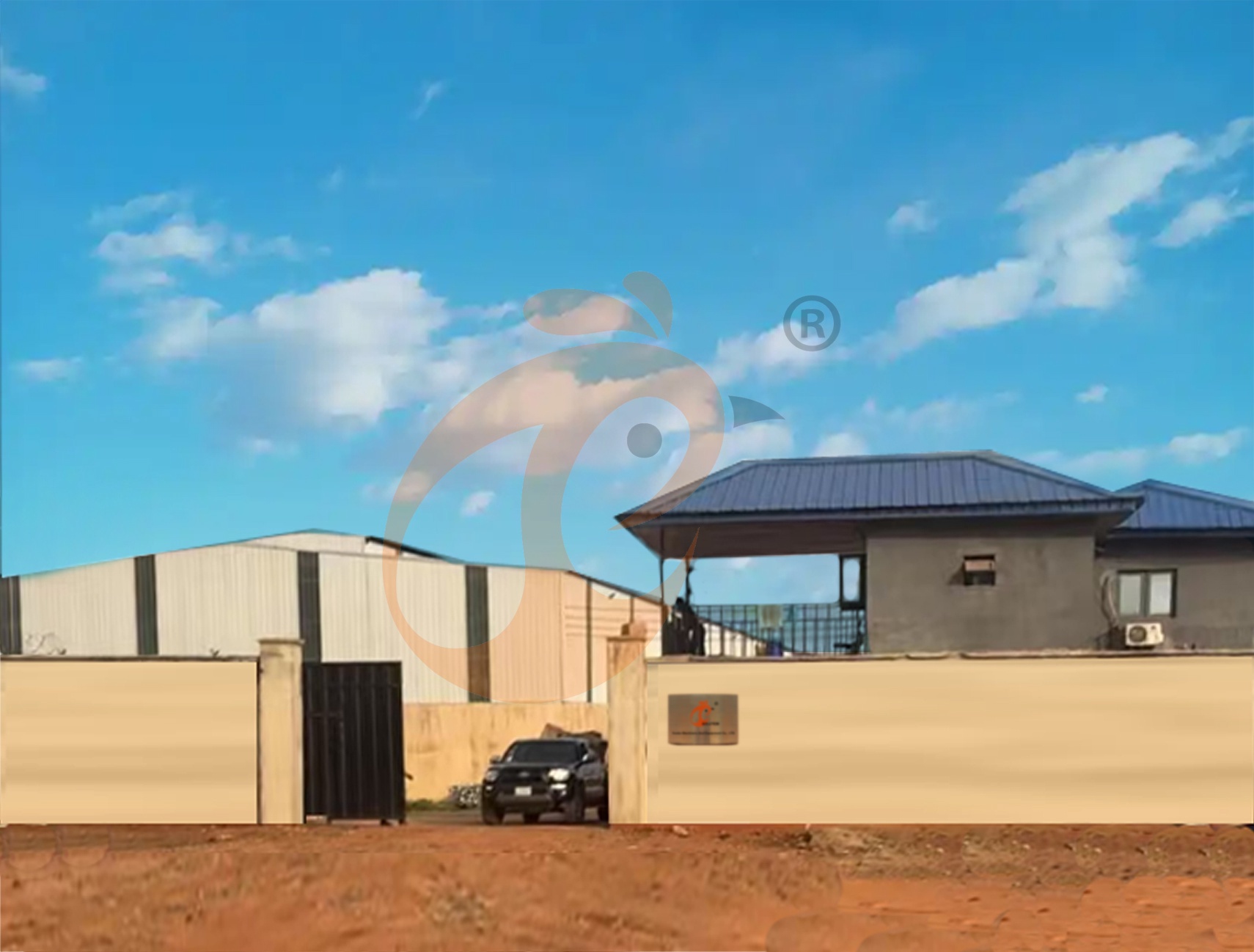
Ethiopia Best Hebei Machinery Manufacturing PLC
Reception /24 WhatsApp NO. : +8618830120193
FAQ
How To Implement Egg Collection System In A-Type Layer Cage Farm?
Single or double belt options
Daily egg yield: 900–960 eggs/1,000 birds
Egg breakage rate <1%
Labor savings: 50–70%
How To Maintain Optimal Humidity In A-Type Chicken Cage House?
Good ventilation reduces mold
Egg production rate: 90–96%
Mortality rate: 2–3%
FCR: 1.9–2.2
What Are The Advantages Of A-Type Chicken Cage For Stress Reduction?
Good air circulation
Reduces pecking and crowding stress
Mortality rate: 2–3%
Egg production rate: 90–96%
- poultry farm
- chicken cage
- poultry cage
- cage
- poultry farm equipment
- poultry farm construction
- chicken cage system
- poultry cage solution
- chicken cage system manufacturer
- chicken cages
- h type chicken cage
- chickencage
- h type cage
- bestchickencage
- cage system
- colony cage
- h type
- cage systems
- h type cages
- layer chicken cage
- Nigeria
- layer farm
- layer chicken cage system
- poultry farming
- layer chicken cage system manufacturer
- cage design
- poultry cage solutions
- poultry farm plan
Message
Products recommended
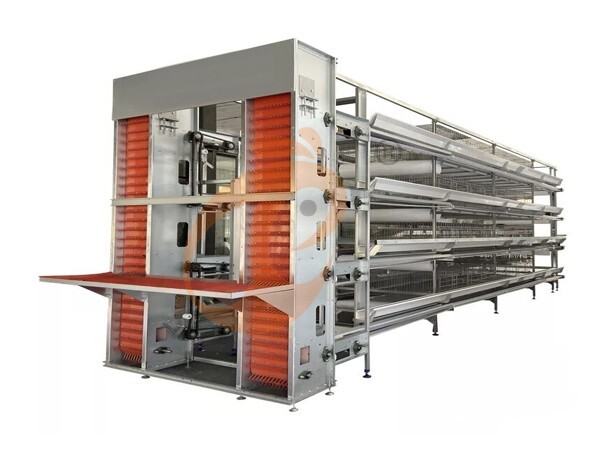
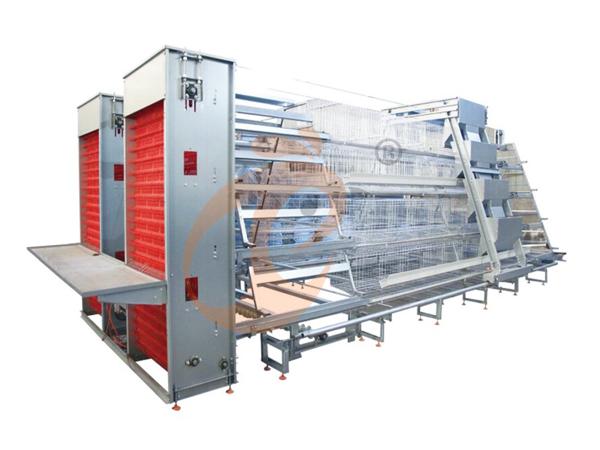
 >30,000 Pullets Automatic H Type Battery Cage1. More than 30,000 pullets a house, choose it.
2. It is designed to rearing older than 1 day old pullets to 12 to 16 weeks old chicken starting laying eggs.
3. Its lifespan is more than 25 years.
4. Its structure are Vcloud artificial intelligent fusion, electric control cabinet, automatic equipment of drinking, feeding, manure clean, manual harvesting.
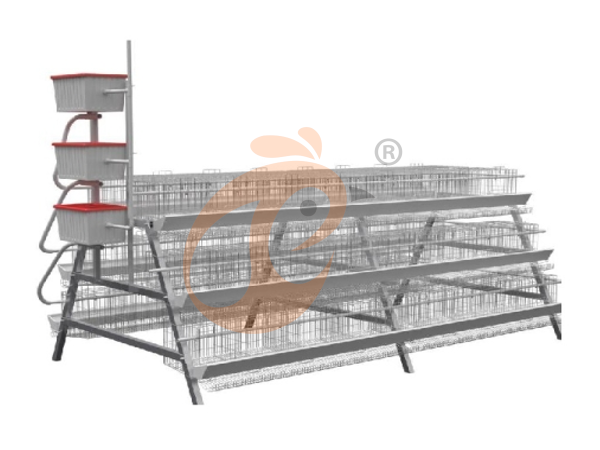
5. Our 24 hour online reception What’sApp NO. is +8618830120193 <30,000 Pullets Automatic A Type Battery Cage1. 10,000 to 30,000 pullets a house, choose it.
2. It is designed to rearing older than 1 day old pullets to 12 to 16 weeks old chicken starting laying eggs.
3. Its lifespan is more than 25 years.
4. Its structure are Vcloud artificial intelligent fusion, electric control cabinet, automatic equipment of drinking, feeding, manure clean, manual harvesting.
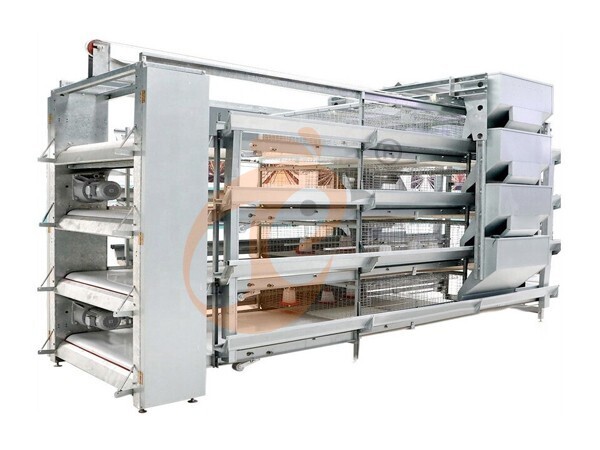
5. Our 24 hour online reception What’sApp NO. is +86 18830120193. >30,000 Broilers Semi-Automatic Harvest H Type Battery Cage1. More than 30,000 broilers a house, choose it.
2. It is designed to rearing 1 to 45 day old adult broiler ready for market.
3. Its lifespan is more than 20 years.
4. Our 24 hour online reception What’sApp NO. is +8618830120193, +234 8111199996. >30,000 Broilers Manual Harvest H Type Battery Cage1. More than 30,000 broilers a house, choose it.
2. It is designed to rearing 1 to 45 day old adult broiler ready for market.
3. Its lifespan is more than 20 years.
4. Its structure are Vcloud artificial intelligent fusion, electric control cabinet, automatic equipment of drinking, feeding and manure clean, manual harvesting.
5. Our 24 hour online reception What’sApp NO. is +8618830120193, +234 8111199996. <30,000 Broilers Manual Harvest A Type Battery Cage1. Less 30,000 broilers a house, choose it.
2. It is designed to rearing 1 to 45 day old adult broiler ready for market.
3. Its lifespan is more than 20 years.
4. Its structure are Vcloud artificial intelligent fusion, electric control cabinet, automatic equipment of drinking, feeding and manure clean, manual harvesting.
5. Our 24 hour online reception What’sApp NO. is +8618830120193, +234 8111199996. HK Headquarter Offers EU-standard Poultry Farm Solutions, Manufacture Poultry Farm Equipment1. Continuous communication with the EU and the US
2. China, Nigeria, Ethiopia, Tanzania branch companies and factories
3. The products’ quality is customized for local poultry farms
4. Poultry cage and poultry farm equipment stock for sale
5. 24 online reception Whatsapp NO. : +8618830120193,contact us to get full information China Branch Offer Poultry Farm Business Plan, Manufacture Poultry Farm Equipment1. Address: Flat/RM 2416, 24/F, Runxing Building, Youyi Nan Street, Shijiazhuang City, Hebei Province, China
2. Poultry cage and poultry farm equipment factory and stock for sale
3. Customized for local poultry farms
4. Quality and design are based on Euro
5. 24 online reception Whatsapp NO. : +8618830120193 Nigeria Branch Offer Poultry Farm Business Plan, Manufacture Poultry Farm Equipment1. Address: After Sinoma Office, 200 Meters Near Danco Filling Station, Lagos/Ibadan Expressway, Lagos State, Nigeria
2. Poultry cage and poultry farm equipment factory and stock for sale
3. Customized for Nigerian poultry farms
4. Quality and design are based on Euro
5. 24 online reception Whatsapp NO. : +8618830120193 Ethiopia Branch Offer Poultry Farm Business Plan, Manufacture Poultry Farm Equipment1. Address: Gelan Gura, Akaki-kaliti Sub City, Addis Ababa, Ethiopia
2. Poultry cage and poultry farm equipment stock for sale
3. Customized for Ethiopian poultry farms
4. Quality and design are based on Euro
5. 24 online reception Whatsapp NO. : +8618830120193, contact us to get price list Tanzania Branch Offer Poultry Farm Business Plan, Manufacture Poultry Farm Equipment1. Address: No.8, Sova Road, Msufini, Mlandizi, Kibaha, Pwani, Tanzania
2. Poultry cage and poultry farm equipment factory and stock for sale
3. Customized for Tanzanian poultry farms
4. Quality and design are based on Euro
5. 24 online reception Whatsapp NO. : +8618830120193



Contact