


Blog
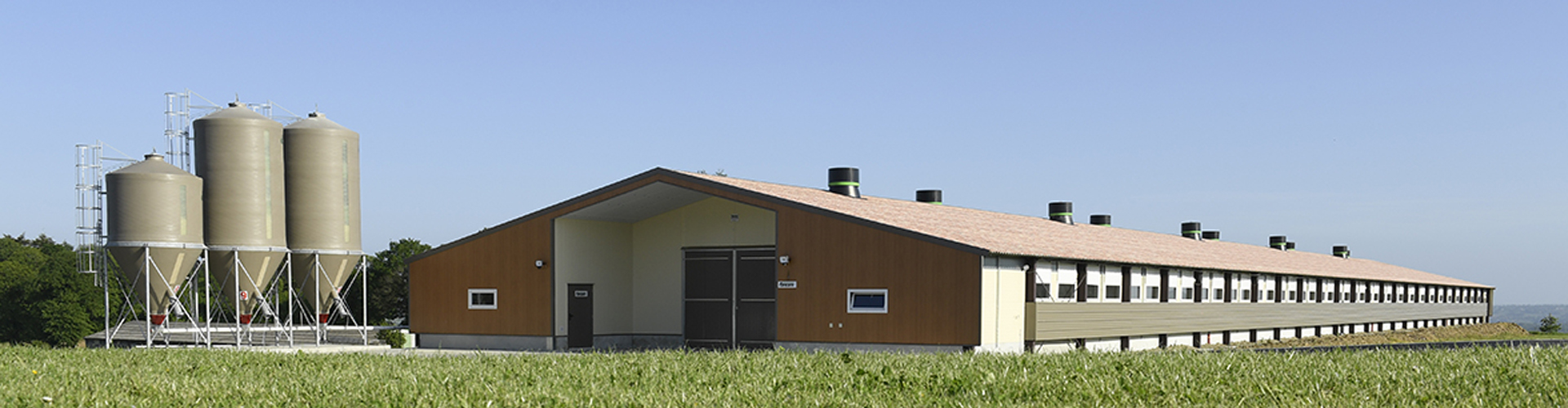
Automatic poultry equipment installation enables precise feed delivery, water supply, ventilation, and temperature control for modern farm operations.
System layout engineering ensures structural alignment, mechanical stability, and reduced operational variability across poultry housing units.
Electrical and hydraulic integration provides synchronized actuation of motors, pumps, and sensors under continuous load conditions.
Environmental control optimization maintains target temperature, relative humidity, and ammonia concentration for enhanced flock growth performance.
Maintenance planning, sensor calibration, and commissioning verification reduce downtime, minimize feed and water wastage, and ensure long-term operational efficiency.
Get professional poultry farm construction guidance, equipment selection solutions, and the latest price lists, whatsApp to +8618830120193, click to learn more:
Site Assessment And Structural Verification
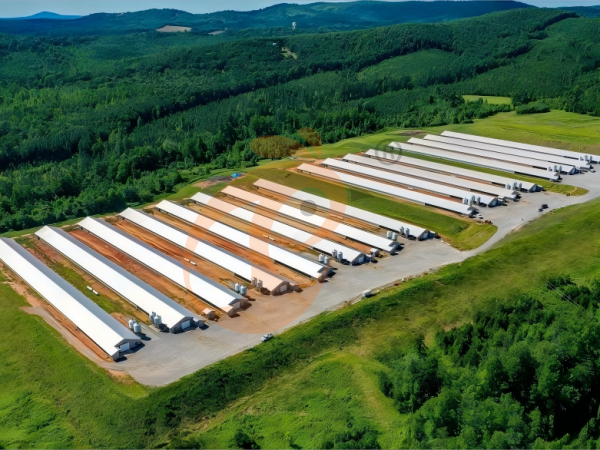
Poultry house geometry defines installation feasibility for automatic poultry systems.
Structural accuracy directly impacts feed line stability and drinking pressure balance.
Automatic poultry equipment installation requires validated spatial calibration before mechanical deployment.
Data is for reference only.Swipe horizontally to view full table.
Structural verification ensures mechanical compatibility with system layout design.
Infrastructure Preparation Standards
Infrastructure readiness defines long-term stability of poultry automation systems.
Concrete base, drainage slope, and electrical circuits must match engineering load requirements.
Data is for reference only.Swipe horizontally to view full table.
Infrastructure precision reduces mechanical deviation during equipment installation.
Automatic Feeding System Installation
Feeding system performance determines flock growth uniformity and production efficiency.
Feed silo, feed line, motor, and feed pan require strict alignment calibration.
Poultry farm automation system integration begins from feed distribution architecture.
Data is for reference only.Swipe horizontally to view full table.
Horizontal leveling accuracy directly influences feed uniformity across housing zones.
Automatic Drinking System Configuration
Hydration system stability determines metabolic efficiency in poultry production cycles.
Nipple height adjustment must follow growth stages for optimized water access.
Data is for reference only.Swipe horizontally to view full table.
Hydraulic consistency ensures uniform hydration distribution across all poultry lines.
Ventilation And Climate Control Engineering
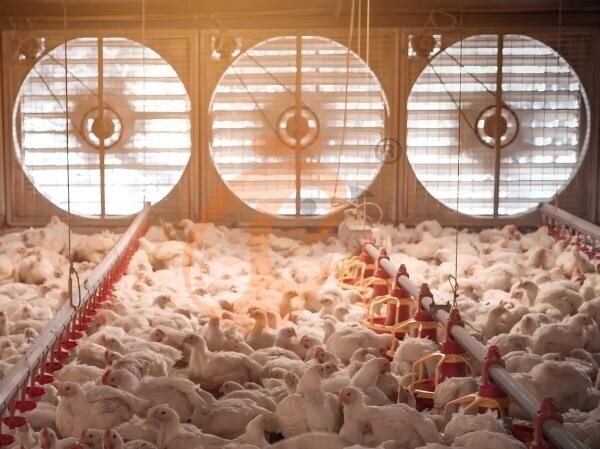
Airflow engineering stabilizes thermal and gas concentration parameters inside poultry houses.
Fan capacity and inlet geometry determine ventilation efficiency under load conditions.
Data is for reference only.Swipe horizontally to view full table.
Ventilation calibration stabilizes ammonia dispersion and oxygen exchange rate.
Poultry Environmental Control Science
Poultry physiology reacts strongly to thermal and gas concentration variation.
A 2°C deviation changes metabolic feed conversion efficiency under controlled conditions.
Ammonia above 15 ppm reduces respiratory capacity and growth uniformity.
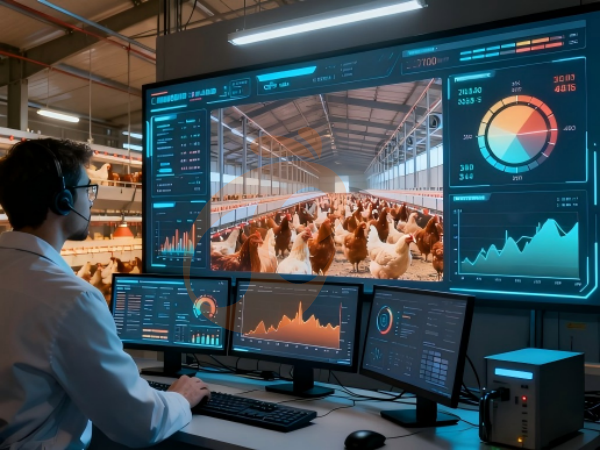
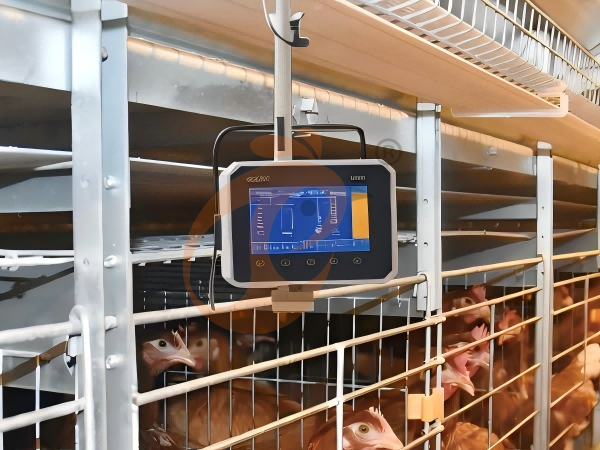
Sensor-driven feedback loops maintain environmental equilibrium inside housing systems.
Integrated control architecture is the foundation of poultry equipment setup guide execution in industrial farms.
System Commissioning And Performance Testing
Commissioning validates operational synchronization across mechanical and electrical systems.
All modules must operate under simulated production load conditions before bird placement.
Data is for reference only.Swipe horizontally to view full table.
System synchronization ensures stable multi-module operation performance.
Maintenance Scheduling Framework
Preventive maintenance stabilizes equipment lifespan and reduces system failure probability.
Mechanical, hydraulic, and electrical components require periodic calibration cycles.
Data is for reference only.Swipe horizontally to view full table.
Maintenance execution preserves system efficiency across production cycles.
Economic Performance Analysis
Automation improves production efficiency and reduces operational input dependency.
Capital investment is offset by reduced feed loss and labor optimization.
Data is for reference only.Swipe horizontally to view full table.
European union standard reference only.
Economic modeling supports scalable poultry production investment planning.
System Integration And Operational Stability
System integration synchronizes feeding, drinking, and ventilation modules.
Real-time sensor feedback adjusts environmental variables dynamically.
Mechanical alignment reduces vibration impact on feed transport lines.
Hydraulic stability maintains constant pressure distribution across water circuits.
Electrical redundancy ensures uninterrupted operation during load fluctuation cycles.
Frequently Asked Questions
Q1: What is installation precision requirement in poultry systems?
Installation requires feed line deviation under 2 mm per meter and pressure stability between 2.0–2.5 bar.
Q2: How does automation improve poultry performance?
Automation stabilizes feed intake, water access, and environmental conditions, improving growth uniformity and reducing mortality rates.
Q3: What is the role of environmental control systems?
Environmental systems regulate temperature, humidity, and ammonia concentration using sensor-based feedback control loops.
Total word structure maintains engineering accuracy and system integration logic across poultry production environments.
Taiyu (HK) Group - One Of China Biggest Poultry Equipment Exporter
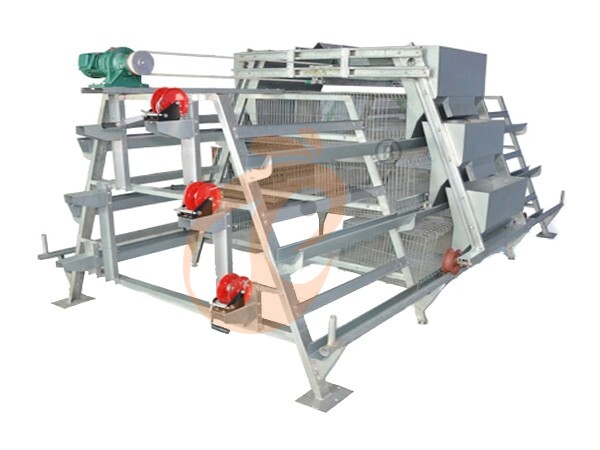
Automatic poultry equipment includes feed line, drinking line, ventilation, and climate control systems.
Global factory direct supply supports poultry equipment production and industrial poultry cage systems.
Turn-key engineering projects include installation, commissioning, and full farm system integration services.
Poultry farm automation system solutions delivered for large-scale commercial poultry production facilities.
Export manufacturing network supports global distribution of automated poultry housing equipment systems.
Contact Us To Received Your Customized Poultry Farm Plan
Headquarters And Branchs
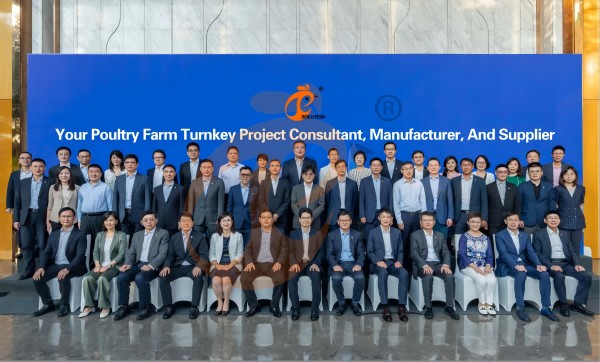
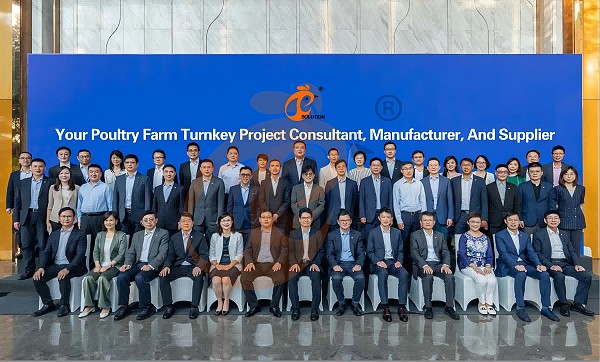
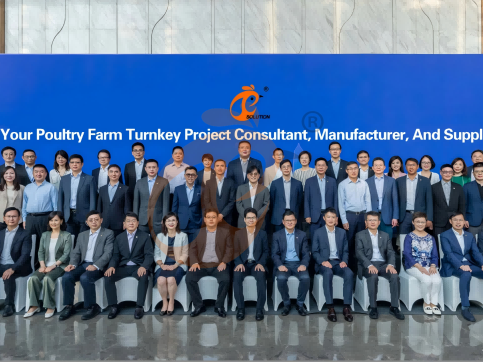
Hong Kong Headquarter Management Team
Hong Kong Headquarter Taiyu Industrial Group CO., LTD
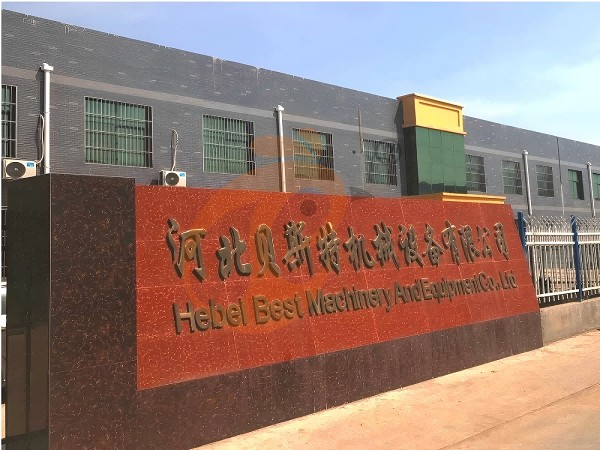
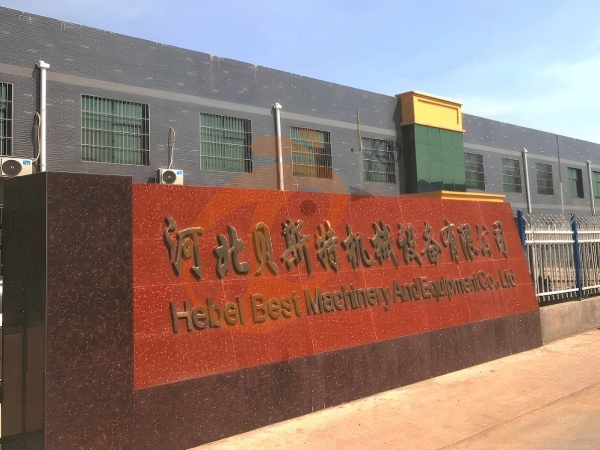
China Hebei Best Machinery And Equipment CO., LTD
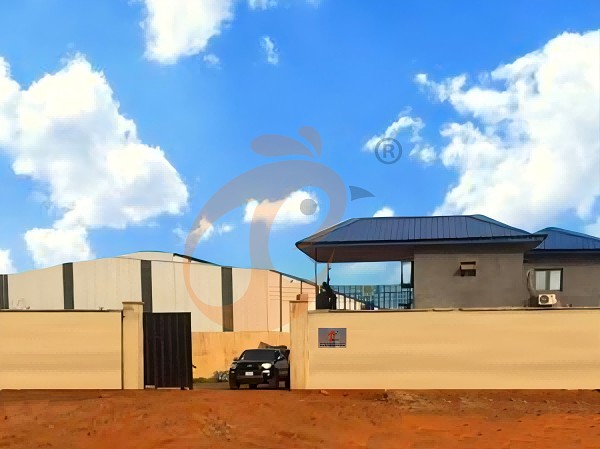
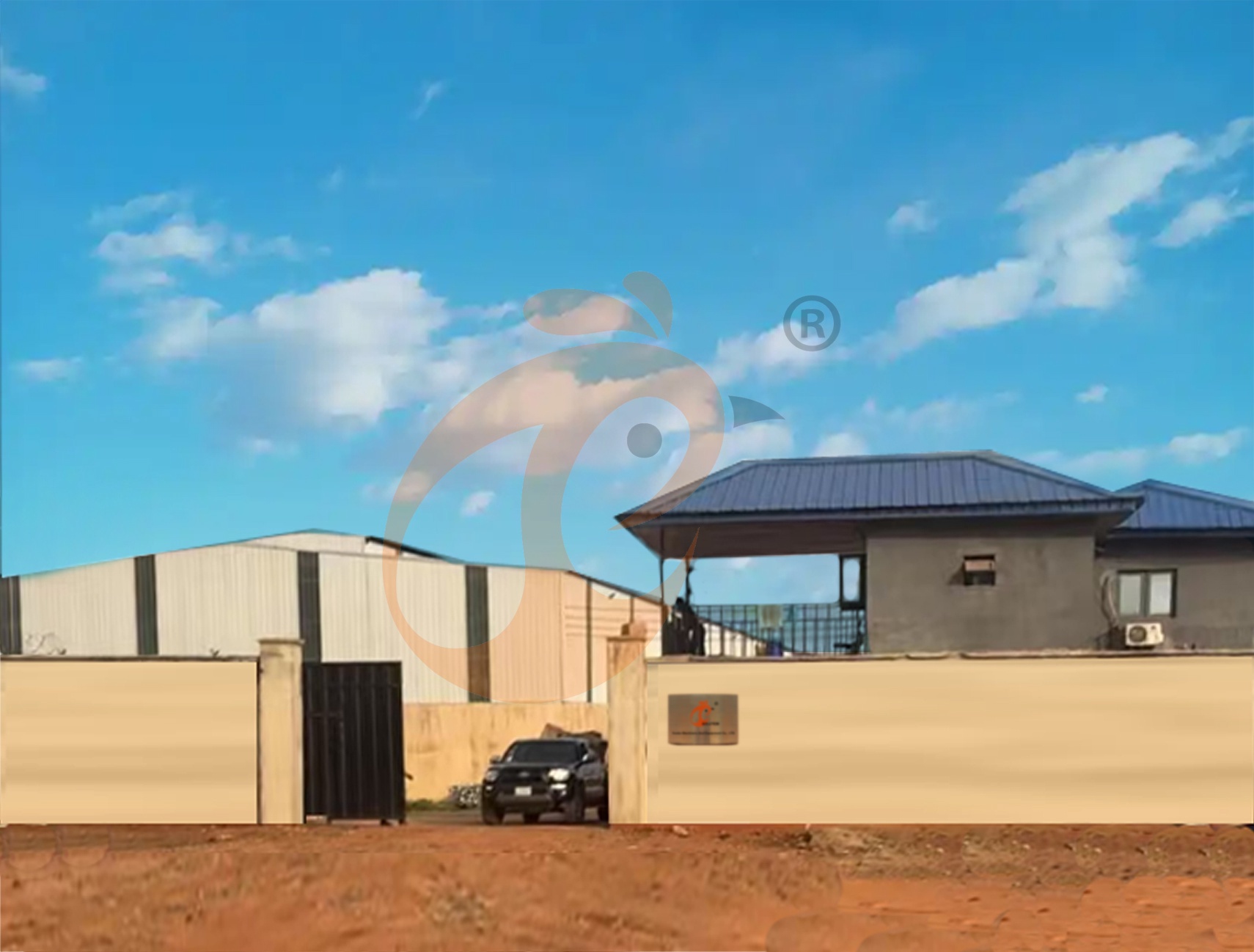
Nigeria Vanke Machinery And Equipment CO., LTD
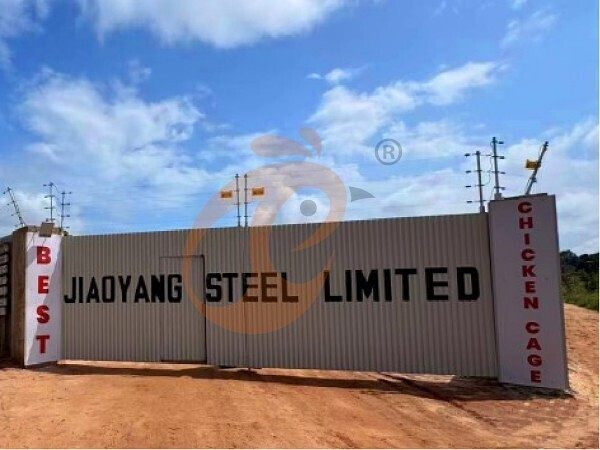
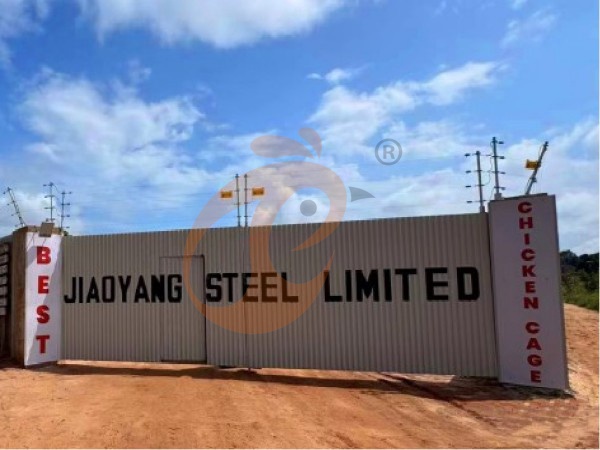
Tanzania Best Machinery And Equipment CO., LTD
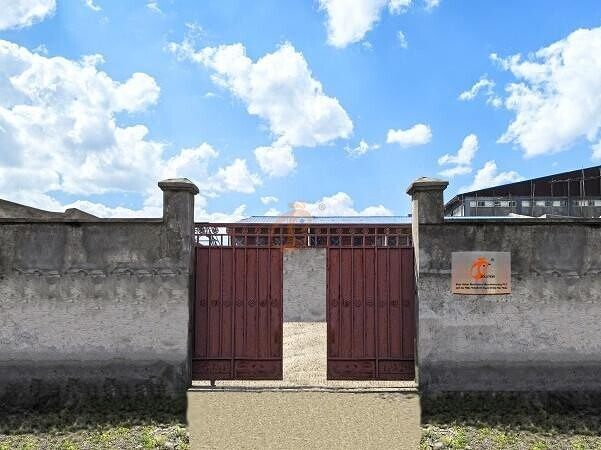
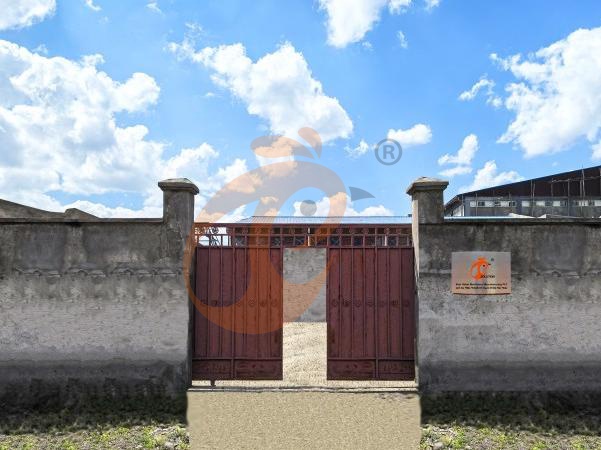
Ethiopia Best Hebei Machinery Manufacturing PLC
Reception /24 WhatsApp NO. : +8618830120193
FAQ
What Equipment Modules Are Included In Automatic Chicken Cage Poultry Equipment For Poultry Chicken Cage Systems?
Watering modules integrate pipelines rated for 16–20 mm diameter supporting stable distribution.
Manure belts utilize 1.0–1.2 mm thickness materials for continuous waste removal durability.
Which Structural Equipment Specifications Define Automatic Chicken Cage Poultry Equipment In Poultry Chicken Cage Systems?
Wire mesh spacing is maintained at 20–25 mm to support bird stability and waste separation.
Galvanization coating reaches 90–130 g/m² for corrosion resistance in high humidity environments.
What Drive System Equipment Parameters Are Used In Automatic Chicken Cage Poultry Equipment For Poultry Chicken Cage Farms?
Gear reducer ratio is configured between 1:20–1:40 for controlled mechanical output speed.
Transmission efficiency reaches 85%–92% minimizing energy loss during continuous operation.
- poultry farm
- poultry house
- poultry cage
- cage
- poultry farm construction
- poultry farm automation
- poultry cage system
- automatic drinking system
- automatic feeding system
- poultry equipment
- chickencage
- bestchickencage
- cage system
- cage systems
- Nigeria
- poultry farm automation system
- automated poultry housing
- poultry cage systems
- poultry housing equipment
- poultry equipment exporter
- poultry farm plan
- feed silo
- feed silo capacity
- Ethiopia
Message
Products recommended
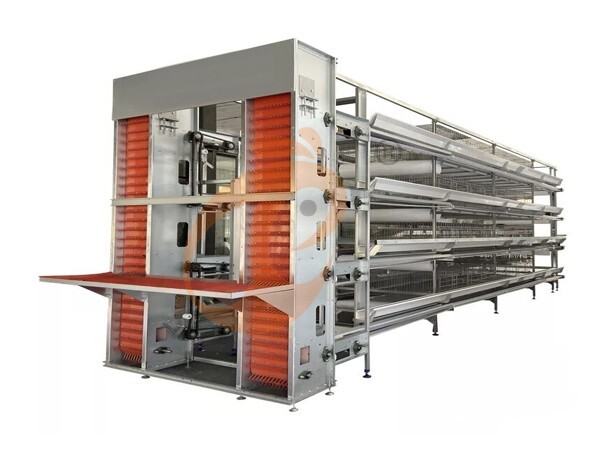
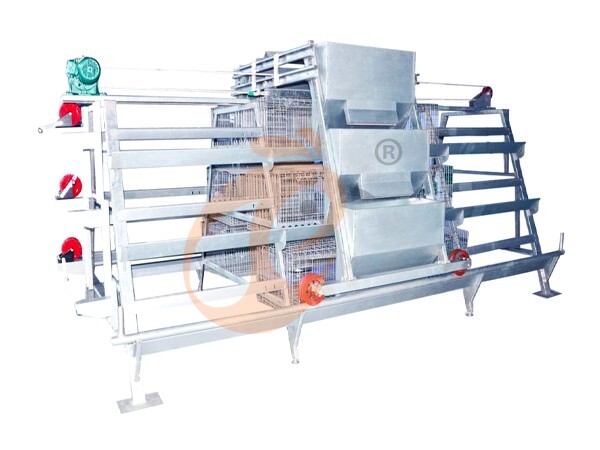
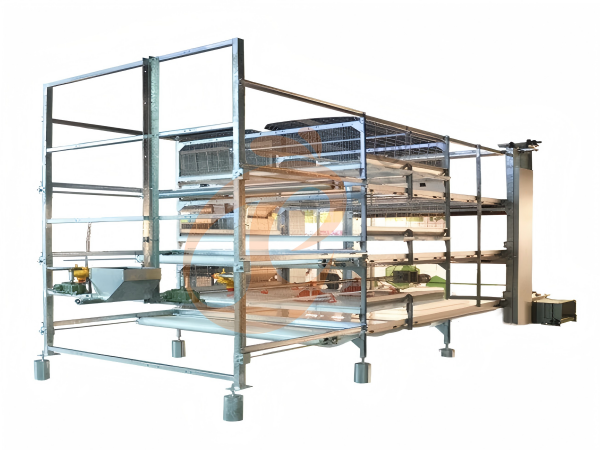
 >30,000 Pullets Automatic H Type Battery Cage1. More than 30,000 pullets a house, choose it.
2. It is designed to rearing older than 1 day old pullets to 12 to 16 weeks old chicken starting laying eggs.
3. Its lifespan is more than 25 years.
4. Its structure are Vcloud artificial intelligent fusion, electric control cabinet, automatic equipment of drinking, feeding, manure clean, manual harvesting.
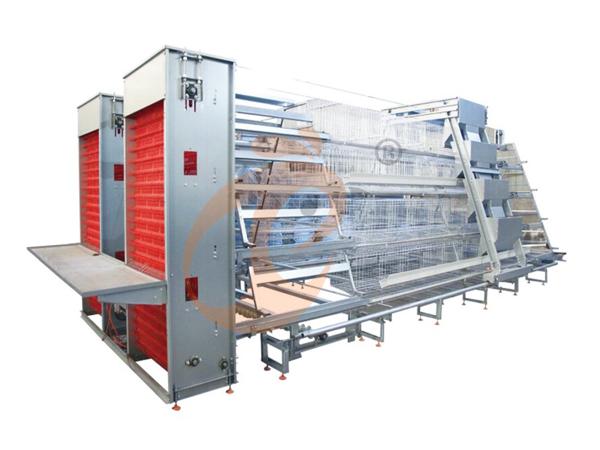
5. Our 24 hour online reception What’sApp NO. is +8618830120193 <30,000 Pullets Automatic A Type Battery Cage1. 10,000 to 30,000 pullets a house, choose it.
2. It is designed to rearing older than 1 day old pullets to 12 to 16 weeks old chicken starting laying eggs.
3. Its lifespan is more than 25 years.
4. Its structure are Vcloud artificial intelligent fusion, electric control cabinet, automatic equipment of drinking, feeding, manure clean, manual harvesting.
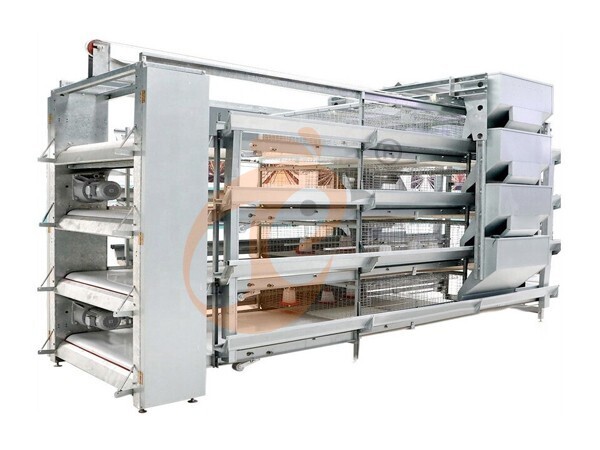
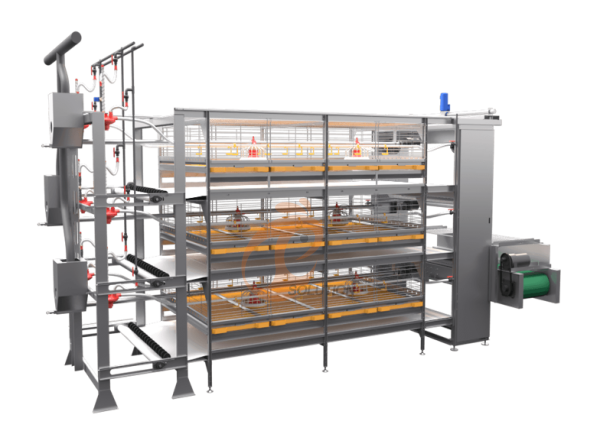
5. Our 24 hour online reception What’sApp NO. is +86 18830120193. >30,000 Broilers Semi-Automatic Harvest H Type Battery Cage1. More than 30,000 broilers a house, choose it.
2. It is designed to rearing 1 to 45 day old adult broiler ready for market.
3. Its lifespan is more than 20 years.
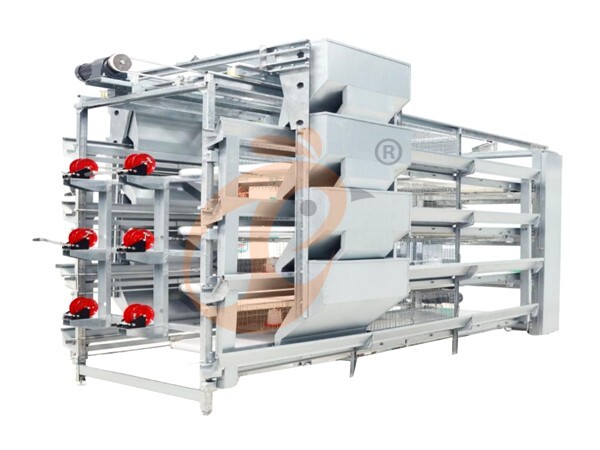
4. Our 24 hour online reception What’sApp NO. is +8618830120193, +234 8111199996. >30,000 Broilers Manual Harvest H Type Battery Cage1. More than 30,000 broilers a house, choose it.
2. It is designed to rearing 1 to 45 day old adult broiler ready for market.
3. Its lifespan is more than 20 years.
4. Its structure are Vcloud artificial intelligent fusion, electric control cabinet, automatic equipment of drinking, feeding and manure clean, manual harvesting.
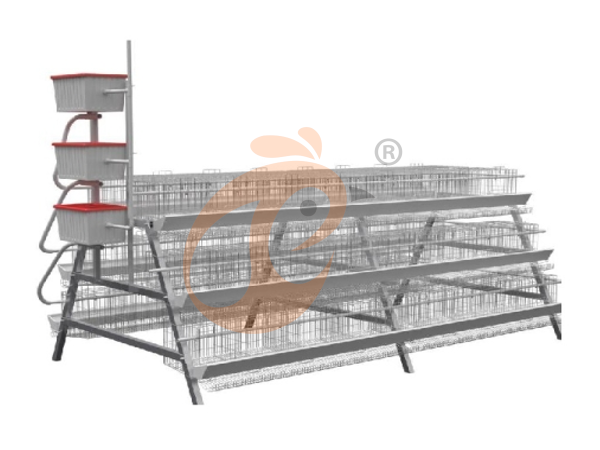
5. Our 24 hour online reception What’sApp NO. is +8618830120193, +234 8111199996. <30,000 Broilers Manual Harvest A Type Battery Cage1. Less 30,000 broilers a house, choose it.
2. It is designed to rearing 1 to 45 day old adult broiler ready for market.
3. Its lifespan is more than 20 years.
4. Its structure are Vcloud artificial intelligent fusion, electric control cabinet, automatic equipment of drinking, feeding and manure clean, manual harvesting.
5. Our 24 hour online reception What’sApp NO. is +8618830120193, +234 8111199996. HK Headquarter Offers EU-standard Poultry Farm Solutions, Manufacture Poultry Farm Equipment1. Continuous communication with the EU and the US
2. China, Nigeria, Ethiopia, Tanzania branch companies and factories
3. The products’ quality is customized for local poultry farms
4. Poultry cage and poultry farm equipment stock for sale
5. 24 online reception Whatsapp NO. : +8618830120193,contact us to get full information China Branch Offer Poultry Farm Business Plan, Manufacture Poultry Farm Equipment1. Address: Flat/RM 2416, 24/F, Runxing Building, Youyi Nan Street, Shijiazhuang City, Hebei Province, China
2. Poultry cage and poultry farm equipment factory and stock for sale
3. Customized for local poultry farms
4. Quality and design are based on Euro
5. 24 online reception Whatsapp NO. : +8618830120193 Nigeria Branch Offer Poultry Farm Business Plan, Manufacture Poultry Farm Equipment1. Address: After Sinoma Office, 200 Meters Near Danco Filling Station, Lagos/Ibadan Expressway, Lagos State, Nigeria
2. Poultry cage and poultry farm equipment factory and stock for sale
3. Customized for Nigerian poultry farms
4. Quality and design are based on Euro
5. 24 online reception Whatsapp NO. : +8618830120193 Ethiopia Branch Offer Poultry Farm Business Plan, Manufacture Poultry Farm Equipment1. Address: Gelan Gura, Akaki-kaliti Sub City, Addis Ababa, Ethiopia
2. Poultry cage and poultry farm equipment stock for sale
3. Customized for Ethiopian poultry farms
4. Quality and design are based on Euro
5. 24 online reception Whatsapp NO. : +8618830120193, contact us to get price list Tanzania Branch Offer Poultry Farm Business Plan, Manufacture Poultry Farm Equipment1. Address: No.8, Sova Road, Msufini, Mlandizi, Kibaha, Pwani, Tanzania
2. Poultry cage and poultry farm equipment factory and stock for sale
3. Customized for Tanzanian poultry farms
4. Quality and design are based on Euro
5. 24 online reception Whatsapp NO. : +8618830120193


Contact