


Blog
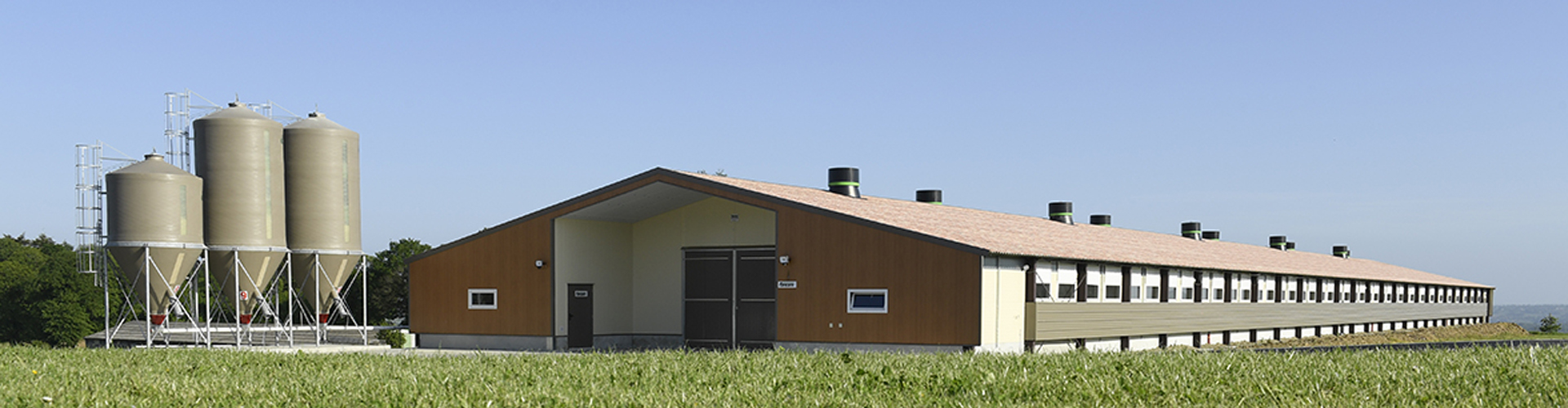
Air exchange design maintains thermal balance across multi-tier cages reducing metabolic heat accumulation in confined production zones.
Ammonia dilution architecture ensures NH3 concentration remains controlled supporting respiratory integrity in layer flocks under intensive stocking conditions.
Structural airflow routing optimizes velocity corridors minimizing dead air zones within cage aisles and manure belt sections.
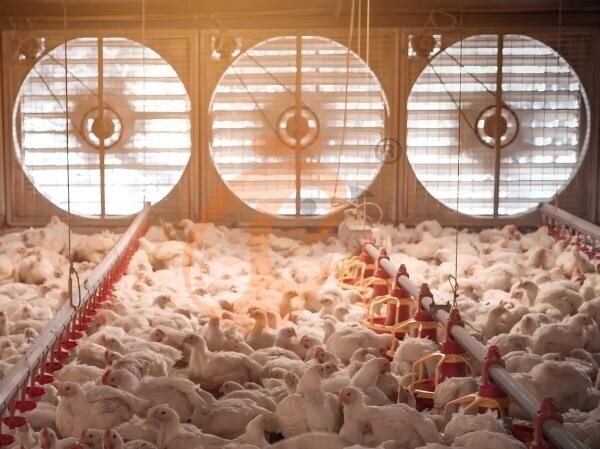
Mechanical ventilation integration supports large airflow modules enabling scalable climate control in industrial poultry facilities.
Environmental stabilization systems regulate humidity maintaining egg production consistency and shell quality performance stability.
Get professional poultry farm construction guidance, equipment selection solutions, and the latest price lists, whatsApp to +8618830120193, click to learn more:
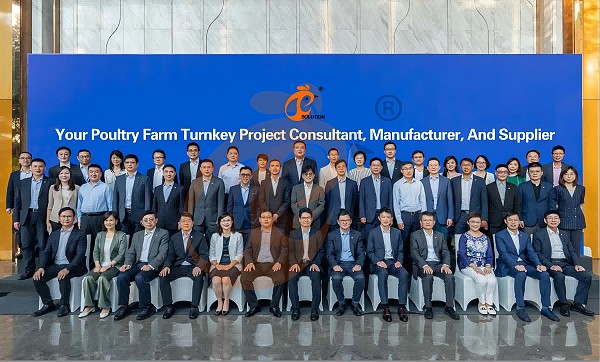
Layer Chicken Cage Ventilation System Engineering Overview
Layer chicken cage ventilation systems are engineered to control heat load, moisture balance, and gas concentration through structured airflow paths and mechanical exhaust units.
Key structural components include inlet shutters, exhaust fans, pressure sensors, and automated controllers.
Air enters through calibrated inlets and exits via roof or wall-mounted fans, forming a directional airflow system across cage tiers.
Data is for reference only.Swipe horizontally to view full table.
Thermal Load Regulation In Cage Houses
Thermal regulation directly influences feed intake rate, egg mass stability, and mortality ratio.
Ventilation design integrates temperature stratification control to avoid upper-layer overheating in multi-tier cage systems.
Data is for reference only.Swipe horizontally to view full table.
Fan System Configuration For Layer House Ventilation
Fan system architecture determines airflow stability and pressure gradient consistency across cage rows.
Exhaust cone fans and tunnel fans are arranged in staged activation sequences to match thermal load variation.
Each fan unit contributes a defined airflow volume measured under standardized pressure conditions.
Data is for reference only.Swipe horizontally to view full table.
Air Exchange Rate Control And Gas Dilution Mechanism
Air exchange rate (ACH) defines total air replacement cycles per hour in poultry housing.
Gas concentration directly correlates with bird respiration rate and manure decomposition intensity.
Data is for reference only.Swipe horizontally to view full table.
Ammonia Emission Control In Layer Cage Environment
Ammonia originates from nitrogen breakdown in manure accumulation zones under cage systems.
Respiratory epithelial damage occurs when exposure exceeds 20 ppm for extended durations.
Data is for reference only.Swipe horizontally to view full table.
Stocking Density And Ventilation Load Relationship
Stocking density defines ventilation load per unit area influencing airflow demand and heat accumulation rate.
Ventilation system scaling must match bird population density to avoid microclimate instability.
Data is for reference only.Swipe horizontally to view full table.
Cooling System Integration For Poultry Ventilation
Evaporative cooling and tunnel ventilation systems regulate indoor temperature during peak thermal stress periods.
System selection must align with regional climate conditions and water resource availability.
Data is for reference only.Swipe horizontally to view full table.
Airflow Dynamics In Multi-Tier Cage Structures
Multi-tier cages show airflow velocity variation: lower tiers ~0.5 m/s, upper tiers ~0.7 m/s.
Airflow imbalance causes temperature difference up to 3°C between tiers.
Effective design includes adjustable inlet baffles and cross-flow openings to reduce stagnant zones.
Fans should maintain uniform pressure of 18–22 Pa to prevent hot spots in upper tiers.
Scientific Explanation Of Thermoregulation In Hens
Bird thermoregulation relies on convection and evaporative cooling via respiratory pathways.
Automation Control In Modern Ventilation Systems
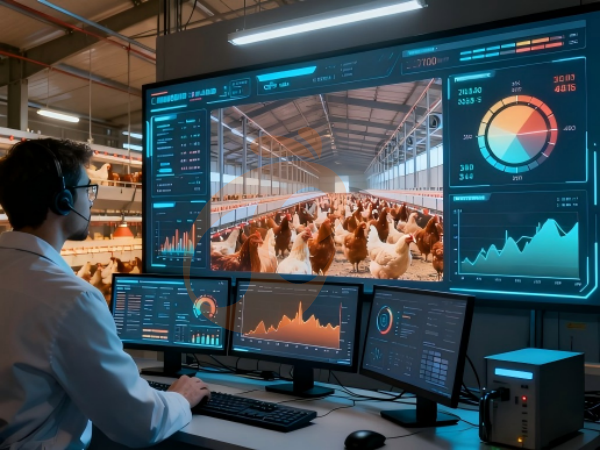
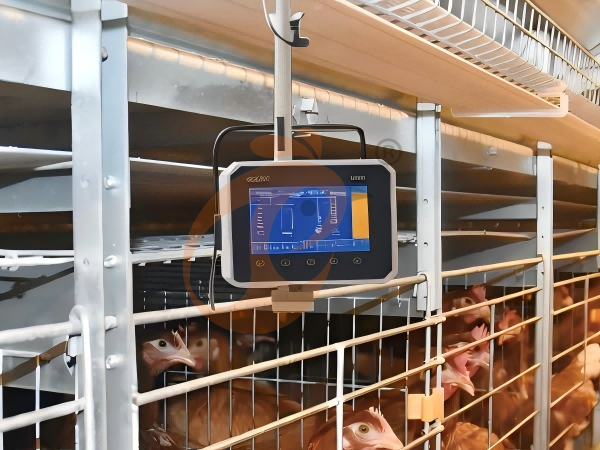
Temperature sensors adjust fan speed every 10 seconds.
- Humidity probes maintain 55–65% RH automatically.
- CO₂ sensors trigger additional exhaust fans when levels exceed 2200 ppm.
- Fan speed modulation ranges 500–1500 RPM depending on thermal load.
Real-time data logging ensures continuous monitoring and historical analysis.
Maintenance Protocol For Ventilation Efficiency
Inspect fan blades weekly; accumulation of 2–3 mm dust layer reduces airflow 5–7%.
Motor lubrication every 60 operational hours prevents efficiency loss.
Check inlet shutter alignment monthly; misalignment >10 mm reduces uniform airflow.
Sensor recalibration every production cycle ensures accurate readings within ±0.5°C or ±50 ppm CO₂.
Periodic belt tension adjustment maintains 90–95% fan performance.
Frequently Asked Questions
Q1: How does ventilation affect egg production stability in layer cage systems?
A1: Ventilation regulates environmental conditions influencing metabolic efficiency and egg formation rate.
Stable airflow prevents heat stress and ammonia exposure, maintaining consistent laying performance across production cycles.
Q2: What is the optimal airflow requirement per hen in commercial layer houses?
A2: Optimal airflow ranges from 3.8 to 5.0 m³/h per hen depending on environmental conditions.
This ensures adequate oxygen supply and effective removal of CO₂ and moisture generated by bird metabolism.
Q3: Why is ammonia control critical in cage ventilation design?
A3: Ammonia above 20 ppm causes respiratory irritation and reduces feed efficiency.
Continuous ventilation and manure removal systems maintain safe concentration levels, protecting lung function and improving long-term production outcomes.
Taiyu (HK) Group - One Of China Largest Layer Chicken Cage Supplier
Layer chicken cage ventilation system provides integrated airflow control, fan configuration, and environmental regulation for large commercial farms.
Global factory direct supply poultry equipment covering cage system, ventilation system, feeding system, and egg collection system for industrial farms.
Poultry cage and ventilation turnkey engineering supports full farm design, installation, and commissioning service packages.
Advanced poultry equipment manufacturing ensures stable airflow performance and durable structural steel framework.
International poultry production solutions exported to multiple regions with standardized engineering and installation support services.
Contact Us To Received Your Customized Poultry Farm Plan
Headquarters And Branchs
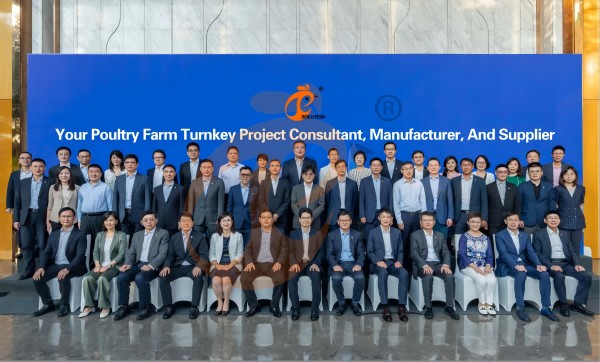
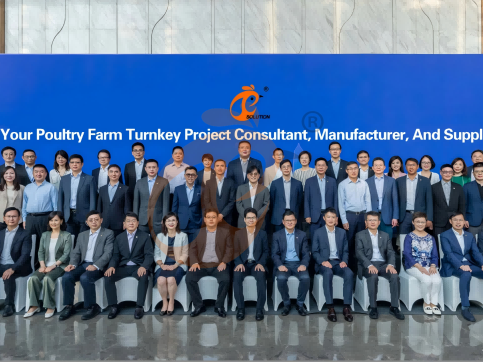
Hong Kong Headquarter Management Team
Hong Kong Headquarter Taiyu Industrial Group CO., LTD
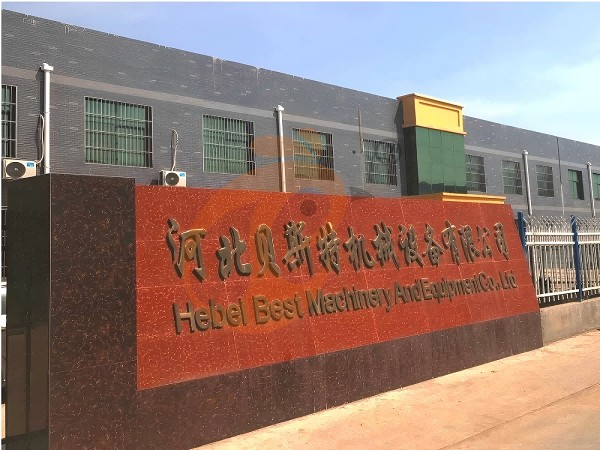
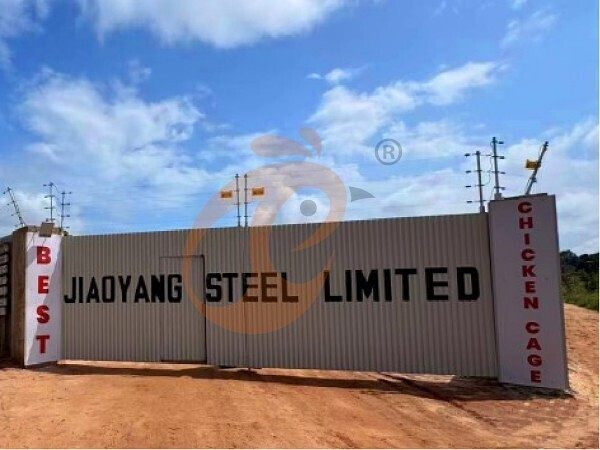
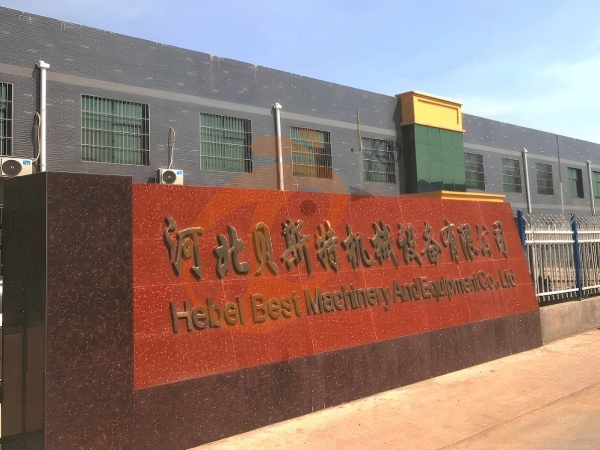
China Hebei Best Machinery And Equipment CO., LTD
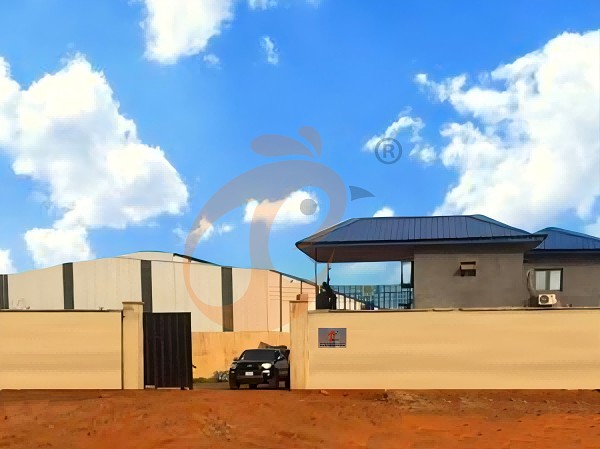
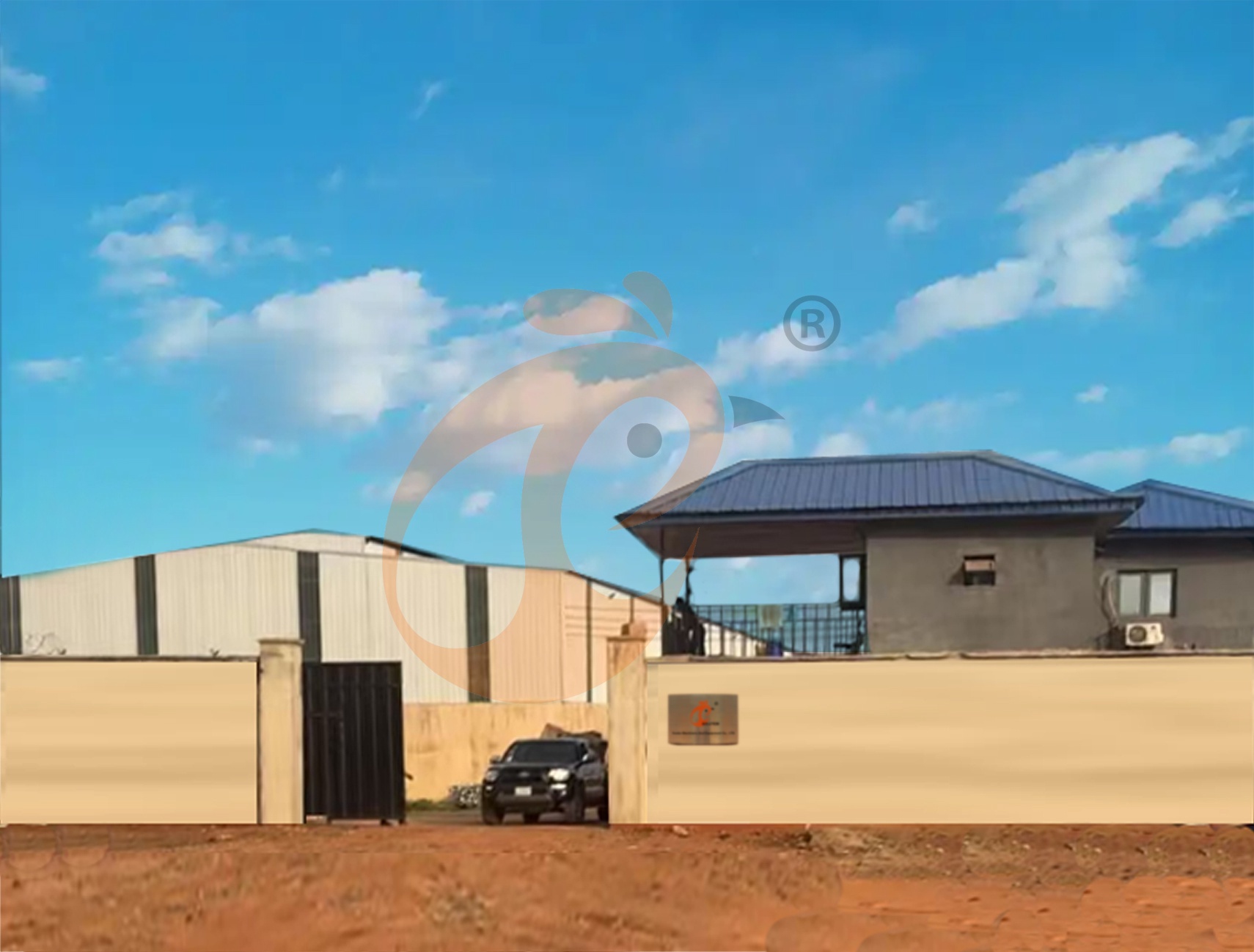
Nigeria Vanke Machinery And Equipment CO., LTD
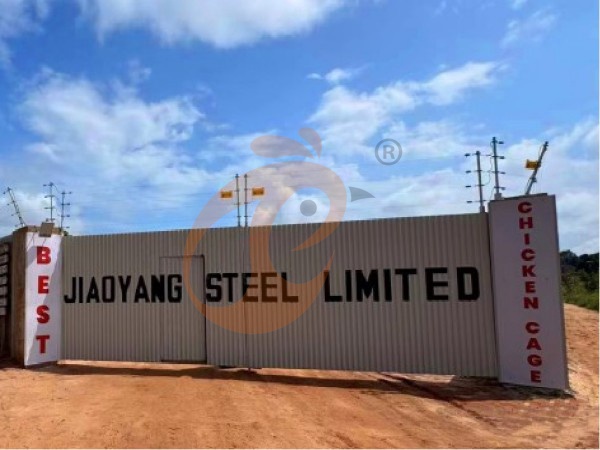
Tanzania Best Machinery And Equipment CO., LTD
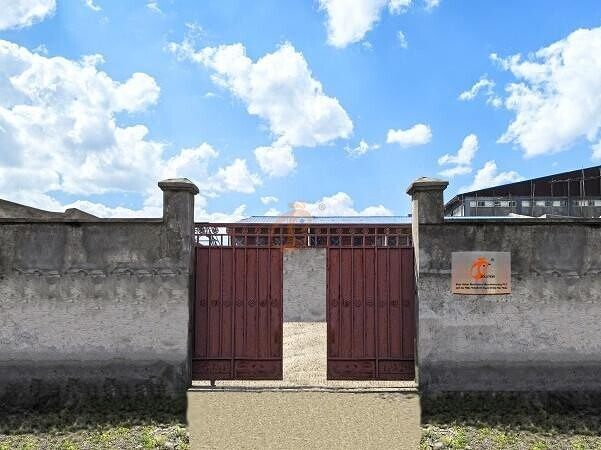
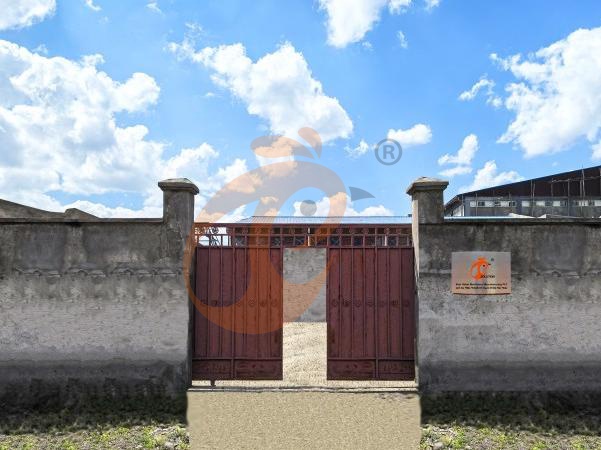
Ethiopia Best Hebei Machinery Manufacturing PLC
Reception /24 WhatsApp NO. : +8618830120193
FAQ
How To Reduce Stress And Improve Egg Production In Battery Cage Farms?
Good ventilation, temperature 18–25℃, lighting 16h/day.
Automatic feeding and drinking systems ensure sufficient nutrition and water; egg production 90–98%.
What Are The Advanced Tips For Egg Hygiene And Quality Control In Layer Cage Systems?
Monitor feed nutrition and water quality to ensure strong eggshells.
How To Implement Advanced Light Management Systems In Poultry Cage Farms?
Combined with automatic feeding, egg production increases 2–3%, breakage <3%.
- poultry farm
- chicken cage
- layer cage
- poultry house
- poultry cage
- cage
- poultry farm construction
- layer cage system
- chicken cage supplier
- poultry equipment
- manure removal system
- egg collection system
- chickencage
- bestchickencage
- cage system
- cage systems
- layer chicken cage supplier
- layer chicken cage
- Nigeria
- cage supplier
- layer chicken cage ventilation
- poultry farm plan
- chicken cage ventilation
- layer house ventilation
- Ethiopia
- Spring
Message
Products recommended
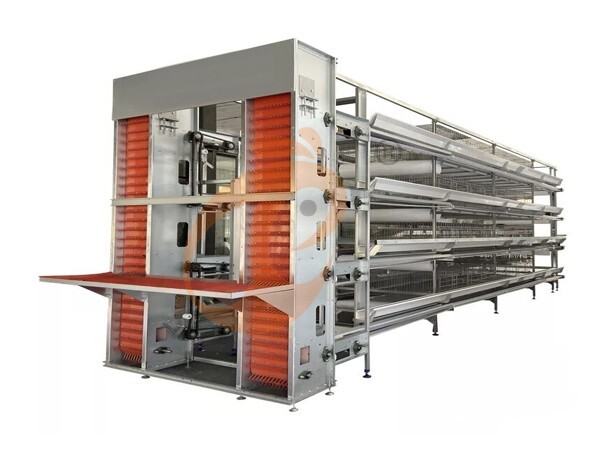
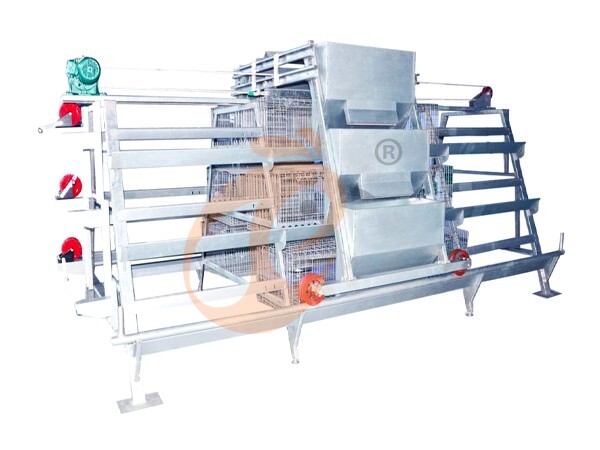
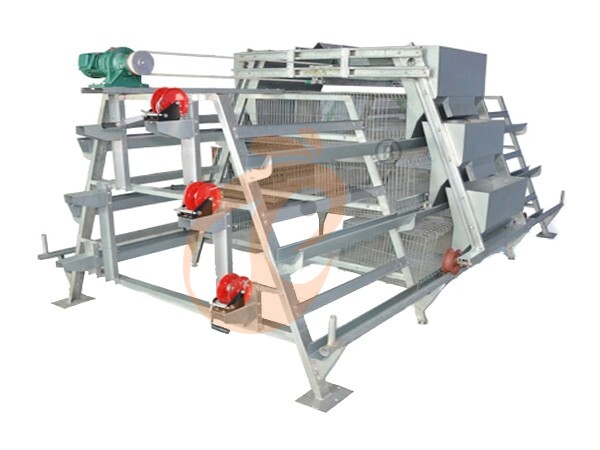
 >30,000 Pullets Automatic H Type Battery Cage1. More than 30,000 pullets a house, choose it.
2. It is designed to rearing older than 1 day old pullets to 12 to 16 weeks old chicken starting laying eggs.
3. Its lifespan is more than 25 years.
4. Its structure are Vcloud artificial intelligent fusion, electric control cabinet, automatic equipment of drinking, feeding, manure clean, manual harvesting.
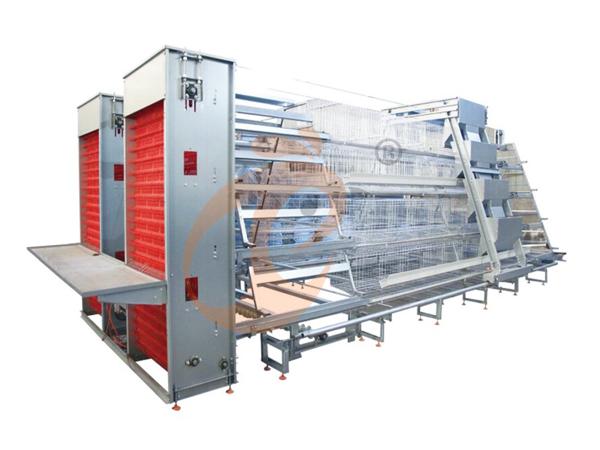
5. Our 24 hour online reception What’sApp NO. is +8618830120193 <30,000 Pullets Automatic A Type Battery Cage1. 10,000 to 30,000 pullets a house, choose it.
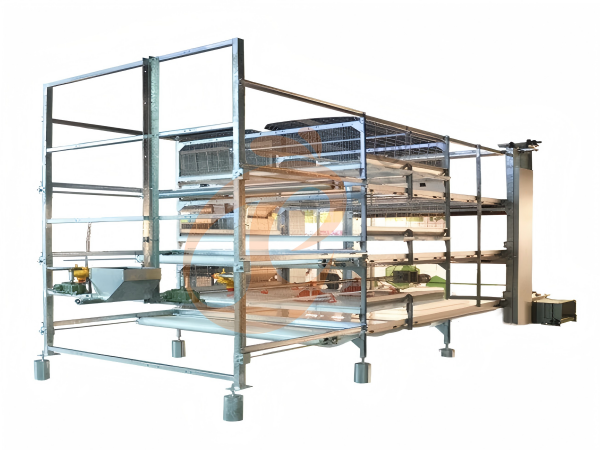
2. It is designed to rearing older than 1 day old pullets to 12 to 16 weeks old chicken starting laying eggs.
3. Its lifespan is more than 25 years.
4. Its structure are Vcloud artificial intelligent fusion, electric control cabinet, automatic equipment of drinking, feeding, manure clean, manual harvesting.
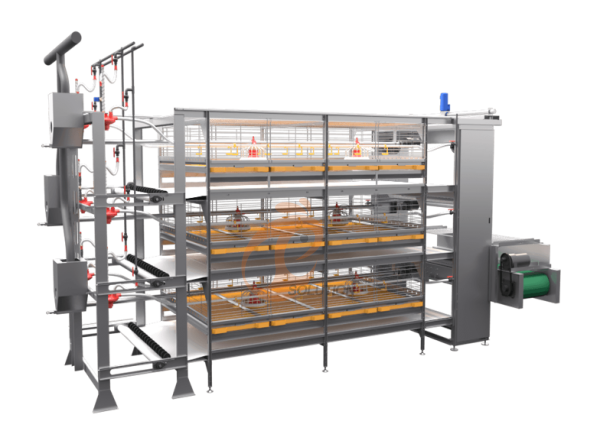
5. Our 24 hour online reception What’sApp NO. is +86 18830120193. >30,000 Broilers Semi-Automatic Harvest H Type Battery Cage1. More than 30,000 broilers a house, choose it.
2. It is designed to rearing 1 to 45 day old adult broiler ready for market.
3. Its lifespan is more than 20 years.
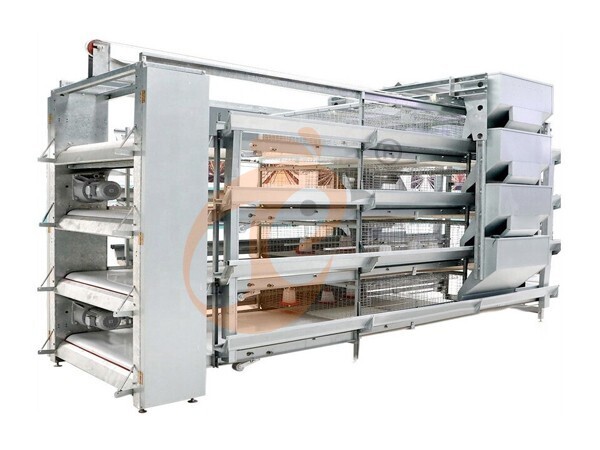
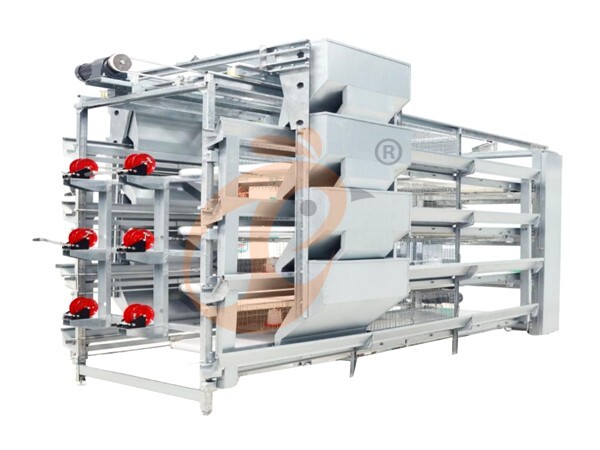
4. Our 24 hour online reception What’sApp NO. is +8618830120193, +234 8111199996. >30,000 Broilers Manual Harvest H Type Battery Cage1. More than 30,000 broilers a house, choose it.
2. It is designed to rearing 1 to 45 day old adult broiler ready for market.
3. Its lifespan is more than 20 years.
4. Its structure are Vcloud artificial intelligent fusion, electric control cabinet, automatic equipment of drinking, feeding and manure clean, manual harvesting.
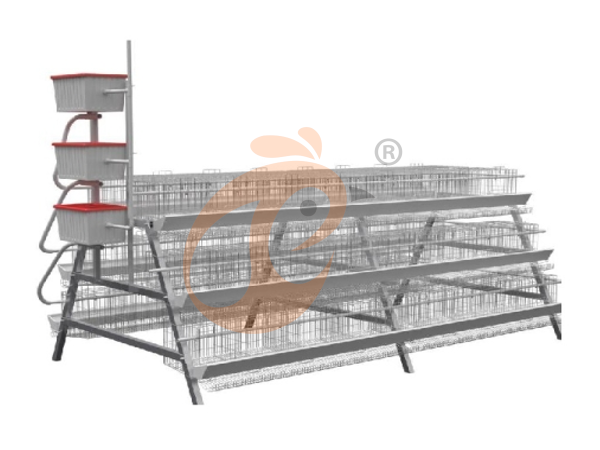
5. Our 24 hour online reception What’sApp NO. is +8618830120193, +234 8111199996. <30,000 Broilers Manual Harvest A Type Battery Cage1. Less 30,000 broilers a house, choose it.
2. It is designed to rearing 1 to 45 day old adult broiler ready for market.
3. Its lifespan is more than 20 years.
4. Its structure are Vcloud artificial intelligent fusion, electric control cabinet, automatic equipment of drinking, feeding and manure clean, manual harvesting.
5. Our 24 hour online reception What’sApp NO. is +8618830120193, +234 8111199996. HK Headquarter Offers EU-standard Poultry Farm Solutions, Manufacture Poultry Farm Equipment1. Continuous communication with the EU and the US
2. China, Nigeria, Ethiopia, Tanzania branch companies and factories
3. The products’ quality is customized for local poultry farms
4. Poultry cage and poultry farm equipment stock for sale
5. 24 online reception Whatsapp NO. : +8618830120193,contact us to get full information China Branch Offer Poultry Farm Business Plan, Manufacture Poultry Farm Equipment1. Address: Flat/RM 2416, 24/F, Runxing Building, Youyi Nan Street, Shijiazhuang City, Hebei Province, China
2. Poultry cage and poultry farm equipment factory and stock for sale
3. Customized for local poultry farms
4. Quality and design are based on Euro
5. 24 online reception Whatsapp NO. : +8618830120193 Nigeria Branch Offer Poultry Farm Business Plan, Manufacture Poultry Farm Equipment1. Address: After Sinoma Office, 200 Meters Near Danco Filling Station, Lagos/Ibadan Expressway, Lagos State, Nigeria
2. Poultry cage and poultry farm equipment factory and stock for sale
3. Customized for Nigerian poultry farms
4. Quality and design are based on Euro
5. 24 online reception Whatsapp NO. : +8618830120193 Ethiopia Branch Offer Poultry Farm Business Plan, Manufacture Poultry Farm Equipment1. Address: Gelan Gura, Akaki-kaliti Sub City, Addis Ababa, Ethiopia
2. Poultry cage and poultry farm equipment stock for sale
3. Customized for Ethiopian poultry farms
4. Quality and design are based on Euro
5. 24 online reception Whatsapp NO. : +8618830120193, contact us to get price list Tanzania Branch Offer Poultry Farm Business Plan, Manufacture Poultry Farm Equipment1. Address: No.8, Sova Road, Msufini, Mlandizi, Kibaha, Pwani, Tanzania
2. Poultry cage and poultry farm equipment factory and stock for sale
3. Customized for Tanzanian poultry farms
4. Quality and design are based on Euro
5. 24 online reception Whatsapp NO. : +8618830120193


Contact