


Blog
Automatic feed mixer selection directly affects poultry-house production efficiency, labor allocation, and feed consistency across commercial operations.
Poultry feed mixer systems can process batch capacities from 100 kg to 6,000 kg, supporting different farm scales and expansion plans.
Automatic feed mixing machine solutions connect weighing, mixing, conveying, and discharge processes with practical control logic.
Manual configurations remain useful for smaller farms, while automated systems become commercially attractive when production reaches multiple batches daily.
- Equipment structure, motor sizing, recipe control, and turnkey integration determine long-term value beyond the initial machine purchase.
Get professional poultry farm construction guidance, equipment selection solutions, and the latest price lists, whatsApp to +8618830120193, click to learn more:
The Efficiency Question Starts With Farm Workflow
For modern poultry houses, feed mixing is not simply a preparation task; feed mixer selection becomes part of the daily production system.
Manual mixers depend heavily on operator timing, ingredient handling, and discharge control, while an automatic feed mixer coordinates weighing, mixing, and
unloading through integrated controls.
Commercial poultry mixer designs can accommodate batch quantities from roughly 100 kg to 6,000 kg, depending on model configuration.
The right choice should match flock size, feed formulation, labor organization, and future expansion.
A chicken-house equipment supplier should evaluate the complete feeding workflow rather than selling a mixer by capacity alone.
Manual Mixing: Where It Still Makes Commercial Sense
Manual Operation → Practical Application → Upgrade Path
Manual equipment remains practical when a poultry farm has modest daily feed demand and operators are already available for ingredient preparation.
An automatic feed mixer is not automatically economical for every project when daily production remains below 2 tonnes.
Its main advantage is straightforward control: workers can change formulas, loading sequences, and batch sizes without depending on a centralized control program.
For poultry-house projects, our poultry feed mixer configurations can be matched with conveyors, silos, and feeding lines so that smaller farms can upgrade gradually instead of replacing the complete feed system.
Data is for reference only.Swipe horizontally to view full table.
Automatic Mixing Changes The Labor Equation
Ingredient Loading → Recipe Control → Batch Discharge
Automatic mixing moves repetitive work from people to equipment.
Ingredient weighing, programmed sequencing, mixing duration, and discharge can be coordinated through a control cabinet, reducing manual interventions
required per batch.
A commercial automatic feed mixing machine may be specified with dosing accuracy around ±0.2% and a programmable controller, helping maintain repeatable
formulas between production cycles.
For poultry farms using several feed formulas, an automatic feed mixer becomes especially valuable because operators can select stored recipes rather than
manually calculating every ingredient quantity.
Data is for reference only.Swipe horizontally to view full table.
Compare The Daily Production Cycle, Not Just The Purchase Price
Cost Logic
A mixer that costs less initially may require more labor throughout its operating life.
The better commercial calculation covers ingredient loading, weighing, mixing, discharge, cleaning, and operator attendance.
A poultry feed mixer connected to conveyors can reduce repeated manual transfer over production cycles.
For projects requiring approximately 8 operating hours daily, automatic process coordination can provide a more structured labor model.
Data is for reference only.Swipe horizontally to view full table.
This distinction matters for chicken-house equipment projects because feed preparation rarely operates alone.
When the mixer is connected to storage, conveying, crushing, and feeding equipment, automation can eliminate several repetitive transfer points.
Uniformity Becomes A Production-Control Tool
Material Flow
Feed quality is not determined only by how fast ingredients are combined.
The mixer must distribute grains, protein sources, minerals, and additives consistently throughout the batch.
Different mixer structures suit different material characteristics; horizontal and twin-shaft designs are commonly used when particle-size differences require stronger mechanical blending.
A poultry feed mixer with controlled mechanical movement can support consistent processing when material moisture remains around 12%.
Data is for reference only.Swipe horizontally to view full table.
A properly selected automatic feed mixing machine can therefore become a feed-quality control point.
For poultry producers, such configuration supports more consistent ration preparation while reducing material left inside the chamber between batches.
Automation Pays Back Through Repetition
Production Formula
Daily production = batch quantity × batch frequency.
Labor demand = loading tasks + weighing tasks + discharge tasks + cleaning tasks.
An automatic feed mixer becomes commercially compelling when repetitive operations consume a significant portion of the working shift.
A poultry farm producing 15 tonnes daily may require substantially different equipment logic from a farm producing 1.5 tonnes.
Data is for reference only.Swipe horizontally to view full table.
These figures illustrate why equipment selection should be based on production schedules rather than flock numbers alone.
A poultry equipment manufacturer can configure mixer capacity around actual feed demand and integrate it with automatic feeding infrastructure.
Energy Efficiency Requires A System-Level Calculation
Engineering Checkpoints
Electrical consumption depends on material density, moisture, load condition, mechanical design, and operating schedule.
Published poultry mixer specifications show configurations ranging from small motors to systems above 50 kW, demonstrating why comparing motor ratings alone can produce misleading conclusions.
An automatic feed mixer operating under correctly matched loading conditions can reduce unnecessary idle running.
For projects with approximately 16-hour production schedules, gearbox selection and thermal protection become important engineering considerations.
Data is for reference only.Swipe horizontally to view full table.
For a chicken-house equipment supplier, the practical goal is not simply installing a larger motor.
It is designing the mixer, transmission, conveyors, and feeding system as one coordinated production line.
Which Mixer Fits Your Poultry House?
Selection Matrix
Identify daily feed demand.
Determine the number of formulations.
Measure available labor.
Review storage capacity.
Then select the appropriate automation level.
An automatic feed mixing machine should be selected according to production architecture rather than capacity alone.
Data is for reference only.Swipe horizontally to view full table.
This approach allows the equipment package to grow with the poultry business instead of forcing every farm into the same machine configuration.
The Real Difference Is Process Control
Manual → Semi-Automatic → Automatic
Manual mixing gives the operator direct control.
Automatic mixing gives the production system repeatable control.
That distinction becomes increasingly important when a farm operates multiple houses, multiple feed formulas, or extended production schedules.
Automatic feed systems can also connect the mixer with silos, conveyors, crushers, and automatic feeding lines, creating a continuous workflow from ingredient storage to poultry-house distribution.
For equipment buyers, the mixer should be evaluated as part of a complete poultry-house solution rather than as an isolated machine.
Build The Mixer Around Your Expansion Plan
Expansion Logic
A common purchasing mistake is selecting equipment for today's output while ignoring tomorrow's flock expansion.
If production is expected to increase, the mixer should have sufficient structural and control-system compatibility for additional conveyors, storage bins, and feeding equipment.
An automatic feed mixer designed with modular interfaces can support staged expansion without redesigning the complete feed route.
Data is for reference only.Swipe horizontally to view full table.
Modular engineering can protect the initial investment while leaving room for future poultry-house expansion.
Why Equipment Integration Wins
Storage → Dosing → Mixing → Conveying → Feeding
A feed mixer becomes substantially more useful when mechanical and electrical systems are designed around the farm's entire workflow.
Automated conveying can move ingredients into the mixer, programmed weighing can control recipes, and automatic discharge can transfer finished feed toward storage or feeding lines.
An automatic feed mixing machine with networked control can organize multiple process signals through a centralized operating interface.
For a commercial poultry project, communication distance around 60 m can be accommodated through suitable industrial networking architecture.
Data is for reference only.Swipe horizontally to view full table.
This integration capability is one reason automatic equipment is increasingly attractive for commercial poultry operations.
Integrated control turns individual machines into a coordinated production system.
Automatic Or Manual: Choose The Production Model
Decision
Manual mixers remain a sensible option for smaller poultry farms where production is limited and operators can manage loading and discharge directly.
Automatic mixers become more compelling as feed volume, formula complexity, and the number of poultry houses increase.
The most efficient solution is not automatically the machine with the largest capacity.
The equipment package should minimize unnecessary labor, maintain repeatable feed preparation, and connect smoothly with the rest of the poultry-house system.
For farms planning expansion, our poultry feed mixer equipment can be configured around batch requirements, conveying arrangements, storage capacity, and automatic feeding lines.
By matching mixer structure, control technology, and poultry-house equipment as one system, producers can build a more organized feed-production workflow and avoid paying for automation that does not match actual operation.
Any paragraph involving currency should use USD for commercial comparison; European union standard reference only.
Frequently Asked Questions
Q1: What is more efficient, an automatic or manual feed mixer?
Automatic equipment generally provides stronger efficiency when daily production involves repeated batches, multiple formulas, or several poultry houses.
A system processing around 15 tonnes per day can benefit significantly from automated dosing and discharge control.
Q2: Which feed mixer is suitable for a growing poultry farm?
A horizontal or paddle poultry feed mixer with semi-automatic controls can provide a practical transition between manual production and full automation.
A modular system around 5–12 tonnes daily can also leave room for later expansion.
Q3: Can an automatic feed mixer connect with other poultry equipment?
Yes.
Automatic feed mixing machine systems can be engineered with silos, weighing units, conveyors, crushers, feeding lines, PLC controls, and monitoring interfaces.
Integrated architecture reduces separate manual transfer operations and supports centralized production management.
Taiyu (HK) Group - One Of China Toppest Automatic Feed Mixer Manufacturer
Automatic feed mixer systems combine controlled batching, mechanical mixing, discharge management, and poultry-house integration into one engineered production unit
Global factory direct supply supports equipment sourcing, technical documentation, production coordination, and project-based configuration for international poultry operations
Poultry equipment packages can combine mixers, feed silos, conveyors, crushers, automatic feeding systems, environmental equipment, and electrical control cabinets
Turn-key engineering coordinates equipment selection, layout planning, manufacturing, installation guidance, commissioning support, and production workflow according to project specifications
Factory engineering teams can configure automatic feed mixer systems for different capacities, feed formulas, poultry-house layouts, expansion stages, and automation requirements
Contact Us To Received Your Customized Poultry Farm Plan
Headquarters And Branchs
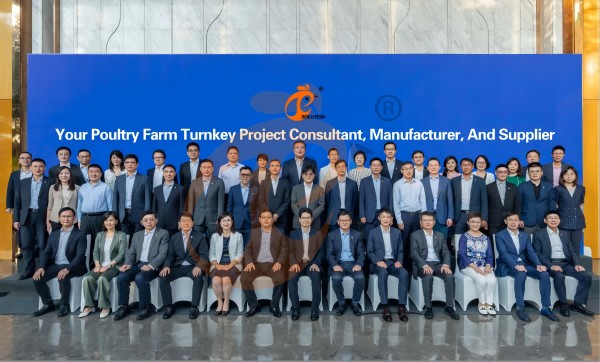
Hong Kong Headquarter Management Team
Hong Kong Headquarter Taiyu Industrial Group CO., LTD
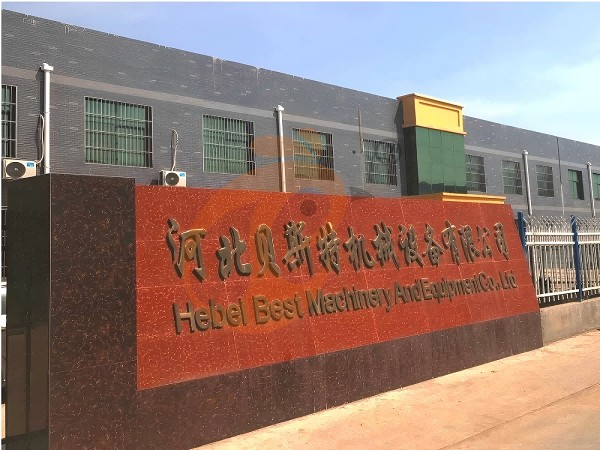
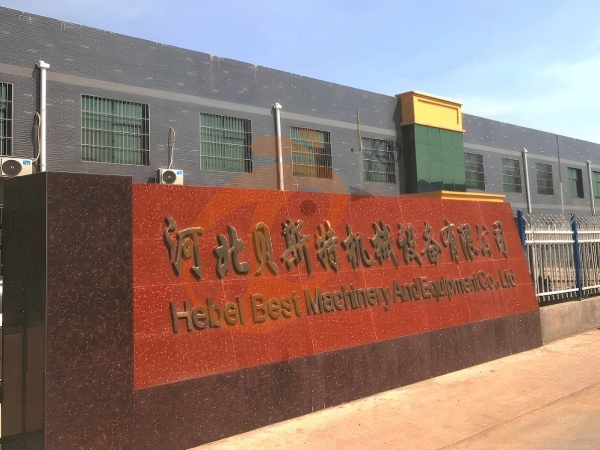
China Hebei Best Machinery And Equipment CO., LTD
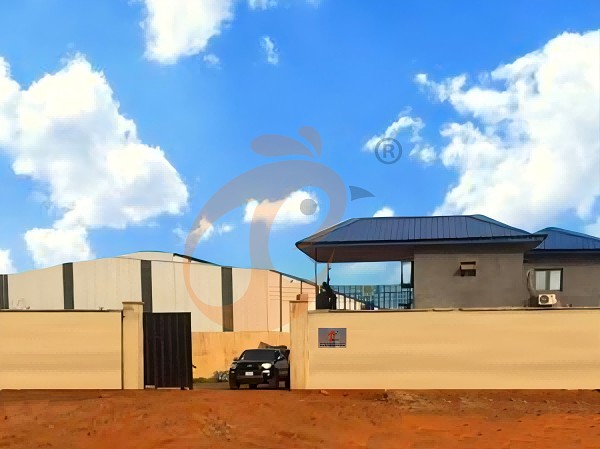
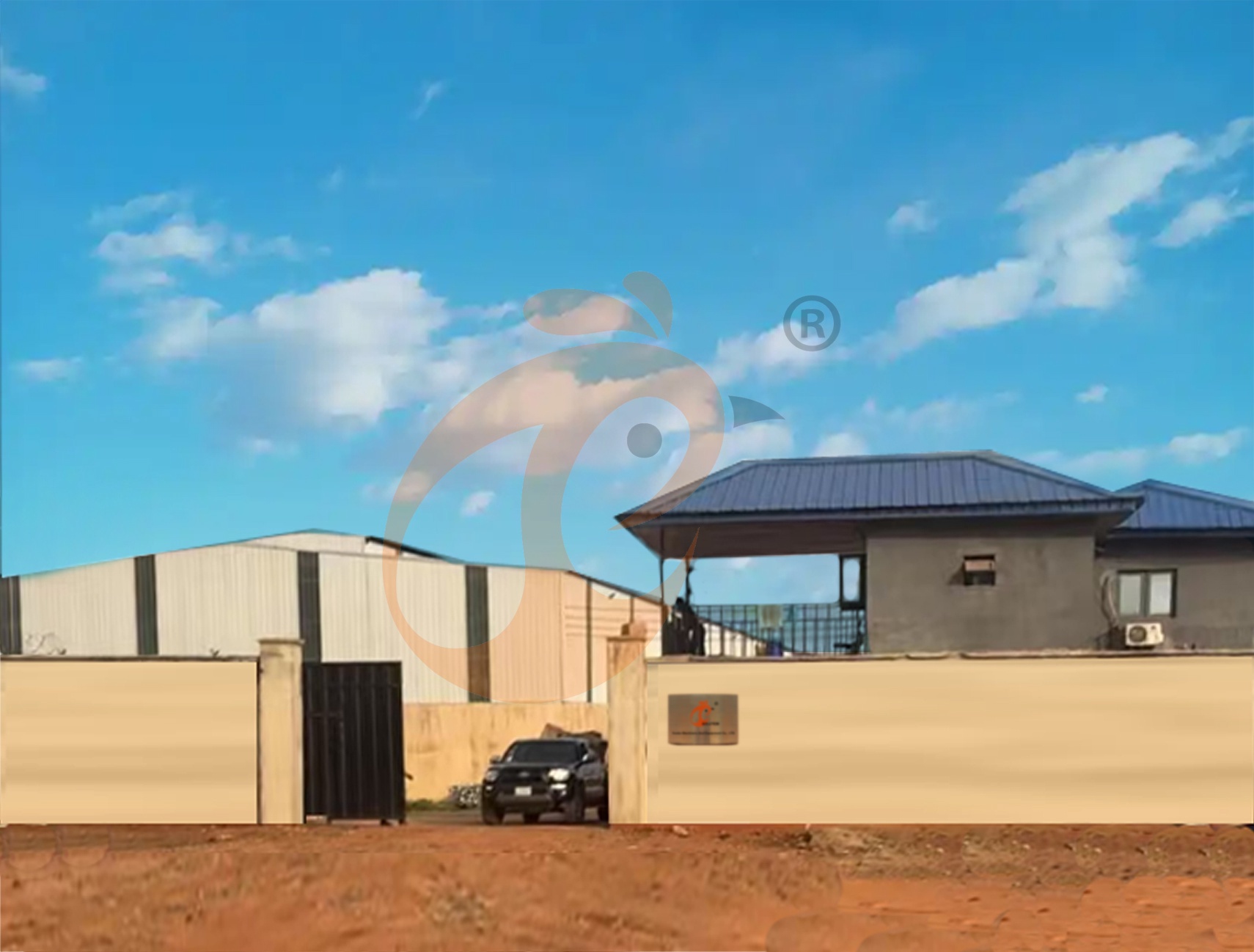
Nigeria Vanke Machinery And Equipment CO., LTD
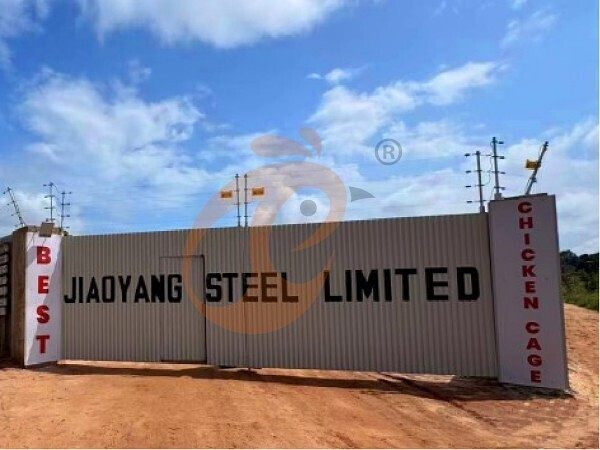
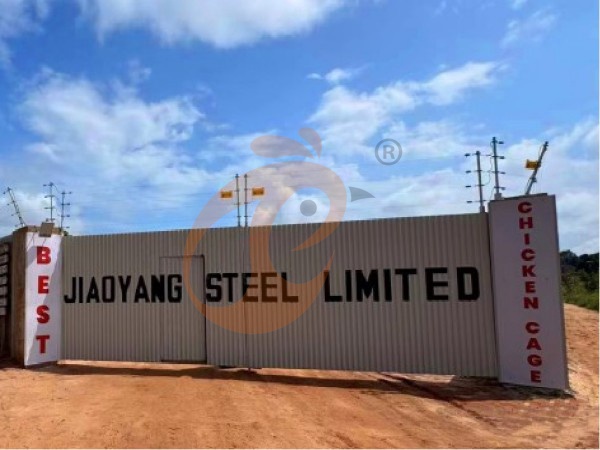
Tanzania Best Machinery And Equipment CO., LTD
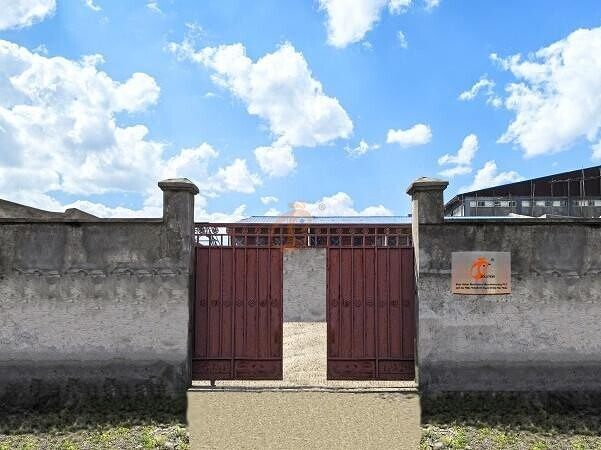
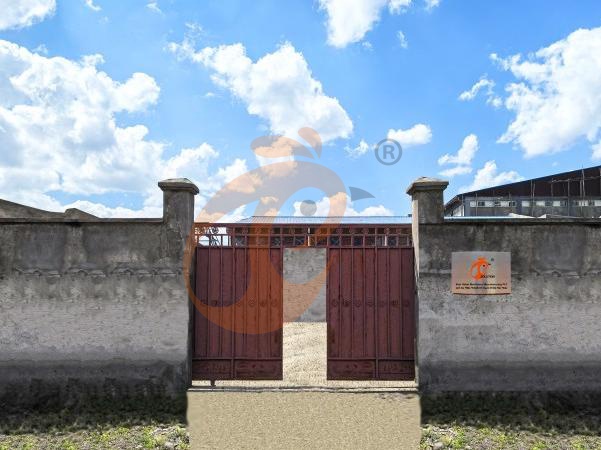
Ethiopia Best Hebei Machinery Manufacturing PLC
Reception /24 WhatsApp NO. : +8618830120193
FAQ
What Are The Main Equipment Components In Feed Mill And Feed Mixer Systems For Poultry Chicken Production?
Hammer mill units operate with rotor speeds of 2800–3600 rpm for efficient grain size reduction.
Twin-shaft mixers achieve batch capacities of 500–2000 kg per cycle for uniform poultry feed blending.
What Dust Control Requirements Are Needed In Feed Mill Operations For Poultry Chicken Farms?
Cyclone separators remove 85%–92% of airborne particles during grinding and conveying processes.
Negative pressure systems maintain airflow velocity between 0.8–1.2 m/s to prevent dust leakage.
What Temperature Parameters Are Used In Feed Mill Processing For Poultry Chicken Feed?
Conditioning temperature reaches 75–85°C to improve pellet durability and pathogen reduction.
Cooling stage reduces pellet temperature to within 5°C of ambient conditions for safe storage.
Message
Products recommended
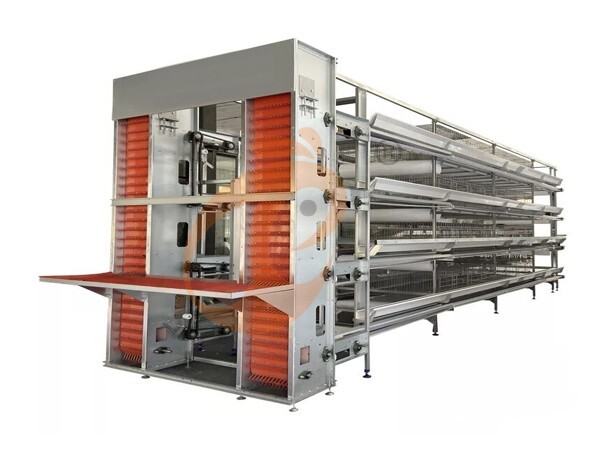
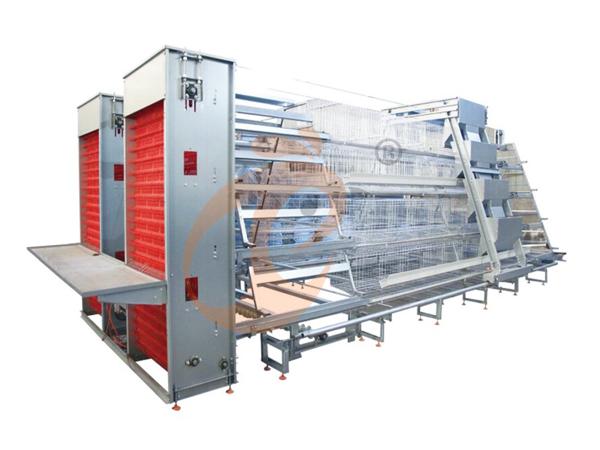
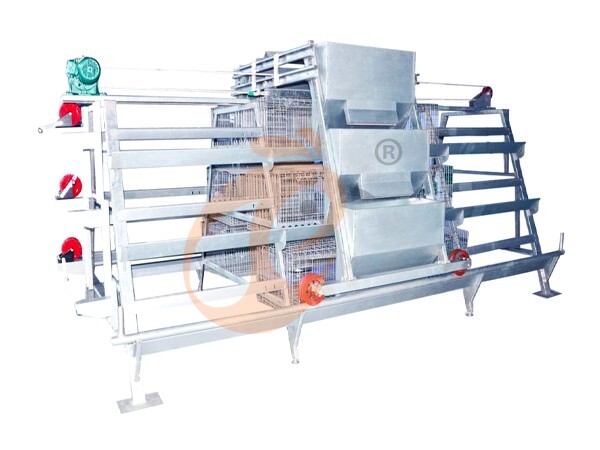
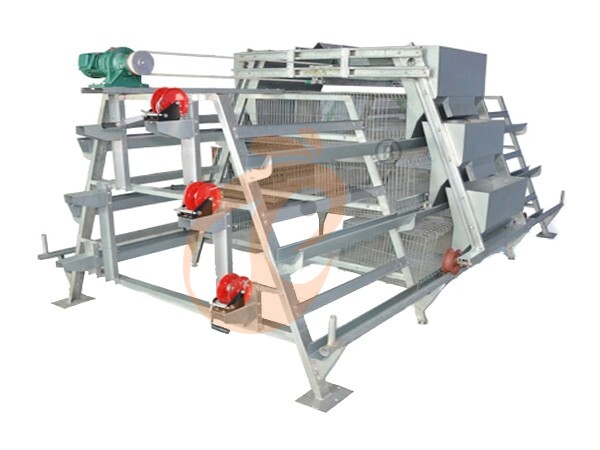
 >30,000 Pullets Automatic H Type Battery Cage1. More than 30,000 pullets a house, choose it.
2. It is designed to rearing older than 1 day old pullets to 12 to 16 weeks old chicken starting laying eggs.
3. Its lifespan is more than 25 years.
4. Its structure are Vcloud artificial intelligent fusion, electric control cabinet, automatic equipment of drinking, feeding, manure clean, manual harvesting.
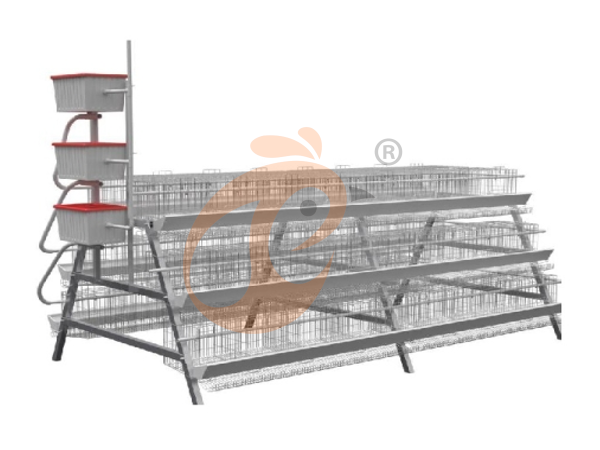
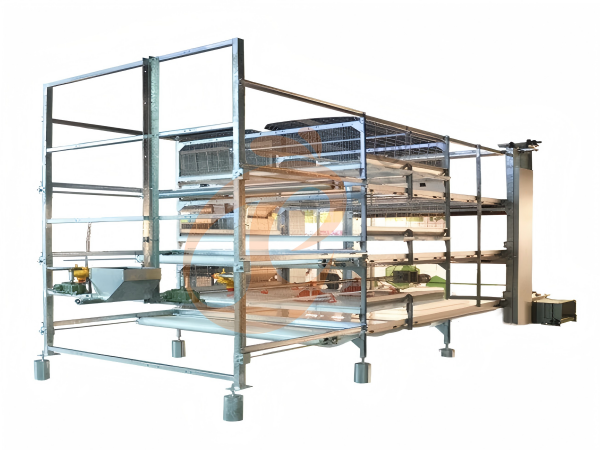
5. Our 24 hour online reception What’sApp NO. is +8618830120193 <30,000 Pullets Automatic A Type Battery Cage1. 10,000 to 30,000 pullets a house, choose it.
2. It is designed to rearing older than 1 day old pullets to 12 to 16 weeks old chicken starting laying eggs.
3. Its lifespan is more than 25 years.
4. Its structure are Vcloud artificial intelligent fusion, electric control cabinet, automatic equipment of drinking, feeding, manure clean, manual harvesting.
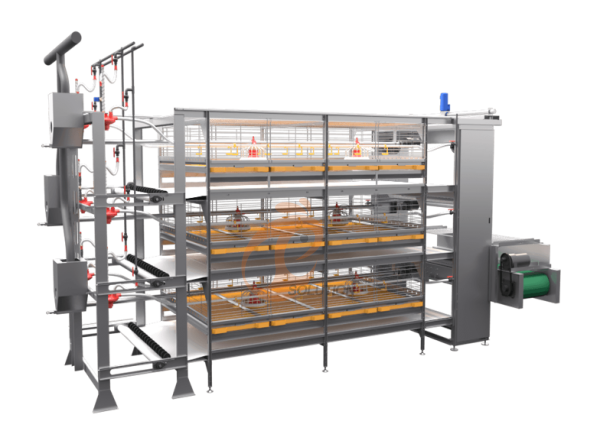
5. Our 24 hour online reception What’sApp NO. is +86 18830120193. >30,000 Broilers Semi-Automatic Harvest H Type Battery Cage1. More than 30,000 broilers a house, choose it.
2. It is designed to rearing 1 to 45 day old adult broiler ready for market.
3. Its lifespan is more than 20 years.
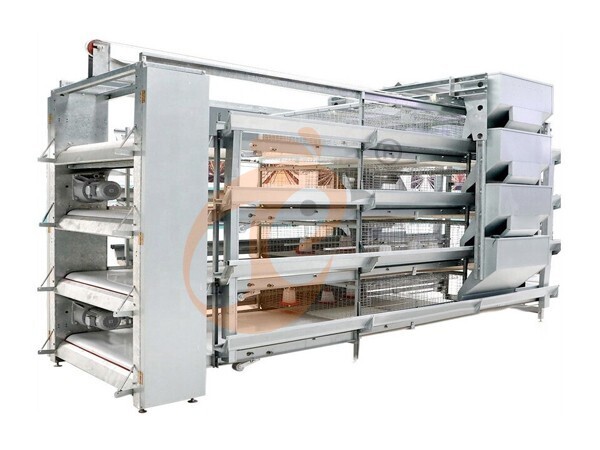
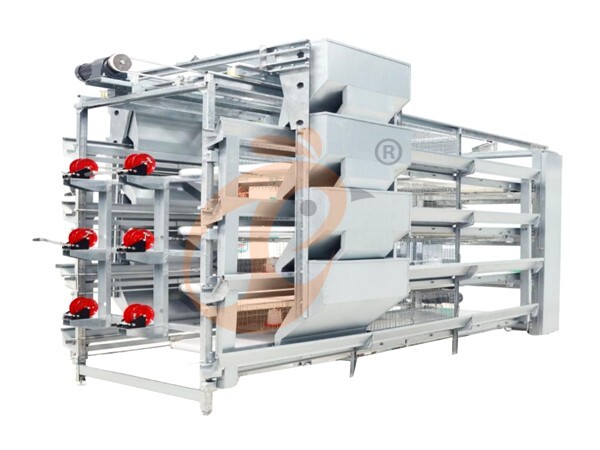
4. Our 24 hour online reception What’sApp NO. is +8618830120193, +234 8111199996. >30,000 Broilers Manual Harvest H Type Battery Cage1. More than 30,000 broilers a house, choose it.
2. It is designed to rearing 1 to 45 day old adult broiler ready for market.
3. Its lifespan is more than 20 years.
4. Its structure are Vcloud artificial intelligent fusion, electric control cabinet, automatic equipment of drinking, feeding and manure clean, manual harvesting.
5. Our 24 hour online reception What’sApp NO. is +8618830120193, +234 8111199996. <30,000 Broilers Manual Harvest A Type Battery Cage1. Less 30,000 broilers a house, choose it.
2. It is designed to rearing 1 to 45 day old adult broiler ready for market.
3. Its lifespan is more than 20 years.
4. Its structure are Vcloud artificial intelligent fusion, electric control cabinet, automatic equipment of drinking, feeding and manure clean, manual harvesting.
5. Our 24 hour online reception What’sApp NO. is +8618830120193, +234 8111199996. HK Headquarter Offers EU-standard Poultry Farm Solutions, Manufacture Poultry Farm Equipment1. Continuous communication with the EU and the US
2. China, Nigeria, Ethiopia, Tanzania branch companies and factories
3. The products’ quality is customized for local poultry farms
4. Poultry cage and poultry farm equipment stock for sale
5. 24 online reception Whatsapp NO. : +8618830120193,contact us to get full information China Branch Offer Poultry Farm Business Plan, Manufacture Poultry Farm Equipment1. Address: Flat/RM 2416, 24/F, Runxing Building, Youyi Nan Street, Shijiazhuang City, Hebei Province, China
2. Poultry cage and poultry farm equipment factory and stock for sale
3. Customized for local poultry farms
4. Quality and design are based on Euro
5. 24 online reception Whatsapp NO. : +8618830120193 Nigeria Branch Offer Poultry Farm Business Plan, Manufacture Poultry Farm Equipment1. Address: After Sinoma Office, 200 Meters Near Danco Filling Station, Lagos/Ibadan Expressway, Lagos State, Nigeria
2. Poultry cage and poultry farm equipment factory and stock for sale
3. Customized for Nigerian poultry farms
4. Quality and design are based on Euro
5. 24 online reception Whatsapp NO. : +8618830120193 Ethiopia Branch Offer Poultry Farm Business Plan, Manufacture Poultry Farm Equipment1. Address: Gelan Gura, Akaki-kaliti Sub City, Addis Ababa, Ethiopia
2. Poultry cage and poultry farm equipment stock for sale
3. Customized for Ethiopian poultry farms
4. Quality and design are based on Euro
5. 24 online reception Whatsapp NO. : +8618830120193, contact us to get price list Tanzania Branch Offer Poultry Farm Business Plan, Manufacture Poultry Farm Equipment1. Address: No.8, Sova Road, Msufini, Mlandizi, Kibaha, Pwani, Tanzania
2. Poultry cage and poultry farm equipment factory and stock for sale
3. Customized for Tanzanian poultry farms
4. Quality and design are based on Euro
5. 24 online reception Whatsapp NO. : +8618830120193


Contact