


Blog
- Continuous pellet machine selection affects feed-flow efficiency, production continuity, labor organization, and poultry-house expansion planning, with 2–12 mm pellet sizing supporting multiple feed formulations.
Batch pellet machine systems create flexible recipe control for farms handling changing feed programs, while compact configurations can serve operations requiring 60–1,000 kg/h production.
Poultry feed pellet machine performance depends on coordinated grinding, mixing, conditioning, cooling, screening, storage, and packing rather than pelletizing alone.
Commercial projects benefit from matching equipment architecture with flock demand, operating schedules, automation requirements, and expansion plans reaching 40 t/h.
- Continuous systems favor sustained production, while batch systems favor formulation flexibility, making engineering-based selection essential for profitable chicken-house equipment projects.
Get professional poultry farm construction guidance, equipment selection solutions, and the latest price lists, whatsApp to +8618830120193, click to learn more:
The Real Efficiency Question: Throughput Or Farm Fit?
For modern poultry operations, pellet production is not simply about pushing more feed through a machine.
Continuous pellet machine systems support uninterrupted material flow, while a batch pellet machine processes measured quantities before repeating the cycle.
Industrial poultry production can integrate grinding, mixing, conditioning, pelleting, cooling, screening, and packing into one coordinated system.
A poultry feed pellet machine should therefore match flock size, feed demand, labor availability, and production rhythm rather than follow a single standard
configuration.
Continuous Pellet Machine: Designed Around Nonstop Production
Continuous pellet machine systems are built around material flow, with controlled feeding toward conditioning and compression.
Typical poultry installations can maintain automated operation for scheduled production periods while minimizing repeated manual loading.
A properly matched poultry feed pellet machine can support commercial feed production where daily demand remains consistent across multiple chicken houses.
Data is for reference only.Swipe horizontally to view full table.
Batch Pellet Machine: When Flexibility Wins
Think in formulations, not only kilograms.
A batch pellet machine can process defined quantities for starter, grower, layer, or breeder programs, with recipe separation supporting farms that change feed specifications regularly.
Compact poultry feed pellet machine configurations can suit moderate production requirements where flexibility matters more than continuous material flow.
Data is for reference only.Swipe horizontally to view full table.
Efficiency Comparison: What Actually Changes?
Four questions reveal the answer faster than a generic efficiency claim.
Does feed demand remain predictable?
Does recipe flexibility control purchasing priorities?
Can upstream and downstream equipment maintain balanced production?
Will the continuous pellet machine or batch pellet machine architecture remain suitable after farm expansion?
Data is for reference only.Swipe horizontally to view full table.
A poultry feed pellet machine becomes efficient only when production flow, labor, formulation control, and supporting equipment operate as one system.
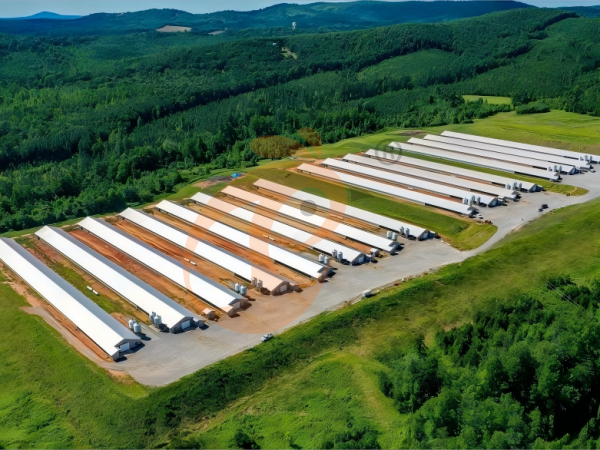
A Poultry Farm Scenario: From Chicken House To Feed Mill
Scenario: A farm operates several broiler houses and wants to produce its own feed.
Instead of purchasing a standalone continuous pellet machine, a complete system can connect raw-material handling, grinding, dosing, mixing, conditioning, pelleting, cooling, screening, and packing.
Data is for reference only.Swipe horizontally to view full table.
For chicken-house projects, an integrated poultry feed pellet machine line can coordinate feed production with storage and distribution requirements.
Where Continuous Machines Pull Ahead
If the following operating pattern describes your farm, continuous production deserves priority:
- Daily feed demand remains predictable.
- Multiple chicken houses consume consistent formulations.
- Production runs follow extended scheduled periods.
- Automatic conveying and storage are planned.
- Labor reduction forms part of the purchasing objective.
- Future flock expansion remains commercially planned.
A continuous pellet machine becomes especially suitable when sustained production requires coordinated material handling and automated process control.
Data is for reference only.Swipe horizontally to view full table.
Where Batch Machines Make More Commercial Sense
Batch production becomes compelling when customization is part of the business model.
A farm may produce starter feed, grower feed, and layer feed during separate production cycles.
A batch pellet machine provides practical recipe separation when production quantities change between feed programs.
Data is for reference only.Swipe horizontally to view full table.
For smaller poultry operations, a poultry feed pellet machine with flexible production control can provide a more practical equipment configuration.
The Hidden Cost: Changeovers, Labor, And Material Flow
Efficiency equation
Practical Efficiency = Useful Feed Output ÷ Total Operating Resources
Total resources include electricity, labor, material handling, cleaning, changeovers, maintenance, and downtime.
A continuous pellet machine can lose practical efficiency when mixers, coolers, conveyors, or packing equipment cannot maintain compatible process flow.
Data is for reference only.Swipe horizontally to view full table.
A coordinated poultry feed pellet machine line can reduce unnecessary manual handling when conveying, cooling, screening, storage, and packing are
engineered together.
Continuous Vs Batch: The Decision Matrix
Use the following purchasing logic before requesting a quotation.
Data is for reference only.Swipe horizontally to view full table.
Selecting a continuous pellet machine or batch pellet machine should follow actual feed demand, formulation frequency, and expansion requirements.
Why Complete Chicken-House Equipment Changes The Calculation
Our project approach
- Calculate flock feed demand.
- Determine daily production requirements.
- Select the appropriate pelletizing architecture.
- Match grinding and mixing capacity.
- Design cooling and screening around pellet output.
- Connect storage, conveying, and packing.
- Reserve capacity for planned farm expansion.
Data is for reference only.Swipe horizontally to view full table.
A complete poultry feed pellet machine solution allows pellet production to operate as part of the chicken-house infrastructure rather than as an isolated machine.
The Buyer's Final Test
Ask one question: What happens after the farm doubles its poultry population?
A current 2 t/h requirement may become a 5 t/h requirement after expansion, making scalable Continuous Pellet Machine planning commercially important.
Conversely, oversized equipment can increase unnecessary investment when actual farm demand remains modest.
Data is for reference only.Swipe horizontally to view full table.
The most efficient poultry feed pellet machine is the configuration that supports current production while retaining a rational expansion path.
Final Verdict: Which Is More Efficient?
Continuous wins on production flow. Batch wins on flexibility.
For large poultry farms, integrated chicken-house projects, commercial feed production, and predictable demand, continuous pellet machine systems generally provide stronger production architecture.
For smaller farms and frequently changing formulations, a batch pellet machine can provide more practical production flexibility.
Our equipment approach connects pelletizing with grinding, mixing, conditioning, cooling, screening, storage, conveying, and packing.
A properly engineered poultry feed pellet machine becomes part of a complete production system designed around flock size, feed formulation, operating schedules, automation, and expansion.
Frequently Asked Questions
Q1: What is more efficient for large poultry farms?
A continuous pellet machine generally suits large farms because stable feed demand can support uninterrupted production, while 24-hour planning provides greater scheduling flexibility.
Q2: When should a farm choose a batch pellet machine?
A batch pellet machine fits farms with changing recipes, moderate feed demand, or separate production requirements for different poultry growth stages.
Q3: Can a poultry feed pellet machine be integrated with chicken-house equipment?
Yes, a poultry feed pellet machine can connect with grinding, mixing, cooling, storage, conveying, and packing systems, with line capacity selected according to daily feed consumption.
Taiyu (HK) Group - One Of China Toppest Pellet Machine Manufacturer
Pellet machine systems convert prepared poultry feed material into controlled pellet formats through coordinated feeding, conditioning, compression, cooling, and screening stages.
Global factory-direct supply covers poultry equipment, complete feed-processing lines, customized production layouts, electrical control systems, and supporting farm machinery.
Turn-key engineering integrates poultry feed pellet machine capacity with grinding, mixing, conveying, cooling, storage, packing, and chicken-house infrastructure.
Project delivery supports farm expansion planning through equipment matching, process-flow engineering, installation guidance, commissioning support, and production-line coordination.
Commercial quotations can be configured for individual machines or complete Turn-key poultry equipment projects according to production requirements and site conditions.
Contact Us To Received Your Customized Poultry Farm Plan
Headquarters And Branchs
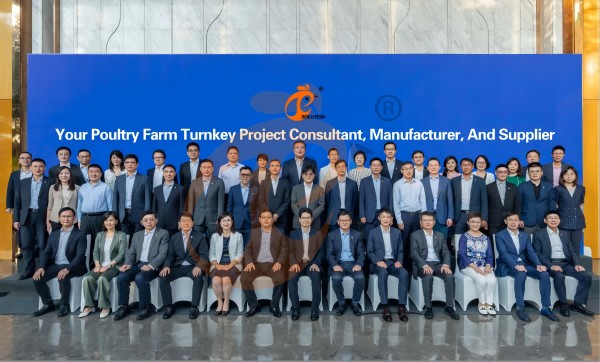
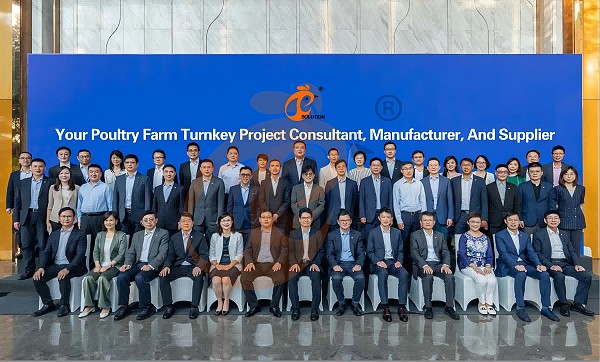
Hong Kong Headquarter Management Team
Hong Kong Headquarter Taiyu Industrial Group CO., LTD
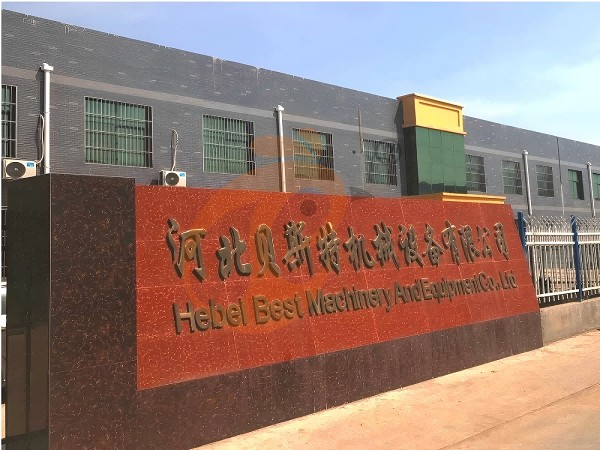
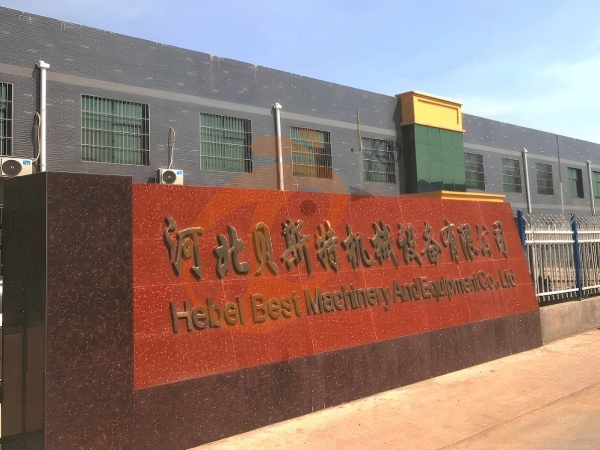
China Hebei Best Machinery And Equipment CO., LTD
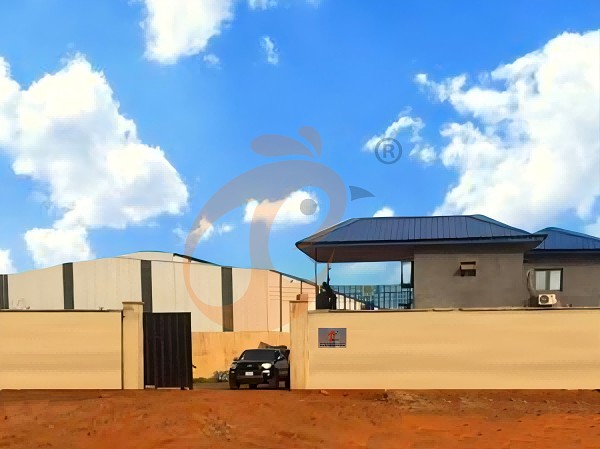
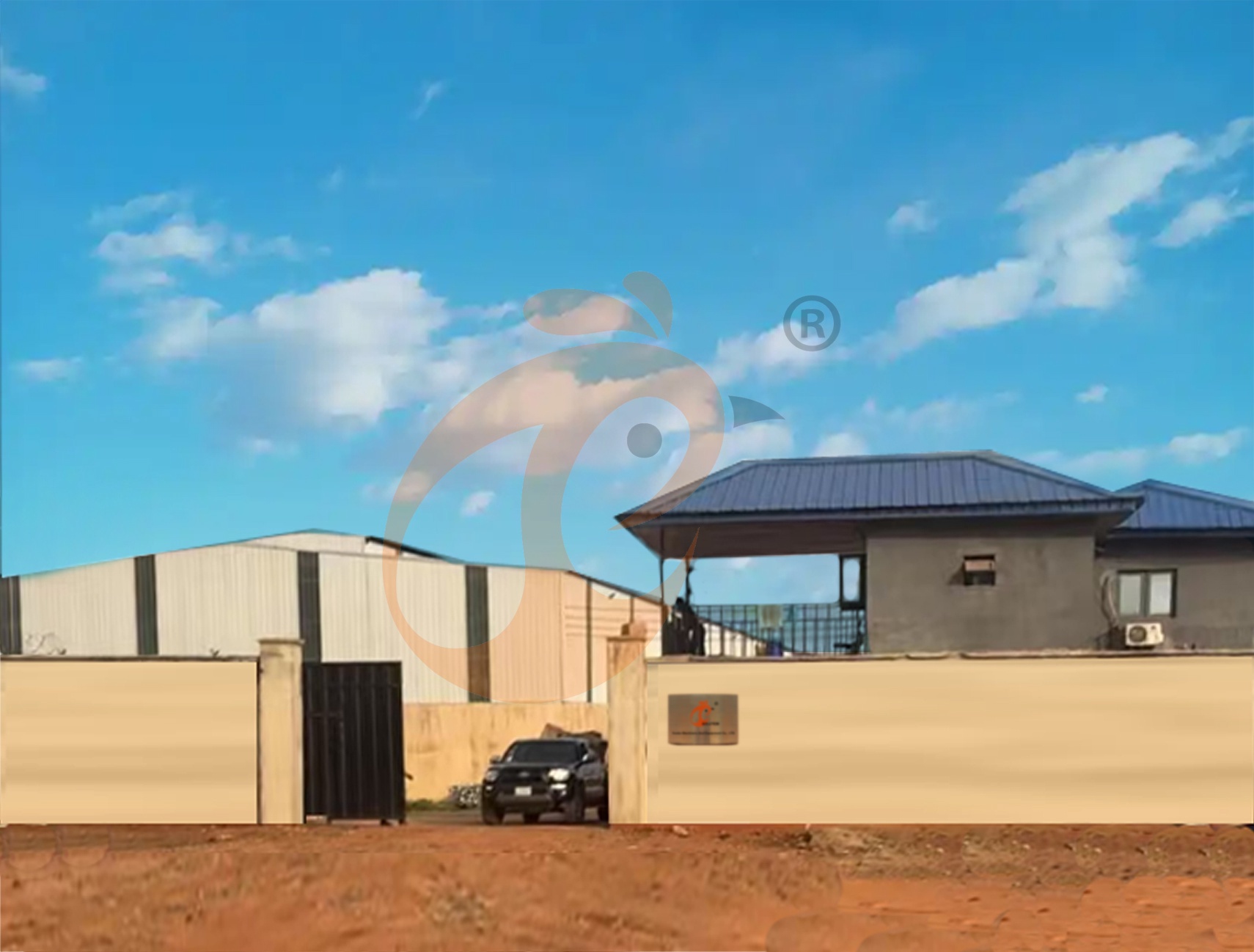
Nigeria Vanke Machinery And Equipment CO., LTD
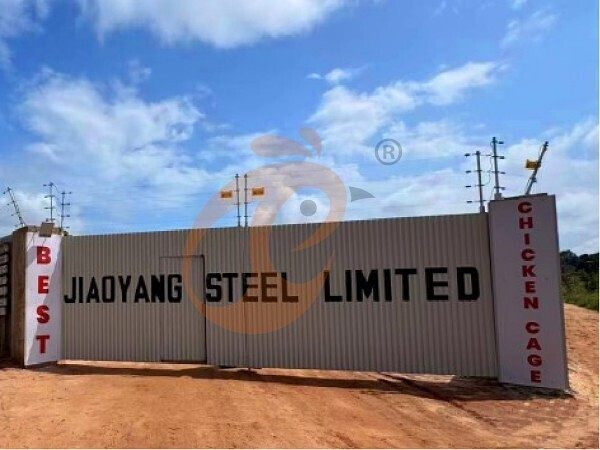
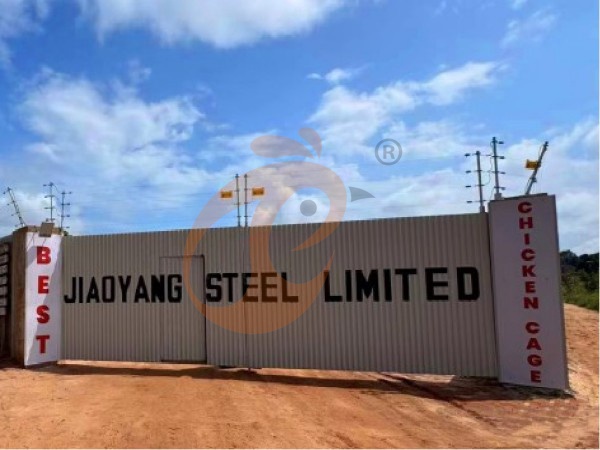
Tanzania Best Machinery And Equipment CO., LTD
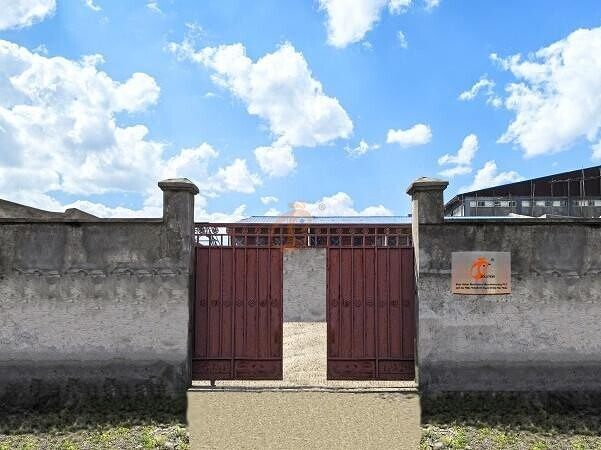
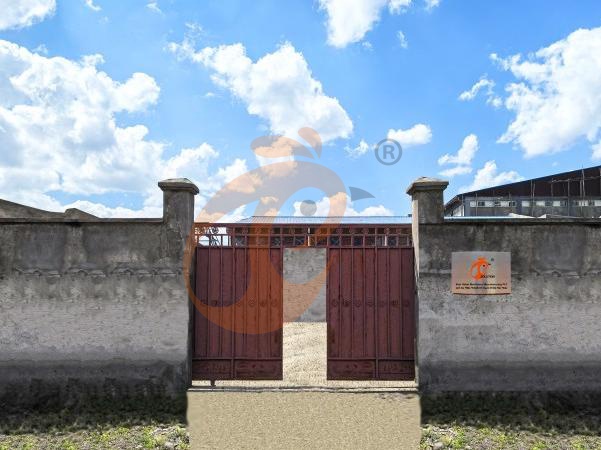
Ethiopia Best Hebei Machinery Manufacturing PLC
Reception /24 WhatsApp NO. : +8618830120193
FAQ
What Feeding System Standards Are Required For Pellet Machine In Poultry Chicken Feed Production Lines?
Feeder capacity is designed at 1.2–2.5 tons per hour depending on raw material density.
Flow consistency deviation is maintained within ±2% for uniform pellet quality output.
What Maintenance And Wear Part Replacement Standards Apply To Pellet Machine?
Bearing replacement intervals typically occur every 12–18 months under continuous operation.
Gearbox oil change frequency is maintained at 1000–1500 operating hours for system reliability.
What Safety Protection Systems Are Integrated In Pellet Machine For Poultry Chicken Feed Production?
Emergency stop response time is maintained within 0.5–1.0 seconds for operational safety.
Vibration monitoring limits are set at 4.5–6.0 mm/s to prevent mechanical failure.
Message
Products recommended
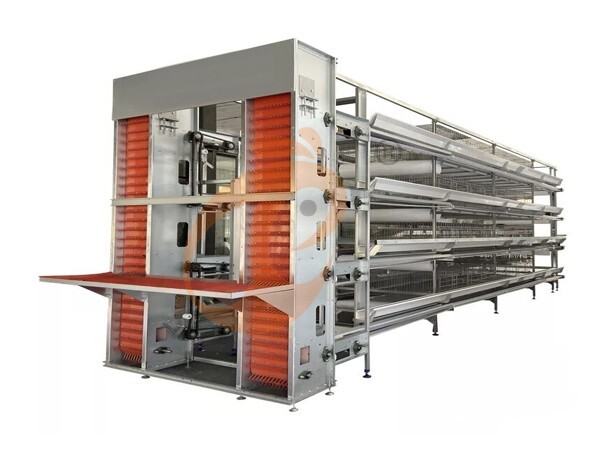
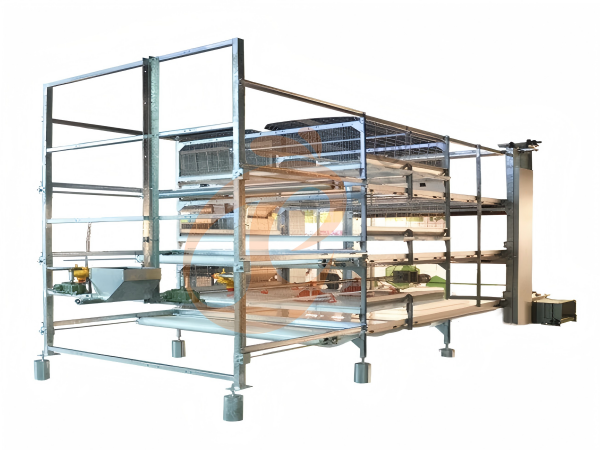
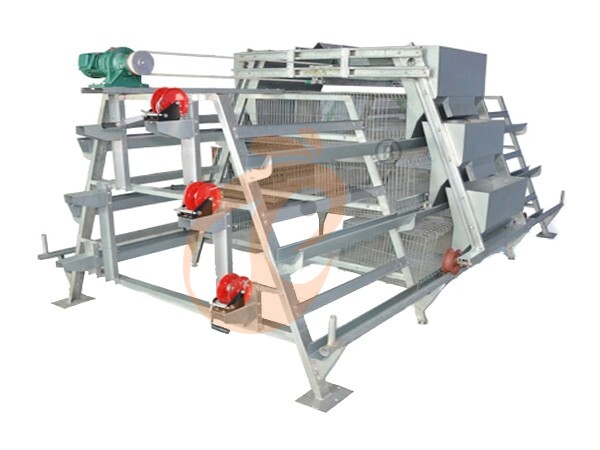
 >30,000 Pullets Automatic H Type Battery Cage1. More than 30,000 pullets a house, choose it.
2. It is designed to rearing older than 1 day old pullets to 12 to 16 weeks old chicken starting laying eggs.
3. Its lifespan is more than 25 years.
4. Its structure are Vcloud artificial intelligent fusion, electric control cabinet, automatic equipment of drinking, feeding, manure clean, manual harvesting.
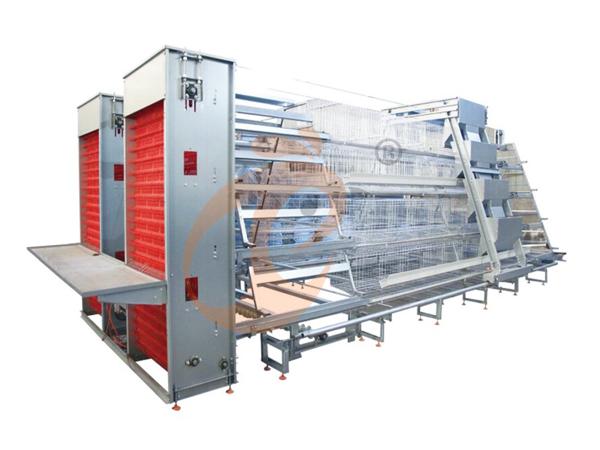
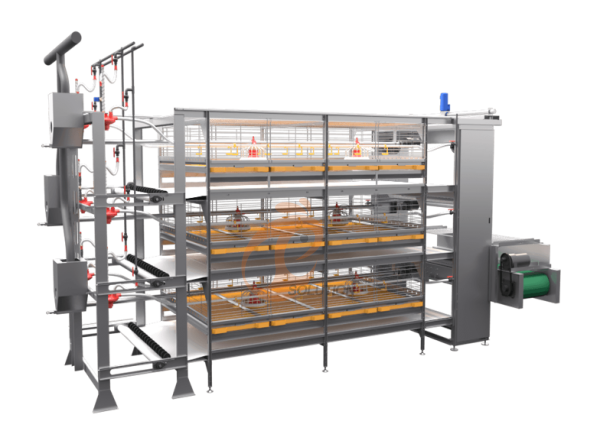
5. Our 24 hour online reception What’sApp NO. is +8618830120193 <30,000 Pullets Automatic A Type Battery Cage1. 10,000 to 30,000 pullets a house, choose it.
2. It is designed to rearing older than 1 day old pullets to 12 to 16 weeks old chicken starting laying eggs.
3. Its lifespan is more than 25 years.
4. Its structure are Vcloud artificial intelligent fusion, electric control cabinet, automatic equipment of drinking, feeding, manure clean, manual harvesting.
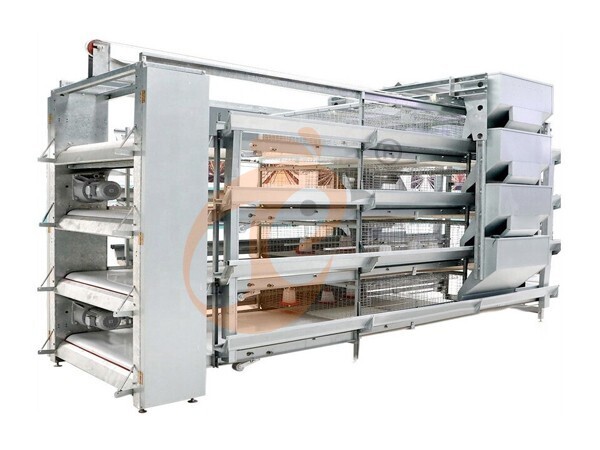
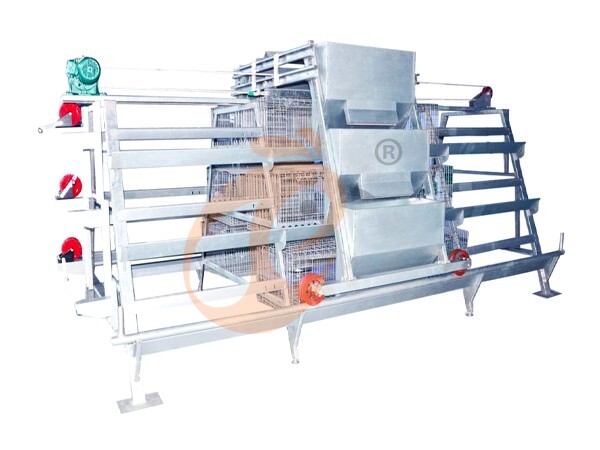
5. Our 24 hour online reception What’sApp NO. is +86 18830120193. >30,000 Broilers Semi-Automatic Harvest H Type Battery Cage1. More than 30,000 broilers a house, choose it.
2. It is designed to rearing 1 to 45 day old adult broiler ready for market.
3. Its lifespan is more than 20 years.
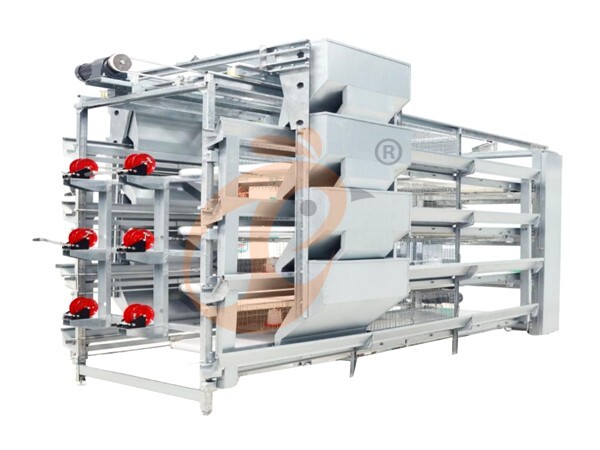
4. Our 24 hour online reception What’sApp NO. is +8618830120193, +234 8111199996. >30,000 Broilers Manual Harvest H Type Battery Cage1. More than 30,000 broilers a house, choose it.
2. It is designed to rearing 1 to 45 day old adult broiler ready for market.
3. Its lifespan is more than 20 years.
4. Its structure are Vcloud artificial intelligent fusion, electric control cabinet, automatic equipment of drinking, feeding and manure clean, manual harvesting.
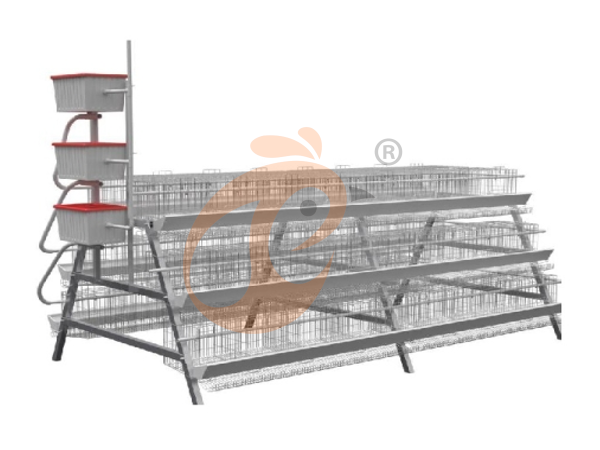
5. Our 24 hour online reception What’sApp NO. is +8618830120193, +234 8111199996. <30,000 Broilers Manual Harvest A Type Battery Cage1. Less 30,000 broilers a house, choose it.
2. It is designed to rearing 1 to 45 day old adult broiler ready for market.
3. Its lifespan is more than 20 years.
4. Its structure are Vcloud artificial intelligent fusion, electric control cabinet, automatic equipment of drinking, feeding and manure clean, manual harvesting.
5. Our 24 hour online reception What’sApp NO. is +8618830120193, +234 8111199996. HK Headquarter Offers EU-standard Poultry Farm Solutions, Manufacture Poultry Farm Equipment1. Continuous communication with the EU and the US
2. China, Nigeria, Ethiopia, Tanzania branch companies and factories
3. The products’ quality is customized for local poultry farms
4. Poultry cage and poultry farm equipment stock for sale
5. 24 online reception Whatsapp NO. : +8618830120193,contact us to get full information China Branch Offer Poultry Farm Business Plan, Manufacture Poultry Farm Equipment1. Address: Flat/RM 2416, 24/F, Runxing Building, Youyi Nan Street, Shijiazhuang City, Hebei Province, China
2. Poultry cage and poultry farm equipment factory and stock for sale
3. Customized for local poultry farms
4. Quality and design are based on Euro
5. 24 online reception Whatsapp NO. : +8618830120193 Nigeria Branch Offer Poultry Farm Business Plan, Manufacture Poultry Farm Equipment1. Address: After Sinoma Office, 200 Meters Near Danco Filling Station, Lagos/Ibadan Expressway, Lagos State, Nigeria
2. Poultry cage and poultry farm equipment factory and stock for sale
3. Customized for Nigerian poultry farms
4. Quality and design are based on Euro
5. 24 online reception Whatsapp NO. : +8618830120193 Ethiopia Branch Offer Poultry Farm Business Plan, Manufacture Poultry Farm Equipment1. Address: Gelan Gura, Akaki-kaliti Sub City, Addis Ababa, Ethiopia
2. Poultry cage and poultry farm equipment stock for sale
3. Customized for Ethiopian poultry farms
4. Quality and design are based on Euro
5. 24 online reception Whatsapp NO. : +8618830120193, contact us to get price list Tanzania Branch Offer Poultry Farm Business Plan, Manufacture Poultry Farm Equipment1. Address: No.8, Sova Road, Msufini, Mlandizi, Kibaha, Pwani, Tanzania
2. Poultry cage and poultry farm equipment factory and stock for sale
3. Customized for Tanzanian poultry farms
4. Quality and design are based on Euro
5. 24 online reception Whatsapp NO. : +8618830120193


Contact