


Blog
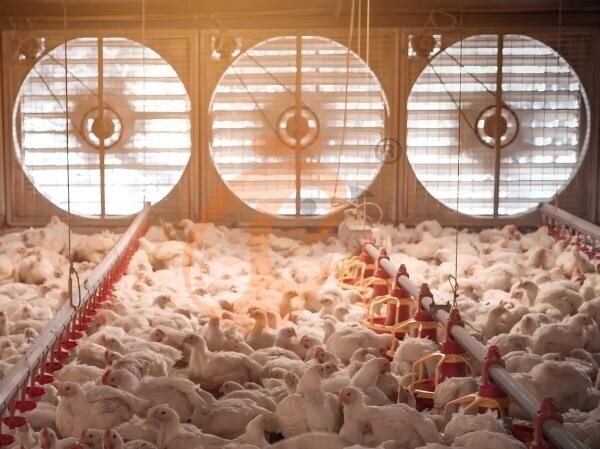
Automatic nipple drinkers improve poultry hydration efficiency in commercial farming systems.
Manual nipple drinkers require continuous human labor for daily water supply management.
Automatic vs manual nipple drinkers price efficiency comparison focuses on operational performance differences.
Nipple drinking systems directly influence poultry growth rate, feed conversion ratio, and mortality outcomes.
Automatic water systems reduce contamination risk while improving large scale farm productivity stability.
Get professional poultry farm construction guidance, equipment selection solutions, and the latest price lists, whatsApp to +8618830120193, click to learn more:
Introduction Poultry Drinking System Automation Overview
Poultry drinking system automation improves commercial broiler farm efficiency and water stability control.
Automatic poultry drinking system automation reduces daily labor cost in high density poultry production houses.
Manual poultry drinking system automation alternatives require constant human supervision and refill operations.
Efficient poultry drinking system automation supports uniform hydration across all poultry cage levels.
Advanced poultry drinking system automation improves biosecurity and reduces disease transmission risk.
System Structure Overview
Poultry drinking system structure determines hydraulic performance and long-term operational stability in commercial farms.
Structural engineering design in poultry equipment directly affects scalability and labor efficiency in farming systems.
Installation Cost Structure (Per 1000 Birds Capacity)
Initial investment planning in poultry farming equipment determines long-term profitability and expansion capability.
Data is for reference only.Swipe horizontally to view full table.
European union standard reference only applies to poultry farming equipment installation cost benchmarking systems.
Higher capital investment in automated poultry drinking systems improves scalability in industrial poultry production environments.
Water Efficiency Performance (Drinking System Efficiency)
Water efficiency directly influences poultry growth uniformity and feed conversion optimization in commercial broiler production.
Data is for reference only.Swipe horizontally to view full table.
Efficient poultry drinking system performance reduces litter moisture and improves housing environmental stability.
Labor Input Requirement (Daily Management Time)
Labor cost optimization remains a critical driver in modern poultry farming equipment selection decisions.
Data is for reference only.Swipe horizontally to view full table.
Reduced labor dependency improves poultry farm management efficiency and operational consistency.
Water Contamination Indicators (CFU/ml Analysis)
Water hygiene control is essential for preventing bacterial infection in intensive poultry farming systems.
Data is for reference only.Swipe horizontally to view full table.
Lower microbial contamination improves poultry immune stability and reduces antibiotic dependency.
Mortality Rate Impact (42 Day Cycle Broilers)
Mortality performance reflects overall system stability in commercial poultry production cycles.
Data is for reference only.Swipe horizontally to view full table.
Stable hydration conditions significantly reduce stress related mortality in broiler production.
Maintenance Frequency And Spare Parts Usage
Maintenance planning ensures continuous operation efficiency in poultry drinking system infrastructure.
Data is for reference only.Swipe horizontally to view full table.
Preventive maintenance strategies improve system reliability and reduce unexpected production downtime.
Water Pressure And Flow Stability Analysis
Hydraulic pressure stability directly affects nipple drinker activation and poultry drinking uniformity.
Data is for reference only.Swipe horizontally to view full table.
Stable pressure control ensures uniform water access across all poultry cage tiers.
Feed Conversion Ratio Impact Analysis
Feed conversion efficiency reflects nutritional utilization and hydration balance in poultry production systems.
Data is for reference only.Swipe horizontally to view full table.
Improved feed conversion reduces total production cost per kilogram of poultry meat.
Infrastructure Requirements For Poultry Farms
Infrastructure design determines long-term compatibility of poultry equipment with farm expansion planning.
Data is for reference only.Swipe horizontally to view full table.
Proper infrastructure planning supports efficient poultry farming system scalability.
Scientific Principle Of Nipple Drinking System Operation
Nipple drinking systems operate through mechanical valve activation triggered by poultry pecking force.
Automatic poultry nipple drinkers systems maintain constant pipeline pressure for immediate water release.
Manual poultry nipple drinkers systems rely on gravity pressure reduction over time.
Hydraulic stability determines hydration uniformity across poultry flocks in intensive farming systems.
This mechanism directly impacts poultry growth performance and feed efficiency metrics.
Water Waste Composition Analysis
Water loss control is essential for environmental sustainability in poultry farming equipment operations.
Data is for reference only.Swipe horizontally to view full table.
Reduced water waste improves farm sanitation and ammonia control inside poultry houses.
Operational Downtime Analysis
Operational continuity directly influences poultry production cycle efficiency and market delivery stability.
Data is for reference only.Swipe horizontally to view full table.
Automation reduces human dependent operational delays in poultry production systems.
Economic Output Comparison (Revenue Impact)
Economic performance depends on feed efficiency, mortality reduction, and system automation level.
Data is for reference only.Swipe horizontally to view full table.
European union standard reference only applies to poultry production efficiency evaluation systems.
Environmental Impact Metrics
Environmental performance reflects sustainability level in modern poultry farming equipment systems.
Data is for reference only.Swipe horizontally to view full table.
Efficient systems reduce ecological footprint in large scale poultry production.
Key Operational Advantages Of Automatic Systems
Pipeline pressure stability maintained between 18–25 kPa range consistently
Labor input reduced below 1.5 hours per 1000 birds per day operation
Water spillage reduced below 15 liters per day per production unit
Mortality reduction achieved within 3–4 percent range improvement levels
Feed conversion ratio improvement recorded between 0.1–0.2 efficiency gain
Key Operational Advantages Of Manual Systems
Initial investment maintained below 360 USD per 1000 birds installation
No hydraulic engineering requirement for poultry drinking system setup
Component replacement cost maintained under 20 USD per maintenance cycle
Flexible deployment across remote poultry farming locations without infrastructure
Suitable for poultry cage systems under 500 birds capacity modules
Frequently Asked Questions Section
Q1: What is cost difference between automatic and manual nipple drinkers?
Automatic systems cost 660–1240 USD per 1000 birds while manual systems cost 150–360 USD per 1000 birds, creating a 3–5 times capital gap affecting farm scaling strategy.
Q2: How does water efficiency differ between both systems?
Automatic systems achieve 94–97% efficiency with only 8–15 liters daily waste, while manual systems operate at 72–85% efficiency with 40–85 liters waste per day affecting hygiene stability.
Q3: Which system improves poultry growth performance more effectively?
Automatic systems improve FCR to 1.55–1.68 compared with 1.72–1.90 in manual systems, increasing average market weight up to 2.55 kg per bird in commercial cycles.
Taiyu (HK) Group - One Of China Biggest Nipple Drinkers Manufacturer
Automatic nipple drinkers systems designed for commercial poultry farming water efficiency optimization and stable pressure control performance integration
Global factory direct supply automatic and manual nipple drinking systems supporting large scale poultry cage farming equipment distribution networks
Professional poultry equipment manufacturing covering drinking system, feeding system, ventilation system, and complete poultry farm automation engineering solutions
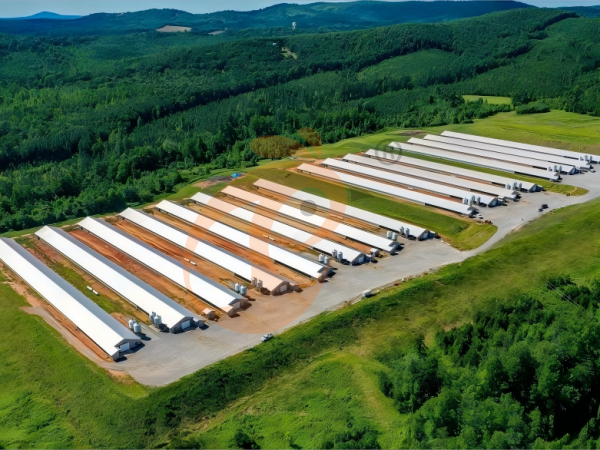
Turn-key poultry farm project design and construction including equipment installation, system calibration, and production capacity optimization support services
International export supply chain covering Asia, Middle East, Africa poultry farming industry with stable quality control and factory pricing structure
Contact Us To Received Your Customized Poultry Farm Plan
Headquarters And Branchs
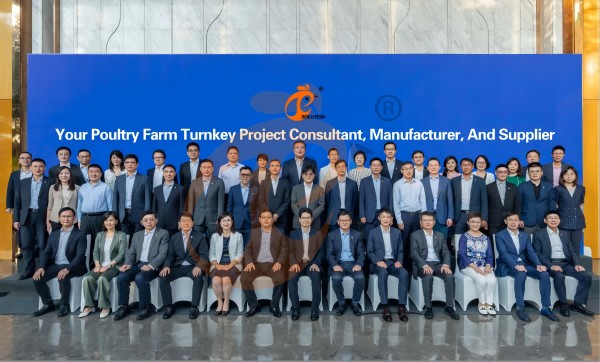
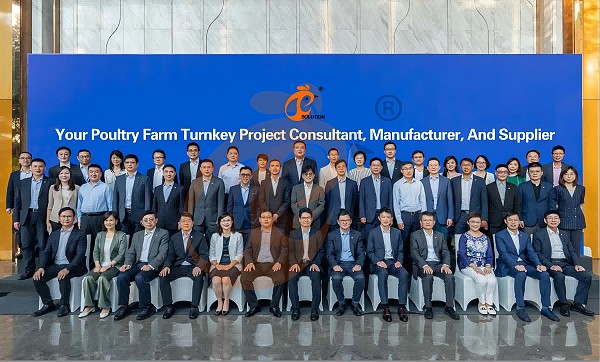
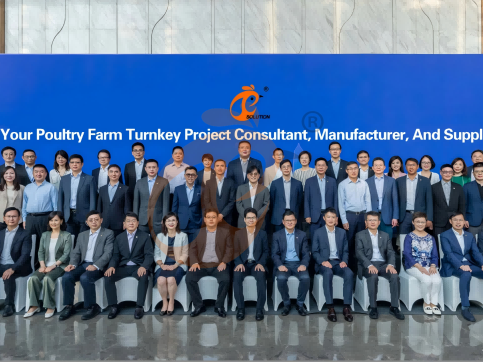
Hong Kong Headquarter Management Team
Hong Kong Headquarter Taiyu Industrial Group CO., LTD
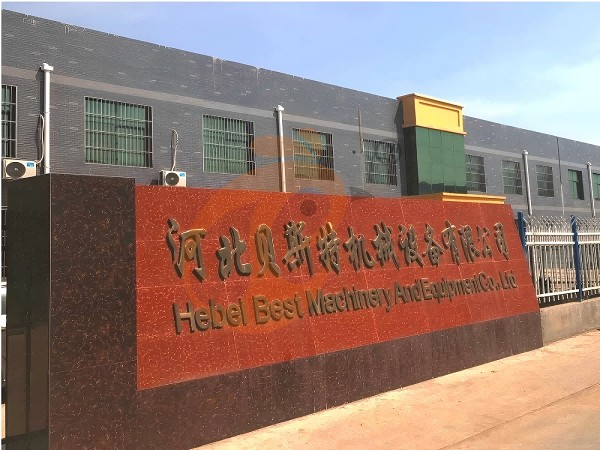
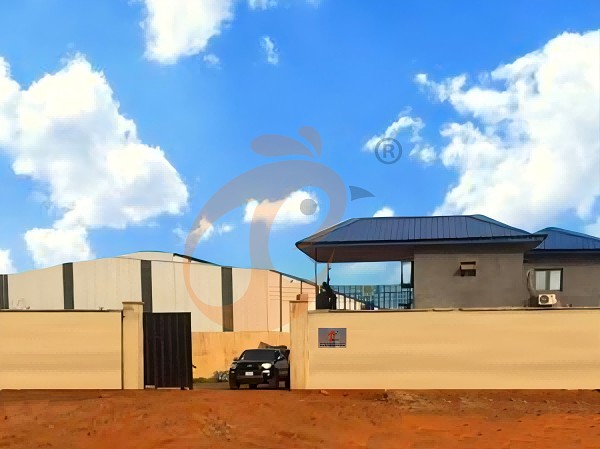
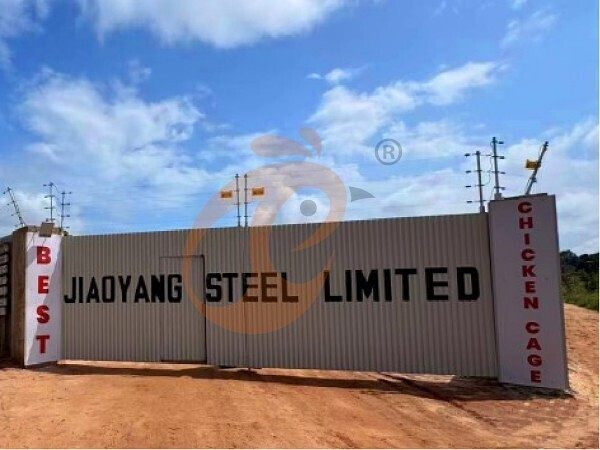
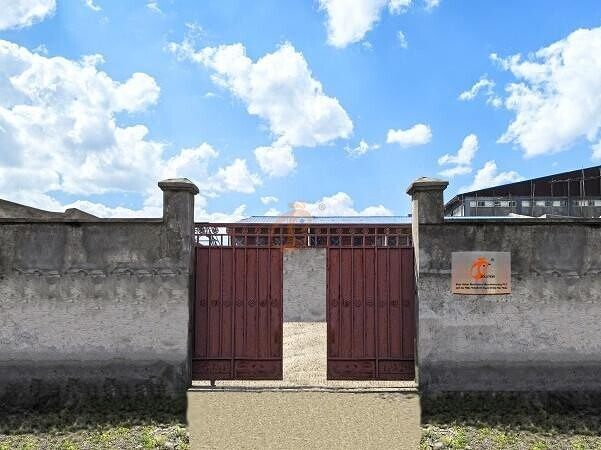
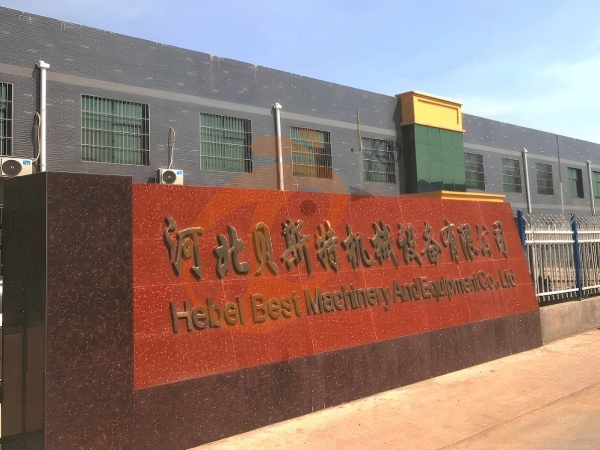
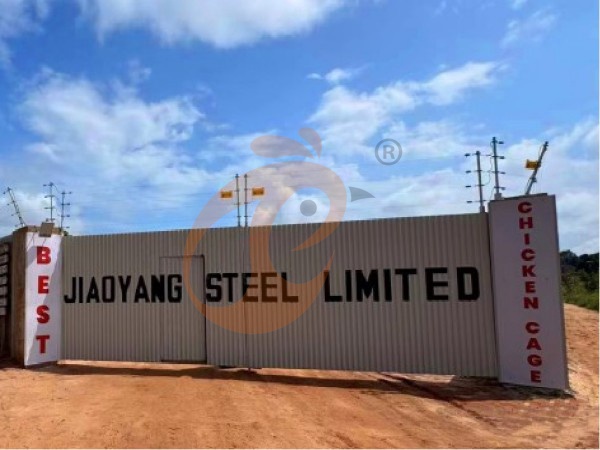
China Hebei Best Machinery And Equipment CO., LTD
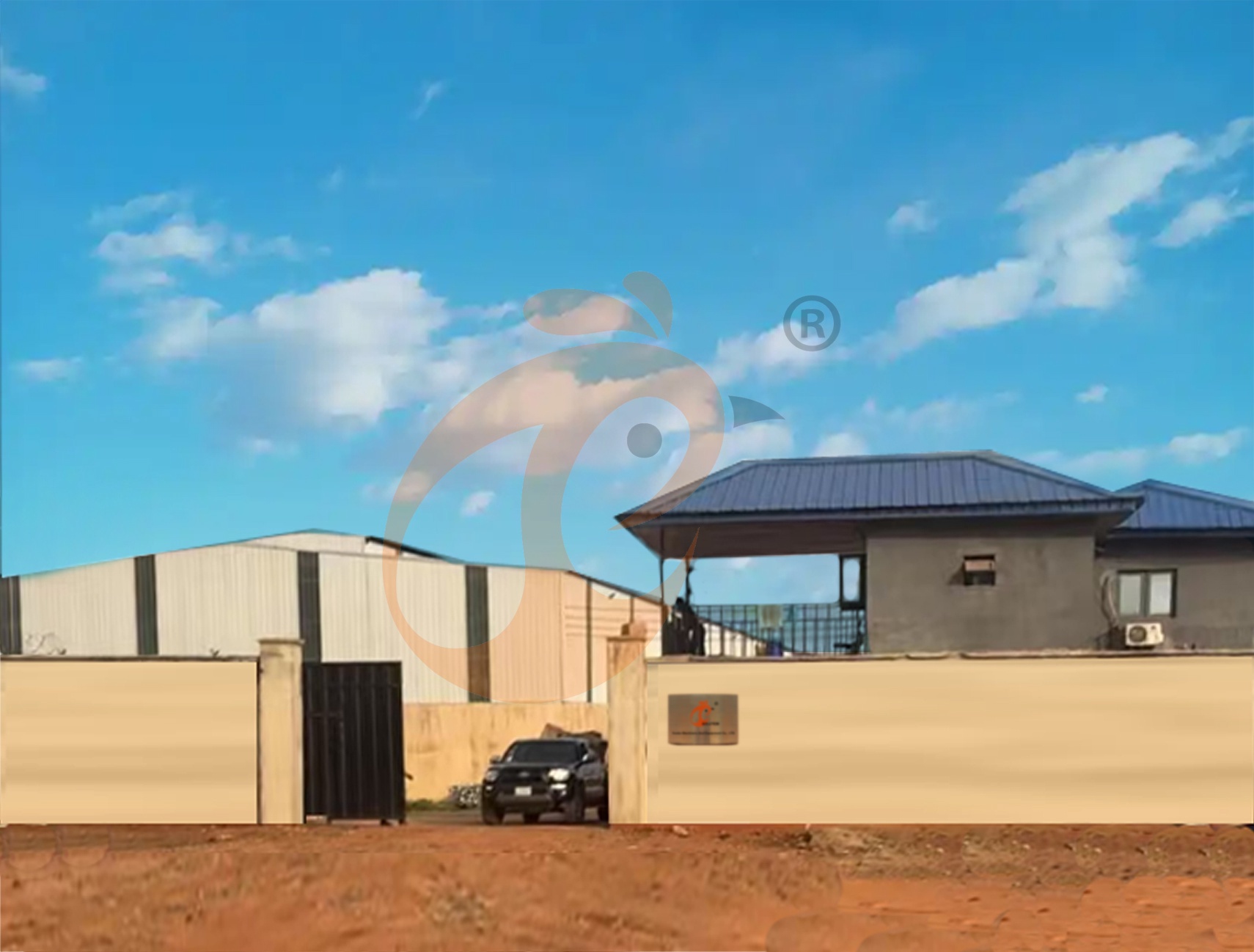
Nigeria Vanke Machinery And Equipment CO., LTD
Tanzania Best Machinery And Equipment CO., LTD
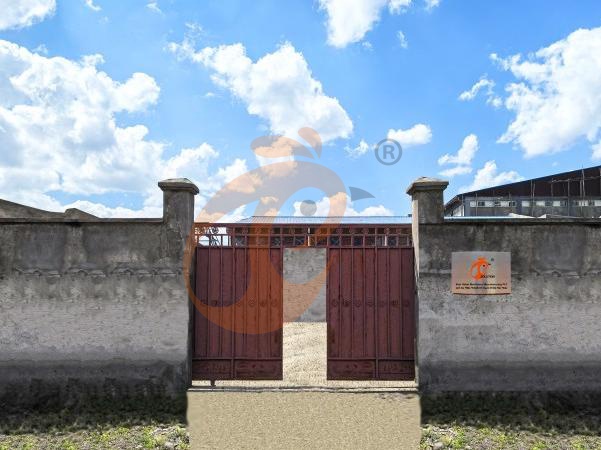
Ethiopia Best Hebei Machinery Manufacturing PLC
Reception /24 WhatsApp NO. : +8618830120193
FAQ
What Is The Service Life Expectancy Of Nipple Drinkers In Poultry Chicken Cage Systems?
Plastic housing maintains structural integrity for 6,000–8,000 working hours in humid environments.
Spring mechanism durability reaches 25,000–35,000 activation cycles before replacement requirement.
What Pipe Integration Standards Are Required For Nipple Drinkers In Poultry Chicken Cage Systems?
Drinker connection spacing is maintained at 28–32 cm for uniform access distribution.
End-cap flushing velocity reaches 1.2–1.8 m/s to ensure pipeline cleanliness.
How Does Nipple Orientation Affect Drinking Efficiency In Poultry Chicken Cage Systems?
Horizontal deviation tolerance is controlled within ±3 degrees for consistent water output.
Downward tilt adjustment improves intake rate by 12%–18% in broiler flocks.
- poultry farm
- poultry farms
- poultry house
- poultry cage
- cage
- poultry farm construction
- poultry farm management
- poultry farm automation
- poultry cage system
- poultry farming equipment
- poultry farm project
- poultry cage farm
- poultry drinking system
- automatic poultry drinking system
- poultry equipment
- chickencage
- bestchickencage
- cage system
- cage systems
- poultry cage farming
- Nigeria
- broiler farm
- poultry farming
- poultry nipple drinker
- poultry cage systems
- poultry farm project design
- modern poultry farm
- modern poultry farming
- poultry farm plan
- poultry farming system
- Ethiopia
Message
Products recommended
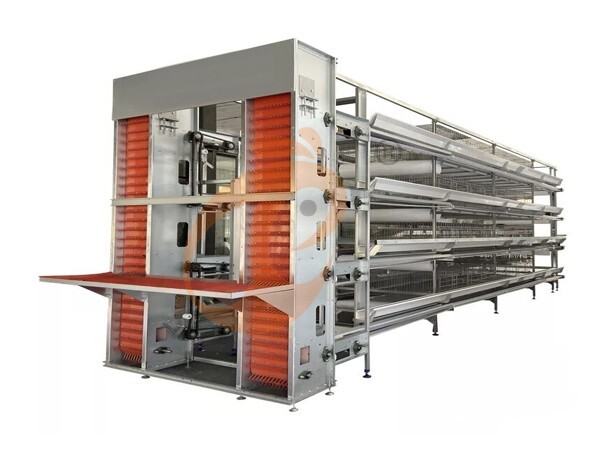
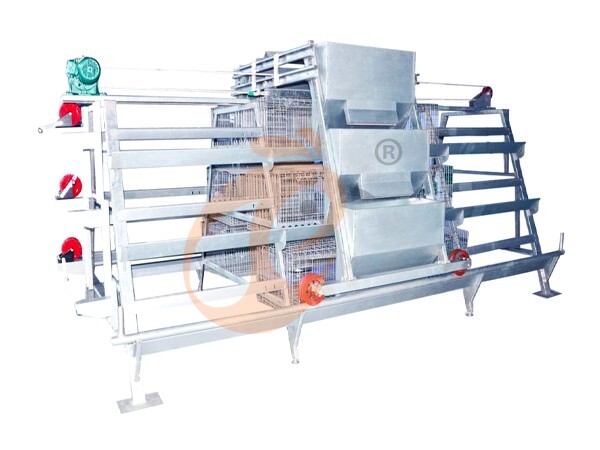
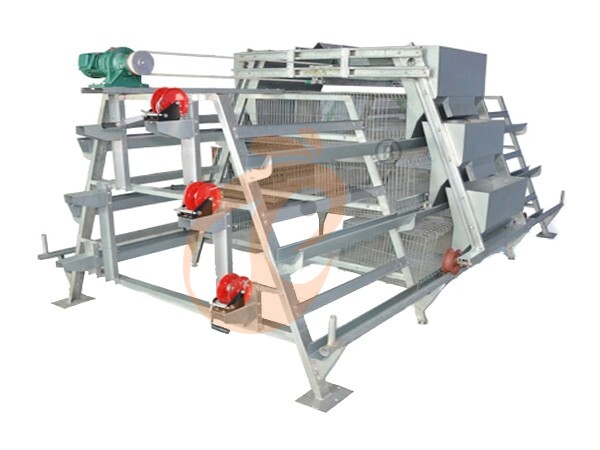
 >30,000 Pullets Automatic H Type Battery Cage1. More than 30,000 pullets a house, choose it.
2. It is designed to rearing older than 1 day old pullets to 12 to 16 weeks old chicken starting laying eggs.
3. Its lifespan is more than 25 years.
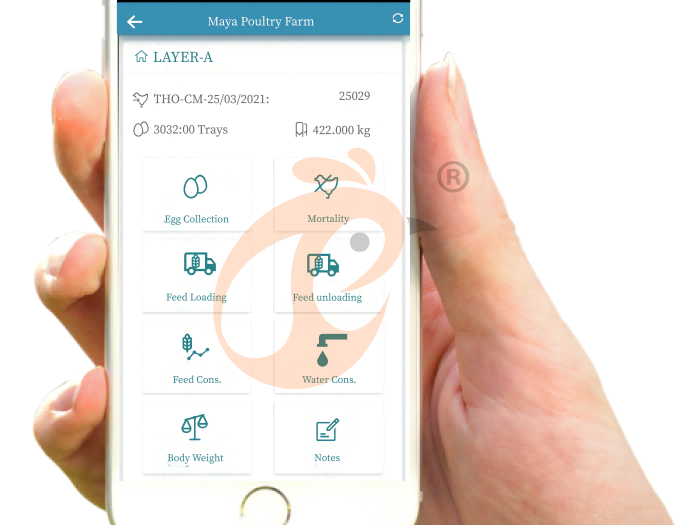
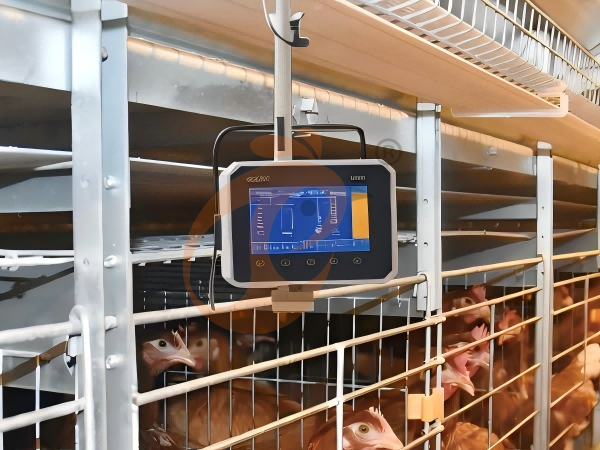
4. Its structure are Vcloud artificial intelligent fusion, electric control cabinet, automatic equipment of drinking, feeding, manure clean, manual harvesting.
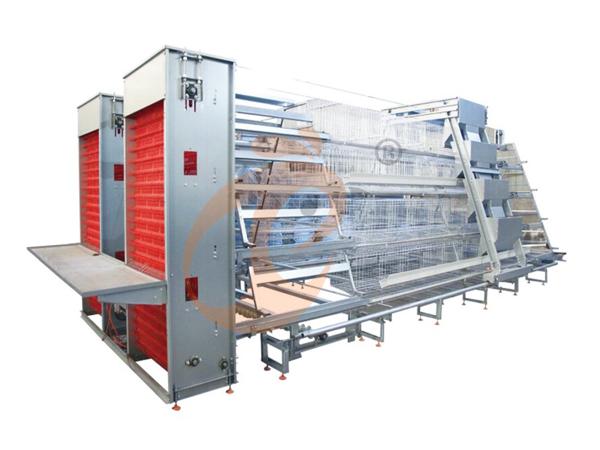
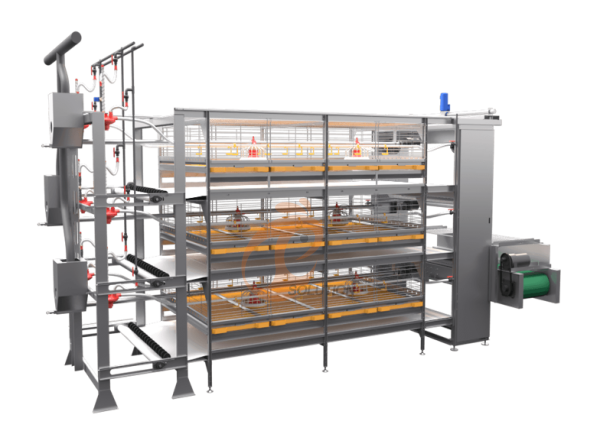
5. Our 24 hour online reception What’sApp NO. is +8618830120193 <30,000 Pullets Automatic A Type Battery Cage1. 10,000 to 30,000 pullets a house, choose it.
2. It is designed to rearing older than 1 day old pullets to 12 to 16 weeks old chicken starting laying eggs.
3. Its lifespan is more than 25 years.
4. Its structure are Vcloud artificial intelligent fusion, electric control cabinet, automatic equipment of drinking, feeding, manure clean, manual harvesting.
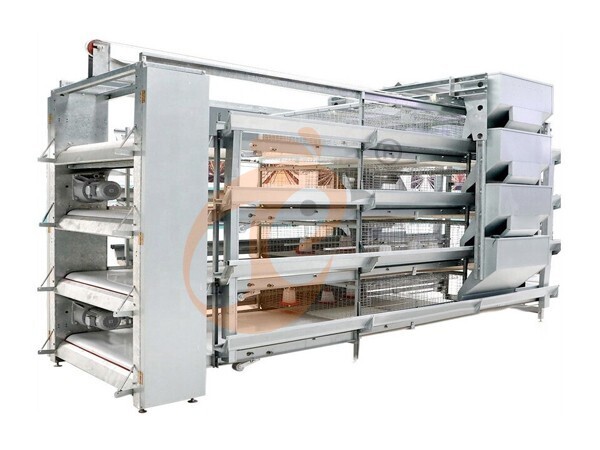
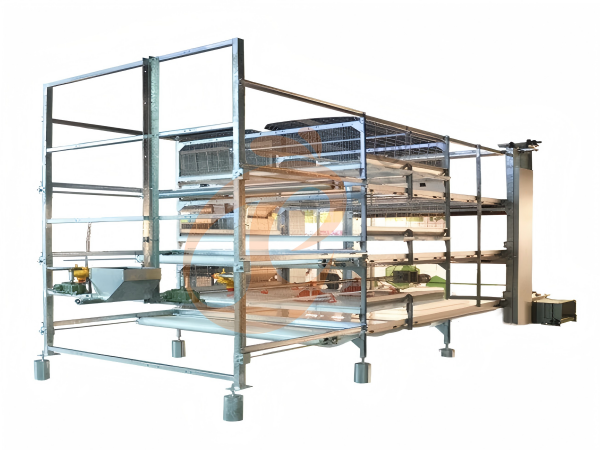
5. Our 24 hour online reception What’sApp NO. is +86 18830120193. >30,000 Broilers Semi-Automatic Harvest H Type Battery Cage1. More than 30,000 broilers a house, choose it.
2. It is designed to rearing 1 to 45 day old adult broiler ready for market.
3. Its lifespan is more than 20 years.
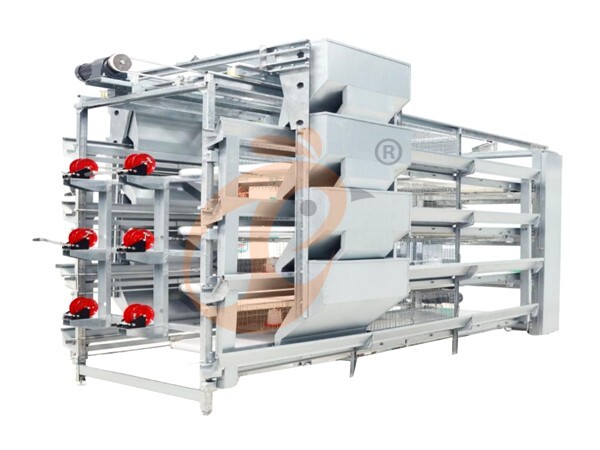
4. Our 24 hour online reception What’sApp NO. is +8618830120193, +234 8111199996. >30,000 Broilers Manual Harvest H Type Battery Cage1. More than 30,000 broilers a house, choose it.
2. It is designed to rearing 1 to 45 day old adult broiler ready for market.
3. Its lifespan is more than 20 years.
4. Its structure are Vcloud artificial intelligent fusion, electric control cabinet, automatic equipment of drinking, feeding and manure clean, manual harvesting.
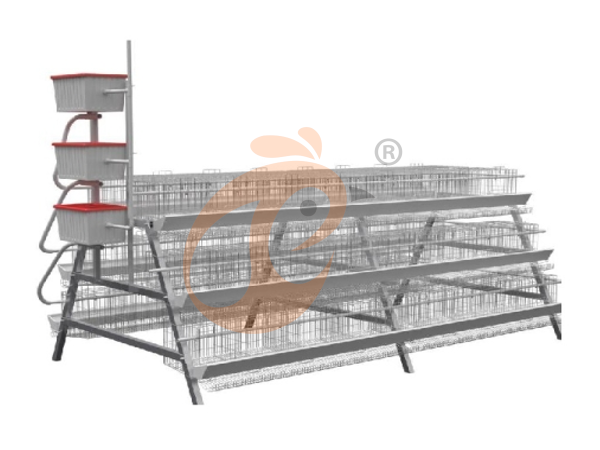
5. Our 24 hour online reception What’sApp NO. is +8618830120193, +234 8111199996. <30,000 Broilers Manual Harvest A Type Battery Cage1. Less 30,000 broilers a house, choose it.
2. It is designed to rearing 1 to 45 day old adult broiler ready for market.
3. Its lifespan is more than 20 years.
4. Its structure are Vcloud artificial intelligent fusion, electric control cabinet, automatic equipment of drinking, feeding and manure clean, manual harvesting.
5. Our 24 hour online reception What’sApp NO. is +8618830120193, +234 8111199996. HK Headquarter Offers EU-standard Poultry Farm Solutions, Manufacture Poultry Farm Equipment1. Continuous communication with the EU and the US
2. China, Nigeria, Ethiopia, Tanzania branch companies and factories
3. The products’ quality is customized for local poultry farms
4. Poultry cage and poultry farm equipment stock for sale
5. 24 online reception Whatsapp NO. : +8618830120193,contact us to get full information China Branch Offer Poultry Farm Business Plan, Manufacture Poultry Farm Equipment1. Address: Flat/RM 2416, 24/F, Runxing Building, Youyi Nan Street, Shijiazhuang City, Hebei Province, China
2. Poultry cage and poultry farm equipment factory and stock for sale
3. Customized for local poultry farms
4. Quality and design are based on Euro
5. 24 online reception Whatsapp NO. : +8618830120193 Nigeria Branch Offer Poultry Farm Business Plan, Manufacture Poultry Farm Equipment1. Address: After Sinoma Office, 200 Meters Near Danco Filling Station, Lagos/Ibadan Expressway, Lagos State, Nigeria
2. Poultry cage and poultry farm equipment factory and stock for sale
3. Customized for Nigerian poultry farms
4. Quality and design are based on Euro
5. 24 online reception Whatsapp NO. : +8618830120193 Ethiopia Branch Offer Poultry Farm Business Plan, Manufacture Poultry Farm Equipment1. Address: Gelan Gura, Akaki-kaliti Sub City, Addis Ababa, Ethiopia
2. Poultry cage and poultry farm equipment stock for sale
3. Customized for Ethiopian poultry farms
4. Quality and design are based on Euro
5. 24 online reception Whatsapp NO. : +8618830120193, contact us to get price list Tanzania Branch Offer Poultry Farm Business Plan, Manufacture Poultry Farm Equipment1. Address: No.8, Sova Road, Msufini, Mlandizi, Kibaha, Pwani, Tanzania
2. Poultry cage and poultry farm equipment factory and stock for sale
3. Customized for Tanzanian poultry farms
4. Quality and design are based on Euro
5. 24 online reception Whatsapp NO. : +8618830120193



Contact