


Blog
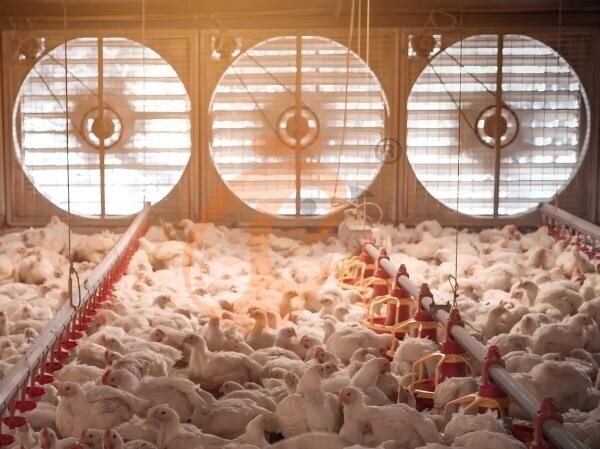
Plasson automatic poultry drinking systems optimize water delivery in commercial poultry farming operations.
Plasson manual bell drinkers remain widely used in small scale poultry production environments.
Poultry drinking system selection directly influences feed conversion ratio and production efficiency outcomes.
Automatic nipple drinking systems reduce water loss and improve flock uniformity across broiler cycles.
Manual water systems require frequent human intervention and increase operational labor demand per flock.
Get professional poultry farm construction guidance, equipment selection solutions, and the latest price lists, whatsApp to +8618830120193, click to learn more:
Plasson Automatic Nipple System Technical Structure
Plasson automatic drinking system design focuses on controlled pressure regulation and nipple activation mechanisms.
Data is for reference only.Swipe horizontally to view full table.
Poultry farming efficiency increases when Plasson automatic poultry drinking system maintains stable water pressure delivery.
Broiler production systems rely on consistent nipple spacing to maintain uniform water access distribution.
Plasson Manual Bell Drinkers Structural Characteristics
Manual drinking systems operate through gravity fed reservoirs connected to open bell drinking stations.
Data is for reference only.Swipe horizontally to view full table.
Poultry equipment selection for small farms often prioritizes manual bell drinkers due to lower infrastructure complexity.
Plasson manual systems require continuous water level monitoring to prevent dehydration risks in broiler houses.
Water Consumption Efficiency Comparison
Water utilization efficiency determines litter quality and environmental stability in poultry houses.
Data is for reference only.Swipe horizontally to view full table.
Poultry cage system integration with automatic water lines reduces waste accumulation in litter bedding.
Broiler production efficiency improves when water consumption remains stable across full growth cycles.
Feed Conversion And Growth Performance
Feed conversion ratio improvements correlate directly with stable hydration and reduced stress conditions.
Data is for reference only.Swipe horizontally to view full table.
Plasson automatic system installation improves broiler weight gain consistency across commercial poultry farms.
Poultry equipment optimization directly reduces feed wastage through controlled water intake behavior.
Labor Requirement Analysis
Labor input structure varies significantly between automated and manual poultry drinking systems.
Data is for reference only.Swipe horizontally to view full table.
Poultry farming automation reduces dependency on seasonal labor availability in large scale production units.
Plasson automatic systems streamline daily farm operations through centralized water line management.
Investment Cost Structure
Initial investment cost reflects equipment complexity and installation requirements for poultry drinking systems.
Data is for reference only.Swipe horizontally to view full table.
European union standard reference only applies to poultry farm infrastructure investment benchmarking across industrial systems.
Poultry equipment cost structure influences long term financial planning for commercial broiler operations.
Operational Cost Over Five Production Cycles
Operational efficiency evaluation highlights long term financial differences between system types.
Data is for reference only.Swipe horizontally to view full table.
Broiler production systems achieve improved cost efficiency when automated water delivery reduces labor dependency.
Plasson automatic poultry drinking systems generate measurable savings across multiple production cycles.
Scientific Mechanism Of Nipple Water Activation
Water delivery in automatic systems operates through pressure sensitive mechanical valve activation.
Water flow rate depends on valve opening area and activation velocity generated by bird pecking force.
Plasson nipple systems ensure controlled hydration cycles across high density poultry farming environments.
Operational Decision Factors
Poultry farming density above 10 birds per square meter requires automatic drinking systems.
Plasson automatic poultry drinking system reduces daily labor demand in commercial broiler farms.
Poultry equipment hygiene control improves significantly in closed nipple drinking environments.
Manual systems remain applicable in small scale poultry cage operations under 2,000 birds capacity.
Broiler production efficiency increases under controlled water pressure environments.
Lifecycle Economic Efficiency Model
Return on investment depends on production scale, labor cost structure, and water efficiency performance.
Data is for reference only.Swipe horizontally to view full table.
Plasson automatic system investment returns accelerate under large scale poultry production conditions.
Poultry farming profitability improves when water management systems reduce mortality rates.
Frequently Asked Questions
Q1: What is the main difference between plasson automatic and manual drinking systems?
Plasson automatic systems use pressurized nipple lines, while manual systems rely on open bell drinkers.
Automatic systems deliver controlled water flow, whereas manual systems depend on gravity and human refill cycles.
Q2: Which system improves broiler feed conversion ratio more effectively?
Plasson automatic poultry drinking systems improve feed conversion ratio due to stable hydration and reduced contamination.
Manual systems create higher variability in water intake, which negatively affects growth consistency.
Q3: Is manual system still suitable for commercial poultry farming?
Manual systems remain suitable only for small scale poultry cage operations under limited bird capacity.
Commercial broiler farms achieve higher efficiency using automated nipple drinking infrastructure.
Taiyu (HK) Group - One Of China Biggest Plasson System Manufacturer
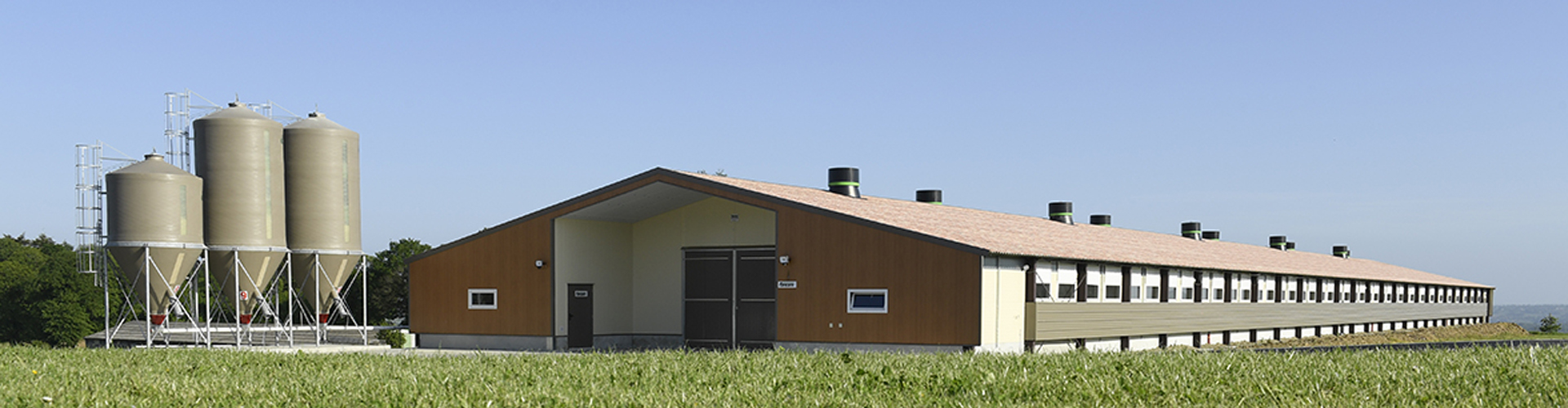
Plasson automatic nipple drinking system designed for commercial broiler poultry farming operations.
Global factory direct supply chain for poultry drinking system components and accessories.
Poultry equipment integrated solutions covering ventilation feeding and water line systems.
Poultry cage turnkey engineering projects for industrial scale farm construction deployment.
Export oriented manufacturing covering automatic poultry drinking system production and logistics support.
Contact Us To Received Your Customized Poultry Farm Plan
Headquarters And Branchs
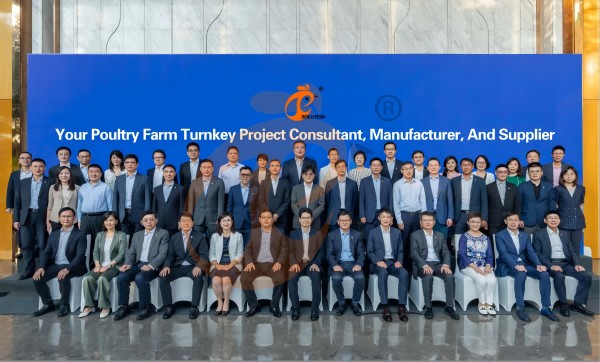
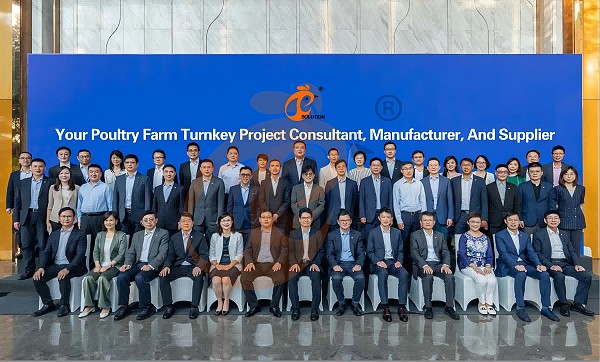
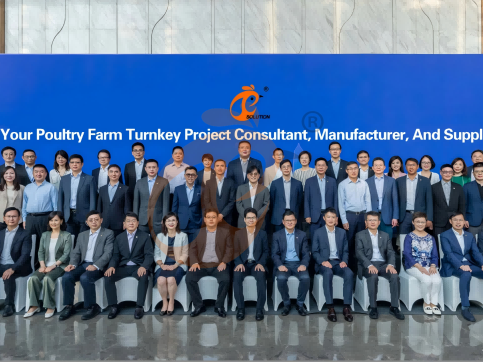
Hong Kong Headquarter Management Team
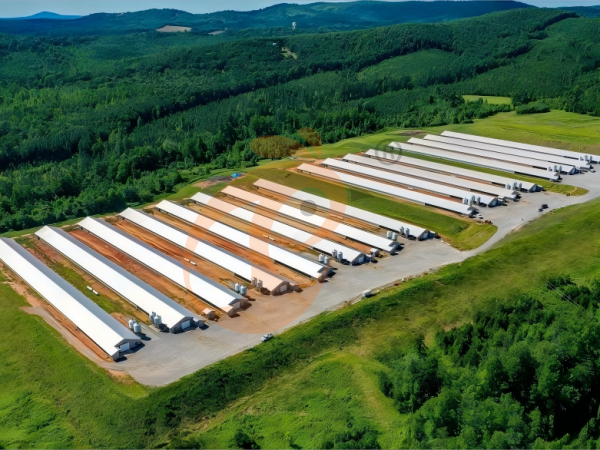
Hong Kong Headquarter Taiyu Industrial Group CO., LTD
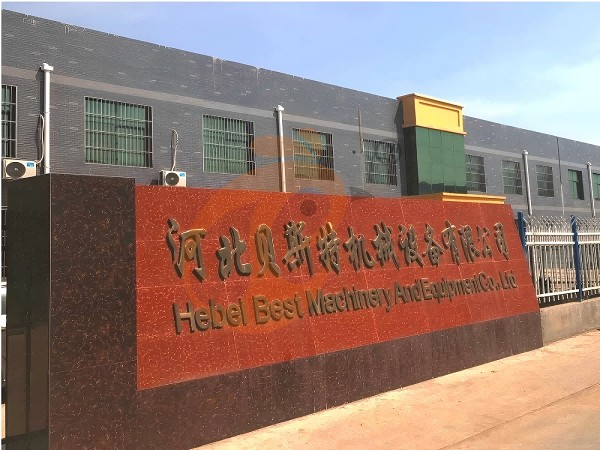
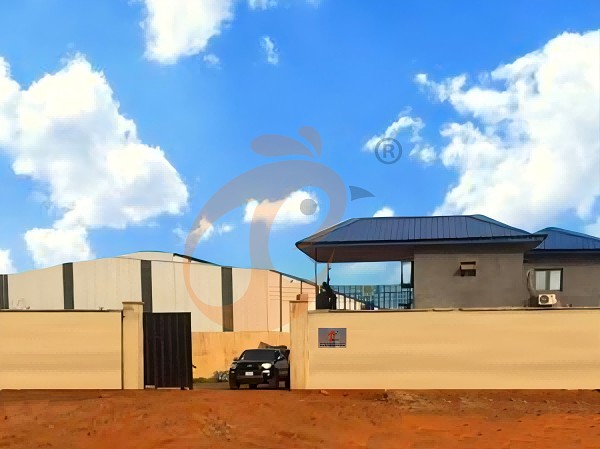
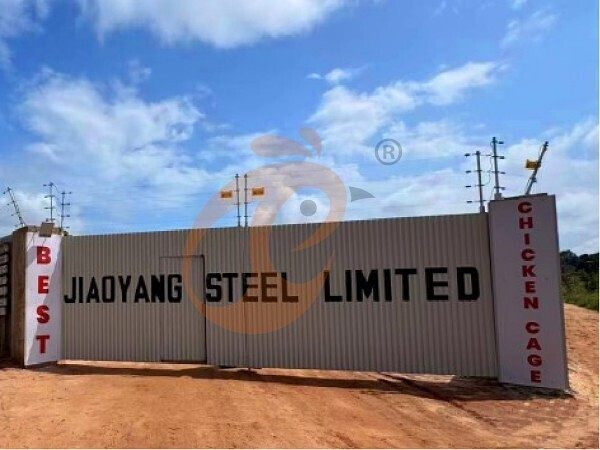
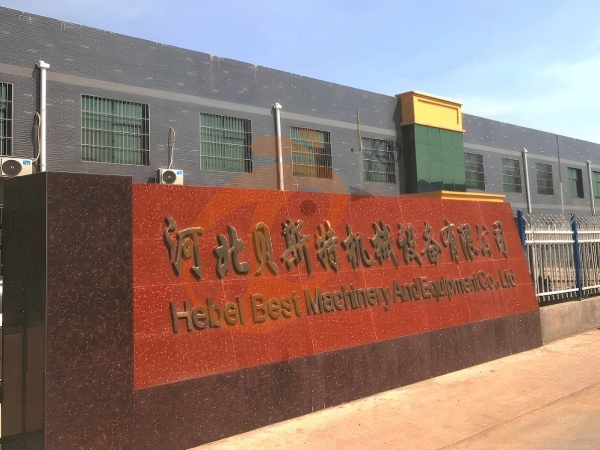
China Hebei Best Machinery And Equipment CO., LTD
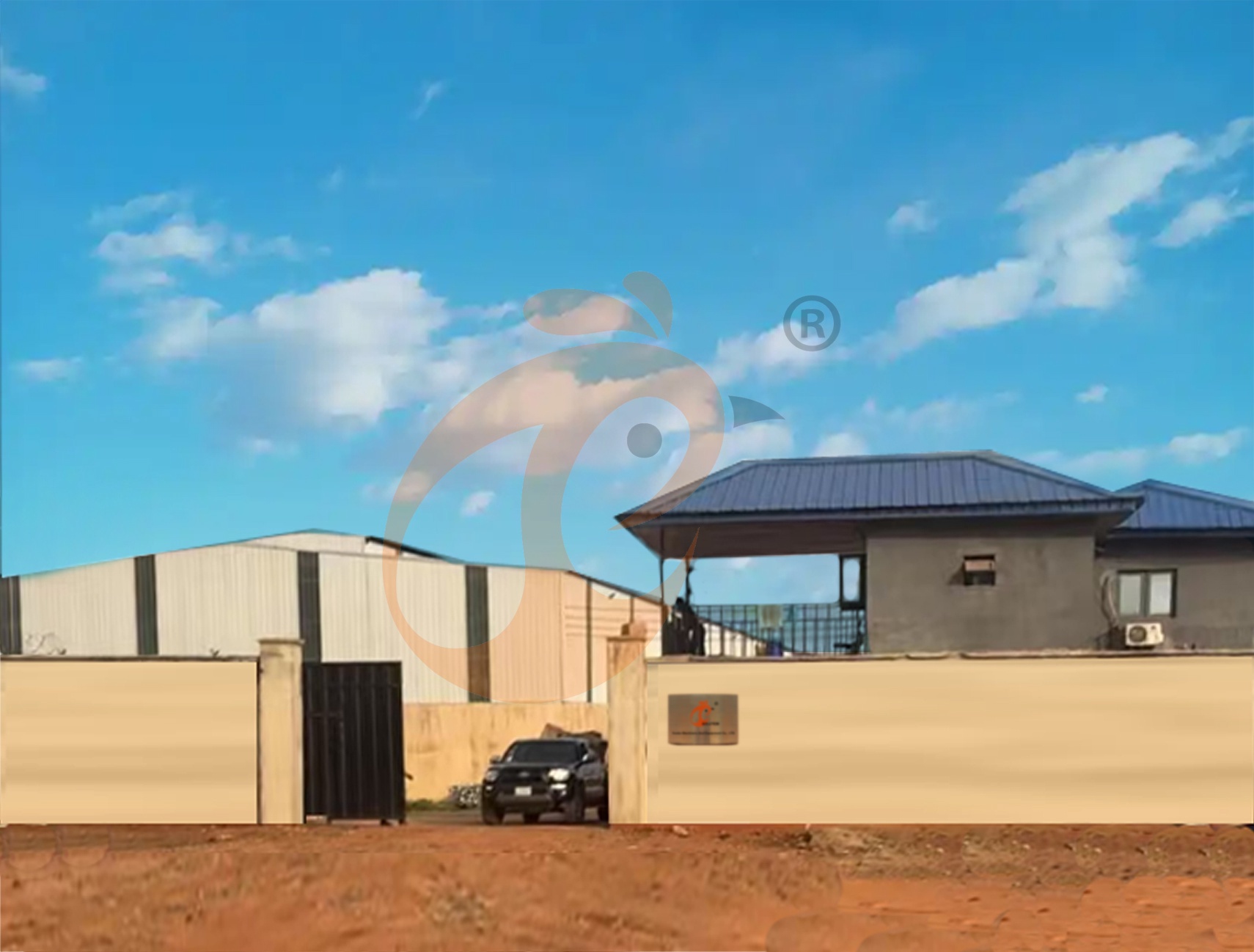
Nigeria Vanke Machinery And Equipment CO., LTD
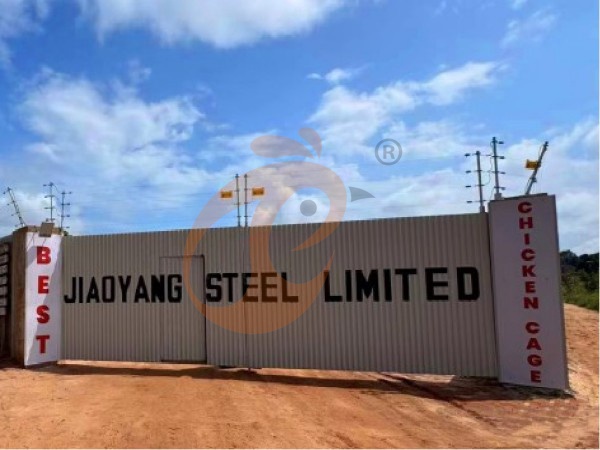
Tanzania Best Machinery And Equipment CO., LTD
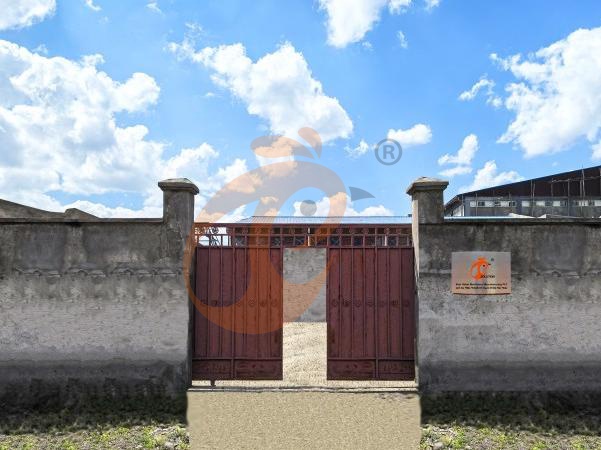
Ethiopia Best Hebei Machinery Manufacturing PLC

Reception /24 WhatsApp NO. : +8618830120193
FAQ
What Is The Application Range Of Plasson Poultry Equipment In Poultry Chicken Farming Systems?
System compatibility covers broiler, layer, and breeder production environments with modular installation design.
Integration supports both manual and fully automated poultry housing layouts for scalable expansion projects.
What Are The Water Flow And Pressure Standards In Plasson Poultry Equipment For Poultry Chicken Drinking Systems?
Flow rate per drinker ranges from 60–110 ml per minute depending on bird age.
System pressure variation tolerance is maintained within ±0.02 MPa across full pipeline length.
What Materials Are Used In Plasson Poultry Equipment For Poultry Chicken Housing Systems?
Internal valve components use stainless steel alloys with hardness levels above HRC 42.
Pipeline connectors are designed with UV-resistant polymer materials to withstand 8–10 years outdoor exposure.
- poultry farm
- poultry farms
- poultry house
- poultry cage
- cage
- poultry farm construction
- poultry cage system
- poultry drinking system
- automatic drinking system
- automatic poultry drinking system
- poultry equipment
- chickencage
- bestchickencage
- cage system
- Nigeria
- broiler farm
- commercial poultry farms
- poultry farming
- poultry drinking system manufacturer
- broiler poultry farm
- poultry farm infrastructure
- poultry farm plan
- Ethiopia
Message
Products recommended
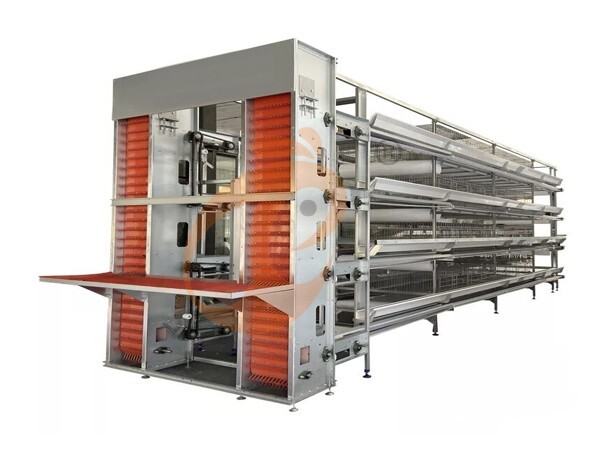
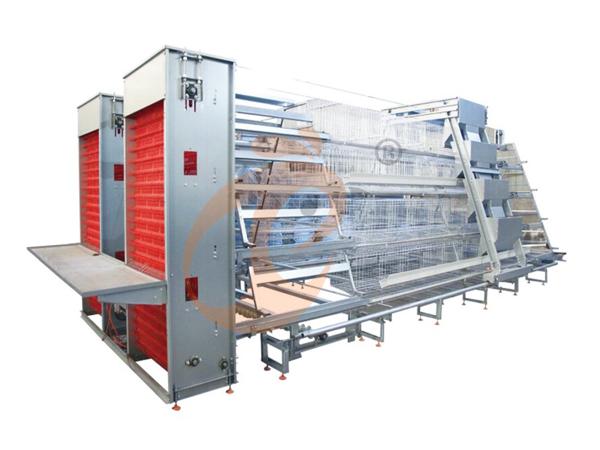
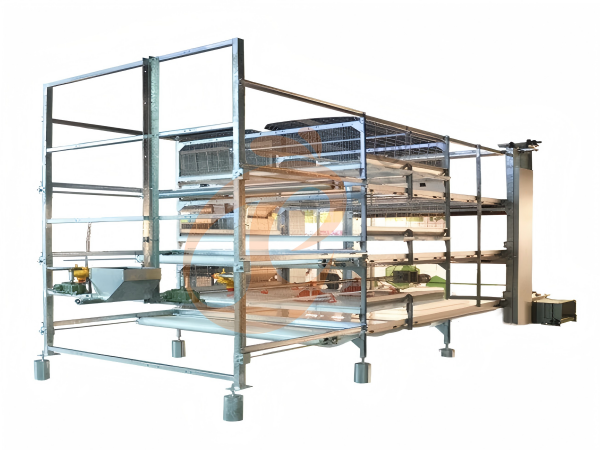
 >30,000 Pullets Automatic H Type Battery Cage1. More than 30,000 pullets a house, choose it.
2. It is designed to rearing older than 1 day old pullets to 12 to 16 weeks old chicken starting laying eggs.
3. Its lifespan is more than 25 years.
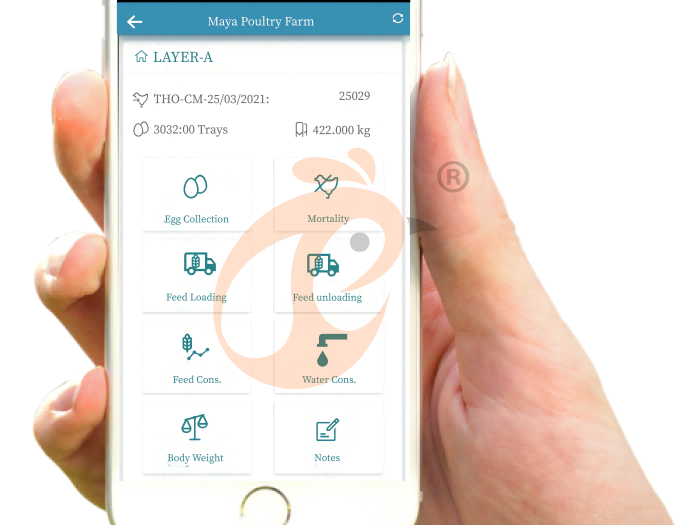
4. Its structure are Vcloud artificial intelligent fusion, electric control cabinet, automatic equipment of drinking, feeding, manure clean, manual harvesting.
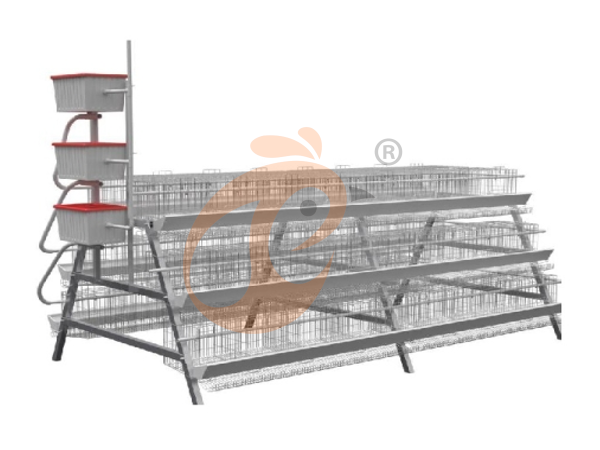
5. Our 24 hour online reception What’sApp NO. is +8618830120193 <30,000 Pullets Automatic A Type Battery Cage1. 10,000 to 30,000 pullets a house, choose it.
2. It is designed to rearing older than 1 day old pullets to 12 to 16 weeks old chicken starting laying eggs.
3. Its lifespan is more than 25 years.
4. Its structure are Vcloud artificial intelligent fusion, electric control cabinet, automatic equipment of drinking, feeding, manure clean, manual harvesting.
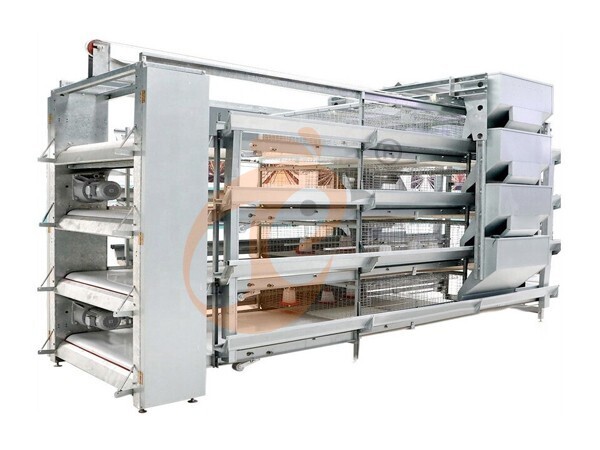
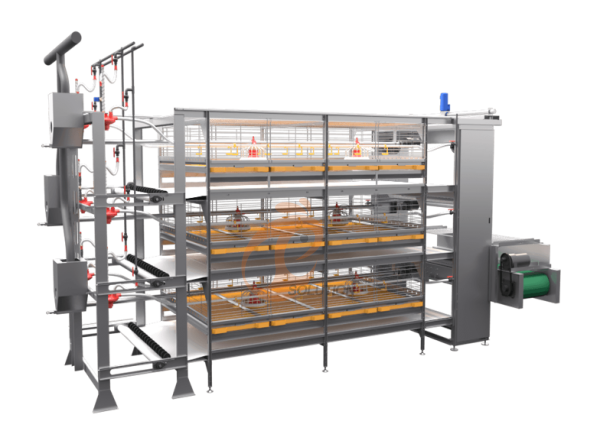
5. Our 24 hour online reception What’sApp NO. is +86 18830120193. >30,000 Broilers Semi-Automatic Harvest H Type Battery Cage1. More than 30,000 broilers a house, choose it.
2. It is designed to rearing 1 to 45 day old adult broiler ready for market.
3. Its lifespan is more than 20 years.
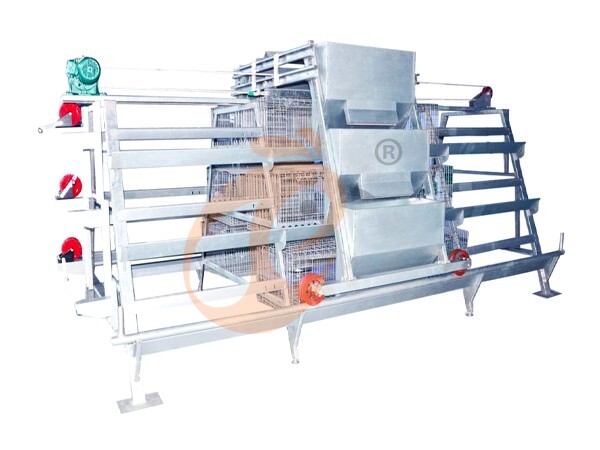
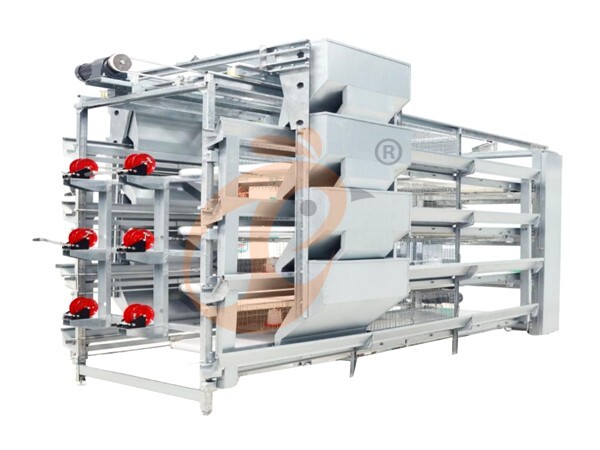
4. Our 24 hour online reception What’sApp NO. is +8618830120193, +234 8111199996. >30,000 Broilers Manual Harvest H Type Battery Cage1. More than 30,000 broilers a house, choose it.
2. It is designed to rearing 1 to 45 day old adult broiler ready for market.
3. Its lifespan is more than 20 years.
4. Its structure are Vcloud artificial intelligent fusion, electric control cabinet, automatic equipment of drinking, feeding and manure clean, manual harvesting.
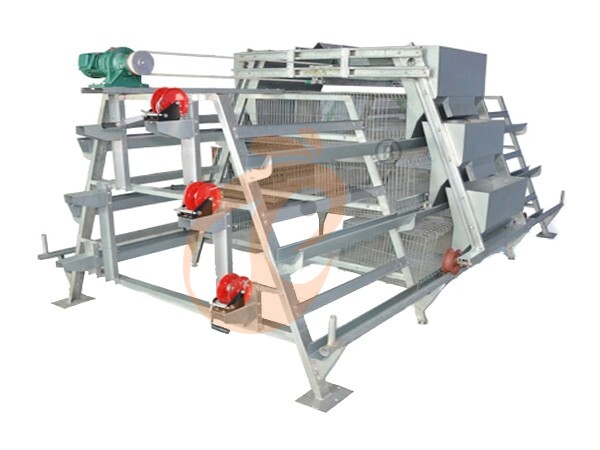
5. Our 24 hour online reception What’sApp NO. is +8618830120193, +234 8111199996. <30,000 Broilers Manual Harvest A Type Battery Cage1. Less 30,000 broilers a house, choose it.
2. It is designed to rearing 1 to 45 day old adult broiler ready for market.
3. Its lifespan is more than 20 years.
4. Its structure are Vcloud artificial intelligent fusion, electric control cabinet, automatic equipment of drinking, feeding and manure clean, manual harvesting.
5. Our 24 hour online reception What’sApp NO. is +8618830120193, +234 8111199996. HK Headquarter Offers EU-standard Poultry Farm Solutions, Manufacture Poultry Farm Equipment1. Continuous communication with the EU and the US
2. China, Nigeria, Ethiopia, Tanzania branch companies and factories
3. The products’ quality is customized for local poultry farms
4. Poultry cage and poultry farm equipment stock for sale
5. 24 online reception Whatsapp NO. : +8618830120193,contact us to get full information China Branch Offer Poultry Farm Business Plan, Manufacture Poultry Farm Equipment1. Address: Flat/RM 2416, 24/F, Runxing Building, Youyi Nan Street, Shijiazhuang City, Hebei Province, China
2. Poultry cage and poultry farm equipment factory and stock for sale
3. Customized for local poultry farms
4. Quality and design are based on Euro
5. 24 online reception Whatsapp NO. : +8618830120193 Nigeria Branch Offer Poultry Farm Business Plan, Manufacture Poultry Farm Equipment1. Address: After Sinoma Office, 200 Meters Near Danco Filling Station, Lagos/Ibadan Expressway, Lagos State, Nigeria
2. Poultry cage and poultry farm equipment factory and stock for sale
3. Customized for Nigerian poultry farms
4. Quality and design are based on Euro
5. 24 online reception Whatsapp NO. : +8618830120193 Ethiopia Branch Offer Poultry Farm Business Plan, Manufacture Poultry Farm Equipment1. Address: Gelan Gura, Akaki-kaliti Sub City, Addis Ababa, Ethiopia
2. Poultry cage and poultry farm equipment stock for sale
3. Customized for Ethiopian poultry farms
4. Quality and design are based on Euro
5. 24 online reception Whatsapp NO. : +8618830120193, contact us to get price list Tanzania Branch Offer Poultry Farm Business Plan, Manufacture Poultry Farm Equipment1. Address: No.8, Sova Road, Msufini, Mlandizi, Kibaha, Pwani, Tanzania
2. Poultry cage and poultry farm equipment factory and stock for sale
3. Customized for Tanzanian poultry farms
4. Quality and design are based on Euro
5. 24 online reception Whatsapp NO. : +8618830120193


Contact