


Blog
Automatic pellet machine for poultry feed improves production efficiency in commercial chicken farms.
Pellet machine price comparison demonstrates significant investment differences between automatic and manual systems.
Poultry feed pellet machine enhances feed conversion rate and reduces feed waste in broiler production.
Automatic poultry feed equipment supports continuous operation for large-scale farming environments.
Manual pellet machine for chicken feed production suits small and medium poultry farm applications.
Get professional poultry farm construction guidance, equipment selection solutions, and the latest price lists, whatsApp to +8618830120193, click to learn more:
Introduction
Automatic pellet machine for poultry feed production is widely used in modern chicken farming systems focusing on efficiency and output stability.
Pellet machine price comparison is essential for poultry farm investment planning and cost control.
Poultry feed pellet machine improves feed digestibility and reduces feed loss in broiler operations.
Automatic poultry feed equipment increases production capacity and supports continuous operation cycles.
Manual pellet machine systems provide flexible feeding solutions for small poultry farm setups.
Role Of Pellet Machines In Chicken Farms
In modern poultry farms, pellet feed production is not optional but operationally strategic.
Feed accounts for 60%–70% of total production cost in broiler farming.
Pellet machines determine feed uniformity, particle size consistency, and nutrient retention.
Poultry feed pellet machine improves overall production stability.
These values explain why farms increasingly shift toward pellet-based feeding systems.
What Is An Automatic Pellet Machine
An automatic pellet machine integrates feeding, compression, lubrication, temperature control, and discharge systems into a synchronized unit.
It operates continuously with minimal operator intervention.
PLC-based control systems adjust feed rate and pressure in real time, ensuring stable pellet density.
What Is A Manual Pellet Machine
A manual pellet machine requires operator control for raw material feeding, pressure adjustment, and discharge timing.
It typically uses mechanical levers or basic electric controls.
Production consistency depends heavily on operator experience and monitoring frequency.
Technical Specification Comparison
Data is for reference only.Swipe horizontally to view full table.
Price Structure Analysis
Cost differences are significant because of automation modules, steel grade, and production capacity.
Pellet machine price comparison shows clear investment segmentation in poultry feed systems.
Data is for reference only.Swipe horizontally to view full table.
European union standard reference only.
Feed Production Efficiency In Poultry Systems
Efficiency in poultry feed production is measured by pellet output per energy unit and raw material conversion rate.
Poultry feed pellet machine performance directly influences farm profitability.
Data is for reference only.Swipe horizontally to view full table.
European union standard reference only.
Output Stability For Chicken Feed Quality
Uniform pellet size is critical for poultry digestion and uniform flock growth.
Automatic poultry feed equipment ensures consistent pellet formation quality.
Data is for reference only.Swipe horizontally to view full table.
Labor And Operational Requirements
Labor cost is a major operational factor in poultry farms, especially in regions with large-scale production.
Chicken feed production machine automation reduces manpower dependency.
Data is for reference only.Swipe horizontally to view full table.
Maintenance And Downtime
Maintenance frequency affects production continuity, especially in feed mills serving multiple poultry houses.
Poultry feed pellet machine maintenance structure varies by automation level.
Data is for reference only.Swipe horizontally to view full table.
Energy Consumption Profile
Energy usage is a key operating cost driver in feed production systems.
Automatic poultry feed equipment optimizes energy usage per ton output.
Data is for reference only.Swipe horizontally to view full table.
European union standard reference only.
Poultry Farm Application Scenarios
Different farm scales require different machine types.
Chicken feed production machine selection depends on flock size and feed demand stability.
Data is for reference only.Swipe horizontally to view full table.
Feed Conversion Impact In Poultry Farming
Pellet quality directly influences feed conversion ratio (FCR), a critical poultry performance metric.
Poultry feed pellet machine optimization improves livestock productivity.
Data is for reference only.Swipe horizontally to view full table.
Economic Return Comparison
Return on investment is particularly important for poultry enterprises evaluating pellet production systems.
Automatic poultry feed equipment increases long-term profitability.
Data is for reference only.Swipe horizontally to view full table.
European union standard reference only.
Operational Advantages Summary
Automatic pellet machine for poultry feed improves large-scale production stability and output consistency.
Pellet machine price comparison supports strategic investment planning in poultry farming industry.
Poultry feed pellet machine reduces feed waste and improves conversion efficiency in broiler systems.
Automatic poultry feed equipment ensures continuous operation in industrial chicken production environments.
Manual pellet machine provides cost-effective solution for small poultry farm feed processing.
Frequently Asked Questions
Q1: What is the main difference between automatic and manual pellet machine?
A1: Automatic systems operate with PLC control and continuous production cycles, while manual systems require operator-driven adjustments for feeding and compression.
Q2: Which pellet machine is more suitable for poultry feed production?
A2: Automatic poultry feed equipment is suitable for commercial and industrial farms above 5,000 birds due to higher throughput and stable feed quality.
Q3: Does pellet machine type affect chicken growth performance?
A3: Chicken growth rate improves when pellet feed consistency is stable, reducing feed waste and improving feed conversion ratio efficiency.
Taiyu (HK) Group - One Of China Biggest Automatic Pellet Machine Supplier
Automatic pellet machine for poultry feed production with high capacity industrial design for chicken farms worldwide.
Global factory direct supply of poultry feed pellet machine ensuring competitive pricing and stable production performance.
Poultry equipment solutions including feed processing systems, cage systems, and integrated farm automation equipment.
Poultry cage manufacturing and installation supporting modern poultry farming infrastructure development and optimization.
Turn-key engineering services covering poultry farm design, equipment installation, and complete production line commissioning.
Contact Us To Received Your Customized Poultry Farm Plan
Headquarters And Branchs
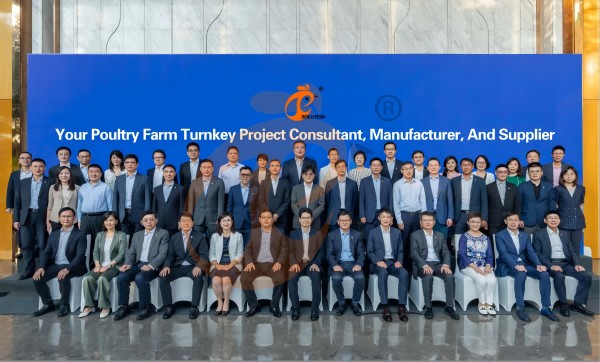
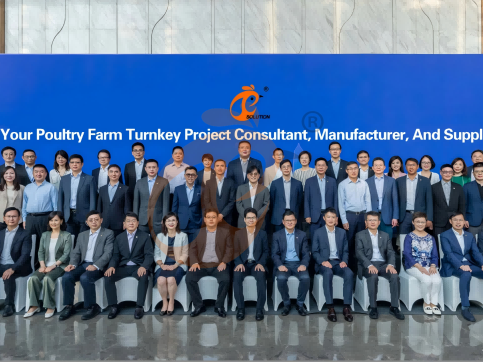
Hong Kong Headquarter Management Team
Hong Kong Headquarter Taiyu Industrial Group CO., LTD
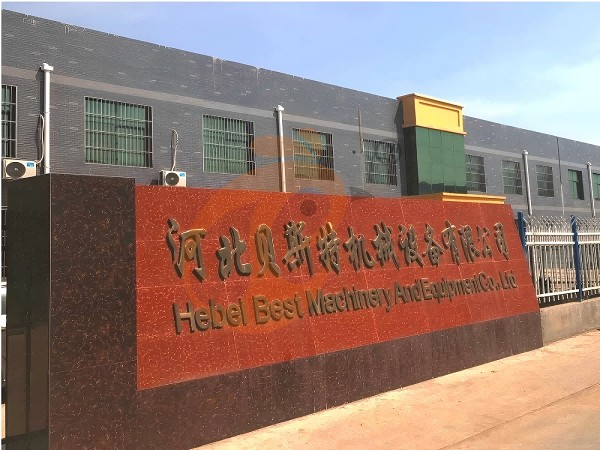
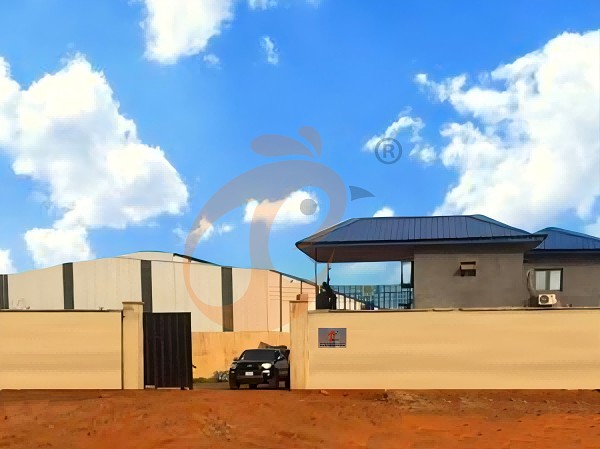
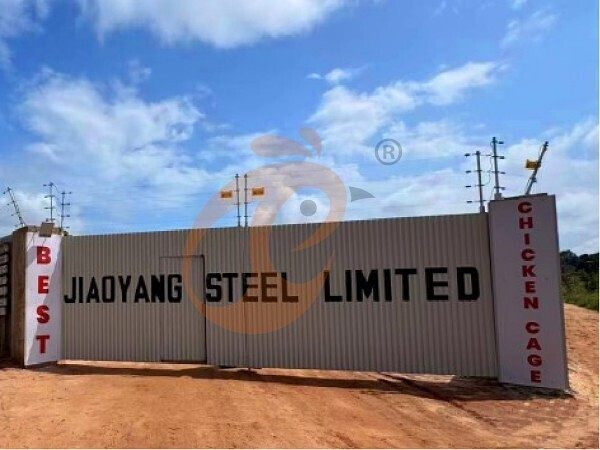
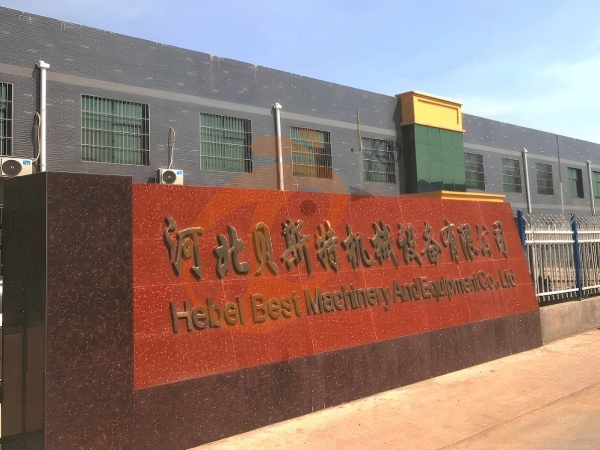
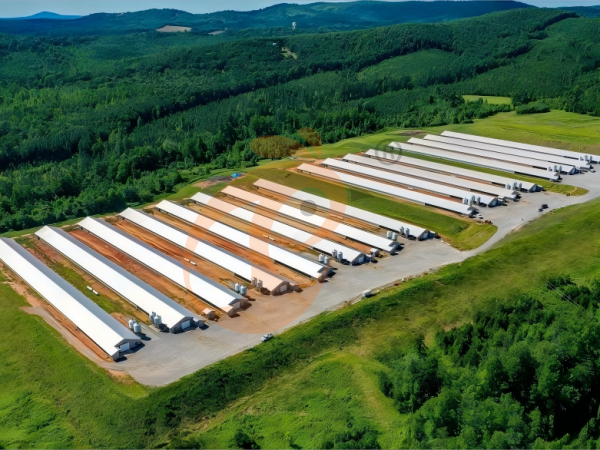
China Hebei Best Machinery And Equipment CO., LTD
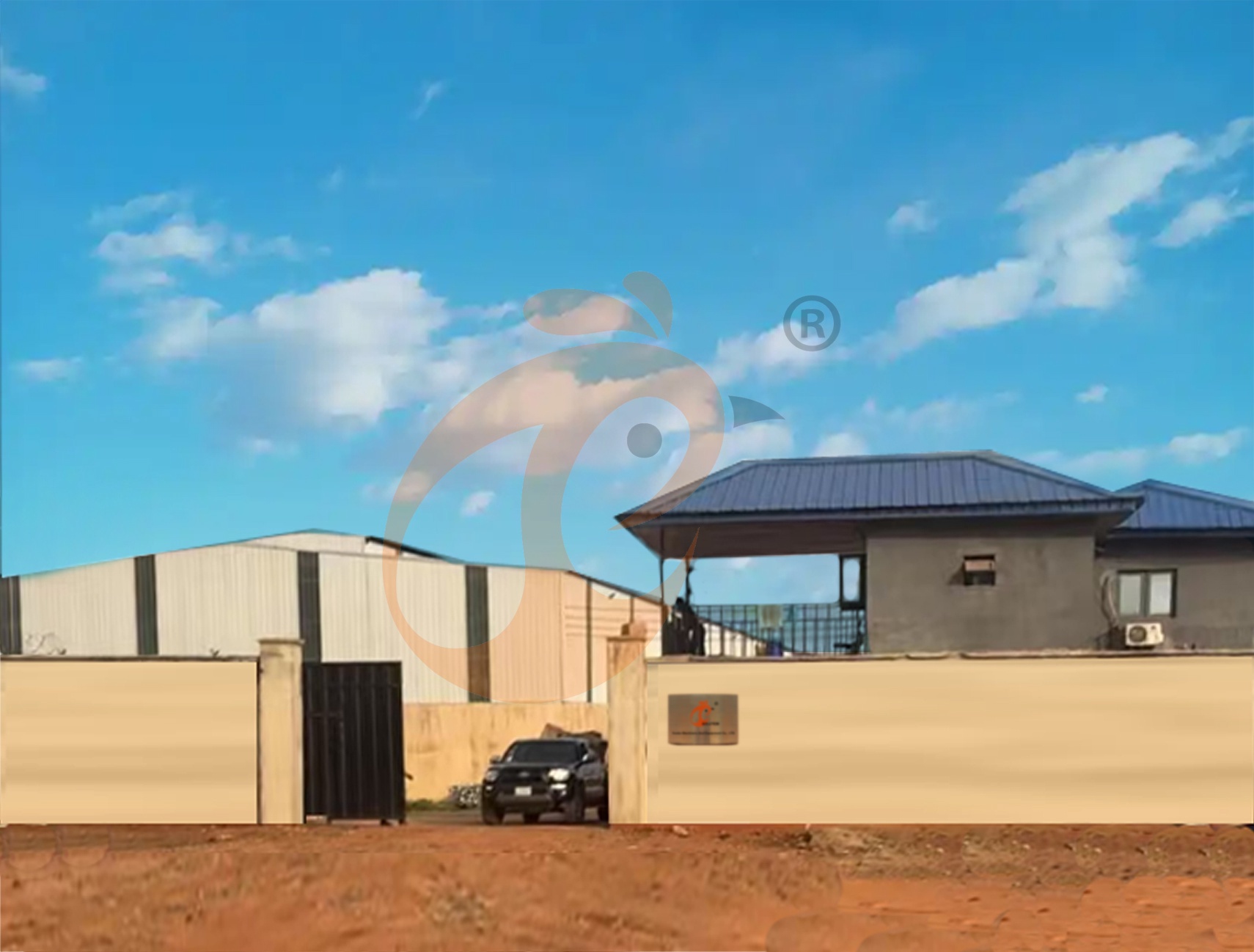
Nigeria Vanke Machinery And Equipment CO., LTD
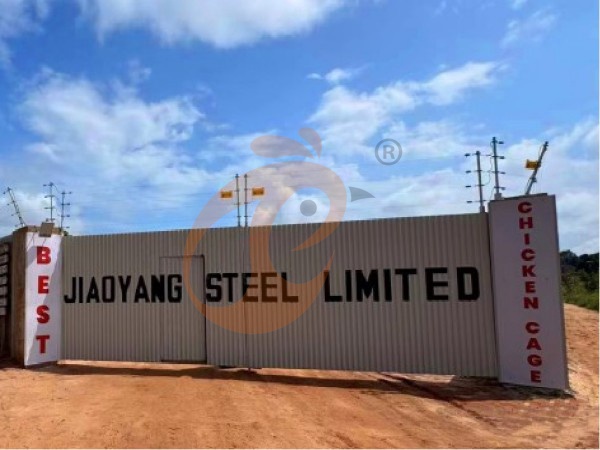
Tanzania Best Machinery And Equipment CO., LTD
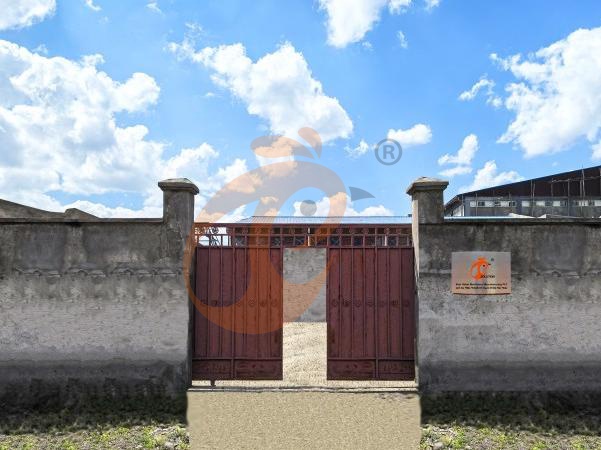
Ethiopia Best Hebei Machinery Manufacturing PLC

Reception /24 WhatsApp NO. : +8618830120193
FAQ
What Is The Production Capacity Range Of Pellet Machine In Poultry Chicken Feed Processing Systems?
Medium systems operate at 800–1500 kg per hour for commercial broiler farms.
Industrial pellet lines reach 3–6 tons per hour for integrated feed mill production.
What Are The Standard Pellet Diameters Produced By Pellet Machine For Poultry Chicken Feed?
Grower feed pellets are produced at 3.0 mm for balanced nutrient intake.
Finisher feed pellets are set at 4.0 mm to optimize growth performance and feed conversion.
What Temperature Range Is Required During Pelletizing Process In Poultry Chicken Feed Production?
Pellet discharge temperature is controlled at 75–85°C for structural stability.
Cooling stage reduces pellet temperature to within 5°C above ambient for storage safety.
- poultry farm
- poultry farms
- pellet machine
- chicken farm
- poultry house
- poultry cage
- cage
- poultry farm design
- poultry farm construction
- poultry farm setup
- poultry farm investment
- poultry equipment
- chickencage
- bestchickencage
- cage system
- cage systems
- Nigeria
- broiler farm
- modern chicken farm
- chicken farming system
- poultry farm feed processing
- modern poultry farms
- poultry farming
- poultry farm application
- poultry feed system
- poultry feed equipment
- automatic poultry feed equipment
- pellet machine for poultry feed
- pellet machine manufacturer
- pellet machine price
- automatic pellet machine
- poultry farm feed
- small poultry farm setup
- modern poultry farm
- modern poultry farming
- chicken feed production
- poultry farm plan
- small poultry farm
- poultry feed
- chicken feed
- poultry feed production
- poultry feed application
- Ethiopia
Message
Products recommended
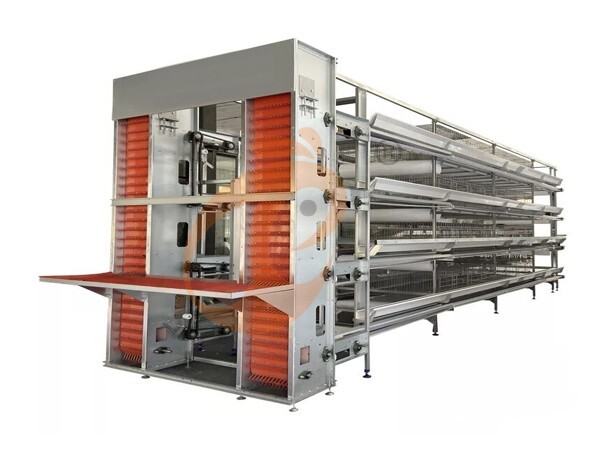
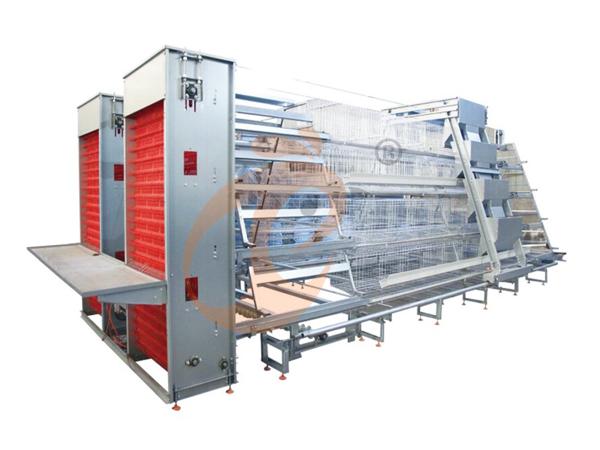
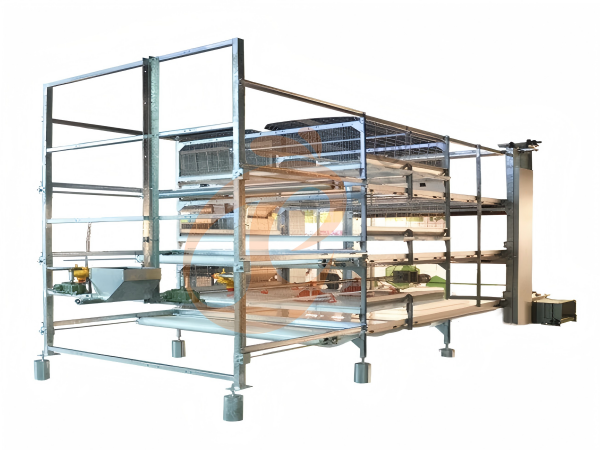
 >30,000 Pullets Automatic H Type Battery Cage1. More than 30,000 pullets a house, choose it.
2. It is designed to rearing older than 1 day old pullets to 12 to 16 weeks old chicken starting laying eggs.
3. Its lifespan is more than 25 years.
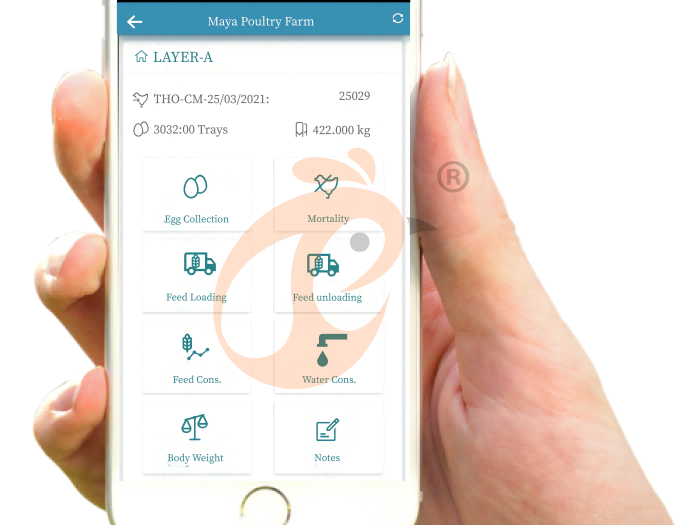
4. Its structure are Vcloud artificial intelligent fusion, electric control cabinet, automatic equipment of drinking, feeding, manure clean, manual harvesting.
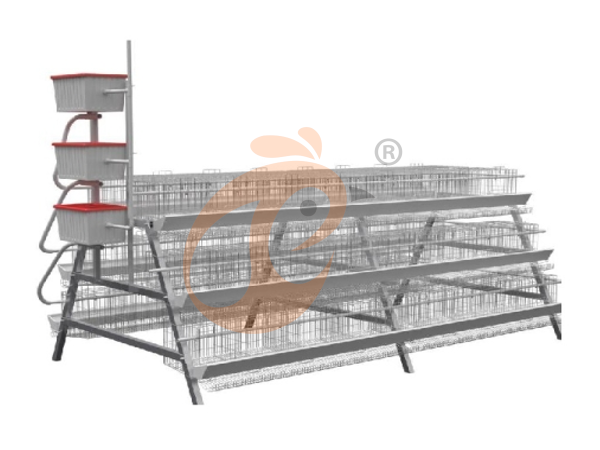
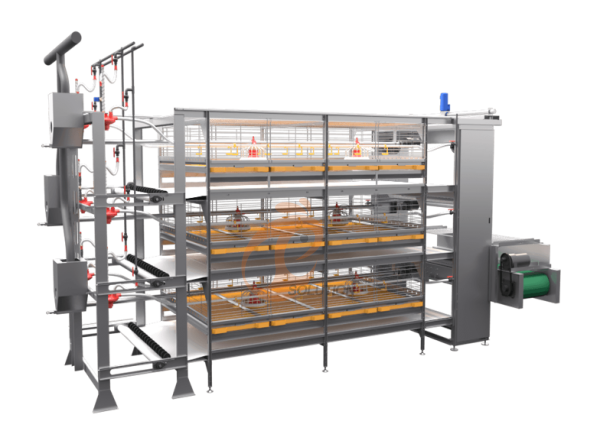
5. Our 24 hour online reception What’sApp NO. is +8618830120193 <30,000 Pullets Automatic A Type Battery Cage1. 10,000 to 30,000 pullets a house, choose it.
2. It is designed to rearing older than 1 day old pullets to 12 to 16 weeks old chicken starting laying eggs.
3. Its lifespan is more than 25 years.
4. Its structure are Vcloud artificial intelligent fusion, electric control cabinet, automatic equipment of drinking, feeding, manure clean, manual harvesting.
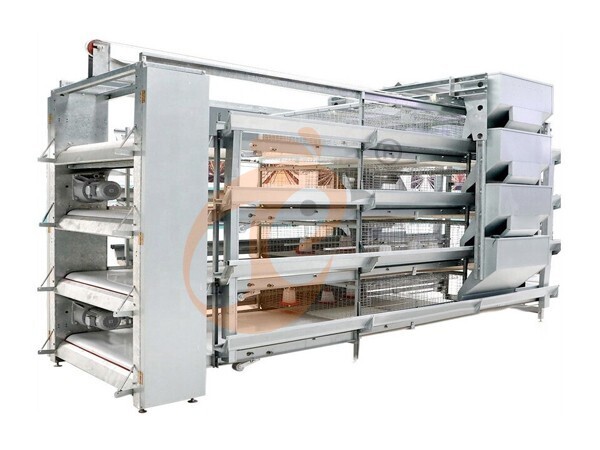
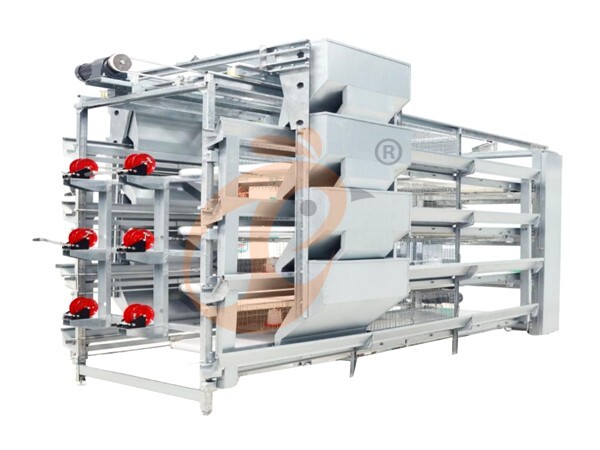
5. Our 24 hour online reception What’sApp NO. is +86 18830120193. >30,000 Broilers Semi-Automatic Harvest H Type Battery Cage1. More than 30,000 broilers a house, choose it.
2. It is designed to rearing 1 to 45 day old adult broiler ready for market.
3. Its lifespan is more than 20 years.
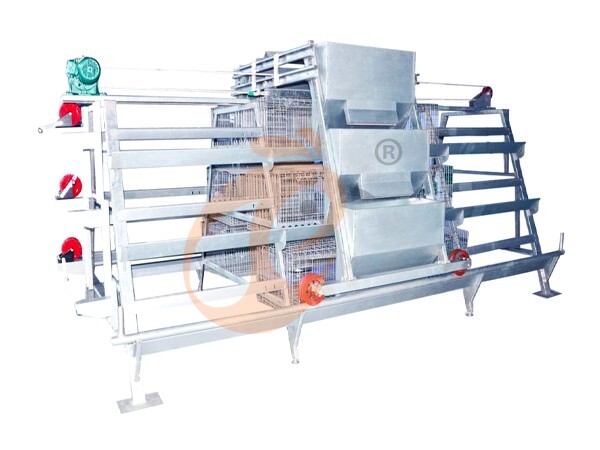
4. Our 24 hour online reception What’sApp NO. is +8618830120193, +234 8111199996. >30,000 Broilers Manual Harvest H Type Battery Cage1. More than 30,000 broilers a house, choose it.
2. It is designed to rearing 1 to 45 day old adult broiler ready for market.
3. Its lifespan is more than 20 years.
4. Its structure are Vcloud artificial intelligent fusion, electric control cabinet, automatic equipment of drinking, feeding and manure clean, manual harvesting.
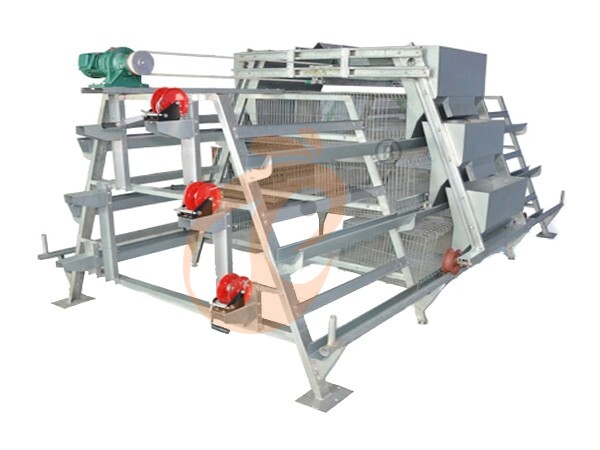
5. Our 24 hour online reception What’sApp NO. is +8618830120193, +234 8111199996. <30,000 Broilers Manual Harvest A Type Battery Cage1. Less 30,000 broilers a house, choose it.
2. It is designed to rearing 1 to 45 day old adult broiler ready for market.
3. Its lifespan is more than 20 years.
4. Its structure are Vcloud artificial intelligent fusion, electric control cabinet, automatic equipment of drinking, feeding and manure clean, manual harvesting.
5. Our 24 hour online reception What’sApp NO. is +8618830120193, +234 8111199996. HK Headquarter Offers EU-standard Poultry Farm Solutions, Manufacture Poultry Farm Equipment1. Continuous communication with the EU and the US
2. China, Nigeria, Ethiopia, Tanzania branch companies and factories
3. The products’ quality is customized for local poultry farms
4. Poultry cage and poultry farm equipment stock for sale
5. 24 online reception Whatsapp NO. : +8618830120193,contact us to get full information China Branch Offer Poultry Farm Business Plan, Manufacture Poultry Farm Equipment1. Address: Flat/RM 2416, 24/F, Runxing Building, Youyi Nan Street, Shijiazhuang City, Hebei Province, China
2. Poultry cage and poultry farm equipment factory and stock for sale
3. Customized for local poultry farms
4. Quality and design are based on Euro
5. 24 online reception Whatsapp NO. : +8618830120193 Nigeria Branch Offer Poultry Farm Business Plan, Manufacture Poultry Farm Equipment1. Address: After Sinoma Office, 200 Meters Near Danco Filling Station, Lagos/Ibadan Expressway, Lagos State, Nigeria
2. Poultry cage and poultry farm equipment factory and stock for sale
3. Customized for Nigerian poultry farms
4. Quality and design are based on Euro
5. 24 online reception Whatsapp NO. : +8618830120193 Ethiopia Branch Offer Poultry Farm Business Plan, Manufacture Poultry Farm Equipment1. Address: Gelan Gura, Akaki-kaliti Sub City, Addis Ababa, Ethiopia
2. Poultry cage and poultry farm equipment stock for sale
3. Customized for Ethiopian poultry farms
4. Quality and design are based on Euro
5. 24 online reception Whatsapp NO. : +8618830120193, contact us to get price list Tanzania Branch Offer Poultry Farm Business Plan, Manufacture Poultry Farm Equipment1. Address: No.8, Sova Road, Msufini, Mlandizi, Kibaha, Pwani, Tanzania
2. Poultry cage and poultry farm equipment factory and stock for sale
3. Customized for Tanzanian poultry farms
4. Quality and design are based on Euro
5. 24 online reception Whatsapp NO. : +8618830120193


Contact