


Blog
Poultry nipple drinker system installation enables controlled water delivery in broiler houses with stocking density up to 12 birds per nipple and pipeline pressure range 0.15–0.35 MPa.
Stainless steel nipple drinker assembly improves water hygiene stability in poultry houses operating 1,000–50,000 bird capacity per unit.
Nipple drinker installation reduces water loss rate below 5 percent in controlled poultry production environments.
PVC pipeline diameter supports uniform hydraulic distribution across long poultry house layouts up to 120 meters.
Daily water intake per broiler reaches 350 ml at finishing stage under standard poultry management conditions.
Get professional poultry farm construction guidance, equipment selection solutions, and the latest price lists, whatsApp to +8618830120193, click to learn more:
System Definition And Functional Structure
Nipple drinker systems in poultry farms are precision water delivery units designed for controlled activation through mechanical nipple valves.
In commercial broiler production houses, the system supports continuous water supply under regulated pressure conditions, ensuring uniform access across long poultry sheds.
The system architecture is based on a pressurized pipeline network combined with stainless steel or engineered polymer nipple valves, each designed for repeated activation cycles exceeding tens of thousands of uses in intensive poultry environments.
System Component Specification
Data is for reference only.Swipe horizontally to view full table.
Poultry Farm Water Demand Requirements
Water intake in poultry production is directly linked to metabolic rate and feed consumption patterns.
In broiler farming systems, water demand increases significantly after the second week of growth due to accelerated muscle development.
A properly designed nipple drinker system must match water supply capacity with flock size to maintain uniform hydration across all growth stages.
Daily Water Intake Reference
Data is for reference only.Swipe horizontally to view full table.
Layout Design For Poultry Houses
Proper layout design ensures balanced water access across poultry houses with long production lines.
In commercial broiler systems, nipple lines are installed parallel to feeding lines to optimize bird movement efficiency and reduce crowding pressure.
Water distribution uniformity depends on correct spacing and structural alignment of drinking lines.
Layout Parameters
Data is for reference only.Swipe horizontally to view full table.
Pipeline Assembly Installation
Pipeline installation forms the structural backbone of nipple drinking systems.
PVC or polyethylene pipes are mounted along ceiling frames or cage structures using fixed support brackets to maintain structural stability under water load conditions.
Slope alignment is required to prevent water stagnation and maintain uniform pressure distribution.
Pipeline Installation Data
Data is for reference only.Swipe horizontally to view full table.
Nipple Positioning And Fixation
Nipple positioning directly affects drinking behavior efficiency in broiler production systems.
Height adjustment is required throughout the growth cycle to match bird body development and ensure consistent access.
Spacing between nipples is designed to reduce competition and improve flock uniformity.
Nipple Installation Parameters
Data is for reference only.Swipe horizontally to view full table.
Pressure Regulation Calibration
Water pressure control is critical in maintaining uniform discharge across long poultry house pipeline systems.
Pressure is regulated at inlet points to ensure consistent delivery at each nipple location.
In large-scale poultry farms, centralized pressure regulators are used to stabilize hydraulic performance.
Pressure Control Parameters
Data is for reference only.Swipe horizontally to view full table.
Water Quality Integration
Water quality directly impacts nipple valve durability and internal pipeline hygiene.
Poultry drinking systems require pre-filtration to prevent sediment accumulation and bacterial contamination.
Filtration systems are installed at the main water entry point before distribution into nipple lines.
Water Quality Parameters
Data is for reference only.Swipe horizontally to view full table.
System Testing And Flow Verification
After installation, each pipeline section must be tested for hydraulic consistency and nipple activation response.
Testing ensures uniform water distribution across the entire poultry house.
System flushing is performed before bird placement to remove installation residues.
Flow Testing Parameters
Data is for reference only.Swipe horizontally to view full table.
Poultry Adaptation Phase Management
Bird adaptation is required when transitioning from open water systems to nipple drinking systems.
Early exposure ensures rapid behavioral learning and stable water intake.
Water droplet visibility is used to stimulate initial drinking response.
Adaptation Management Steps
Maintain chick level nipple height during initial placement phase
Ensure visible water droplets on nipples during early adaptation period
Provide temporary backup water source during transition stage
Monitor crop fill rate within first 48 hours production window
Adjust drinking line elevation every 5–7 days growth progression
Maintenance And Operational Control
Routine maintenance ensures long-term hydraulic stability and prevents microbial buildup inside pipeline systems.
Maintenance frequency depends on water mineral content and production intensity.
Flushing procedures are essential for maintaining consistent flow distribution.
Maintenance Schedule
Data is for reference only.Swipe horizontally to view full table.
Cost Structure And Installation Budget
Nipple drinker system cost depends on poultry house scale, material selection, and automation level.
Large-scale farms benefit from reduced per-unit infrastructure cost due to bulk installation efficiency.
EU standard reference only applies to water quality compliance segment of system design.
System Cost Breakdown
Data is for reference only.Swipe horizontally to view full table.
FAQ
What Birds Per Nipple Ratio Is Used In Commercial Broiler Houses?
Standard poultry engineering design uses 8 to 12 birds per nipple depending on stocking density and house ventilation design. This ratio ensures balanced water access across the flock and prevents localized competition pressure.
What Cleaning Frequency Is Required For Nipple Drinking Systems?
Pipeline flushing is typically performed 2 to 3 times weekly. Full system sanitation is carried out after each production cycle to remove biofilm and mineral deposits inside the water lines.
What Pressure Range Is Required For Stable Nipple Operation?
Stable operation requires working pressure between 0.10 MPa and 0.25 MPa at nipple level. Pressure is regulated at inlet system to ensure consistent hydraulic distribution across long pipeline networks.
Taiyu (HK) Group - One Of China Biggest Nipple Drinkers Manufacturer
Poultry nipple drinker system designed for broiler and layer farms with stainless steel valve structure and controlled water discharge performance across intensive production environments
Global factory direct supply enables standardized poultry equipment production including drinking lines, feeding systems and ventilation infrastructure for industrial poultry houses
Integrated poultry equipment solutions cover feeding system, drinking system, environmental control and cage structure for modern poultry production facilities
Poultry cage system compatibility supports multi-layer installation with automatic water distribution integration for high density poultry farming projects
Turn-key poultry engineering service includes farm design, equipment installation, commissioning and operational support for industrial poultry production systems
Contact Us To Received Your Customized Poultry Farm Plan
Headquarters And Branchs
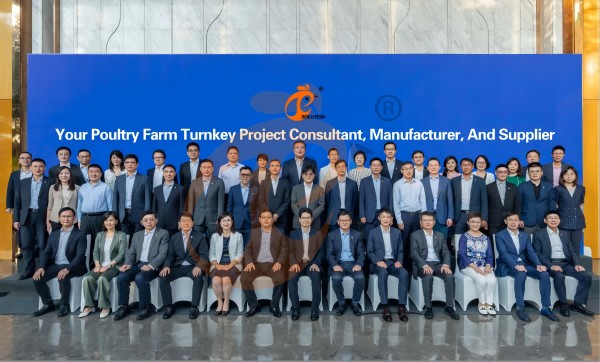
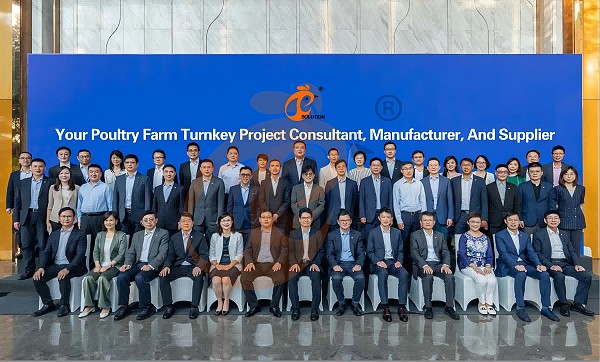
Hong Kong Headquarter Management Team
Hong Kong Headquarter Taiyu Industrial Group CO., LTD
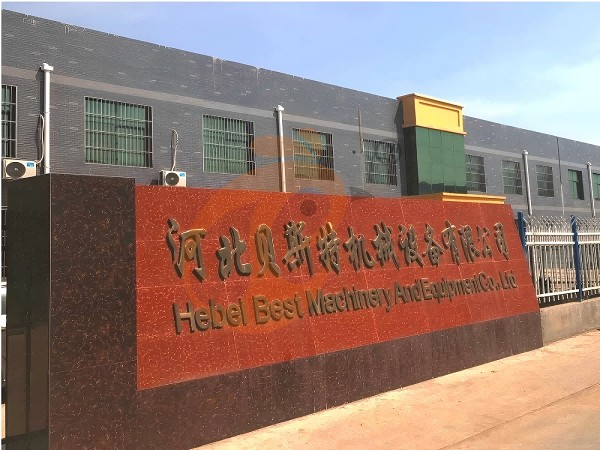
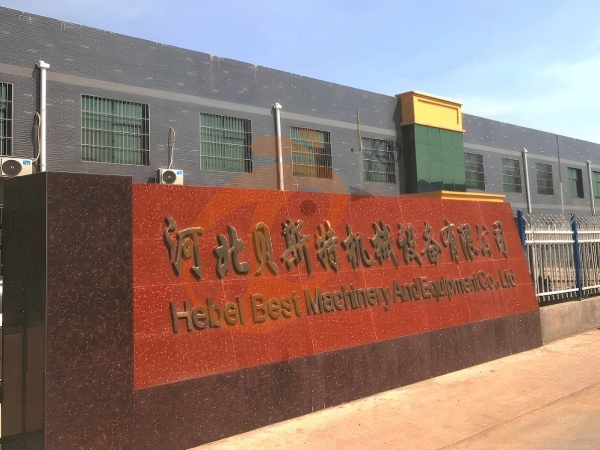
China Hebei Best Machinery And Equipment CO., LTD
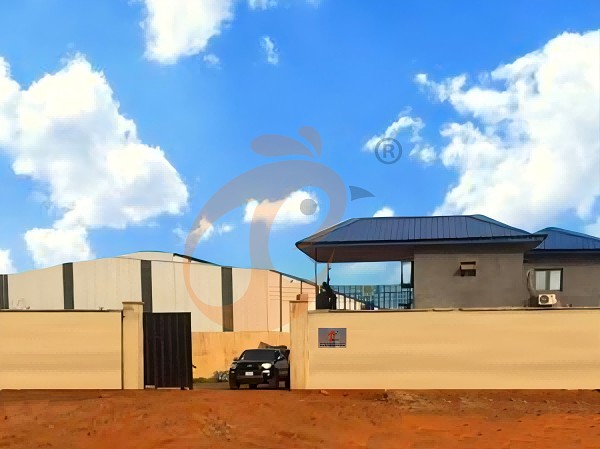
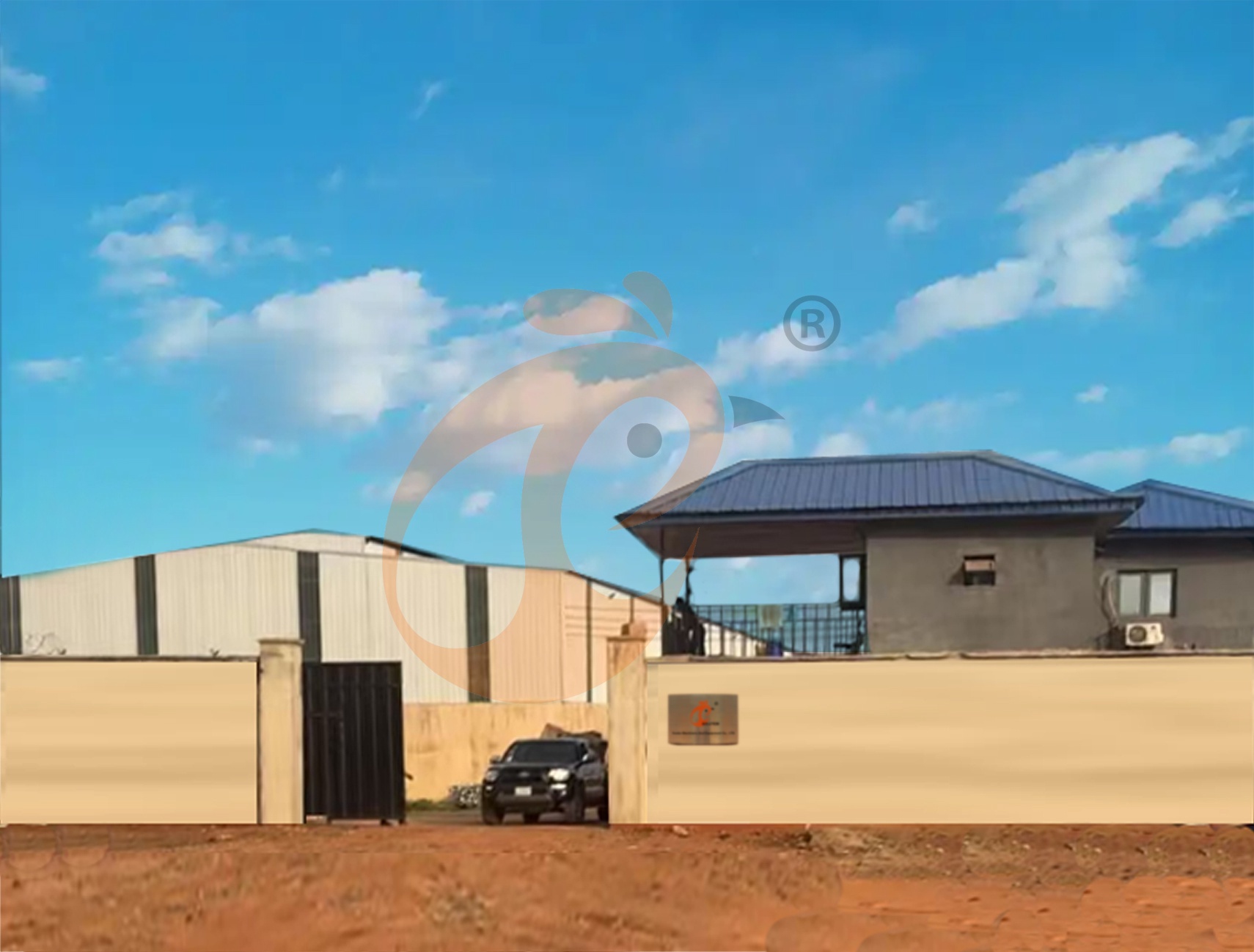
Nigeria Vanke Machinery And Equipment CO., LTD
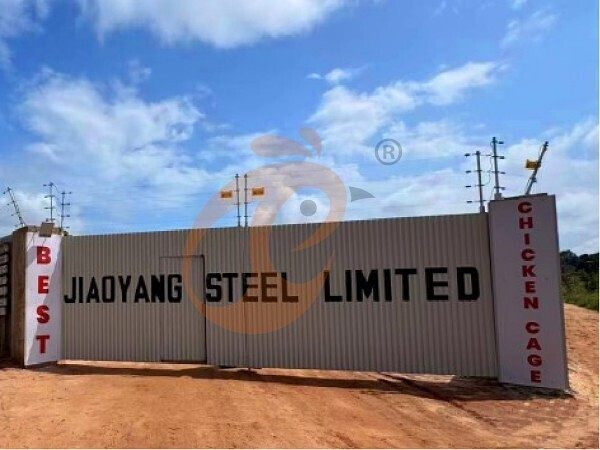
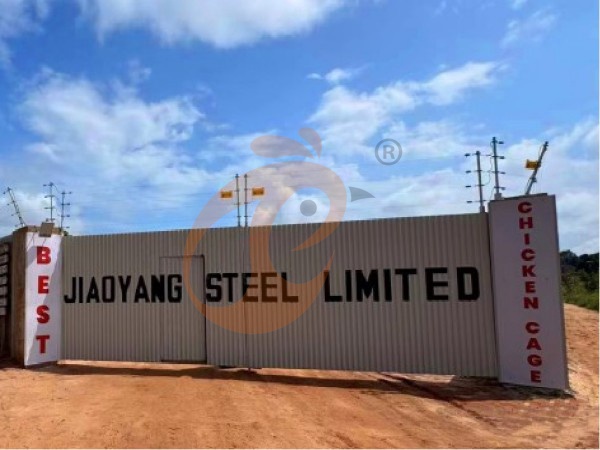
Tanzania Best Machinery And Equipment CO., LTD
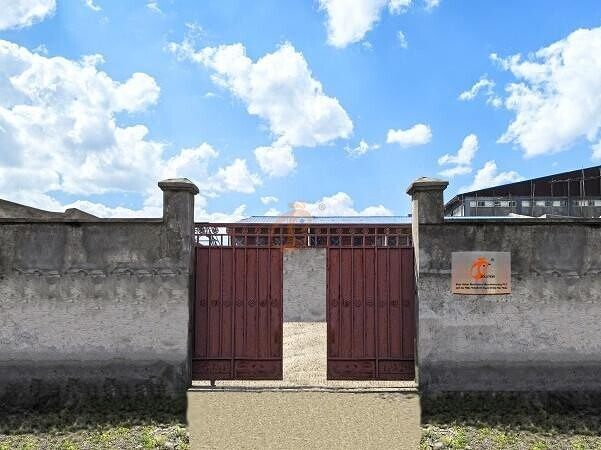
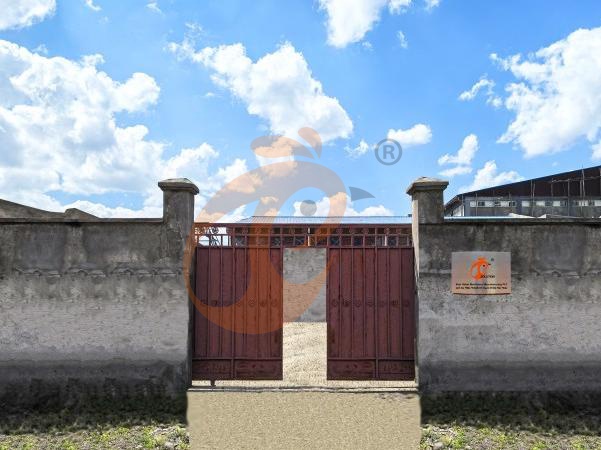
Ethiopia Best Hebei Machinery Manufacturing PLC
Reception /24 WhatsApp NO. : +8618830120193
FAQ
What Is The Service Life Expectancy Of Nipple Drinkers In Poultry Chicken Cage Systems?
Plastic housing maintains structural integrity for 6,000–8,000 working hours in humid environments.
Spring mechanism durability reaches 25,000–35,000 activation cycles before replacement requirement.
What Pipe Integration Standards Are Required For Nipple Drinkers In Poultry Chicken Cage Systems?
Drinker connection spacing is maintained at 28–32 cm for uniform access distribution.
End-cap flushing velocity reaches 1.2–1.8 m/s to ensure pipeline cleanliness.
How Does Nipple Orientation Affect Drinking Efficiency In Poultry Chicken Cage Systems?
Horizontal deviation tolerance is controlled within ±3 degrees for consistent water output.
Downward tilt adjustment improves intake rate by 12%–18% in broiler flocks.
- poultry farm
- poultry farms
- poultry house
- poultry cage
- cage
- poultry farm construction
- poultry cage system
- poultry house layout
- poultry drinking system
- poultry equipment
- chickencage
- bestchickencage
- cage system
- Nigeria
- layer farm
- broiler farm
- poultry farming
- poultry nipple drinker
- poultry farm plan
- broiler farming system
- Ethiopia
Message
Products recommended
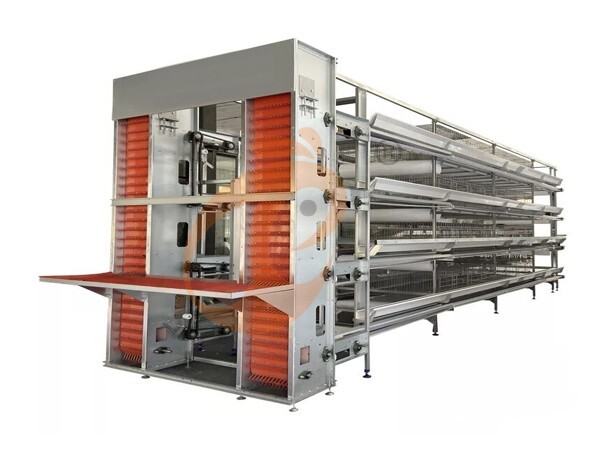
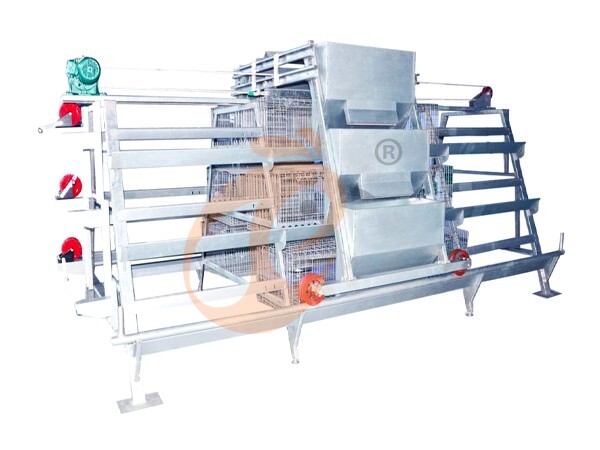
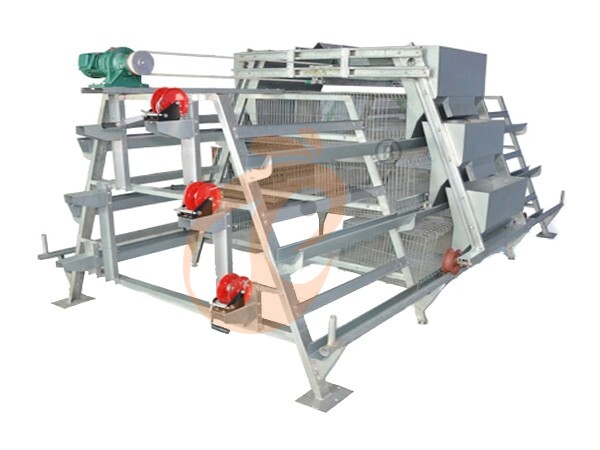
 >30,000 Pullets Automatic H Type Battery Cage1. More than 30,000 pullets a house, choose it.
2. It is designed to rearing older than 1 day old pullets to 12 to 16 weeks old chicken starting laying eggs.
3. Its lifespan is more than 25 years.
4. Its structure are Vcloud artificial intelligent fusion, electric control cabinet, automatic equipment of drinking, feeding, manure clean, manual harvesting.
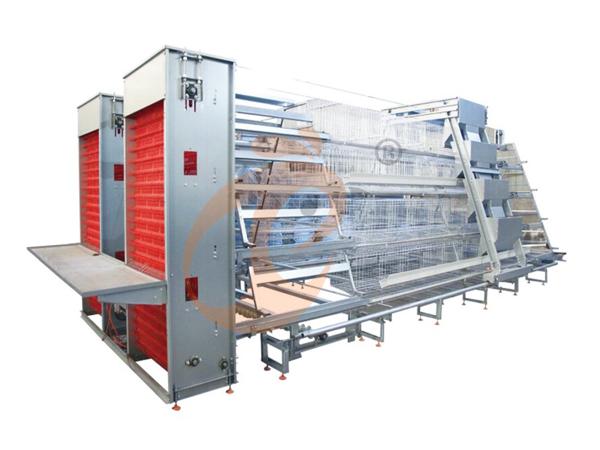
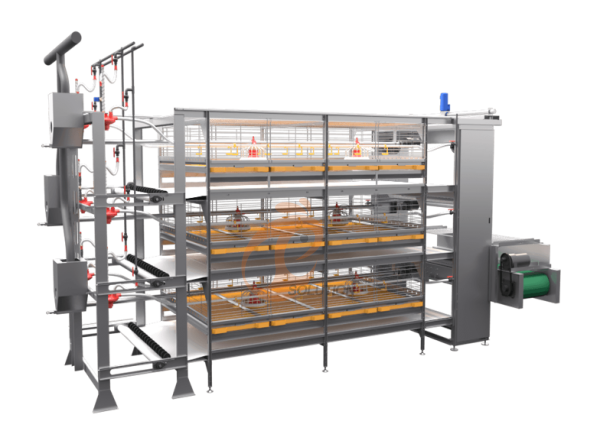
5. Our 24 hour online reception What’sApp NO. is +8618830120193 <30,000 Pullets Automatic A Type Battery Cage1. 10,000 to 30,000 pullets a house, choose it.
2. It is designed to rearing older than 1 day old pullets to 12 to 16 weeks old chicken starting laying eggs.
3. Its lifespan is more than 25 years.
4. Its structure are Vcloud artificial intelligent fusion, electric control cabinet, automatic equipment of drinking, feeding, manure clean, manual harvesting.
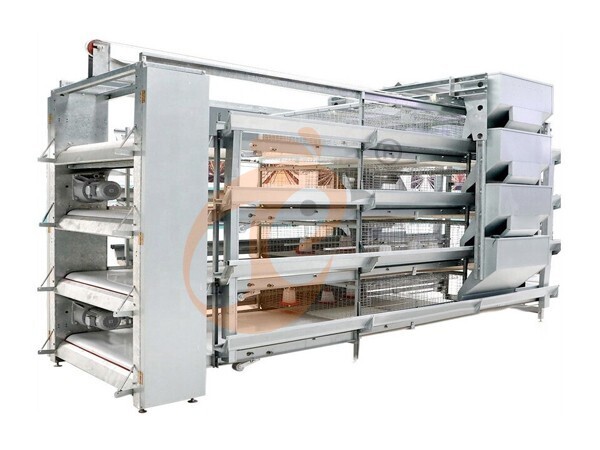
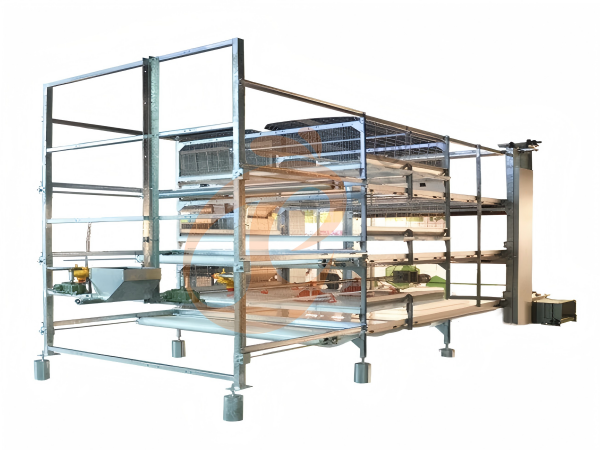
5. Our 24 hour online reception What’sApp NO. is +86 18830120193. >30,000 Broilers Semi-Automatic Harvest H Type Battery Cage1. More than 30,000 broilers a house, choose it.
2. It is designed to rearing 1 to 45 day old adult broiler ready for market.
3. Its lifespan is more than 20 years.
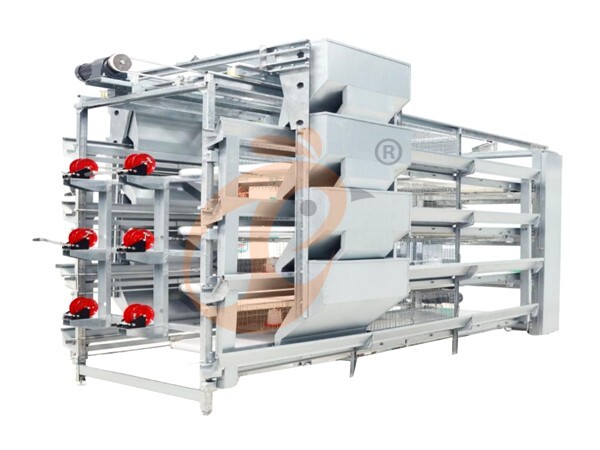
4. Our 24 hour online reception What’sApp NO. is +8618830120193, +234 8111199996. >30,000 Broilers Manual Harvest H Type Battery Cage1. More than 30,000 broilers a house, choose it.
2. It is designed to rearing 1 to 45 day old adult broiler ready for market.
3. Its lifespan is more than 20 years.
4. Its structure are Vcloud artificial intelligent fusion, electric control cabinet, automatic equipment of drinking, feeding and manure clean, manual harvesting.
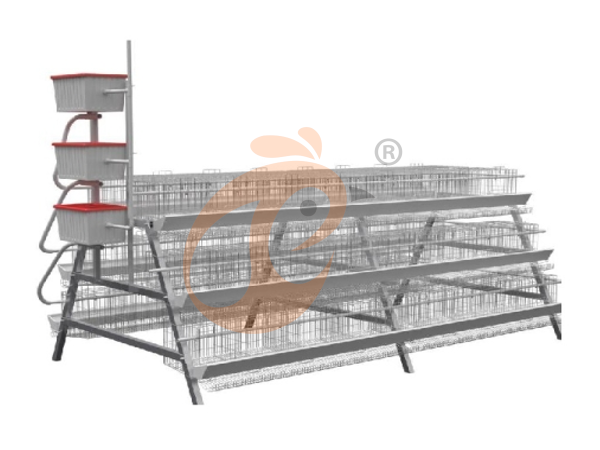
5. Our 24 hour online reception What’sApp NO. is +8618830120193, +234 8111199996. <30,000 Broilers Manual Harvest A Type Battery Cage1. Less 30,000 broilers a house, choose it.
2. It is designed to rearing 1 to 45 day old adult broiler ready for market.
3. Its lifespan is more than 20 years.
4. Its structure are Vcloud artificial intelligent fusion, electric control cabinet, automatic equipment of drinking, feeding and manure clean, manual harvesting.
5. Our 24 hour online reception What’sApp NO. is +8618830120193, +234 8111199996. HK Headquarter Offers EU-standard Poultry Farm Solutions, Manufacture Poultry Farm Equipment1. Continuous communication with the EU and the US
2. China, Nigeria, Ethiopia, Tanzania branch companies and factories
3. The products’ quality is customized for local poultry farms
4. Poultry cage and poultry farm equipment stock for sale
5. 24 online reception Whatsapp NO. : +8618830120193,contact us to get full information China Branch Offer Poultry Farm Business Plan, Manufacture Poultry Farm Equipment1. Address: Flat/RM 2416, 24/F, Runxing Building, Youyi Nan Street, Shijiazhuang City, Hebei Province, China
2. Poultry cage and poultry farm equipment factory and stock for sale
3. Customized for local poultry farms
4. Quality and design are based on Euro
5. 24 online reception Whatsapp NO. : +8618830120193 Nigeria Branch Offer Poultry Farm Business Plan, Manufacture Poultry Farm Equipment1. Address: After Sinoma Office, 200 Meters Near Danco Filling Station, Lagos/Ibadan Expressway, Lagos State, Nigeria
2. Poultry cage and poultry farm equipment factory and stock for sale
3. Customized for Nigerian poultry farms
4. Quality and design are based on Euro
5. 24 online reception Whatsapp NO. : +8618830120193 Ethiopia Branch Offer Poultry Farm Business Plan, Manufacture Poultry Farm Equipment1. Address: Gelan Gura, Akaki-kaliti Sub City, Addis Ababa, Ethiopia
2. Poultry cage and poultry farm equipment stock for sale
3. Customized for Ethiopian poultry farms
4. Quality and design are based on Euro
5. 24 online reception Whatsapp NO. : +8618830120193, contact us to get price list Tanzania Branch Offer Poultry Farm Business Plan, Manufacture Poultry Farm Equipment1. Address: No.8, Sova Road, Msufini, Mlandizi, Kibaha, Pwani, Tanzania
2. Poultry cage and poultry farm equipment factory and stock for sale
3. Customized for Tanzanian poultry farms
4. Quality and design are based on Euro
5. 24 online reception Whatsapp NO. : +8618830120193


Contact